

A garden tub can make a normal bathroom feel calm and spa-like, but it can also create real headaches if you choose the wrong size, material, or spot in the room. A tub that’s too large can crowd your walkway. A tub that’s too deep can be hard to get in and out of. And a tub that holds a lot of water can push your water heater past its limit.
In this guide, you’ll get the quick answers first—what is a garden tub, how it compares to a standard tub and a soaking tub, and who it fits best. Then we’ll walk through garden bathtub dimensions, materials, garden tub prices, layout planning, installation basics, and a final checklist you can use before you buy.
What Exactly is a Garden Tub, Garden Tub Design, and Key Features
If you’re browsing a garden tub buying guide and wondering what is a garden tub and whether there’s a garden tub that’s right for one in your bathroom, it helps to start with the basics—exactly is a garden tub, how garden tubs are typically designed, how garden tub dimensions can vary widely, and why freestanding garden tubs are often chosen for a more luxurious, deep soaking experience than standard tubs.
What is a garden tub used for?
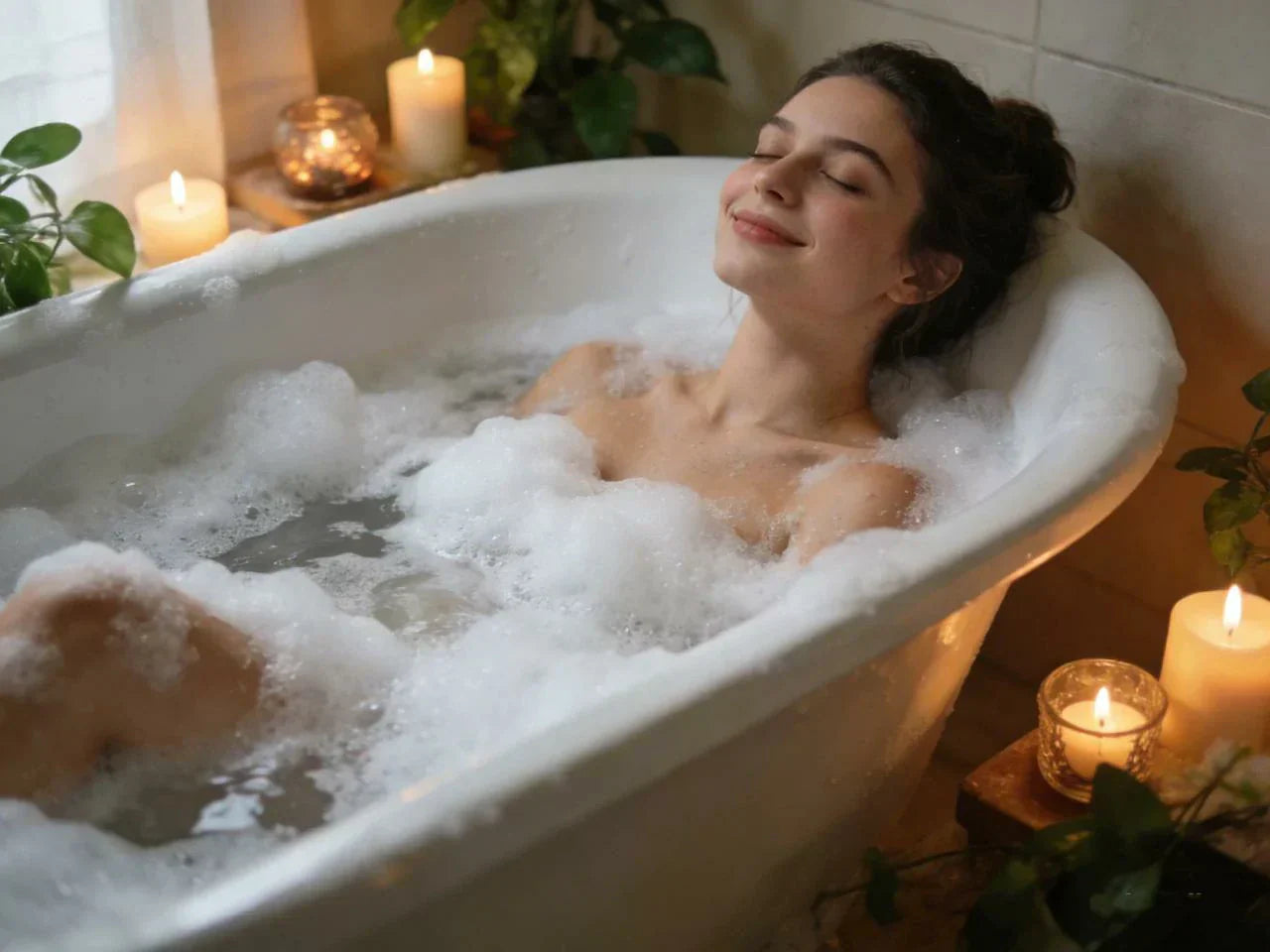
A garden tub is made for one main job: a long, comfortable, full-body soak. Unlike a typical alcove tub, a garden tub is usually not built as a tub-and-shower combo. Many people pick it when they want relaxation, stress relief, or a deeper bathing experience at the end of the day.
If you’re imagining quick showers on busy mornings, a garden tub may feel like the wrong tool. But if you’ve ever thought, “I wish my tub were deep enough to cover my shoulders,” then a deep soak is exactly what a garden tub is built for.
What is a garden tub?
To put it simply, a garden tub is a large soaking bathtub that is usually freestanding, often oval, and deeper than a standard tub. Many are 20 inches deep or more, compared with roughly 14–16 inches for many standard tubs. Garden tubs are designed for comfort, with higher walls, smoother curves, and shapes that let you sink in and relax.
Even though the name includes “garden,” most garden bathtubs are installed indoors. The “garden” idea is more about the feel—like a personal retreat—than the location.
What Makes a Garden Tub a Garden Tub and How Garden Tubs Are Made
A tub becomes a “garden tub” because of a few traits working together. It’s usually a large garden tub with a deeper interior, a wider bathing well, and a soaking-first design. It often stands out as a focal point in the bathroom, instead of being tucked between three walls like a standard tub. And it’s commonly paired with a dedicated tub filler faucet (floor-mounted or deck-mounted) instead of a showerhead.
If a tub is shallow, narrow, and meant to share space with a shower curtain, it’s probably not a garden tub. If it’s roomy, deep, and meant to be the main “spa” moment in your bathroom design, there’s a good chance it fits the idea.
Key characteristics (depth, shape, placement)
Depth is the first thing people notice, but shape and placement matter just as much. Many garden tubs are oval or elongated because that shape supports your back and shoulders well. A sloped backrest can make a tub feel longer than it measures on paper, while a tub with steep sides can feel tighter than you expect.
Placement is also part of the “garden tub” identity. These tubs are often placed where they can be seen—near a window (with privacy handled), under a statement light, or centered in a larger primary bathroom. Outdoor placement is possible, but it requires weather planning, a strong base, and attention to freezing risk.
Garden tub types at a glance (visual)
Below is a simple “at-a-glance” comparison. It isn’t about better or worse—it’s about what fits your space and habits.
| Type of tub | Typical look | Best for | What to watch |
|---|---|---|---|
| Freestanding soaking tub (common garden tub style) | Oval or rectangular, visible on all sides | Spa-like bathrooms, visual focal point | Needs clearance around it; floor-mounted or wall-mounted faucet planning |
| Drop-in / deck-mount tub (often called a roman tub setup) | Tub “drops” into a built deck | Built-in look, ledge space for toiletries | Deck waterproofing; access panel for plumbing |
| Jetted whirlpool tub (sometimes called a “Jacuzzi tub”) | Often built-in, sometimes large | Hydrotherapy feel, strong water movement | More maintenance, power needs, pump access |
Quick “is it right for me?” decision filter (interactive)
Before you fall in love with a tub online, pause and do this quick check. Keep a note on your phone and answer honestly.
Fast garden tub fit quiz (60 seconds)
| Question | Your answer |
| Do you have a separate shower (or plan to)? | Yes / No |
| Can your bathroom spare extra open floor space around a tub? | Yes / No |
| Do you want water up to your chest/shoulders? | Yes / No |
| Are you okay with higher water use than a standard tub? | Yes / No |
| Do you need easy step-in access (mobility concerns)? | Yes / No |
| Do you want jets (hydrotherapy), or simple quiet soaking? | Jets / Soak |
How to read it: If you answered “No” to the separate shower question, a garden tub may cause daily frustration. If you answered “Yes” to deep soaking and space, you’re likely a strong match. If mobility is a concern, you may still choose a garden tub, but you should plan safety upgrades from the start.
Garden Tub vs Soaking Tub vs Standard Tub (Fast Comparison)
Before comparing styles side by side, it helps to step back and ask what is a garden tub, how a typical garden tub or traditional garden tub differs in design and intent, and why—since garden tubs are often freestanding soaking tubs—the cost for a garden tub, the weight of the tub, and how it sits on the bathroom floor all matter when you’re trying to choose the right tub and find the perfect tub for a bathroom with a garden tub.
Garden tub vs soaking tub: what’s the real difference?
People often ask about soaking tub vs garden tub, and the confusion is normal because both are meant for soaking. Here’s the cleanest way to think about it: a soaking tub is any tub designed for a deeper soak than a standard tub, and it can come in many sizes and install types. A garden tub is a soaking tub style that leans hard into spaciousness—often wider, deeper, and more “lounge-like,” sometimes roomy enough for two people depending on the interior shape.
So the difference is not a strict rule like “one is 20 inches deep and one is 19.” It’s more about the intent. Garden tubs come with a “slow down and stay awhile” vibe, while soaking tubs as a category can include smaller, tighter options made for compact bathrooms.
Garden tub vs standard tub (alcove): practicality vs luxury
A standard tub is usually an alcove tub: it fits between walls, it’s easy to pair with a shower, and it uses space efficiently. It’s practical. It’s also the reason many families can have one bathroom that works for everyone.
A garden tub is the opposite choice in many ways. It’s there for the soaking experience and the look. It often needs more clearance, and it usually isn’t shower-combo friendly. If your home has one bathroom and five people, a standard tub might win on daily life. If you have a primary suite and want a deeper soak, a garden tub can make sense.
Specs that matter most (table)
Numbers help you avoid regret. The ranges below are typical, but each model can vary, so always confirm the manufacturer specs before purchase.
| Spec | Garden tub | Standard tub | Soaking tub (general category) |
| Typical interior depth | 20–24+ in | ~14–16 in | Often 18–24 in |
| Typical length | 60–72 in | 60 in common | 54–72+ in |
| Typical width | 30–36 in | ~30–32 in | 28–36 in |
| Water capacity (common range) | 60–110+ gallons | ~40–60 gallons | ~50–90+ gallons |
| Install type | Freestanding, drop-in | Alcove | Freestanding, alcove, drop-in |
| Clearance needs | Higher | Lower | Medium to high |
Are garden tubs outdated or trending in 2026?
In 2026, the trend is less about giant, complicated builds and more about clean shapes and calm finishes. Many homeowners are moving away from tubs that require lots of tile, bulky decks, or loud systems. The modern take is a freestanding deep soaking bathtub look: simple lines, fewer seams, and easier cleaning.
At the same time, people are more aware of water use than they were years ago. A big tub can feel wasteful if you rarely use it. So the “trend” only works when the tub matches your habits. If you soak often, the comfort payoff can be real. If you soak twice a year, the space might be better used elsewhere.

Choosing the Garden Tub Right: Garden Tub Dimensions, Tub Dimensions, and Layout
The next step is choosing the right garden tub for your space—because garden tub design, how the tub itself but also the rim of the tub and floor support work together, and how garden tubs can vary widely all affect clearance, structure, and whether the tub truly fits as a smart addition to your home.
How deep is a garden tub?
Most garden tubs are about 20–24+ inches deep, but depth alone won’t tell you how good it feels. The key point is the interior bathing well: the slope of the backrest, the shape of the sides, and the flat area where you sit.
Two tubs can both list “22 inches deep,” but one may have a steep back that pushes you forward, and the other may let you recline comfortably. If you can, sit in a floor model. If you can’t, look for interior measurements and a clear “soaking depth” spec.
Standard garden bathtub dimensions + who they fit best
Many shoppers ask, what is the standard size of a garden tub? There isn’t one single standard, but there are common ranges that show up again and again.
Most garden bathtub dimensions land around 60–72 inches long, 30–36 inches wide, and 20–24+ inches deep. Here’s how that tends to fit real people in real bathrooms:
-
A tub in the 60–66 inch range often works for most adults and is easier to fit in a bathroom that wasn’t built for luxury.
-
A 70–72 inch tub feels more relaxed for taller bathers and can feel less cramped for couples, as long as the interior width supports it.
When you measure your room, don’t only measure the “tub spot.” Measure how you will walk around it when it’s installed. That’s where people get surprised.
How much space is needed for a garden tub?
This question sounds simple, but it has two answers: the tub footprint and the real-world clearance.
A common mistake is thinking, “My tub is 66 by 34, so I need a 66 by 34 space.” In practice, a freestanding tub needs breathing room so you can clean around it, access plumbing if needed, and avoid squeezing past it every day.
As a rule of thumb, many people aim for at least 4–6 inches of space around the tub body if possible, and a comfortable walkway on the main access side. Your bathroom door swing also matters. If the door bumps into the tub, you’ll hate that tub fast.
Simple layout reality check: stand in your bathroom and mark the tub outline on the floor with painter’s tape. Then walk your normal path: to the vanity, toilet, and shower. If you turn sideways or shuffle, the tub may be too large even if it “fits.”
Floor load + weight planning (diagram + calculator)
A garden tub can be heavy because you’re not just supporting the tub itself. You’re supporting the tub, the water, and a person (or two). This is where planning protects you from squeaky floors or worse.
Quick weight math (simple estimator)
Use this as a planning tool, not a final engineering number.
-
Water weighs about 8.34 lb per gallon.
-
A typical deep tub may hold 60–110+ gallons depending on size and how high you fill it.
Example:
If a tub holds 80 gallons and you fill it close to full:
-
Water weight: 80 × 8.34 ≈ 667 lb
-
Add tub weight (varies by material): often 80–350+ lb
-
Add bather: for planning, many people use 150–250+ lb
That can put you around 900–1,200+ lb in one area of the floor.
When should you consult a structural pro?
If your tub is very large, made of a heavier material like cast iron or stone resin, or you’re installing it on an upper floor, it’s smart to ask a qualified professional to review the load and framing. It’s a small step compared to fixing a floor after the fact.
Bathroom layout rules of thumb (clearance diagram)
Here’s a simple visual to help you think about clearance. The goal is to ensure comfort, cleaning access, and safe movement around your tub. Make sure there’s enough space between the tub and nearby walls or windows so you can get in and out easily and clean around it. Leave a clear walkway in front of the tub, with sufficient distance from the vanity or toilet, so people can move safely without bumping into fixtures.
Faucet placement is also an important part of the layout. A floor-mounted tub filler should be positioned so the spout reaches the tub rim without splashing. A wall-mounted filler requires solid support and the correct rough-in depth, while a deck-mounted (Roman tub style) faucet needs a wide, waterproof deck surface to accommodate installation and use safely.
Garden Tub Materials: Tub Materials and Garden Tub Materials Overview
Once you know what is garden tub and why a garden tub is a type of soaking tub chosen to transform your bathroom, the next question becomes material—because garden bathtubs come in different builds, garden tubs are made to retain heat, vary in weight, and carry different garden tub pros and cons, all of which matter when you want to make your garden tub right and choose the perfect garden tub to suit your space.
Acrylic vs cast iron vs stone resin (pros/cons matrix)
Your garden tub materials affect comfort, cleaning, heat retention, and whether the install is simple or complicated. Most shoppers narrow it down to acrylic, cast iron, or stone resin.
| Material | Heat retention | Weight | Feel | Repairability | Typical cost range (tub only) |
| Acrylic | Medium (can be improved with insulation) | Lighter | Smooth, warm to touch | Often repairable (scratches) | $600–$2,500 |
| Cast iron (enameled) | High | Heavy | Solid, classic | Enamel can chip; repair is possible but specialized | $1,500–$5,000+ |
| Stone resin | High | Medium to heavy | “Stone-like,” often matte | Small scratches may be buffed depending on finish | $1,800–$6,000+ |
If you want a simple install and a lighter load, acrylic is often the easiest path. If you want that “stays warm longer” feel and don’t mind weight, cast iron and stone resin are strong picks.
Freestanding soaking tub styling (oval tub, modern farmhouse, minimalist)
Many freestanding tubs are oval because oval shapes feel soft in a room full of straight lines. Rectangular tubs can look sharp and modern, and they can be easier to align in a more geometric bathroom.
Finish also changes the mood. Glossy finishes reflect light and can feel bright and clean. Matte finishes can feel calmer and hide water spots better, but some matte surfaces need a bit more care to avoid staining.
Hardware is the quiet detail that ties it together. Brushed nickel feels classic. Matte black feels bold. Brass or warm metals feel softer and more traditional. The best choice is the one that matches the rest of the bathroom so the tub doesn’t look “dropped in” as an afterthought.
Jetted tub and hydrotherapy options (when they’re worth it)
A garden tub can be simple soaking, or it can include jets. Jets can feel great on sore muscles, but they also add moving parts, noise, and cleaning duties.
If you love the idea of hydrotherapy, ask yourself one honest question: will you really clean and flush the system on schedule? Jetted tubs can develop buildup inside the lines if they aren’t maintained. That doesn’t mean jets are “bad.” It means they are a better fit for people who like systems and routines.
Also plan for access. Pumps and controls may need service. If the tub is boxed in without an access panel, a small repair can turn into a big demolition.
Outdoor “garden” setups: wood soaking tubs vs indoor-style garden tubs
Yes, you can put a “garden tub” outdoors, but outdoor installs are a different project. Some people choose wood soaking tubs outdoors because wood can feel natural and can hold heat well when cared for. Others choose acrylic or stone resin styles outside for a cleaner look.
Outdoor setups need a solid base, drainage planning, privacy screening, and a plan for cold weather. In freezing climates, water left in lines can cause damage. A cover and insulation can help with heat loss and debris.
If the outdoor idea is your dream, treat it like a small construction project, not just a tub purchase.

Benefits, Drawbacks & Who It’s Best For
Before weighing the pros and cons, it helps to step back and ask what is a garden tub, how garden tubs are made and garden tubs require different planning than a standard garden tub or even a hot tub, and why—since garden tubs are celebrated for comfort and style—the real question is whether garden tubs are perfect for how you actually use your bathroom.
Garden tub pros (comfort, aesthetics, resale)
The biggest benefit is simple: a deeper soak feels different. When your shoulders can sink in and your back can rest, you stop fidgeting and start relaxing. Many people also like using bath salts for a calm routine after long days.
A garden tub also changes the look of a bathroom. Because it often stands out in the open, it becomes a design anchor. If you’re remodeling a primary suite, that “wow factor” can make the room feel more finished.
Resale is tricky because every market is different, but many buyers notice a well-planned soaking tub in a primary bathroom. They also notice bad planning. A gorgeous tub that blocks movement or looks cramped can hurt more than it helps.
Garden tub cons (space, water use, heating time)
The downsides come from the same thing that makes garden tubs attractive: size.
A larger tub usually uses more water, takes longer to fill, and can cool faster if your bathroom is chilly. If your water heater is small, you may run out of hot water before you reach your preferred level. That’s not a fun surprise when you’re already in the tub.
Cleaning is another real issue. Freestanding tubs can be easier to wipe down, but only if you have enough clearance to reach the back side. If the tub is wedged tight to a wall, you might end up with dusty, damp gaps that are hard to clean.
Who should buy one? (buyer personas)
A garden tub is a great option when the goal is comfort and you actually plan to use it. It fits well for people who treat bathing as part of their wellness routine, couples who want more room, and homeowners building a calm primary suite.
On the other hand, if your household is “shower-first,” or your bathroom is tight, or your budget is already stretched by other repairs, a garden tub may become an expensive decoration.
If mobility is a concern, you don’t have to rule it out, but you should plan for safer entry, good grip surfaces, and temperature control from day one.
Case snapshots (real-world scenarios)
A friend of mine once moved into a smaller home with a bathroom that felt cramped. They wanted a luxury feel, but the space was real. They used painter’s tape to map a standard oval garden tub on the floor and realized they’d have to squeeze past it every morning. In the end, they chose a smaller deep soaking tub style that kept the same calm look without stealing the walkway. The lesson was simple: the “right” tub is the one that fits your body and your daily path through the room.
Another example: a couple I spoke with wanted jets for sore backs. They loved the idea, but they didn’t want extra maintenance. They chose a non-jetted deep tub and added other comfort upgrades instead, like better ventilation and a warmer bathroom temperature. They still got that spa feel without the system upkeep.
Pricing, Water Use & Operating Costs (2026 Planning)
Once you understand exactly is a garden tub and why a garden tub is a freestanding, or why a tub is a freestanding soaking option in many bathrooms, the next step in 2025 garden tub planning is cost—because since garden tubs vary widely in size, how garden tubs made, where the garden tub stands, and what’s involved in installing a garden tub, the price of a tub without careful planning can change fast across a broad selection of garden tubs.
What does a garden tub cost installed?
People ask about garden tub cost because it’s not just the tub price tag. Installation can be the bigger number, especially if you move plumbing or reinforce a floor.
Here’s a realistic 2026 planning view. These are common ranges, not promises, because labor and remodel conditions vary a lot.
| Cost item | Typical range |
| Garden tub price (tub only) | $600–$6,000+ |
| Faucet set + drain/trim | $250–$2,500+ |
| Plumbing labor (typical install) | $800–$3,500+ |
| Electrical (only if jetted) | $300–$1,500+ |
| Floor support changes (if needed) | $500–$5,000+ |
| Tile/repair/finishing work | $500–$4,000+ |
So, how much does it cost to put in a garden tub? Many homeowners land somewhere between $2,500 and $10,000+ installed, depending on the tub type, whether it’s jetted, and how much the bathroom needs to change to support it.
A simple replacement in the same location with easy access can be closer to the lower end. A full remodel with plumbing moves and heavier materials can climb quickly.
Water capacity, heater sizing, and energy implications (calculator)
A garden bathtub can use more hot water than you expect. Before you buy, do a fast reality check with your water heater. According to the U.S. Department of Energy, water heating is typically one of the largest energy expenses in a home, and larger-volume tubs can significantly increase hot water demand and recovery time .
Quick water-use estimator (simple)
Manufacturers list capacity, but if you’re estimating early, this can help:
-
Estimate gallons from the tub’s listed capacity if available (best).
-
If you only have dimensions, treat it as a rough box and then reduce because tubs aren’t perfect rectangles.
A rough formula for a rectangular estimate is:
-
Cubic inches = length × width × fill depth
-
Gallons ≈ cubic inches ÷ 231 Then reduce by 25–40% because of curves and sloped sides.
Fill time check:
If your tub filler flows at 6 gallons per minute (gpm), then:
-
60 gallons takes about 10 minutes
-
90 gallons takes about 15 minutes
Your water heater also has a recovery rate (how fast it reheats water). If you’re often short on hot water now, a larger tub may push you into an upgrade.
Budget tiers + what you get at each level
Value-tier tubs are often acrylic and focus on basic comfort. They can still look great, but the finish and insulation may be simpler.
Mid-tier options may have a thicker build, better finish quality, and more thoughtful shapes for reclining. This is where many homeowners find the sweet spot between comfort and cost.
Premium tubs often use heavier materials like stone resin or cast iron, with refined finishes and a more solid feel. If you want high heat retention and a “forever tub” feeling, this is usually where that shows up—but you need to plan the structure and install carefully.
ROI and resale considerations (what appraisers/agents notice)
Resale value isn’t just about having a garden tub. It’s about whether the whole bathroom feels functional and finished.
Buyers tend to notice spacing first. Can they move around the room without bumping into the tub? They also notice workmanship: straight lines, clean caulk joints, solid faucet mounting, and no signs of leaks. A tub that looks amazing in photos but feels awkward in person can turn into a negative.
The safest approach is to build a bathroom that fits the home. In a modest home, a massive luxury tub can be seen as overdoing it. In a higher-end home, a well-chosen soaking tub in a primary suite can feel like a normal expectation.

Installation, Safety & Building Codes (Avoid Expensive Mistakes)
It helps to remember that garden tubs offer a luxurious soaking experience, but whether you choose a corner tub or another style, everything you need to know about layout, water flow, and safety matters—because even the most elegant tubs offer little comfort if installation or codes are overlooked.
Do garden tubs need special plumbing?
Not always “special,” but often different from what you already have.
Because garden tubs hold more water, they may benefit from higher-flow valves so filling doesn’t take forever. Drain sizing and venting should match local code and the tub’s requirements. Faucet placement is also a bigger decision than many people expect.
A freestanding tub often pairs with a floor-mounted filler, which means water lines and supports have to be planned under the floor. A deck-mount (roman tub style) setup needs a waterproof deck and correct hole spacing. And whatever you pick, you want a plan for access to shutoffs and connections.
Code, standards, and permits
Codes vary by city and county, so your local building department is the final authority. Still, a few rules are common: safe water temperature control, correct drain and venting, and proper electrical protection for any powered features.
If permits are required in your area, pulling one can protect you. It also creates a checkpoint so problems don’t get buried behind tile.
Manufacturers’ installation manuals matter too. If the manual says you need a certain type of support or access, treat that as a requirement, not a suggestion.
Waterproofing, ventilation, and moisture control (diagram)
Bathrooms can suffer damage when water goes where it shouldn’t. A deeper tub that’s filled higher tends to splash more, which increases the risk of water reaching the tub edge and surrounding floor.
It helps to think in terms of “risk zones.” The high-risk zone includes the tub rim, the floor near the entry side, and the faucet wall or deck area. The medium-risk zone covers nearby walls, baseboards, and window trim. Areas farther from the tub still remain humid and fall into the lower-risk zone.
Proper ventilation is essential because humidity lingers after a hot bath. Installing a good exhaust fan and running it long enough after each use can significantly reduce mold risk and protect paint, caulk, and other bathroom finishes.
Accessibility and safety add-ons
A deep tub can be tricky to step into. If you have kids, older adults, or anyone with balance concerns, plan safety early.
A slip-resistant surface (or a secure mat), a grab bar placed where it’s actually useful, and a stable step stool can make the tub safer without ruining the look. Temperature control is also important. Anti-scald valves help prevent water from getting dangerously hot, especially in family homes.
Care, Troubleshooting & Final Checklist
Once your garden tub is installed and all plumbing, safety, and code considerations are in place, knowing how to care for it and troubleshoot issues is the final step to enjoying everything this tub offers.
How do you clean and maintain a garden tub?
Maintenance depends on the material, but the general rule is gentle and steady. If you wipe down the tub after use, you prevent buildup and keep the finish looking new.
For acrylic and stone resin, avoid abrasive powders or rough scrub pads that can dull the surface. For many tubs, mild soap and a soft cloth work well for weekly care. Once a month, check the drain and overflow for slow drainage or hidden grime.
If you use bath oils often, you may need a slightly more frequent wipe-down because oils can cling to the surface and trap dust.
Jetted tub maintenance (if applicable)
If your tub has jets, the main issue is buildup inside the system. The best way to avoid problems is to follow a regular flush routine recommended by the manufacturer. If the water starts to smell odd, if debris comes out of the jets, or if the pump gets louder, those are signs to stop ignoring the schedule and do a proper cleaning—or call for service.
Can you put a garden tub outdoors?
Yes, but it takes planning. You need a stable base (often a pad or reinforced deck), drainage so water doesn’t pool, and a freeze plan if your climate gets cold. UV exposure can fade some surfaces over time, so a cover matters. Outdoor installs also raise privacy and safety questions, so think about sightlines, lighting, and slip risks when the area is wet.
Are garden tubs worth it?
They are worth it when you will use them and when your bathroom can support them without forcing awkward layout choices. A garden tub is not the most “efficient” tub. It’s the tub you pick because you want the soak, the comfort, and the calm look.
If your days are busy and a soak is one of the few quiet routines you protect, that value is real. If you mainly need a quick shower space, you may be happier spending the budget on a better shower, better ventilation, or better storage.
Final pre-purchase checklist
Use this as your last-stop check before purchasing a garden tub. Copy it into your notes app.
| Checkpoint | Done? |
| Room dimensions measured and tub footprint taped out on the floor | ☐ |
| Clearances confirmed for walking, cleaning access, and door swing | ☐ |
| Faucet plan chosen (floor, wall, or deck) with rough-in location confirmed | ☐ |
| Floor load reviewed (especially for heavy tubs or upper floors) | ☐ |
| Water heater capacity checked for tub fill needs | ☐ |
| Material chosen based on heat retention and cleaning comfort | ☐ |
| Installation plan matches local code and permit rules | ☐ |
| Ventilation plan in place to control humidity after long hot soaks | ☐ |
| Safety plan (slip resistance, grab bar option, temperature control) | ☐ |
| Long-term water and energy costs estimated and acceptable | ☐ |

FAQs
1. What is the difference between a garden tub and a soaker tub?
A soaker tub is any bathtub designed for a deeper, longer soak compared with a standard tub. It can come in many shapes, sizes, and installation types, from alcove to freestanding. A garden tub is a specific type of soaker tub that’s generally larger, deeper, and more spacious, often freestanding and made for lounging. While all garden tubs are soaking tubs, not all soaking tubs qualify as garden tubs. The key difference is the experience: garden tubs are meant for a relaxed, almost spa-like soak, while soaker tubs can be smaller, simpler, and more practical for everyday use.
2. What is a garden tub?
A garden tub is essentially a large soaking tub that’s built for comfort and relaxation. Unlike a standard tub, it’s usually deeper, often oval or elongated, and sometimes freestanding, which makes it a focal point in the bathroom rather than tucked between walls. It’s designed for long, full-body soaks, with sloped backs and higher sides that let you sink in. Even though it’s called a “garden” tub, it’s typically installed indoors—the name refers more to the personal, serene feeling it provides than to its location. People pick it when they want a luxurious soak experience.
3. What is the difference between a garden tub and a Jacuzzi tub?
A garden tub is all about quiet, deep soaking, focusing on comfort, relaxation, and aesthetic presence in the bathroom. A Jacuzzi-style or jetted whirlpool tub adds water jets for massage and hydrotherapy, which can help with sore muscles but also requires more maintenance, electricity, and cleaning. In other words, a garden tub prioritizes calm and simplicity, while a jetted tub prioritizes therapeutic features. You can have a freestanding garden tub that’s very serene, or a jetted tub that’s more like a mini-spa. Choosing between them depends on whether you value a quiet soak or a more active hydrotherapy experience.
4. What is the standard size of a garden tub?
There isn’t a single “standard” size for a garden tub, but many fall into a similar range: roughly 60–72 inches long, 30–36 inches wide, and 20–24 inches deep. The deeper bathing well and wider interior are what make it a garden tub rather than a regular tub. A smaller tub around 60 inches can fit most bathrooms comfortably, while a 70–72-inch tub feels roomier for taller people or couples. Keep in mind that these dimensions are for the tub itself; you also need to consider clearance around it so you can walk, clean, and reach faucets comfortably.
5. How much space is needed for a garden tub?
Space planning for a garden tub isn’t just about the tub’s footprint—it’s about clearance, walking paths, and cleaning access. A freestanding tub usually needs a few extra inches on all sides so you can reach behind it for cleaning or plumbing work. A practical rule of thumb is at least 4–6 inches of breathing room around the sides, with a comfortable walkway in front. Taping the tub outline on the floor is a quick way to visualize the space. Also, check door swings, vanities, and nearby fixtures to make sure your bathroom layout will feel natural and not cramped.
6. What makes a garden tub a garden tub?
A garden tub earns its name through a combination of size, depth, and design. It’s larger than a standard tub, usually deeper, and built for a long, full-body soak. Many are freestanding and oval, so they can be a focal point in the bathroom rather than tucked between walls. Higher walls, a sloped back, and a spacious interior make it comfortable to lounge in. Garden tubs are typically paired with a dedicated faucet and sometimes a deck or floor-mounted fill, emphasizing the soak experience over practicality. The combination of depth, comfort, and presence is what truly defines a garden tub.
7. How much does it cost to put in a garden tub?
The cost of a garden tub goes well beyond the tub itself. Tub prices can range from $600 for a simple acrylic model to $6,000+ for a premium cast iron or stone resin tub. Installation adds labor, plumbing adjustments, floor reinforcement, and sometimes electrical work if it’s jetted, which can bring the total to $2,500–$10,000 or more. Smaller replacements in the same location may lean toward the lower end, while a full remodel or heavier tub can push costs higher. It’s important to factor in water heater capacity, faucet choice, and any finish work so your bathroom supports the tub properly.
References


Leave a comment
This site is protected by hCaptcha and the hCaptcha Privacy Policy and Terms of Service apply.