
Buying your first home changes how you look at a bathroom.
When you rented, a dated vanity or weak toilet was annoying but temporary. In your own home, every flaw starts to feel like a project. That is why many first-time buyers ask the same thing: what should I upgrade first in a new homeowner bathroom, and what can wait? A reliable first-time homeowner bathroom guide answers that question before you spend a dollar.
The short answer is this: start with the upgrades that improve daily use, prevent water problems, and make the room feel clean and current without moving plumbing. That usually means fixtures, lighting, seating, storage, and small comfort upgrades before any full remodel.
If you are also wondering about affordable smart bidet options for a first home bathroom, or whether an entry-level smart toilet vs bidet seat makes more sense, the answer usually comes down to budget, electrical access, and how long you plan to stay in the home.
This first-time homeowner bathroom guide is built to help you make that first decision with confidence.
First-Time Homeowner Bathroom Guide: Decision Snapshot
If you only read one section, read this.
Best for tight budgets and dated bathrooms
If your bathroom works but looks old, focus on high-impact, low-disruption updates first:
-
replace the toilet if it is inefficient or unreliable
-
update the faucet, showerhead, and lighting
-
add a bidet seat if you want comfort without major plumbing work
-
refresh mirror, hardware, caulk, and paint
-
improve storage and ventilation
These are often the best bathroom upgrades for first-time homeowners on a budget because they change how the room feels every day without opening walls.

Skip it if layout or plumbing must move
If your plan requires moving the toilet, shifting the shower, changing drain locations, or opening subfloor and walls, you are no longer doing a simple upgrade. Costs rise fast. Small mistakes become expensive.
For a first-time owner, keeping the existing layout is usually the smartest move unless there is a real function problem, like a door that cannot open fully or a shower that leaks into the wall.
Choose comfort, durability, and resale first
A first bathroom upgrade should do at least one of these well:
-
solve a daily annoyance
-
reduce future repair risk
-
improve how the room shows to future buyers
That is why top value-added bathroom fixtures for first-time homeowners are usually not the flashiest ones. They are the ones that feel solid, are easy to clean, use water well, and match the scale of the room.
Is your bathroom worth upgrading now?
Not every bathroom needs immediate work. A good first-time homeowner bathroom guide helps you tell the difference before you commit to a budget. Some need only cosmetic fixes. Others should move to the top of your list because delay can cost more later.
Signs your bathroom needs upgrades first
A bathroom should move up your home project list if you notice any of these:
Water damage is the big one. According to the CDC, persistent moisture problems in homes can contribute to mold growth and indoor air quality issues if not addressed early. Soft flooring near the toilet, stained ceiling below the bath, cracked grout that stays wet, peeling paint near the tub, or a vanity base swollen from moisture all point to a problem that should not wait.
Poor function is next. If the toilet clogs often, the faucet drips, the shower pressure is weak, or there is no usable storage, you will feel that frustration every day. These are often simple fixture-level fixes, and they are usually worth doing early.
Safety matters too. Bad lighting, slippery surfaces, loose grab points, and outlets in poor condition are common in older bathrooms. A safer bathroom is not only more comfortable now, it also appeals to future buyers.
Then there is ventilation.If the room fogs up and stays damp, mold risk goes up. Based on the U.S. Department of Energy, proper ventilation helps control moisture and improves overall home energy efficiency. Many first-time owners overlook this because the fan still “runs.” But a weak or noisy fan that does not actually clear moisture is a poor long-term setup.

When cosmetic fixes are enough
Sometimes a bathroom only looks tired. That is different from being outdated in a way that hurts function.
If the layout works, the fixtures are sound, and there is no sign of leaks, then cosmetic upgrades may be all you need for now:
-
fresh paint rated for bath humidity
-
new mirror and vanity light
-
updated faucet and cabinet pulls
-
recaulk around tub and sink
-
brighter bulbs with better color tone
-
a more modern toilet seat or bidet seat
-
open shelving or smarter storage
This is often the sweet spot for people searching how to modernize a bathroom without a full renovation. You do not need to gut the room to make it feel cleaner, brighter, and more current.
What should you upgrade first?
If you are unsure, use this order:
-
fix leaks, rot, or ventilation problems
-
replace failing or wasteful fixtures
-
improve lighting and everyday comfort
-
handle cosmetic updates
-
save layout changes for much later
In practice, the first thing to replace in an old bath is often the toilet or faucet if either is unreliable. If both still work well, lighting is a close second because it changes the whole room quickly and cheaply.
Which upgrades give the most value?
Value means two things in a real home: value to you now, and value to a future buyer later. Those are not always the same. Every first-time homeowner bathroom guide worth reading should help you think through both before you choose a fixture.
Best picks under a starter budget
For most first-time buyers, the smartest early upgrades live in the low-to-mid budget range.
A new toilet is often worth the money if the old one is inefficient, low-performing, stained, or hard to clean. Newer designs tend to use water better and feel more solid. If you want a modern feel, this is one of the most practical places to spend.
A better showerhead is another strong value move. It changes the daily experience right away, and installation is often simple. Good pressure, cleaner spray patterns, and easier rinsing matter more than fancy features.
Vanity lighting also gives strong return in daily use. Old bathrooms often feel worse because the lighting is dim or yellow, not because the room itself is hopeless.
A bidet seat can be one of the more useful starter smart bathroom products worth buying for a first home. It adds comfort and modern appeal without the cost of a full smart toilet. For many households, it is the better first step.
Comfort upgrades versus resale upgrades
Some upgrades are mainly for comfort:
-
heated bidet seats
-
soft-close toilet seats
-
better mirror lighting
-
upgraded shower controls
-
anti-fog mirrors
-
improved storage inside the vanity
These can be worth it if you will live there for years. They make the bathroom easier to use every day.
Resale-focused upgrades are a little different. Buyers tend to respond to things that look clean, efficient, and low-maintenance:
-
a modern water-saving toilet
-
durable faucet and shower fixtures
-
neutral, bright lighting
-
fresh caulk and crisp paint
-
simple vanity updates
-
effective ventilation
So when people ask which bathroom upgrades add comfort and resale value, the overlap is where you should spend first: practical fixtures, lighting, ventilation, and finishes that look clean without being trendy. When comparing the top bathroom upgrades for new homes, this overlap zone is almost always where the best return lives.
Which fixtures add real value?
Not every fixture upgrade carries the same weight.
Toilets, faucets, and showerheads often give real value because buyers notice them, use them, and understand them right away. A quality toilet that flushes well and looks current is not glamorous, but it matters.
Lighting and mirrors matter more than many first-time owners expect. Poor light makes a bathroom feel older, smaller, and less clean. Better light can lift the whole room.
Ventilation is less visible but still important. A properly vented bathroom protects paint, trim, drywall, and air quality. Buyers may not praise the fan, but they do notice mildew and peeling paint when the fan is bad.
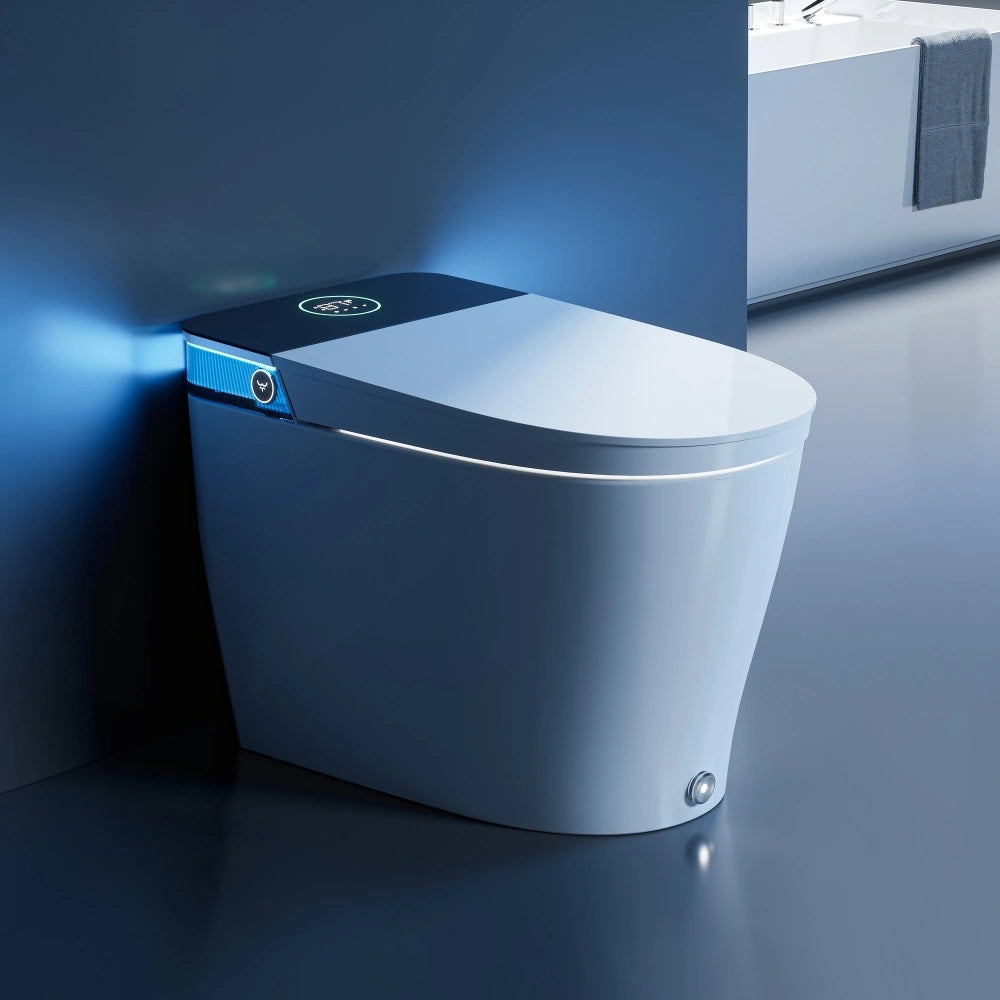
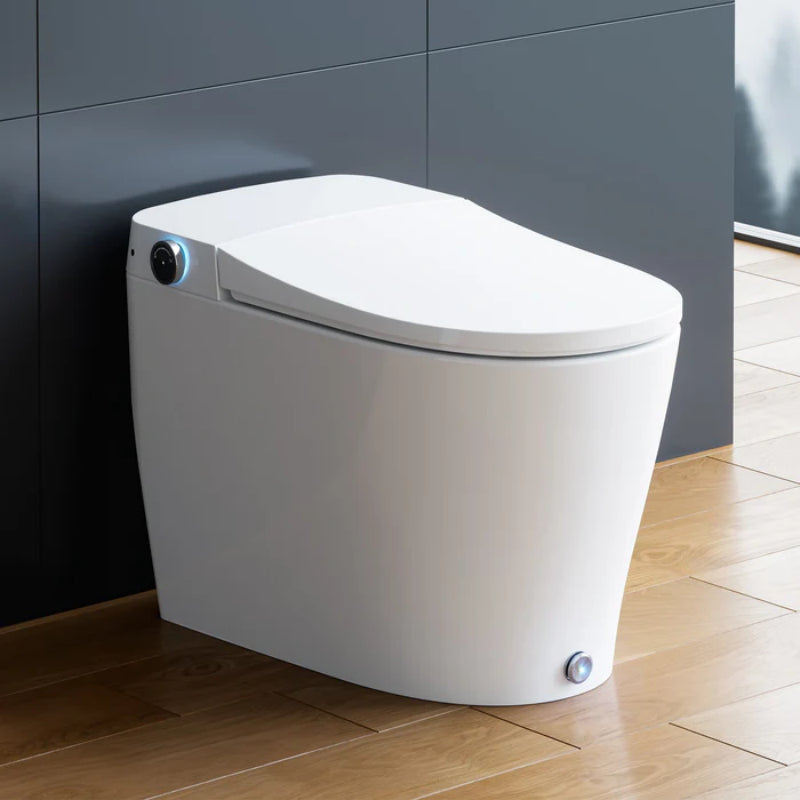
That is why many budget-friendly bathroom fixture upgrades for new homeowners focus on these basics first. For buyers who want a step up in feel without a full renovation budget, Horow entry-level luxury toilets are worth comparing alongside standard efficiency models before you decide.
How much can you spend realistically?
The right budget is not just what you can afford today. It is what you can spend without creating stress when the next house expense appears, because one usually does. This is one of the clearest points any first-time homeowner bathroom guide should make before you look at a single product page.
Budget tiers that change your options
Here is a more realistic breakdown:
$100–$1,500 (low budget)
Fixture swaps and surface updates: toilet replacement, bidet seat, lighting, paint, caulk, mirror, hardware, showerhead, storage.
$1,500–$5,000 (mid budget)
New vanity, small flooring updates, better ventilation fan, upgraded sink setup, minor tile work, more polished finishes.
$5,000–$15,000+ (higher budget)
Tub or shower replacement, tile surround, waterproofing fixes, electrical work, subfloor repair, or partial remodel.
Keep the layout or pay significantly more
This is one of the clearest rules in bathroom work: if you keep the toilet, tub, and sink where they are, your options stay affordable. Once you move them, labor rises, materials rise, permit needs may rise, and the chance of hidden problems rises too.
For people looking for affordable ways to make a new home bathroom feel modern, the existing layout is your friend. Build around it.
A dated bathroom with a good layout can often be transformed with better lighting, fixtures, mirror, toilet, paint, and accessories. A “dream layout” is expensive. A better-functioning current layout is often enough.
DIY savings versus costly mistakes
There are good DIY savings, and there are false savings.
| Good DIY savings | painting hardware replacement mirror installation if wall type is simple showerhead and faucet trim updates toilet seat or bidet seat installation caulking, if done carefully shelving and storage upgrades |
| False savings | tile waterproofing done without experience moving plumbing installing electrical outlets near wet areas without proper protection vent duct mistakes poorly set toilets that later leak at the base |
| Stop and hire a pro if | waterproofing is involved (shower, tub, tile base) you need to move plumbing lines or drains electrical work is required near wet areas the toilet base is uneven, rocking, or shows leak risk subfloor feels soft or damaged |
These are not trial-and-error tasks. Mistakes here often lead to hidden water damage and much higher repair costs later.
I have seen first-time owners save a few hundred dollars on a bathroom install, then spend far more fixing hidden moisture damage. Bathrooms are not forgiving when water escapes.
What fits your space and plumbing?
A fixture can look perfect online and still be wrong for your bathroom. Fit and utility details matter more here than in many other rooms.

Start with rough-in, outlet, and water pressure
For toilets, measure the rough-in distance (wall to drain center). A wrong size can block installation entirely.
For smart features or bidet seats, confirm a nearby outlet. No outlet = added cost or limited options.
Check water pressure as well. Weak pressure can reduce spray performance and overall experience.
Then check layout and clearance
Once basics are confirmed, measure:
-
door swing
-
toilet projection
-
vanity depth
-
clear space between fixtures
-
standing and knee room
A small mismatch here can make the bathroom feel cramped.
Finally consider size and comfort trade-offs
Only after confirming fit should you compare features.
Larger fixtures, thicker bidet seats, or deep sinks may reduce usable space. In small bathrooms, compact options often perform better in real use.
Smart toilet or bidet seat?
This is one of the most common modern bathroom questions, and for first-time homeowners, the answer is usually simpler than people expect.
Quick decision filter:
-
Choose a bidet seat first if: your budget is limited, your current toilet works well, you do not have a nearby outlet, or you may move within a few years
-
Consider a full smart toilet if: your toilet already needs replacement, you have electrical access, your budget allows it, and you plan to stay long-term
Entry-level smart toilet versus bidet seat
A smart toilet is a full fixture replacement with built-in features like washing, seat heating, and sometimes drying or automatic functions. A bidet seat adds many of those comfort features to an existing toilet.
For most first-time owners, the bidet seat wins on practicality. Many buyers treat a well-chosen bidet seat as a smart home starter kit for bathrooms: it introduces modern features at a low entry cost and leaves room to expand later.
Why? Because it costs less, installs more easily, and lets you upgrade comfort without committing to a full toilet replacement. If your current toilet is in good shape and fits the seat well, this is often the better first move.
A full smart toilet makes more sense when:
-
the old toilet already needs replacement
-
you have the budget for both fixture and possible electrical work
-
you plan to stay in the home for several years
-
the bathroom already has a compatible outlet setup
-
you want the cleaner one-piece integrated look
This is why many people exploring affordable smart bidet options for a first home bathroom should start by comparing bidet seats first, not full smart toilets.

Is a bidet seat worth it first?
In many homes, yes.
A bidet seat can be one of the best starter smart bathroom products worth buying for a first home because it changes daily comfort right away and usually avoids construction. If you are searching for an affordable smart bidet for first home bathrooms, a basic seat model with core wash functions is usually the right place to start. It also helps you learn whether these features matter enough to justify a future full smart toilet.
A simple model with basic wash functions may be enough. You do not need every advanced feature to get the main benefit.
If your toilet is old, rocks slightly, clogs often, or looks rough, replace the toilet first. Then decide if adding a bidet seat still makes sense.
What to consider before buying smart
If you are asking what to consider before buying a smart toilet for a new home, focus on these practical checks:
First, electrical access. If there is no nearby protected outlet, your cost may rise fast.
Second, cleaning. Some smart fixtures are easy to wipe down. Others have more seams, crevices, or electronic areas that make deep cleaning less simple than buyers expect.
Third, backup use. If power goes out, what functions still work? This matters more than people think.
Fourth, parts and service. More features mean more possible failure points. That does not mean smart products are a bad choice. It means a first-time owner should be honest about tolerance for maintenance.
Fifth, fit. Confirm toilet shape compatibility if buying a bidet seat. Not every seat fits every bowl style.
In short, when comparing best entry-level luxury toilet options for a bathroom remodel, remember that luxury is only worth paying for if the installation is simple, the room can support it, and you will use the features often.
Which upgrades can you DIY safely?
A lot of first-time owners want to modernize the bathroom themselves. That is reasonable. A practical first-time homeowner bathroom guide separates the safe DIY wins from the costly mistakes clearly. Bathrooms offer several projects that are beginner-friendly if you stay within the right lane.
Best DIY projects for first-timers
The best DIY bathroom modernization tips for first-time homeowners are the low-risk, high-visibility ones. If you are looking for diy bathroom modernizing tips that actually save money without creating new problems, the list below is a reliable starting point.
Painting is one. A fresh coat in a moisture-tolerant finish can make an older bath feel cleaner fast.
Replacing hardware is another. New pulls, towel bars, robe hooks, and even a toilet paper holder can make a dated vanity or wall feel more current.
Lighting can be a good DIY project if you are comfortable and local code allows it, but many people should still use an electrician for fixture swaps in older homes.
Recaulking is worth learning. Clean, straight caulk lines around a tub and sink make a bathroom look cared for. Bad caulk makes even new fixtures look sloppy.
Installing a new toilet seat or bidet seat is often manageable. So is changing a showerhead or basic faucet trim.
These are the kinds of updates that answer how to modernize a bathroom without a full renovation in a realistic way.
Jobs that should stay with pros
Some jobs are best left alone unless you have real experience:
-
shower or tub waterproofing
-
moving plumbing lines
-
replacing subfloor
-
electrical changes near wet areas
-
venting changes through walls or roof
-
full tile shower work
-
glass enclosure installation
Bathrooms combine water, electricity, tight clearances, and finish surfaces that show every mistake. This is not the best room to learn complex trade skills from scratch.
What happens if waterproofing goes wrong?
This is one of the costliest bathroom mistakes.
When waterproofing fails, the damage often stays hidden at first. Water gets behind tile, under flooring, around the toilet base, or into wall cavities. By the time you see soft drywall, odor, loose tile, or stained ceilings below, the repair is bigger than the original project.
That is why common bathroom upgrade mistakes first-time homeowners should avoid almost always include taking moisture control too lightly.
A bathroom can look modern and still be failing underneath. Never choose looks over water control.
What gets ignored after installation?
A good bathroom upgrade is not only about how it looks the day it goes in. It is also about whether it still feels like a good decision a year later.
Cleaning needs before you buy
Cleaning is part of the buying decision.
Glossy finishes show spots. Deep sink shapes can splash more. Tight seams around toilet bases collect grime. Complex smart fixtures may need more careful wiping. Matte black or textured finishes can look great, but in hard water areas they may show residue faster than buyers expect.
Ask yourself a plain question: will you actually keep this clean?
The easiest-to-clean bathroom is often the one that feels best over time. That matters more than a trendy feature set.
Common mistakes first-time owners make
The most common mistakes are surprisingly predictable.
They overspend on one showpiece item and leave the rest of the room untouched. A fancy toilet in a dim, poorly vented bathroom rarely gives the payoff people expect.
They ignore measurements. Then the vanity crowds the door, or the toilet feels too close to the tub.
They buy features before solving basics. Heated seats are nice. A leak-free base, strong flush, and proper fan matter more.
They choose style over replacement simplicity. Unusual parts, odd dimensions, or hard-to-find accessories can become a headache later.
They forget the full install cost. A fixture price is not the same as the real project price once supply lines, shutoff valves, outlet work, disposal, trim repair, and labor are included.
Will these upgrades still pay off later?
Usually yes, if you stay practical. Choosing value-added fixtures for resale means prioritizing items future buyers recognize and appreciate immediately. The bathroom upgrades that hold value are the ones future buyers can understand immediately:
-
clean, modern toilet
-
bright lighting
-
fresh vanity area
-
strong ventilation
-
durable, neutral finishes
-
sensible smart features, if installed cleanly
This is why the best bathroom upgrades that improve home resale value are often modest. Buyers like bathrooms that feel fresh, easy to maintain, and free of hidden issues.
The key point is not to build a luxury showroom in a starter home. It is to create a bathroom that works well, looks cared for, and avoids future repair surprises.
A practical path for most first-time owners
If you want the simplest decision path, here is what usually works in real homes:
If the bathroom has no water or ventilation issues, start with a toilet evaluation, lighting, showerhead, and caulk refresh. Then decide whether a bidet seat fits your budget and setup.
If the vanity area looks dated but still functions, update mirror, light, faucet, and hardware before replacing the whole vanity.
If the bathroom feels old because of color and finish, paint and small fixture swaps may do enough to delay a larger remodel.
If the room has major layout problems or hidden moisture damage, stop thinking “upgrade” and start thinking “repair first.”
That is the real heart of a smart first-time homeowner bathroom guide: make the bathroom work better before you try to make it impressive.
Before You Buy
Use this quick checklist before ordering anything:
-
Measure the bathroom and each fixture space carefully
-
Check for leaks, soft flooring, mold, or weak ventilation first
-
Keep the existing layout unless function truly demands change
-
Confirm toilet rough-in, outlet access, and water pressure
-
Decide if you want comfort, resale value, or both
-
Choose fixtures that are easy to clean and easy to service
-
Be honest about which jobs you can DIY safely
-
Leave room in the budget for install parts and surprise repairs
Keep this checklist close as your go-to first-time homeowner bathroom guide before placing any order.
FAQs
1. What bathroom upgrades add the most value?
The best value upgrades improve daily use and resale at the same time. Focus on practical fixtures first: a modern water-saving toilet, reliable faucet, and better showerhead. Lighting and ventilation are also high impact, making the space feel clean and preventing moisture damage. Simple finishes like fresh caulk and neutral paint help the room show well to buyers. According to U.S. EPA, water-efficient fixtures can also reduce long-term costs, adding real household value.
2. Should a first-time buyer get a smart toilet?
Yes—if the basics are already covered. A smart toilet can be a worthwhile upgrade for a first-time buyer when the existing toilet needs replacement and there is a nearby outlet. It adds comfort, hygiene, and a more modern feel to the bathroom. That said, starting with an entry-level model or even a bidet seat is often the smartest path.
3. How to modernize a bathroom on a budget?
You do not need a full remodel to modernize a bathroom. Focus on visible, low-cost updates: repaint with moisture-resistant paint, upgrade the mirror and lighting, replace the faucet and hardware, and refresh caulk lines. Adding a bidet seat or new toilet seat can also improve comfort quickly. Improving ventilation is another smart move.
4. What is the first thing to replace in an old bath?
Start with anything that fails or wastes water—most often the toilet or faucet. These are used daily and are easy to upgrade without major work. If they still function well, lighting is usually the next best improvement because it changes how the entire room feels. Safety and maintenance also matter: the U.S. CPSC highlights the importance of fixing worn or unsafe fixtures early to prevent bigger issues later.
References



Leave a comment
This site is protected by hCaptcha and the hCaptcha Privacy Policy and Terms of Service apply.