

In most real kitchens, sinks are made for resistance, practical choice, ease of maintenance and how easy it is to clean and maintain every day in a modern kitchen, while still balancing timeless beauty. A sink should not become the thing you protect all day.
Most modern metal sinks, including workstation sink designs, are highly practical choice options because stainless steel sinks are highly durable, resistant to scratches and resistant to stains, especially when cleaned with dish soap regularly. Fireclay sinks are crafted to offer a more refined look, fired at high temperatures to achieve a smooth and glossy surface, but sinks provide a different experience where aesthetics matter as much as function.
If you regularly drop heavy pans, cook with cast iron, or have a busy kitchen where accidents happen, fireclay should be ruled out early rather than treated as a “premium alternative.” Stainless steel scratches, but it does not typically fail from sudden impact in the same way.
Decision Snapshot: How to Select the Best Sink
This guide to choosing helps you select the best kitchen sink material based on your needs and preferences, and key factors to consider in building from scratch or remodeling a modern kitchen. If you want a simple answer fast, start here.
Fireclay suits careful, style-led owners
Choose fireclay if:
-
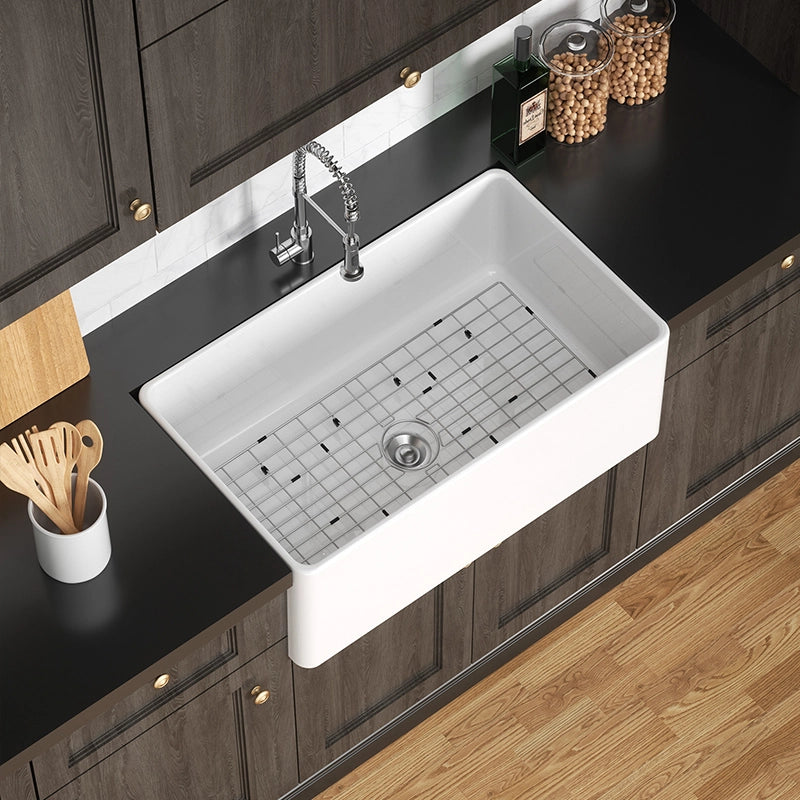
you want a farmhouse kitchen sinks focal point that defines the entire space
-
you care a lot about the look and finish
-
surface texture and color consistency matter to you
-
you prefer a premium visual appearance in the kitchen
-
-
you prefer a quieter sink
-
you don’t mind paying more
-
you’re okay being careful with heavy pots and dropped items
Avoid fireclay if:
-
your kitchen gets chaotic
-
kids or multiple cooks use the sink hard every day
-
you hate the idea of chips or cracks
-
you want the easiest install and least risk of surprise costs
Stainless suits busy families and heavy cooks
Choose stainless steel if:
-
you cook often and wash a lot of heavy cookware
-
you want lower upfront and installed cost
-
you want wipe-clean convenience
-
you need a practical sink for a family kitchen
-
you care about broad resale appeal
Avoid stainless steel if:
-
you strongly dislike water spots or visible scratches
-
you want a quiet, soft-looking statement sink
-
your kitchen design depends on a farmhouse ceramic look
Granite composite suits balanced buyers
Choose granite composite if:
-
you want a more substantial feel than stainless
-
you want less visual drama than fireclay
-
you like a modern matte look
-
you want a middle-ground option for style and everyday use
Cast iron suits heritage looks over budget
Choose cast iron if:
-
you want a classic traditional kitchen look
-
you’re matching older-style finishes
-
you accept a heavy sink and higher cost for appearance
For most households, the quick rule is this:
-
If you want beauty first, choose fireclay
-
If you want low-stress daily use, choose stainless steel
Fireclay vs stainless steel sink vs alternatives
A lot of buyers start with fireclay and stainless steel sink comparison when selecting countertop material or evaluating different sinks available in different kitchen designs. That’s smart, because the best answer is sometimes “neither.”
Comparison table: costs, care, lifespan
Below is a comparison of fireclay and stainless steel sinks and porcelain sinks commonly used in kitchens, including single bowl and double sinks configurations. These sinks come in available in different finishes and various sizes, and sinks and stainless steel sinks remain the most popular options.

| Factor | Fireclay | Stainless Steel | Granite Composite | Cast Iron |
| Typical sink cost | Higher | Lower to mid-range | Mid to higher | Higher |
| Installed cost | High because of weight and support | Usually lowest | Mid | High |
| Weight | Very heavy | Light | Heavy | Very heavy |
| Installation | More complex | Usually easiest | Moderate | More complex |
| Look | Farmhouse, classic, statement piece | Modern, simple, commercial | Soft modern, matte | Traditional, heritage |
| Daily cleaning | Easy surface, but gentle care | Very easy, but shows spots | Easy to moderate | Easy, but enamel care matters |
| Scratch resistance | Good surface hardness, but chip risk matters more | Scratches easily | Good | Enamel can scratch/chip |
| Impact resistance | Weaker against hard drops | Better for impacts | Better than fireclay in many homes | Enamel can chip |
| Heat resistance | Excellent | Very good | Good to very good | Very good |
| Noise | Quiet | Louder unless well insulated | Quiet | Quiet |
| Lifespan | Very long if not chipped or cracked | Very long | Long | Long |
| Best for | Design-first kitchens | Busy, practical kitchens | Middle-ground buyers | Traditional remodels |
The key point is that fireclay vs stainless steel sink cost comparison should include more than the sink price. Fireclay often costs more to buy, more to ship, and more to install, reducing ROI compared to stainless steel sinks in most kitchen renovation projects.
Which handles drops, heat, and scratches
Impact resistance is the first and most important divider between these two materials.
Stainless steel sinks are highly durable and provide easy cleaning performance, especially when used with dish soap in daily kitchen workflows. It can handle dropped cookware, shifting dishes, and everyday kitchen collisions without structural damage. Scratches may appear over time, but they rarely affect function.
Fireclay performs well with heat and resists staining, but it is much more vulnerable to sudden impact. A heavy pot, pan corner, or accidental drop can cause chips or surface cracks that are difficult to repair.
Avoid fireclay if your kitchen involves frequent heavy-pan use, high activity cooking, or limited control over sink impacts. In those cases, durability under accident conditions matters more than aesthetic refinement.
Both materials are heat-resistant, but it is not the deciding factor compared to impact behavior.
Which fits small kitchens and rentals
This point gets missed too often.
Stainless steel works better in small kitchens, apartments, and rentals because it’s lighter, easier to fit, and available in more practical sizes and depths. It also tends to pair well with limited counter space and tighter cabinet layouts.
Fireclay, especially farmhouse models, can create more constraints. The front apron and deep basin can reduce usable reach. In a small kitchen, a very deep sink can also make prep feel more tiring, especially for shorter users. If you’re already working with a compact footprint, stainless is usually the more flexible choice.
For rentals or resale-minded updates, stainless is also safer because it appeals to more buyers and creates fewer install complications.
Which installation causes fewer surprises
Installation complexity is another area where expectations often differ from reality.
Stainless steel sinks are generally more flexible and predictable to install, especially in retrofit kitchens. Most setups involve standard cutouts with minimal structural adjustments.
Fireclay sinks, by contrast, can introduce several hidden installation considerations:
-
Cabinet reinforcement due to higher weight
-
Countertop or base cabinet modifications for apron-front alignment
-
Increased labor cost due to handling and fitting
-
Potential need for custom support structures depending on sink size
These factors are not always obvious at purchase stage.
Fireclay is best suited for full kitchen remodels or planned installations where cabinetry and layout are designed around the sink from the beginning. In simple replacement projects, stainless steel typically produces fewer surprises and lower installation risk.

Key differences that actually matter
Most spec sheets don’t help much once you get down to a real buying decision. Here’s what actually tends to matter after a few months of use.
Upfront price versus total installed cost
A lot of buyers focus on the sticker price and stop there. That can be a mistake.
In a fireclay vs stainless steel sink cost comparison, fireclay usually starts higher. Then you may add freight, cabinet reinforcement, special install labor, and sometimes more countertop work. So the gap between the two materials can widen fast.
Stainless steel is not always cheap, but it gives you more price flexibility. You can find solid options at lower prices and premium ones at higher prices, without stepping into the same structural and install issues that fireclay can bring.
If your remodel budget is tight, stainless usually protects the rest of your project better.
Chip risk versus dent and scratch risk
This is the biggest emotional trade-off.
Fireclay owners often love the look, but some become more cautious around the sink than they expected. They stop tossing in baking stones, avoid dropping utensils, and get nervous around heavy pans. That’s the reality behind the common question, “Do fireclay sinks crack easily?” The fair answer is: they do not crack easily under normal use, but they are more vulnerable to chipping or cracking from hard impacts than stainless steel.
Stainless owners live with a different issue: surface wear. You may see scratches, rubbed areas, and sometimes dents over time. But many households prefer that kind of aging because it feels cosmetic, not catastrophic.
So ask yourself: what annoys you more?
-
a few visible scratches
-
or worrying about a chip every time something heavy hits the basin
For busy households, stainless usually wins this decision.
Quiet luxury versus wipe-clean convenience
A fireclay sink feels calm. Water noise is softer. The glossy surface looks substantial and polished. That’s part of why it is seen as a premium farmhouse material.
Stainless steel can be louder. Good sound pads help, but metal still sounds more like metal. So in a fireclay vs stainless steel sink noise difference comparison, fireclay has the edge.
On the other hand, stainless is usually simpler to live with. Wipe it down and move on. Yes, it may show spots and fingerprints, but it doesn’t ask you to be as careful with cleaning tools or impact. If you’re asking which is easier to clean fireclay or stainless steel sink, the practical answer is usually stainless steel. Fireclay resists stains well because of its non-porous glaze, but owners are often more cautious about using abrasive cleaners or rough tools on it.
Weight, depth, and cabinet fit
Beyond material performance, physical ergonomics often determines long-term satisfaction more than buyers expect.
Fireclay sinks are significantly heavier, resulting in a dense structure, and are available in various sizes depending on installation needs.
A simple usability check helps clarify fit:
-
Can you reach the bottom without leaning uncomfortably forward?
-
Do you frequently wash heavy cookware that requires lifting over the sink edge?
-
Is your cabinet height suitable for deeper basin depth?
-
Will prolonged bending affect your back or shoulders?
If the answer to any of these is “no comfort” or “uncertain,” fireclay may become a daily strain rather than an upgrade.
In smaller kitchens or for shorter users, very deep apron-front fireclay sinks can create repeated discomfort during washing, rinsing, and cleanup tasks. Stainless steel typically offers more ergonomic flexibility because it comes in a wider range of depths and configurations.
Broad resale appeal versus statement style
If this is your forever home, go ahead and lean into your taste.
If resale is even a moderate concern, stainless steel is usually the safer choice. It suits more kitchen styles, more buyers, and more budgets. It doesn’t define the kitchen as strongly.
Fireclay can add charm and character, especially in farmhouse, cottage, or classic kitchens. But it is more of a statement. That can be a plus or a limitation depending on your market and design.
When fireclay is better than stainless steel
There are good reasons to choose fireclay. It just works best when the fit is clear.
You want a farmhouse focal point
If your kitchen design revolves around warmth, texture, and a visible sink front, fireclay is hard to beat. This is why many people asking about the best sink material for farmhouse kitchen fireclay or stainless steel end up choosing fireclay. It delivers the look people usually mean when they say “farmhouse sink.”
Stainless can be farmhouse too, but it gives a more industrial or modern farmhouse feel. Fireclay gives the classic version.
You prefer quieter washing and rinsing
If your kitchen is open to living space and noise bothers you, fireclay has a real advantage. Water, dishes, and light utensil contact sound softer. That may seem minor in the store, but in an open-plan home, it can matter more than expected.
You can handle weight and extra install
Fireclay makes sense when you already know your cabinets can support it and your installer is comfortable with the work. If the kitchen is being fully remodeled, it is easier to plan for fireclay from the start.
It is much less appealing when you’re trying to make a quick swap into an existing setup.
You will baby it and avoid impacts
This is the honest part. Fireclay works best for owners who are naturally careful. If you don’t toss pans into the sink, don’t stack heavy cookware carelessly, and don’t mind using a bottom grid or sink mat, the risk feels manageable.
That’s usually when a fireclay sink is better than stainless steel: when beauty is the point and the household habits support it.
When the alternative is better
For many kitchens, fireclay is not the smartest match even if you love the look.
Stainless wins in chaotic kitchens
If your home has kids, frequent guests, shared cooking, or constant cleanup, stainless steel is usually the better answer. In a fireclay vs stainless steel sink for heavy cooking decision, stainless tends to win because it tolerates rough daily treatment better.
It also wins for buyers asking is fireclay or stainless steel sink better for busy families. Busy families usually want less worry, not more. Stainless gives you that.
Granite composite works for softer modern looks
If your issue is that stainless feels too industrial and fireclay feels too risky, granite composite is the middle option to look at. It suits many modern kitchens, hides water marks better than stainless, and avoids some of the “don’t drop anything” anxiety of fireclay.
It is not perfect, but it often helps buyers who want a softer look without going full farmhouse.
Cast iron fits traditional remodels
If your kitchen leans heritage or classic and you want enamel over a heavy base, cast iron may fit better than either fireclay or stainless. The trade-off is similar to other heavy statement sinks: more weight, more installation planning, and enamel that can chip.
Are you worried about chips and cracks
If this concern is already in your head, pay attention to it. Buyers who worry about chips before purchase often worry about them even more after install. That usually means stainless is the right choice.
A sink should make kitchen work easier. It should not become the thing you protect all day.
Fireclay vs stainless steel in daily life
This is where many “pros and cons” lists stay too abstract. Here is what daily use tends to feel like.
Cleaning and stain resistance
In a fireclay vs stainless steel sink stain resistance comparison, both perform well in different ways.
Fireclay’s glazed surface is non-porous, so it resists many common kitchen stains. Coffee, sauce, and food residue usually clean off well if you clean routinely. The issue is not heavy staining so much as preserving the finish and avoiding rough treatment.
Stainless also resists staining very well, but it shows hard water marks, soap film, and fingerprints more easily. So it may look “dirty” faster even when it is sanitary. Many people end up wiping it often for appearance, not because it is hard to clean.
If you want the easiest no-fuss cleanup routine, stainless still edges out fireclay in most homes. If you want a sink that doesn’t show every little mark but are willing to treat it a bit more gently, fireclay can feel nicer.

Maintenance requirements
A fair fireclay vs stainless steel sink maintenance requirements comparison looks like this:
Fireclay maintenance:
-
use non-abrasive cleaners
-
avoid harsh scouring habits
-
protect against hard impacts
-
consider a bottom grid for heavy cookware
-
stay ahead of small marks so they don’t build up
Stainless maintenance:
-
wipe down to reduce spots
-
expect normal scratches over time
-
avoid leaving steel items that may rust-stain the surface
-
use a soft cloth if appearance matters to you
Neither is hard to own. The difference is that stainless asks for more cosmetic acceptance, while fireclay asks for more caution. According to the U.S. Environmental Protection Agency (EPA Safer Choice program), using mild and safer cleaning agents helps reduce surface residue buildup in kitchen environments. Stainless steel maintenance includes simple wipe-down routines to reduce spots.
Modern vs rustic design
People also ask: Is stainless steel more modern than fireclay?
Yes, usually. Stainless steel fits modern, minimalist, transitional, and professional-style kitchens more naturally. Fireclay fits farmhouse, cottage, classic, and rustic kitchens best, though it can work in some transitional spaces too.
So in a fireclay vs stainless steel sink for modern vs rustic kitchen design decision:
-
choose stainless for modern and clean-lined kitchens
-
choose fireclay for warm, classic, farmhouse-led kitchens
Lifespan
How long do fireclay sinks last vs stainless steel?
Both can last a very long time. Fireclay is often marketed as a 50+ year material, and that can be true if it avoids major impact damage. Stainless steel can also last for decades, especially with decent thickness and normal care.
So which sink material lasts longer? In theory, both last a long time. In real life, stainless often lasts with less owner stress because it survives impact-heavy use better. Fireclay may look more timeless longer if it remains intact, but one bad chip can change how you feel about it.
What to consider before choosing
If you’re still stuck, don’t compare materials in the abstract. Compare them against your habits.
Your household style
Do you live like this?
-
one or two careful adults
-
moderate cooking
-
no rough treatment
-
design matters a lot
That points toward fireclay.
Or more like this?
-
family kitchen
-
lots of dishes
-
heavy pans
-
fast cleanup
-
shared use
That points toward stainless steel.
This is the heart of what to consider before choosing fireclay vs stainless steel sink. Your lifestyle matters more than showroom beauty.
Your tolerance for visible wear
Some people hate the brushed-up look stainless develops. Others see it as normal use.
Some people love the spotless look of fireclay. Others find themselves constantly trying not to damage it.
Pick the flaw you can live with.
Your kitchen size and cabinet setup
Before choosing fireclay, confirm:
-
cabinet width
-
support requirements
-
exact sink depth
-
apron-front fit
-
faucet placement and reach
Before choosing stainless, confirm:
-
gauge and sound insulation
-
corner radius if cleaning ease matters
-
basin depth
-
mounting type
Your budget for the full project
Don’t ask only, “What does the sink cost?”
Ask, “What will this sink cost installed?”
That answer often decides the issue.

Final Verdict
Choose fireclay if you want a farmhouse or classic statement sink, you value looks more than convenience, and your household is careful enough to avoid hard impacts. It is best in design-first kitchens and forever homes where the visual effect is worth the extra cost and caution.
Choose stainless steel if you want the safest all-around option for cooking, cleanup, family use, and budget control. It is the better fit for most households because it is easier to install, easier to live with, and less stressful in a busy kitchen.
The smart choice is not the one that looks best in a showroom. It is the one that matches how your kitchen actually works every day.
Before You Buy
-
Check the total installed cost, not just the sink price.
-
Measure cabinet width, sink depth, and faucet reach.
-
Ask whether your cabinet needs reinforcement for fireclay.
-
Think honestly about dropped pots, heavy pans, and rough use.
-
Decide whether scratches or chip risk bothers you more.
-
Match the sink to your kitchen style: modern vs farmhouse.
-
Consider who uses the sink every day, not just who designed the kitchen.
FAQs
1. Which is better for a kitchen sink: fireclay or stainless?
When comparing fireclay vs stainless steel sink, the better choice really depends on how your kitchen is used day to day. Stainless steel is more flexible, lighter, and fits fast-paced cooking styles, while fireclay feels more solid and design-focused. If you’re thinking about selecting the right sink for your cooking style, it often comes down to whether you prioritize easy maintenance or a more statement-making look.
2. Do fireclay sinks crack easily?
Fireclay sinks are generally strong, but they’re not completely immune to damage. The key concern here is impact rather than everyday use. In terms of scratch and stain resistance comparison, fireclay performs very well against stains and surface marks, but a hard drop or sharp impact can still cause chips, so care matters more than with metal sinks.
3. Is stainless steel more modern than fireclay?
Yes, stainless steel is usually seen as more modern because it fits minimalist and contemporary kitchen designs. Fireclay, however, comes with a different value equation. The cost difference: fireclay vs stainless is noticeable, with fireclay often being more expensive upfront due to material and manufacturing, but stainless steel tends to be more budget-friendly and widely available. From a long-term perspective, some homeowners also consider the ROI of ceramic vs metal sinks, especially when thinking about resale appeal and maintenance costs.
4. Which sink material lasts longer?
Both materials are durable in their own ways, but they age differently. The durability of fireclay vs metal sinks often depends on usage habits—stainless steel can dent but rarely cracks, while fireclay resists staining but can chip if heavily impacted. In general, stainless steel tends to handle heavy daily use more forgivingly over time.
5. Are fireclay sinks harder to install?
Yes, installation is usually more complex for fireclay sinks because they are heavy and require strong cabinet support. Maintenance is a different story though. Cleaning fireclay vs stainless steel shows another contrast—stainless steel is easier to wipe down daily, while fireclay needs a bit more care to keep its glossy finish looking perfect over time.
6. Why is fireclay a premium choice for farmhouse sinks?
Fireclay is often considered premium because of both its appearance and craftsmanship. The best material for farmhouse sinks discussion usually highlights fireclay for its thick structure, glossy finish, and classic apron-front design that defines farmhouse kitchens. It also comes with clear trade-offs, and the pros and cons of fireclay sinks include excellent stain resistance and aesthetics on the plus side, but higher weight and installation effort on the downside.
References



Leave a comment
This site is protected by hCaptcha and the hCaptcha Privacy Policy and Terms of Service apply.