

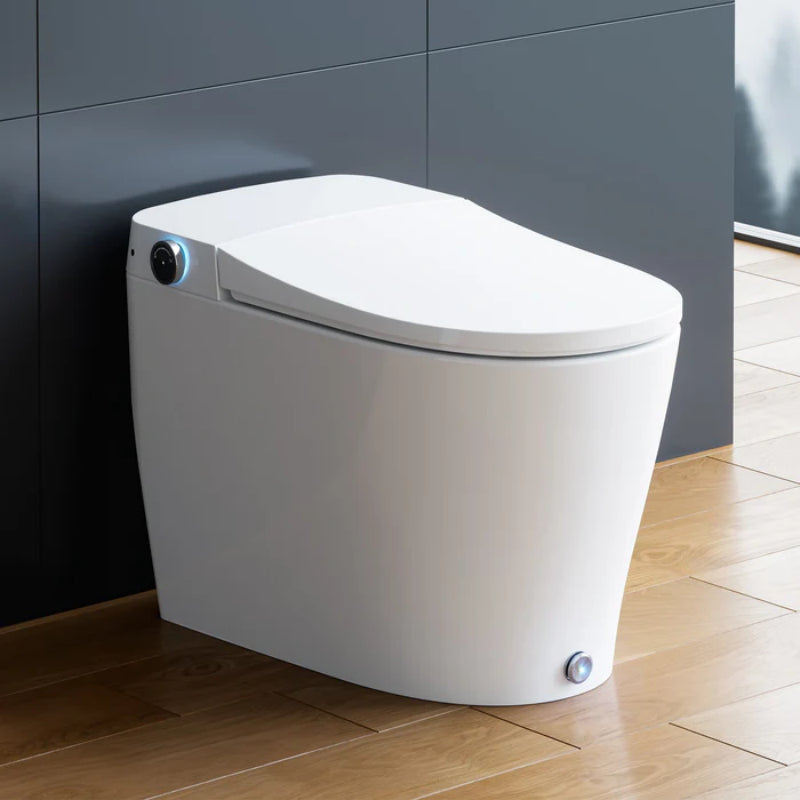
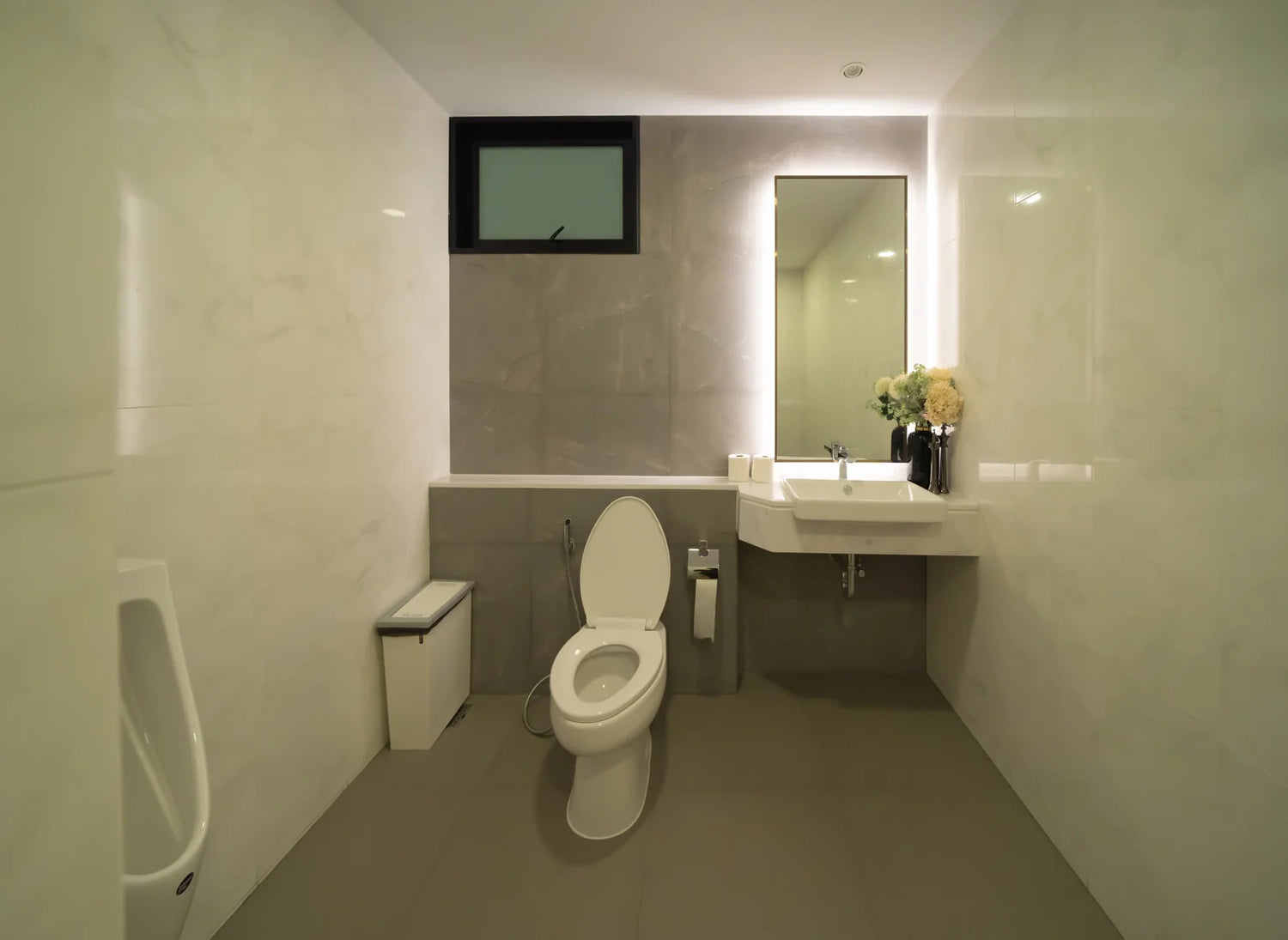
A concealed tank toilet (often wall-hung) can be a clean solution in the right bathroom. In the wrong bathroom, it turns into a “why is this taking three trades and two weeks?” project—because you’re not just swapping a toilet. You’re changing the wall, structure, drain connection, and repairs, and a poorly fitted toilet can lead to leaks over time.
This guide is built around one question: will concealed tank toilet installation cost stay predictable in your home, or will it spike because your walls, drains, layout, or access plan aren’t compatible?
Is this the right toilet for your home (or a costly misfit)?
This article covers standard residential concealed tank systems, typically wall‑hung, non‑powered units designed for general bathroom use, excluding smart toilet features or add-ons like a bidet to your toilet. It does not address heavy‑duty commercial models, custom built‑in systems, or specialty retrofit kits intended for non‑standard framing. Electronic or auto‑flush versions may require electrical power and dedicated access planning.
Decision Snapshot (rule of thumb for “works” vs “avoid”)
This usually works (cost stays controllable) if:
-
You’re in a remodel with open studs (or you’re willing to open the wall).
-
You can build a 2x6-depth wall (or fur out a 2x4 wall) where the toilet goes.
-
The drain line is in decent shape and can be aligned without “creative” offsets.
-
You can plan a real service access route (through the flush plate area and/or a rear access panel).
-
You can accept that labor for in-wall tank toilets is more like “plumbing + carpentry + finish work,” not “toilet replacement.”
Reconsider (or budget for a high spike) if:
-
You want a same-day “replace your toilet” job with no wall work.
-
The toilet is against masonry, a structural shear wall, or tiled surfaces you don’t want to disturb.
-
You’re on a slab and aren’t sure where the drain/vent runs.
-
Your bathroom is very tight and already clearance-limited (door swing, vanity spacing, knee room).
-
You cannot tolerate the idea that repairing in-wall toilet tanks can mean opening finishes if access wasn’t designed correctly.
The most common regret trigger: people assume “concealed = universal fit,” then discover the wall depth, finished-wall thickness, or drain alignment forces reframing or moving the toilet location—where concealed tank toilet installation cost can jump from “expensive toilet install” to “bathroom rebuild.”
Not for you if you can’t open walls or you’re on a slab with uncertain drains
If you can’t open the wall, concealed tanks stop being a simple installation decision and become a risk decision.
On a slab, the risk is different: the drain may not be where you think it is, it may be offset, and moving it can involve cutting concrete. Uneven or unlevel slabs also present a separate fit risk beyond unknown drain location. That’s where “how much does toilet installation cost” turns into “how much does it cost to relocate plumbing and repair the floor.”
If you are replacing an old toilet and want to avoid demolition, a standard floor-mounted model is usually the more practical choice. Concealed installs are not forgiving of unknowns.
Uneven or unlevel slabs also present a separate fit risk beyond unknown drain location.
Best-fit homes: open-stud remodels/new builds with 2x6 depth and easy access planning
The cleanest concealed installs happen when you can:
-
Frame the wall to the needed depth from the start
-
Set carrier height and projection with finish thickness known
-
Run a straightforward supply line and vented drain connection
-
Close the wall with a planned access strategy
That’s why these toilets tend to behave in new builds and major remodels—and behave badly in “quick refresh” bathrooms.
What trade-offs are you accepting by putting the tank in the wall?
Before you commit to a concealed tank system, it’s important to understand the real trade-offs you’re making beyond looks and space. These choices directly affect your layout, daily use, long-term maintenance, and overall concealed tank toilet installation cost, and many elements influence the cost throughout the project.
You’re buying wall work + carrier structure, not just a toilet swap
A concealed tank toilet installation is not comparable to installing a new floor-mounted toilet or switching to a different type of toilet.
A standard process for installing or replacing a toilet includes removing the old toilet and installing the new fixture, with these typical steps:
-
Removing an old toilet safely and properly
-
Remove and replace the wax or seal between the toilet and the floor flange
-
Set new toilet to the floor
-
Reconnect supply
-
Test for leaks
A concealed setup adds:
-
A steel carrier/frame anchored to framing/floor structure
-
An in-wall tank and flush valve assembly
-
Precise rough-in for waste outlet height and projection
-
Wall closure (drywall/tile), sometimes waterproofing steps
-
Finish coordination (tile cuts, flush plate alignment)
That is why the labor cost isn’t just “a plumber for a couple hours.” It’s often multiple visits and at least two trades when finishes are involved.
The “space saved” can be lost to clearance conflicts (door swing, knee room, side spacing)
People expect a wall-hung toilet to save space. Sometimes it does. Sometimes the wall has to get thicker, and the bowl projection ends up similar to what you had.
In small rooms, the problems show up fast:
-
The door hits the bowl or your knees
-
The bowl ends up too close to vanity
-
The “saved” inches are lost to a furred-out wall
The key point is: you don’t gain space unless the layout still meets real clearances after the wall is built out.
The hidden-cost trade: harder diagnostics and higher repairing in-wall toilet tanks risk
Concealed tanks can be reliable, but when something does go wrong, troubleshooting is different:
-
You can’t see the tank sweating, dripping, or running
-
Small leaks can hide until they stain drywall or swell baseboards on the other side
-
A “simple” valve swap can become slow if access is tight
If you plan access well, most service can be done through the flush opening. If you don’t, repairs can shift from “toilet repair” to “finish repair.”

What concealed tank toilet installation cost really includes (and what makes it spike)?
Understanding key toilet installation cost factors helps set realistic expectations, and concealed tank toilet installation cost varies widely because the fixture is only one portion of the total investment. The wall work and drain alignment are where jobs separate into “predictable” vs “spirals.”
Below is a clear cost breakdown that gets its cost data from local labor and real project averages.
Labor for in-wall tank toilets: when it’s a 1-day job vs a multi-trade rebuild
When it can be close to a 1-day job (labor stays tighter):
-
Open studs, easy access
-
Drain and vent already align well
-
No tile demo, or finishes aren’t installed yet
-
One trade can do most of the work (common in remodel rough-in stage)
When it becomes a multi-day, multi-trade job:
-
Tile removal and replacement is required
-
The walls must be rebuilt or furred out
-
Drain/vent needs changes
-
Inspections add scheduling gaps
-
You need drywall repair, waterproofing, paint, trim, or tile return visits
The full installation process includes clear stop points: rough plumbing → inspection (if required) → wall closure → finish work → fixture set. That time spacing adds labor cost even if each visit is short.
Cost to frame for a concealed tank: when 2x4 walls must become 2x6 (or be furred out)
This is one of the most overlooked numbers in concealed tank toilet installation cost.
Typical In-Wall Depth Requirement
Most standard concealed tank carriers require a rough framing depth of 5–7 inches from the face of the studs to the back of the wall, plus an additional ½–1 inch for backer board and tile as finished‑wall build‑up. Total installed depth usually lands between 5½–8 inches.
2x4 Wall Viability Decision List
• 2x4 wall is viable only if:
The carrier is rated for 3½‑inch 2x4 framing, and no additional blocking or plumbing components will exceed the available depth after accounting for finished wall layers.
• 2x4 wall is a no if:
The carrier requires 5½ inches or more, plumbing rough‑ins take up extra depth, or you cannot fur out without creating critical clearance conflicts.
If your toilet wall is 2x4 construction, you may need to:
-
Build a 2x6 wall (new framing)
-
Fur out the existing wall (lose floor space)
-
Build a “bump-out” section only at the toilet
-
Baseboard and trim rework
-
Electrical moves (outlets/switches in the wall)
-
Door casing changes
-
Tile edge transitions that don’t land cleanly
If the bathroom is already tight, losing even 2 inches to wall build-out can create clearance problems that are more expensive than the framing itself.
“Is a wall-hung toilet more expensive?” Only when the wall must be rebuilt or drains moved
The price of a new toilet varies widely by toilet brand and style, including the type of toilet you select for your bathroom, and a wall-hung or concealed toilet typically costs more than a basic floor-mounted model.
But the real question is: does your install require wall rebuild and drain relocation?
-
If you already have open studs and compatible plumbing, it may be “more expensive,” but not dramatically harder.
-
If you need drain moves, wall thickening, and tile replacement, it becomes expensive fast because installation costs depend on several structural and layout factors—because you’re paying for a small remodel, and you’re installing a toilet that requires full structural support.
So yes, wall-hung is often more expensive. The bigger driver is whether your room is compatible without relocation work.
Total cost triggers: tile/demo, permits, moving a toilet, and supply/part delays
Here are the cost triggers that most often surprise homeowners:
-
Tile and wall demolition
-
Removing tile cleanly is slow.
-
Matching tiles later can be impossible.
-
Waterproofing details matter if this is in a wet-zone wall.
-
Permits and inspections
-
Some areas require permits for in-wall plumbing changes.
-
Even when the permit is cheap, the scheduling can add real labor time.
-
Moving a toilet Relocating a toilet to a new location even a short distance can mean:
-
Drain line changes (and possibly vent changes)
-
Floor patching
-
Ceiling repairs below when moving a toilet to a new location
-
Old plumbing discoveries Old shutoff valves, galvanized supply, cast iron, or patched drain lines can turn “install a new toilet” into “replace what fails when touched.”
-
Parts and serviceability If a specific in-wall component is backordered or requires a special order, your bathroom may be out of service longer than expected. This isn’t just inconvenient—extended downtime adds labor and can push you into temporary fixes.
A realistic cost range framing (typical):
-
Simple concealed install during open-wall remodel: falls near the average cost to install a premium wall-mounted system.
-
Retrofit into finished tile bath with framing/drain changes: often lands in “small remodel” cost territory.
If you’re trying to build a budget, don’t ask only “much does toilet installation cost.” Ask: what will it cost to open, rebuild, and refinish the wall behind the toilet? That’s where totals swing.
Will it physically fit where your current toilet sits?
This is where most concealed installs either succeed cleanly—or start forcing compromises you feel every day.
Rough-in reality: why “12-inch” can be wrong after finished wall thickness (4–6" surprises)
Homeowners often measure from the wrong surface.
For floor toilets, rough-in is typically measured from the finished wall to the center of the floor drain. For in-wall systems, your finished wall thickness becomes part of the equation because the carrier and tank sit behind that finished plane.
Where people get burned:
-
They assume they have a “12-inch rough-in,” but after adding backer board + tile (or furring out a wall), the effective dimension changes.
-
They design around studs, then forget the finished wall adds thickness, shifting the bowl position and clearances.
Step-by-Step Rough-In Verification Method
-
Measure from your planned finished wall plane (accounting for backer board, tile, or any wall build‑up) to the centerline of the drain/waste outlet.
-
Compare this dimension to the rough‑in requirement specified by your carrier system.
Pass/Fail Guidance:If your measurement falls outside the manufacturer’s listed tolerance (usually no more than ½–1 inch for most carriers), treat this as a drain relocation requirement, not a minor adjustment. Offsets beyond the allowable range will not be fixed by shimming or angling the carrier and will lead to alignment issues, leaks, or improper bowl positioning.
A few inches is the difference between “fits” and “daily annoyance.”
Will this work in a small bathroom under ~40 sq ft with a vanity next to it?
It can work, but small baths punish mistakes.
Common failure points next to a vanity:
-
The bowl ends up too close to the vanity edge, making the seat feel cramped.
-
The thicker wall moves the centerline closer to the vanity.
-
The carrier location forces the bowl to sit where you don’t want it, because studs and drain alignment limit adjustment.
Minimum Side-Clearance Threshold & Measuring Instructions:
-
Measure from the toilet centerline (established from your planned finished wall plane) to the vanity or adjacent wall. A practical minimum is ≥15 inches to the vanity or wall for comfortable daily use.
-
Establish your new finished wall plane first, then mark the centerline and confirm this clearance before framing. If you fall below this threshold, the space will feel cramped and may not meet basic functional guidelines.
Check side clearance early. If you’re already tight to the vanity, concealed systems don’t magically create space. They can actually reduce usable space if the wall thickens.
Door swing and projection: what fails if the powder room door clears under ~21 inches
Powder rooms are where concealed toilets get regretted most often—not because they’re “bad,” but because the door clearance was already marginal.
If the door swings inward and:
-
It already barely clears the existing toilet, or
-
You rely on the seat being up to pass by
…then even a small change in bowl projection or wall thickness can make the door hit the bowl or your legs.
Pass/Fail Layout Check;
-
Mark your planned finished wall plane on the floor with tape.
-
Mark the toilet bowl outline and forward projection at the installed depth.
-
Swing the door fully open and measure the clearance between the door and the bowl edge.
Result:
-
~21 inches or more: Generally acceptable.
-
Under ~21 inches: Treat this as a redesign trigger, not a minor issue. Reduced clearance will cause daily interference and is not resolved by minor adjustments.
Low ceilings or tight knee space: when the carrier/actuator steals comfort even if it “fits”
Some rooms “fit on paper” but feel worse:
-
Low ceilings can make the front wall feel closer once it’s built out.
-
Actuator placement and wall thickening can change how you sit and stand.
-
In basement baths or under stairs, small changes in wall depth can make the toilet area feel boxed-in.
The problem isn’t the toilet. It’s the new wall plane and how it changes your usable envelope.

Can your plumbing and wall structure support it without rework?
Plumbing systems and wall structure form the foundational support for any durable concealed tank toilet installation. Even with acceptable layout and rough‑in dimensions, aging drains, inadequate water supply, insufficient framing, or restrictive placement can quickly increase project complexity and overall expense.
Old drains (cast iron/offset): when installing a toilet turns into stack replacement
If your home has older drain materials, concealed installs can expose weak points because:
-
You’re changing connection geometry
-
You may need a different outlet height/angle
-
Old pipes can crack when disturbed
When cast iron is near end-of-life, it’s common for “installing a new toilet” to uncover:
-
Flaky, thinned pipe walls
-
Old patchwork joints
-
Offsets that were “fine” for the old toilet but don’t align cleanly now
If you suspect old drain issues, a pre-check (and realistic contingency budget) matters more than the toilet price.
Water supply limits: is this still a good idea if water pressure is below ~30 PSI?
Low pressure doesn’t always stop a concealed tank toilet from working, but it changes how it feels:
-
Tank refill can be slow
-
Some dual-flush setups feel weak if the home already struggles with pressure
-
Old supply lines and undersized shutoffs can choke flow
Supply Line Compatibility Check: Most concealed tank systems perform best with a ½‑inch supply line. A diameter under ½‑inch can restrict flow and lead to slow refills or weak flushes, even with acceptable pressure.
Pressure vs Flow DIY Verification:
-
Pressure check: Attach a pressure gauge to an exterior hose bib or laundry faucet. Read static pressure; below ~30 PSI may cause performance issues.
-
Flow check: Fill a 1‑gallon bucket from the nearest bathroom faucet. If it takes longer than 5–7 seconds, you may have flow restrictions that will affect the toilet.
Before committing, verify:
-
Static pressure at a hose bib or laundry connection (simple gauge test)
-
Supply line size and valve condition
If you’re already fighting clogs or weak flushes, an old toilet adds unnecessary stress to your plumbing and should be addressed before new installation. Otherwise, you may blame the new toilet for a house problem. For water-efficient toilet options that meet EPA criteria.
Studs and carrier loading: what happens if you don’t have 2x6 or reinforcement
A wall-hung toilet transfers load to the carrier and framing, not the floor flange the same way a standard toilet does.
Problems show up when:
-
The carrier is mounted into inadequate framing
-
The wall is 2x4 and not reinforced properly
-
Fasteners are rushed or placed into questionable wood
-
The floor anchoring isn’t solid
What it looks like in real life:
-
Hairline cracks in tile or grout
-
A slight “give” when sitting (which never improves)
-
The toilet shifting just enough to stress seals
If your wall can’t be reinforced properly, concealed is the wrong spec. This is not a place to “make it work.”
Placement constraints: venting distance, drain alignment tolerance, and upper-floor access issues
A concealed system is far less tolerant of “close enough” plumbing than a standard floor toilet swap. Drain alignment has very limited adjustability; even small offsets often require drain relocation rather than minor corrections.
Key cost factors that increase total project expense:
-
Venting that doesn’t meet local code when reconfigured
-
Drain alignment that requires opening more wall/floor than planned
-
Uneven floors or slabs that prevent stable carrier anchoring and require leveling before installation
Ground floor installations cost less when you have access below, and installing a toilet on an upper floor typically adds complexity and expense. Upper-floor installs can cost more because access is limited and repairs affect finished ceilings.
Professional vs DIY in-wall install: what you can safely do yourself (and what you can’t)
Installing an in‑wall concealed tank system involves structural, plumbing, and finish work that goes far beyond a standard toilet replacement. Choosing between professional handling and a DIY approach requires clear understanding of skill requirements, code compliance, and long-term reliability.
Professional vs diy in-wall install decision: when permits/inspection make DIY a dead end
DIY can work for parts of the project, but concealed tank installs are one of the easiest places to get stuck:
-
Inspections may require licensed plumbing work
-
Hidden work behind walls is less forgiving
-
A leak you can’t see can become mold or ceiling damage below
A practical split:
-
DIY is more reasonable for demo, framing, blocking, and wall repair (if you’re skilled).
-
Plumbing rough-in, carrier setup, and pressure/leak testing are where a professional installation usually pays for itself—because the cost of one mistake is not a drip on the floor. It’s a hidden leak.
If you plan “DIY toilet installation vs professional,” decide based on what you can confidently warranty with your own hands. If you won’t open the wall again to fix it, don’t gamble on the hidden parts.
Templating and mockups: the step that prevents rough-in and clearance regret
This is the step most people skip, then pay for.
Before anything is closed:
-
Mark the finished wall plane
-
Mark the toilet centerline
-
Mock the bowl projection with cardboard or painter’s tape
-
Confirm door swing, vanity drawers, and leg room
This prevents:
-
Setting the bowl too far forward (door conflict)
-
Setting it too far back (comfort and cleaning issues)
-
Misplacing actuator height relative to tile layout
In practice, templating saves more money than “shopping the cheapest unit,” because rework is what kills budgets.
Waterproofing and wall closure: the failure mode that creates hidden leaks and mold
Even if your concealed tank is in a “dry wall,” bathrooms are wet environments:
-
Condensation happens
-
Supply fittings can weep
-
Improper sealing around penetrations can channel water into cavities
If you’re tiling, waterproofing and correct wall-board selection matter. A hidden leak doesn’t always show up at the flush plate. It may show up as:
-
Soft baseboard on the other side of the wall
-
Ceiling stains below
-
A musty smell weeks later
This is where “it flushes fine” is not the same as “the installation is correct.”

Long-term ownership: what fails first, how repairs work, and what it will cost later
Long-term performance, maintenance requirements, and ongoing costs are key considerations for concealed tank toilet systems. Over time, component durability, service access, leak risks, and long‑term usability all influence total ownership cost and user experience.
Access panel requirement: when a “minor” repair becomes wall demolition
Some concealed systems can be serviced through the flush opening. That’s the theory homeowners hear.
In real homes, service access can still be a problem when:
-
Tile was installed without respecting access tolerances
-
The opening is cramped by framing or blocking
-
A part needs a removal angle you don’t have
-
The wall behind is the only practical access route, but no panel was provided
If there is no workable access plan, you’re accepting finish demolition as a future repair cost.
A smart access plan looks like:
-
Flush opening kept clear and aligned
-
Shutoff valve access you can reach without removing tile
-
If possible, a secondary access route (closet side, vanity back, or other side of wall) where a panel can be hidden
Repairing in-wall toilet tanks: what parts commonly fail and what service access really means
Common service items over time:
-
Fill valves and seals
-
Flush valve seals
-
Actuator components
-
Shutoff valve issues
-
Gaskets at connections
None of these are exotic. What changes is where they live.
Fixing a toilet that constantly runs in a standard floor-mounted model is usually a 30-minute job once you remove the tank lid. With an in-wall tank:
-
Diagnosis can take longer
-
Parts access may require removing the actuator plate and working through a smaller opening
-
If mineral buildup is heavy, parts can fight you
That’s why repairing in-wall toilet tanks tends to cost more in labor, even if the part cost is similar.
Leak detection risk: why concealed leaks show up late (and cost more)
A floor toilet often leaks where you can see it: at the base, onto the floor.
An in-wall leak can:
-
Wick into drywall
-
Run along framing
-
Stain ceilings below
-
Feed mold before you notice
If your bathroom is over finished space (a bedroom, living room), the “hidden” part of concealed tank ownership deserves real weight in your decision.
If you’re risk-averse, this alone can justify staying with a standard toilet where leaks announce themselves early.
Usability over time: seat height (17–19") and stability issues for tall users or mobility aids
Many wall-hung installs end up at comfort height. That’s good for many people, but it can cause problems if:
-
You need a lower seat for shorter users
-
An elderly user needs stable transfers and grab bars weren’t planned
-
The toilet height was set without real-user testing
Also, wall-hung stability is only as good as the carrier installation. If there’s any movement on day one, it’s a warning.
If you’re planning aging-in-place, treat this as a system:
-
Toilet height
-
Grab bar placement
-
Wall blocking for future bars
-
Clear floor space
This is not just “which type of toilet you choose.” It’s how your bathroom works when someone is tired, injured, or older.

Before You Buy checklist
-
Confirm wall depth: You can build or fur out to the required depth without breaking door/vanity clearances.
-
Mock the finished wall plane: Tape the new wall line on the floor and re-check door swing and knee space.
-
Verify drain condition: If drains are old or suspect, plan for repairs before committing to in-wall.
-
Plan service access: You have a realistic way to reach shutoffs and internal parts without tile demolition.
-
Check structure: The carrier can be anchored to framing/floor structure with proper reinforcement.
-
Budget for finishes: Your total cost includes demo, wall repair, paint/tile, and trim—not just toilet installation.
-
Know permit needs: Confirm whether local rules require permits/inspection for in-wall plumbing changes.
FAQs
1. How much does it cost to install an in-wall toilet?
Concealed tank toilet installation cost depends mostly on your wall structure, plumbing layout, and required modifications rather than the toilet itself. When walls are open during a remodel and drains align properly, the total stays predictable. If you need framing changes, drain relocation, or tile demolition, concealed tank toilet installation cost can rise to match a small bathroom remodel. This wide range reflects the many costs to develop the pricing for a full concealed tank installation.
2. Do I need to tear down my wall for a concealed tank?
Usually yes, at least in the toilet bay. You will typically need to open the wall to install the carrier system, which directly impacts concealed tank toilet installation cost and overall project scope. Access is required for plumbing, framing, and secure mounting. If full wall access is impossible, a concealed tank setup is not practical, as it raises risks and can drive up cost to frame for a concealed tank later.
3. Is a wall-hung toilet more expensive than a standard toilet?
To answer is a wall-hung toilet more expensive, yes—because it involves far more than a basic toilet swap. Beyond the fixture price, you pay for a carrier frame, in-wall tank, and higher labor for in-wall tank toilets. Costs jump most when you need to reframe from 2x4 to 2x6, adjust wall depth, or relocate drains, which directly increases concealed tank toilet installation cost.
4. Can I DIY a concealed tank toilet install?
When weighing professional vs diy in-wall install, DIY works for demolition, framing, and wall repairs if you’re experienced. However, critical steps like plumbing rough-in, carrier setup, and leak testing require professional work to avoid expensive failures. Cutting corners here can raise future concealed tank toilet installation cost and lead to structural or water damage risks.
5. Are concealed tanks harder to fix if they leak?
Repairing in-wall toilet tanks can be more complex if access was poorly planned. While many repairs work through the flush plate, limited access may require removing finishes or opening walls. Poor installation also increases the long-term cost of repairing in-wall toilet tanks and can add unexpected labor charges similar to initial labor for in-wall tank toilets.
References



Leave a comment
This site is protected by hCaptcha and the hCaptcha Privacy Policy and Terms of Service apply.