
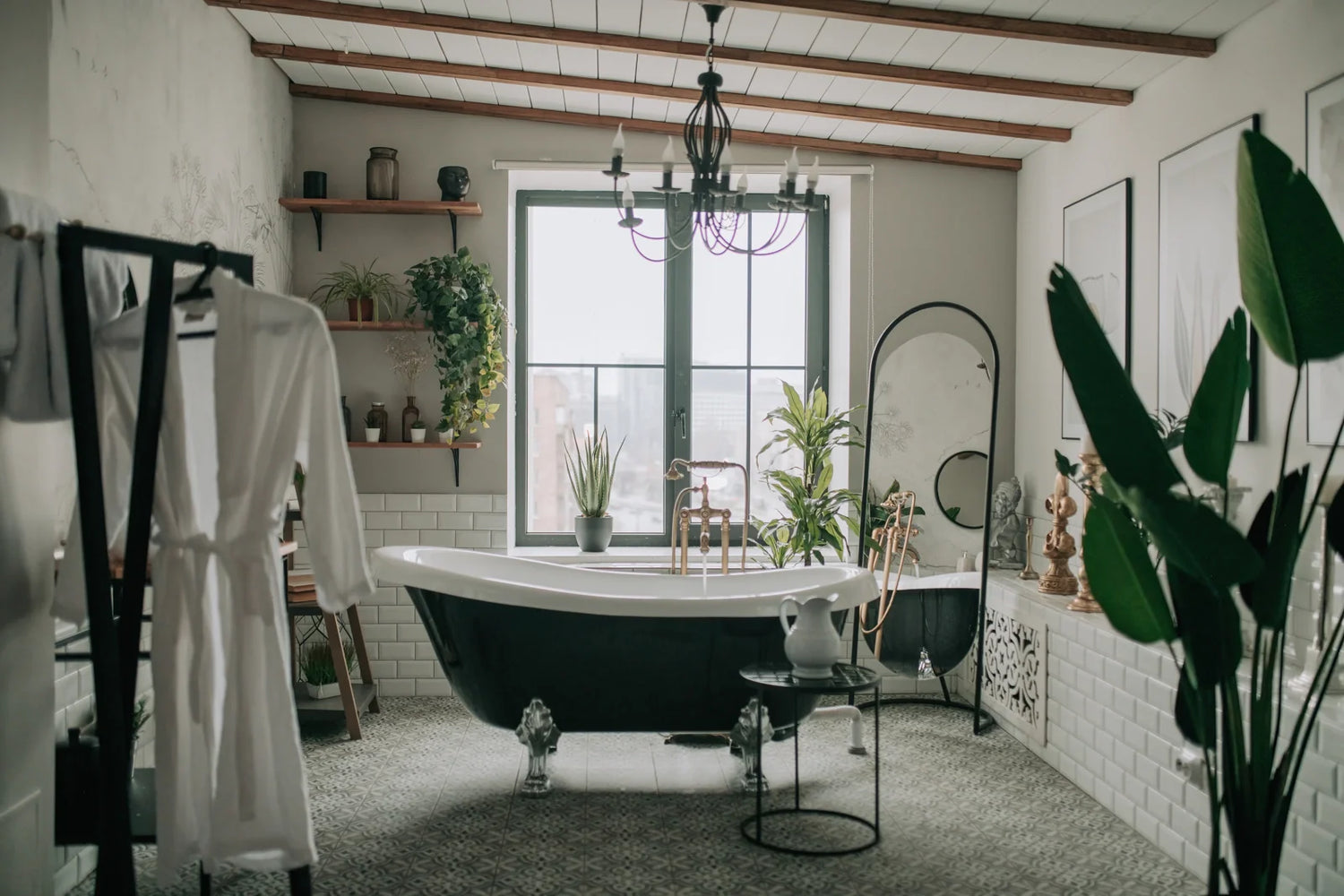
A clawfoot tub and a modern freestanding tub can both look amazing. The difference is how they behave in real homes—on real floors, with real plumbing, and with real people who have to step in, clean them, and live around them.
If you’re exploring popular styles and choosing between clawfoot vs modern freestanding tub for your dream bathroom, don’t start with photos. Begin by asking four questions that shape your satisfaction and elegance in daily use:
-
Will you actually use it weekly, or will it become a dust collector?
-
Can your bathroom support the weight and layout without awkward compromises?
-
Do you want a deep upright soak or a supported recline?
-
Who needs to use it—kids, guests, aging parents, your future self?
Below is a decision-first guide that focuses on the trade-offs that matter in normal remodels and newly renovated bathrooms.
Clawfoot vs Modern Freestanding Tub: Decision Snapshot for Your Home
Deciding between clawfoot and modern freestanding tubs comes down to lifestyle, space, and bathing preferences—this snapshot helps you see which works best for your home.
Wrong Choice Red Flags to Avoid ——Read Before Choosing
You’re likely making the wrong decision if:
-
You’re choosing only for photos, not weekly use.
-
You don’t know your floor load capacity.
-
You haven’t mapped your drain location.
-
You’re sacrificing walking clearance.
-
You need a shower but don’t have a separate one.
Choosing Clawfoot for Vintage Style and Deep Upright Soak
A clawfoot tub makes sense when:
-
You want a true vintage vs contemporary bathtub contrast—ornate feet, exposed sides, classic shape.
-
You care most about a deep, immersive soak (many clawfoot tubs feel “taller” inside).
-
Your bathroom has a visual breathing room (or it risks looking crowded).
-
You’re fine with exposed plumbing as part of the look.
-
You can deal with the weight (especially cast iron) and a higher step-in.

A lot of people pick a clawfoot tub for a master bath because it becomes a focal point. That can be great—if it doesn’t steal the space you need for walking paths, storage, and towel hooks.
Choosing Modern Freestanding for Comfort and Easy Placement
A modern freestanding tub makes sense when:
-
You want a modern look that matches clean lines, tile, and simple fixtures.
-
You want more placement flexibility (near a wall, in a corner area, or tight layouts).
-
You care about comfortable lounging (many modern oval freestanding tub designs support the back and neck better).
-
You want a lighter tub (often acrylic) that’s more upstairs-friendly.
-
You want a lower, easier entry for daily-life usability.
Modern freestanding bathtubs tend to fit more bathroom styles because they don’t “force” the room to become vintage.
When Safety or Space Demands a Built-In Tub
Skip both freestanding and clawfoot tubs if:
-
You need the best shower + tub combo (built-in tubs usually win).
-
You have mobility concerns and need easy access.
-
Your bathroom is small and you can’t keep proper clearance.
-
You want maximum ledge space for shampoos, kid toys, and cleaning supplies.
The key point is: you’re not picking “vintage vs modern.” You’re picking a bathing experience and a maintenance routine.
Do Not Choose Clawfoot If:
-
Your bathroom is upstairs with uncertain structural capacity.
-
You have mobility or balance concerns.
-
You need tight wall placement.
-
You dislike exposed plumbing.
-
You cannot maintain 30"+ walking clearance around the tub.
Do Not Choose Modern Freestanding If:
-
You want true historic authenticity.
-
You need maximum upright soaking depth.
-
You want visible architectural feet as a design feature.
-
Your drain location cannot be reasonably moved.
Key Trade-Offs Between Clawfoot vs Modern Freestanding Tub
Compare comfort, plumbing, and maintenance trade-offs to see which tub aligns with your bathing priorities.
Bathing Experience: Deep Upright Soak vs Ergonomic Recline
Most clawfoot tubs feel like you sit more upright. That’s part of the classic soak: deep water, shoulders in, knees bent. It’s great if your idea of a bath is a long, quiet soak.
Many modern freestanding tubs—especially a modern oval freestanding tub—aim for a reclined posture. The sides often slope to support your shoulders. For a lot of homeowners, that comfort is what makes the tub get used.
A simple test that predicts happiness:
If you prefer lying back in a pool chair, you’ll probably like modern shapes. If you prefer sitting in a deep, vertical soak, clawfoot is your style.
Drain and Plumbing Reality for Clawfoot vs Modern Freestanding Tub
Plumbing often chooses your tub more than style does.
Key checks:
-
Where is your existing drain? Along the wall (typical for built-in tubs) or more centered?
-
Are you on a slab or a framed floor? Moving drains in concrete is usually harder.
-
Are you okay with exposed plumbing (clawfoot), or do you want hidden lines (modern base)?
Clawfoot tubs and modern freestanding tubs both can require drain changes if you’re replacing a built-in tub. Don’t assume it will “line up close enough.” A few inches matters.
Floor and Structure Considerations: Cast Iron vs Acrylic
Buyer Checkpoints:
-
Upstairs framed floor: verify joist span and load rating before choosing cast iron.
-
Concrete slab: Weight is usually less of a concern, but drain relocation may be harder.
-
Older homes: Confirm subfloor condition before adding 300–500+ lbs filled weight.
-
New build: Ask builder to confirm reinforcement if choosing cast iron.
Rule of thumb: If structural verification feels uncertain → modern acrylic usually wins for risk control.
Cleaning Trade-Off: Under Clawfoot vs Around Modern Base
People assume clawfoot is harder to clean because it has feet. Day-to-day, it’s more nuanced.
-
Cleaning under a clawfoot tub: You can actually get underneath it because it’s raised. That can make it easier to remove dust bunnies and mop. The downside is you’ll have more edges and parts (ornate feet, exposed pipes) that collect grime and need wiping.

-
Cleaning around a modern base: Many modern tubs sit close to the floor. You don’t clean “under” them—you clean a tight perimeter around them. That perimeter can trap hair and dust, and it can be annoying if the tub is placed close to a wall.
So the question isn’t “which is easy to clean?” It’s what kind of cleaning annoys you less: detailed wiping (clawfoot) or perimeter-floor scrubbing (modern).
Style Flexibility: Vintage vs Contemporary Bathtub
A clawfoot tub is a strong design statement. In a historic home, that can feel timeless. In a very modern remodel, it can look intentional—but only if the rest of the bathroom supports it.
Modern freestanding tubs are more neutral. You can swing the room warmer or cooler just by changing:
-
faucet finish (chrome, bronze, matte black),
-
lighting,
-
mirrors,
-
and tile.
One practical tip: If you love the clawfoot shape but want a more current look, choose simpler feet and pair it with cleaner-lined fixtures to reflect your personal style. Yes, you can use modern-style faucets with many clawfoot setups, but the exposed plumbing still reads more traditional than a built-in tub.
Comfort and Usability Factors That Decide Satisfaction
Long-term enjoyment depends on posture, stability, and how you actually use the tub day-to-day.
Slipper Tub vs Clawfoot: Reclined Lounge or Upright Soak
This is the comfort fork in the road.
-
A classic clawfoot often has symmetrical ends and a deeper basin. It’s a “sit and soak” experience.
-
A slipper tub (sometimes a clawfoot, sometimes a modern freestanding) has one end raised for lounging. A double-slipper has both ends raised.
If neck and shoulder comfort matters to you, a slipper style often wins. If you want maximum water depth and don’t mind a more upright posture, a traditional clawfoot can feel more immersive.
If you’re torn, don’t guess—sit in display tubs if you can. Comfort is very personal, and photos don’t tell you where your shoulders will land.
Flat Bottom Tub Benefits for Safety and Everyday Use
A detail that changes daily use is the tub floor.
Flat bottom tub benefits include:
-
more stable footing if you’ll stand to rinse hair,
-
easier kid bathing (less sliding toward a drain dip),
-
easier transitions for people who don’t want to feel perched.
Some clawfoot tubs have a more curved interior bottom. Many modern tubs have flatter standing areas (not all, but many). If you plan to use the tub for kids, pets, or quick rinses, interior stability matters more than people expect.
Comfort Considerations for Long Clawfoot Soaks
Sometimes, yes. The most common comfort complaint I see is not about water depth—it’s about back and neck support.
A clawfoot tub can be deep and still feel like you’re holding your posture. You can add a bath pillow, but that’s also one more thing to clean and store.
If your goal is long soaks (20–40 minutes), modern ergonomic shapes often feel better. If your goal is occasional deep baths, clawfoot can be perfect.
Water Capacity Considerations for Your Tub
This is a quiet dealbreaker. Many freestanding and clawfoot tubs are larger than built-in tubs. Larger tub often means:
-
longer fill time,
-
more hot water demand,
-
and more time to drain and rinse.
If your household routinely runs out of hot water, a deep clawfoot soak may become a “weekend only” thing. That’s not wrong—but you should be honest about it before you buy.
A practical approach: check your water heater capacity. The EPA’s WaterSense program recommends considering water-efficient fixtures and usage patterns, so you might prioritize showers if your tub fill volume exceeds daily hot water limits.
Main Alternatives When Freestanding Tubs Don’t Fit
Explore built-in, walk-in, or compact tubs when freestanding options don’t suit your bathroom layout or lifestyle.
Built-In Tubs for Easy Cleaning and Maximum Storage
If you need a daily shower and a tub, built-in often wins because: it’s easier to clean around, it works well with shower pans, it gives ledges for bottles, it fits small bathrooms better, and it’s usually cheaper to plumb.
If you’re frustrated because freestanding looks great but doesn’t work with your life, this is usually why.
Walk-In Tubs for Safety and Accessibility
If safety is the priority, a walk-in tub can be the right answer. Just know the trade-offs:
-
you typically sit and wait while it fills and drains,
-
it may change the look of the bathroom,
-
and it can cost more.
Compact Soaking Tubs for Maximum Depth in Small Spaces
If you want deep water but you don’t have the footprint for a long freestanding tub, compact soaking tubs can deliver depth in a smaller area. The trade-off is posture: it’s usually upright, and it’s not ideal for lounging.
Prioritizing a High-End Shower Over a Freestanding Tub
If baths are rare in your house, put money where you’ll feel it daily:
-
better shower valve and temperature control,
-
improved ventilation,
-
good lighting,
-
and storage niches that reduce clutter.
You can still choose a tub, but you won’t feel resentful about spending on something you rarely use.
Cost, Installation, and Resale Value: Where Budgets Get Surprised
Choosing between a clawfoot vs modern freestanding tub is more than picking a style—it affects your budget, installation complexity, and long-term resale. This section breaks down what can unexpectedly raise costs.
Total Installed Cost Comparison: Tub, Faucet, Drain, Labor, and Steps in the Buying Process
Total Installed Cost Comparison: Tub, Faucet, Drain, Labor, and Steps in the Buying Process. The U.S. Department of Energy (DOE) notes that water heating efficiency can significantly affect long-term costs, especially for large, deep-soaking tubs.

The tub price is only part of the bill. Installed cost usually changes based on:
-
tub material (acrylic vs cast iron vs stone),
-
faucet type (deck-mounted, wall-mounted, freestanding filler),
-
whether you must move the drain,
-
floor repairs and finishing,
-
and labor difficulty (weight and access).
A simple rule: clawfoot tends to cost more in labor when it’s cast iron, because moving and positioning it is harder. Modern freestanding tends to cost more in finishing details, like placing the freestanding filler, aligning it perfectly, and making the floor and wall transitions look intentional.
Hidden Clawfoot Costs: Floor Reinforcement, Heavy Cast Iron, and Exposed Plumbing
Clawfoot tubs come in multiple materials, but the classic is cast iron. The surprises are:
-
Weight: getting it into the room without damaging floors, doors, or new tile.
-
Floor protection: ensuring the feet don’t damage softer flooring.
-
Plumbing visibility: because supply lines are exposed, you may spend more to make everything look clean and aligned.
Clawfoot doesn’t always require “special” plumbing, but it often requires different plumbing than a built-in tub. Supply lines may come from the floor or wall, and the drain location has to match the tub’s drain.
Hidden Modern Freestanding Costs: Filler Placement, Access Panels, and Finish Trim
A modern freestanding tub often uses a freestanding tub filler (the tall floor-mounted faucet). That can drive costs because:
-
plumbing may need to be run through the floor in a precise location,
-
the filler must align well with the tub edge,
-
and mistakes are very visible.
Also, some installations need an access plan. Not every bathroom makes access easy once tile is installed. You don’t want to find out later that a small leak requires ripping out finished surfaces.
Resale Value of Freestanding Tubs: Clawfoot Charm vs Modern Versatility
The resale value of freestanding tubs is real, but it’s not automatic.
What tends to help resale:
-
A freestanding tub in a primary suite when there’s also a good shower.
-
A look that matches the home’s style (vintage tub in a historic home, modern tub in a contemporary home).
-
A layout that still feels functional (space to walk, space to store).
What can hurt resale:
-
A tub that takes so much room you lose storage or the bathroom feels cramped.
-
A “show tub” with no practical shower option in a house where buyers expect one.
Clawfoot can be a plus for the right buyer, but it’s more style-specific. Modern freestanding usually appeals to more buyers because it reads as updated and flexible.
Installed Cost Drivers: Who Carries More Risk
| Risk Type | Likely Winner |
| Labor + weight handling risk | ❌ Clawfoot (cast iron heavier) |
| Finish alignment + filler precision risk | ❌ Modern Freestanding |
| Structural reinforcement risk | ❌ Clawfoot |
| Drain alignment precision | ⚖️ Both |
If you fear structural labor surprises → Modern wins. If you fear visual alignment mistakes → Clawfoot may be simpler.
Fit, Space, and Layout Constraints That Decide the Winner
Fit, Space, and Layout Constraints: Consider Popular Styles, Your Buying Process, and How They Affect the Elegance of Your Dream Bathroom
Room size and layout can determine which tub works best. We analyze how clawfoot and modern freestanding tubs perform in small or awkwardly shaped bathrooms.
Clawfoot vs Modern Freestanding Tub: Worth It in a Small Bathroom?
Sometimes, no. Freestanding tubs need air around them to look right and to clean around them. If your bathroom is tight, you can end up with:
-
awkward clearances at the toilet,
-
a pinched walkway,
-
or a tub that blocks drawers and doors.
In a smaller space, a built-in tub often feels better day-to-day because it uses the footprint efficiently and gives you ledges for storage.
If you still want freestanding in a smaller bath, modern designs usually place easier near a wall and can be visually lighter.
Clawfoot Tub For Master Bath: Centerpiece vs Obstructing Traffic and Storage
In a master bath, a clawfoot tub can be the feature that makes the room feel special. But it needs planning.
It works best when:
-
You have a clear walking loop,
-
the tub doesn’t steal vanity storage,
-
towel hooks and robe hooks are placed within reach,
-
and you’re not squeezing between tub and wall daily.
When it fails: the tub looks great in photos but turns the room into an obstacle course. This happens a lot when homeowners try to force a freestanding tub into the same space where an alcove tub used to be without rethinking the layout.
Placement Flexibility: Corner or Near-Wall Modern Freestanding vs Clawfoot Requiring Space
Both tubs stand independently without needing a deck, but they read differently.
-
A clawfoot tub looks best with space around it so you can see the feet and the full shape.
-
A modern freestanding tub can look fine closer to a wall, especially oval shapes with clean lines.
If you’re working with tight clearances, modern usually wins on layout and design.
Daily-Life Ownership: Kids, Aging, Cleaning, and Shared Bathroom Challenges
Daily routines reveal practical differences between tub types. Discover how clawfoot and modern freestanding tubs handle multi-user stress tests.
Accessibility Trade-Off: Higher Step-In Clawfoot vs Lower Entry Modern Tub
Accessibility Trade-Off
If safety or balance is non-negotiable, the Centers for Disease Control and Prevention (CDC) notes that bathrooms are a high-risk area for falls, so consider a built-in tub with grab bars or a walk-in solution rather than a freestanding tub.
This is one of the biggest practical differences.
Clawfoot tubs often have:
-
a higher outer rim,
-
a deeper basin,
-
and a more “step up and over” entry.
That can be fine for healthy adults. It can be a real problem for:
-
older knees and hips,
-
balance issues,
-
pregnancy,
-
or anyone who worries about slipping.
Many modern tubs sit lower and feel easier to enter, but the U.S. Consumer Product Safety Commission (CPSC) highlights that children and older adults still benefit most from walk-in tubs or showers with anti-slip surfaces.
Household Rhythm Trade-Off: Solo Spa Ritual vs Multi-User Functionality
Be honest about how the bathroom is used Monday morning.
A freestanding tub—clawfoot or modern—leans toward a “bath ritual.” It’s not as good for:
-
fast kid baths with lots of toys,
-
quick shower cleanup,
-
or storing bottles on ledges.
If this is a shared bathroom, you may miss:
-
built-in ledges,
-
a tub deck,
-
and the simple wipe-down of an alcove surround.
If it’s a primary bath where baths are a real priority, freestanding can make sense.
Future Safety Planning: Choosing Clawfoot with Later Access Needs
Plan for the future. If you love clawfoot but worry about long-term access, consider:
-
leaving enough wall space for a properly installed grab bar nearby (not on the tub),
-
choosing a tub with a slightly lower rim if options exist,
-
using a high-quality non-slip mat designed for tubs.
If you later need true accessibility, most people end up changing the setup (often to a shower or walk-in). Adapting a clawfoot tub for significant mobility limits is usually not the easiest path.
Long-Term Cleaning Reality: Clawfoot vs Modern Freestanding Tub
Weekly reality usually looks like this:
-
Clawfoot: more detailed wiping (feet, exposed pipes, curved sides), but you can reach the floor beneath it.
-
Modern: fewer details, often easy wipe-down acrylic, but the floor edge around the base can collect dust and hair.
If you hate detailed cleaning, modern cleaning is often easier. If you hate not being able to reach under things, clawfoot may feel less annoying.
Maintenance and Durability: Common Owner Complaints After Initial Use
Long-term satisfaction depends on material and finish. Learn the typical maintenance issues for clawfoot vs modern freestanding tubs.

Finish Durability Trade-Off: Acrylic vs Cast Iron Tub
Material changes the ownership experience more than most people think.
Acrylic
-
Pros: lightweight, warmer-to-touch feel, usually easy to clean, many shapes.
-
Cons: can scratch, can dull if cleaned with harsh abrasives, can flex if poorly supported.
Cast iron (enameled)
-
Pros: extremely durable, excellent heat retention, solid feel, long lifespan.
-
Cons: heavy, chips are harder to fix invisibly,they can be cold to the touch at first.
Stone/resin blends
-
Pros: solid feel, often good insulation, modern shapes.
-
Cons: heavy (though often less than cast iron), can stain or dull depending on finish, may need specific cleaning products.
If you want the “forever tub” feel, cast iron is hard to beat—if your floor and budget can handle it. If you want practicality and simpler installation, acrylic is usually the easy choice.
Cleaning Dealbreakers: Freestanding Curves vs Clawfoot Feet
Real complaints tend to be small-but-daily:
-
Hard water leaves spots on glossy curves, especially under bright lighting.
-
Freestanding tubs show dust at the base edge because there’s no toe-kick like a vanity.
-
Clawfoot feet collect grime around the base and need detail work.
If you have hard water, plan on a routine that prevents buildup (and choose finishes that don’t show every spot).
Repairability Trade-Off: Vintage Clawfoot vs Worn Acrylic Replacement
If you’re considering a true vintage clawfoot, refinishing can be part of the decision.
-
A vintage tub can often be refinished when the surface wears, but it’s a project: ventilation, downtime, and the quality depends heavily on prep work.
-
Acrylic can sometimes be repaired, but deep wear or widespread dulling may push people toward replacement.
If you want something you can restore over decades, cast iron tends to be the better long-term bet.
Hardware Annoyance Trade-Off: Exposed Clawfoot Pipes vs Modern Seamless Base
Exposed plumbing looks great when it’s done well. It also means:
-
more visible connections,
-
more surfaces to keep clean,
-
and more importance on precise installation.
Modern seamless bases hide a lot, but they can make it harder to notice small leaks early. Either way, a careful installation matters as much as the tub choice.
Main Alternatives When Clawfoot or Modern Freestanding Are Not Practical
Sometimes, freestanding tubs don’t fit your space or lifestyle. This section explores practical alternatives.
Built-In Tubs: Easy Cleaning, Storage, and Shower Compatibility
If you need a daily shower and a tub, built-in often wins because:
-
it’s easier to clean around,
-
it gives ledges for bottles,
-
it fits small bathrooms better,
-
and it’s usually cheaper to plumb.
If you’re frustrated because freestanding looks great but doesn’t work with your life, this is usually why.
Walk-In or Door Tubs: Prioritizing Safety and Accessibility
If safety is the priority, a walk-in tub can be the right answer. Just know the trade-offs:
-
you typically sit and wait while it fills and drains,
-
it may change the look of the bathroom,
-
and it can cost more.
Japanese Soaking or Deep Compact Tubs: Maximum Soak in Minimal Space
If you want deep water but you don’t have the footprint for a long freestanding tub, compact soaking tubs can deliver depth in a smaller area. The trade-off is posture: it’s usually upright, and it’s not ideal for lounging.
Shower-First Households: High-End Shower Over Freestanding Tub
If baths are rare in your house, put money where you’ll feel it daily:
-
better shower valve and temperature control,
-
improved ventilation,
-
good lighting,
-
and storage niches that reduce clutter.
You can still choose a tub, but you won’t feel resentful about spending on something you rarely use.
Before You Buy Checklist:
Streamlining Your Process of Buying and Considering Popular Styles. Start with structure and plumbing. Style comes last.
-
Confirm Weight + Floor Capacity Check empty + filled weight. Upstairs or older homes? Verify floor support before choosing cast iron.
-
Map Drain and Supply Lines Locate your drain (wall vs centered). Confirm slab vs framed floor. Price drain moves before committing to freestanding.
-
Clearance Pass/Fail Rule Can you maintain 24–30 inches of walking space on key traffic sides? If no → Freestanding is not appropriate. Choose built-in.
-
Decide Faucet Plan Early Wall-mounted, deck-mounted, or freestanding filler? Confirm compatibility before ordering.
-
Check Entry Height + Interior Stability Measure step-in height. Confirm flat vs curved interior floor. If safe entry is uncertain → reconsider freestanding.
-
Think About Cleaning + Resale Last Are you okay cleaning under legs or around a base? Will the bathroom still feel practical for future buyers?
-
Pass/Fail Clearance Rule
-
If you can at least maintain:
-
24–30 inches of comfortable walking clearance on key traffic sides
-
-
→ Freestanding is not appropriate. Choose built-in.
-
No exception for style.
FAQs
1. Is a Clawfoot Tub Harder to Clean Under?
Usually no. Because a clawfoot tub sits on elevated feet, you can easily reach underneath it, unlike floor-hugging tubs. The cleaning shifts to wiping the legs, ornate feet, and exposed plumbing. When comparing clawfoot vs modern freestanding tub, the clawfoot often allows better access underneath, while modern freestanding tubs tend to sit closer to the floor, making perimeter cleaning more critical.
2. Are Modern Flat Bottom Tubs More Stable?
Often yes. Many modern freestanding tubs feature flatter interior floors, which feel more stable for standing, bathing kids, or stepping in and out. In the debate of clawfoot vs modern freestanding tub, clawfoot tubs sometimes have curved or sloped bottoms that can feel less stable, especially for children or elderly users.
3. Do Clawfoot Tubs Require Special Plumbing?
They don’t require “special” plumbing, but they often need different routing compared to built-in tubs. Exposed supply lines and the tub’s drain placement must match the clawfoot layout, which may involve relocating plumbing. When weighing clawfoot vs modern freestanding tub, modern designs often hide plumbing within the base, making installation simpler, whereas clawfoot tubs highlight exposed pipes as part of their classic aesthetic.
4. Can You Use a Modern Faucet with a Clawfoot Tub?
Yes, in many cases. While a modern faucet can update the look, the clawfoot tub will still read as vintage due to its feet and exposed plumbing. Pairing a modern faucet with a clawfoot tub can create a hybrid style, bridging classic charm with contemporary aesthetics.
5. Which Tub is Deeper for Soaking?
Clawfoot tubs, especially cast iron models with tall sides, often feel deeper for a traditional upright soak. Many modern freestanding tubs, by contrast, emphasize a reclined ergonomic posture rather than maximum water depth. Choosing between clawfoot vs modern freestanding tub ultimately depends on whether you prioritize deep upright soaking or relaxed lounging.
References


Leave a comment
This site is protected by hCaptcha and the hCaptcha Privacy Policy and Terms of Service apply.