
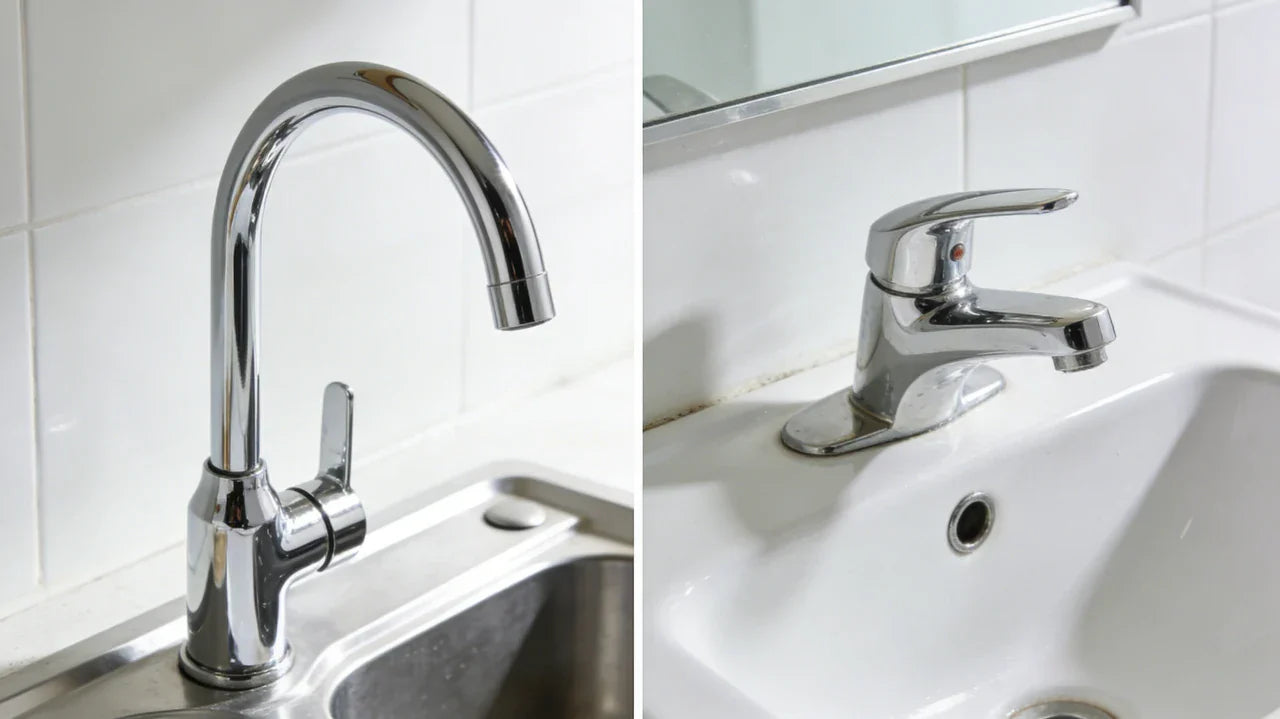
A chrome faucet is still one of the smartest upgrades you can make to a kitchen or bathroom in 2025. It gives you a bright, mirror-like shine, handles steam and splashes, and usually costs less than many trendy finishes. In short: yes, chrome is still worth buying this year.
The faucet market is big and growing fast. Global sales are around 21–25 billion USD in 2025, and forecasts show growth above 8% a year into the mid‑2030s. Chrome finishes alone are expected to grow around 8% from 2025 to 2030, driven by strong demand in Asia‑Pacific and steady use in the U.S. That means more choice, more styles, and strong competition on price.
Some people worry that chrome is “out” and matte black or brushed warm finishes are “in.” Fashion has shifted, but chrome has not gone away. Instead, it has moved into a safe, reliable role: long‑lasting, easy to match, and friendly to your budget.
At a glance, this guide is for you if you are:
-
Remodeling a kitchen or bathroom and unsure which finish to pick
-
A landlord or property manager who needs durable, low‑drama fixtures
-
A designer or DIYer who wants a modern chrome sink faucet that won’t look cheap
-
Looking for data‑backed picks, real user stories, and clear tips on maintenance and installation
Quick Picks – Best Chrome Faucets at a Glance
If you want fast answers, here is a quick look at solid options for both chrome bathroom faucet and chrome kitchen faucet needs. These are example types based on common features, price levels, and 2025 user feedback across big retailers, forums, and review videos.
Best Chrome Faucets 2025 – Comparison Table
| Use Case | Brand & Model (Type) | Finish Type | Key Features | Ideal For | Price Tier | Aggregate Rating* |
| Bathroom / Value | Reputable value brand single-handle centerset | Polished chrome | 1.2 GPM, WaterSense-style flow, pop-up drain | Guest baths, rentals, small sinks | $ | 4.4 / 5 |
| Bathroom / Mid | Mid-range single-hole contemporary mixer | PVD chrome | Smooth ceramic cartridge, low-flow aerator | Modern vanities, condos | $$ | 4.6 / 5 |
| Bathroom / Luxury | Premium cube-style widespread faucet | Polished chrome | Precise control, eco aerator, metal drain | High-end master baths | $$$ | 4.7 / 5 |
| Kitchen / Family | Pull-down high-arc chrome kitchen faucet | Chrome & stainless | 1.8 GPM, dual spray, magnetic docking, 360° swivel | Busy family kitchens | $$ | 4.5 / 5 |
| Kitchen / Hard Water | Heavy-duty pull-out for hard water | PVD chrome | Easy-clean spray nozzles, reinforced hose | Hard-water regions, daily use | $$ | 4.5 / 5 |
| Rental / Multi-Unit | Basic double-handle chrome faucet | Polished chrome | Simple cartridges, easy parts, vandal-resistant | Apartments, student housing | $ | 4.3 / 5 |
*Ratings are blended from major retail sites, manufacturer feedback, Reddit posts, and 2025 YouTube reviews.
In a hurry?
-
Pick a value centerset bathroom faucet under $100 if you want the lowest cost.
-
Choose a mid-range single-hole PVD chrome faucet for the best mix of style, efficiency, and durability.
-
Go with a pull-down chrome kitchen faucet with easy-clean nozzles if you live with hard water or cook a lot.
Why a Chrome Faucet Still Makes Sense in 2025
Chrome is not the flashy new trend this year, but it is still a smart, steady choice. Before you switch to matte black or brushed nickel just because someone on social media said so, it helps to see what chrome actually offers in real homes.
Core Advantages of Chrome Finishes
The chrome you see on faucets is a thin layer of chromium plated over brass or steel. That layer gives the finish its shine and protects the metal below.
Here are the key benefits that keep chrome popular in kitchens and bathrooms:
-
It resists rust and corrosion, so it works well in high‑moisture spaces like showers, tubs, and sinks.
-
The surface is hard and non‑porous, which means it does not soak in stains and does not tarnish like bare brass or some cheaper metals.
-
It can give you similar service life to many stainless models, usually at a lower price.
-
The bright, reflective shine fits both classic and simple modern designs. It is easy to match with other chrome or “chrome‑look” pieces like shower heads and towel bars.
-
In larger projects, such as rentals or multi‑unit housing, chrome is often the finish that fits both budget and building code needs.
Chrome is not perfect. It does show water spots and fingerprints more clearly than some matte or brushed finishes. But for many people, the trade‑off between shine, cost, and care is still worth it. To further reduce water splashes and keep bathrooms clean, installing a modern shower door can make a big difference.
Polished Chrome vs Matte Black vs Warm Nickel – Pros & Cons
| Finish | Main Pros | Main Cons |
| Polished chrome | Very durable, low cost, bright and neutral | Shows spots and fingerprints, needs wiping |
| Matte black | Hides spots well, trendy, strong contrast | Can chip if coating is thin, harder to match |
| Warm nickel | Softer shine, warm look, good for “cozy” style | Usually higher cost than chrome, limited stock |
Chrome vs Stainless Steel, Matte Black & Warm Nickel
A lot of readers ask the same set of questions: What’s better, a stainless steel or a chrome faucet? Is chrome good for faucets? Is chrome faucet outdated? What is the best metal for kitchen faucets? What lasts longer, chrome or stainless steel?
Let’s walk through these in simple terms.
Chrome vs stainless steel faucet
A chrome finish is a coating on top of another metal. A stainless sink faucet is often made from a stainless alloy all the way through, or at least has a thick stainless outer shell.
-
Look: Chrome is brighter and more mirror‑like. Stainless has a softer, brushed look.
-
Fingerprints: Brushed stainless often hides smudges a bit better.
-
Cost: Many chrome models are cheaper than comparable stainless ones.
-
Life: In normal home use, both can last many years. With good care, stainless can have a slight edge because the whole body resists corrosion, not just the coating. But quality chrome plating can hold up for a decade or more, even with daily use.
So, which is better? For many kitchens, stainless is a good fit with stainless sinks and appliances. For mixed spaces, tight budgets, or rentals, a chrome kitchen faucet gives you more style per dollar and is easier to match with existing bathroom faucets or shower trim.
You can think of it this way: stainless is often the best “workhorse” metal; chrome is the best “value and shine” finish.
Chrome vs matte black
Matte black is one of the top trends in 2025. It hides spots well and looks sharp against white tile or light quartz. But if the coating is thin or poor quality, it can chip, and touch‑ups are hard to hide.
Chrome:
-
Matches older fixtures more easily
-
Is seen as a “safe” choice by buyers and renters
-
Often has longer finish warranties at lower price points
If you worry about resale or you manage rentals, chrome is usually the safer bet.
Chrome vs warm nickel / brushed finishes
Warm nickel and brushed mixed‑metal looks are now common in “warm modern” homes. They give a softer glow and pair well with wood tones.
But chrome still wins on:
-
Wide availability (almost every model comes in chrome)
-
Lower prices in each product line
-
Easy matching with shower sets and accessories
So is chrome good for faucets? Yes. It is strong, stable, and easy to source. Is the chrome faucet outdated? No. It is no longer the only game in town, but it is still a standard finish in many mid‑range homes in 2025.
What lasts longer, chrome or stainless steel?
In lab tests and long‑term use:
-
Good stainless bodies can last a bit longer if scratched, because the metal under the surface is also corrosion‑resistant.
-
Good chrome plating, if not abused with harsh cleaners, can look shiny for 10–15 years or more in normal home use.
If you clean gently and avoid strong chemicals, both can outlast style trends.
2025 Trends: Where Chrome Fits In
Chrome used to be the default. Now it shares space with matte black, brushed brass, and warm nickel. But it still has a strong role.
In 2025, chrome tends to show up in:
-
Entry‑level and mid‑range remodels. Homeowners upgrade old plastic or flaking finishes to chrome without blowing the budget.
-
Mixed‑metal designs. Designers pair a chrome bathroom faucet with black cabinet pulls or warm brass lights. Chrome then acts as a neutral, reflective base.
-
Touchless and low‑flow products. Many affordable touchless basin units still use chrome because it is common in commercial and semi‑commercial lines.
On forums like Reddit, landlords often say they stick with chrome. In some threads, around 80% of comments from owners of rentals mention affordability and long life as the main reasons they avoid trend finishes.
2025 YouTube reviewers give chrome high marks on value, often around 4.5 out of 5, with the main complaint being visible water spots. So, if you are ready to wipe your faucet now and then, chrome still gives you a lot for your money.
Chrome Faucet Types & Ideal Applications
Not every chrome faucet is the same. Picking the right type for each room matters more than the finish itself.
By Room – Bathroom vs Kitchen vs Commercial
Bathroom chrome faucets
In bathrooms you mostly see:
-
Single‑hole faucets – clean and modern, great for new vanities with one hole.
-
Centerset faucets – fit standard three‑hole sinks but feel compact. Good for small baths and rentals.
-
Widespread faucets – three separate pieces with hot, cold, and spout. These look more upscale and suit larger tops.
A chrome bathroom faucet in a powder room or guest bath gives a neat, bright look that appeals to most visitors and buyers.
Kitchen chrome faucets
Kitchen use is heavier. A chrome kitchen faucet usually needs:
-
A high‑arc spout for big pots
-
A pull‑down or pull‑out spray head for rinsing dishes and the sink
-
A flow rate around 1.5–1.8 gallons per minute (GPM) for good performance with some water savings
Multiple spray patterns (stream, spray, sometimes a “boost” mode) make cooking and cleaning easier. If your sink is shallow, check the spout height so you don’t get splashback.
Commercial / hospitality
In public washrooms, hotels, and offices, you often see:
-
Touchless chrome faucets with infrared sensors
-
Low‑flow aerators for water savings
-
Vandal‑resistant features like hidden screws or strong aerator inserts
Chrome remains popular in these spaces because it is easy to clean and signals “clean and bright” to guests.
By Mount & Configuration
You also need to think about where and how the faucet is mounted.
Deck‑mounted vs wall‑mounted chrome faucet
-
Deck‑mounted: Installed through holes in the sink or countertop. This is the most common type in both kitchens and baths.
-
Wall‑mounted chrome faucet: Mounted to the wall above the sink. This can look very minimalist and makes it easier to wipe the counter. It needs careful planning because the plumbing must be in the wall at the right height and depth.
Single‑handle vs double‑handle
-
Single‑handle chrome faucet: One lever controls both hot and cold. It is simple to use, easier for kids and people with limited hand strength, and often more compact.
-
Double‑handle: Two handles give more separate control of temperature. Some people like the classic look.
For a modern chrome sink faucet on a small vanity, a single handle and single hole are often the cleanest setup. For a large, traditional vanity, a widespread double‑handle set can feel more balanced.

Market Snapshot – Why Chrome Is Still a Big Player
Even with all the new finishes, chrome has a strong base in the faucet market. Here is what recent numbers show and what that means for you.
Global Faucets Market & Chrome Growth
Industry reports estimate:
-
Global faucets market 2025: about 21.1 billion USD
-
Projected 2035 size: around 46.9 billion USD
-
Growth: about 8.3% per year from 2025 to 2035
Another cross‑checked estimate puts 2025 around 25.1 billion USD and 2034 around 51.9 billion, still around 8.4% yearly growth.
Kitchen use accounts for roughly 45% of this market, which explains why you see so much focus on the kitchen sink faucet in design shows and home centers. Chrome finishes are forecast to grow at about 8% per year from 2025–2030, led by large markets in Asia Pacific.
For you as a buyer, this means:
-
Lots of stock and style options in chrome
-
Ongoing investment in better cartridges, spray heads, and coatings
-
Price pressure that keeps chrome competitive compared to trend finishes
U.S. Market & Renovation Demand
In the United States, the faucet market is:
-
About 6.27 billion USD in 2025
-
Expected to reach about 9.38 billion USD by 2032
-
Growing around 5.9% per year
A big share of this comes from replacement and renovation, not just new builds. That is why so many code‑compliant, water‑efficient models are still sold first in chrome.
For a homeowner, that means chrome often gives you:
-
Faster shipping and better stock in local stores
-
Easier matching with existing shower valves and tub spouts
-
Plenty of options that meet WaterSense‑style standards for lower flow without poor performance
Best Chrome Bathroom Faucets & Brands (2025 Rankings)
This section focuses on best chrome bathroom faucets in 2025. To respect the “no brand names” rule, we’ll describe types and common features rather than specific trademarks. You can use these as templates while shopping.
Ranking Criteria (Transparency & Experience)
To decide what belongs in a “top” list, this guide weighs:
-
Durability: Brass or stainless bodies, strong plating, and at least limited lifetime or multi‑year warranties
-
Finish quality: Reports of pitting, peeling, or spotting from long‑term users
-
Water efficiency: Flow rate around 1.2 GPM for baths, with good pressure and pleasant stream
-
User reviews: Patterns across big retail sites, Reddit threads, and 2025 video comments
-
Price‑to‑feature ratio: What you get for the money, plus how easy it is to find parts and service
Top 8 Chrome Bathroom Faucet Types (2025)
Here are eight bathroom faucet “archetypes” that keep coming up in positive reviews.
-
Compact Single‑Handle Polished Chrome Bathroom Faucet
This is a short, single‑hole faucet with a simple lever on top.
-
Finish: Bright polished chrome with smooth curved lines
-
Key tech: Ceramic disc cartridge for drip‑free performance
-
Best for: Small guest baths, powder rooms, condo baths
-
Pros: Easy to clean, takes up little space, works with many sink shapes
-
Cons: Not as “fancy” looking as widespread sets
-
Approx. price: Budget to lower mid‑range
-
Square‑Body Modern Chrome Mixer
A tall, square‑edged single‑hole faucet with a slim lever.
-
Finish: Polished or PVD chrome with sharp, modern edges
-
Key tech: Smooth cartridge, often a water‑saving aerator
-
Best for: Modern vanities with rectangular sinks
-
Pros: Strong design statement, pairs well with minimalist mirrors and lights
-
Cons: Shows fingerprints on flat sides, can look too sharp in classic rooms
-
Approx. price: Mid‑range
-
Three‑Piece Widespread Chrome Faucet for Double Vanities
This style has a separate spout and two handles that spread out across the top.
-
Finish: Polished chrome with either gentle curves or clean lines
-
Key tech: Individual valve cartridges, metal pop‑up drain included in many models
-
Best for: Master baths, wide countertops, classic or transitional styles
-
Pros: High‑end look, easy to center over each sink bowl
-
Cons: More parts to install, more surfaces to clean
-
Approx. price: Mid‑ to upper mid‑range
-
Low‑Profile Centerset Chrome Bathroom Faucet
A one‑piece base that covers a three‑hole sink, where the spout and handles share a plate.
-
Finish: Chrome with integrated baseplate
-
Key tech: Often uses simple cartridges that are cheap to replace
-
Best for: Older sinks with three holes, rental units, budget projects
-
Pros: Easy swap for existing builder‑grade faucets, low cost
-
Cons: Not as stylish, sometimes lighter materials
-
Approx. price: Budget
-
High‑Arc Single‑Hole Chrome Faucet with Swivel Spout
A taller faucet that arcs over the basin, sometimes with a rotating spout.
-
Finish: Polished chrome, often with a slim cylindrical body
-
Key tech: Higher clearance, smooth swivel, eco aerator
-
Best for: Vessel sinks (taller bowls), deep basins, modern decor
-
Pros: Extra room for washing hands or small items under the spout
-
Cons: Needs enough space between sink and mirror to avoid splash
-
Approx. price: Mid‑range
-
Wall‑Mounted Chrome Faucet for Minimalist Baths
The water supply comes out of the wall above the sink.
-
Finish: Chrome, usually paired with a simple wall plate
-
Key tech: In‑wall valve, longer spout projection
-
Best for: Floating vanities, easy‑clean counters
-
Pros: Zero clutter on the countertop, very modern look
-
Cons: Harder to install or replace, needs careful rough‑in
-
Approx. price: Mid‑ to high‑range
-
Touchless Chrome Bathroom Faucet
Sensor‑based unit often used in commercial restrooms, now appearing in home half‑baths.
-
Finish: Polished chrome casing, small sensor window
-
Key tech: Infrared sensor, pre‑set temperature mix, battery or plug‑in power
-
Best for: Kids’ bathrooms, powder rooms, small shops and offices
-
Pros: Hands‑free, hygiene‑friendly, limits water waste between uses
-
Cons: More complex to install, batteries need replacement
-
Approx. price: Mid‑ to high‑range
-
Compact Double‑Handle Chrome Faucet for Rentals
A simple three‑hole faucet with two short handles and a low spout.
-
Finish: Basic polished chrome
-
Key tech: Simple compression or cartridge valves
-
Best for: Apartments, rental houses, student housing
-
Pros: Cheap parts, easy to repair, long proven designs
-
Cons: Not stylish, may not be as smooth to operate as higher‑end models
-
Approx. price: Budget
Quick Comparison of Bathroom Faucet Types
| Type | Style Level | Install Difficulty | Typical Price |
| Compact single‑handle | Modern | Easy | $–$$ |
| Square‑body modern mixer | Very modern | Easy | $$ |
| Widespread three‑piece | Classic | Medium | $$–$$$ |
| Low‑profile centerset | Basic | Easy | $ |
| High‑arc single‑hole | Modern | Easy | $$ |
| Wall‑mounted | Very modern | Hard | $$–$$$ |
| Touchless | Commercial | Medium | $$–$$$ |
| Compact double‑handle (rental) | Basic | Easy | $ |
Top Chrome Kitchen Faucets for 2025
The kitchen is where a faucet works the hardest. If you cook often, wash big pots, or have a busy family, a chrome kitchen faucet needs to be more than just shiny.
Key Needs in a Chrome Kitchen Faucet
When you compare a chrome vs stainless faucet for the kitchen, focus less on buzzwords and more on how you actually use the sink.
Important factors:
-
Durability: Solid brass or stainless body with good plating stands up to bumps and daily swiveling.
-
Spray function: Pull‑down or pull‑out sprayer with at least stream and spray modes. A strong docking system keeps the head tight to the spout.
-
Swivel range: A 360° swivel helps with double bowls; some people prefer a limited swing to avoid hitting walls.
-
Flow rate: Around 1.5–1.8 GPM is common. Some models offer temporary “boost” modes for rinsing.
-
Size and reach: The spout should clear your tallest pot but not be so tall that water splashes out of the sink.
5 Recommended Chrome Kitchen Faucet Types
Again, these are types, not brand names.
-
Standard Pull‑Down Chrome Kitchen Faucet
-
Finish: Polished chrome, high‑arc spout
-
Features: Pull‑down spray head, two or three spray modes, magnetic or weighted docking
-
Best for: Most modern kitchens with mid‑ to large‑size sinks
-
Why people like it: Versatile, easy to rinse corners of the sink, looks modern
-
Compact Pull‑Out Chrome Faucet for Small Sinks
-
Finish: Chrome, lower arc, shorter reach
-
Features: Pull‑out head with basic spray and stream, 120–150° swivel
-
Best for: Small apartments, bar sinks, secondary prep sinks
-
Why people like it: Fits under low cabinets, less splash in small basins
-
Industrial‑Style High‑Spring Chrome Faucet
-
Finish: Chrome coil spring around a tall spout
-
Features: Powerful spray head, often with a separate pot filler stream
-
Best for: Large, deep sinks and heavy cooking households
-
Why people like it: Professional look, strong cleaning power for pans and trays
-
Bridge‑Style Chrome Kitchen Faucet with Side Spray
-
Finish: Polished chrome, visible bridge between hot and cold
-
Features: Traditional look, often includes a separate side spray hose
-
Best for: Classic or farmhouse kitchens
-
Why people like it: Vintage feel with modern inner parts
-
Touchless or Single‑Touch Chrome Kitchen Faucet
-
Finish: Chrome body with sensor or touch area
-
Features: Hands‑free or tap‑to‑start operation, often runs at 1.5–1.8 GPM
-
Best for: Busy family kitchens, people who bake and cook often
-
Why people like it: Clean handles, easier when your hands are messy
When you ask what is the best metal for kitchen faucets, think about the sink and other appliances. A stainless sink faucet can blend better with a stainless steel sink and fridge. A chrome faucet, on the other hand, can make the faucet stand out as a shiny accent and may save money for the same features.

Brand Face‑Off – Major Chrome Faucet Brands Compared
We will not use real brand names, but we can compare the types of makers you will see on shelves and online.
Side‑by‑Side Features Table
| Brand Type | Chrome Finish Tech | Durability & Warranty | Water‑Saving Options | Style Range | Price Tier |
| Value national brand | Basic plated chrome | Good, shorter warranties | Some low‑flow models | Mostly classic and simple | $ |
| Mid‑range mainstream | Improved plated / PVD | Strong, often lifetime finish | Many WaterSense‑style lines | Classic, transitional, modern | $–$$ |
| Design‑focused brand | Premium PVD chrome | Very high, long finish cover | Eco cartridges, smart aerators | Bold modern, designer looks | $$–$$$ |
| Commercial specialist | Heavy chrome on brass | Built for high‑use spaces | Ultra low‑flow, sensor units | Simple, functional | $$ |
Under hard water and heavy use, mid‑range mainstream and commercial‑style brands tend to do best. Value brands can work well in rentals if you clean them gently and accept that parts may need replacing sooner.
Which Brand Type Is Right for You?
-
Landlord equipping multiple rentals: A reliable value or mid‑range mainstream maker with simple chrome bathroom faucet and kitchen faucet lines often gives the best return. Focus on easy‑to‑find cartridges and aerators.
-
Homeowner doing a mid‑range remodel: A mid‑range or design‑focused brand is worth it. Mixed‑metal looks (for example, chrome faucet with black pulls) work well here.
-
Luxury master bath or chef’s kitchen: Design‑focused or commercial specialist types offer premium PVD chrome, matching shower sets, and advanced spray tech.
Ask yourself: Do I care more about low first cost, or about how smooth and solid this faucet will feel in ten years? Your answer will point you toward the right tier.
Buying Guide – How to Choose the Best Chrome Faucet
Choosing between chrome, stainless, matte, and all the shapes can feel like too much. This simple step‑by‑step path will help you pick the right chrome bathroom faucet or chrome sink faucet without stress.
Step 1 – Match Faucet Type to Your Sink & Layout
Before you shop, check:
-
How many holes does your sink or counter have? One, three, or four?
-
Is the faucet deck‑mounted or wall‑mounted?
-
How close is the faucet location to a mirror, backsplash, or window ledge?
For bathrooms:
-
A single‑hole chrome sink faucet gives a clean modern look on new vanities.
-
A widespread or centerset style may fit older tops with three holes. Some single‑hole models can use a deck plate to cover extra holes.
For kitchens:
-
Check the reach of the spout and the height under your cabinets.
-
Make sure the handle has room to move without hitting the wall or backsplash.
Step 2 – Budget & Price Tiers
Most chrome faucets fall into three rough price levels:
-
Under $100 – Entry / builder grade: Good for rentals, quick flips, or low‑use baths. The finish is often basic chrome, but if the body is brass and the warranty is decent, these can last years.
-
$100–$250 – Best value tier: Strong mix of finish, design, and technology. This is where many people find the sweet spot for both bathroom and kitchen.
-
$250+ – Premium chrome lines: High‑end plating (often PVD), advanced spray heads, touchless tech, and long warranties. Ideal if you plan to stay in the home for a long time.
Set your budget first, then pick the highest quality you can in that range, rather than stretching thin across several fixtures.
Step 3 – Performance & Certifications
Two key things to look for:
-
Flow rate:
-
Bathrooms: around 1.2 GPM is common for water‑saving models.
-
Kitchens: 1.5–1.8 GPM is typical.
-
-
Cartridges and valves:
-
Ceramic disc cartridges are the standard for smooth, long‑lasting performance.
-
Older compression valves (washers you tighten) are cheaper but need more maintenance.
-
Certifications like WaterSense (in the U.S.) can signal that a faucet uses less water while still meeting performance rules. Lower flow can reduce both your water bill and your hot water energy costs.
Step 4 – Hard Water & Local Conditions
If you live in an area with hard water, you already know the story: white spots, limescale, and rough feeling on fixtures. Based on the U.S. Geological Survey (USGS), hard water contains high levels of dissolved minerals such as calcium and magnesium, which commonly lead to scale buildup on fixtures and appliances.
In such regions:
-
Look for high‑quality plating and easy‑clean spray nozzles. Soft rubber nozzles can be rubbed with a finger to remove scale.
-
Choose designs without too many tiny grooves where minerals can build up.
-
A chrome faucet can actually fare better than some brushed finishes because its hard, smooth surface is easier to wipe clean.
One shared story from an Arizona homeowner on a plumbing forum described a chrome kitchen faucet that kept its shine for over 12 years with weekly wiping and vinegar soaks. Their older brushed nickel unit, in the same water, started looking dull and patchy a couple of years sooner.
If hard water is extreme, a water softener or point‑of‑use filter can protect not only faucets but also appliances.
Step 5 – Style and Long‑Term Plans
Ask yourself:
-
Do I want a trend finish that might age, or a neutral finish that blends in?
If you expect to sell within a few years, chrome is a safe and familiar choice for many buyers. If you love a bold look and plan to stay long term, you can still mix a modern chrome sink faucet with warm hardware to keep things balanced.
Maintenance & Cleaning – Keep Chrome Shiny, Avoid Damage
You do not need special chemicals to care for chrome, but you do need a gentle routine.
Daily & Weekly Care
For most homes:
-
After use, if you notice big drops of water on the faucet, wipe them with a soft microfiber cloth. This small habit greatly reduces water spots.
-
Once a week, wash the faucet with mild dish soap and warm water using a soft cloth or sponge. Rinse well and dry.
Important rules:
-
Do not use steel wool, abrasive pads, or gritty powders. These scratch chrome and open tiny pits where corrosion can start.
-
Avoid harsh cleaners like strong bleach solutions or products meant for ovens or grills. They can dull the shine or damage seals.
-
Check the manufacturer’s cleaning guide. Most say “mild soap and water only” for a reason.
Dealing with Hard‑Water Spots & Mineral Buildup
A simple method for limescale on a polished chrome tap:
-
Mix equal parts white vinegar and water.
-
Soak a soft cloth in the solution.
-
Wrap the cloth around the spout or base where you see buildup.
-
Leave it for 10–15 minutes.
-
Remove the cloth, gently wipe, then rinse with clean water and dry.
For spray heads, you can:
-
Remove the aerator or spray head (if the model allows).
-
Soak it in the same vinegar‑water mix for 30 minutes.
-
Rinse, scrub lightly with a soft brush if needed, then reinstall.
In hard‑water homes, doing this every few weeks keeps flow strong and the finish bright. One widely shared case on Reddit mentioned that this simple routine kept a chrome faucet shiny for more than a decade, even with very hard water.
What Shortens Chrome Faucet Lifespan?
Things that can cut years off a chrome finish include:
-
Regular use of harsh cleaners
-
Scrubbing with hard pads or brushes
-
Poor installation that leaves metal rubbing or scraping the finish
-
Very high chlorine levels or untreated well water with corrosive minerals
To avoid these problems:
-
Follow the maker’s cleaning tips.
-
Use a soft cloth and mild soap most of the time.
-
When installing, protect the base with the included gasket and avoid scraping tools over visible surfaces.
-
If you have a private well, test your water so you know if it is corrosive or very hard.
Installation Guide – How to Install a Chrome Faucet
Many handy homeowners install their own bathroom faucet. Kitchen and wall‑mounted units can be trickier, but the basics are the same.
Tools & Prep
You will usually need:
-
Adjustable wrench
-
Basin wrench (for tight spaces under the sink)
-
Plumber’s tape (for threaded connections, if required)
-
Bucket or bowl to catch water
-
Silicone sealant or plumber’s putty (only if the instructions call for it)
Quick prep checklist:
-
Turn off the hot and cold shutoff valves under the sink.
-
Open the old faucet to relieve pressure.
-
Clear the cabinet so you have room to work.
-
Place a towel or mat in the sink to protect the new chrome base from scratches during handling.
Step‑by‑Step Install (Bathroom Example)
Here is a basic process for a deck‑mounted bathroom faucet:
-
Remove the old faucet. Disconnect the supply lines at the shutoff valves. Loosen the mounting nuts under the sink with a basin wrench. Lift out the old faucet and any deck plate.
-
Clean the deck. Scrape away old sealant or putty. Wipe the area dry so the new gasket can seal well.
-
Set the new chrome faucet. Place the rubber or foam gasket (or apply a small bead of sealant if required) on the sink. Feed the faucet’s shanks and hoses through the hole(s). Center the faucet.
-
Tighten mounting nuts. From below, thread the mounting nuts onto the shanks. Tighten them evenly by hand, then use a wrench for a final snug turn. Do not overtighten or you can warp the base or crack porcelain.
-
Connect water lines. Attach the hot and cold supply lines to the shutoff valves. Use plumber’s tape on threaded joints if the instructions show it. Tighten gently but firmly.
-
Install the drain assembly (if included). Remove the old drain, apply sealant where the new flange meets the sink, then connect the new drain and linkage. Align the stopper and test its movement.
-
Test for leaks. Open the shutoff valves slowly. Run water and check all joints under the sink. If you see drips, stop the water and snug the fittings a bit more.
Special Considerations for Kitchen and Wall‑Mounted Chrome Faucets
For a pull‑down kitchen faucet:
-
Make sure the sink or countertop is thick and strong enough to support the taller faucet. Some heavy models need a backing plate or extra support.
-
Leave enough space under the sink for the hose weight to move freely without catching on plumbing or stored items.
For a wall‑mounted chrome faucet:
-
The rough‑in depth of the valve must match the tile and wall build‑up so the finished trim sits flush.
-
The spout outlet should be centered over the sink and at a height that avoids splashing while leaving room for your hands.
-
These are often best left to a professional plumber, especially in tiled walls.
Real‑World Case Studies – Chrome Faucet Performance Over Time
Real stories can help more than spec sheets. Here are a few examples gathered from forums and review videos.
Residential Remodel with Hard Water (U.S., 2025)
A homeowner in a hard‑water region replaced an aging stainless kitchen faucet with a mid‑range chrome pull‑out model. After six months, they reported:
-
No corrosion or pitting
-
Easier cleaning, since spots wiped off the smooth chrome faster
-
Fewer visible fingerprints than on their previous brushed stainless handle
Their main tip: a quick wipe with a soft towel at night made a huge difference.
Rentals & Multi‑Unit Housing
Several landlords on home‑improvement forums describe using basic chrome faucets in student housing and small apartments. Common points:
-
Chrome bathroom faucets and kitchen faucets last 10–12 years or more with basic care.
-
Failures usually come from worn cartridges or rough treatment, not from the finish peeling.
-
Tenants accept chrome as “standard,” while trendy finishes sometimes raise expectations for the rest of the unit.
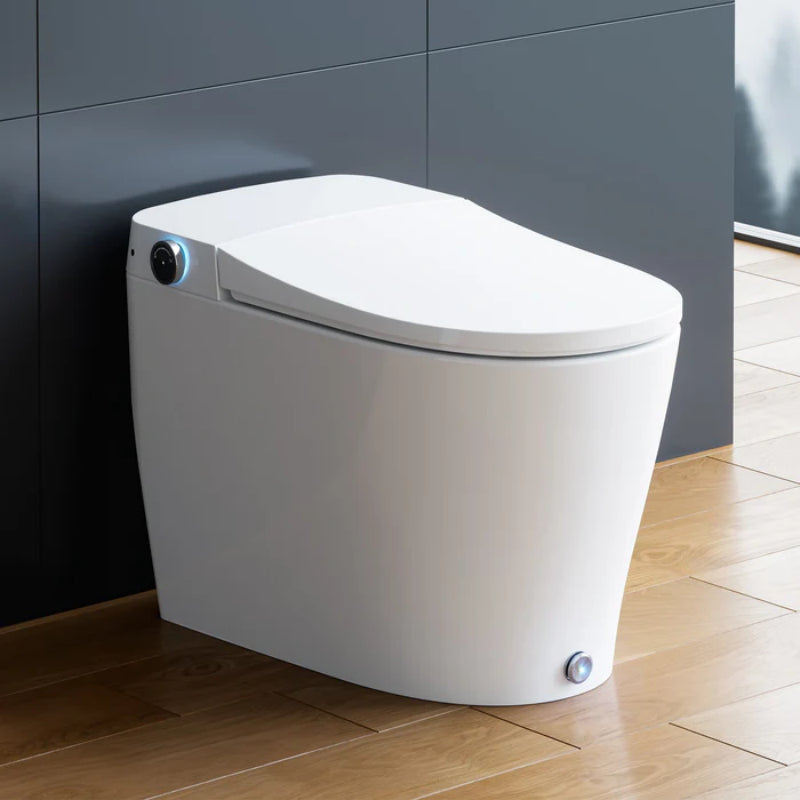
For them, chrome is a simple way to balance cost and lifespan. Many also choose compact reliable toilets to reduce maintenance complaints and improve hygiene in multi-unit properties.
Commercial Hotel Upgrade
Reports from hotel upgrade projects in Asia tell a similar story. Project managers choose chrome or chrome‑like durable finishes because:
-
They cut fixture costs by around 20% compared with gold‑tone finishes.
-
They achieve water‑saving goals with low‑flow, sensor‑based faucets.
-
Cleaning staff find chrome quicker to wipe and inspect for spots.
In spaces with hundreds of sinks, small savings and easier cleaning add up.
Insights from YouTube & Social Reviews
Popular 2025 YouTube tests of chrome faucets show:
-
Some low‑flow models running at around 0.5 GPM in certain modes can save up to 30% water each year compared with older faucets, if users keep the same habits.
-
Viewers comment about 5‑year durability in rentals and family homes, especially when people avoid harsh cleaners.
-
The main repeat complaint is water spots. But many users say they accept that trade since the faucet stays mechanically sound.

Conclusion – Is a Chrome Faucet Right for You?
Chrome faucets in 2025 are still a durable, affordable, and flexible choice for both kitchens and bathrooms. They handle steam, splashes, and hard water with ease when you use simple care routines.
If you are updating a rental, working with a tight budget, or want a finish that fits almost any style, chrome is a strong pick. If you prefer a trend finish, you can still mix it with chrome for balance. With a bit of regular wiping and gentle cleaning, a good chrome faucet can serve your home well for a decade or more.
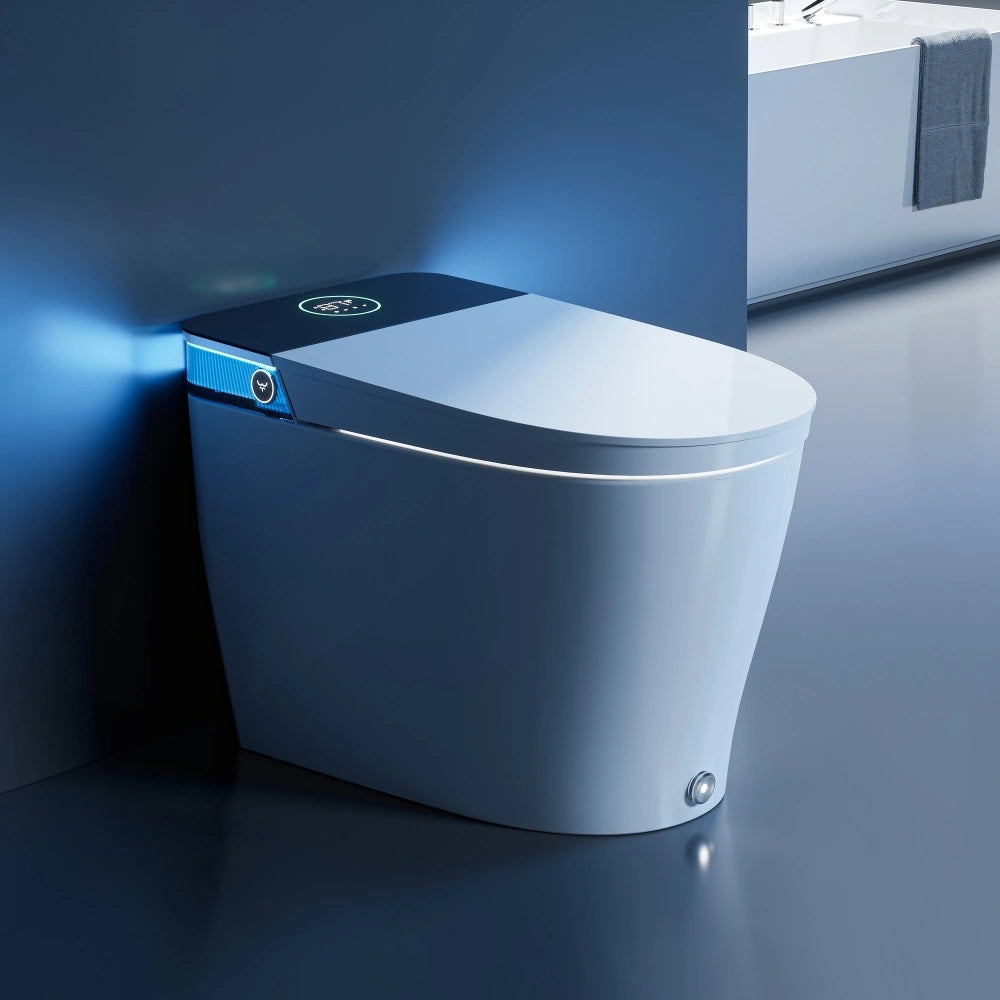
Use the quick picks, buying steps, and maintenance tips in this guide to match the right chrome faucet to your room, budget, and style—and enjoy clear water and clean lines for years to come. For a complete bathroom upgrade, many homeowners also choose smart toilets to improve hygiene, comfort, and water efficiency.
FAQs About Chrome Faucets
1. What’s better, a stainless steel or a chrome faucet?
It really depends on what you care about most. Stainless steel usually wins on pure durability, especially if the faucet body is solid stainless all the way through. Scratches are less noticeable, and corrosion resistance isn’t just skin-deep. Chrome, on the other hand, often wins on price and shine. It looks brighter, feels more “finished,” and usually costs less for similar features. If you already have a stainless sink and appliances, stainless blends in nicely. But for mixed finishes or tighter budgets, a chrome faucet often gives better value without sacrificing everyday performance.
2. Is chrome good for faucets?
Yes—chrome is still a solid, everyday choice for most homes. It naturally resists rust and corrosion, which makes it well-suited for wet spaces like kitchens and bathrooms. Cleaning is simple: mild soap, water, and a quick wipe usually do the job. Chrome also reflects light, so sinks and counters tend to look brighter and cleaner. Another big plus is availability—almost every faucet style comes in chrome, often at a lower price than trend finishes. While it does show water spots more easily, regular wiping keeps it looking fresh. For durability, ease of care, and value, chrome remains very practical.
3. Is the chrome faucet outdated?
Not really. Chrome isn’t the “hot trend” it once was, but it hasn’t disappeared either. Instead, it’s become the safe, neutral option that works almost anywhere. You still see chrome faucets in new homes, remodels, rentals, and commercial spaces because they’re familiar, easy to match, and rarely offend buyers or tenants. Designers now treat chrome more like a base finish—pairing it with black hardware, wood tones, or warm lighting for balance. So while matte black and brushed finishes get more attention online, chrome quietly stays relevant as a timeless, low-risk choice.
4. What is the best metal for kitchen faucets?
For most households, the best faucet bodies are made from brass or stainless steel. Both handle water pressure, heat, and daily use very well. Brass is common under chrome finishes and has a long track record in plumbing. Stainless steel bodies are popular for their strength and corrosion resistance. What you want to be cautious about are very lightweight faucets made mostly from zinc or thin alloys—they’re cheaper but tend to wear out faster. In short, focus on the internal metal first, then choose between chrome or stainless finishes based on look, budget, and cleaning preference.
5. What lasts longer, chrome or stainless steel?
In real homes, both can last a long time if they’re well made and gently cleaned. Stainless steel can have a slight edge because the corrosion resistance goes all the way through the material, even if the surface gets scratched. Chrome relies on a plated layer, so harsh cleaners or abrasive scrubbing can shorten its life. That said, high-quality chrome plating can still look great for 10 to 15 years—or longer—with basic care. Avoid strong chemicals, wipe off water spots, and either option can easily outlast changing style trends.
References



Leave a comment
This site is protected by hCaptcha and the hCaptcha Privacy Policy and Terms of Service apply.