



Which Should You Choose?
For everyday home use, choose a bidet if your toilet is compatible and you are comfortable with installation, routine cleaning, and water-based washing. It requires more setup but reduces reliance on disposable wipes.
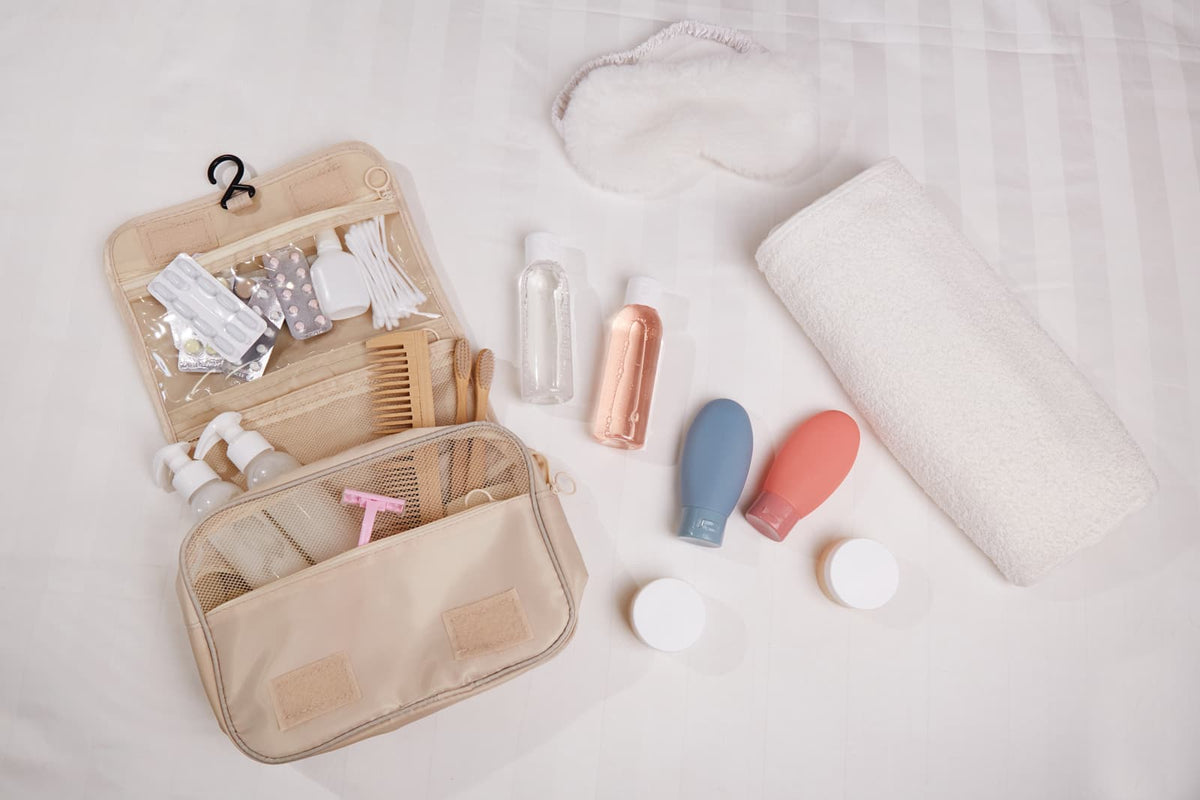
For travel, public restrooms, or bathrooms you cannot modify, choose wet wipes. They are portable and installation-free, but they create recurring waste and need a suitable disposal bin. Do not assume that a “flushable” label makes a wipe appropriate for every drain, sewer, or septic system.
For mixed needs, use a bidet at home, a small amount of toilet paper for drying, and wipes when away from home. This hybrid routine is practical for many households.
Choose a bidet for daily home use
A bidet is a good fit when you regularly use the same bathroom, prefer rinsing to repeated wiping, and can maintain the fixture. Frequent use makes the initial installation effort easier to justify.
It is less suitable for an incompatible toilet, a rental that restricts plumbing changes, or a household in which users dislike spray cleaning.
Choose wipes for portable, installation-free cleaning
Wet wipes are good for travel, emergencies, workplaces, guest bathrooms, and other situations where water-based cleaning is unavailable or impractical.
They are less suitable as a permanent home routine if you want to reduce repeat purchases, bathroom-bin waste, or contact with wipe ingredients.
Choose both for home and travel
A bidet and wipes do not have to be mutually exclusive. A bidet can handle routine cleaning at home, while wipes remain available for travel or temporary situations. Toilet paper can still be kept for drying and for household members who prefer it.
Decision Snapshot: Who Should Choose What?
|
Situation |
Best fit |
Why |
Check before choosing |
|---|---|---|---|
|
Daily use in the same home bathroom |
Bidet |
Reusable water-based cleaning with less reliance on wipes |
Toilet fit, controls, installation, cleaning, and drying |
|
Travel or public restrooms |
Wet wipes |
Compact and ready without a water connection |
Packaging and non-flush disposal |
|
Rental with modification restrictions |
Wipes or portable bidet |
No fixed plumbing changes |
Water access and storage |
|
Maximum simplicity |
Toilet paper |
No equipment or special storage |
More rubbing and no water rinse |
|
Home and travel needs |
Hybrid routine |
Bidet at home and wipes away from home |
Supplies and disposal for both |
|
Limited reach or mobility |
Bidet with accessible controls, if suitable |
May reduce repeated wiping movements |
Control position, visibility, posture, and independent operation |
|
Rarely used guest bathroom |
Toilet paper and optional wipes |
Familiar and requires no fixture upkeep |
Provide a visible lined bin |
|
Bathroom used by young children |
Protected, simple bidet or temporary wipes |
Choice depends on supervision and fixture design |
Exposed controls, hoses, and connections |
Choose a bidet for frequent routines
A bidet makes the most sense in a bathroom used every day. It is particularly worth considering if one or more household members currently use wet wipes regularly and want to reduce recurring purchases and disposal.
Choose wipes for temporary or mobile use
Wipes are the more practical option when portability matters more than long-term cost or waste. They also suit temporary housing, bathrooms without dependable water access, and situations where installing or maintaining a fixture is unrealistic.
Choose toilet paper for maximum simplicity
Toilet paper requires no new technique, hardware, water connection, or separate wet-wipe disposal. It remains a reasonable choice for people who do not want spray cleaning or additional bathroom equipment.
Choose a hybrid routine for mixed needs
A hybrid routine avoids an unnecessary all-or-nothing decision. Rinse with a bidet at home, pat dry with toilet paper, and carry wipes when traveling. Household members who do not want to use the bidet can continue using paper.
Bidet vs Wet Wipes vs Alternatives
Comparison table: cost, comfort, waste, upkeep
|
Factor |
Fixed bidet |
Wet wipes |
Portable bidet |
Toilet paper |
|---|---|---|---|---|
|
Purchase pattern |
Higher initial commitment |
Low initial commitment with repeat purchases |
Low-commitment reusable device |
Repeat purchases |
|
Installation |
Required for attachments, seats, or integrated units |
None |
None |
None |
|
Toilet compatibility |
Must be checked |
Not applicable |
Not applicable |
Not applicable |
|
Cleaning style |
Water rinse |
Moist wiping |
Hand-directed water rinse |
Dry wiping |
|
Comfort |
Less rubbing, but spray can feel unfamiliar |
Direct tactile control, but still involves rubbing |
Adjustable by hand, with limited capacity |
Familiar but dry |
|
Upkeep |
Clean nozzle, seat, controls, and nearby surfaces |
Keep packs sealed and empty the bin |
Wash, dry, and store the bottle |
Store rolls and replenish |
|
Disposable waste |
Lower when less paper is used |
Used wipe and packaging waste |
Low, apart from drying material |
Used paper and packaging |
|
Travel suitability |
Poor |
Strong |
Good when clean water is available |
Strong |
|
Drying |
Paper, personal cloth, or built-in dryer where provided |
May still leave moisture |
Paper or personal cloth |
Part of the wiping process |
|
Main drawback |
Fit, installation, maintenance, or learning curve |
Disposal, recurring purchases, or ingredient sensitivity |
Refilling, storage, and limited spray capacity |
Friction and no rinse |
Bidet versus wipes for home use
For frequent home use, a bidet generally offers the stronger long-term fit. Water performs the primary cleaning, and a small amount of toilet paper can be used to check and pat dry. This may reduce wiping without requiring a completely paper-free routine.
The benefit depends on actual use. If only one person uses the bidet while the rest of the household continues using wipes, the reduction in repeat purchases and waste will be smaller. Household acceptance matters as much as the fixture itself.
A bidet also has an adjustment period. Users may need to change the pressure, nozzle position, or spray duration. Cold water can feel surprising, and an ineffective drying plan can make the routine seem unfinished. These are manageable trade-offs, but they should be considered before buying an elaborate seat or replacing the toilet.
Wipes versus portable bidets for travel
Wet wipes are generally easier for travel because they work without filling a reservoir or finding a water connection. Sealed individual wipes or travel packs are convenient in unfamiliar bathrooms, although disposal can be awkward if a stall has no suitable bin.
A portable bidet uses a squeezable bottle or small reservoir to provide a directed stream. It suits travelers who strongly prefer washing and expect access to clean water. However, it must be filled, aimed, cleaned, dried, and stored after use.
Choose wipes when speed and compact storage are the priorities. Choose a portable bidet when water cleaning matters more and you can manage the bottle hygienically.
Hybrid cleaning versus wiping alone
Hybrid cleaning usually means rinsing first and then patting dry with a small amount of toilet paper. It can also describe using a fixed bidet at home and wipes outside the home.
Wiping alone is simpler but depends on repeated contact. A hybrid method may be more comfortable for people who dislike frequent rubbing, provided the spray pressure and drying method also feel comfortable.
Neither approach replaces handwashing. Personal cleaning and hand hygiene remain separate parts of the bathroom routine.
Key Differences That Actually Matter
Upfront cost versus recurring purchases
A bidet concentrates more of the cost at the beginning. A basic non-electric attachment generally has fewer components, while a replacement seat or integrated bidet toilet involves a larger purchase. Powered comfort features can add complexity as well as convenience.
Wet wipes reverse that pattern. They require almost no setup, but each use consumes another product. Regular users must keep buying packs, store them properly, and manage bathroom-bin waste.
The right comparison depends on frequency rather than the price of a single wipe pack. A fixed bidet is easier to justify in a busy home bathroom. Wipes are easier to justify for occasional use, travel, or a bathroom that cannot be modified.
Water comfort versus tactile control
A bidet uses nozzle position and water pressure to rinse. When adjusted comfortably, it can reduce repeated rubbing. Too much pressure, poor alignment, or an unfamiliar temperature can make the experience unpleasant, so more force is not necessarily better.
Wipes provide direct tactile control. Some people prefer being able to target a specific area and inspect the wipe before continuing. That familiarity may outweigh a bidet’s other advantages for users who never become comfortable with spraying.
Wipe formulas also vary. Fragrance, preservatives, or other ingredients may not suit every person. Anyone with sensitive skin should read the ingredient list rather than relying only on terms such as “gentle.” Likewise, a bidet should not be assumed to be universally comfortable; pressure, temperature, technique, and drying all affect the experience.
Installation burden versus disposal burden
A bidet creates an installation and maintenance burden. Wet wipes create a storage and disposal burden. The better option is the one whose trade-offs fit the household.
An attachment or replacement seat commonly connects near the toilet’s water supply, and it must sit securely without interfering with the seat or lid. Powered models must be installed according to their product instructions and the conditions of the bathroom. If the required water or power setup is unclear, consult the applicable documentation or a qualified professional.
Wipes require no plumbing work, but used wipes need a disposal plan. A lined bin may need regular emptying, particularly in a small shared bathroom.
Do not treat “flushable” as a universal plumbing guarantee. Drainage and wastewater systems vary, and wipes may behave differently from toilet paper. Unless dependable local guidance says otherwise, planning to place used wipes in the trash is the more cautious choice.
Will a bidet fit my toilet?

“Toilet compatible” involves more than choosing between a round and elongated bowl. The mounting area, seat hinges, tank clearance, water valve, nearby wall, and control position can all affect installation and use.
Before ordering, check:
-
The bowl shape and the manufacturer’s stated fit requirements
-
Whether the attachment or seat can rest flat
-
Whether the seat and lid can open and close normally
-
Clearance between the mounting area and tank
-
Side space for controls and comfortable hand access
-
Access to the water shutoff and connection
-
Whether the added fixture leaves room for cleaning
-
The product instructions for any required power arrangement
-
Whether the changed seat profile affects comfort or transfers
Skirted toilets, concealed connections, curved tanks, compact bowls, and narrow side clearances may complicate installation. Do not rely only on a broad “universal fit” description.
Renters should confirm whether a water-connection modification is permitted and retain the original parts for removal. If fixed installation is not practical, a portable bidet offers a lower-commitment way to try water-based cleaning.
When a Bidet Is the Better Choice
Daily use makes installation worthwhile
A bidet is best suited to a frequently used home bathroom. Regular use spreads the inconvenience of installation and setup across an ongoing routine.
The case is strongest when the household already buys wipes regularly. In that situation, the choice is between a reusable fixture and continued purchasing, storage, and disposal—not between a bidet and a cost-free alternative.
Before choosing a format, match the level of commitment to the bathroom:
-
Non-electric attachment: Suitable for testing basic spray cleaning, provided it fits securely and does not make the existing seat uneven.
-
Replacement bidet seat: Better for users who want a more integrated setup and are prepared to check bowl shape, mounting clearance, controls, water access, and any power requirements.
-
Integrated bidet toilet: Most relevant when replacing a toilet or renovating, rather than as a low-commitment trial.
-
Portable bidet: Suitable for travel, temporary housing, or testing water cleaning without modifying the toilet.
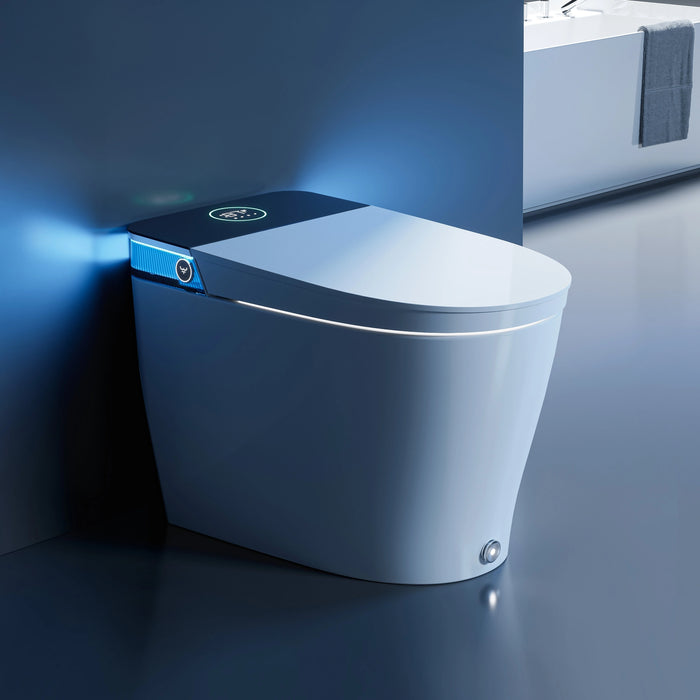
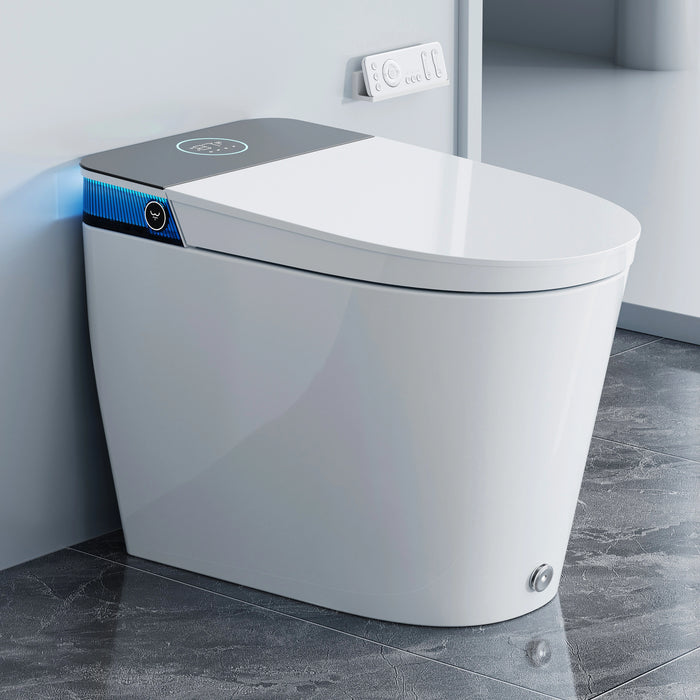
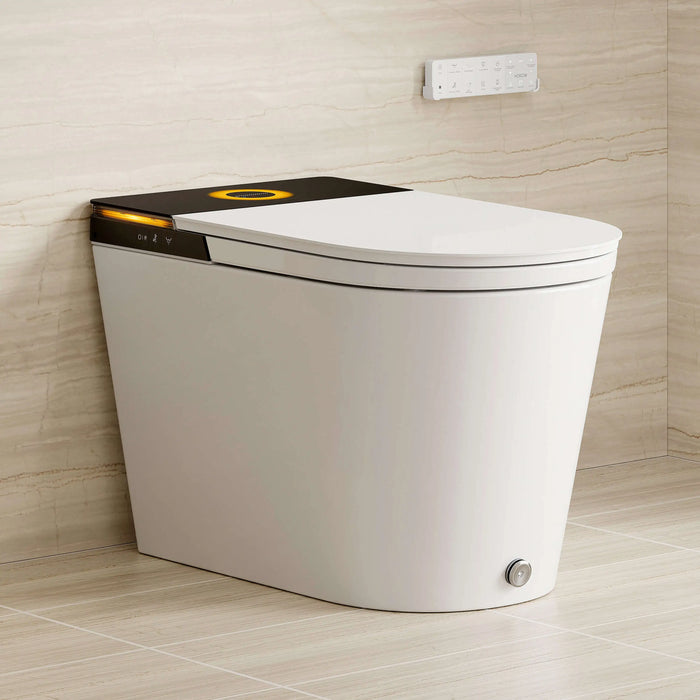
Readers considering a complete replacement can compare the general formats shown in HOROW’s bidet toilet collection and smart toilet collection. Confirm included functions, compatibility, and installation requirements on the documentation for the specific product.
HOROW Smart Toilets to Compare
If you are considering replacing the full toilet rather than adding an attachment or replacement seat, these HOROW smart toilet models are current options to compare. Review each product page for included functions, compatibility, and installation requirements before choosing.
Sensitive skin favors less friction
Water-based cleaning may be more comfortable for people who find repeated wiping irritating because it can reduce rubbing. This is a practical comfort consideration, not a guarantee that a bidet will address a medical condition.
Begin with gentle pressure and adjust the position carefully. Patting dry rather than scrubbing helps preserve the low-friction benefit.
Persistent pain, bleeding, broken skin, or recovery from a medical procedure calls for individualized guidance from a qualified health professional rather than a general bathroom-product recommendation.
Will I still need paper afterward?
A bidet can reduce toilet paper use without eliminating it. Unless the fixture has a dryer that the user finds effective, another drying method is usually needed.
Options include:
-
Patting dry with a small amount of toilet paper
-
Using a clearly designated personal cloth after thorough rinsing
-
Using an integrated air dryer where provided
-
Allowing additional time to air-dry
Reusable cloths require an organized system for clean storage and laundering. Shared hand towels should not double as drying cloths.
Planning this step before installation prevents a common mismatch between expectation and daily use.
Can shared households accept the spray?
A bidet provides value only when people are comfortable using it. Some household members may dislike the spray sensation, cold water, noise, controls, or change in seat shape.
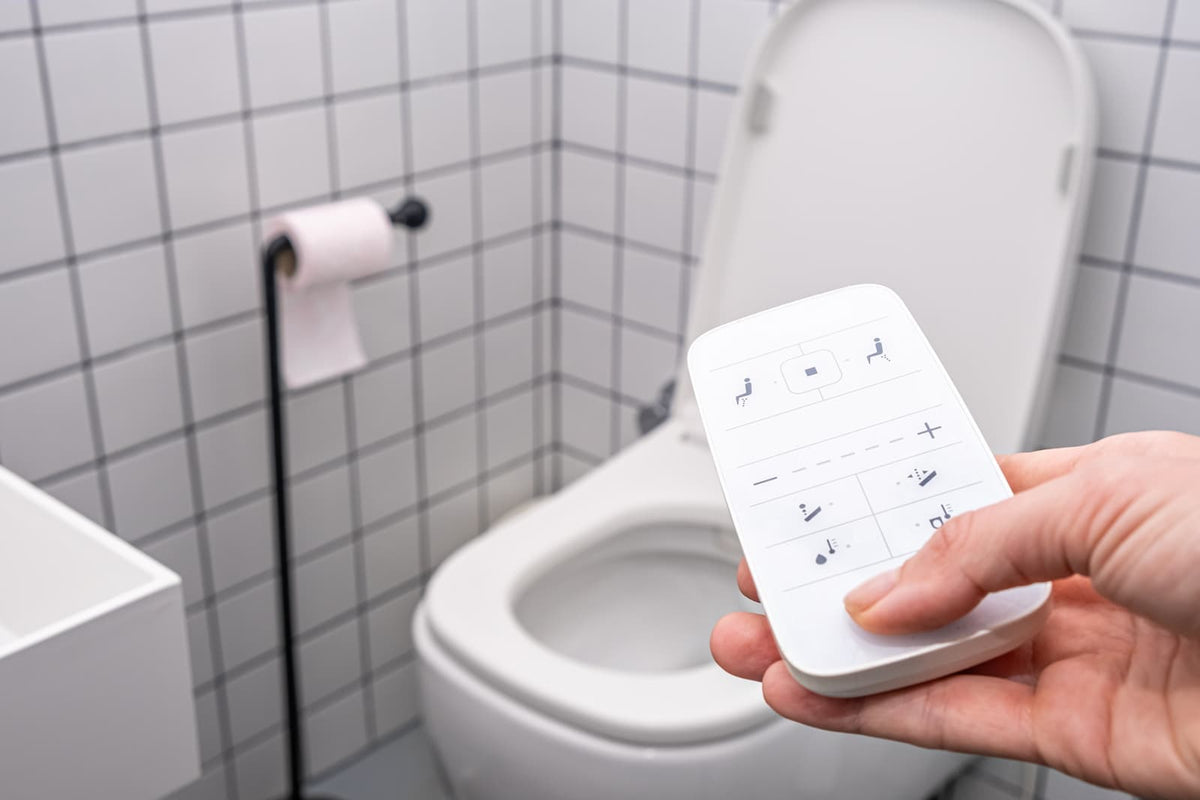
In a shared bathroom, prioritize simple controls and a pressure setting that begins gently. A remote may be easier for someone who cannot comfortably reach side-mounted controls, but usability should be assessed in the person’s normal seated position.
Keep toilet paper available during the adjustment period. A gradual transition is more practical than expecting every user to change immediately.
When Wet Wipes Are the Better Choice
Portability outweighs recurring cost
Wet wipes are a sensible choice when cleaning supplies need to fit in a bag, vehicle, workplace drawer, or travel kit. They require no water connection and no new equipment.
Choose packaging that stays sealed so the wipes do not dry out. Carry only what you are likely to use, and consider how used wipes will be contained when a suitable bin is unavailable.
Wipes also make useful emergency backups when a bidet is unavailable. Keeping them for occasional use does not undermine the advantages of using a bidet at home.
Rentals and guest bathrooms favor zero installation
Wipes may be preferable in a short-term rental or any home where changing the toilet connection is prohibited or inconvenient. A portable bidet is another non-fixed option, but wipes require less explanation and storage space.
Guest bathrooms also benefit from familiar supplies. Toilet paper, optional wipes, and a visible lined bin create a straightforward setup without asking visitors to learn a spray control.
If wipes are offered, make disposal obvious. Otherwise, guests may assume they should flush them.
Are flushable wipes really plumbing-safe?

A wipe can pass through the toilet bowl without necessarily breaking apart like toilet paper farther along the drainage system. Conditions differ among household pipes, septic systems, and public wastewater infrastructure.
For that reason, do not choose wipes based on the expectation that they can always be flushed. Follow relevant local wastewater and plumbing guidance. If there is any uncertainty, dispose of them in a lined bin.
If bin disposal is unacceptable for the household, a bidet is likely the better everyday choice.
Could children damage exposed bidet controls?
Young children may pull a hose, turn a control unexpectedly, or lean on a protruding attachment. This does not make all bidets unsuitable for families, but it makes control placement and supervision important.
Before installing a bidet in a child-used bathroom, consider whether:
-
The spray can be activated unexpectedly
-
Side controls resemble a handle or step
-
A handheld hose can be pulled or aimed outside the bowl
-
Connections are exposed to routine contact
-
Children can use the fixture without losing a stable seated position
If the setup cannot be protected or supervised, wipes may be the simpler temporary option. Packs should still be stored appropriately, and adults should manage disposal.
Final Verdict: Bidet, Wipes, or Both?
Most homes should choose a bidet
For regular home use, a bidet is usually the better fit when the toilet is compatible and the household accepts installation, maintenance, spray cleaning, and a separate drying step. It is particularly suitable for people who currently use wipes every day.
That recommendation is conditional. A poorly fitting attachment, unreachable controls, or an unwanted spray will not improve the bathroom routine.
Travelers should keep wipes as backup
Wet wipes remain useful for travel, public restrooms, emergencies, and bathrooms that cannot be modified. Their convenience is strongest when use is temporary rather than constant.
Plan to place used wipes in the trash unless reliable local guidance specifically supports another disposal method.
Choose only after checking fit and habits
For many households, the best answer is a hybrid routine: use a bidet at home, toilet paper for drying, and wipes while traveling.
Choose based on the actual bathroom and its users—not on a universal claim that one method is always cleaner, more comfortable, or more convenient.
Before You Buy
-
Check the bowl shape, mounting area, tank clearance, side space, water connection, and cleaning access.
-
Decide whether an attachment, replacement seat, integrated toilet, or portable bidet fits your level of commitment.
-
Confirm that each regular user can see, reach, and operate the controls comfortably.
-
Consider whether users will accept the water temperature, pressure, spray sensation, and learning period.
-
Decide how you will dry after rinsing.
-
Make sure the nozzle, hinges, controls, and surrounding surfaces will remain accessible for cleaning.
-
Read the specific installation and care instructions before changing a water or power connection.
-
If choosing wipes, set up a lined bin and make the disposal routine clear.
-
Keep toilet paper available for drying, guests, and users who prefer it.
Common Questions
What is the difference between a bidet and wet wipes?
A bidet uses a directed stream of water to rinse while the user remains seated. Wet wipes clean through direct contact and require no installed equipment. The main trade-off is installation and fixture upkeep versus recurring purchases and disposal.
Is a bidet cleaner than wet wipes?
A properly used and maintained bidet rinses with water and may remove residue with less rubbing. Wipes provide more tactile control but can leave moisture or product residue. Technique, fixture cleanliness, drying, and handwashing affect either routine, so “cleaner” should not be treated as an automatic guarantee.
Is a bidet worth buying?
A bidet is worth considering if you use the same toilet frequently, buy wipes regularly, and can accommodate the installation and maintenance. It is less compelling in a rarely used bathroom or where users dislike water-based cleaning.
Can a bidet replace toilet paper?
A bidet can reduce toilet paper use, but many people still use a small amount to pat dry. A satisfactory built-in dryer or an organized personal-cloth system may reduce paper use further.
Should wet wipes go down the toilet?
Do not assume a wipe is appropriate for every toilet, drain, sewer, or septic system because it is labeled “flushable.” Follow reliable local guidance; when uncertain, place used wipes in a lined bin.
What should a first-time bidet buyer choose?
A non-electric attachment or portable bidet offers a lower-commitment introduction to water cleaning. A replacement seat or integrated bidet toilet is more appropriate after confirming fit, control access, installation conditions, cleaning requirements, and the features the household will actually use.
Reference
https://pmc.ncbi.nlm.nih.gov/articles/PMC10414710/


Leave a comment
This site is protected by hCaptcha and the hCaptcha Privacy Policy and Terms of Service apply.