
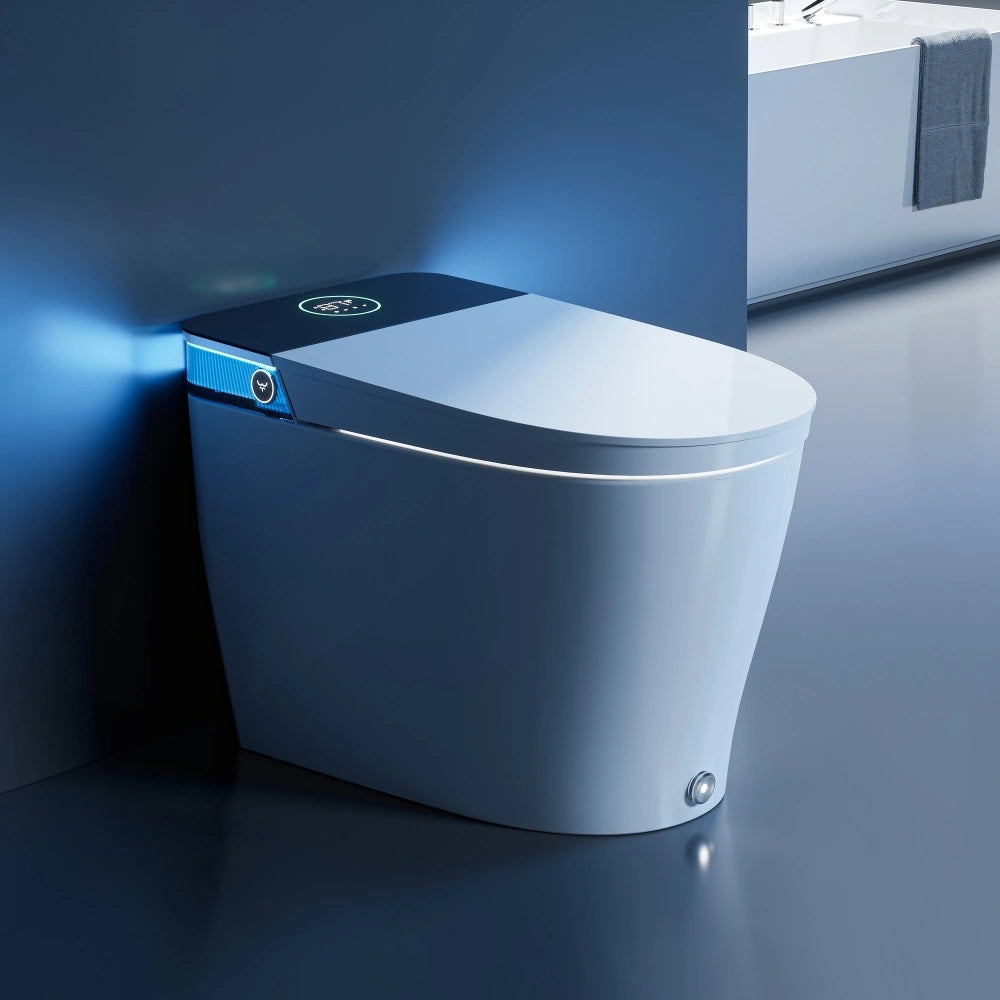
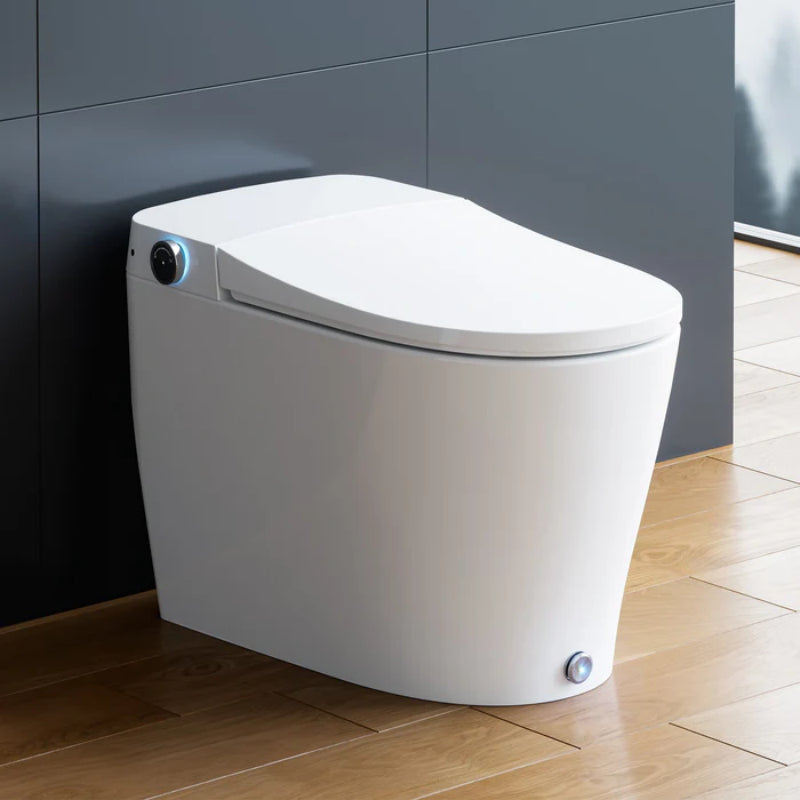
Choosing a bidet toilet for elderly accessibility is not really about luxury. In most homes, it is about one simple question: will this make daily bathroom use safer, easier, and more private?
For many older adults, the answer is yes. A bidet toilet can reduce twisting, wiping, reaching, and the need to stand up before fully clean. That matters if someone has arthritis, poor balance, shoulder pain, back stiffness, Parkinson’s symptoms, or general weakness.
It can also help caregivers by reducing hands-on hygiene support, since a bidet provides more independent and consistent cleaning assistance during daily use.
But not every senior needs a full smart toilet. And not every bathroom is ready for one.
Here’s what usually matters in real homes: the right choice depends less on fancy features and more on mobility, bathroom layout, hand strength, comfort with controls, and whether you can add power near the toilet.
Decision Snapshot: Bidet Toilet for Elderly Accessibility
If you only read one section, read this.
Best for limited reach and balance
A bidet toilet seat or bidet toilet is usually a strong fit for older adults who:
-
struggle to twist or wipe
-
have arthritis in hands, shoulders, or hips
-
need better hygiene after toileting
-
want more privacy and less caregiver help
-
feel unsteady when reaching behind themselves
In those cases, a comfort height bidet toilet for aging in place can be a very practical bathroom upgrade.
In most cases, this scenario is best served by an easy-to-install bidet seat, since it adds comfort-height support and washing functions without requiring a full toilet replacement.
Skip if setup barriers are high
This may not be the right first upgrade if:
-
the user strongly resists new technology
-
there is no nearby electrical outlet and adding one is difficult
-
the bathroom is too tight for the unit and safe transfers
-
the person already gets confused by simple controls
-
installation would interfere with grab bars or transfer space
In that case, a raised toilet seat, grab bars, or a simpler bidet attachment may make more sense first.
If installation feels complex or space/electrical conditions are limiting, this usually points toward a basic bidet seat or simple bidet attachment, or even postponing installation until a proper setup (like an accessible outlet) is available.
Choose seat or integrated toilet first
This is the first decision to make:
-
Bidet seat (add-on option)
-
Best for: renters, quick upgrades, limited budgets, or bathrooms without major renovation plans
-
Not ideal for: users wanting fully seamless design or full toilet replacement
-
Electrical outlet: requires a nearby GFCI outlet within reach (typically 1–1.5m); without it, functionality may be limited or impossible
-
-
Integrated bidet toilet (all-in-one unit)
-
Best for: full bathroom remodels, long-term home setups, and users prioritizing comfort + aesthetics
-
Not ideal for: renters, small bathrooms, or low-budget upgrades
-
Electrical outlet: requires a dedicated nearby power source, often installed during renovation; not plug-and-play
-
If you are unsure, many households should start by comparing bidet toilet vs bidet seat for elderly accessibility before worrying about advanced features.
Who Benefits Most
Not every senior has the same bathroom needs. Some want independence. Some need caregiver help. Some only need a little support with cleaning.
Seniors wanting more toileting independence
This is where bidets often make the biggest difference. A well-chosen unit can help an older adult stay private and self-sufficient longer.
Research on older adults and caregivers suggests that improved cleansing can support dignity, reduce hygiene-related discomfort, and lower hands-on care time in some cases. That matters emotionally as much as physically. Many seniors care deeply about not needing someone else to help with toileting.
If the goal is to stay at home longer, an accessible bathroom upgrade with a bidet toilet for aging in place can be worth serious consideration.
Arthritis and limited twisting needs
An easy to use bidet toilet for elderly users with arthritis can remove the hardest part of toileting: wiping.
People with hand pain, weak grip, shoulder limits, or spinal stiffness often struggle with:
-
reaching behind the body
-
tearing and handling toilet paper
-
wiping thoroughly
-
standing and sitting again to finish cleaning
A bidet with simple controls and adjustable water pressure can help a lot here.
Caregivers needing less hands-on help
For family caregivers, toileting help is one of the most physically and emotionally difficult tasks. If a senior can do more of the process independently, everyone benefits.
The best bidet toilet features for caregivers assisting seniors are usually not the flashiest ones. They are the ones that reduce steps:
-
one-touch rear wash
-
clear side panel controls
-
auto wash sequences
-
warm water
-
optional warm air dryer
-
self-cleaning nozzle
-
easy-to-clean exterior
Caregivers often care more about reliability and simple operation than premium extras.
Not ideal for strong tech resistance
Some older adults will not use a device that feels unfamiliar, no matter how useful it may be. That is not stubbornness. It is often anxiety, reduced confidence, or fear of doing something wrong.
If someone dislikes remotes, menu screens, or multi-step controls, a smart toilet may sit unused. In that case, a very simple bidet seat with basic side controls is often a better fit than a feature-heavy integrated unit.
The key point is this: the best accessible bidet toilet for elderly users with mobility issues is the one they will actually use every day.

Biggest Trade-Offs to Weigh
This is where many buyers get stuck. They compare feature lists instead of deciding what trade-offs matter most.
Full toilet vs seat attachment
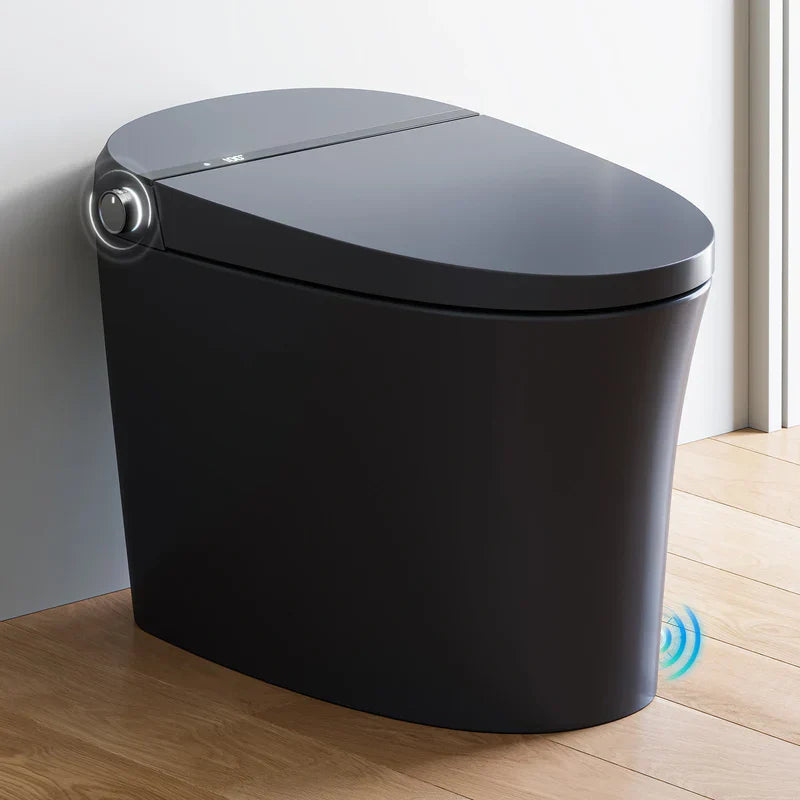
A full integrated bidet toilet replaces the whole toilet. A bidet seat installs on an existing toilet bowl if the shape and fit are compatible.
A full toilet often works better when:
-
you also need a new toilet
-
you want a cleaner, more stable setup
-
you need a specific comfort height
-
you want more automation such as auto open, auto flush, or built-in dryer
A seat attachment often works better when:
-
budget matters
-
the current toilet is in good shape
-
you want less installation work
-
you want to test whether a bidet helps before spending more
For many homes, the best bidet toilet for elderly accessibility at home is actually a bidet seat on an existing comfort-height toilet. That is often the most cost-effective path.
A bidet seat is usually the better choice when you want flexibility and lower installation effort, while an integrated bidet toilet makes sense when you are already committing to a full renovation or want a more seamless, permanent solution.
Simpler controls vs more automation
A lot of people assume more automation is always better for seniors. That is only partly true.
Automatic functions can help, especially if someone has poor hand strength or limited reach. Auto-flush can reduce one more task. Auto lid open can help if bending is hard. Presets can make operation easier.
But heavy automation can also confuse users who are not comfortable with electronics. If the user needs to remember different buttons, settings, and drying options, they may avoid using it.
In practice, one-touch wash beats complexity.
If ease of use and fewer failure points matter most, a simpler bidet seat or basic model is often the safer choice, while higher automation is better suited for users comfortable with maintenance and smart features in a fully integrated toilet system.
Comfort height vs bathroom fit
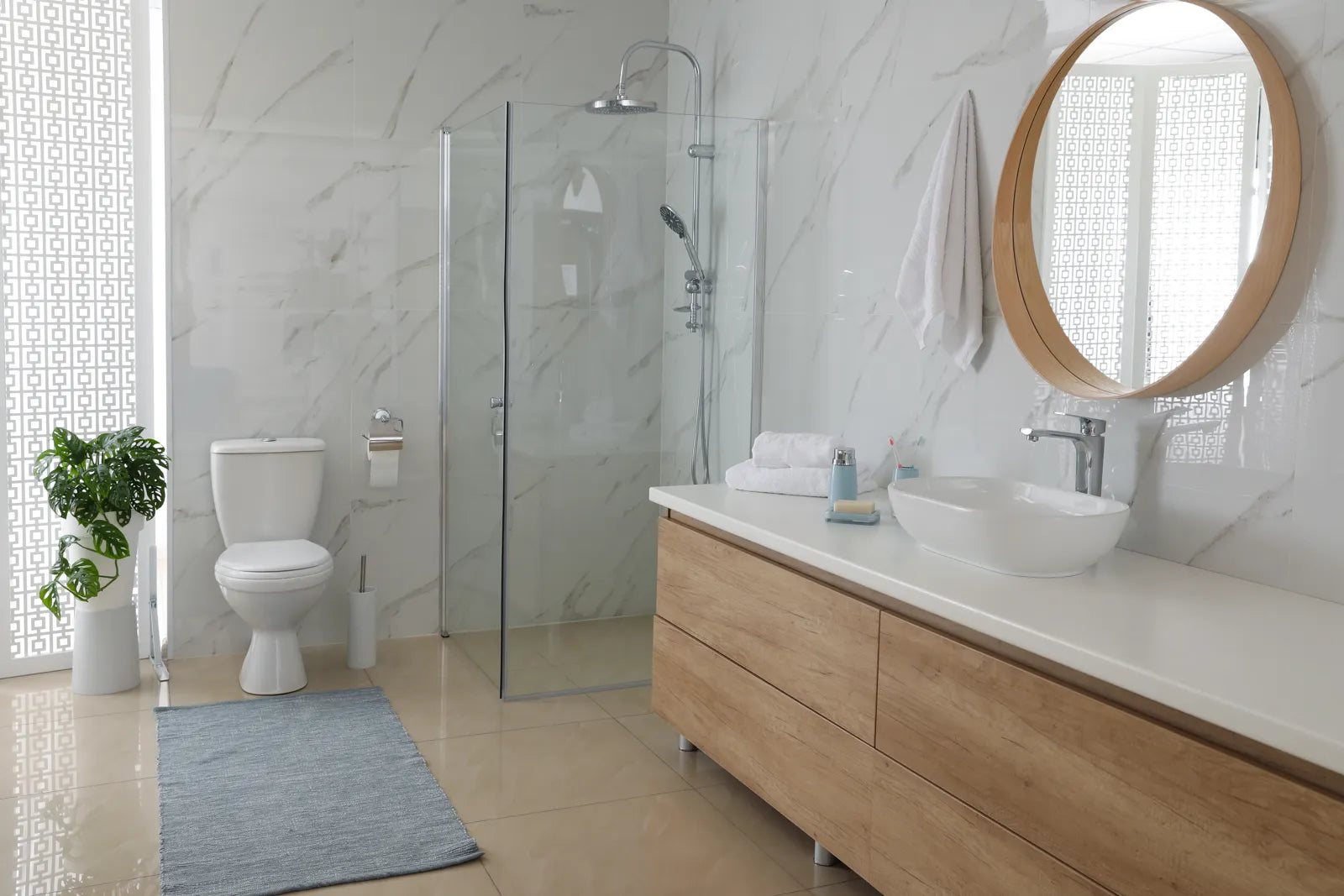
Many people ask, what is the best toilet for seniors? In most cases, it is a toilet that is easier to sit on and stand from, usually in the comfort height or ADA range, with stable support around it.
Typical ADA-compliant toilet seat heights are about 17 to 19 inches from the floor to the top of the seat. That can be easier on knees and hips than a lower toilet.
But taller is not always better. If the user is petite, a seat that is too high can reduce foot stability. Feet should still rest well on the floor or on a secure foot support.
So when comparing a best toilet for seniors with comfort height and bidet features, do not look at height alone. Look at the whole sitting and standing position.
When bathroom space or existing plumbing is tight, a bidet seat paired with an existing toilet is usually more practical, while comfort-height integrated systems work best when you have enough clearance and are designing for long-term accessibility.
Is a smart bidet worth it?
Many buyers ask, is a smart bidet toilet worth it for elderly users?
It can be worth it if the person will benefit from automation, warm water, dryer functions, and easier hygiene. It may not be worth it if they only need basic spray wash and can operate a simple control just fine.
A smart model tends to make more sense when:
-
dexterity is limited
-
wiping is very difficult
-
caregiver help is frequent
-
nighttime comfort matters
-
heated seat and warm water improve routine use
It makes less sense when the person only needs a little help and wants the simplest possible setup.
A bidet seat is typically the better starting point for most users testing functionality, while an integrated smart toilet is more appropriate when daily use frequency, budget, and renovation scope justify the upgrade.
What It Really Costs
This is where buyers often underestimate the total project.
Upfront price by product type
Here is the broad pattern most homeowners see:
| Product type | Typical cost range |
| Basic bidet attachment | low |
| Electric bidet seat | moderate |
| Premium bidet seat | moderate to high |
| Integrated bidet toilet | high to very high |
A seat is almost always the lower-cost entry point. A full toilet costs more partly because you are replacing both the toilet and the bidet function together.
Hidden installation and electrical costs
This is where budgets get thrown off.
An electric bidet seat or smart toilet usually needs a nearby GFCI electrical outlet. If there is no outlet near the toilet, adding one may require an electrician. In some bathrooms, that is simple. In others, it means opening walls or working around tile.
Other possible costs include:
-
plumber labor
-
removal of the old toilet
-
new shutoff valve or supply line
-
water line adapters
-
flooring adjustment if footprint changes
-
grab bar repositioning if clearances change
For an ada compliant smart toilet for seniors with limited mobility, electrical planning is often the biggest surprise.

When cheaper options make more sense
A lower-cost option may be the smarter choice if:
-
you are not sure the senior will use it
-
the bathroom may be remodeled later
-
the current toilet already has good height
-
the user only needs help with wiping, not with sitting or standing
-
outlet installation would cost too much
Sometimes the best first step is a quality bidet seat on an existing comfort-height toilet, not a full replacement.
Will It Fit Your Bathroom?
A bidet that does not fit the space safely is not a good accessibility upgrade.
Before comparing features or styles, confirm three basic accessibility conditions in your bathroom setup: grab bar compatibility for safe support, clear floor and side space for easy transfer movement, and proximity to a GFCI-protected electrical outlet. These three factors determine whether you can safely and realistically install either a bidet seat or an integrated bidet toilet, regardless of feature preferences. Once these basics are confirmed, you can move on to comparing models and functions.
Check height, width, and clearance
Measure before you buy. Do not assume standard fit.
Check:
-
toilet rough-in and bowl type
-
seat height
-
space from wall to front of bowl
-
side clearance for transfers
-
door swing clearance
-
distance to outlet and water supply
For older adults with walkers or caregiver assistance, open floor space matters as much as product dimensions.

Will this work with grab bars?
This is a critical question. Grab bars are often more important than the bidet itself for safe transfers.
Make sure the bidet or toilet shape does not interfere with:
-
side grab bar access
-
front approach
-
arm movement during transfer
-
caregiver positioning
Some wider smart toilets or side control panels can reduce access on one side. If the user depends on a specific transfer method, measure that path carefully.
What happens in small bathrooms?
In small bathrooms, integrated units can create new problems. A larger bowl or tankless shape may project farther into the room. That can crowd knees, walker movement, or caregiver space.
Small bathrooms often do better with a bidet seat instead of a full integrated toilet, especially if the existing toilet location already works with grab bars and turning space.
Outlet and water line realities
Many people ask if adding a smart toilet is simple. Sometimes it is. Sometimes it is not.
For a bidet toilet with warm water and air dryer for seniors, you usually need electricity. If there is no outlet close by, extension cords are not the right answer in a bathroom. Plan for proper electrical work.
Water supply is usually easier, but not always. Older shutoff valves can leak when disturbed. It is wise to expect a small plumbing update if the home is older.
Which Features Matter Most
A long feature list does not equal a better choice. For elderly accessibility, a few features do most of the work.
One-touch wash beats complex remotes
The best control style for many seniors is a simple side panel with large, clearly labeled buttons. A remote can be fine if the user sees well and learns it easily. But remotes get dropped, misplaced, or ignored.
For many households, the most useful setup is:
-
rear wash
-
stop
-
pressure up/down
-
maybe dryer
-
maybe front wash if needed
That is enough for daily use.

Warm water and dryer: worth it?
A bidet toilet with warm water and air dryer for seniors can make the experience much more comfortable, especially in colder homes or at night.
Warm water often improves acceptance for first-time users. An air dryer can reduce or almost eliminate toilet paper use, which helps seniors with limited reach.
But dryers are slower than people expect. Some older adults still prefer to pat dry with a small amount of paper. So do not buy a model just for the dryer unless the user is patient and likes the idea.
Adjustable pressure protects sensitive skin
A bidet toilet with adjustable water pressure for elderly users is one of the most important features to look for.
Older skin can be fragile. Too much spray pressure can cause discomfort, especially for people with hemorrhoids, skin irritation, recent surgery, or incontinence-related skin issues.
Look for gentle starting pressure and easy adjustment. In practice, this matters more than fancy presets.
Heated seat helps nighttime comfort
A heated seat bidet toilet for seniors with limited mobility may sound optional, but it can help more than buyers expect.
Older adults often feel cold more easily. A warm seat can make nighttime bathroom trips less jarring and encourage regular use. It can also help someone sit long enough to complete washing and drying without rushing.
That said, it is still a comfort feature, not a must-have. If the budget is tight, put money into height, easy controls, and pressure adjustment first.
How bidet toilet for elderly accessibility works daily
The real test is not the showroom. It is 2 a.m., with stiff joints, low light, and no patience.
Easier hygiene with less reaching
This is the clearest daily benefit. A bidet can help older adults clean themselves with far less twisting and shoulder strain.
That is one reason how a bidet toilet helps older adults with personal hygiene is not just about cleanliness. It is about making a hard physical task manageable again.
For people with arthritis, obesity, balance problems, or weakness, this can be the difference between independent toileting and needing help.
Can a bidet reduce fall risk?
People often ask, can a bidet toilet reduce fall risk for older adults?
It can help, but it is not a stand-alone fall prevention tool.
Here’s why it may reduce risk:
-
less twisting and overreaching while seated
-
less standing up and sitting down again to finish cleaning
-
less awkward body movement on the toilet
-
less rushing, especially at night
But a bidet does not replace grab bars, good lighting, slip-resistant flooring, or the right toilet height. Think of it as one part of a safer bathroom setup.
Learning curve for first-time users
There is usually a short adjustment period. Even simple models feel unfamiliar at first.
Most seniors do better when someone helps them practice in a calm way:
-
show only the main buttons
-
start at the lowest pressure
-
explain where the spray comes from
-
practice stopping it right away
-
repeat the same routine for a few days
The first goal is comfort, not mastery. In homes I’ve seen, people who get overwhelmed by too many functions early often stop trying.
Will seniors actually use it?
This depends on the match between the person and the product.
Seniors are much more likely to use a bidet regularly if:
-
controls are obvious
-
pressure starts low
-
the seat height feels right
-
the water is warm
-
there are not too many decisions to make
-
someone explains it once or twice
They are less likely to use it if it feels cold, complicated, noisy, or unpredictable.
So if you are choosing an easy to use bidet toilet for elderly users with arthritis, focus on simplicity over features.
Ownership, Cleaning, and Reliability
This is the part buyers often overlook. A smart bathroom fixture only helps if it stays easy to clean and keeps working.
Cleaning tasks buyers often overlook
A bidet toilet still needs regular cleaning. In some cases, it needs more careful cleaning than a basic toilet because of the nozzle area, seat design, and electronics.
Daily ownership may include:
-
wiping seat and lid
-
cleaning around hinges
-
checking nozzle cleanliness
-
keeping controls dry and clean
-
cleaning bowl as usual
Integrated units can look sleek but may have more curves and seams than buyers expect. Before choosing one, think about who will clean it.
What breaks on smart models first?
With smart models, the most common problems are usually not the toilet bowl itself. They tend to be function-related parts such as:
-
remote controls
-
sensors
-
seat heating elements
-
dryers
-
electronic wash systems
-
lids or auto-open features
That does not mean smart toilets are unreliable. It means more features create more points of failure.
If repair support is limited in your area, simpler can be safer.
Maintenance needs for caregivers
For caregivers, the best setup is one that is easy to explain, easy to sanitize, and easy to reset after a problem.
That usually means:
-
clear buttons
-
accessible cleaning surfaces
-
self-cleaning nozzle
-
simple manual override if power fails
-
no need to reprogram often
If the toilet is for a parent with changing needs, think ahead. The best model for today may not be the best model if hand strength or memory declines later.
When long-term repair costs add up
An integrated smart toilet can be expensive to repair once out of warranty. If one major function fails, replacement parts or service can be costly.
A bidet seat has a practical advantage here: if it fails, you may only need to replace the seat, not the entire toilet.
That is one reason some households prefer a seat even when they can afford a full integrated unit.
So which type is right for you?
If you want the shortest honest answer, here it is.
Choose a bidet seat on a comfort-height toilet if:
-
you want the most practical value
-
the bathroom layout already works
-
budget matters
-
you want to test whether bidet use helps
-
the user needs simple hygiene help, not a full bathroom overhaul
Choose an integrated comfort height bidet toilet if:
-
you are already replacing the toilet
-
the user needs several built-in accessibility features
-
you want a cleaner single-unit setup
-
you can support the electrical and plumbing needs
-
the senior is comfortable with a more advanced product
Choose a very simple model if:
-
the user has arthritis
-
hand strength is limited
-
memory or confidence is an issue
-
a caregiver may need to guide use
-
fewer buttons will increase actual daily use
Skip the smart extras unless they solve a real problem. In many homes, the best result comes from just four things: the right height, stable transfers, gentle wash, and easy controls.
Before You Buy
Use this checklist before you make a final choice:
-
Measure toilet height, side clearance, and front clearance
-
Check whether a nearby GFCI outlet already exists
-
Confirm the user can understand and press the controls
-
Make sure grab bars and transfer space will still work
-
Choose adjustable low-start water pressure
-
Decide whether a seat upgrade is enough before replacing the whole toilet
-
Think about who will clean and maintain it
-
If possible, choose a returnable option for first-time users
FAQs
1. What is the best toilet for seniors?
The most suitable best toilet for aging in place is usually a model that reduces strain and supports independence. Many households choose a comfort-height or smart option that allows easier sitting and standing without extra effort. Features like simple controls, stable seating, and optional automation can make daily use more comfortable and practical for long-term living.
2. Are bidets good for elderly hygiene?
A bidet toilet for elderly accessibility can significantly improve personal hygiene by reducing the need for wiping. This is especially helpful for seniors with limited mobility, joint pain, or reduced flexibility. A gentle water wash also tends to feel cleaner and can support skin comfort in everyday use.
3. Is a smart toilet easy for seniors to use?
An easy to use bidet for seniors is typically designed with automatic functions such as sensor-based lid opening or one-touch operation. These features reduce confusion and physical effort during use. Simpler designs with fewer manual steps are generally more suitable than complex control panels.
4. Height of ADA compliant smart toilets?
An ada compliant smart toilet usually has a seat height around 17 to 19 inches, which helps reduce strain when sitting down or standing up. This elevated design improves stability and accessibility for older adults. It is often preferred in homes where mobility support is a key concern.
5. Benefits of auto-flush for seniors?
A comfort height bidet toilet with auto-flush functionality reduces the need for bending or reaching after use. This helps users with limited strength or arthritis maintain independence more easily. It also supports better hygiene by minimizing physical contact with flush components.
6. Are smart toilets safer for elderly users?
The HOROW comfort height toilet benefits often include improved safety through stable seating, hands-free operation, and reduced movement requirements. These features help lower the risk of slips or overexertion in the bathroom. Overall, combining comfort height design with smart functions can make daily use more secure and manageable for seniors.
Reference


Leave a comment
This site is protected by hCaptcha and the hCaptcha Privacy Policy and Terms of Service apply.