
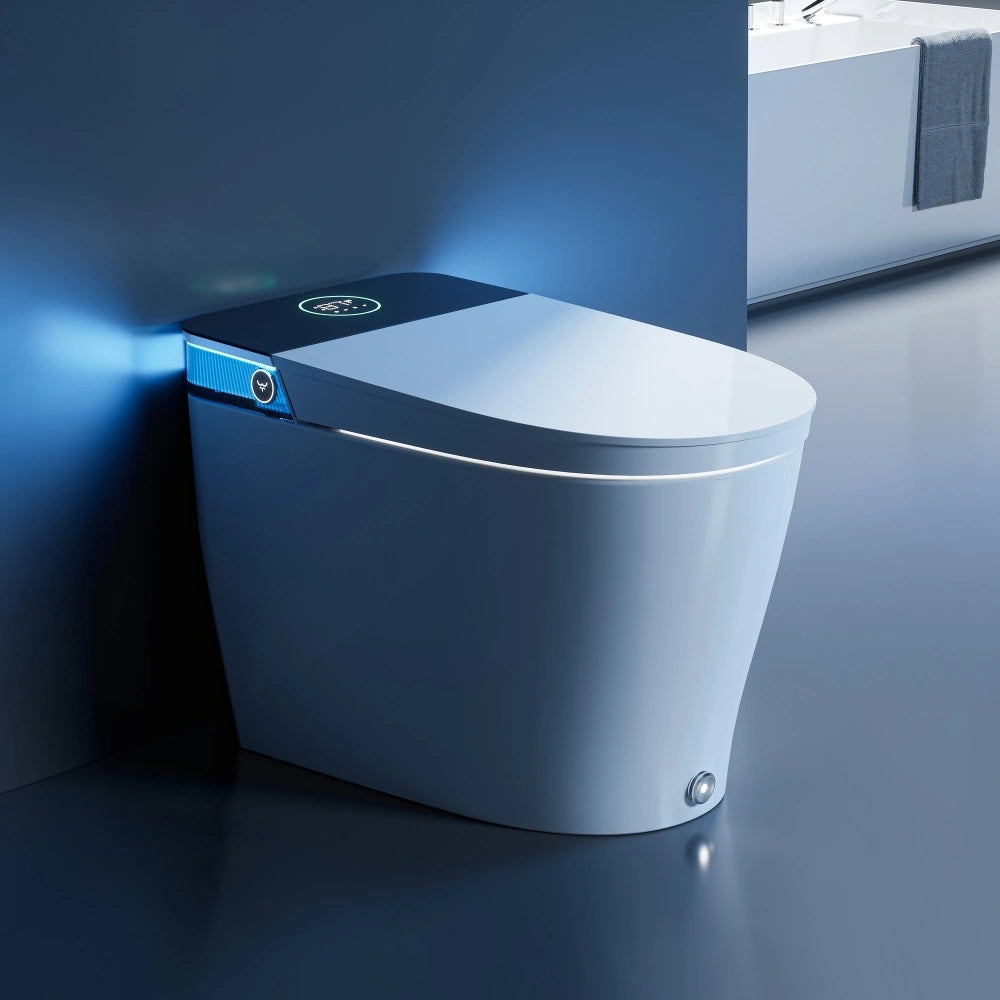
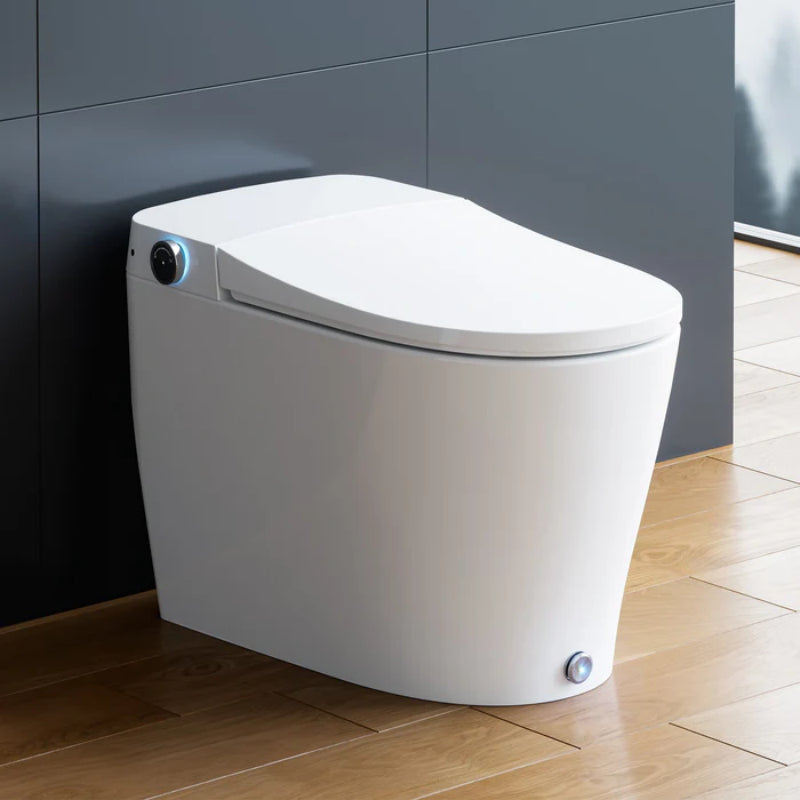
An automatic open and close lid toilet sounds simple: walk up, lid opens automatically; walk away, lid closes, creating a more hands-free bathroom experience that feels either great or unnecessary depending on the user. In real homes, that can feel helpful, unnecessary, or mildly irritating depending on your layout, habits, and whether you also use a bidet seat system that changes how you interact with the toilet.
Decision Snapshot
Usually worth it if: you want less touching in a shared bathroom, you have mobility limits that make bending harder, or you are building a bathroom where convenience matters enough to justify extra setup and maintenance, especially when you want better hygiene, long-term savings, or smoother daily use. According to the U.S. Environmental Protection Agency’s WaterSense program, water-efficient bathroom fixtures are designed to reduce water use without sacrificing performance, which can contribute to lower utility costs over time.
Usually not worth it if: your bathroom is small, people often pass close to the toilet without using it, you dislike gadgets acting on their own, or you want the fewest things that can misread, make noise, or need adjustment.
Satisfaction with a smart toilet often depends heavily on whether the model includes easy pause, disable, or manual override controls, since these features determine how quickly users can regain full control when automation feels unnecessary or inconvenient.
Here’s where this works well in real homes — and where it often doesn’t.
Who Benefits Most
This section looks at who gains the most from hands-free toilet features in everyday life. The value is not the same for everyone, and it often depends on physical needs, household usage, and how often the toilet is used. From reducing daily strain to supporting recovery or improving ease for older adults, each scenario highlights a different type of benefit.
Less bending, less contact
The biggest real benefit is not “luxury.” It’s reducing small physical tasks that add up every day.
If you have to bend to lift a lid, then again to close it, that may not seem like much until your back hurts, your knees are stiff, or you are carrying a child or laundry. A hands-free toilet with automatic lid open and close for home use can remove that repeated motion.
It also cuts down on touching one of the bathroom surfaces people like least. In a shared bathroom, that matters more. If several family members use the same toilet, a motion sensor toilet lid can improve hygiene simply by reducing hand contact with the lid.
That said, this benefit is strongest when the toilet is actually used by multiple people and touched often. In a low-traffic bathroom used mostly by one careful adult, the hygiene gain may feel small.
Helpful after surgery or pregnancy
This is one of the more practical reasons to consider it.
After surgery, during pregnancy, or during recovery from an injury, even basic bathroom movements can feel awkward. Twisting, lowering, standing, and reaching forward are all harder than usual. In that setting, an automatic open and close toilet lid can help because it removes one more thing you have to do at the worst time.
The same goes for temporary mobility limits. A lot of people think accessibility features are only for long-term disability. In fact, many homeowners get the most value from them during short but difficult periods.
If you are asking whether a hands-free toilet can help with mobility issues in the bathroom, the honest answer is yes — but mostly as a convenience layer, not a full accessibility solution. It can reduce effort, though it won’t solve transfer height, support, or stability issues.

Easier for older adults?
Sometimes yes, sometimes no.
For older adults, the main benefit is less bending and less need to remember the lid. But ease of use depends on how predictable the system is. If the sensor works the same way every time, many older adults adapt quickly. If it opens when no one wants it to, or closes in ways that feel sudden, it may cause confusion.
So are automatic toilet lids easy to use for older adults? They can be, if the behavior is simple and consistent. They are less helpful when settings are confusing, sensor range is too broad, or the user prefers direct control.
It is also important to distinguish between lid-only automatic opening and lid plus seat automatic lifting. Lid-only systems mainly improve entry convenience, while lid-and-seat opening designs offer a more complete hands-free experience. This difference can noticeably affect comfort, hygiene expectations, and how intuitive the toilet feels in daily use.
Hidden Trade-Offs
Not all convenience features behave perfectly in real bathrooms. While hands-free toilets and motion sensors can feel futuristic and helpful, they also depend heavily on layout, sensitivity settings, and user expectations. These small mismatches are where most frustrations come from, and they shape whether the experience feels smooth—or slightly annoying over time.
Sensors misread room traffic
This is the issue people most often underestimate.
Many assume the toilet will respond only when someone clearly approaches to use it. Real life is messier. In some bathrooms, the lid may open when someone walks past, stands at the sink, wipes the counter, or enters just to grab a towel.
This is one of the most common problems with motion sensor toilet lids. It is not always a defect. Sometimes the toilet is just installed in a room where the approach path overlaps with normal traffic.
That means an automatic open and close lid toilet can be a poor fit in:
-
narrow hall-style bathrooms
-
powder rooms with inward-swinging doors
-
layouts where the sink or shower passes close to the toilet
-
bathrooms where pets roam freely
The key point is simple: sensor logic matters less than bathroom layout.

Guests may find it awkward
If you like smart features, this may not bother you. Guests can react very differently.
A lid lifting on its own can surprise people. Some laugh. Some step back. Some are not sure whether to wait, touch it, or override it. In guest bathrooms, that moment of confusion can make the feature feel less polished than expected.
This matters more if the toilet also has auto-flush and auto-open features together. For some people, that full sequence feels clean and modern. For others, it feels like the toilet is making decisions for them too quickly.
That is one reason the auto-flush and auto-open toilet vs bidet toilet seat question often comes down to comfort with automation, not just features. The more the fixture acts on its own, the more people notice every misread.
Luxury can feel bossy
Some owners end up turning the feature off even though they paid for it, especially when it does not feel like a great match for their real bathroom experience.
Why? Because a toilet that opens when you did not ask, stays open too long, closes while you are still nearby, or lights up and hums at night can start to feel “bossy.” That sounds minor, but repeated small annoyances matter in a room you use every day.
This is one of the biggest expectation gaps. People picture seamless convenience. What they sometimes get is a feature that needs management.
Fit and Setup Realities
Installing an automatic toilet lid or smart toilet feature is not just about choosing a model you like—it is about whether your bathroom can actually support it. Small spatial details, clearance limits, and installation constraints often decide how well the system works in real life. This section looks at the practical fit and setup realities that can make or break the experience after purchase.
Clearance matters more than expected
An automatic toilet lid needs room to move. That sounds obvious, but many people do not measure enough.
You need to think about:
| Fit check | Why it matters |
| Front clearance | The lid or seat should not interfere with knees, rugs, or nearby fixtures |
| Door swing | In tight bathrooms, an inward-opening door may come too close |
| Side traffic path | Passing by can trigger the sensor |
| Rear clearance | Hoses, power, and lid movement need space behind the bowl |
| Bowl shape and mounting fit | Poor fit can cause crooked install or hinge strain |
This is why what to consider before choosing an automatic open and close lid toilet should start with room geometry, not features.

Will it hit the door?
Sometimes, yes.
In small bathrooms, a moving lid can conflict with a door edge, vanity overhang, or narrow pass-through. Even when it clears on paper, the space may still feel cramped once the lid is upright and someone is moving around it.
What I’ve seen in practice is that homeowners often measure the toilet footprint but forget to measure the lid in motion. That is where regret starts.
Installation costs add up
The cost of an automatic open and close lid toilet installation is not always extreme, but it is often higher than people expect because the fixture may need power access, fit adjustments, or extra labor if the space is tight.
A simple range looks like this:
| Cost area | What raises the cost |
| Toilet or seat unit | Added sensors, motor, and smart controls |
| Installation labor | Tight spaces, tricky fit, alignment issues |
| Electrical work | Nearby outlet or power routing if needed |
| Plumbing adjustments | Hose routing, shutoff access, bowl compatibility |
The issue is not just purchase price. It is paying for automation that may later be used in manual mode because the room does not suit it.
Proper fit goes beyond basic bathroom space. Users should confirm round vs. elongated bowl compatibility, as mismatched shapes can affect sealing, comfort, and appearance. It is also essential to check bolt spacing standards before purchase to ensure secure installation. In addition, rear clearance matters for both comfort and maintenance access, especially for cleaning and servicing. Finally, hose routing and water inlet position should be evaluated in advance, since poorly planned connections can limit installation options or create long-term maintenance inconvenience.
Daily Reliability Risks
Even when motion-sensing toilets feel convenient and automatically responsive in daily use, performance can vary more than expected. Small differences in sensor behavior, usage patterns, and maintenance routines can affect how smooth or frustrating the experience feels over time. This section focuses on the less obvious reliability risks that only become clear after regular use.
Motion range varies widely
How reliable are motion-sensing toilet lids for daily use? Fairly reliable in the right room, less reliable in the wrong one.
Sensor range and sensitivity vary a lot. Some units detect broad movement. Others are more narrow. Homeowners often assume all motion sensor toilet lids behave alike, then discover they do not.
This is why automatic toilet lid and flush features worth paying for depend heavily on whether settings can be adjusted or disabled. If the sensor range cannot be narrowed, daily life may involve more accidental openings than you expected.
What happens during cleaning?
Cleaning is when many owners first notice how often the sensor activates.
You lean in to wipe the bowl or floor, and the lid opens or tries to close. You move around the toilet, and the sensor reads that as use. This can make a basic cleaning task more annoying than it should be.
The easy fix is having a clear way to pause or disable auto movement during cleaning. But many people do not think to check that before buying.
There is also wear to consider. Motors and hinges can last well, but they still add moving parts. Rough handling, forcing the lid by hand, or constant extra cycles from false triggers can shorten life.
Before purchasing, verify that the model provides an easy cleaning pause or full manual override mode, allowing users to temporarily disable sensors and automated flushing during maintenance without triggering unwanted activation.

Noise can matter at night
A soft-close mechanism helps, but there is still sound. Motor movement, small beeps, and lid action can be noticeable in a quiet home.
If the bathroom is next to a bedroom, this matters more than you may think. A light sleeper may not care about the feature in the daytime but dislike it at 2 a.m.
This is one of those details that rarely sounds important until you live with it.
Battery or power dependence
Another often overlooked factor is battery or power dependence. Since most automated functions rely on continuous electricity or backup batteries, performance can become inconsistent or partially disabled if power access is unstable or if batteries are not regularly maintained. This can temporarily reduce features such as automatic opening, flushing, or sensor responsiveness.
When It’s Overkill
Not every bathroom actually benefits from automation. In some cases, motion-sensing lids and auto-flush features add complexity without solving a real problem. This section looks at situations where a simpler, manual setup may be more practical, more reliable, and ultimately more satisfying in daily use.
Manual use may be simpler
Not every convenience is useful enough to justify itself.
If your bathroom is roomy, easy to clean, and used by only one or two adults who do not mind lifting a lid, manual use may simply be better. A touchless toilet lid vs standard toilet seat and lid comparison often comes down to this: does removing one hand movement improve your day enough to offset extra complexity?
Often, the answer is no.
Are paid features worth it?
Some are, some are not.
The lid opening and closing on its own tends to be most valuable when it solves a real friction point: pain, limited bending, shared hygiene, or a household that truly wants less contact.
It is less valuable when bought mainly because it sounds upscale. In that case, the novelty may wear off quickly, especially if the toilet misreads motion or needs settings adjusted.
So if you are wondering about automatic toilet lid and flush features worth paying for, start by asking: what daily problem am I fixing?
Unneeded in low-traffic homes
In low-traffic homes, the hygiene and convenience gains shrink.
A guest bath used once every few days does not usually benefit much. A primary bath used by one person who already keeps it clean may not either. On the other hand, a busy shared bathroom with kids, older adults, or recovery needs may justify it much more easily.
An automatic open and close toilet lid for luxury bathroom remodels can fit the design intent, but design alone should not be the reason. If the room is tight or the users prefer simple fixtures, the feature can feel out of place fast.
Before You Choose Automatic Open and Close Lid Toilet
-
Measure door swing, front clearance, and side walking space with the lid fully open.
-
Think about who passes near the toilet without using it, including kids and pets.
-
Check whether the auto function can be adjusted, paused, or turned off easily.
-
Be realistic about noise, guest reactions, and nighttime use.
-
Decide whether you want this for mobility help, shared hygiene, or just novelty.
FAQs
1. How does an automatic toilet lid work?
An automatic open and close lid toilet typically relies on a motion sensor toilet lid system that detects when a user approaches the toilet. Once movement is recognized, a built-in motor gently lifts or lowers the lid without any physical contact, creating a smooth hands-free experience. This setup is designed to improve convenience in modern bathrooms while reducing unnecessary touching of surfaces.
2. Can you turn off auto-open features?
Yes, most models with an auto function like an auto-flush and auto-open toilet system allow users to disable or adjust the automatic settings. This can usually be done through a remote control or onboard panel, giving you flexibility if the feature feels too sensitive or unnecessary in daily use. Many households choose to switch it off during nighttime or when they prefer quieter bathroom operation.
3. Is touchless toilet more hygienic?
A major reason people upgrade is the hygiene benefits of touchless bathrooms, since reducing contact with shared surfaces helps lower the spread of germs. By minimizing the need to touch lids, buttons, or handles, the system supports a cleaner bathroom environment overall. However, routine cleaning is still needed to maintain full sanitation performance.
4. Does auto-lid work for pets?
In homes using hands-free toilet technology, pets can sometimes trigger the sensor if they move close enough to the detection range. This depends heavily on the sensitivity level and placement of the unit, so smaller animals may accidentally activate it more often. Some users adjust settings or disable auto functions to prevent unexpected lid movement caused by pets.
5. Are automatic toilet lids worth the extra cost?
For many users, accessibility bidet toilets that include automatic lids are worth it because they improve comfort, especially for seniors or people with mobility challenges. However, opinions vary based on lifestyle, which is why motion-sensing toilet reviews and tips often emphasize checking real user feedback before buying. The value mainly comes from convenience and accessibility rather than being a necessary upgrade.
Reference


Leave a comment
This site is protected by hCaptcha and the hCaptcha Privacy Policy and Terms of Service apply.