
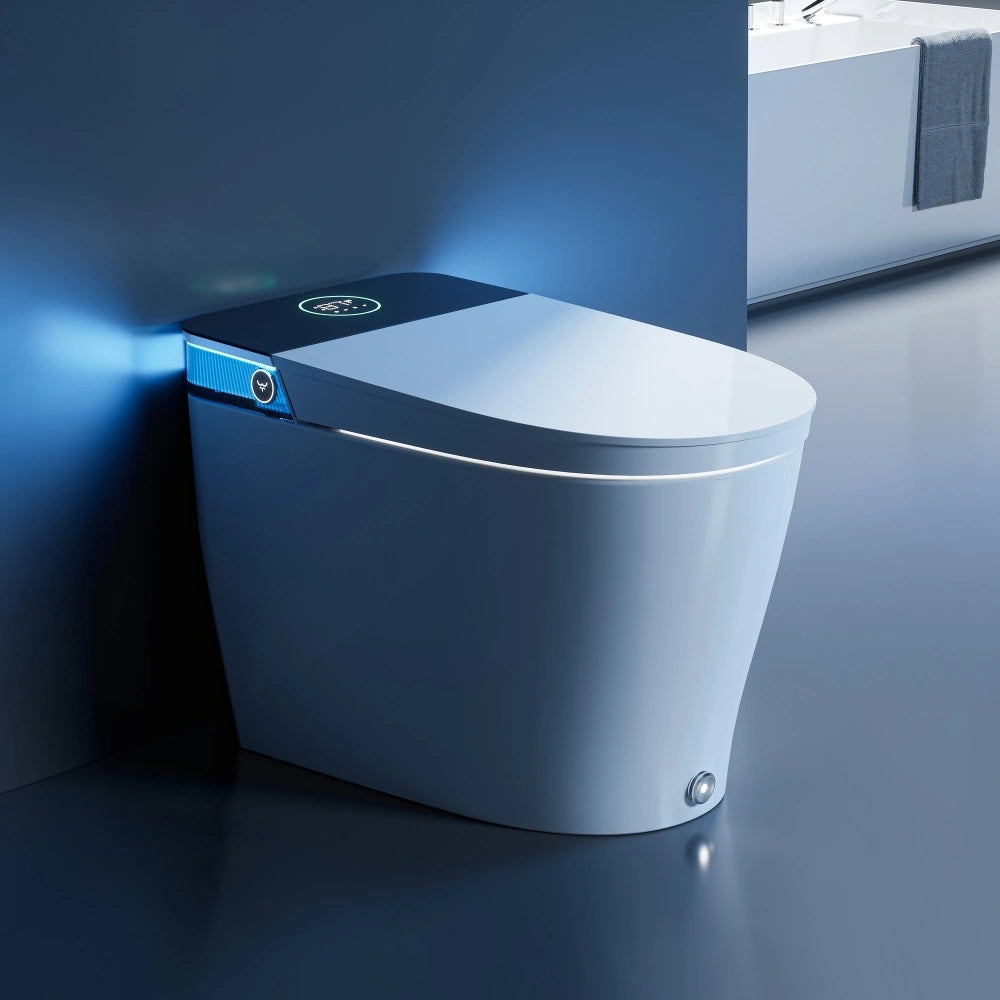
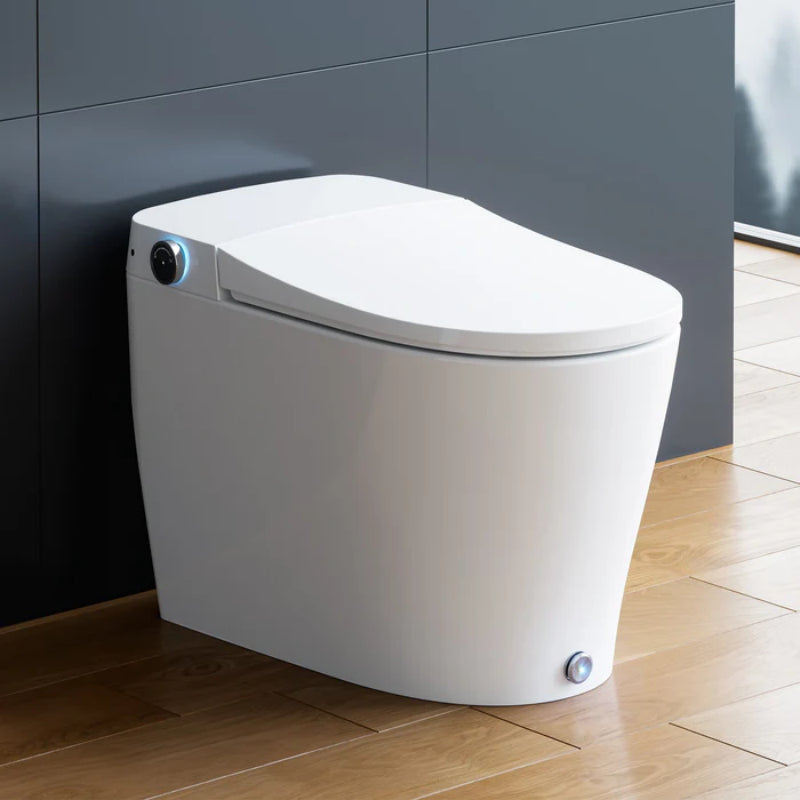
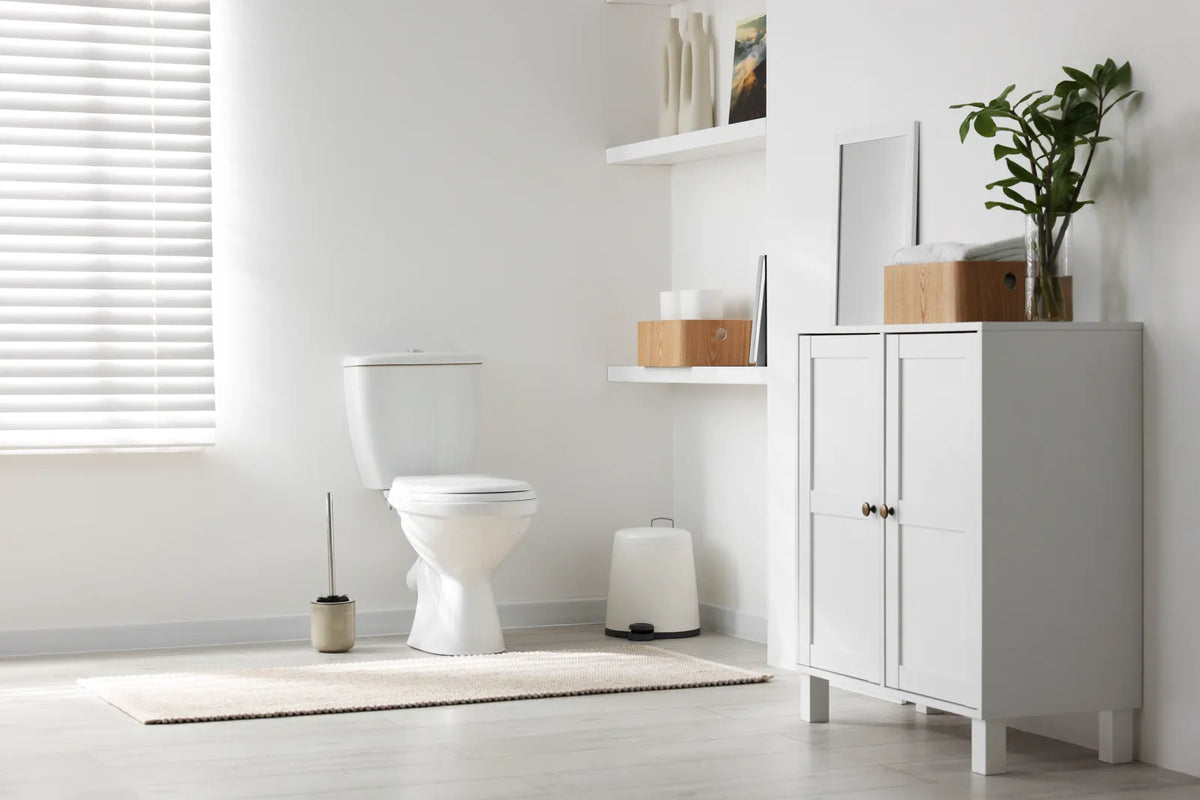
If you’re stuck choosing between a smart toilet and a bidet seat, you’re not alone. This guide covers the key differences in installation, cost, fit, features, and long-term ownership so you can compare the two options more confidently.
Quick Answer
A smart toilet and a bidet seat can both add washing and comfort features, but they differ most in installation, cost, and how much of the existing toilet you replace. A bidet seat keeps your current toilet and is usually the simpler, lower-cost upgrade. An integrated smart toilet replaces the whole fixture and may add more built-in automation, depending on the model. Choose based on your bathroom layout, electrical access, budget, and whether you are already replacing the toilet.
A lot of buyers start this comparison thinking they are deciding between “basic” and “premium.” In real homes, the choice is more practical than that. It comes down to budget, installation scope, repair preferences, bathroom layout, and how permanent you want the upgrade to be.
Both options can add washing and comfort features. Electric models may include warm water, heated seating, adjustable wash settings, and drying functions, depending on the product. The bigger difference is how much of the bathroom fixture you are changing and how the product will be installed and serviced later.
Check These Before Choosing
-
Existing-toilet fit: A bidet seat must match the bowl shape and mounting area of the toilet you plan to keep.
-
Power access: Electric bidet seats and smart toilets have model-specific electrical requirements.
-
Full-toilet fit: An integrated smart toilet requires you to confirm the rough-in, overall dimensions, water connection, and surrounding clearances.
-
Future service: Decide whether you prefer a seat that can be replaced separately or an integrated fixture that may require model-specific service.
Decision Snapshot
These common situations can help narrow the choice.
For renters and frequent movers
A bidet seat can be the more flexible option if you rent, expect to move within a few years, or do not want to replace the whole toilet. It can usually be removed separately when your housing situation changes.
An integrated smart toilet may make less sense when the bathroom is temporary because it involves replacing the complete fixture and requires more installation planning.
For remodelers and design-first buyers
A smart toilet becomes easier to consider when you are already remodeling, replacing the toilet, planning electrical access, and want the bidet functions integrated into the fixture.
If the existing toilet is working well and you only want to add bidet functions, a compatible bidet seat may involve less work.
If only one bathroom needs an upgrade
If only one bathroom needs bidet functions, a bidet seat lets you upgrade the existing toilet without replacing the complete fixture.
If you are replacing fixtures across a larger remodel and want a consistent integrated design, smart toilets can also be included in that plan.
If no suitable outlet exists
If there is no suitable outlet near the toilet and you do not plan to add one, compare non-electric bidet seats or attachments. They do not provide the same electric comfort features, but they avoid the power requirements of electric options.
If electric features are important to you, confirm the product’s electrical requirements and the bathroom setup before choosing a model.
If you may move or sell soon
A removable bidet seat can offer more flexibility if you expect your housing needs to change soon.
An integrated smart toilet involves a more permanent fixture change, so weigh the installation cost and how long you expect to use the bathroom before making that commitment.
Smart toilet vs bidet seat vs alternatives
Before choosing, it helps to remember that a non-electric bidet attachment or seat is another option when budget or electrical access is limited. For buyers deciding specifically between a bidet seat and an integrated smart toilet, the comparison below covers the factors that usually matter most.
Smart Toilet vs Bidet Seat: Quick Comparison
| Factor | Bidet seat | Integrated smart toilet |
| What changes | Replaces the toilet seat | Replaces the complete toilet fixture |
| Relative upfront cost | Lower | Higher |
| Existing toilet | Keeps it in place | Replaces it |
| Installation planning | Confirm seat fit, water connection, and power requirements for electric models | Confirm rough-in, toilet dimensions, water connection, power requirements, and installation conditions |
| Built-in automation | Varies by model | Often broader, depending on the model |
| Replacement path | Seat can usually be replaced separately | Service or replacement involves the integrated fixture or model-specific components |
| Best fit | Upgrading a toilet you plan to keep | Replacing a toilet or planning a larger bathroom remodel |


Cost is often one of the clearest differences between the two formats. A bidet seat lets you keep the existing toilet and replace the seat separately later, while an integrated smart toilet requires a larger upfront fixture change and a different service path.
Compare comfort, automation, and cleaning
| Factor | Bidet seat | Smart toilet |
| Washing functions | Available on many models | Built into models that include bidet functions |
| Warm water | Model-dependent | Model-dependent |
| Heated seat | Model-dependent on electric seats | Model-dependent |
| Warm air dryer | Model-dependent | Model-dependent |
| Auto flush | Not typically part of the seat itself | Available on some models |
| Auto lid | Available on some models | Available on some models |
| Deodorizer | Available on some models | Available on some models |
| Exterior integration | Added to the existing toilet | Integrated into the complete fixture |
| Cleaning around unit | Depends on seat body, hinges, and mounting design | Depends on the exterior and base shape of the model |
If washing features are your main priority, compare the exact functions offered by the products you are considering. The clearest difference between the two formats is usually that a bidet seat adds functions to an existing toilet, while a smart toilet combines the toilet and available smart functions in one fixture.

Compare space, fit, and outlet needs
| Factor | Bidet seat | Smart toilet |
| Uses your current bowl | Yes | No |
| Bowl compatibility | Must fit the existing bowl and mounting area | Confirm the full toilet installation requirements |
| Room footprint | Existing toilet footprint remains | Depends on the dimensions of the complete fixture |
| Power | Electric models have power requirements | Power requirements vary by model |
| Tight bathroom fit | Confirm seat and toilet clearances | Confirm full product dimensions and surrounding clearances |
Do not assume either option will fit without measuring. A bidet seat must match the existing bowl shape, mounting area, and available space around the seat. An integrated smart toilet requires checking the exact model’s overall dimensions, rough-in, water connection, power access, door swing, and nearby clearances. In a tight bathroom, compare the product drawing with the actual space before ordering.
Compare repair and replacement planning
| Issue | Bidet seat | Smart toilet |
| If the bidet function needs service | The seat can usually be addressed separately from the toilet | Usability and service needs depend on the model and the issue |
| Replacement scope | Seat can be replaced separately | May involve integrated or model-specific components |
| Parts and service | Seat-specific | Model-specific |
| Planning question | Do you prefer a modular replacement path? | Are you comfortable servicing an integrated fixture? |
This is an important ownership difference. A bidet seat is a separate component attached to the toilet, while a smart toilet integrates more of the system into one fixture. Consider which service and replacement path you would rather manage later.
Which differences actually change the choice?
Some differences matter more to the buying decision than a long feature list.
Budget can change the whole decision
The two formats involve different levels of fixture replacement and installation, so budget affects more than the product price alone.
With a bidet seat, you keep the existing toilet and can replace the seat separately later. With a smart toilet, you are choosing a complete fixture and need to account for its installation requirements as well.
If your main goal is to add bidet functions to a toilet that already works well, a compatible seat can make more sense financially. If the toilet already needs replacing, the comparison changes.
Installation scope matters as much as features
Smart toilet vs bidet seat installation is not just a question of difficulty. The two options require different checks before you buy.
A bidet seat usually requires you to check:
- Bowl shape and mounting compatibility
- Water connection requirements
- Power requirements if the seat is electric
An integrated smart toilet may require you to check:
- Removal of the existing toilet
- Rough-in dimensions
- Overall toilet dimensions and floor fit
- Power location and model-specific electrical requirements
- Water connection and surrounding clearances
- Whether professional plumbing or electrical work is needed for the installation
If your current toilet is in good condition and the bathroom is not being renovated, compare the value of replacing the entire fixture with the simpler option of adding a compatible seat.

Repair and service planning
A separate bidet seat gives you a more modular service path because the seat and toilet are separate components.
With an integrated smart toilet, service requirements depend more heavily on the specific model, available parts, and the component that needs attention.
That difference can affect long-term value if easy component replacement is important to you.
Bathroom layout can narrow the options
A tight bathroom may make physical fit more important than the feature list.
Ask yourself:
- Does the door swing close to the toilet?
- Is the toilet in a narrow alcove?
- Does seat height or control reach need to meet a specific household requirement?
- Is there room for cords, shutoff access, service access, and cleaning around the fixture?
For a bathroom remodel, check the layout before comparing advanced features. The right fixture still needs to fit the room comfortably and meet the installation requirements.

When each option makes sense
The better format depends on what you are changing in the bathroom.
Choose a seat for an existing toilet upgrade
If your existing toilet works well, fits the room, and is worth keeping, a compatible bidet seat lets you add washing functions without replacing the complete fixture.
A bidet seat is worth comparing when:
- Your existing toilet is worth keeping
- You mainly want to add bidet functions
- You want a smaller installation project
- You prefer to replace the seat separately if your needs change later
In everyday shopping terms, a bidet seat adds washing functions to a toilet you already have. An integrated smart toilet combines the toilet and its available bidet and smart functions in one fixture.
Choose an integrated smart toilet during a remodel
An integrated smart toilet is easier to consider during a remodel or new build because the toilet may already be scheduled for replacement and electrical access can be planned at the same time.
A smart toilet may fit your plan when:
- The old toilet already needs replacement
- You prefer an integrated fixture design
- You want the bidet and available smart functions built into the toilet
- You are planning the bathroom for longer-term use
- You are comfortable with the model’s service and replacement requirements
In that situation, you are choosing the toilet as part of a broader bathroom project rather than replacing a working fixture only to add bidet functions.
Is a smart toilet a good fit for a design-focused bathroom?
It can be. An integrated smart toilet combines the fixture and available smart functions into one design, which may appeal to buyers planning the bathroom around a more unified look.
The tradeoff is that you are also replacing the full toilet and accepting the installation and service requirements of that model.
If design integration and automation matter more to you than keeping the current toilet, the integrated option can make sense.
Want bidet functions without replacing the toilet?
A compatible bidet seat is the more direct path.
It lets you keep the existing porcelain while adding the functions available on the seat you choose.
Drying preferences also vary by product and user. Some people use toilet paper after washing, while others use a warm air dryer when their model includes one.
When an alternative makes more sense
Sometimes the right choice is neither an integrated smart toilet nor a premium electric seat.
Choose a non-electric option for a simpler setup
A basic attachment or non-electric seat may make sense if:
- Your budget is limited
- You do not plan to add electrical access
- You want to try basic bidet washing before investing in more features
- You rent and prefer a simpler removable setup
If you are comparing a bidet attachment, bidet seat, and smart toilet, start with the level of fixture change, installation, and electrical access you are comfortable with.
Check seat height and control reach separately
If seat height, control reach, or surrounding support space matters in your household, treat those as separate fit requirements rather than assuming one product type will work better. Compare the published dimensions and control layout for the exact seat or toilet you are considering, and confirm any accessibility requirements that apply to your bathroom before purchasing.
Worried about hard water and maintenance?
If your home has hard water, include cleaning and maintenance requirements in the comparison rather than choosing only by feature count.
Mineral buildup can affect water-using fixtures over time. Check the manufacturer’s cleaning and descaling instructions for the exact product and consider how easy it will be to access, clean, or replace the relevant components.
Self-cleaning functions, when available, do not eliminate the need for routine cleaning and model-specific maintenance.
Need straightforward controls for a shared bathroom?
Compare the control layout as carefully as the feature list.
Bidet seats and smart toilets can use side controls, remotes, sensors, or combinations of controls depending on the model. In a shared or guest bathroom, a simpler interface may be easier for occasional users.
If several people use the bathroom, consider how easily each person can understand and reach the controls.

What to consider before choosing
If you are still unsure, these questions usually narrow the choice.
How long will you stay here?
If you expect your housing situation to change within a few years, a removable seat may offer more flexibility. If you are planning a long-term remodel and replacing the toilet anyway, an integrated smart toilet becomes easier to consider.
Is your toilet worth keeping?
If the current toilet is due for replacement, comparing an integrated smart toilet may make sense. If it works well and fits the room, a compatible bidet seat lets you keep the existing fixture.
Do you have suitable power access?
Electric bidet seats and smart toilets have model-specific electrical requirements. Check the product instructions and confirm that the bathroom electrical setup is suitable before installation. If you do not want an electric product, compare non-electric seats or attachments instead.
Who will use it every day?
If one person mainly wants to add bidet functions to an existing toilet, a seat may be enough.
If the bathroom is already being redesigned around an integrated fixture, a smart toilet may fit the project better.
For a shared bathroom, compare control simplicity, seat fit, and maintenance requirements as well as automation.
How much service complexity are you comfortable with?
A separate seat offers a more modular replacement path. An integrated smart toilet may involve more model-specific service. Decide which ownership approach fits your preferences before comparing smaller feature differences.
Cleaning, comfort, and daily life
Daily ownership can reveal differences that are easy to overlook while comparing feature lists.
A bidet seat adds hardware to the existing toilet and may change the seat shape or usable opening. Check the seat dimensions and compatibility information if fit is important to you.
Integrated smart toilets can have streamlined exteriors, but cleaning access still varies by base shape and model. Features described as self-cleaning usually apply to specific components and do not eliminate routine bathroom cleaning.
Common downsides to check with a bidet seat include:
- It may not fit every toilet
- Electric models have power requirements
- The seat shape may feel different from a standard toilet seat
- Cleaning around hinges and the seat body may require extra access
- It does not create the same integrated fixture appearance as a smart toilet
Whether these points matter depends on the toilet you already have and what you want from the upgrade.
Smart toilet vs bidet seat for different homes
The room and renovation plan can matter as much as the features.
In a small home, condo, or older bathroom where you want to keep the current toilet, a compatible bidet seat may involve less disruption than replacing the entire fixture.
During a major bathroom renovation or new build, an integrated smart toilet becomes easier to consider because the toilet, power access, dimensions, and surrounding layout can be planned together.
If you have multiple bathrooms, the same product type does not have to be used everywhere. You can choose different levels of bidet functionality based on how each bathroom is used.
An all-in-one unit is not automatically the better choice. It makes more sense when the room, installation conditions, budget, and long-term plan support a complete fixture replacement.
Final Verdict
Choose a bidet seat when you want to keep your existing toilet, reduce installation scope, and keep future replacement more modular. Choose an integrated smart toilet when the toilet already needs replacing or you are planning a remodel and want the bidet, toilet, and available automation combined in one fixture.
If electrical access, budget, or installation conditions rule out both electric options, compare a non-electric bidet seat or attachment instead. Whichever format you choose, confirm the exact product dimensions, compatibility, power requirements, and installation instructions before ordering.
Before You Buy
-
Confirm the bowl shape and mounting area if you are choosing a bidet seat.
-
Check the exact product instructions for water, power, and installation requirements.
-
Decide whether the existing toilet is worth keeping or already needs replacement.
-
Decide whether you prefer a modular seat that can be replaced separately or an integrated fixture.
-
For an integrated smart toilet, confirm the rough-in, overall dimensions, door swing, surrounding clearances, and service access.
-
Check the manufacturer’s cleaning and maintenance guidance if hard water or mineral buildup is a concern.
-
If seat height, control reach, or surrounding support space matters, verify those requirements using the exact product dimensions and bathroom layout.
-
If you do not have suitable power access, compare non-electric options or confirm the electrical work required before choosing an electric model.
Common questions
Is a smart toilet better than a bidet seat?
Not automatically. A bidet seat is usually the simpler option when you want to keep your current toilet, while an integrated smart toilet may make more sense when you are replacing the fixture or planning a remodel. Compare installation, fit, power requirements, available functions, and service needs rather than assuming one format is always better.
Do smart toilets clean better than bidet seats?
Washing functions vary by product. Both bidet seats and integrated smart toilets can offer adjustable washing and comfort features, so compare the exact wash modes, controls, water settings, and other published functions of the models you are considering.
Can I still use the toilet if the bidet seat stops working?
Because a bidet seat is a separate component attached to an existing toilet, the seat can usually be serviced or replaced separately. Check the instructions for the specific product and installation if a component stops working.
Do you still wipe after using a bidet?
Drying preferences vary. Some people use toilet paper after washing, while others use a warm air dryer when their bidet seat or smart toilet includes that function.
Do smart toilets and bidet seats need an electrical outlet?
Electric bidet seats and most smart toilets require power, but the exact requirements vary by model. Check the installation instructions for the product you are considering and confirm that the bathroom electrical setup meets the applicable requirements. Non-electric seats and attachments are alternatives when electric features are not needed.


Leave a comment
This site is protected by hCaptcha and the hCaptcha Privacy Policy and Terms of Service apply.