
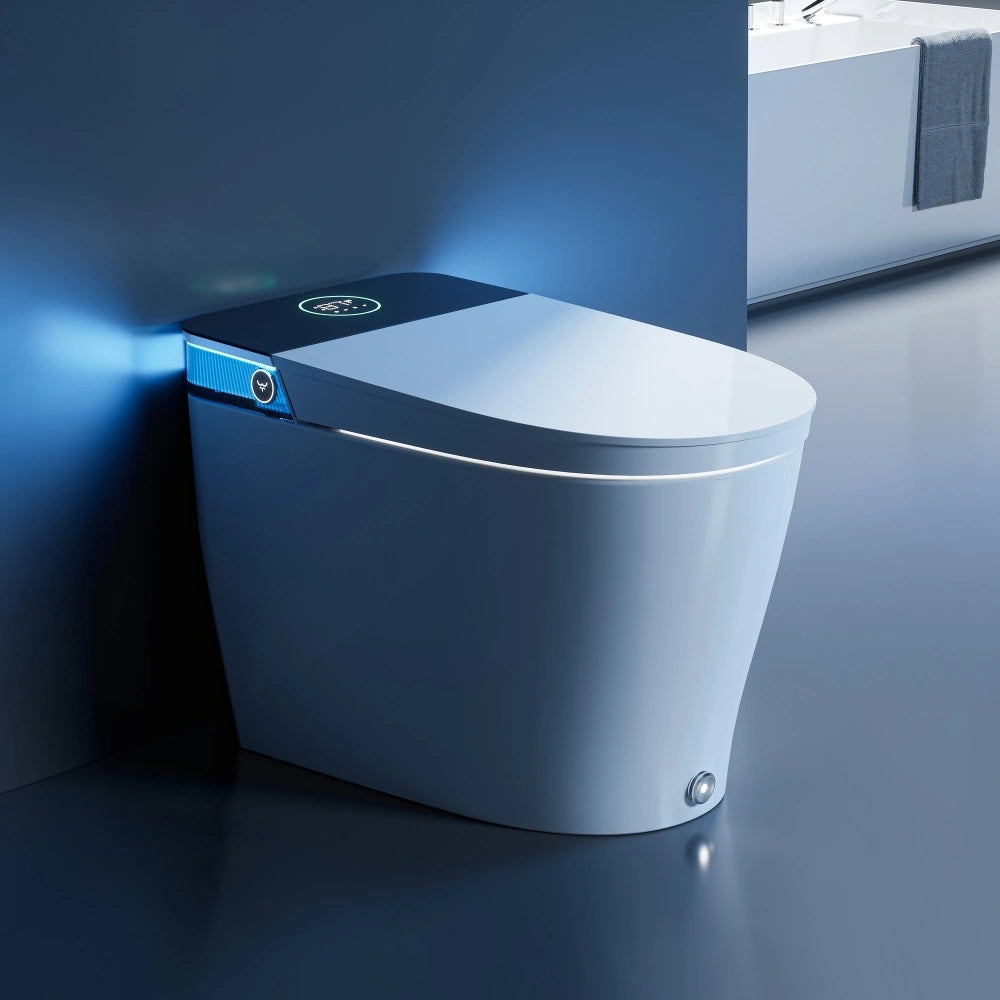
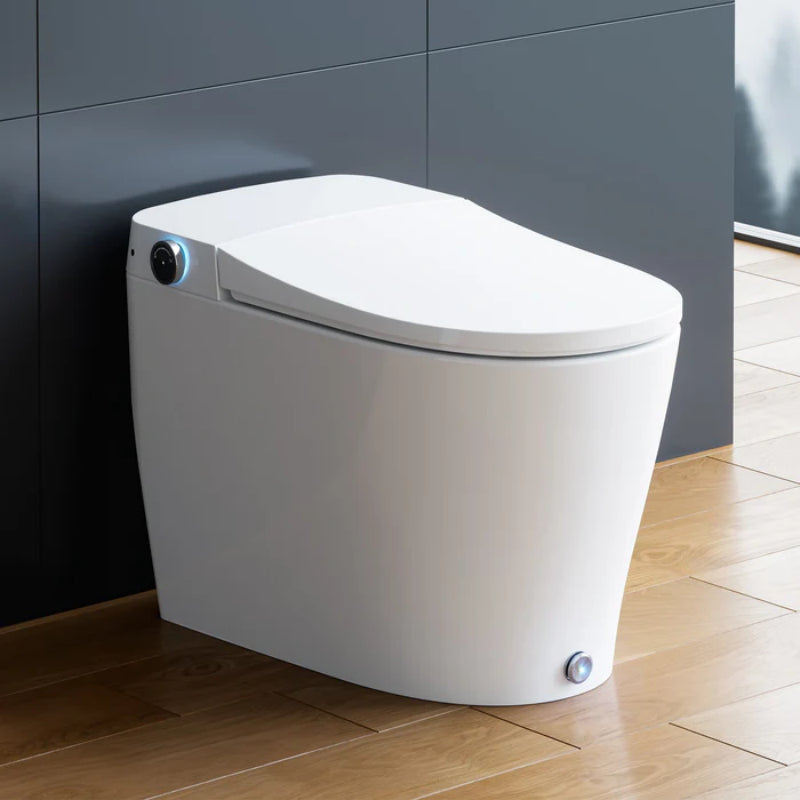

Keeping your bidet clean isn’t just about looks—it’s about hygiene, performance, and long-term reliability. This comprehensive guide breaks down practical bidet nozzle cleaning and maintenance, from how to clean smart toilet nozzle safely to building a simple maintenance routine that actually fits real bathrooms. You’ll learn when a damp cloth and gentle brush are enough, when to shut off the water valve for deeper cleaning, and how regular bidet cleaning helps ensure your bidet stays clean, hygienic, and functioning as intended.
Bidet Nozzle Cleaning and Maintenance: Decision Snapshot
Bidet nozzle cleaning and maintenance only “works” long-term if the nozzle is reachable, the water is reasonably clean, and you can do quick inspections before small issues become leaks, clogs, or stuck retraction. Most regrets trace back to bathrooms where the nozzle is hard to access, plus homes with hard water or sediment where filters and spray tips need attention more often than expected.
Choose this if you can access the nozzle easily
This setup is a good fit if you can comfortably reach the nozzle area with a damp cloth and a soft-bristle toothbrush, and you’re willing to do a simple monthly inspection. In practice, multi-user homes need more than “set it and forget it,” because residue and biofilm build faster with more flushes, more spray cycles, and more hands adjusting settings.
You’re in the likely-to-be-satisfied group if:
-
You can reach the nozzle area without removing the bidet seat every time.
-
You can shut off water at the toilet without wrestling a stuck valve.
-
Your water does not leave heavy white scale on faucets or showerheads every few weeks.
Not a fit unless you’ll do extra upkeep
These three conditions drive the majority of post-purchase regret. You can still use a bidet seat, but expect more frequent cleaning and filter/nozzle servicing:
-
Hard water (visible scale on fixtures within weeks).
-
High sediment (grit or sand in faucet aerators or toilet tank).
-
Tight-clearance bathrooms (less than ~2 inches around the seat/nozzle zone).
Avoid or reconsider if you have hard water or high sediment
If your home has hard water, mineral scale can tighten around jet ports and nozzle seams. If you have grit or sediment (common with some wells and older municipal lines), tiny particles can lodge in the spray tip or clog a bidet filter quickly. The classic complaint is: “It worked great for a few months, then the spray got weak and crooked.”
Reconsider (or plan extra maintenance) if:
-
You see crusty white buildup on fixtures quickly (hard water).
-
Your faucet aerators collect sand-like grit (sediment).
-
The nozzle is “hidden” and you can’t physically wipe or inspect it.
Rule of thumb on clearance
If side or rear clearance is under about 2–3 inches, cleaning access and nozzle retraction become the limiting factor. That’s when people stop wiping the nozzle because it’s annoying—and that’s when stuck retraction and grime behind the seat start to show up.
Pre-buy measurements (mini-checklist)
Take 3 minutes with a tape measure before ordering:
-
Toilet bolt spread: typically 5–5.5 inches center-to-center.
-
Alignment tolerance: plan for ±1/8-inch risk from off-center holes or uneven porcelain.
-
Rear clearance: at least 2–3 inches behind/around seat for hand access.
-
Fill valve connection height: >7 inches above floor (pass/fail) so you can install a T-adapter and later access filters/nozzle plumbing without removing the toilet.
If one or more of these are marginal, expect extra install time or limited service access.
Quick pass/fail checklist
Use this fast check before you assume bidet nozzle maintenance will be simple:
-
Clearance: at least 2–3 inches to reach around seat/nozzle area.
-
Shut-off valve access: you can reach and turn it without tools.
-
Water pressure: roughly 20–80 PSI at the home (most bidets assume this range).
-
Electric-seat models: GFCI outlet within 3–6 ft + 15A minimum circuit capacity.
-
Shared bathroom circuits may require an electrical check to avoid nuisance trips.
-
If you fail two or more items, bidet nozzle cleaning becomes a project, not a quick routine.
What trade-offs you’re accepting (and what “self-cleaning” won’t solve)
Self-cleaning does not eliminate manual wiping or periodic descaling. It mainly reduces fresh residue on and inside the nozzle by rinsing before/after use, but it does not stop long-term buildup on hidden surfaces (behind the guard door, around seams, and at jet exits). Accepting a bidet seat means accepting occasional hands-on cleaning.
A lot of buyer frustration comes from the phrase “self-cleaning nozzle.” Self-cleaning helps, but it doesn’t cancel manual cleaning. It mainly reduces day-to-day residue inside and on the nozzle, and it can rinse the tip before/after use. It does not fully prevent buildup on the parts you can’t see (behind the guard door, around seams, at the jet exits).
Self-cleaning reduces residue, not long-term buildup
In real bathrooms, a self-cleaning bidet nozzle tech cycle typically rinses the nozzle with clean water. That helps with surface residue right after use. What it does not solve:
Biofilm over 6–12 months: a thin, slippery film can form on damp plastic and rubber surfaces, especially in warm bathrooms.
Mineral scale: hard water minerals don’t care about rinse cycles. Scale still forms at jet openings and along seams.
Hidden grime: dust + moisture behind the seat can turn into a paste that slow-rubs the nozzle as it extends/retracts.
So if your decision is “I want a hygienic nozzle without wiping it,” a self-cleaning nozzle often disappoints after the honeymoon period.
Anti-bacterial coatings help until you clean wrong
An anti-bacterial bidet nozzle guide usually sounds reassuring: anti-microbial plastics, coated tips, or materials that resist growth. The reality is more plain:
Coatings and treated plastics can reduce odor and slow growth.
They don’t make harsh cleaners safe.
They don’t make abrasives harmless.
Here’s what tends to happen: someone uses a bathroom spray with bleach or acid, or scrubs with a rough pad, and the nozzle tip gets micro-scratched. Those scratches hold residue, and jet ports clog earlier. After that, you end up cleaning more often, not less.
Detachable vs non-detachable nozzles
This is not about “premium” vs “basic.” It’s about whether you can actually sanitize what matters.
Detachable nozzle or removable spray tip: lets you do a real deep clean, vinegar soak, and rinse at a sink. This is also where replacing a bidet spray tip becomes doable without replacing the whole unit.
Fixed (non-detachable) nozzle: forces you to clean in place. If access is tight, deep cleaning becomes something you skip. Skipped cleaning is where smells, uneven spray, and stuck retraction start.
Decision rule:
Non-detachable nozzle + tight clearance = higher hygiene and maintenance failure risk.
Detachable nozzle + reasonable access = feasible sink soaking, thorough descaling, and easier tip replacement.
If you’re already worried about hygiene, a fixed nozzle in a tight bathroom is usually the wrong combination.
“Will self-cleaning stay hygienic with 3–5 users?”
With 3–5 daily users, assume:
-
More spray cycles = more minerals left behind.
-
More adjustments = more hands touching the seat area.
-
More “someone forgot to wipe” days.
Self-cleaning helps reduce immediate residue, but it won’t keep up with heavy use without:
-
a weekly wipe-down, and
-
a monthly inspection/deeper clean.
If you won’t do that, you’re better off choosing a setup you can easily reach and wipe in 30 seconds, because that’s what you’ll actually do.
What it costs in time, tools, and retrofit friction (before you buy)
Most homeowners budget money for a bidet seat or bidet attachment, but not for the small maintenance extras or the “old plumbing surprises.” Bidet nozzle cleaning and maintenance is cheap when everything is accessible and modern. It gets expensive when valves are seized, hoses are old, or the toilet area is too tight to work in.
Retrofit vs new-build callout:
In modern plumbing (roughly the last 10–15 years), shut-off valves are usually quarter-turn, accessible, and tolerant of being cycled for routine servicing. In older homes (20+ years), shut-off valves are often corroded, unused for decades, or near end-of-life. In those cases, valve replacement should be treated as a pre-install requirement if the valve sticks, weeps, or won’t fully close. Installing a bidet without a reliable shut-off turns every filter rinse or nozzle service into a leak risk.

Older homes: shut-off valves can turn into leak risks
If your home is 20+ years old and the toilet shut-off valve hasn’t been exercised (turned off/on) in years, it may not fully shut off, drip after you touch it, or crumble when you try to turn it. That matters because proper nozzle maintenance sometimes means shutting off water supply, removing a hose, rinsing a filter, or checking a connection. If the shut-off valve is unreliable, every maintenance event becomes stressful.
Stop thresholds (replace the valve before continuing):
-
The valve won’t fully close (water continues to flow to the tank).
-
The valve weeps at the stem when turned or after being left off/on.
-
The handle or body crumbles, flakes, or feels gritty when moved.
-
The valve drips after cycling (even if it was dry before you touched it).
What tends to happen in practice is predictable: a homeowner tries to fix a weak spray by removing a hose, the valve won’t shut fully so they rush, the refill valve inside the tank gets bumped, and a slow leak starts that’s noticed days later. If the shut-off valve looks corroded or is hard to turn, plan for a valve replacement before you install anything that needs periodic servicing.
Filters and hoses are not “one-time”
If your water has sediment, a bidet filter can save the nozzle from grit. But it adds a real maintenance step. First 90 days: expect monthly checks/rinses until you learn your home’s pattern. This cadence should be directly informed by what you see in faucet aerators—if aerators collect sand-like grit, assume the bidet filter will too. After the pattern is known, many homes settle into every 2–3 months, plus occasional cartridge replacement depending on design.
If you cannot easily reach behind the toilet, a simple filter rinse can require partial disassembly. That’s where people give up and run without a filter until the nozzle clogs.
Tight spaces increase labor every time
Space drives friction. If you can’t reach behind the tank, you will hate cleaning around the nozzle guard door, checking the T-adapter for drips, removing the seat to access mounting points, and detaching the bidet nozzle for deep cleaning (if detachable). This isn’t about skill. It’s about whether your hands and tools can physically get in there without scraping knuckles on porcelain.
Is it worth it if I must shut off water to clean?
If your bidet nozzle is easy to wipe and you have low sediment, you often don’t need to shut off water for routine cleaning. Weekly wipe-downs are usually external. You typically do shut off the water supply when you’re removing a nozzle tip, pulling a filter screen, addressing a persistent drip, or clearing a suspected internal clog. If your shut-off valve is hard to reach or unreliable, this maintenance style may not fit your home well.
Will it physically fit your toilet and bathroom layout without creating cleaning dead-zones?
Most fit problems don’t show up on day one. They show up when you try to clean the nozzle, or when the seat shifts slightly and the nozzle aim changes.
Toilet fit checks that affect maintenance
Before buying, confirm these four variables. Each one directly influences how easy it is to clean and inspect the nozzle over time:
-
Bowl shape: round vs elongated. Shape affects spray landing zone and how much residue ends up on the nozzle guard area.
-
Bolt spacing: confirm your toilet matches typical bidet mounting ranges and isn’t off-center.
-
Tank style: standard two-piece vs one-piece skirted or compact tanks can change rear clearance and mounting plate position.
-
Clearance: side and rear space around the seat/nozzle zone determines whether wiping and inspection are realistic.
Think of this as a maintenance fit check, not just an installation fit check.
Toilet mounting tolerances matter more than you think
Many bidet toilet seats and bidet attachments assume common bolt spacing and a relatively flat mounting area. Real toilets vary.
Watch for:
-
Off-center holes or unusual bolt spacing (common in older or specialty toilets)
-
Uneven porcelain where the mounting plate sits
-
Small alignment issues (even about 1/8 inch) that cause the seat to “walk” over time
That movement matters because it can shift spray aim, make the nozzle rub its guard, and create gaps where grime collects. If the seat doesn’t clamp securely and stay centered, nozzle cleaning becomes harder because everything is slightly out of place.
Edge-case fixes / limits:
Minor unevenness can sometimes be corrected with thin shim kits or manufacturer-supplied spacers so the mounting plate sits flat. However, if shimming still leaves the seat creeping, twisting, or rubbing the nozzle during extension/retraction, you’re in the zone where DIY should stop. Chronic seat walking leads to constant misalignment and ongoing hygiene problems—choose a different model or address the toilet mounting surface itself.
Bowl shape and seat geometry can affect spray aim
Even when something “fits,” round vs elongated bowls and rim geometry can change where the spray lands.
What that means for maintenance:
-
If the spray hits the bowl oddly, you may get more splashback and residue on the nozzle guard area.
-
More residue = more frequent wiping to keep it hygienic.
So fit isn’t just “does it bolt on.” It’s “does it spray cleanly without coating the nearby plastic.”
Clearance minimums affect cleaning and retraction
Under about 2–3 inches of clearance at the sides or rear, these problems become common:
-
You can’t get fingers or a cloth in to wipe the nozzle thoroughly.
-
You can’t see the nozzle tip well enough to inspect it.
-
Dirt builds up where the nozzle retracts, which can cause slow retraction or sticking.
Layout diagram callout (side/rear clearance focus):
Show a toilet in profile and plan view with arrows marking 2–3 inches minimum around the seat/nozzle zone, plus a contrasting example of a tight alcove where the nozzle sits “hidden” against a wall—illustrating a nozzle you physically can’t wipe.
Nozzle retraction reliability is not only about mechanics—it’s also about how clean that path stays.
Small bathroom concern: can you reach behind the toilet?
If your toilet is close to a vanity or wall, ask a simple question: can you sit beside it and reach around comfortably?
If the answer is no, plan on pulling the toilet slightly (not fun), removing the seat more often, or accepting that deep cleaning will be skipped. Skipping deep cleaning is when “self-cleaning” claims start to feel untrue.
Can your plumbing (and power) support ongoing nozzle maintenance without constant frustration?
Bidet nozzle cleaning and maintenance gets annoying when basic utilities are borderline: weak water pressure, hard-to-reach valves, awkward bowl geometry, and power cords routed through the worst possible dirt traps.
DIY limits (know this up front):
Cold-water bidet attachments are usually straightforward on modern toilets with accessible quarter-turn shut-off valves and standard bowl shapes. Retrofits in bathrooms with poor shut-off access, odd bowl curves, or extremely tight clearances carry a materially higher failure and frustration risk. In those cases, what looks like a simple DIY often turns into valve replacement, hose re-routing, or abandoning certain models altogether.

Shut-off valve and T-adapter access
For most bidet attachment installs, you add a T-adapter at the toilet tank fill connection. That’s usually simple—unless access is bad.
Check:
-
Can you reach the shut-off valve and the connection without twisting your wrist at a painful angle?
-
Is there enough height and space to add the adapter without kinking the hose?
A practical target is enough room so the tank fill connection sits more than about 7 inches above the floor. Below that, hands and tools are cramped, and you’re more likely to cross-thread a fitting or overtighten it.
Water pressure and hose length effects
Low pressure complaints are often blamed on the nozzle, but the nozzle is not always the cause.
Common causes of low or uneven spray:
-
Partially closed shut-off valve
-
Restrictive old-style valve
-
Kinked hose
-
Long or alternate supply routing (more common in retrofits)
-
A clogged screen or bidet filter
Constraint before purchase:
If your hose run is unusually long (for example, feeding from a distant sink line or a workaround branch), pressure drop can mimic nozzle clogging symptoms—weak spray, uneven pattern, or slow rinse. Treat long/alternate routing as a real limitation when choosing a model, not something to “solve later.”
Sediment: look for clues before you buy
A simple home test: remove and inspect faucet aerators. If you find grit, you should assume:
-
A filter is needed, and
-
Monthly checks are realistic, at least at the start.
Sediment issues don’t just clog jets. They also cause tiny seal damage over time, which can lead to drips at the nozzle or valves.
Electric models: outlet and cord routing
For electric bidet seat installs, confirm:
-
A GFCI outlet within about 3–6 feet,
-
A cord path that doesn’t press against seat hinges or mounting hardware,
-
A route that does not block nozzle-access cleaning zones behind the toilet, and
-
A path that avoids wet or dirty floor areas.
This matters for nozzle maintenance because cords that run behind the toilet often block your hand access. They also collect dust and moisture, creating a cleaning dead-zone right where you need space to wipe and inspect the nozzle.
The cleaning routine you must be willing to execute (or you’ll regret the setup)
The key point is not whether you can clean a bidet nozzle. It’s whether you’ll do it when life is busy. A realistic routine is short, repeatable, and matched to your water conditions.
Weekly wipe-down vs monthly deep clean
Here’s what “regular cleaning is essential” looks like in normal households:
-
Weekly (1–2 minutes):
-
Wipe the nozzle area and the guard door (if present) with a damp cloth.
-
If accessible, gently wipe the nozzle tip itself when it’s in a cleanable position.
-
Dry the area enough that it’s not staying wet all day.
-
-
Monthly (10–20 minutes):
-
Inspect spray holes for uneven flow clues (tiny sideways jets).
-
Check for scale at the tip and at any seams.
-
Check for drips at hose connections and the T-adapter.
-
Rinse any filter screen if your setup has one.
-
In multi-user homes, that monthly inspection often needs to be every 2–4 weeks, at least until you see how quickly buildup appears.
Hard water protocol: vinegar, warm water, soft brush
Hard water usually forces a real descaling step. White vinegar is commonly used because it can dissolve mineral scale without the same risk profile as harsher acids—still, you should follow your manual for specific instructions and material compatibility.
A practical hard-water cleaning process:
-
Expose the nozzle (more on safe methods below).
-
Apply white vinegar to a cloth or cotton pad and hold it on the nozzle tip area for several minutes.
-
Use a soft bristle toothbrush to gently scrub the nozzle and especially the spray ports.
-
Wipe with a cloth dampened with warm water.
-
Run a short rinse/spray cycle into the bowl to flush loosened debris.
If scale returns quickly (within weeks), that’s your sign to:
-
increase frequency, and/or
-
add a filter or softening strategy upstream.
How to extend the nozzle safely for cleaning
How you trigger the nozzle to protrude depends on the unit:
-
Some have a dedicated “clean” mode.
-
Some extend during a user cycle.
-
Some can be extended by unplugging/replugging or using a control panel sequence.
Two safety rules that prevent damage:
-
Do not force the nozzle out by hand unless the manual explicitly says it’s designed for that.
-
If you’re doing anything beyond wiping (like removing a tip), shut off the water supply at the shut-off valve and relieve pressure by running a short spray cycle.
In practice, the most common damage I see is a nozzle that no longer retracts smoothly because someone pulled it forward and twisted slightly, which stresses the internal guide.
What not to use on the nozzle or seat
Most nozzle problems caused by cleaning are from the wrong tools or chemicals, not from neglect alone.
Avoid:
-
Harsh chemicals (strong bleach mixes, strong acids, ammonia-based sprays) unless the manufacturer explicitly allows it
-
Abrasive pads and powders
-
Stiff brushes that flare or scratch the spray ports
-
Spraying chemicals directly into seams where they can sit
A soft cloth + mild soap + water covers most weekly cleaning. For scale, targeted vinegar soaks are usually more controlled than blasting the area with bathroom cleaner.
If you want the nozzle hygienic, don’t “over-disinfect” it with aggressive chemicals that shorten its life.
What fails over time: clogged jets, stuck retraction, odor/hygiene issues, and when to replace parts
Bidet nozzle issues usually show up as one of four symptoms:
-
low pressure,
-
uneven spray,
-
nozzle not extending/retracting normally,
-
odor or visible grime that keeps coming back.
Each points to different causes. Treating them all the same wastes time and can cause leaks.
Clogged bidet nozzle fix decision tree
Use symptoms to narrow the problem before you start taking parts off.
Symptom: low pressure from all modes
-
Likely causes:
-
shut-off valve not fully open
-
kinked hose
-
clogged filter screen
-
supply pressure issue in the home
-
-
What to do:
-
confirm the valve is fully open
-
straighten hose
-
rinse/replace the filter
-
test pressure at a nearby faucet
-
Symptom: one-sided spray or “crooked” jets
-
Likely causes:
-
mineral scale in one or more nozzle ports
-
grit lodged in the spray tip
-
-
What to do:
-
vinegar soak on the nozzle tip
-
gentle toothbrush scrub on ports
-
run multiple rinse cycles
-
if detachable, remove and soak the tip
-
Symptom: nozzle extends slowly or won’t retract
-
Likely causes:
-
grime buildup on the nozzle track/guard door area
-
scale at a seam that increases friction
-
internal drive issue (electric units)
-
-
What to do:
-
clean the guard door and surrounding surfaces thoroughly
-
wipe and dry the retraction area
-
stop forcing cycles if it binds (you can strip gears or stress motors)
-
Symptom: dripping after use
-
Likely causes:
-
debris stuck in a valve seat
-
worn washer or seal
-
overtightened fitting that distorted a washer
-
-
What to do:
-
shut off water, depressurize, re-seat connections
-
replace washers if they look flattened/cracked
-
if dripping continues, stop using and fix it—drips become leaks
-
The key point is that “nozzle clog” is sometimes a filter clog, a supply restriction, or a valve issue. Cleaning the nozzle won’t fix those.
When cleaning stops working: replace the spray tip
Replacing a bidet spray tip becomes necessary when:
-
ports are permanently narrowed by scale you can’t dissolve,
-
the tip is scratched and holds grime,
-
internal check valves or tiny inserts are damaged,
-
or the plastic has warped slightly and no longer seats cleanly.
How to confirm the clog is in the tip, not upstream:
-
If you have a filter and it’s clean,
-
and supply pressure is normal,
-
and only one nozzle function sprays poorly,
-
then the tip/nozzle ports are a more likely culprit than the supply line.
If the nozzle is detachable, a sink soak and rinse can often restore it. If it’s not detachable, you may be stuck doing repeated in-place soaks—or replacing the whole nozzle assembly depending on design.
Stainless steel bidet wand cleaning edge cases
Stainless steel bidet wand cleaning sounds simpler because steel is durable, but the failures are sneakier:
-
Scale can form at joints where stainless meets plastic.
-
Jet ports can look clean but still be narrowed.
-
Mineral buildup can hide under a lip or at a threaded connection.
What tends to happen:
-
The wand looks shiny.
-
Spray is still weak or needle-like.
-
The problem is actually scale inside the tip or at the port edges.
For stainless components, still use a non-abrasive approach:
-
vinegar on a cloth or short soak (if removable),
-
soft toothbrush at the ports,
-
avoid scratching the port edges (scratches trap deposits).
Red flags: stop DIY to avoid floods
Some problems are worth stopping early because the downside is water damage.
Stop and get help if you see:
-
A connection that won’t stop dripping after you re-seat it twice
-
A cracked plastic fitting or stripped threads
-
A shut-off valve stem that weeps when turned
-
Error codes that return immediately after cleaning (electric units)
-
Water pooling under the toilet after maintenance
Also avoid overtightening. Many leaks come from people cranking down plastic threads, flattening washers, and creating a worse seal than before.
Before You Buy checklist
-
Measure clearance: Confirm at least 2–3 inches side/rear space to reach and wipe the nozzle area.
-
Test the shut-off valve: Turn it off and back on once. If it sticks, plan to replace it before adding a bidet.
-
Check for sediment clues: Inspect faucet aerators for grit. If you find debris, plan for a bidet filter and monthly rinses.
-
Confirm water pressure basics: If your showers already feel weak, fix pressure or restrictions first—don’t expect the nozzle to “push through.”
-
Know your nozzle access: Make sure you can trigger the nozzle to protrude using a clean mode or controls without forcing it by hand.
-
Plan your cleaning tools: Keep a soft bristle toothbrush, microfiber cloth, and white vinegar available for routine descaling.
-
Electric model check: Verify a GFCI outlet within 3–6 ft and a cord route that doesn’t block cleaning access.

FAQs
1. Is the bidet nozzle self-cleaning?
Many smart bidet seats include a self-cleaning feature that rinses the nozzle before and after use, which can help reduce residue and keep things feeling fresh. However, self-cleaning doesn’t replace regular maintenance. Mineral buildup, biofilm, and tiny debris can still accumulate over time, so it’s a good idea to clean your bidet nozzle manually as part of your routine. Using a damp cloth or a soft brush to gently scrub the bidet nozzle ensures you are maintaining a clean bidet and preventing longer-term issues. Self-cleaning helps, but it doesn’t make manual cleaning unnecessary.
2. How often should I manually clean it?
For most homes, weekly wiping of the nozzle with a damp cloth or mild soap solution is enough to maintain cleanliness. Every month, it’s wise to do a more thorough cleaning, following step-by-step instructions to gently scrub the bidet nozzle, check the filter, and remove mineral deposits. If you have hard water or multiple users, descaling with vinegar every two to four weeks helps keep the nozzle effectively clean. Regular maintenance not only keeps your bidet clean and functioning but also extends the lifespan of your bidet and helps prevent clogs or weak sprays.
3. Can I use chemicals on the bidet nozzle?
Harsh chemicals, strong bleach, or abrasive bathroom cleaners can damage the nozzle, coatings, or plastics. It’s much safer to clean a bidet toilet with mild soap and water or a gentle vinegar solution for mineral buildup. According to CDC guidance on cleaning and disinfecting with bleach, improper use of strong chemicals can also harm surfaces and leave residue, so gentle cleaning methods are recommended. Always brush it gently with a soft brush or toothbrush when doing a thorough cleaning. Avoid causing your bidet damage by using harsh chemicals on the seat or nozzle. Following your manual ensures you’re effectively cleaning your bidet nozzle without shortening its lifespan, maintaining a clean bidet that works well for years.
4. What if the water pressure in the nozzle is low?
A weak spray usually isn’t caused by a dirty nozzle alone. Check the water shut-off valve, hoses, and any filter screens first—sometimes a partially closed valve, kinked hose, or low home water pressure is the culprit. After ensuring the supply is unrestricted, you can test the bidet and gently scrub the bidet nozzle to make sure it’s clear. Maintaining a clean bidet nozzle and checking your water connections regularly ensures the nozzle is clean, spray is strong, and your seat stays smart and functional.
5. Are stainless steel wands better than plastic?
Stainless steel nozzles tend to resist staining, scratching, and some types of mineral buildup better than plastic, which can make cleaning easier in the long run. However, both materials require regular maintenance to remain clean and functioning. You still need to follow step-by-step instructions to clean a bidet toilet seat and nozzle, gently scrub the bidet nozzle, and perform thorough cleaning for hard water buildup. Choosing stainless steel may reduce long-term bathroom cleaning efforts, but it doesn’t eliminate the need for regular maintenance to keep the bidet nozzle effectively clean.
6. Can the nozzle be removed for deep cleaning?
Many modern bidet seats allow the nozzle to be removed or extended, which makes deep cleaning easier. Carefully following the manufacturer’s instructions, you can gently scrub the bidet nozzle with a damp cloth or brush it gently, soaking it if needed to remove mineral scale. This step-by-step cleaning is especially helpful for maintaining a clean bidet, preventing clogs, and ensuring the nozzle is clean and functioning. Even removable nozzles need regular maintenance, and thorough cleaning helps keep your bidet toilet in good condition for years.
7. Does UV light clean the nozzle?
UV light in some smart bidet seats can help reduce microbial growth on the nozzle surface where the light reaches, but it doesn’t remove mineral deposits or physical grime. You still need to manually clean your bidet nozzle with mild soap, a damp cloth, or a soft brush for thorough cleaning. Relying solely on UV won’t ensure your nozzle effectively cleans itself. Combining UV features with regular maintenance and gentle scrubbing keeps the nozzle clean and functioning, preserving cleanliness and extending the lifespan of your bidet toilet.
References


Leave a comment
This site is protected by hCaptcha and the hCaptcha Privacy Policy and Terms of Service apply.