
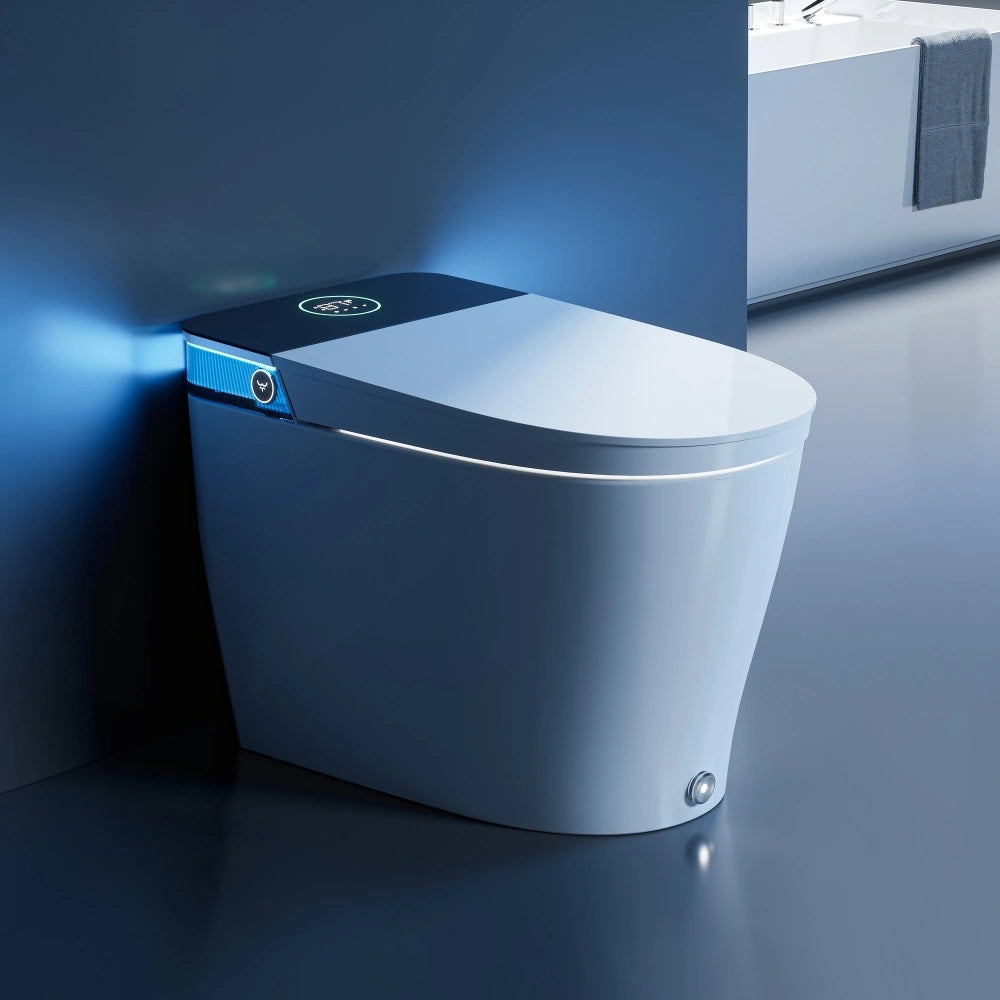
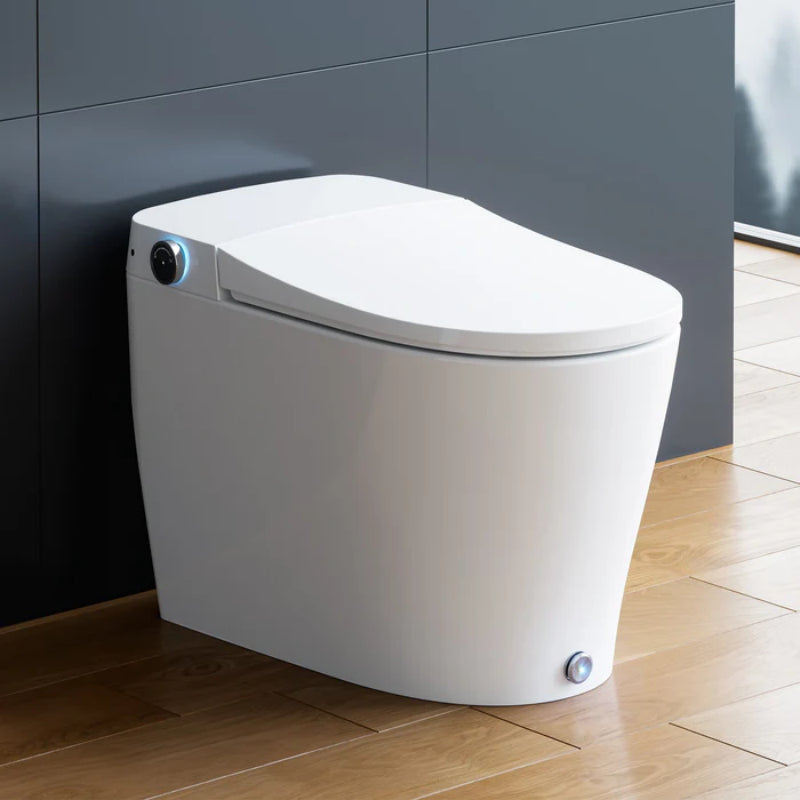
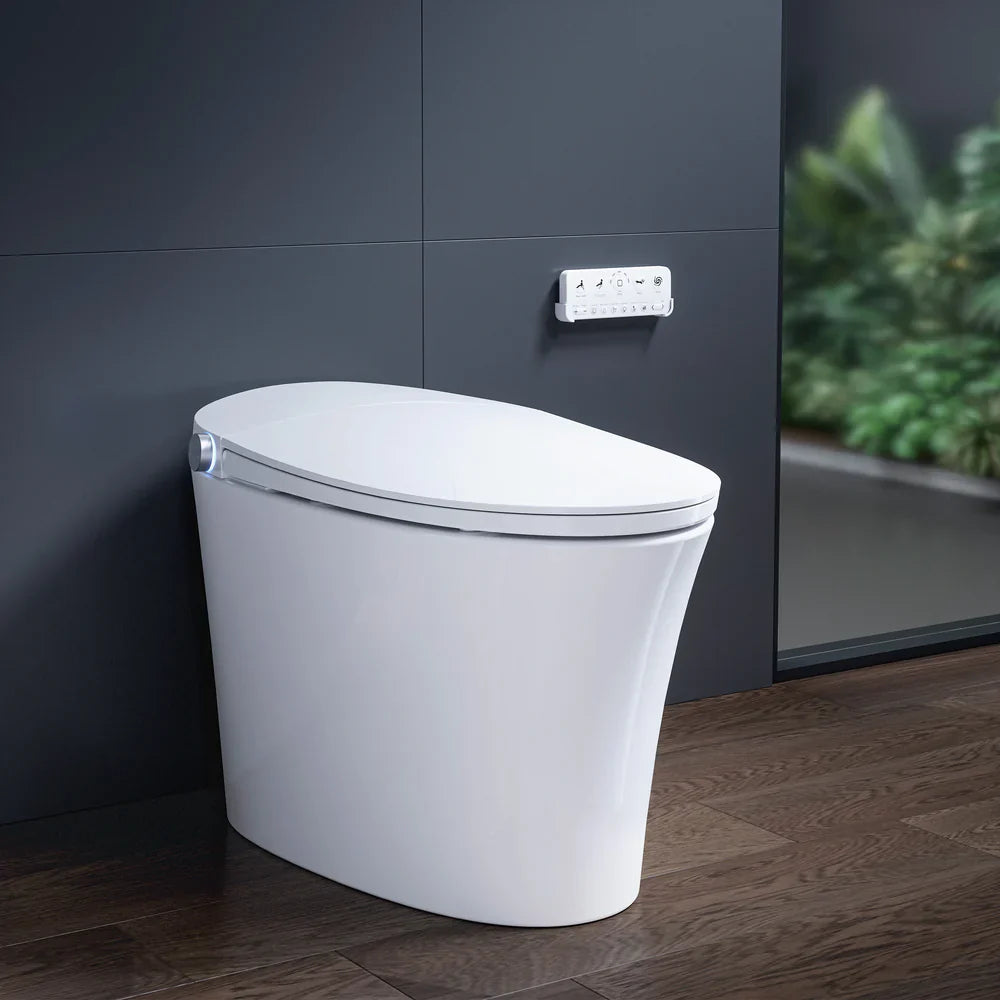
Finding the right quiet flush smart toilet means balancing noise levels, comfort, space, and long-term reliability as you discover the quietest models with customizable settings and strong cleanliness features. This guide breaks down clear, practical rules to help you pick the best option for your bathroom and household needs without unnecessary guesswork.
Quick Answer
If flush noise wakes your partner, kids, or you, the best quiet flush smart toilet is usually a siphon-based smart toilet with a quiet fill valve, customizable temperature controls, self-cleaning options, soft-close lid, and low-noise automatic flush. If you care more about long-term simplicity and fewer repair worries, choose a quiet standard toilet or a hybrid toilet with a bidet seat instead. If you want the most comfort at night, choose smart; if you want the least hassle, choose standard.
Choose a comfort-height smart toilet if you need accessible seating for mobility limitations or taller users. Choose a model with manual flush override if you require reliable operation during power outages. Choose a standard or hybrid toilet if you have low tolerance for electronic repairs and service calls. Choose a compact-profile smart toilet if your bathroom has limited clearance and tight space constraints. Choose a standard toilet if you prioritize fully manual, no-electronics usability at all times.
A quiet flush smart toilet sounds like a niche upgrade until you live with one loud toilet near a bedroom wall. Then it stops being a luxury question and becomes a sleep question.
Here’s what usually matters in real homes: the flush itself is only part of the noise. The refill cycle, the lid, the seat, the night use pattern, and the wall behind the toilet all matter too. Many buyers focus on the feature list and miss the real issue, which is how much sound happens at 2 a.m. from flush to refill to lid close.
This guide is not about the fanciest model. It is about choosing the right type of toilet for your bathroom, budget, and tolerance for maintenance.
Decision Snapshot
This snapshot breaks down four clear, scenario-based buying rules to help you quickly match your priorities to the right toilet type, no confusing comparisons required.
Best for light sleepers and shared baths
Choose a quiet flush smart toilet if the bathroom is next to a bedroom, you flush at night often, or two people share a master bath and one sleeps lightly. This is the best fit when quiet use matters more than the lowest price.
Better for budget-first buyers
Choose a quiet standard toilet if you want lower cost, easier repairs, and proven long-term reliability. If you do not need a heated seat, deodorizer, or auto flush, this is often enough.
Choose smart for nightly comfort
If you want an automatic flush, heated seat, soft-close lid, night light, and a low-noise refill, choose smart. The key point is that these features reduce the small sounds that add up during the night.
Choose alternative if repairs worry you
If you worry about electronics, sensors, replacement parts, or power dependence, skip the full smart unit. A hybrid setup gives you many comfort features with fewer things to fail.
Best Quiet Flush Smart Toilet vs Alternatives
The main decision is not “smart or not smart.” It is this:
-
Do you need the quietest total experience
-
Or do you need the simplest toilet to own
That changes everything.
Smart vs standard toilet noise
A quiet flush smart toilet can be much better for night use than a standard toilet, but only if it is built around low-noise flushing and refill parts. The quietest setups tend to reduce three separate sounds:
-
Flush noise
-
Refill noise
-
Lid and seat noise
A standard toilet can still be fairly quiet, especially with a gravity-fed siphon flush and a soft-close seat added later. In fact, some standard models are quieter than poorly designed smart toilets with louder pumps, fans, or refill systems.
So, in a quiet flush smart toilet vs standard toilet noise comparison, smart wins when:
-
You want the whole experience to be quieter
-
You want soft-close and automatic functions built in
-
You want less fumbling with lights at night
Standard wins when:
-
The main problem is only the flush
-
You do not care about heated seats or washing functions
-
You want fewer parts and less risk
Smart vs bidet seat on quiet toilet
This is often the smartest middle ground.
A quiet standard toilet paired with a quality bidet seat can give you:
-
warm seat
-
wash functions
-
soft-close lid
-
sometimes night light
What it may not give you:
-
integrated look
-
best auto flush
-
the quietest refill and bowl design
-
touch-free opening on some setups
If your current toilet already has a quiet gravity flush, adding a bidet seat may solve most comfort issues for less money. If your current toilet is loud, though, the seat does nothing to fix the flush sound.
Smart vs hybrid bidet toilet
A hybrid bidet toilet usually means fewer fully integrated electronics than a one-piece premium smart toilet. In plain terms, it aims for comfort without going all-in on complexity.
This is a good choice if you want:
-
better comfort than a standard toilet
-
less electronic dependence than a fully loaded smart unit
-
a lower chance of expensive repairs
-
easier replacement parts
A full smart toilet is usually the better choice for the quietest smart toilet with automatic flush and heated seat. A hybrid is often the better choice for buyers who want balance.
Comparison table
| Option | Noise level | Upfront cost | Installation | Space fit | Maintenance | Comfort features | Best for |
| Quiet flush smart toilet | Lowest when well-designed | Highest | Harder, may need outlet | Some are bulky | More complex | Highest | Light sleepers, master baths, shared walls |
| Quiet standard toilet | Low to medium | Lowest | Easiest | Usually easiest fit | Simplest | Basic unless upgraded | Budget buyers, low-maintenance homes |
| Quiet toilet + bidet seat | Low to medium | Medium | Moderate | Depends on toilet shape | Moderate | High for price | Buyers upgrading an existing quiet toilet |
| Hybrid bidet toilet | Low | Medium to high | Moderate | Better than some full smart units | Less complex than full smart | Good balance | Buyers wanting comfort without max electronics |

What actually changes the decision
Many factors beyond specs shape real-world performance and comfort.
Prefer tankless models only for sleek, space-saving design and consistent water pressure; avoid tankless models if you want minimal repair risk and simple service. Prefer compact smart toilets or standard toilets for small bathrooms; avoid bulky full-size smart toilets that crowd tight spaces. Prefer simple, reliable smart controls for kids and guest usage; avoid overly complex motion-activated features in shared family bathrooms. Default to a siphon-based smart toilet with quiet refill for consistent low-noise performance.
Flush and refill noise differ
This is where many people make the wrong call.
A toilet can have a quiet flush and still be annoying because the tank or valve refills loudly. Or the flush can be slightly noticeable, but the refill is smooth and short, so the total experience feels quiet.
When people ask, “Which smart toilet has the quietest flush and refill cycle?” the answer is not just about the flush mechanism. Look for:
-
low-noise fill valve
-
short refill cycle
-
insulated or well-contained water path
-
soft-close seat and lid
-
bowl design that avoids splashy water movement
This is also why some smart toilets with silent flush and quiet fill valve feel much better in a master bath than a standard toilet with a similar flush volume.
Tankless convenience raises risk
Do tankless toilets flush loudly? Sometimes yes, sometimes no.
Tankless smart toilets can be quiet, but they depend more on internal pumps, water path design, and home water pressure. A good tankless design can sound refined. A poor one can sound sharp or mechanical.
The trade-off is simple:
-
tankless often means sleek design, instant features, and less visible bulk
-
tankless can also mean more sensitivity to pressure, more electronics, and more things to troubleshoot
Households with low repair tolerance, inconsistent home water pressure, limited access to smart toilet service technicians, or a preference for fully manual operation should generally avoid tankless integrated smart toilets. Tankless integrated units are a reasonable choice only for homeowners with stable water pressure, willingness to service electronic components, and a need for a slim, space-saving profile in modern bathrooms.
If your main goal is peace at night and you do not want to think about service, a hybrid or quiet standard toilet may be the better fit.
Small bathrooms punish bulky designs
Some of the most feature-heavy smart toilets are larger than buyers expect. In a tight bathroom, that matters.
A large unit can:
-
crowd knees or walkway space
-
make cleaning around it harder
-
put the seat in an awkward position
-
make auto-open lids feel excessive in small rooms
If you have a compact room, measure rough-in, bowl projection, side clearance, and door swing. A rimless smart toilet with quiet flush and easy cleaning sounds great on paper, but only if it fits without making the room feel cramped.
Kids and guests change feature value
A smart toilet used by one careful adult is one thing. A shared family bath is another.
Family and shared bathrooms with kids and guests should default to simpler controls and fewer motion-activated features to prevent misfires, confusion, and unnecessary disturbances. Overly sensitive auto-open lids, complex touch panels, and frequent sensor misreads create consistent annoyances for inexperienced users, so these automated features should be avoided in high-traffic shared spaces. Automation is still a good fit only if the smart toilet has locked basic settings, tamper-proof controls, and highly accurate motion sensors that rarely false-trigger, ensuring reliable use without constant frustration.
Soft-close lids, self-cleaning nozzles, and deodorizers remain highly valuable in busy shared bathrooms, as they reduce mess, noise, and manual cleaning effort.

When smart is the better choice
A smart toilet becomes the clear favorite in several common household scenarios where silence, convenience, and consistent comfort matter most.
You need the quietest night flush
If your top problem is flush noise at night, the best smart units are hard to beat. They often combine several small noise reducers in one package:
-
quieter siphon flush
-
smoother refill
-
soft-close lid
-
heated seat that reduces seat shock in winter
-
night light so no overhead light is needed
-
automatic flush so users do not linger deciding whether to flush now or later
This is why the best smart toilet for reducing flush noise at night is often worth the higher price for a master bathroom.
You want heated seat and auto flush
The quietest setup is not just the one with the lowest decibel flush. It is the one that cuts down the whole chain of disturbance.
A quiet flush smart toilet with soft close lid and night light works well because:
-
no loud seat drop
-
no fumbling in bright light
-
less awkward delay after use
-
less chance someone forgets to close the lid gently
If those details matter in your home, smart is not just about comfort. It is about smoother night routines.
You share a master bathroom wall
This is one of the strongest reasons to choose smart.
If the bathroom backs up to a bedroom wall, sound transmission matters more than the toilet’s advertised flush style. What seems “quiet enough” in a hall bath can sound much louder at 3 a.m. through one thin wall.
For a low noise smart toilet for master bathroom use, prioritize:
-
siphon-style flushing over louder pressure-assisted feel
-
quiet fill valve
-
soft-close hardware
-
compact but not cramped body
-
stable installation to avoid vibration through the floor
Even a good toilet can sound worse if the installation is poor and the base or water line vibrates.
Is it worth it for light sleepers?
For many light sleepers, yes.
If one person wakes from flush noise, lid drops, refill hiss, or bright bathroom light, a quiet smart toilet can solve a very specific daily problem. It will not change your life in every way, but it may stop one repeated irritation that happens every night.
So, is a quiet flush smart toilet worth it for light sleepers? Yes, if:
-
The bathroom is close to sleeping areas
-
You use it at night often
-
You value heated seat, soft-close, and night light
-
You are okay paying more for comfort and convenience
No, if:
-
Your current toilet is already fairly quiet
-
You rarely use that bathroom at night
-
You dislike electronic controls or special maintenance
When the alternative is better
Not every household needs a fully integrated smart toilet to get a quiet, comfortable bathroom experience. For many homeowners, simpler, more reliable alternatives can deliver similar quietness and convenience at a lower cost and with less long-term hassle.
A quiet standard toilet is enough
If your current problem is only “our toilet flush is too loud,” you may not need a smart toilet at all.
A well-chosen standard toilet can be quiet enough for most homes, especially if you add:
-
a soft-close seat
-
a quieter fill valve
-
lid bumpers in good condition
This is the best path if you want:
-
lower cost
-
simpler repairs
-
fewer surprises over time
It is also the safer choice if older adults in the home prefer familiar controls and a predictable toilet.
A bidet seat saves money
If you want warmth and washing more than smart automation, a bidet seat on a quiet standard toilet is usually the better value.
This route works best when:
-
your existing toilet already flushes quietly
-
you want comfort features without replacing the whole toilet
-
you want easier replacement if one part fails
It does not fully answer the “quiet flush” question unless the toilet itself is already quiet. But for many buyers, this is enough.
Hybrid models reduce complexity
Hybrid models make sense for buyers who want a high-performance smart toilet with quiet flushing system but do not want the most sensor-heavy setup.
You get many of the features people actually use:
-
warm seat
-
bidet wash
-
quiet lid close
-
cleaner bowl design
-
sometimes deodorizer and nozzle cleaning
You may give up:
-
full auto-open
-
the sleekest one-piece form
-
the most advanced programmable settings
In many homes, that is a good trade.
What problems should you avoid?
The biggest problems to avoid when buying a quiet flush smart toilet are not always obvious from the product page.
First, do not assume “smart” means quiet. Some smart toilets are feature-rich but not especially quiet in real use.
Second, do not judge by flush sound alone. Refill noise may be what wakes people up.
Third, do not buy tankless if your home has marginal water pressure and you already know plumbing performance is inconsistent.
Fourth, do not ignore power needs. A smart toilet without a practical outlet nearby can turn into an awkward install.
Fifth, do not overlook bowl height, projection, and room fit. Comfort is pointless if the toilet crowds the room.
Sixth, be realistic about maintenance. A quiet smart toilet with self-cleaning nozzle and deodorizer sounds appealing, and it can be. But it still has filters, electronics, and parts that may need service.

What to look for
When buyers ask what to look for in a quiet flush smart toilet, here’s the short version: focus on the parts that affect actual night use, not the longest feature list.
Flush type matters most
The quietest flushing mechanism in 2026 for most homes is still a well-executed siphon-style flush rather than a harsh, pressure-assisted style. Are power-flush toilets noisy? Usually more so, yes. They may be effective, but they are rarely the first choice for a quiet master bathroom.
If your priority is silence, start there.
Refill valve matters next
A low-noise fill valve can matter as much as the flush. If a model advertises quiet refills, that is a useful sign. If it says nothing, look closely before buying.
Soft-close is not optional
Soft close vs standard lids noise? This one is easy. Soft-close wins by a mile, especially in homes with kids, guests, or sleepy adults who do not want to think about lowering a lid gently.
Nightlight helps more than expected
It sounds minor until you use it. A dim integrated light can keep you from flipping on the main light, which helps the whole bathroom feel less disruptive at night.
Easy-clean bowl design is worth it
A rimless smart toilet with quiet flush and easy cleaning often makes more sense than a harder-to-clean model with extra niche features. Less grime means less scrubbing, and that matters over years of ownership.
Touch-free features help some homes
A quiet flush bidet toilet with touch-free automatic opening is useful if your hands are full, if mobility is an issue, or if you simply want less contact with surfaces. In a small guest bath, though, it can feel like more tech than you need.
How noise reduction works
People often ask how noise reduction technology works in quiet flush smart toilets. In simple terms, it is usually a combination of small design choices:
-
water moves through smoother pathways
-
flush action is tuned to avoid sharp bursts
-
fill valves are quieter
-
lids and seats close slowly
-
bowl shape reduces splash and echo
-
some bodies contain sound better than others
Why is my smart toilet making noise if it is supposed to be quiet? The usual reasons are:
-
high water pressure
-
a loud or aging fill valve
-
vibration from a loose install
-
pump or fan noise from internal components
-
auto functions cycling more often than expected
If unusual noise starts later, it is often a maintenance issue, not just a design flaw, according to hearing health guidelines from the NIDCD.
Are some budget models quiet enough?
Many buyers ask about lower-cost smart toilets and whether they are quiet enough for a master bath. The honest answer is: some are, some are not. Budget units can offer surprisingly calm flush performance, but the gap often shows up in refill noise, seat quality, sensor consistency, and long-term reliability.
Budget smart toilets are a poor fit for master bathrooms adjacent to a light sleeper, as they typically have louder refill cycles, less consistent sensors, and increased mechanical noise that disrupts sleep. They are also a poor fit for homeowners prioritizing long-term reliability and minimal maintenance. Budget smart toilets are a good fit for secondary bathrooms, guest bathrooms, or spaces not near sleeping areas, where moderate noise levels and basic performance are acceptable and cost is the primary concern.
If the bathroom shares a wall with a light sleeper, premium quiet design is easier to justify.
Standard noise vs smart noise
A quiet flush smart toilet vs standard toilet noise comparison should not stop at decibel claims. Real-world sound is about tone, duration, and timing.
A standard toilet may make one clear flush sound and then finish. A smart toilet may spread sound into smaller, softer events: lid movement, short flush, quiet refill, fan, deodorizer. Some people find this less disturbing. Others prefer one quick sound and done.
That is why buyer fit matters more than spec sheets.
If your home is sensitive to sharp flush noise, smart often feels better. If your home is sensitive to mechanical hums or electronics, standard may feel calmer.
Final Verdict
Choose a premium quiet flush smart toilet if the bathroom is near a bedroom, flush noise wakes people, and you want heated seat, auto flush, soft-close, and night-friendly comfort built into one unit. Choose a hybrid toilet or a quiet standard toilet if you care more about lower cost, simpler ownership, and fewer repair risks. If nightly noise control is your main goal,being smart is the better choice. If long-term simplicity matters most, standard is the better choice.
Before You Buy
-
Measure your bathroom carefully, including rough-in and bowl projection.
-
Check if you have a nearby electrical outlet.
-
Confirm your home’s water pressure is suitable.
-
Look for siphon-style flushing and a quiet fill valve.
-
Make sure the lid and seat are soft-closed.
-
Think about who will use it: one adult, kids, guests, older family members.
-
Decide if you want full smart features or just a bidet seat.
-
Read the service and replacement-part details before buying.

FAQs
1. What is the quietest smart toilet?
In most homes, the best quiet flush smart toilet is a siphon-based model equipped with silent fill toilet valves, a soft-close lid, and a low-noise refill cycle for superior noise reduction toilet technology. The full nighttime experience matters more than just raw flush sound alone, as refill and lid movement also contribute to overall low decibel toilet flushing. Top quietest smart toilets for master bath combine smooth flushing, gentle refilling, and quiet automatic functions to minimize disruption in bedrooms next to the bathroom.
2. Do tankless toilets flush loudly?
Some do and some do not, as performance varies widely among options competing to be the best quiet flush smart toilet. Tankless models rely on noise reduction toilet technology, internal pumps, and home water pressure more heavily than traditional tank-style designs, which can create sharper mechanical sounds in budget units. Well-engineered tankless systems can still deliver low decibel toilet flushing, while poorly designed ones often lack the quiet consistency of top quietest smart toilets for master bath. This inconsistency is why they carry more risk for households prioritizing reliable, gentle flushing in master suite spaces.
3. Are power-flush toilets noisy?
Yes, many power-flush toilets are noticeably louder than the best quiet flush smart toilet designs in daily use, as they rely on pressure-assisted mechanics rather than refined noise reduction toilet technology. They create stronger, more abrupt sounds during flushing that undermine low decibel toilet flushing goals, especially near bedrooms. While effective for waste removal, they cannot match the calm performance of quietest smart toilets for master bath built around siphon action and silent fill toilet valves. For true quiet comfort, high-performance quiet toilets with tuned siphon flushing remain the superior choice.
4. Why is my smart toilet making noise?
Common causes include a worn or low-quality silent fill toilet valve, excessively high water pressure, or unstable installation that reduces the effectiveness of your best quiet flush smart toilet. Internal fans and pumps can also disrupt noise reduction toilet technology by creating unexpected hums during automated cycles. Issues like sensor misfires or frequent cycling can take away from low decibel toilet flushing and disturb light sleepers in rooms near the quietest smart toilets for master bath. Over time, parts wear can further reduce performance, turning a smooth unit into a noticeably noisy fixture.
5. Soft close vs standard lids noise?
The soft close toilet lid benefits are especially clear with the best quiet flush smart toilet, as they fully eliminate disruptive slamming and support consistent noise reduction toilet technology. Standard lids create sharp, sudden sounds that ruin low decibel toilet flushing calm, especially during nighttime use in the quietest smart toilets for master bath. Soft-close hinges lower the lid gradually, preserving the quiet performance of high-performance quiet toilets and preventing sleep interruptions for household members. These benefits make soft-close lids an essential feature for any toilet focused on real-world quiet operation.
6. Are Horow smart toilets quiet enough for master baths?
Horow quiet flush performance makes its models strong contenders among quietest smart toilets for master bath, especially those built with siphon flushing and quality silent fill toilet valves. Many Horow designs deliver reliable low decibel toilet flushing and integrate solid noise reduction toilet technology to minimize nighttime disruption. Well-installed Horow units function effectively as a best quiet flush smart toilet option for shared master bathrooms near sleeping areas. For homeowners seeking high-performance quiet toilets with consistent comfort, Horow remains a practical and well-performing brand choice.
References



Leave a comment
This site is protected by hCaptcha and the hCaptcha Privacy Policy and Terms of Service apply.