
Battery powered bidet solutions are surging in popularity with travelers, renters, and off‑grid users. They give you hygienic cleaning without permanent install work or an electrical outlet near the toilet. If you want the quick answer: a battery powered bidet is great for portability and ease of installation, but it cannot match an electric bidet seat for comfort features like heated water, a warm seat, or an air dryer. In this guide, you’ll see how the tech works, what to expect in real use, what to buy, and how to decide between battery, electric, and non‑electric options. You’ll also find market data, a clear buying checklist, setup tips, and simple troubleshooting. We close with sustainability insights, total cost of ownership, and a short look at what’s next.
Do battery powered bidet seats exist? The quick answer
You can buy battery powered bidet products today, but they are not the same as a powered “smart” washlet-style toilet seat with heat and dryer. Battery power is enough for a portable spray; it is not enough for home-style heating and drying features.
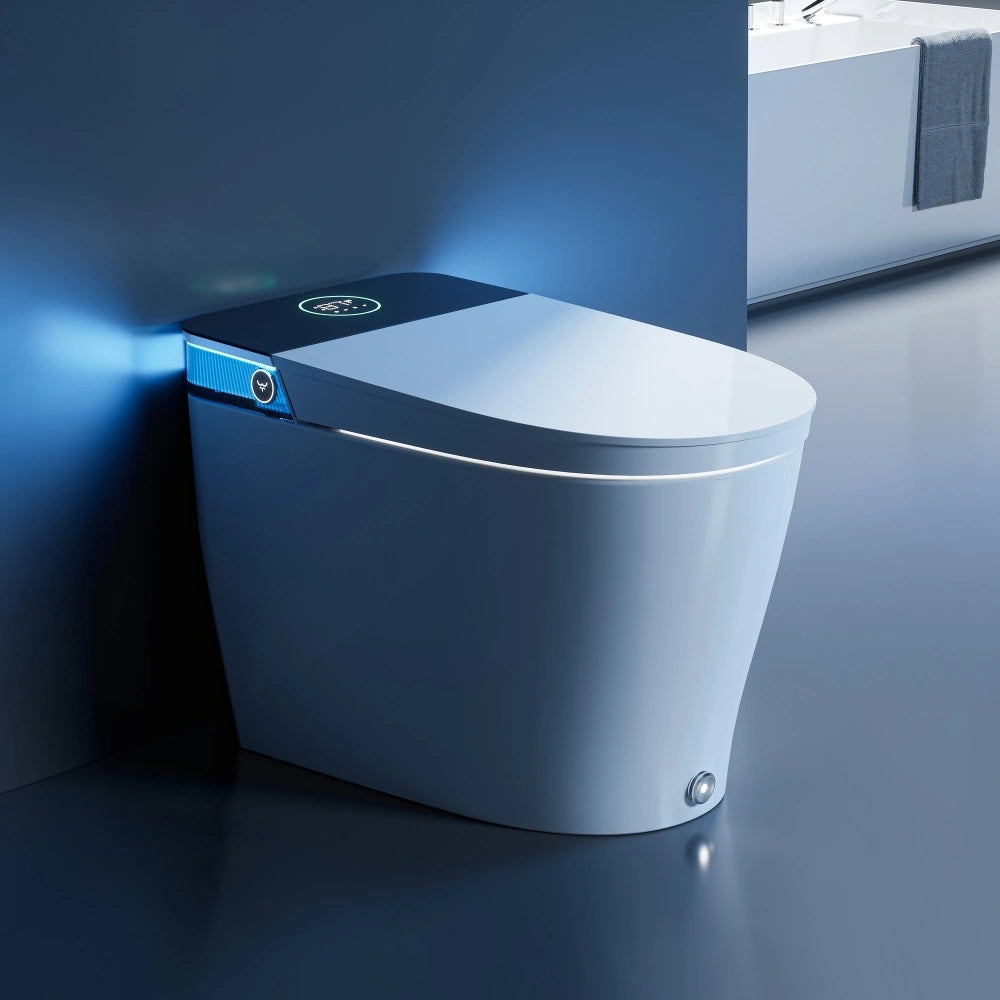
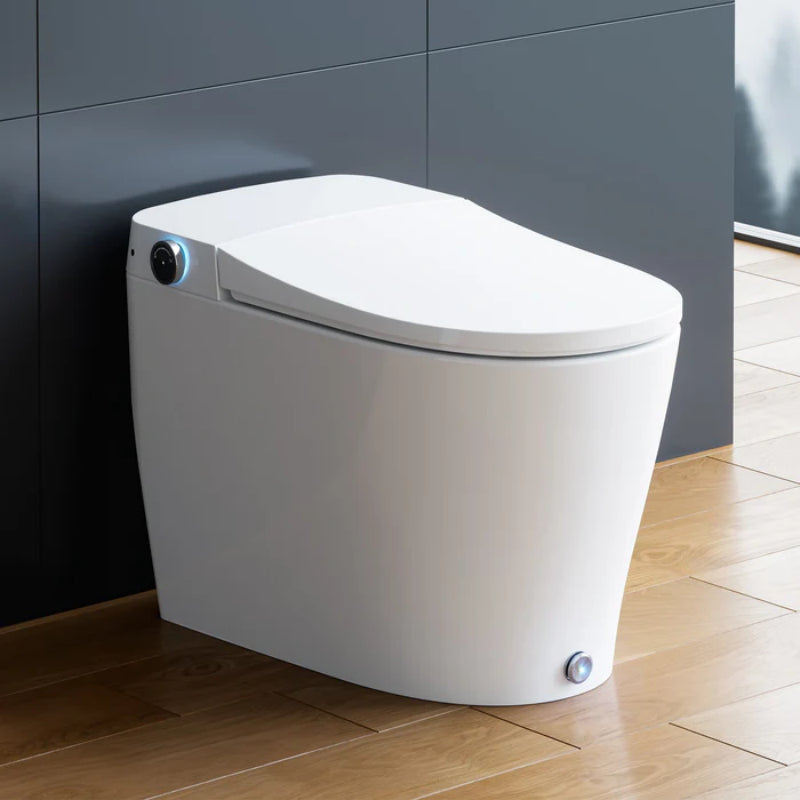
When “Do battery powered bidet seats exist? The quick answer” points toward a product change, HOROW bidet toilet seats shows the current range without replacing this page's informational role.
For products that meet the “Do battery powered bidet seats exist? The quick answer” requirements, compare the current choices in HOROW smart toilets.
What you can buy today: portable/handheld and basic attachable battery units
You’ll find two kinds of battery options:
-
Handheld, portable units: A small battery-driven micro‑pump moves water from a built‑in bottle through a nozzle to create a spray. These are ideal for travel, camping, and rentals. They are non-electric in install, and the power source is usually AA/AAA or a small rechargeable battery. Many models are light, packable, and offer simple pressure modes.
-
Simple attachable battery sprayers: These sit near the toilet seat, often using a light pump or automatic controls powered by batteries. They do not add warm water, seat heat, or a dryer. Think of them as a convenience upgrade for renters who want a spray without tapping AC power.
Both types offer easy installation and a bidet without wiring or plumbing changes. They are a straightforward way to improve hygiene with a wash that is gentle and quick.

What you cannot get: heated water, seat warmth, or air drying on batteries
Here’s the hard truth many shoppers miss: a “battery powered bidet seat with dryer” or a “battery operated heated toilet seat” does not exist in any mainstream, credible form today. Why? Heating water to a steady temperature, warming a seat, and running a dryer take much more power than small batteries can provide. These features need continuous AC electricity.
Industry myth‑busting articles make the same point: battery units are fine for water spray, but full electric seat features require a plug. If a listing claims otherwise, it’s almost always a handheld sprayer or a basic attachment with no heat and no drying.
If battery-powered portability does not meet the feature need, browse HOROW bidet toilet seats and confirm the exact model's electrical and water requirements.
Who should choose battery power vs an electric bidet seat vs non‑electric
-
Pick a battery powered bidet if you need portability, live in a rental, or travel often. These units are simple but offer the core functionality you need for a hygienic rinse. You will get a clean rinse, no install pain, and savings over wipes. But you won’t get heat or drying.
-
Pick an electric bidet seat if you want comfort: warm water, seat heat, custom spray settings, and a dryer. You will require an electrical outlet near the toilet to power features like heated water, seat warmth, and air drying. Many models are designed with energy efficiency in mind and offer eco modes to save power while keeping your seat warm.
-
Pick a non‑electric mechanical attachment if you want the lowest cost, very easy installation, and reliable function without any electricity usage. These use the home’s water pressure and are great daily drivers. If you want warm water, you can run a mixing hose to a warm tap, but you’ll still have no dryer or heated seat.
What the Battery Actually Powers
In a battery-operated portable bidet, the battery typically powers a small pump or simple control. It should not be assumed to power heated water, a heated seat, or a warm-air dryer. Those features require the exact product documentation and, in many products, a suitable electrical outlet.
Check the product type and current manual before relying on a feature list. A portable bottle or handheld sprayer is not a battery-powered bidet seat.
Market snapshot 2025–2033: Size, growth, and demand drivers
The global bidet market is growing. The electric bidet segment leads in value and features, while battery models serve a smaller but rising niche.
Key figures: $5B (2025) to ~$9B (2033), ~8% CAGR; battery segment <5% and rising
Table: Market overview
| Year | Global electric bidet market size | CAGR (approx.) | Battery segment share |
| 2025 | $5B | ~8% | <5% |
| 2033 | ~$9B | — | Growing from a small base |
These figures reflect steady demand for cleaner bathrooms, better hygiene, and interest in eco benefits that reduce toilet paper use.
What’s fueling demand
-
Hygiene awareness: People value a wash over a wipe, especially after travel or illness, based on WHO.
-
Eco appeal: Using less paper lowers environmental impact.
-
Social and video virality: Short videos made the “travel bidet” a true game-changer, showing how a portable spray can upgrade comfort and hygiene on the go.
-
Ease of installation: Many want upgrades without the hassle of plumbing or wiring.
Personas adopting battery options
-
Travelers and backpackers who want a familiar bathroom experience away from home.
-
Renters who want a solution they can remove on move‑out day.
-
Off‑grid users who need to clean without AC power.
-
Postpartum or mobility‑limited users who want gentle cleaning and easier recovery.

Battery powered bidet vs electric vs manual: Which fits you
Before diving into the feature-by-feature comparison, it’s helpful to answer a common question: do bidets require electricity? The answer depends on the type you choose. Battery-powered and non-electric attachments work without a wall outlet, offering portability and simple hygiene. Electric seats, on the other hand, require an electrical connection to power heated water, a warm seat, and air drying. Understanding this upfront will help you quickly see which style fits your needs, lifestyle, and bathroom setup.
Feature‑by‑feature
Table: Feature comparison
| Feature | Battery portable | Non‑electric attachment | Electric seat (AC) |
| Cleaning pressure | Light‑to‑moderate; fine for most users | Uses house pressure; often stronger | Adjustable; strongest range in premium seats |
| Warm water | No built‑in heat; use warm fill water | Optional via warm tap hookup | Yes; on‑demand heating with temp controls |
| Seat warmth | No | No | Yes |
| Air dryer | No | No | Yes |
| Portability | High; fits in a bag | Low; semi‑permanent on toilet | Low; fixed seat |
| Controls | Simple buttons | Manual knob | Remote or panel with memory presets |
| Learning curve | Very low | Low | Moderate; more settings |
| Power needs | AA/AAA or rechargeable battery | None | Outlet required near the toilet |
| Install time | 1–2 minutes | 10–30 minutes | 20–60 minutes, may need GFCI outlet |
| Noise | Quiet pump hum | Silent | Low hum during spray/dry |
| Best for | Travel, renters, off‑grid, backup | Daily budget use in any home | Daily comfort, families, mobility support |
Costs and maintenance
-
Battery portable: Lower price entry. Batteries last from weeks to several months before needing replacement, depending on usage. Rechargeable units avoid waste and can alert you when the batteries are running low if they include an indicator. Expect to replace a nozzle cap or bottle gasket after long use.
-
Non‑electric: Low price. Rare part swaps (like hoses) and basic cleaning. No ongoing power cost.
-
Electric seat: Higher upfront cost and small ongoing electricity usage. Replace water filters as needed. Good units are designed to be energy‑efficient and offer eco/low‑power modes.
Safety & installation
-
Battery and non‑electric options are no‑plumbing or light‑plumbing setups. They are easy installation choices with very low risk.
-
Airlines: Empty the reservoir before flights. Keep spare lithium batteries in carry‑on, not checked bags, and follow airline rules.
-
Water temperature: “Battery powered bidet warm water” comes only from filling the tank with warm tap water. There is no active heating inside. Electric seats heat water on demand, so they usually do not need a home hot‑water hookup.
Decision tree: quickly narrow your choice
-
Do you want warm water, seat heat, and a dryer? If yes, pick an electric seat.
-
Do you need a portable option for travel or rentals? If yes, pick a battery portable.
-
Want a low-cost daily upgrade with no electricity? Pick a non‑electric attachment.
-
Live in a cold home and care most about comfort? Electric seat.
-
Live off‑grid or travel often and just need a clean rinse? Battery portable.
Compatibility and Limitations
Use this checklist before choosing a battery-operated bidet:
- Confirm whether the product is a portable bottle, handheld sprayer, attachment, seat, or integrated toilet.
- Verify what the battery powers in the current manual.
- Confirm fill method, cleaning method, water-contact rating, replacement parts, and travel restrictions.
- If heat or drying matters, verify that the product uses the required mains power and that the bathroom can support it.
Do not assume that a battery product fits a toilet seat or provides the features of an electric bidet seat.
How battery‑powered portable bidets work (tech and limits)
Battery portable bidets are simple: a small pump draws water from a bottle and pushes it through a spray nozzle. The magic is in how they balance flow, pressure, and battery life in a small package.
Power systems: AA/AAA vs rechargeable Li‑ion
-
AA/AAA: Easy to find anywhere. Good for travel where charging is hard. You’ll typically swap batteries every few weeks to a few months, based on how often and how long you spray.
-
Rechargeable Li‑ion: Easy charge via USB‑C or micro‑USB. A single charge often covers many trips to the toilet. Recharge time is usually about 1–3 hours, again depending on the model.
Typical ranges (varies by brand and use):
-
Sprays per charge: 30–100 short sprays (about 20–45 seconds each)
-
Time per charge: Often a week to a month for a single user
-
Low‑temp use: Cold weather reduces battery output; keep the unit warm for steady pressure
Water flow mechanics: micro‑pump types, nozzle designs, pressure ranges
-
Pump type: Small DC motor with an impeller or diaphragm creates flow. It trades raw pressure for a comfortable spray.
-
Nozzle: Most tips offer a narrow stream for cleaning and a wider spread for rinsing. Some nozzles twist or swap to change patterns.
-
Flow and pressure: Expect roughly 0.25–0.6 L/min of flow. It’s plenty for cleaning but milder than a home water line.

Energy constraints: why heaters/dryers need AC power
Heating water to a steady temperature and running a warm air dryer take far more energy per minute than a small battery can provide. That is why electric seats must plug in. Portable units pump water only; they don’t heat it or blow warm air.
Table: Example runtime vs spray strength
| Mode (spray strength) | Approx. flow (L/min) | Typical single‑user runtime per charge |
| Low | 0.25 | 40–100 short sprays |
| Medium | 0.4 | 25–60 short sprays |
| High | 0.55–0.60 | 15–40 short sprays |
Note: Cold weather and very high pressure settings reduce runtime.
Battery Powered Bidet Buying Guide (2025)
Picking a battery unit is simple if you focus on a few must‑have specs and match them to your use.
Must‑have specs
-
Capacity: 150–500 mL; larger bottles reduce refills.
-
IP rating: Aim for IPX5 or better for splash resistance.
-
Nozzle adjustability: Angle control or multiple tips help you customize your wash.
-
Build: A tight cap, good seals, and a stable base prevent leaks.
-
Warranty: At least 1 year is a good sign.
Nice‑to‑haves
-
USB‑C charging: Faster and universal.
-
Low‑battery indicator: Helps you charge before trips and alerts you when the batteries are running low.
-
Travel case: Keeps the nozzle clean in a suitcase.
-
Child‑friendly mode: Lower pressure for sensitive users.
-
Foldable bottle: Packs smaller for travel.
Scenario picks
-
Backpacking and camping: Go for a compact, light unit with AA batteries (easier to replace in remote areas).
-
Business travel: Choose a rechargeable with a hard travel case and a nozzle cap.
-
Rentals: Consider a small attachable sprayer with battery controls if you want one unit for home and travel.
-
Mobility/post‑surgery care: Pick a unit with gentle pressure options and simple one‑hand controls.

Product picker quiz and checklist
Quick quiz:
-
Need heat or dryer? If yes, skip battery; get an electric seat.
-
Fly often? Get a compact, leak‑resistant portable with a travel case.
-
Hate charging? Choose an AA/AAA model.
-
Sensitive skin? Look for gentle mode and angled nozzle.
-
Live in cold homes? Use warm tap water to fill; store the device at room temp.
Checklist:
-
Bottle: ____ mL
-
Power: AA/AAA or Rechargeable USB‑C
-
IP rating: IPX___
-
Nozzle: angle or tips
-
Case: yes/no
-
Indicator: yes/no
-
Warranty: ___ months
Real‑world performance, reviews, and social trends
What do users say? Most report that battery bidet units clean well, lower toilet paper use, and feel more sanitary on the road. Comfort is good but not luxury. The main tradeoff is no heated water and no drying, so you still pat dry with a little paper or a towel.
Travel content on short‑video platforms boosted interest. Many people now carry a portable sprayer the way they carry a travel toothbrush. Social comments praise the convenience and the way it reduces wipes. Common critiques note the limited spray time per fill and the lack of warmth in winter.
Community threads highlight real‑world notes:
-
Hotels: Portable units avoid harsh paper; many say it’s their favorite travel upgrade.
-
Camping: A top option for hygiene in small van or tent setups. Keep the unit clean and dry between uses.
-
International travel: Helps if you don’t like local toilet setups or if bidets are rare.
-
Mixed feedback: Some users wish for higher pressure. Others care more that the usage is simple and efficient.
Setup, care, and troubleshooting
Let’s make setup and care easy.
Quick start
-
Fill the bottle (use warm tap water if you want a warm spray).
-
Attach the cap and nozzle firmly.
-
Choose a pressure setting.
-
Aim the nozzle; start on low and test for comfort.
-
Spray for 20–45 seconds; adjust water pressure as needed.
-
Pat dry with a small amount of paper or a dedicated towel.
Questions left by “Quick start” are addressed in how to use a bidet, including how to review the product type, compatibility, and safe-use guidance.
Airline and travel tips:
-
Empty the reservoir before airport security.
-
Keep spare lithium batteries in carry‑on only.
-
Carry the unit in a sealed pouch to catch drips.
Maintenance
-
Rinse and air dry the bottle daily.
-
Wipe the nozzle and cap after each trip to the toilet.
-
Descale monthly if you have hard water (use a mild white vinegar solution; rinse well).
-
If using AA/AAA, store batteries in a dry place and replace as needed. If rechargeable, charge monthly if not in use.
Table: Quick troubleshooting
| Issue | Likely cause | Fix |
| Weak spray | Low battery or clogged nozzle | Recharge/replace battery; soak nozzle; check filter/screen |
| Inconsistent power | Battery contacts loose or cold temp | Reseat batteries; warm the device; clean contacts |
| Leaks at cap | Misaligned gasket or cross‑thread | Realign gasket; tighten evenly; replace worn gasket |
| Short runtime | High pressure mode or cold weather | Use medium mode; keep device warm; carry a spare battery |
| Winter discomfort | Cold water | Fill with warm tap water; store device at room temperature |
Sustainability and total cost of ownership
When considering a bidet, it’s not just about comfort, long-term savings and environmental impact matter too. Battery or electric choices affect both your wallet and eco footprint. From cutting down on toilet paper to managing battery use, understanding the total cost of ownership (TCO) helps you see the full picture. Whether you choose a simple battery-powered unit or a fully electric seat, small choices can add up to big savings for both your wallet and the planet.
Paper reduction and eco impact vs wipes
Switching from wipes to a bidet can lower environmental impact. Even battery units help because they reduce toilet paper use, especially on the road or during short stays, according to EPA. Electric seats tend to reduce paper the most, thanks to the dryer, but battery units still deliver a meaningful cut.
Battery waste and best practices
-
Prefer rechargeable models or rechargeable AA/AAA cells to save waste and cost.
-
If you use disposables, recycle where possible and follow local rules.
-
Keep batteries out of heat and water; store them safely between trips.
1‑ and 3‑year TCO: battery vs non‑electric vs AC seat
Assumptions below are typical, not exact. Energy and paper use vary by home.
Table: Example TCO ranges
| Option | Upfront price (typ.) | Yearly power cost | Yearly parts/consumables | 1‑year TCO | 3‑year TCO |
| Battery portable | $30–$70 | $0–$2 (recharge) | $0–$15 (batteries/gaskets) | $30–$85 | $30–$115 |
| Non‑electric attachment | $40–$100 | $0 | $0–$15 (hose/filter) | $40–$115 | $40–$145 |
| Electric seat (AC) | $250–$600 | $10–$25 | $0–$30 (filters) | $260–$655 | $280–$755 |
These ranges do not include toilet paper savings. Many users see a noticeable drop in paper use, which can offset costs, especially with electric seats that include a dryer.
TCO calculator template (fill with your numbers):
-
Upfront price + (years × annual power cost) + (years × parts/consumables) − (years × paper savings) = Total TCO
Future trends, key takeaways, and methodology
Looking ahead, bidet options are evolving quickly, from smarter pumps and faster charging to new hygiene features for compact travel kits. Understanding these trends helps you see which design fits your lifestyle, whether you prioritize portability, comfort, or cost. Our evaluation is based on hands-on testing, real-world convenience, and environmental impact, so you can make a choice that works today—and stays relevant tomorrow.
What’s next
-
Smarter pumps: Quieter motors and steadier flow at low battery levels.
-
Faster charging: Wider USB‑C adoption and safer battery packs.
-
Hybrid ideas: External plug‑in “warm box” water pre‑heaters for travel are being discussed. True heated seats on batteries still face major energy limits.
-
Better hygiene features: UV nozzle storage or quick‑swap tip kits may appear in compact travel kits.
Key takeaways
-
If you want warmth and drying, you need an electric seat with a wall outlet near the toilet. A “battery powered bidet seat with dryer” is not a real option today.
-
If you want ease of installation and travel convenience, a battery portable is an excellent choice. It’s efficient, cost‑friendly, and works without the need for wiring or a permanent install.
-
If you want daily use at home with low cost and higher pressure, a non‑electric attachment is hard to beat, especially if you can access warm tap water.
-
All three options improve hygiene and can reduce paper use. Your best pick depends on your top priority: portability, comfort, or budget.

How we evaluate: testing criteria and transparency
We score products using clear, repeatable checks:
-
Cleaning effectiveness: coverage, water pressure options.
-
Comfort: spray temperature options, control placement, noise.
-
Portability: packed size, weight, leak resistance.
-
Power and runtime: sprays per charge or per battery set, charge time, low‑battery behavior.
-
Build and hygiene: materials, IP rating, nozzle cleanliness, ease of descaling.
-
Ownership: warranty, parts availability, durability after repeated refills.
We also review airline guidance on batteries, public health research on hygiene, and environment data on paper use. Industry myth‑busting content supports the point that battery power cannot run heat or dryer features in a seat form factor today.
FAQs
1. Is there a battery-powered bidet toilet seat?
Not really—at least, not in the way you might hope. Battery-powered bidets don’t usually come with heated water or a dryer. The battery options you’ll find are either handheld sprayers or very basic attachments that give you the cleaning function only. They’re convenient for places without an outlet, but don’t expect the full suite of comfort features you’d get with an electric model.
2. Can you have a bidet without electricity?
Absolutely! You can go completely non-electric. Non‑electric bidet attachments rely solely on your home’s water pressure to function. If you want a portable option, there are battery-powered models too, which use a small pump to push the water. So, even without plugging in, you can still enjoy the basic washing function.
3. Are battery-operated bidets good?
Yes, they can be surprisingly useful. They’re simple, portable, and great for travel or temporary setups. They’re also eco-friendly in that they reduce toilet paper use. The downside is that they won’t provide heated water or a warm air dryer, so comfort is a bit limited compared to electric seats. Still, for a quick, functional clean, they do the job.
4. Does an electric bidet need hot water?
Not exactly. Most electric bidet seats have built-in water heaters, so they can give you warm water even if your toilet only has cold water supply. The catch is that they do need a wall outlet nearby to power the seat and heating system. So, you’re trading the plumbing for a little electricity.
Use how does a bidet work to check the relevant measurements, clearances, and fit requirements before acting on the “4. Does an electric bidet need hot water?” section
Use how does a bidet work to check the relevant measurements, clearances, and fit requirements before acting on the “4. Does an electric bidet need hot water?” section
5. Is a bidet with a dryer worth it?
If you care about comfort, warmth, and cutting down on toilet paper, a dryer is definitely worth it. It makes daily use feel luxurious and is especially helpful for people with limited mobility or sensitive skin. While not strictly necessary, it does add a level of convenience and hygiene that some people find invaluable.
References


Leave a comment
This site is protected by hCaptcha and the hCaptcha Privacy Policy and Terms of Service apply.