

If you’re searching how to get rid of bathtub mold, you’re not alone. Bathroom mold is extremely common—some surveys suggest only about 13% of bathrooms are mold‑free, and black mold shows up in about 1 in 6 bathrooms. The good news is that most mold in bathtub areas can be removed and kept from coming back once you control moisture, ventilation, and leaks.
You might be looking at a few black specks in a corner. Or maybe you’ve got black mold around bathtub caulk that keeps returning no matter how much you scrub. Either way, this guide walks you through safe bathtub mold removal, special fixes for moldy caulk and shower grout mold, and the habits that prevent mold in bathtubs long term.
Quick Answer: What to Do in the Next 10 Minutes
If you just noticed mold in the bathroom and you want a fast, safe start, do this first.
-
Turn on the exhaust fan and open a window if you have one. Keep the bathroom door slightly open after you’re done to help airflow.
-
Keep kids and pets out. Try not to “dry scrub” the mold, because that can kick up mold spores.
-
Put on gloves and eye protection. If you have asthma, allergies, or you’re sensitive to strong smells, wear an N95 mask. Based on CDC guidance, using protective gear is essential when cleaning mold to avoid inhaling spores.
-
Take a quick look at what you’re dealing with. Is it on the tub surface, in shower grout mold, in bathroom caulk around the tub, or on shower curtains?
-
Estimate size. If the moldy area is larger than about 10 square feet, that’s a common threshold used in public guidance for bringing in a professional.
-
Ask yourself one key question: “Is it coming back fast?” If you clean it and it returns within days or a couple weeks, you may have hidden moisture, a leak, or failing caulk/grout.
Once you’ve done that, you’re ready to clean without making the problem worse.
How to Get Rid of Bathtub Mold (Step-by-Step)
The key point is simple: you want to remove what you see, kill mold left behind, and then dry the area so it can’t restart. Skipping the drying step is one of the biggest reasons people feel stuck in a loop.
Step 1 — Identify the surface (so you don’t damage it)
Before you grab a cleaner, figure out what you’re cleaning. A “one-size-fits-all” cleaner can scratch the surface or discolor it.
Most tubs are one of these:
-
Acrylic or fiberglass (can scratch more easily)
-
Enamel-coated steel or cast iron (tough, but harsh abrasives can dull the finish)
-
Stone or composite (some acids can etch)
Also look at what surrounds the tub. Tile and grout can usually handle more scrubbing than painted drywall. If you see wet, soft drywall, bubbling paint, or swollen trim, treat that as a red flag for hidden moisture.
Step 2 — Pre-clean soap scum first (it helps every method work)
Mold often lives on top of grime. Soap scum, skin oils, and leftover shampoo create a thin film (sometimes called biofilm) that protects mold growth from cleaners. So even the best mold remover for bathtub use won’t work well if it can’t reach the surface.
Use warm water, a small amount of dish soap, and a non-scratch sponge. For corners and edges, a toothbrush is ideal because it reaches the tight spots without gouging the tub. Rinse well. This step alone can make a huge difference, especially for early mildew vs mold problems.
Step 3 — Choose a removal method (match to severity + material)
Different cleaners work best in different situations. Some are better for light mould, some help with stubborn stains, and some are easier to breathe around. What matters most is using the cleaner safely and giving it enough contact time—that means keeping it wet on the surface long enough to work.
Method A: Detergent + water (light mold / maintenance)
Best for: a light surface film on a non-porous bathtub surface, especially if you caught it early.
-
Mix warm water with a small amount of dish detergent.
-
Apply to the moldy area and scrub with a sponge or soft brush.
-
Rinse thoroughly.
-
Dry the tub completely with a towel.
This is often enough for very small spots that are mostly dirt and early mildew.
Method B: White vinegar (non-bleach option)
Best for: recurring mildew and mild mold on many bathroom surfaces, especially if you want to avoid bleach odor.
-
Pour plain white vinegar into a spray bottle (do not mix it with other cleaners).
-
Spray the moldy area until it’s well soaked.
-
Let it sit at least 10–15 minutes. If it dries too fast, spray again. “Let it sit” matters.
-
Scrub with a brush or toothbrush.
-
Rinse well and dry completely.
Important: avoid vinegar on some natural stone surfaces, because acid can damage them.
Method C: 3% hydrogen peroxide
Best for: a stronger kill step on many hard surfaces, often used when bleach is undesirable.
-
Spray 3% hydrogen peroxide onto the area.
-
Let it sit 10–15 minutes (you may see bubbling).
-
Scrub gently.
-
Rinse and dry.
Hydrogen peroxide can lighten some materials, so test a small hidden spot first if you’re unsure.
Method D: Diluted bleach solution (heavy staining / non-porous surfaces)
Best for: tough, stubborn mold staining on non-porous surfaces like many tubs and glazed tile.
Bleach can irritate lungs and skin, so ventilation is not optional. Never mix bleach with ammonia, vinegar, or other cleaners.
A commonly cited dilution for household cleaning is 1 cup of bleach per 1 gallon of water.
-
Ensure strong ventilation (fan on, window open if possible).
-
Put on gloves and eye protection. Consider an N95 if you’re sensitive.
-
Apply the diluted bleach solution to the moldy area using a sponge or cloth.
-
Keep it wet for 10–15 minutes. For stubborn mold on caulk lines, you can press bleach-soaked paper towels onto the area to hold moisture in place (but keep the room ventilated and don’t leave it unattended).
-
Scrub, rinse very well, and dry.
Bleach is effective for disinfection on hard surfaces, but it is not a “fix” for hidden moisture. If water is getting behind the wall or under caulk, the black mold growth will return.

Quick comparison: vinegar vs peroxide vs bleach (and when to skip them)
| Method | Best for | Where NOT to use | Typical dwell time | Pros/cons | Ventilation needs |
| Detergent + water | Light surface mold, maintenance | Won’t solve deep stains | Keep wet while scrubbing | Gentle; may not fully disinfect | Low |
| White vinegar | Mild mold/mildew, recurring film | Some natural stone | 10–15 min | Lower odor; slower on heavy staining | Medium |
| 3% hydrogen peroxide | Many hard surfaces; stronger kill | Some fabrics/dyes may fade | 10–15 min | Often less odor than bleach; can lighten surfaces | Medium |
| Diluted bleach | Heavy staining on non-porous surfaces | Never mix with other cleaners; avoid delicate finishes | 10–15 min (keep wet) | Strong; harsh smell and irritation risk | High |
If you’re wondering how to remove mould from bathtub corners fast, the “fast” part usually comes from two things: pre-cleaning soap scum first, then using a method with enough dwell time, not just scrubbing harder.
Step 4 — Rinse, then dry like you mean it
Drying is not a bonus step. It’s the step that stops regrowth.
After you rinse, wipe the tub, ledges, and corners with a towel or squeegee. Then run the exhaust fan until the mirror is clear and the room feels dry. Many people need 20–30 minutes after a shower, sometimes longer if the bathroom is small or windowless.
Where Bathtub Mold Hides (and What It Looks Like)
A lot of people only clean what they can see at eye level. Mold loves that. It grows in the spots that stay wet and are easy to miss.
You’ll often find mold in bathtubs in the corners where water pools, around the drain and overflow plate, and under bottles where water gets trapped. The most common trouble zone is moldy caulk where the tub meets the wall. That seam gets soaked, warms up during hot showers, and dries slowly—prime breeding grounds for fungus.
What does mold in a bathtub look like? Most people notice black or dark green specks, a smudgy film, or a line of discoloration that follows the caulk or grout. Sometimes it looks fuzzy. Sometimes it looks like pepper dots.
You may also see a pink or orange “slime” in the tub or on the shower curtain edge. Many people call it mold, but it’s often bacteria that likes damp spaces. The cleaning steps are similar—clean, disinfect, and dry—but it’s still a sign that your bathroom is damp and needs better airflow.
Why Mold Keeps Coming Back (Root Causes You Must Fix)
If you clean and clean and the mold returns, it’s usually not because you chose the “wrong” cleaner. It’s because the bathroom keeps giving mold what it needs: moisture, food, and time.
Moisture + poor ventilation are the big drivers
Bathrooms trap steam. If the exhaust fan ventilation is weak, unused, or clogged with dust, humidity stays high long after the shower ends. Mold risk rises a lot when indoor relative humidity is over 60%. Many building and public health guides aim for 30–50%, and ideally 50% or lower in spaces that struggle with moisture.
A simple scenario: you take a long hot shower, the mirror stays fogged for an hour, and the caulk line stays wet. That’s an environment for mold to grow, even if you clean the tub often.
Mold can start fast: the 24–48 hour issue
Many people think mold needs weeks. In reality, mold can begin growing on damp materials within 24–48 hours. So if your bathmat stays wet on the floor, or the tub seam never fully dries, you’re giving spores a steady schedule to restart.
Tub-specific causes that matter
Failing caulk and cracked grout are big ones. When caulk pulls away from the tub edge, water gets behind it. The surface may look “sort of fine,” but the space behind stays damp. That’s why black mold around bathtub seams can return quickly even after a good scrub.
Slow leaks matter too. A drip at the spout, a worn overflow gasket, or a small drain leak can keep the area damp without a dramatic puddle. If you ever notice a musty smell that won’t go away, peeling paint nearby, or a soft spot in the wall, treat it as a leak investigation, not just a cleaning job.
Is Bathtub Mold Dangerous? (Health + When to Stop Using the Tub)
People often ask, “Is bathtub mold harmful?” It can be. Many public health sources agree that mold exposure can trigger allergy-like symptoms and asthma flares, especially in people who are sensitive.
What symptoms can mold cause?
Mold may lead to a stuffy nose, sneezing, irritated eyes, a skin rash, coughing, or wheezing. Some people feel fine in most rooms but notice symptoms when they’re in the bathroom. That can happen because bathrooms concentrate moisture, and steam can stir up particles in the air.

Who is higher risk?
If anyone in your home has asthma, allergies, chronic respiratory issues, is immunocompromised, is elderly, or is very young, take bathroom mold more seriously. It doesn’t mean you have to panic. It means you should clean safely, avoid strong fumes when possible, and fix moisture issues quickly.
Is all black mold toxic?
Not necessarily. Color alone doesn’t identify the type of mold. People often worry about stachybotrys or stachybotrys chartarum, which is sometimes called “black mold.” But many molds can look dark in a wet bathroom. The practical approach is to treat any unknown mold as a potential irritant and focus on removal and moisture control.
When should you stop using the tub?
Pause and avoid using the tub until you address the problem if you notice any of these:
-
A strong musty odor that builds up fast after cleaning
-
Widespread growth
-
Symptoms like shortness of breath or wheezing that get worse in the bathroom
-
Soft, swollen walls or visible water damage near the tub
-
Mold that appears to be coming from behind tile, caulk, or drywall
And if the visible mold area is over 10 square feet, or it keeps coming back despite proper cleaning and drying, it’s time to talk to a professional mold assessor or remediation service.
Special Case Fixes (Most Bathtub Mold Problems Live Here)
Many “bathtub mold” problems are not really on the tub. They’re in the caulk, the grout, or anything fabric-like that stays damp.
Mold in caulk: clean vs remove and re-caulk
If the spotting is mild and new, you can sometimes clean it using vinegar, peroxide, or diluted bleach (depending on the material and your comfort with fumes). Scrub with a toothbrush, rinse, and dry.
But if the caulk is peeling, cracked, or deeply stained, cleaning may only brighten it for a week or two. That’s because mold can work its way into tiny gaps or behind the silicone.
If you keep seeing moldy caulk return quickly, replacement is often the real fix. Here is a simple re-caulking tub process:
-
Remove old caulk fully using a caulk removal tool or plastic scraper. Try not to scratch the tub surface.
-
Clean the joint area with soap and water to remove residue.
-
Treat remaining discoloration with your chosen disinfecting method, then rinse well.
-
Dry completely. This may take longer than you want—sometimes overnight—especially in a humid bathroom.
-
Apply bath-rated 100% silicone caulk labeled mold-resistant.
-
Let it cure fully before using the tub. Many products require 24 hours or more.
If you re-caulk without fixing humidity or leaks, even the best caulk can still become moldy.
Mold in grout: restore or regrout?
Grout is porous, so it can hold moisture and grime. Start by pre-cleaning soap scum, then scrub the grout line with a brush and your chosen cleaner. Rinse and dry.
If the grout is crumbling, the tile feels loose, or the wall stays damp, don’t just keep scrubbing. Those can be signs that water is moving behind the tile. That’s when mold removal can turn into a repair job, not a cleaning job.
Once grout is clean and fully dry, sealing (when appropriate for your grout type) can help slow down staining and moisture soak-in. It won’t replace ventilation, but it can help in high-splash zones.
Mold on shower curtain, liner, and bathmats
Mold on shower curtain bottoms and liners is common because they stay wet and folded. If your curtain smells musty even right after washing, replacement may be easier than fighting it.
If you can wash it, follow the care label. After each shower, extend the curtain or liner fully so it can dry. For bathmats, hang them up after use instead of leaving them flat on the floor. A damp mat can feed mold spores and keep the whole bathroom humid.
Prevention That Actually Works (Daily → Weekly → Monthly)
If you want to keep mold away, prevention is mostly about drying and airflow. You’re not trying to create a sterile bathroom. You’re trying to stop a damp bathroom from staying damp.
The “After-Shower 3-Minute Routine”
This is the routine that changes everything because it breaks the moisture cycle.
After you shower:
-
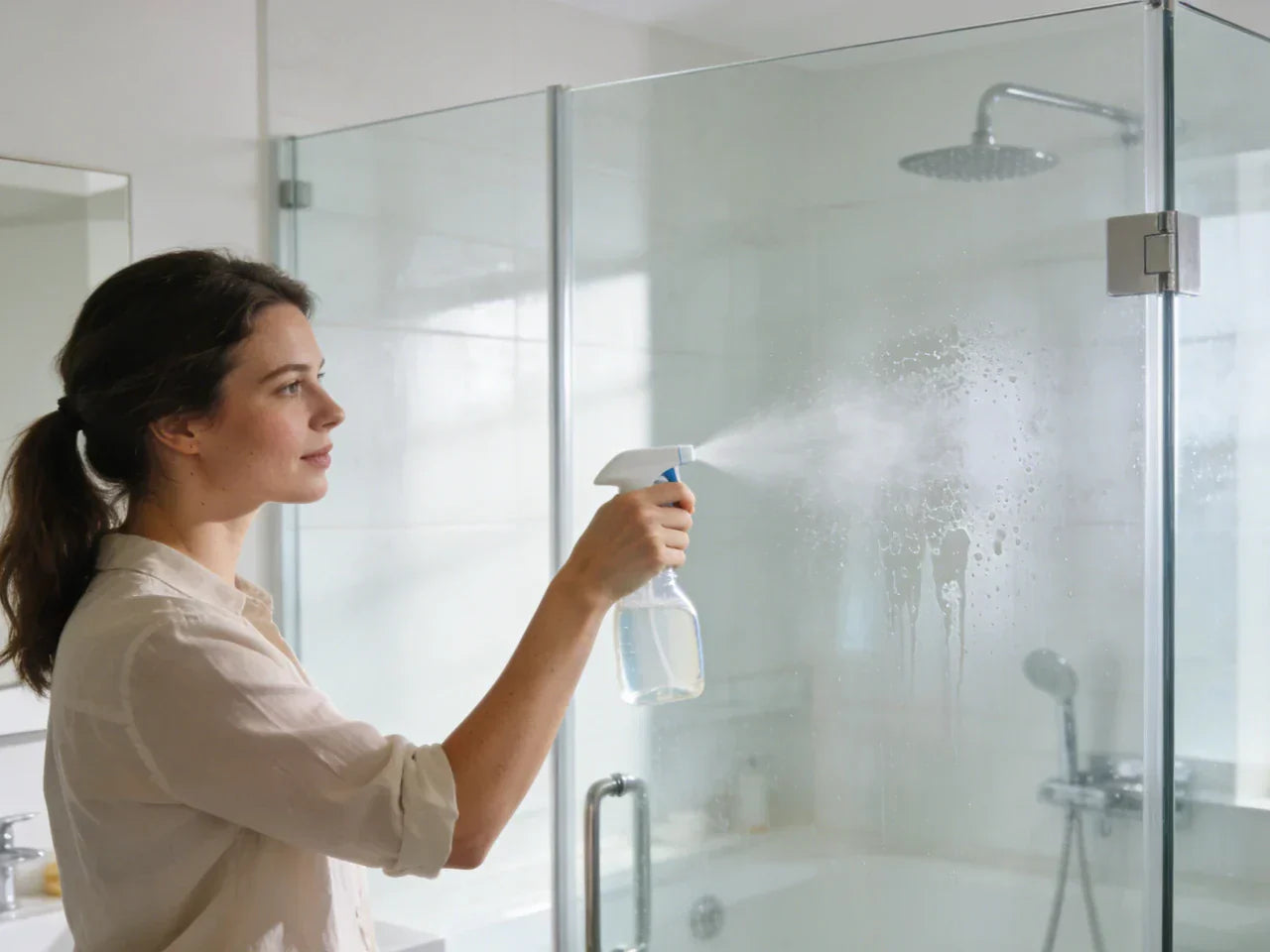
Use a squeegee to remove water from the tub walls, tile, and glass. If you don’t have one, a towel works.
-
Wipe the tub rim and the corners where water sits.
-
Hang towels and mats so they dry fully.
-
Keep the shower curtain spread out, not bunched up.
-
Run the fan during the shower and for 20–30 minutes after. If condensation remains, keep it running longer.
It sounds small, but it’s often the difference between a bathroom that stays clean and one that keeps growing mold.
Weekly maintenance (keeps mold from taking hold)
Once a week, do a quick scrub of the tub, corners, and visible grout lines. This removes the “food” mold likes. As you clean, look closely at caulk edges. If you see gaps, lifting, or cracks, plan on repair before water gets behind the wall.
Monthly/seasonal prevention (controls humidity + airflow)
At least once a month, check your bathroom humidity and airflow. A small hygrometer can tell you if you’re often above 60% RH. If you are, your bathroom is susceptible to mold growth even if you clean often.
Also check the exhaust fan. If it’s dusty, clean the grille. A simple test is to hold a tissue near the fan while it’s running; it should pull the tissue toward it. If it barely moves air, you may need maintenance or replacement.
DIY vs Professional Help (Decision Framework + Time Benchmarks)
It’s normal to want to handle this yourself. Most small areas of surface mold in the bathroom can be managed safely with good ventilation and basic protection. The hard part is knowing when DIY stops being smart.
A simple way to decide
If the mold is on a hard, non-porous surface (like the tub or glazed tile), the area is small, and you don’t see water damage, DIY cleaning is usually reasonable.
If the mold is mainly in caulk and returns quickly, DIY may still work—but only if you’re willing to remove and replace the caulk and you fix the moisture problem that caused it.
If you see soft drywall, recurring musty odor, ceiling staining below an upstairs bathroom, or you suspect mold behind the tub surround, it’s time to hire a professional. Hidden moisture problems can keep feeding mold, and cleaning the surface won’t reach what’s inside.
Time estimates (typical)
These vary by bathroom size and how stubborn the mold is, but these are common ranges:
-
Light clean and dry: about 20–40 minutes
-
Disinfecting method with dwell time plus scrubbing: about 45–90 minutes
-
Re-caulking: about 1–2 hours, plus cure time (often 24 hours or more) before you use the tub
What about cost?
DIY supplies are usually low cost, especially if you already have basic cleaning products and tools. Professional mold remediation can vary widely by region and by how far the moisture damage spreads. Costs rise quickly if walls, flooring, or tile need to be opened and repaired. If you’re unsure, a professional inspection can at least confirm whether you’re dealing with surface mold or a deeper moisture issue.
Renters: How to Report Bathtub Mold (Without Making It Worse)
If you rent, you may feel stuck. You want the mold gone, but you may not be allowed to re-caulk, regrout, or repair ventilation.
Start by documenting the problem. Take clear photos in good light, and include a wider shot that shows the location (tub seam, grout line, ceiling, or wall). Then send a dated written note to the landlord or property manager describing what you see, whether it’s spreading, and whether you suspect a leak or fan problem.
In many rentals, it’s reasonable for a tenant to do basic surface cleaning and drying. But repairs like fixing leaks, replacing a broken exhaust fan, repairing damaged grout, and correcting water intrusion behind walls usually require maintenance. If you notice the mold returning fast after cleaning, mention that in writing, because it points to an underlying moisture source.
This is general information, not legal advice. If you feel your health is being affected, consider asking a local tenant support organization what steps make sense where you live.
Conclusion
Bathtub mold is common—some surveys suggest only about 13% of bathrooms are mold-free, and black mold appears in about 1 in 6. Still, most cases are manageable with the right approach.
In practice, four actions solve most bathroom mold problems: clean correctly (and give the cleaner time to work), dry thoroughly, keep humidity ideally 30–50% and below 60%, and fix ventilation or leaks within 24–48 hours. If you build a simple after-shower routine and keep an eye on caulk and grout, you can stop mold from growing back and keep the tub easy to clean.
FAQs
1. Is bathtub mold harmful?
Yes, bathtub mold can be harmful, especially black mold in the bathroom. Exposure to mold in your bathroom can trigger allergy symptoms, asthma flares, and irritate your eyes, nose, and throat. Even small patches left unchecked can release spores into the air, which may accumulate and lead to health problems over time. People with sensitivities are particularly at risk. Regular bathroom maintenance, keeping surfaces dry, and using antifungal cleaners or baking soda for light spots can help prevent mold from growing. Address mold promptly to avoid repeated exposure and reduce health risks.
2. How do you get rid of black mold in the bathtub?
To remove black mold effectively, start by cleaning the area to remove soap scum and grime where mold thrives. Use a safe cleaning solution like white vinegar, hydrogen peroxide, or carefully use bleach on non-porous surfaces. For stubborn spots, baking soda can help scrub and deodorize. Keep the surface wet for 10–15 minutes to let the antifungal cleaner work, then scrub corners where mold likes to hide, rinse thoroughly, and dry completely. Repeat if needed. Persistent mold in caulk or grout may require re-caulking or professional help to fully eliminate mold and prevent black mold to grow back.
3. Why does my bathtub keep getting mold?
If mold in your bathtub keeps coming back, moisture in your bathroom is usually the culprit. Poor ventilation, steam trapped in corners, or leaks behind caulk and tiles create prime breeding grounds for black mold to grow. Pooled water, failing grout, or wet shower curtains can make areas even more vulnerable. Even frequent cleaning won’t stop it if the underlying moisture isn’t addressed. Install an exhaust fan, control humidity, and dry surfaces after showers to prevent moisture and mold. Regular bathroom maintenance and quick attention to leaks can stop mold from your bathroom from becoming a recurring problem.
4. What does mold in a bathtub look like?
Mold in your bathtub can appear as black, green, or dark brown specks along caulk lines, around the drain, or in corners—prime breeding grounds for black mold. It may look fuzzy, smudgy, or like tiny pepper dots, and sometimes a slimy film develops over time. Early on, you might mistake it for mildew, which is lighter in color, but signs of black mold should never be ignored. Pink or orange spots are usually bacteria, not mold. Learning how to remove these areas and prevent mold from growing keeps surfaces safe and reduces moisture in your bathroom that supports mold growth.
5. When should you call a professional for mold in a bathtub?
Call a professional if the moldy area is larger than about 10 square feet, keeps returning despite cleaning, or you suspect hidden mold behind walls, tiles, or the tub. Professionals can safely remove black mold in the bathroom, inspect hidden areas, and address mold at its source, such as moisture leaks or failing caulk. Persistent growth, musty odors, or swelling walls are signs of black mold and indicate that DIY cleaning may not be enough. Acting early can prevent health risks and more extensive damage. Proper bathroom maintenance and addressing mold promptly is key.
6. How to prevent mold in bathtubs?
Preventing mold in your bathtub is mostly about controlling moisture. Wipe down the tub and tiles after every shower, use a squeegee, leave the shower curtain open, and install an exhaust fan if possible. Check for leaks, maintain grout and caulk, and avoid leaving damp mats or towels on the floor. Small steps like these break the wet-dry cycle that leads to mold growth. Using antifungal cleaners, baking soda for light spots, and consistent cleaning helps prevent bathroom mold and eliminate mold before it spreads. Good bathroom maintenance keeps mold from growing and reduces health risks.
7. What is the difference between mold and mildew in a bathtub?
Mold and mildew are both fungi, but mold in your bathtub is darker—black, green, or brown—and penetrates deeper into surfaces, while mildew is lighter—white, gray, or yellow—and grows mostly on the surface. Mildew is often cosmetic and easier to clean, but mold can damage grout, caulk, and other materials, and lead to health problems. Both thrive in damp areas, so moisture and mold control is essential. Regular cleaning, antifungal cleaners, and drying surfaces after showers can prevent mold from your bathroom from spreading and stop mildew from taking hold.
8. What are the different types of mold in bathtubs?
Bathtubs can host several types of mold, though black mold is the most notorious. Common varieties include Cladosporium, Penicillium, Aspergillus, and Stachybotrys, which can appear as green, black, or brown patches on grout, caulk, or behind the tub. Stachybotrys, sometimes called toxic black mold, thrives in damp, poorly ventilated areas. Identifying the type isn’t always necessary for small DIY cleaning, but signs of black mold or persistent growth may require professional assessment. Using baking soda or an antifungal cleaner, proper bathroom maintenance, and removing moisture in your bathroom are key to prevent mold from growing.
References



Leave a comment
This site is protected by hCaptcha and the hCaptcha Privacy Policy and Terms of Service apply.