
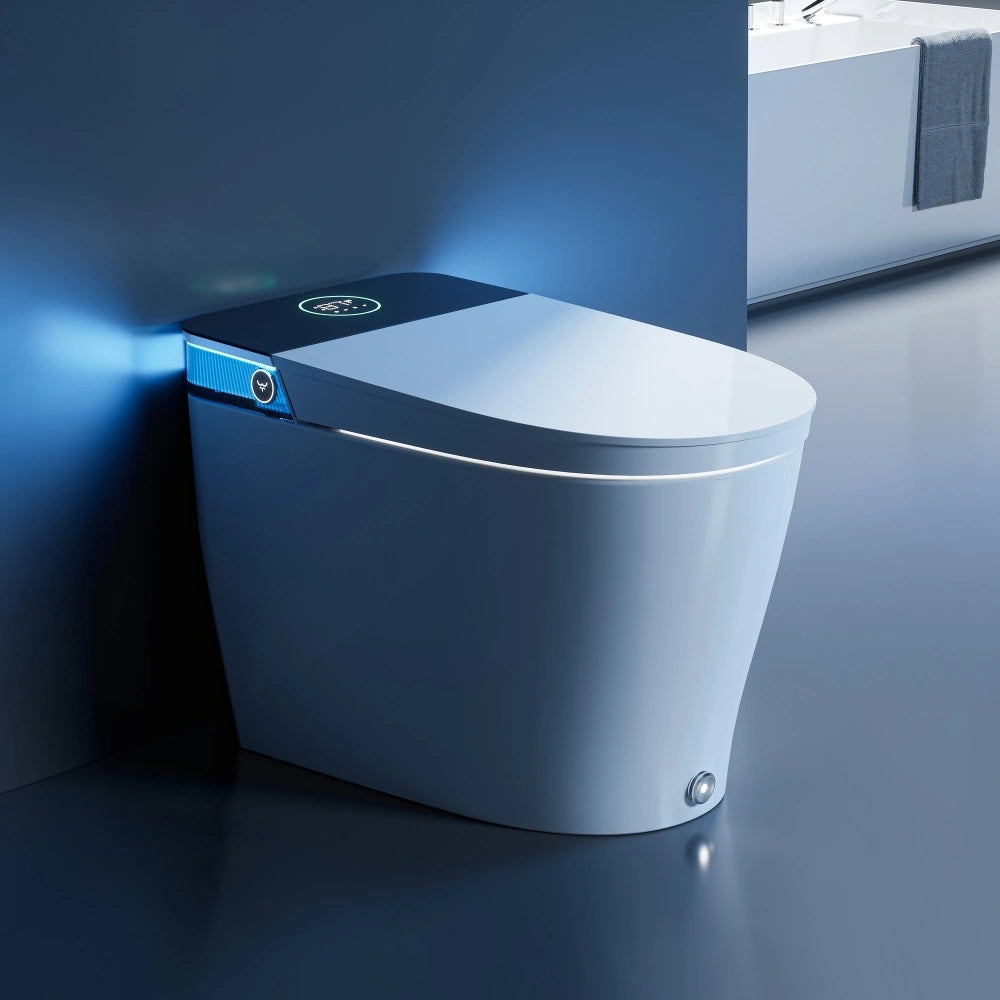
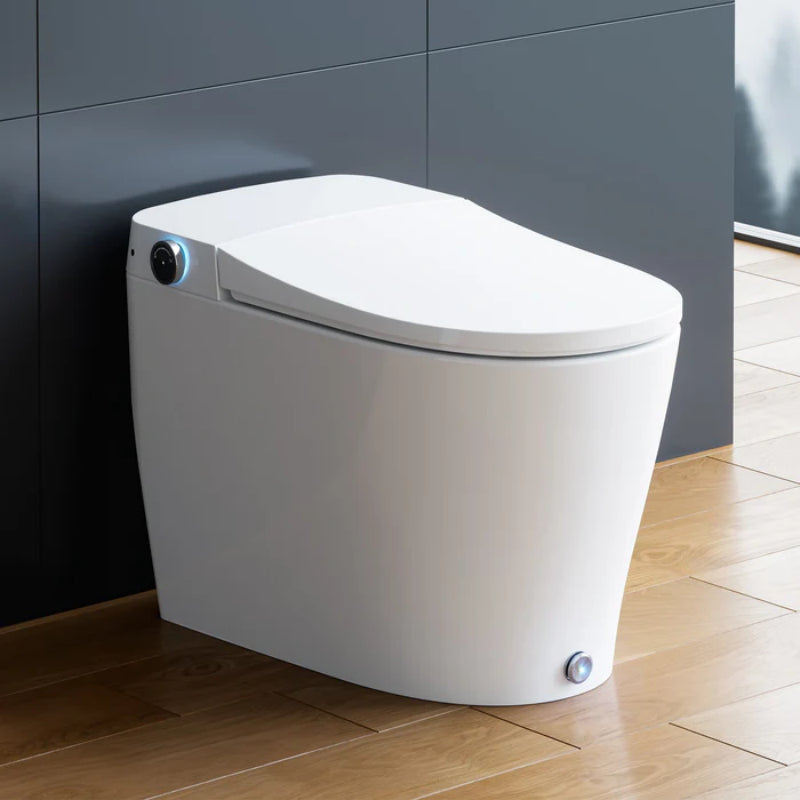

Buying a toilet sounds simple until you live with the wrong height every day. An ADA height one-piece toilet is usually picked for one reason: it’s easier to sit down and stand up. The catch is that the same “chair height” that feels great for some people can feel awkward (or unsafe) for others—especially kids and shorter adults. Add the one-piece design (heavier, sleeker, often skirted), and your best choice depends on your bathroom, your body, and who else uses the room. This guide is written to help you make a confident first decision—without getting lost in spec sheets.
Decision Snapshot: ada height one-piece toilet vs the rest
Here’s the rule of thumb that works in real homes:
Choose an ADA-compliant height one-piece (17–19 inch seat height) if…
-
Standing up is the priority: seniors, knee/back pain, hip issues, or mobility challenges
-
You want easy cleaning (many one-piece toilets have fewer seams and crevices)
-
You like a sleek, compact look and are okay with a heavier install
Choose a standard height (14–16 inch) two-piece if…
-
Kids or petite users need feet-flat stability and independent use
-
You want the easiest repairs and lowest replacement cost
-
You’re in an older home and want a more forgiving install
Choose an ADA height two-piece if…
-
You want the taller chair height feel, but with easier handling and parts access
-
You might need to service the tank components often (hard water areas, older fill valves)
Choose a chair-height one piece bidet if…
-
Hygiene and convenience matter most (warm water, drying, hands-free features)
-
You have a nearby outlet (or are willing to add one)
-
You accept higher cost and more things that can need service
“Choose this / choose that” chart
| If your top concern is… | Best match | Why it usually wins |
| Easier sit/stand (17–19 inches) + easy cleaning | ADA height one-piece toilet | Tall seat height + fewer seams to scrub |
| Kids’ stability + low cost | Standard height two-piece | Feet reach the floor more easily; simple parts |
| Tall height + easiest service | ADA height two-piece | Lighter to set; tank parts are easy to reach |
| Hygiene tech + accessibility | Chair-height one piece bidet | Comfort height + wash/dry, but more complex |
If you’re unsure, decide this first: Who is the “priority user” for this bathroom over the next 5–10 years? That answer usually makes the choice obvious.

Who should buy it—and who will regret it in real homes
Before we look at specific home setups, it’s worth clarifying what this type of toilet is designed for. A comfort height one piece commode—often marketed as ADA compliant—is built to provide easier standing and sitting, especially for seniors and those with disabilities. That added functionality can be a smart long-term investment in the right bathroom—but in the wrong one, it can create daily friction.
Family bathrooms with kids
This is the most common regret pattern.
A comfort height toilet can be the wrong choice in a kids’ bathroom because:
-
their feet dangle, so they feel unstable
-
they twist to balance, which increases mess
-
they need a stool, and the stool becomes a tripping hazard
If you have toddlers through early grade school, a standard height toilet often supports independence better. You can still add accessibility later with a seat riser or other options if needed.
Default recommendation: In kid-heavy bathrooms, choose standard height as the baseline unless every primary user is adult-height.
Is it a bad idea if you’re under ~5'4"?
Not always, but it’s a higher risk choice.
If you’re shorter and considering an ADA height one-piece toilet, use this pass/fail checklist:
-
Feet rest flat on the floor when seated (Pass / Fail)
-
No noticeable pressure under the thighs (Pass / Fail)
-
You don’t feel “perched” or unstable (Pass / Fail)
A simple test: sit on a chair that’s about 18–19 inches tall.
-
If most answers above are Fail, the height is likely too tall.
-
If most answers are Pass, comfort height may work for you.
Choose standard height if your feet don’t sit flat and you feel perched during the chair test.
Shared bathrooms with mixed heights
A single ergonomic height toilet seat doesn’t satisfy everyone.
In a shared bath, you’re balancing:
-
taller adults who want a chair-height seat
-
shorter adults who want feet-flat stability
-
kids who want independence
In these homes, many people do best with:
-
standard height in the kids’/hall bath
-
ADA height in the primary bath
It’s not about rules—it’s about daily comfort and fewer complaints.
Aging-in-place needs
If you’re planning to stay in your home long-term, toilet height becomes a daily comfort issue—often sooner than people expect.
A 17 inch high toilet bowl (measured to the rim) can feel meaningfully easier than a 15-inch standard bowl. And an ADA-compliant height is measured to the top of the seat, typically landing in the 17–19 inch range.
What I’ve seen in practice: homeowners often start shopping after a knee flare-up, a back injury, or a surgery. They rarely regret going taller in a primary bath when:
-
standing up from low seats is painful
-
balance is not as steady as it used to be
-
a spouse or parent visits and needs better accessibility
A senior friendly white toilet is not about looks—it’s about reducing strain on the knees and back, day after day.
When 17 inches is enough vs 19 inches
-
If you’re average height, 17–18 inches to the top of the seat usually hits the “normal chair” feel.
-
If you’re tall (or have limited knee flexion), 19 inches can feel even easier to stand from.
-
If you’re shorter, 19 inches can feel like you’re “perching,” especially during longer use.
The trade-offs that actually separate these choices
A comfort height one piece commode might look more advanced and efficient on paper, often using modern siphon or jet technology to meet current water-saving standards and stay compliant with regulations. But real-world performance isn’t just about specs. It’s about who uses the commode—including seniors—how it fits your plumbing, and whether the design choices (from minimal seams to dual flush systems) actually make daily use easier rather than just more modern.
Height vs posture
The main benefit of ADA height is obvious: easier sit/stand. The hidden cost is posture.
For taller users, ADA height often feels neutral and natural. For shorter users, the same height can change how the pelvis tilts, which can feel uncomfortable during longer use. If constipation is already an issue in your household, be careful: some people find a slightly lower seat helps a more natural position. (This is personal, but it’s real.)
Wins when: the primary users are taller, have knee/back strain, or want easier standing with less effort.
Regret when: shorter users can’t place their feet flat and feel perched or uncomfortable during longer use.
Key point: ADA height improves accessibility, but it doesn’t guarantee “more comfortable” for every body.
One-piece design vs two-piece practicality
A one-piece toilet combines tank and bowl into one unit, which usually means fewer seams to clean, a smoother look, and often a more modern, compact design.
But in real installs, one-piece toilets can be harder because they’re heavy and awkward to lift, bolt alignment can be trickier (you’re controlling the whole unit at once), and if you ever have to pull it, it’s more work.
Two-piece toilets are less sleek, but they’re often easier to carry into tight bathrooms, easier to set on an old flange, and simpler to service over time.
Wins when: you value a seamless look and easier exterior cleaning more than installation convenience.
Regret when: you’re installing solo, working in a tight space, or want simpler long-term servicing.
Skirted trapway: clean look vs access
Many one-piece models have a skirted base that hides the trapway. That’s great for weekly cleaning because fewer curves and crevices collect dust and hair, and it’s easier to wipe around the base.
The trade-off is access: some skirted designs reduce access to mounting bolts, and snaking or servicing can be more annoying depending on the base shape.
This doesn’t mean skirted is bad—just understand that “easier to clean” doesn’t always mean “easier to service.”
Wins when: you prioritize fast, simple exterior cleaning and a streamlined appearance.
Regret when: you anticipate plumbing service, DIY repairs, or want straightforward bolt and drain access.
Dual flush water savings vs consistency
A dual flush toilet typically offers a reduced flush for liquid waste and a stronger flush for solids. It can save water, but homeowners sometimes report using the full flush every time anyway, inconsistent performance on older plumbing, or needing a second flush if the reduced option is used by habit.
A water-efficient toilet can still flush well, but performance depends more on trapway design, bowl rinse pattern (jet/siphon), your drain line condition and venting, and what your household puts down the toilet (especially paper volume).
Does height affect the flushing power? Not directly. Height is mostly about bowl geometry and seat position. Flush performance comes from the flush system, trapway size, and how well the toilet matches your plumbing.
Wins when: your household consistently uses the light flush appropriately and your plumbing is in good condition.
Regret when: everyone defaults to the full flush or your drain line requires maximum force for reliable clearing.
Cost and value: where the money goes
Not all ADA models are positioned the same in the market—even among horow ada compliant toilets, pricing can reflect design choices, manufacturing complexity, and added features rather than height alone. Some options focus on minimal styling and core function, while others bundle in upgraded seats, skirted bases, or more advanced flushing systems. Understanding where the money actually goes makes the price ladder easier to interpret—and helps you decide whether the premium is about real usability or just presentation.
Price ladder
Realistic price ranges (toilets only, not labor):
-
Standard height two-piece: often the lowest cost
-
ADA height two-piece: moderate step up
-
ADA height one-piece: usually a premium
-
Chair height one piece bidet: biggest jump (plus possible electrical work)
Labor can change the math. If you’re paying a plumber, the “cheaper toilet” isn’t always cheaper if the install is harder or requires return trips.
What you’re paying for in an ADA one-piece
When an ADA one-piece costs more, it’s usually because of:
-
one-piece manufacturing (more material, more complex molding)
-
skirted base designs
-
compact footprint engineering (shorter tank projection while keeping performance)
-
upgraded seats (soft-close, quick-release)
But don’t assume the seat is always “good.” Seats are a common weak point.
When a budget ADA toilet is better value
If you just need:
-
ADA-compliant height
-
decent flush
-
a clean, simple design
…then you don’t always need to pay for premium styling. Value models can work well, especially in:
-
guest baths
-
rentals
-
secondary bathrooms
The key is to focus on fit and usability: correct rough-in, correct height, and a flush system that matches your home.
Is paying more for ADA compliance worth it?
If nobody in the home needs accessibility today, it depends on your timeline.
Paying for ADA height can still be worth it when:
-
you plan to age in place
-
the bathroom will serve guests
-
anyone has recurring knee/back strain
But if this is a kids’ bath, or you may sell soon to a family with small children, standard height can be the safer choice.
Fit, space, and daily-usage realities
Specifications on a product page rarely tell you how a toilet will actually feel once it’s installed. Height numbers, bowl shape, and “compact” claims only matter in relation to your layout and daily habits. Before comparing 17 inches vs 19 inches or round vs elongated, step back and think about how the toilet interacts with your door swing, vanity spacing, and the way you sit and stand every day. That practical context is what turns measurements into real-world comfort—or regret.
17 inches vs 19 inches
ADA height typically lands in the 17–19 inch range to the top of the seat. The problem is listings often mix:
-
bowl height (rim only)
-
seat height (rim + seat)
If you want a true ADA-compliant height, you care about seat height, not just the bowl.
What I’d do at home:
Measure from the floor to the top of your current toilet seat. Then decide how many inches you actually want to add. Many people don’t need the maximum height—they just need “a bit taller than standard.”
If you’re average height or slightly shorter and just want easier standing, target 17–18 inches; if you’re tall or have limited knee flexion and want maximum stand-up ease, target 19 inches.
Small bathroom layouts
An ADA height one-piece toilet can be “compact yet ample” in feel, but you still must check projection (how far the bowl sticks out) and clearances.
Do not buy if:
-
the bathroom door will contact or nearly contact the front of the bowl when opened
-
you cannot maintain comfortable knee room between the bowl and the vanity
-
the space in front of the toilet feels cramped enough that standing up requires twisting or sidestepping
A one-piece design sometimes helps because the tank can be shaped to save space, but you must verify the measurements.

Round vs elongated bowl
This choice affects comfort and space more than most people expect.
Elongated bowl: more room, often more comfortable, easier “aim,” popular for adults.
Round bowl: saves a couple inches of front projection, helps in very tight bathrooms.
Forced-choice rule:
If maintaining comfortable knee room or clear door swing is even slightly tight, choose round. If you have comfortable front clearance and no door or vanity conflicts, choose elongated.
Clearance planning to avoid “too big” regret
Before buying, picture the layout from a top-down view and think through three measurements that matter more than the product spec sheet.
First, confirm the rough-in distance (usually 12 inches) from the finished back wall to the center of the floor drain. This determines where the toilet will sit front-to-back.
Then check the following:
A) Front projection: Measure from the back wall to the very front edge of the bowl. This tells you how far the toilet will extend into the room.
B) Knee room: Measure from the front of the bowl to the door, vanity, shower, or any fixture in front of it. This is what determines daily comfort.
C) Side space: Measure from the toilet centerline to the nearest wall or fixture to ensure adequate shoulder and elbow room.
A toilet can technically “fit” by rough-in standards and still feel cramped if knee clearance and side space are tight. Always plan for comfortable movement, not just technical compatibility.
Installation and compatibility in older homes
Design decisions don’t stop at comfort and appearance—they directly affect how smoothly installation goes, especially in older homes. A toilet that looks perfect on paper can become frustrating if rough-in measurements are tight, the shutoff sits in an awkward spot, or the floor isn’t perfectly level.
Rough-in and shutoff constraints
Before buying, confirm:
-
your rough-in (most commonly 12 inches, measured from the finished wall to the center of the closet bolts)
-
shutoff valve location (some skirted designs interfere with hand access)
-
supply line length and angle
Even a compact one-piece toilet won’t work if the tank shape clashes with the shutoff or the supply line routing.
One-piece weight and handling
One-piece toilets are often heavy and awkward, especially for:
-
stairs
-
narrow hallways
-
tiny bathrooms where you can’t stand close to the flange
If your installer is solo, ask upfront if they charge extra for one-piece handling. If you’re DIY-ing, plan on two people.

Old flange and uneven tile risk
Older bathrooms often have:
-
flanges set too low or too high
-
cracked flange rings
-
uneven tile or layered flooring
A two-piece toilet is often more forgiving because you can set the bowl first and adjust more easily. One-piece bases can “rock” if the floor is uneven, which can lead to leaks over time if not shimmed and sealed correctly.
If your floor is questionable, plan to:
-
inspect the flange
-
have shims ready
-
avoid overtightening bolts (porcelain can crack)
Choose two-piece instead if your flange height is inconsistent, the tile is visibly uneven, or the existing floor has multiple layers that increase the risk of rocking.
Repairs behind the bowl
Think beyond install day.
If you later need to:
-
replace a shutoff valve
-
repair flooring
-
service a flange leak
…pulling a one-piece toilet is typically more work than pulling a two-piece. It’s doable, but it’s heavier and more awkward.
Maintenance, annoyance risks, and long-term ownership
What feels right on install day isn’t always what feels right two years later. Beyond height and style, long-term ownership comes down to small annoyances that add up—loose seats, cleaning friction, occasional clogs, and how easy the toilet is to service when something eventually wears out. Before diving into specific risks, it helps to shift your thinking from “Will this work?” to “Will this still feel low-hassle after daily use?”
Seat and lid durability
Seats matter more than people expect because you touch them every day.
Common long-term complaints include:
-
wobble developing over time
-
soft-close hinges loosening
-
finish scratching
Is the seat included in the 17-inch height?
Often yes, but the key is measurement: ADA height is to the top of the seat, so the seat thickness matters. Some toilets hit ADA height only with the included seat. If you later replace it with a thinner seat, you may drop below your target height.
If you care about ADA compliance for accessibility, plan to:
-
confirm the seat is included
-
confirm the listed height is to the top of the seat
-
buy replacement seats with similar thickness and mounting style
Non-negotiables: confirm the seat is included, confirm the published height is measured to the top of the seat, and confirm any replacement seat matches the original thickness and mounting style.
Cleaning reality
A skirted one-piece toilet is usually easier for weekly cleaning:
-
fewer seams around the tank-to-bowl area
-
smoother sides
-
less dust catch around the base
But not everything is easier:
-
reaching hidden bolt caps can be annoying
-
some skirt shapes make it harder to clean tight corners near the floor
-
hard water staining still happens, especially under the rim and at water lines
If easy cleaning is a top priority, pay attention to rim design and wipe access, not just “one-piece” marketing terms.

Clog and “double flush” annoyances
No toilet is clog-proof, but you can reduce frustration by matching the flush system to your household.
Things that increase “double flush” complaints:
-
low flush volume used out of habit (dual flush)
-
older drain lines with buildup
-
heavy paper use
-
certain bowl shapes with smaller water spots
A strong flush is not just about water use (GPF). A well-designed siphon/jet system can move waste efficiently at lower volumes, but plumbing condition still matters.
If your current toilet clogs often, don’t assume a new ADA one-piece fixes it. You may need:
-
drain cleaning
-
vent inspection
-
better paper habits (or less paper)
If your current toilet clogs frequently and your drain lines are older or slow, address plumbing first; if your plumbing is confirmed clear and properly vented, proceed with toilet selection.
Which is easier long term?
For a high-traffic bathroom:
-
Standard height two-piece is often easiest to service and keep running cheaply.
-
ADA height one-piece is often easiest to keep looking clean, but can be harder to pull and service.
So your “best” choice depends on what you value:
-
lowest lifetime hassle for repairs → two-piece
-
easiest day-to-day wipe-down and accessibility → ADA height one-piece
Before You Buy checklist
-
Confirm your bathroom rough-in (often 12") before comparing models.
-
Check front projection and door/vanity clearance with a tape measure to ensure the new toilet fits the space.
-
Verify shutoff valve access with skirted bases and confirm your supply line position.
-
Measure your current seat height (floor to top of seat) and decide your target: 17, 18, or 19 inches.
-
Confirm the listed height is to the top of the seat, not rim-only.
-
Decide elongated bowl vs round based on walkway space and comfort.
-
Plan for installation: one-piece often needs two-person handling.
-
If choosing dual flush, consider your plumbing age and whether users will actually use the right button/lever.
Final step: Make a clear go/no-go decision — if rough-in, clearance, height needs, and install handling all align, proceed with an ADA height one-piece; if any of these create friction, choose a two-piece or standard-height alternative instead.
FAQs
1. What is the standard height for an ADA toilet?
An ADA toilet is designed so the top of the seat sits between 17 and 19 inches from the finished floor. That measurement is to the top of the seat—not just the bowl rim—which is where many people get confused. By comparison, standard residential toilets are usually about 14 to 16 inches to the rim, and the final seat height depends on how thick the seat is. In practical terms, ADA height feels a few inches taller and makes sitting down and standing up easier for many adults, especially those with knee or back strain. Always double-check whether the listed height includes the seat.
2. Why choose a one-piece over a two-piece ADA?
A one-piece ADA toilet combines the tank and bowl into a single unit, which means fewer seams, a cleaner silhouette, and usually easier exterior wipe-downs. Many people choose it for the sleeker, more modern look. However, two-piece models are often easier to carry, position, and service over time. If you’re installing in a tight space or thinking about long-term repairs, a two-piece can be more forgiving. So the decision usually comes down to priorities: streamlined design and simpler cleaning versus easier handling and potentially lower upfront cost.
3. Is a comfort height toilet better for tall people?
In many cases, yes. Comfort height (ADA height) toilets reduce how far you have to bend your knees, which can feel more natural if you’re tall. Standing up requires less effort, and the sitting position often feels closer to a standard chair. That said, going too tall—closer to 19 inches—can feel awkward for shorter household members, especially if their feet don’t rest flat on the floor. If multiple people share the bathroom, it’s smart to balance everyone’s needs rather than automatically choosing the tallest option available.
4. Does HOROW offer ADA heights in all models?
Not every model from HOROW is ADA height, so it’s important to check individual specifications. Many brands, including HOROW, offer a mix of standard and ADA-compliant options across different designs, such as one-piece, two-piece, and compact models. ADA compliance depends on meeting the required 17–19 inch seat height and other accessibility considerations. The safest approach is to look at the listed seat height measurement and confirm it meets ADA guidelines rather than assuming all models in a lineup share the same dimensions.
5. Is the seat included in the 17-inch height?
Often it is—but not always. ADA height is measured to the top of the seat, so whether the seat is included makes a real difference. Some toilets reach 17 inches only when paired with the manufacturer’s included seat. If you later swap it out for a thinner seat, the overall height may drop below your target. That’s why it’s important to confirm three things: whether a seat is included, whether the published height is measured with that seat installed, and whether replacement seats will maintain a similar thickness.
6. Does height affect the flushing power?
Not directly. Toilet height is about comfort and ergonomics, not flushing strength. Performance depends much more on the flush system design, trapway size, bowl rinse pattern (such as siphon or jet-assisted systems), and the condition of your home’s plumbing. A taller toilet doesn’t automatically flush better, and a shorter one doesn’t mean weaker performance. If clogs or double flushes are a concern, focus on flush technology and drain line health rather than seat height. Height changes how it feels to use; the internal engineering determines how well it clears waste.
References



Leave a comment
This site is protected by hCaptcha and the hCaptcha Privacy Policy and Terms of Service apply.