
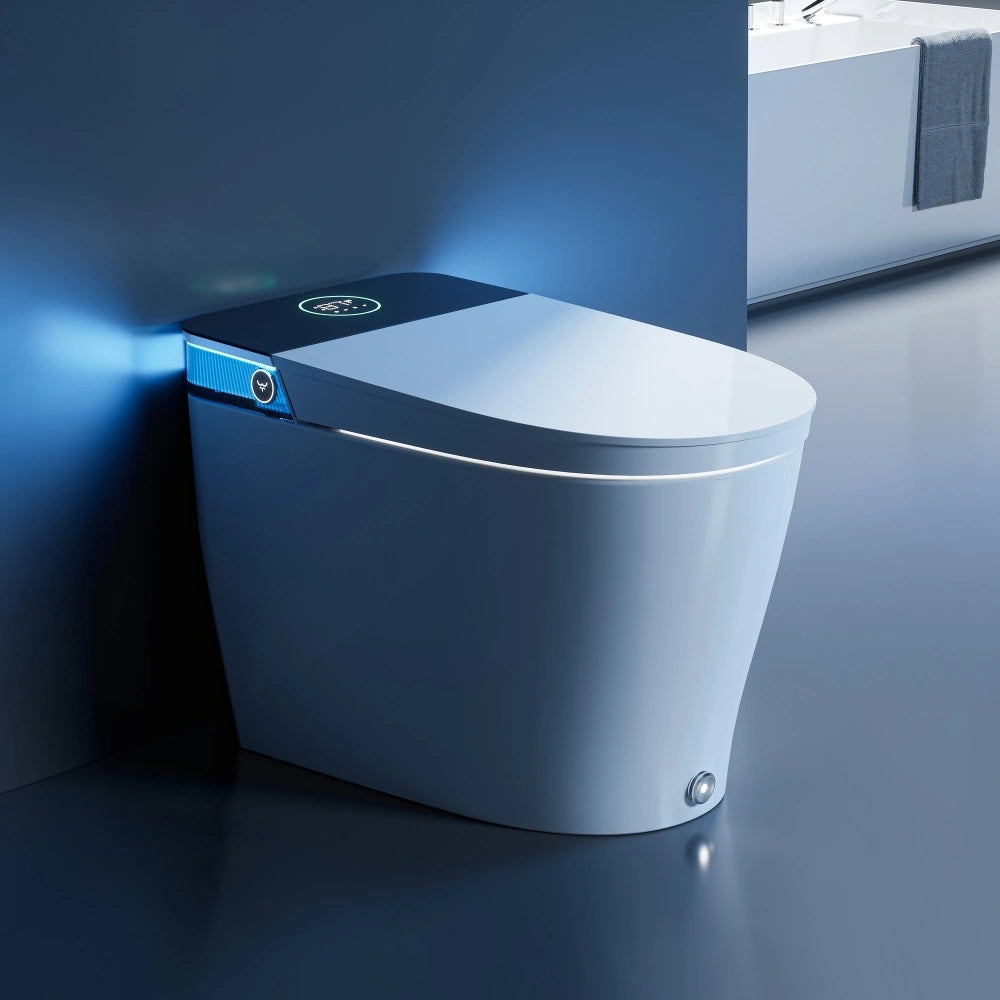
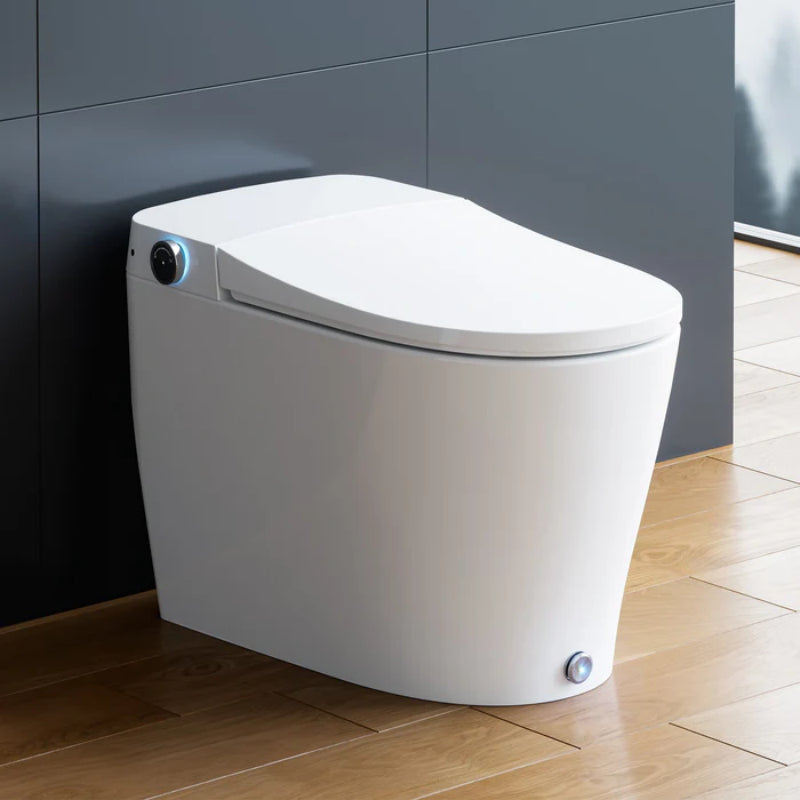

An ADA compliant smart toilet can make daily bathroom use safer, cleaner, and more independent—especially for elderly users, people with mobility issues, or anyone recovering from surgery. By combining comfort height, bidet, and automatic features, it aims to reduce strain during sitting, standing, and cleaning.
That said, “smart” also means trade-offs. These smart toilets often require power, careful plumbing, and a layout that supports accessibility. More features can improve the user experience—but only if they fit your home, your bathroom space, and your daily habits.
This guide helps you decide whether an accessible smart toilet is a smart upgrade for your daily life—and which option is most likely to work without regrets.
Is an ADA Smart Toilet the Best Choice for Your Bathroom?
An ADA smart toilet is a good fit when comfort height, easier hygiene, and low-effort features will clearly improve daily bathroom use—and your bathroom layout can support them.
Quick Answer: When an ADA Smart Toilet Is the Right Choice
Choose an ADA-compliant smart toilet if you truly need a comfort height bidet, want easier hygiene, and will use features that reduce physical effort—such as auto-flush, warm water washing, warm air drying, and easy-to-use controls.
Delay or skip the upgrade if your bathroom can’t support it yet: no nearby outlet, frequent power outages, or a very small space where a larger toilet body could interfere with grab bars, standing clearance, or mobility aids.
Best-Fit Homes: Where an ADA Smart Toilet Has the Biggest Daily Impact
These are the situations where an accessible, senior-friendly toilet usually makes the biggest difference in daily life:
-
People with mobility issues (walker, wheelchair, balance problems):
A comfort height seat combined with stable seating reduces effort when sitting and standing, helping users move more independently and with less strain.
-
Elderly or senior-friendly bathroom upgrades:
Less bending, less twisting, and reduced wiping make daily bathroom use easier, safer, and more efficient, especially for users already suffering from joint stiffness or balance concerns.
-
Post-surgery recovery (hip, knee, back):
A bidet + drying function supports independence during limited range of motion and helps ensure hygiene without painful movements.
-
Caregiver-supported homes:
Improved hygiene and reduced caregiver strain—especially when wiping is painful or difficult—can significantly improve comfort and dignity in daily life.
Who Is This Smart Toilet For—and What Daily Bathroom Problem Are You Solving?
Most buyers don’t want a “luxury toilet.” They want fewer hard moments during the day—and a solution that works reliably in real homes, not just in the market brochures.

ADA Accessibility Goals: Safer Transfers with a 17–19″ Toilet Seat Height
The ADA comfort-height goal is about safer sitting and standing. A typical ADA toilet seat height is 17–19 inches from the finished floor to the top of the seat. That height often reduces the “drop” onto the seat and the effort to stand up.
Real-home note: In many bathrooms, the toilet is the hardest transfer in the house because it’s a tight space and people rush. A couple inches of extra height can reduce wobbling, especially at night.
What matters here is not only height, but also:
Seat shape and stability (wider, steady feel)
Bowl position relative to grab bars
Control location that you can reach without twisting
Hygiene and Independence: How a Smart Bidet Toilet Reduces Wiping Difficulty
For many people with disability, arthritis, or limited shoulder movement, wiping is the hard part—not flushing.
A smart toilet (or accessible smart toilet setup) helps when its features make hygiene easier and more dignified:
-
Bidet wash is easy to start
-
Adjustable water pressure and position
-
Warm air drying so you don’t need as much wiping
-
Simple “stop” control that’s easy to find
If your goal is “I want to reduce wiping because it’s difficult to use my hand/arm,” a bidet function is often the biggest daily improvement.
Shared Bathroom Reality: Smart Toilet Controls, Noise, and Ease of Use
In a shared bathroom, the best product on paper can become annoying fast—especially if users worry about using it incorrectly.
Common real-life friction points:
-
Auto-open lids that trigger with kids or pets walking by
-
Auto-flush that flushes early (or not at all) until settings are tuned
-
Fan/air dryer noise during nighttime
-
Guests feeling unsure about controls (and leaving water running or pressing the wrong button)
If the bathroom is shared, prioritize easy-to-understand controls and the ability to switch to a simple manual mode.
Key Trade-Offs: Accessibility vs Smart Toilet Features vs Reliability
Here’s what usually matters in real homes: the more features you add, the more you need to think about ease of use and what happens when something fails.
Comfort Height Bidet vs Bidet Seat: Which ADA Toilet Choice Fits Best?
You have two main paths:
Option A: ADA-compliant smart toilet (integrated)
-
Pros: cleaner look, fewer gaps, often better water routing, built-in features work together.
-
Cons: higher cost, heavier, more complex install/repairs, may be bulkier (space risk).
Option B: ADA toilet + bidet seat (add-on)
-
Pros: usually cheaper, easier to replace parts, you can keep a standard ADA toilet bowl.
-
Cons: some seats raise height slightly (good or bad), may shift sitting position forward, side controls can be hard to reach, and some setups feel less stable.
Decision tip I use:
If the user has significant mobility issues and needs predictable controls and stable seating, integrated units often feel more “solid.” If budget and serviceability are priority, an ADA toilet plus a bidet seat can be the safer first step.
Flush Options Compared: Auto-Flush vs Manual Toilet Controls for Easy Use
This is where many accessibility plans succeed or fail.
Manual lever: reliable, familiar, but can be hard with weak grip or limited reach.
Large-button flush: usually easier than a lever, but placement matters.
Auto-flush: helpful when you forget or can’t reach, but false triggers can frustrate users (especially in small bathrooms).
Foot sensor / kick control: great for hygiene and for people who can stand steadily and lift a foot safely. Not great for people with balance problems.
Remote control: useful for limited dexterity if the buttons are large and clear. But tiny remotes can be difficult, and remotes can get wet or misplaced.
Voice control: can help some users, but it’s not always reliable in a noisy home and may not be ideal for privacy.
If you’re buying for an elderly parent, the “smart” feature that helps most is often not voice—it’s big, simple, consistent buttons and a seat height that makes standing easier.
Is a smart toilet worth it if you already have an ADA toilet?
Sometimes yes, sometimes no.
It’s worth it when:
Wiping is difficult or painful, so the bidet + dryer adds independence.
Night trips are risky, so auto light + auto-open reduces fumbling.
Hygiene needs are high (caregiver support, skin breakdown risk).
It’s not worth it when:
The current ADA toilet already works well and the main issue is the room (no grab bars, cluttered path, slippery floor).
Power is unreliable and you need “always works” simplicity.
The user gets overwhelmed by new controls.
If your bathroom is missing basic safety upgrades, start there first. A smart toilet can help, but it won’t fix poor layout, low grab bars, or a doorway that blocks access.

What Does an ADA Smart Toilet Really Cost? Purchase, Install, and Long-Term Impact
This is where many regrets come from. People compare sticker price, then get surprised by electrical work, flange repair, or service costs.
Smart Toilet Price Bands: Affordable vs Luxury ADA Smart Toilets
Costs vary by region, bathroom condition, and how “smart” the unit is. Here’s a realistic range that matches what homeowners commonly run into.
| Price band | Typical purchase price | What you usually get | What you often don’t get |
|---|---|---|---|
| Entry smart/bidet setup (often ADA toilet + bidet seat) | $300–$1,200 | Wash + basic warm water, simple controls, comfort height depends on toilet | True integrated design, advanced drying, auto-open/auto-flush reliability |
| Mid-range ADA-compliant smart toilet | $1,200–$2,500 | Comfort height options, better dryer, deodorizer, more stable seat, better wash adjustability | The quietest fans, best sensors, longest warranties |
| Higher-end integrated smart toilets | $2,500–$6,000+ | More refined auto features, better drying, stronger deodorizing, sleeker tankless look | Lower maintenance (they still need care), easy DIY repairs |
Installation is often a separate cost:
Straight swap (existing outlet + good flange): often $250–$800
If plumbing or electrical changes are needed: $800–$2,500+
Hidden install costs: plumber time, flange work, angle stop relocation, electrical outlet
The most common “surprise” costs I see come from:
Closet flange issues (old, cracked, too high/low, or not level)
Angle stop (shutoff valve) location conflicts with the unit body
Supply line routing (especially with skirted designs)
GFCI outlet needed within reach of the cord (and positioned so the cord doesn’t cross a walkway)
Old bathrooms with nonstandard rough-in or previous DIY changes
Smart toilets can be less forgiving than standard toilets. A small misalignment can lead to:
slow leaks
rocking and instability
weak flush or poor drainage
What happens if my bathroom needs electrical or plumbing upgrades?
Plan for this before you buy the unit.
If there’s no outlet, you may need:
a new GFCI outlet
a dedicated circuit in some cases
careful placement so cords don’t create a trip hazard
If plumbing is outdated, you may need:
a new shutoff valve
a flange repair/replacement
drain adjustments if rough-in is not what you assumed
If you’re unsure, it’s often cheaper to pay a plumber (or plumber + electrician) for a short pre-check than to buy a unit and discover you can’t install it without major work.
Will This ADA Smart Toilet Fit Your Bathroom and Your Body? Space, Seat, and Controls
A toilet can be “ADA-compliant” in height but still be a poor choice if it blocks movement, limits transfers, or puts controls in the wrong place. True accessibility depends on how thorough the fit is between the toilet, the bathroom layout, and the user’s body.
ADA Bathroom Clearance Reality: Space Requirements and Daily Use Impact
Many homeowners learn this too late: the room matters as much as the toilet.
If wheelchair access is a real need, ADA guidelines commonly reference:
enough space to approach and transfer
clear floor space to maneuver (often described as a 60-inch turning diameter in design guidance)
grab bar placement that matches how the user transfers
Even if you’re not building to full public ADA specs, this is still a helpful mindset: don’t create bottlenecks.
Practical checks:
Can the user approach without turning sideways?
Can they reach grab bars without leaning too far?
Does the door swing into the transfer path?
Is there room for a caregiver if needed?
Rough-in and footprint checks: 12" rough-in, bowl projection, tankless vs tank units
Before you buy, take a thorough set of measurements. Smart toilets are far less forgiving than standard models.
-
Rough-in
Most homes have a 12-inch rough-in (distance from finished wall to the center of the floor drain). Some are 10" or 14". If you guess wrong, even the best-looking unit won’t fit—no matter how good its specs or appearance.
-
Bowl projection (how far it sticks out)
Smart toilets are often longer or bulkier. In a small bathroom, that can:
-
reduce knee space
-
interfere with doors
-
make turning harder
-
push the user forward so grab bars feel “too far back”
-
Tankless vs tank-style units
-
Tankless (integrated) units can save rear-wall space and offer a cleaner appearance, but often have a larger overall body.
-
Tank-style units feel familiar, but may crowd the rear wall and limit grab bar placement.

Will this work in a small bathroom without blocking grab bars or doors?
Sometimes yes—but measure first and be honest about daily movement.
In small baths, the biggest risks are:
the door hitting knees
the toilet body blocking side transfer space
controls ending up wedged against a vanity, so they’re hard to use
grab bars becoming “reachable” only by leaning (which increases fall risk)
If you rely on grab bars, keep your layout simple. A slightly less “smart” unit that fits well is often a highly better choice than a feature-heavy model that crowds the space.
Can Your Home Support a Smart Toilet? Water, Power, and Failure Impact
A smart toilet is part plumbing fixture, part appliance. Both sides have to work.
Water Requirements for Smart Toilets and Bidet Performance
Most smart toilets and bidet functions need stable water pressure to clean well.
Common real-home problems:
-
Low water pressure leads to weak wash or inconsistent flush.
-
Pressure spikes can stress valves over time.
-
Hard water causes mineral buildup that clogs nozzles and reduces performance.
If your home has hard water, plan on:
-
more frequent cleaning
-
possibly using filtration where recommended
-
occasional part replacement sooner than you’d like
Power Needs for a Smart Toilet Seat: Outlets, GFCI, and Safety
Smart toilets usually need an outlet for:
-
seat heating
-
water heating (instant or tank)
-
dryer fan
-
sensors and control panel
Key points:
-
You want a GFCI-protected outlet in the bathroom.
-
Avoid extension cords if you can. They’re a trip hazard and not ideal in wet locations.
Think about cord path: don’t route it where a walker, wheelchair, or feet can catch it.
If the unit has a remote, treat it like a bathroom device:
-
it will get splashed
-
it will get dropped
-
it will get wiped with cleaners that can damage buttons over time
Power Outages and Smart Toilets: Can the Toilet Still Flush?
This is a must-ask question before you buy it.
In many models:
Bidet wash, drying, heated seat, and sensors stop working without power.
Some units still allow a manual flush (often via a hidden button or mechanical backup).
Some may need power to flush normally.
If you live where outages are common, prioritize:
-
a clear manual flush backup
-
a unit that fails “safe” (you can still use it like a normal toilet)
-
simple controls that don’t require the remote to do basic tasks
Smart Toilet Installation Risks: What to Expect in the First Week
Even a perfect product can be miserable if installation is rushed.

Common Smart Toilet Install Failures: Leaks, Instability, and Flush Issues
The most common issues show up in the first 24–72 hours.
What I’ve seen in real installs:
-
Slow leaks from a seal that looked fine at first
-
Rocking toilets on tile that isn’t perfectly flat
-
Weak flush because the toilet isn’t seated correctly on the flange
-
Drips at supply connections that only appear after pressure changes
What to do:
-
Have the installer do a real leak test (not just “looks fine”).
-
Sit on it and shift slightly: if it rocks, fix it now with shims and proper tightening.
-
Re-check the base for moisture the next day.
Plumbing mismatches: flange height, lead risers, rough-in variances, and pro vs DIY reality
Smart toilets are heavier and more complex. They’re less forgiving of “close enough.”
Older homes can surprise you with:
-
flange height issues (too high or recessed)
-
old-style drain connections
-
shutoffs that don’t fully close
-
rough-in that measures differently because of wall finishes
DIY can work for experienced people, but many homeowners end up calling a pro after:
-
a persistent leak
-
a rocking base
-
confusing instructions for power + water routing
If the bathroom is being upgraded for someone with disability or mobility issues, reliability matters more than pride. A pro install is often worth it.
First-Week Smart Toilet Usability: Controls, Triggers, and Daily Choice
The first week is when you learn if the controls match the user.
Common first-week problems:
Remote is too small, buttons too similar, or text too hard to read.
Side panel is hard to reach because of wall/vanity placement.
Auto-open triggers when someone walks past.
Auto-flush triggers early when someone shifts position.
Night light is too bright or not bright enough.
Fixes that help:
Turn off advanced features first. Add them back one by one.
Put the remote in a consistent location (mount it if possible).
Choose one “go-to” wash setting and keep it simple for daily use.
Smart Toilet Maintenance and Reliability: Risks That Impact Daily Use
Smart toilets can be very dependable, but they are not “set and forget.” Expect normal bathroom maintenance plus a few appliance-like tasks.
Smart Toilet Electronics and Repairs: Warranty, Service, and Reliability
Common complaints are not dramatic failures. They’re small issues that cause daily frustration:
sensors getting finicky
a remote that stops responding after water exposure
an error code after a power flicker
a valve or motor that needs service
Before you buy, think about service:
Is professional service available where you live?
How long are parts supported?
What does warranty cover: parts only, labor, in-home service?
If the toilet is for an elderly person who needs reliability, avoid a model that requires a complicated app or remote-only operation for basic tasks.
Cleaning a Smart Bidet Toilet: Seat, Nozzle, and Odor Reality
“Self-cleaning” usually means the nozzle rinses itself. It does not mean:
-
the bowl never needs scrubbing
-
mineral buildup won’t happen
-
the seat hinges won’t collect grime
-
odors can’t occur if seals dry out or if the drain gas seal is compromised
Hard water is the biggest factor that changes maintenance needs. If you see white scale on faucets, plan for more cleaning here too.
Smart Toilet Parts and Upkeep: What to Plan for Long-Term Use
Maintenance checklist (simple, realistic)
| Timing | What to do | Why it matters |
| Weekly | Wipe seat, lid, and control surfaces with a non-abrasive cleaner | Prevents grime buildup that makes buttons and hinges stick |
| Weekly/biweekly | Light bowl cleaning (avoid harsh abrasives) | Protects finishes and reduces odor |
| Monthly | Inspect base area for moisture and check for rocking | Catches slow leaks early |
| Every 2–3 months (more with hard water) | Clean nozzle area per instructions | Prevents clogs and weak spray |
| Every 6–12 months | Check/replace filters if your model uses them | Helps water flow and performance |
| Yearly | Confirm GFCI outlet trips/resets correctly | Basic safety check in wet space |
If the user has limited hand strength, build maintenance into the household routine so the toilet stays easy to use.

Before You Buy: Best ADA Smart Toilet Checklist for the Right Choice
Measure seat height goal: confirm you need 17–19 inches to the top of the seat for comfort height.
Confirm rough-in: measure from wall to drain center (often 12").
Check clearance: make sure the toilet won’t block grab bars, door swing, or transfer space.
Find a safe outlet: confirm a GFCI outlet location that won’t create a cord trip hazard.
Check water shutoff and supply line condition: older valves often fail when disturbed.
Know your water: if you have hard water, plan for more nozzle cleaning and possible filter needs.
Decide on controls: remote vs side panel vs large buttons—choose what the main user can operate calmly.
Plan for outages: make sure there is a manual flush option or a clear fallback plan.
FAQs
1. What is the standard height for an ADA toilet?
In most cases, an ADA toilet—often called a comfort-height toilet—measures about 17 to 19 inches from the finished floor to the top of the toilet seat. This range is designed to make sitting down and standing up easier, especially for seniors or anyone with limited knee, hip, or back mobility. That said, the “real” height can feel slightly different depending on a few details people often overlook. Seat thickness matters, as padded or bidet seats can add extra height. Your leg length also plays a role—taller users may feel more supported, while shorter users may prefer the lower end of the range. The key takeaway is that ADA height isn’t about comfort alone; it’s about reducing strain, improving balance, and making daily bathroom use safer and more predictable.
2. Are smart toilets inherently ADA compliant?
Not necessarily—and this surprises a lot of buyers. Just because a toilet is “smart” doesn’t mean it automatically meets ADA guidelines. Many smart toilets focus on luxury features like heated seats or auto-flush but miss core accessibility requirements. To be truly ADA compliant, you need to double-check seat height, clear floor space, and how controls are accessed and operated. Some smart toilets sit lower than ADA standards, while others rely heavily on touch panels or remotes that aren’t easy for users with limited dexterity or vision. Bathroom layout also matters: even a compliant toilet can become non-compliant if it doesn’t leave enough room for transfers, grab bars, or mobility aids. In short, ADA compliance is about the full setup—not just the toilet’s feature list.
3. Do ADA-compliant smart toilets come with a remote control for accessibility?
Many ADA-friendly smart toilets include a remote, but it’s not guaranteed—and the design of that remote matters just as much as its existence. A good remote should have large, clearly labeled buttons, simple icons, and a logical layout that’s easy to remember. Mounting location is also important. A wall-mounted remote placed at a consistent height can be very helpful for users with limited reach or grip strength. However, some people actually prefer a side control panel instead, since it can’t be misplaced and doesn’t rely on batteries. The best option depends on the user’s habits and abilities. What matters most is that controls are intuitive, reachable from a seated position, and usable without fine motor precision.
4. Does an auto-open lid help seniors?
For many seniors, yes—an auto-open lid can make a noticeable difference. It reduces the need to bend forward, twist the body, or balance on one leg while lifting the lid, which are all common fall-risk moments. This feature is especially helpful for users with joint pain, limited flexibility, or balance concerns. That said, auto-open lids aren’t perfect in every bathroom. In smaller or high-traffic spaces, motion sensors can sometimes trigger when you don’t want them to, which can be annoying or distracting. The best models allow you to adjust sensor sensitivity or turn the feature off entirely. As with any smart function, it should support the user—not create new frustrations.
5. What happens if the power goes out?
When the power goes out, most smart toilet features stop working temporarily. That usually includes bidet washing, warm air drying, heated seats, night lights, and motion sensors. However, many well-designed models still allow a manual flush, either through a mechanical button or a gravity-based backup system. This is an important detail to confirm before buying, especially if you live in an area with frequent outages or unstable power. Without a manual flush option, the toilet may become inconvenient—or even unusable—during blackouts. If reliability is a concern, look for models that clearly explain what functions still work without electricity. Planning for these “what if” moments makes the upgrade far less stressful long-term.
References


Leave a comment
This site is protected by hCaptcha and the hCaptcha Privacy Policy and Terms of Service apply.