



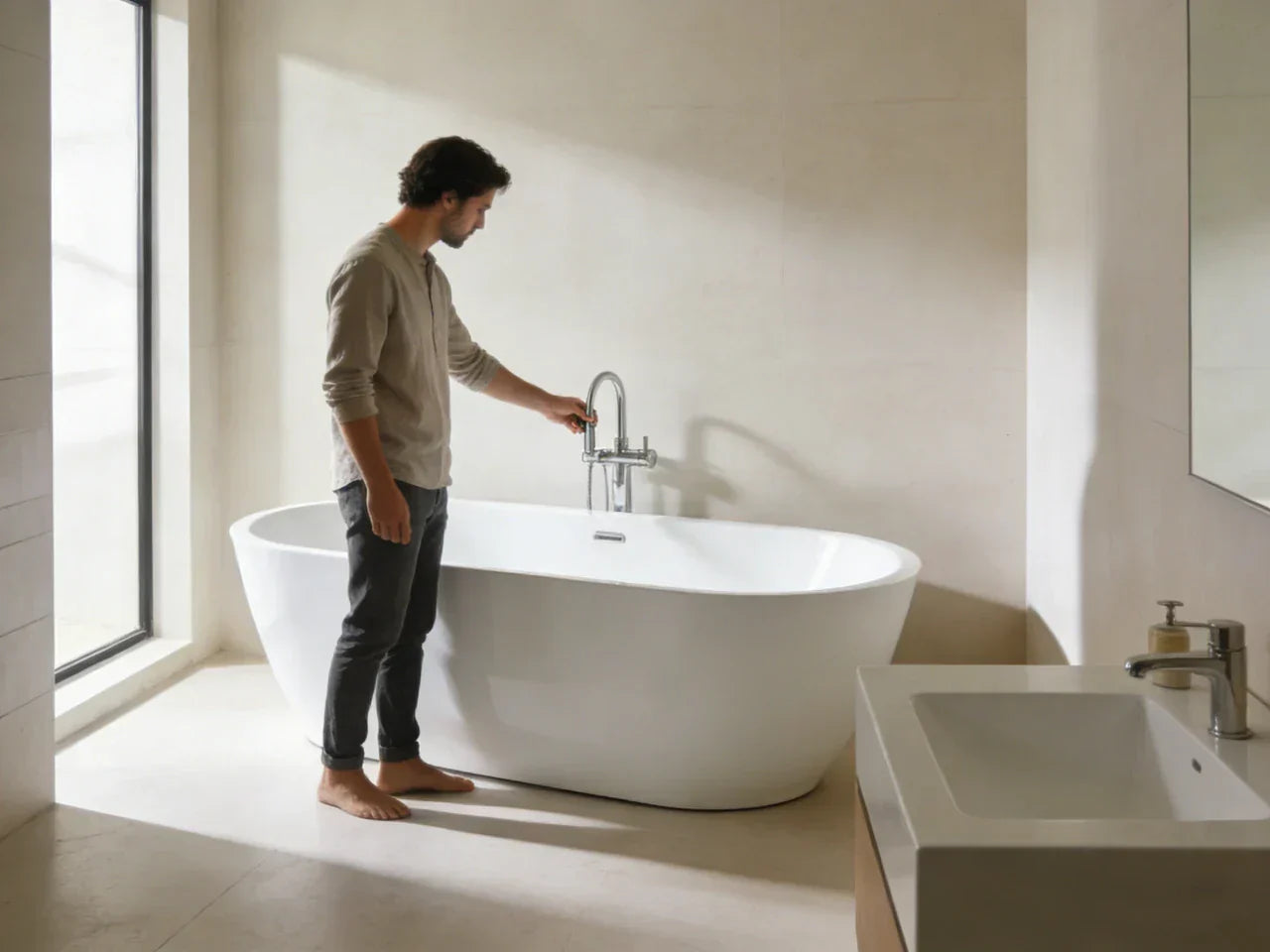
A new acrylic tub can change how your bathroom feels day to day. If your current tub is cold, chipped, hard to clean, or just dated, acrylic is often the “sweet spot” in 2025–2026 remodels because it’s light enough for many homes, warm to the touch, and usually costs less to buy and install than cast iron or many porcelain options.
Still, acrylic isn’t perfect. Some tubs scratch if you treat them like a kitchen sink. Some “budget” shells can flex if they are not reinforced with fiberglass or if they are installed without proper support. And because tub shopping is full of confusing terms—reinforced acrylic, double-walled, textured floor, integral apron—it’s easy to pay extra for the wrong thing or skip a feature you truly need.
This guide starts with quick answers, then walks through pricing, materials, sizing, installation, cleaning and repair, and what to compare in spec sheets. It ends with a checklist you can use before you measure, order, or hire a plumber.
Why Choose an Acrylic Tub: Pros, Cons, and Key Benefits?
If you’re comparing bathtub materials and want a fast, practical answer, this section covers the most common questions homeowners ask about acrylic tubs. These quick answers focus on durability, comfort, maintenance, and real-world performance—helping you decide whether an acrylic tubbase makes sense for your bathroom remodel before diving into deeper details.
Decision snapshot (best for / not ideal for)
An acrylic tub is usually best when you’re doing a budget-friendly bathroom remodel, replacing a standard alcove tub fast, installing upstairs, or working in an older home where weight matters. Acrylic tubs are also popular when you want a more comfortable bathing experience because acrylic feels warmer than many other bathtub material options. When comparing acrylic tubs to fiberglass tubs, acrylic tends to provide a smoother finish and better insulation, which helps with heat retention and adds to the overall comfort. Adding insulation or thicker layers can enhance this warmth and improve heat retention, which helps save energy in the long run. The U.S. Department of Energy highlights the importance of insulation in improving the energy efficiency of water heating systems..
It’s not ideal if you want the heavy “heft” feel of cast iron, or if your household uses abrasive powders and scratchy pads on everything. Acrylic can handle normal use, but it does not love rough cleaning habits.
Pros vs cons at a glance (non-porous, repairable, scratch-prone)
The pros and cons of acrylic tubs are pretty clear once you’ve lived with one.
Acrylic tubs offer a warm, smooth feel, good heat retention, and lots of style choices—from alcove to soaking to freestanding shapes.
The main con is that acrylic is softer than porcelain enamel. That means it can scratch if you use abrasive cleaners, scouring pads, or gritty powders. Some tubs may also flex if they are thin or poorly supported, and that flex can lead to stress cracks over time. The key point is that most surface scratches are repairable, but you want to avoid causing them in the first place.
Is acrylic better than fiberglass tub material?
People ask this in plain language: acrylic vs fiberglass bathtub—what’s the real difference? In most cases, acrylic is the step up. Fiberglass bathtubs are often cheaper at the start, but they can feel less solid, may fade faster, and may crack more easily as they age. Acrylic tends to have better finish quality, better long-term looks, and better repair options.
That doesn’t mean every acrylic tub beats every fiberglass tub. A thick, well-made fiberglass unit can outperform a paper-thin acrylic shell. But as a category, fiberglass vs acrylic tub usually leans acrylic for durability and comfort.
Acrylic vs Fiberglass vs Cast Iron (quick comparison)
| Feature | Acrylic tub | Fiberglass tub | Cast iron tub |
| Typical weight | Lighter | Lightest | Heaviest |
| Feel in use | Warm to touch | Can feel thinner | Solid, heavy feel |
| Heat retention | Good | Fair | Very good |
| Surface | Non-porous | More prone to wear | Porcelain enamel over iron |
| Scratch repair | Often possible | Harder to blend | Chips need careful repair |
| Typical cost | Low to mid | Lowest | High |
If you’re torn between “light and affordable” versus “heavy and forever,” acrylic is usually the practical middle choice for real homes and real budgets.
Acrylic Tubbase Cost, Value & ROI (2026 Pricing Reality)
Cost is often the deciding factor in a bathroom remodel. This section breaks down real 2026 pricing for acrylic tubbases, including typical tub costs, installation ranges, and what actually drives the price up or down—so you can budget realistically and avoid surprises.
Typical price ranges (tub + install)
In 2026, a typical acrylic tub often lands in a wide range depending on size, depth, wall thickness, and features.
-
Tub only: $300–$3,000
-
Professional installation baseline: ~$500 (and it can rise fast if plumbing or framing must change)
So yes, you can find an affordable bathtub at the low end. But most homeowners doing a normal bathroom remodel pick somewhere in the middle to get better reinforcement, a better finish, and a less “flexy” feel.
What drives cost (finish, reinforcement, insulation, size, hydrotherapy)
If you’ve ever compared two tubs that “look the same” online but one costs twice as much, here’s what’s often hiding behind the photos.
A higher-quality acrylic bathtub is usually made from a thicker sheet of acrylic and then strengthened with layers of fiberglass or resin backing. This is why you’ll see phrases like “reinforced acrylic bathtub shells” or “fiberglass to enhance support.” That backing makes a big difference in durability.
Insulation also moves the price. Double-walled designs, foam-backed shells, or insulated panels help water stay hot longer. If you love long soaks, this matters more than a fancy drain cover.
Size is another big driver. A 60-inch alcove tub is one price category; a deep soaking tub in the 66–72 inch range is another. And if you add hydrotherapy—like a whirlpool tub system or air bath—your cost and install needs jump again (more electrical work, more service access, more parts that can fail later).

Cost breakdown (simple scenarios)
| Scenario | Tub cost | Install cost | Typical notes |
| Budget replacement | $300–$700 | $500–$1,200 | Works best when plumbing stays put |
| Mid-range remodel | $700–$1,500 | $900–$2,500 | Better reinforcement, better texture options |
| Premium comfort | $1,500–$3,000 | $1,500–$4,000+ | Larger sizes, insulation, specialty drains, more labor |
You can think of this like buying tires. The cheapest option might work, but you feel the difference every day if you drive a lot.
What is a fair price to install an acrylic tub?
A “fair” install price depends on what changes. If you’re swapping an old tub for a new one with the same drain location, and the subfloor is solid, you might stay near that ~$500 baseline for labor in some markets. If you need to move the drain, repair water damage, rebuild the alcove, or retile the surround, labor can climb quickly.
A small personal example: I once helped a family member plan a “simple tub swap.” Once the old unit came out, we found soft subfloor near the drain from a slow leak. The tub price didn’t change, but the repair work did. That’s why the smartest budgeting move is to keep a buffer for the hidden parts you can’t see until demo day.
Materials & Construction: What “Reinforced Acrylic” Really Means
Not all acrylic tubs are built the same. Here’s a clear look at how acrylic bathtubs are made, what “reinforced acrylic” actually means, and which construction details affect durability, scratch resistance, and long-term performance.
Acrylic sheet + fiberglass reinforcement (what to look for in-store)
So, what is an acrylic tub?
Most acrylic tubs are made by heating an acrylic sheet (often PMMA) and vacuum-forming it into shape. Then the shell is reinforced from the backside, often with fiberglass and resin. This is where you’ll see “reinforced with fiberglass” or “essentially reinforced fiberglass” in casual talk, even though the finished product is still considered an acrylic tub.
When you’re shopping in person, press gently on the side walls and the floor. A high-quality acrylic tub should feel firm, not “drummy.” Look for a smooth, even finish and consistent color. If you see thin spots, waves, or uneven sheen, that can hint at a cheaper build.
Durability factors (scratch resistance, crack risk, UV/color stability)
Acrylic is a durable material for normal bathing, but it’s softer than porcelain enamel. That’s why the common complaint is scratching. Acrylic vs fiberglass shows that while fiberglass bathtub materials are often cheaper, acrylic tubs tend to be more resilient, especially when reinforced with additional fiberglass backing. The good news is that many scratches can be buffed or repaired because the color often runs through the acrylic layer, instead of being only a surface coating.
Cracking is less about acrylic itself and more about flex. If a tub floor bends under your weight, the stress goes somewhere. Over time, that can create small spider cracks, especially near the drain or where the tub meets its base support.
Do acrylic tubs yellow over time?
This is a real worry, especially if you remember old plastics turning yellow. Modern acrylics are usually more color-stable than older materials, but yellowing can still happen in certain cases. Long-term UV exposure (like strong sunlight through a window) and harsh chemicals can dull or discolor surfaces. In most bathrooms, sunlight is limited, so yellowing is less common than people fear. More often, what looks like “yellowing” is a film from soap, oils, or cleaners that weren’t fully rinsed.
A simple habit helps: rinse well, wipe the surface now and then, and avoid harsh products that can damage the shine.

Safety & certifications (slip resistance, plumbing compliance)
Acrylic can be slippery when wet if the floor is very smooth. If you’re remodeling for kids, older adults, or anyone with balance concerns, prioritize a textured or slip-resistant bottom. Some models also reference industry standards in their paperwork. You don’t need to memorize codes, but you should check the manufacturer spec sheet for compliance and plumbing markings where required. The Centers for Disease Control and Prevention (CDC) provides guidelines on hygiene and safe water practices, which are relevant to maintaining the safety of plumbing fixtures.
Look for signs of third-party plumbing compliance such as cUPC markings in product documentation (often tied to code acceptance). For slip resistance, the most practical test is still the real-world one: a textured floor you can feel, not just a glossy photo.
Sizes, Layouts & Fit: Pick the Right Tub Type for Your Bathroom
Choosing the right acrylic tub isn’t just about material—it’s about fit. This section explains standard bathtub sizes, common layouts, and how to match tub types to your bathroom space, plumbing, and daily bathing habits.
Standard dimensions & what they mean for remodels
Most bathtub replacement projects aim for the standard alcove size because it makes life easier. The common “default” is 60 inches long for many alcove installs.
Smaller bathrooms may take 48–54 inches, which can be the difference between keeping a tub or switching to a shower-only layout.
Luxury sizes often run 66–72 inches, and they may be deeper too. Deeper can be great for soaking, but it can also mean more water weight and higher fill volumes, which can matter for hot water capacity.
Tub configurations (freestanding tub, alcove tub, drop-in, walk-in tub)
An alcove tub is the classic three-wall setup. It’s popular because it’s space-efficient, and it pairs well with a shower.
A drop-in tub sits inside a framed deck. This can look clean and custom, but it adds carpentry and usually more surfaces to waterproof. It can also affect service access for drains and plumbing.
A freestanding tub is the style many people fall for online. Freestanding tubs can be beautiful, but they need floor space around them, and cleaning behind them can be annoying in a tight bath. If your bathroom is small, ask yourself: will you really want to mop behind a tub every week?
A walk-in tub is a different category aimed at accessibility. Many are acrylic, and they can be a good solution for safety. Just remember that the door, seals, and service needs are part of the ownership experience.
A simple “tub-size selector” you can do at home
You don’t need an app to avoid common mistakes. You can do a quick selector with a tape measure and a notebook.
Start with your room width and length, then note door swings, toilet clearance, and vanity depth. Next, measure the tub opening (for alcoves) in three spots—top, middle, and bottom—because older walls can be out of square. Then check your drain location (left/right and distance from the back wall).
If you want a fast rule: if you’re keeping the same general layout, matching length and drain position makes the project cheaper and faster. If you’re changing the layout, plan for extra cost and time.
What size bathtub fits a standard bathroom?
In many standard full bathrooms, a 60-inch alcove tub is the normal fit. That said, “standard bathroom” is a fuzzy term. In older homes, the space might be tighter, and in newer homes, it might be larger. The safest answer is: measure your actual opening and confirm the drain location before you order anything.
Installation: DIY vs Pro, Step-by-Step, and Common Failure Points
Installation quality matters as much as the tub itself. Below, you’ll find a practical overview of acrylic tub installation, including when DIY makes sense, when to hire a pro, and the most common mistakes that lead to cracks, leaks, or premature failure.
DIY readiness (what you must be honest about)
DIY can work if you have solid plumbing access, a level subfloor, and you are comfortable with careful measuring and waterproofing details. The biggest risk is not “hooking up the drain.” The biggest risk is poor leveling and poor support, which can lead to flexing and cracks.
If you’re thinking, “I’ll just set it in place and caulk it,” pause. Acrylic tubs need proper support under the base, and many manufacturers specify how that support must be done.
Step-by-step installation flow (simplified)
Use this as a high-level overview. Always follow your tub’s manufacturer instructions, since support requirements can differ.
-
Measure twice and confirm drain location. Check left/right drain, rough-in distances, and tub apron orientation.
-
Inspect and prep the subfloor. Repair any soft spots and confirm the floor is level. Add floor reinforcements if needed for larger tubs.
-
Dry-fit the tub. Confirm it sits in place without forcing walls or studs.
-
Install required support. Some tubs require a mortar/support bed; others rely on a formed base. Do not guess—follow specs. Unsupported bases are a top cause of cracks.
-
Level the tub carefully. Level side-to-side and front-to-back. A tub that’s “almost level” can hold water and stress the drain connection.
-
Connect drain and overflow. Test for leaks before closing walls.
-
Secure flange and seal correctly. Use the right fasteners and avoid over-tightening. Then waterproof and finish the surround.
-
Ventilate and cure. Allow sealants to cure as directed before heavy use.
Pro installation scope & hidden costs
A professional install is not only “labor.” It often includes dealing with surprises. Costs rise when drains move, when framing must change, when subfloors are damaged, or when the surround needs full waterproofing rebuild.
If you’re doing a tub/shower combo, waterproofing details matter as much as the tub itself. Good ventilation is also part of long-term success because it reduces mildew at caulk lines and slows down material wear.
Common failure points (and how to avoid them)
Most tub problems come from a few repeat issues: poor support under the tub floor, bad leveling, rushed caulking, and ignoring manufacturer requirements. A tub that flexes today is a tub that may crack tomorrow. Even a high-quality acrylic shell can fail if it is installed like a bargain unit.
Cleaning, Maintenance & Repairs (Keep the Finish Glossy for Years)
Acrylic tubs are easy to maintain—if you clean them the right way. This section covers safe cleaning habits, scratch repair options, and simple maintenance tips that help preserve the finish and extend the life of your bathtub.
Weekly cleaning routine for a non-porous surface (what to use/avoid)
Because acrylic is non-porous, you usually don’t need harsh cleaners. In most homes, warm water, a mild soap, and a soft cloth handle weekly cleanup. If you prefer a bathroom cleaner, choose one labeled non-abrasive and safe for acrylic.
What to avoid is just as important: abrasive powders, gritty pastes, and rough scrub pads. These can dull the surface and create fine scratches that trap grime, making the tub look dirty faster.
A small real-life note: if you’ve ever cleaned a tub and thought, “Why does it look worse after I scrubbed it?” that’s often micro-scratching. The dirt didn’t win—the cleaning tool did.
Scratch & chip repair options (DIY kits vs professional refinishing)
Do acrylic tubs scratch easily? They can, especially compared to porcelain enamel. The tradeoff is that many acrylic scratches can be repaired.
Light surface scratches are often manageable with an acrylic repair kit and careful buffing. Deep gouges, widespread dulling, or cracks that look like spiderwebs may need a professional. If the tub flexes underfoot, repairing the finish alone won’t solve the real problem—you need to address the support and installation.
Preventing staining, dulling, and mildew in caulk lines
Most staining complaints come from buildup, not the material. Soap, body oils, and bath products can leave a film. Rinsing after use helps. So does wiping down the tub now and then, especially in humid climates.
Mildew often shows up in caulk, not on acrylic. Good ventilation, a working exhaust fan, and replacing old caulk when it starts to peel go a long way.
What is the best cleaner for an acrylic bathtub?
The best cleaner is the one that’s gentle and consistent. Mild soap and water is often enough. If you use a product, choose one that is non-abrasive and meant for acrylic surfaces. If a label warns against plastic or acrylic, don’t use it.
Brand/Model Shortlist & What to Compare (2026 Buyer’s Matrix)
Instead of memorizing brand names, this section shows you how to compare acrylic tubs using the specs that actually matter. Use this buyer’s matrix to evaluate reinforcement, insulation, warranties, and features that affect real-world comfort and durability.
What matters most in spec sheets (warranty, backing thickness, insulation)
When you compare tubs, look for a clear warranty and clear installation requirements. Warranties vary, but longer coverage often signals more confidence in build quality (assuming you follow install rules).
Also look for notes about reinforcement, insulation, and floor support. Some acrylic tubs typically require a mortar bed; others do not. Don’t treat this as optional. It’s part of the design.
Texture is another big one. A slip-resistant floor can make the tub feel safer without adding stick-on mats that trap grime.
A simple comparison matrix you can use
| What to compare | Why it matters | What to look for |
| Reinforcement | Reduces flex and crack risk | “Reinforced with fiberglass,” thicker backing |
| Floor texture | Helps prevent slips | Molded texture (not just a glossy floor) |
| Insulation | Better heat retention compared to fiberglass | Double-walled or insulated shell notes |
| Drain location | Avoids expensive plumbing moves | Matches existing left/right drain |
| Warranty | Signals expected lifespan | Clear terms; longer coverage is often better |
| Install requirements | Prevents failures | Mortar bed or support details spelled out |
Because you asked for a guide without brand names, the best approach is to take this matrix into your shopping process and compare any two tubs on equal ground. Many regrets happen when people compare only photos and ignore support requirements.
Trends, Sustainability & Health/Safety Considerations (2026)
Modern bathroom remodels go beyond looks. Here’s a look at 2026 trends in acrylic tubs, including comfort upgrades, sustainability considerations, safety features, and how design choices can affect water and energy use over time.

What’s new in 2026 (insulated shells, easier-clean surfaces, smarter upgrades)
In 2026, you’ll see more focus on comfort details: better insulation for longer soaks, cleaner-looking drains, and surfaces marketed as easier to clean. Accessibility is also a growing focus, even in standard homes—features like lower step-over heights, better grip textures, and layouts that allow a stable entry.
Hydrotherapy options like whirlpool and air bath systems are still popular, but buyers are asking more about long-term maintenance and service access. If you add jets, plan for proper access panels and keep your water chemistry and cleaning habits in mind.
Sustainability signals & what to verify
Sustainability is tricky because marketing can be vague. A practical way to think about it is longevity: a tub that lasts longer creates less waste. Acrylic’s repairability helps here because small damage doesn’t always mean replacement.
If sustainability matters to you, ask for material information and look for clear documentation, not just buzzwords. Also consider water and energy use: better insulation and heat retention can reduce how often you top off hot water during long baths.
Water/energy impact (heat retention & potential hot-water savings)
If you like long soaks, a tub that holds heat can reduce the need to add hot water mid-bath. That’s not just comfort—it can reduce hot water use over time. The effect depends on your bathing habits, tub insulation, and bathroom temperature, but the logic is simple: if water stays warm longer, you refill less.
Answering the Big Material Questions (Without the Hype)
If you’re still weighing acrylic against other bathtub materials, this section answers the biggest comparison questions directly—without marketing hype—so you can make a confident, informed decision.
What are the disadvantages of acrylic tubs?
The biggest cons of acrylic tubs are scratching, possible dulling from abrasive cleaners, and potential flex/crack issues in under-reinforced tubs or poor installations. Acrylic can also feel less “solid” than cast iron if you’re used to heavy materials. And while discoloration is not guaranteed, harsh chemicals and constant sunlight can affect appearance over many years.
Is acrylic good for a bathtub?
Yes, acrylic is a good choice for many homeowners because it’s lightweight, comfortable, and easier to install than heavier tubs. It also offers a wide design range, from basic alcoves to deep soakers and freestanding acrylic styles.
What is better, an acrylic or porcelain tub?
This depends on what you mean by “better.” A porcelain-coated tub (often porcelain enamel over steel or cast iron) can feel harder and more scratch-resistant on the surface, and cast iron holds heat very well. But porcelain enamel can chip, and heavy tubs can be difficult to install, especially upstairs or in older homes.
An acrylic tub is easier to carry, easier to fit into remodels, and scratches are often repairable. If you want maximum “heft” and don’t mind the cost and weight, porcelain over cast iron can win. If you want comfort, value, and easier installation, acrylic is often the better day-to-day choice.
Is an acrylic tub better than fiberglass?
Most of the time, yes. When people compare acrylic or fiberglass, acrylic usually wins for finish quality, color stability, and long-term satisfaction. The difference between fiberglass and acrylic tubs often comes down to how they age: fiberglass tends to wear and fade sooner, while acrylic tends to hold its look longer—especially when reinforced and cared for properly.
How long will an acrylic bathtub last?
With normal use, good cleaning habits, and proper installation support, an acrylic bathtub can last many years. It’s common to see well-cared-for acrylic tubs lasting well over a decade, and sometimes much longer. The biggest life-shorteners are flex from poor support, repeated abrasive cleaning, and ignored leaks.
Final Checklist: Buying the Right Acrylic Tubbase (and Avoiding Regret)
Before you order a tub or schedule installation, use this checklist. It pulls together the most important buying and planning points to help you avoid costly mistakes and last-minute changes.
10-point pre-purchase checklist
-
Confirm the tub type you need (alcove, drop-in, freestanding, walk-in).
-
Measure the opening in multiple spots (old walls can be uneven).
-
Confirm drain location (left/right and rough-in distance).
-
Check floor strength for larger or deeper tubs; plan floor reinforcements if needed.
-
Look for reinforcement details (thicker build, reinforced with fiberglass, firm feel).
-
Choose a floor texture that fits your household’s safety needs.
-
Read install requirements (mortar bed, support points, flange details).
-
Confirm surround/waterproofing plan (especially for tub/shower combos).
-
Review warranty terms and what voids them (often installation mistakes).
-
Budget for hidden costs (subfloor repair, plumbing updates, new valve, tile work).
“Best for” quick matches
If you have kids, prioritize a textured floor and easy cleaning. If you’re remodeling for aging in place, consider a lower step-over height, sturdy grab bar planning, and slip resistance. For rentals, focus on easy-to-clean surfaces, solid reinforcement, and a proven, simple layout that’s easy to service. For a luxury remodel, spend on insulation, depth, and comfort shape before spending on flashy add-ons.
Summary: best choices by budget + bathroom size
| Bathroom size | Budget focus | Mid-range focus | Premium focus |
| Small bath | Shorter alcove fit, easy install | Better reinforcement, better texture | Space planning matters most; consider deep compact soaker |
| Standard bath | Standard 60-inch replacement | Insulation + stronger backing | Deeper soak, upgraded comfort features |
| Large bath | Basic freestanding look (watch clearances) | Better insulation and finish | Larger soaking tub, accessibility planning, premium comfort |
An acrylic tub is often the right bathtub material when you want a practical upgrade that feels good to use. Get the reinforcement right, get the install right, and treat the surface kindly—and you’ll usually be happy you chose it.
Short FAQs
1. Do acrylic tubs yellow over time?
They can yellow, but honestly, it’s not something you see in most normal bathrooms. Modern acrylic is pretty color-stable, so most of the time when a tub looks “yellow,” it’s actually just soap scum, body oils, or mineral deposits that built up over time. Direct sunlight or repeated use of harsh chemical cleaners can also cause some dulling or discoloration, but if you rinse your tub regularly, wipe it down after use, and avoid abrasive cleaners, it should stay bright for years.
2. Are acrylic bathtubs good for a tub/shower combo?
Absolutely—they’re one of the most popular choices for a tub/shower combo. Acrylic is lightweight, feels warm to the touch, and cleans easily, which makes daily shower use simple. The main thing isn’t the tub itself; it’s how it’s installed.Make sure the base is properly supported and the wall surround is fully waterproofed. Proper installation is key to ensuring the longevity of your tub. The International Association of Plumbing and Mechanical Officials (IAPMO) provides certification standards for plumbing products to ensure they meet high safety and installation standards.
3. What’s the difference between fiberglass and acrylic tubs?
Fiberglass tubs are often cheaper at the start, but they can feel less solid, may fade faster, and may crack more easily as they age. In contrast, acrylic vs fiberglass bathtub offers a better durability comparison, with acrylic tubs typically providing a sturdier feel and longer-lasting finish, making them a preferred option in most bathroom remodels.On the other hand, acrylic vs fiberglass bathtub shows acrylic tubs as a better choice for those looking for better heat retention, durability, and long-term comfort. Fiberglass vs acrylic tub is a common comparison, and generally, acrylic is preferred for its overall durability and ease of maintenance. Acrylic tubs, especially reinforced ones, generally have a smoother finish, hold their color longer, and feel more comfortable to use. They’re also easier to repair if small scratches or marks appear. So while fiberglass might work if you’re on a tight budget, acrylic tends to win in long-term durability and comfort.
4. Do acrylic tubs scratch easily?
Yes, acrylic can scratch if you’re rough with it, like using steel wool, gritty powders, or harsh scouring pads. The good news is that most surface scratches are minor and fixable—you can often buff them out with a repair kit. The key is to use soft sponges or cloths with mild soap. Treat it gently, and your tub will stay glossy and smooth for years without worrying about everyday scratches.
5. How long will an acrylic bathtub last?
With proper care, an acrylic bathtub can easily last 10 years or more, and sometimes even much longer. The big factors that shorten lifespan are poor installation, flexing under weight, and abrasive cleaning. Fix leaks and caulk issues quickly, support the tub properly during installation, and avoid harsh cleaners, and your acrylic tub will stay functional, comfortable, and attractive for many years. It’s a practical choice that balances affordability, comfort, and durability.
References



Leave a comment
This site is protected by hCaptcha and the hCaptcha Privacy Policy and Terms of Service apply.