

Replacing a toilet sounds simple until you start pricing it out. One person says they paid $350, another says $1,800, and suddenly you’re wondering if you’re even talking about the same job. The truth is, toilet replacement cost can swing fast because one “swap” might be a clean drop-in, while another turns into hidden water damage, a broken flange, or a shutoff valve that won’t close.
Quick Guide & What You Need to Know
Whether you’re installing a toilet for the first time or replacing an old one, understanding the toilet installation cost factors—including cost by type, average cost to install, and how the toilet can vary depending on location, features, or even adding a bidet—helps you plan your budget and know what to expect before installing the new toilet.
Toilet replacement cost: the 2026 quick answer
In 2026, toilet replacement cost (the toilet + professional installation) typically runs $300–$800, with many homeowners paying $375–$500 for a standard replacement on an existing plumbing setup. If you do a basic swap yourself, you can sometimes land under $200. On the other end, premium toilets or complex plumbing changes can push the total cost beyond $2,000.
Why prices vary so much (and what this guide solves)
A toilet is not just a bowl. It’s a heavy fixture that has to seal perfectly to a drain, sit level on your floor, connect to a working shutoff valve, and flush without leaks. If any of those parts are worn out—especially on an old toilet—your installation costs can jump. That “you don’t know until it’s opened up” moment is familiar to anyone who’s dealt with an older bathtub or other aging bathroom fixtures.
This guide breaks down unit + labor + parts, shows real-world scenarios, and helps you decide when DIY toilet installation makes sense and when it’s safer to hire a plumber.
What you’ll get in the next sections
You’ll see a fast cost table for common scenarios, a full breakdown of labor and parts, pricing by toilet type (including smart toilet and wall-mounted), and practical ways to lower your bill without cutting corners.
Toilet replacement cost at a glance
Before diving into national averages, it helps to understand that replacing a toilet involves several toilet installation cost factors—installing a new toilet, whether a standard model, power flush toilet, or adding a bidet to your toilet, can vary widely. Accurate cost data shows that the overall cost typically depends on the type of toilet, location (ground floor installations cost vs. a toilet on an upper level), and whether your old toilet adds unexpected repairs, helping you break down the cost and know what to expect when you need a new toilet.
National averages and “most common” totals (verified ranges)
Across common pricing roundups and contractor estimates used in 2026, the most consistent ranges look like this:
-
Typical pro replacement: $300–$800
-
Most homeowners pay: $375–$500 for a standard, straightforward swap
-
High-end/complex installs: $1,500–$3,000+ (premium fixtures, wall-mounted installs, relocation, major repairs)
If you only remember one thing, remember this: the toilet itself often isn’t the main cost. The big swings usually come from labor time and surprise repairs found after removing the old toilet.
Quick price snapshot by scenario
| Scenario | Typical total price (2026) | What usually drives the cost |
| DIY basic swap | <$200–$400 | Budget toilet + wax ring/bolts + your time |
| Pro standard replacement | $375–$800 | Straight swap, no repairs, easy access |
| Pro install + repairs (flange/valve) | +$200–$500 added | Rotten flange, bad shutoff valve, minor subfloor issues |
| Wall-mounted or upflush system | $700–$2,000+ | Framing, drain changes, special systems |
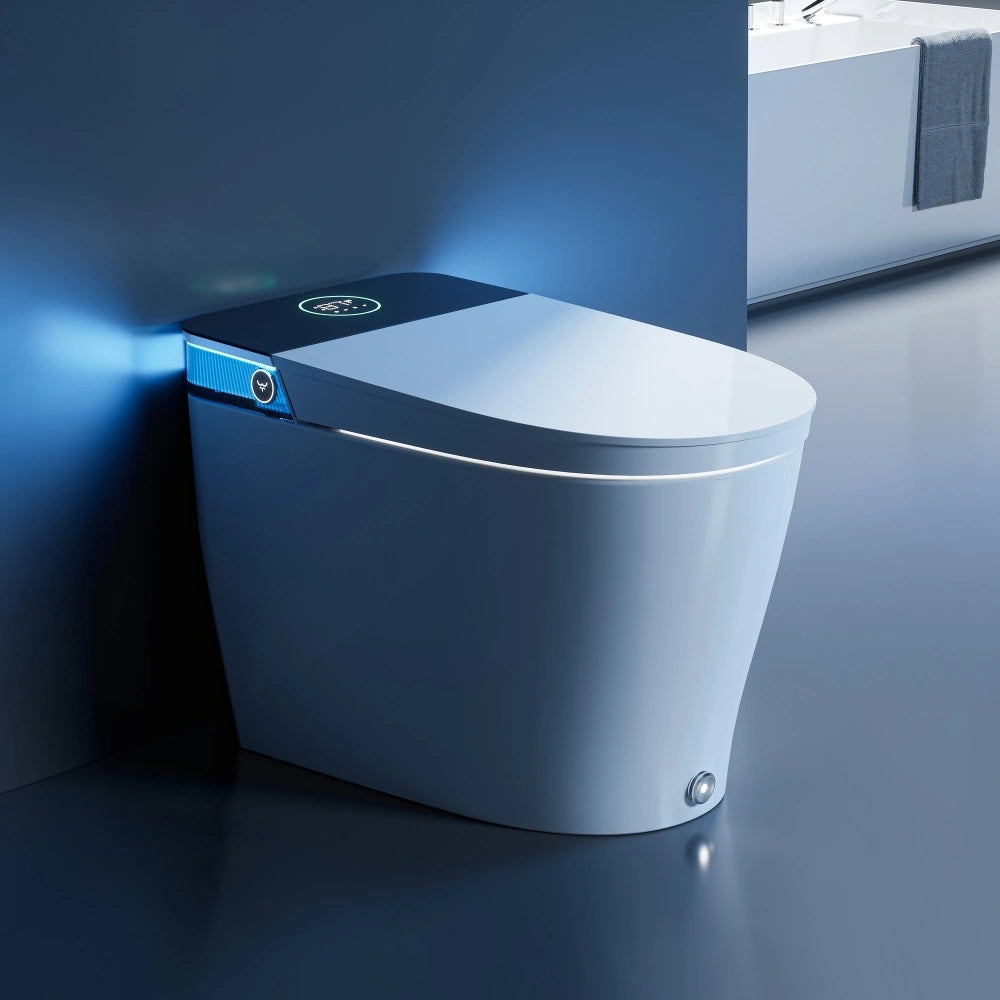
| Smart/bidet-style toilet | $1,000–$3,000+ | Unit price + power/outlet needs + careful setup |
Where the money goes (unit vs. labor vs. extras)
You can think of a typical toilet installation cost like a pie split three ways. The exact split depends on the toilet you choose, but this is a common pattern for a standard replacement.
| Cost bucket | Typical share of the total | Common range you’ll see |
| Toilet unit | ~40–60% | $100–$600 (standard), $1,000–$3,000+ (premium) |
| Labor | ~30–50% | often $224–$533 for a basic replacement, higher with complications |
| Supplies + disposal | ~5–15% | $20–$100 |
How much does it cost to replace a toilet in 2026?
Most homeowners pay $375–$500 for a standard toilet replacement in 2026, and typical professional totals run $300–$800. Costs go above $1,000 when the toilet is premium (like a smart toilet), the install is complex (wall-mounted, upflush), or repairs are needed (flange, shutoff valve, water-damaged flooring).

Full cost breakdown (unit, labor, supplies, disposal)
When calculating full toilet installation costs, it’s important to understand all the factors that affect the cost—from the type of toilet you choose to the labor involved—because the cost of replacing a toilet depends on several variables, including whether you’re installing a wall-mounted toilet, what parts the job covers, and what might need to be replaced to avoid leaks. This guide to toilet installation cost factors helps you see how new toilet ranges, installation complexity, and small supply needs all contribute to the total price.
Toilet unit pricing (what you buy)
When people ask, “how much does a new toilet cost?” the honest answer is: it depends on the type, flush system, and features, but most standard toilets fall into a predictable range.
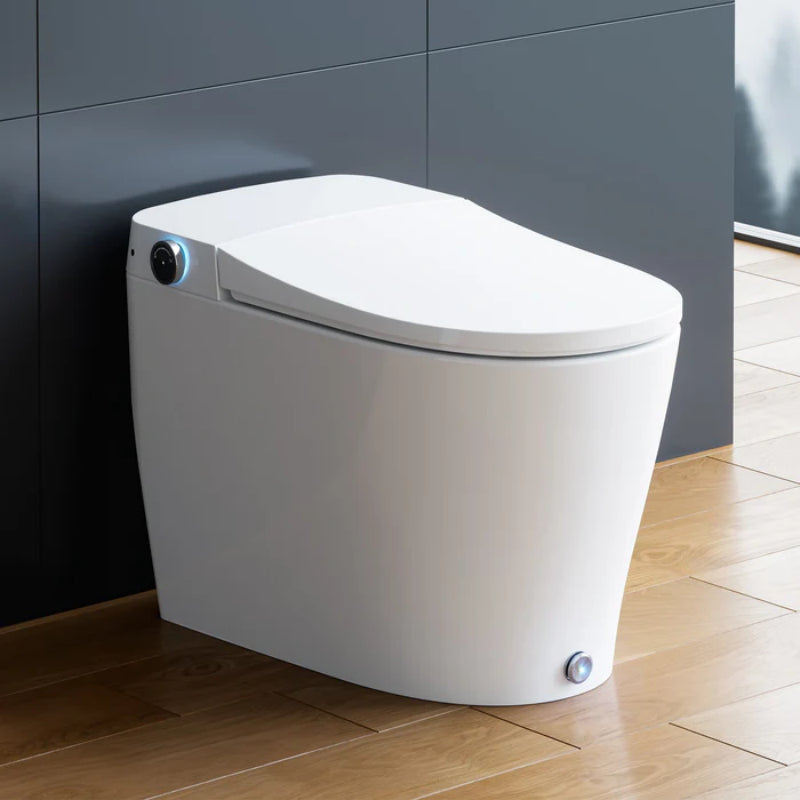
A basic two-piece toilet is usually the lowest-cost option. A one-piece toilet often costs more, but it can be easier to clean and may look more modern. High-end models can add comfort features, but they also raise the replacement cost fast.
Here’s the pricing most shoppers see in 2026:
-
Standard toilets: $100–$600
-
Premium/specialty (including advanced bidet features): $1,000–$3,000+
And if you’re only replacing part of the fixture, you might wonder, “how much is a toilet bowl?” or “how much does a toilet bowl usually cost?” A replacement toilet bowl alone is often $50–$200+, but matching it with the right tank and internal parts can be tricky. In many cases, replacing the full toilet is simpler and avoids mismatch problems.
Comparison table: common toilet unit prices
| Toilet style | Typical toilet prices (unit only) | What to know before buying |
| Two-piece | $100–$500 | Common parts, easier repairs, budget-friendly |
| One-piece / high-efficiency | $300–$600 | Sleeker, often heavier, may need careful handling |
| Smart / bidet-integrated | $1,000–$3,000+ | May need a nearby outlet and more setup time |
Professional labor: plumber rates and install complexity
A common question is: What’s the average labor cost to replace a toilet? For a straightforward replacement, labor is often in the $224–$533 range, with an average around the high $300s. But it can go lower in low-cost areas or higher in expensive cities and emergency calls. In broad terms, total labor cost for installing or replacing a toilet can range from $100–$800, depending on what the job turns into once the toilet comes off.
So what changes labor the most?
If your shutoff valve actually shuts off, the flange is solid, and the floor is level, the job is usually quick. If the toilet rocks, the bolts are rusted, the flange is cracked, or the subfloor is soft from an old leak, the plumber is no longer doing a simple swap. They’re doing a small repair project—often the kind you can’t see until the toilet is removed.
Also, when homeowners ask “much does toilet installation cost” or “cost to install a toilet”, they sometimes mean “labor only.” Many quotes bundle labor with small parts and disposal. Others separate them. That’s why itemized quotes matter so much.
Supplies and disposal/haul-away (often overlooked)
Even a clean install needs small parts. Many leaks happen because someone reuses old hardware, skips shims, or tries to “make it work” with the wrong seal.
A typical supply bundle is $20–$100 total, depending on what needs replacing. This often includes a wax ring (or wax-free gasket), closet bolts, a water supply line, and small leveling shims. If the old toilet is hauled away, disposal is often bundled around $45–$100, depending on local rules.
A good rule: assume you’ll spend at least a little on parts even for a “simple” job. It’s normal. It’s also usually money well spent because a bad seal between the toilet and the drain can lead to leaks that cost far more than the parts you tried to save.
Cost by toilet type & features (price-per-choice guide)
Before we break down prices by toilet type, remember that the total cost of a new toilet doesn’t just come from the unit itself. Toilet installation costs depend on several factors, including whether you need to replace your toilet, the type of toilet, how it attaches to the floor, and any extra work the toilet may require. Even a simple swap can be complicated if the flange is worn or the floor isn’t level, and these details can affect the cost and help prevent leaks.
Toilet price by type (2026 ranges)
Your type of toilet affects not just the purchase price, but also the install time and risk. Some models are straightforward. Others are specialty installs that require extra plumbing work, extra time, or both.
| Toilet type | Typical unit price (2026) | Typical installed total (often) |
| Two-piece | $100–$500 | $300–$800 |
| One-piece / low-flow | $300–$600 | $500–$1,000 |
| Wall-mounted | $400–$2,000 | $900–$3,000+ |
| Upflush / macerating | $700–$2,000 | $1,200–$2,500+ |
| Composting | $250–$1,500 | $600–$2,000+ |
| Smart / bidet-integrated | $1,000–$3,000+ | $1,500–$3,500+ |
Wall-mounted toilets are a great example of why toilet replacement cost factors matter. The bowl looks simple, but the carrier system and in-wall tank support have to be right. That can mean opening a wall and reinforcing framing. Upflush systems can solve tricky drain problems, especially in basements, but they’re equipment-driven and usually take longer to install.
Feature upgrades that change total installed price
Many people start shopping for a “standard toilet” and end up asking about comfort upgrades. That’s normal. Heated seats, auto-flush, bidet wash, warm air drying, deodorizing, and night lights are popular. These features can be great, but they raise the price of a new toilet and may add electrical work.
Two other cost surprises show up often:
First is rough-in mismatch. Most homes use a 12-inch rough-in, but some bathrooms are 10 inches or 14 inches. If the new toilet doesn’t match, you may need an adapter or a different model. That can add cost and limit your choices.
Second is the floor and flange condition. A toilet that “sort of” worked can reveal big issues after you lift it. If the flange is cracked, too low, or corroded, your install is no longer a standard swap.
Water-efficiency and long-term savings (simple ROI thinking)
A toilet is one of the biggest water users in many homes. According to the U.S. Environmental Protection Agency (EPA), toilets account for a significant share of indoor household water use, especially older, inefficient models. If you’re replacing a very old, high-gallon-per-flush toilet, moving to a modern high-efficiency toilet can cut water use without changing your routine.If you’re replacing a very old, high-gallon-per-flush model, moving to a modern high-efficiency toilet can cut water use without changing your routine.
A simple way to think about it is like this: if your current toilet runs often, clogs frequently, or uses a lot of water per flush, the upgrade can pay you back slowly through water savings and fewer repairs. It won’t make you rich, but it can make your bathroom more reliable.
If you want a quick “mini-calculator,” ask yourself:
-
How many people live in your home?
-
Is your toilet that constantly runs wasting water?
-
Do you flush often because of weak performance?
Even one running toilet can waste a surprising amount of water over time, which is another reason a replacement can make sense when repair attempts keep failing.
Case-study callouts: what homeowners actually choose
A friend of mine replaced a broken toilet in a small hallway bath right before guests arrived. They wanted the fastest fix, not the fanciest model. They chose a basic two-piece, grabbed new bolts and a seal, and finished the DIY swap for around $170. It worked, but it was heavy, messy, and took longer than expected because the old bolts were rusted.
In another home, the goal was fewer clogs and easier cleaning. The homeowner bought a mid-range one-piece around $400 and paid about $400 for installation. Their total cost landed near $800, which is a common real-world number for an upgrade plus pro labor.
Then there’s the “this escalated quickly” story: a wall-mounted install that started as a design upgrade and ended up requiring wall work and drain adjustments. The installed price cleared $1,500+ even with a mid-priced unit, mostly because labor grew.
Labor, location, and site conditions that move the price
When figuring out what a toilet replacement will actually cost, it helps to remember that the total price gets its cost data from more than just the unit. Toilet installation may uncover hidden issues at the base, and the cost covers not only labor but also adjustments needed to secure the toilet to the floor. A toilet is often deceptively simple, but even small problems can lead to leaks, especially when including the type of toilet and how it’s anchored.

Accessibility & bathroom location (ground floor vs basement)
Access changes time, and time changes cost.
A ground-floor bathroom with clear space around the toilet tends to be the easiest. Many of these replacements land around $350–$500 when nothing unexpected happens. If the toilet is upstairs in a tight room, you might pay more because moving the fixture and tools is harder and slower.
Basements are their own category. If there’s already a proper drain and vent, replacement might still be reasonable. But if you’re adding a bathroom or dealing with a drain that isn’t set up for a standard toilet, costs can jump sharply. That’s why you’ll see basement “new plumbing” totals in the $1,500–$5,000 range when new lines, venting, or pumps are involved.
Repairs that commonly appear during replacement (add-on pricing)
A toilet can look fine and still hide trouble at the base. When the installer pulls it up, they may find corrosion, a broken flange, or water damage.
A common add-on is flange work. Toilet flange repair / replace often adds $200–$500, depending on how accessible it is and whether the subfloor is damaged. Shutoff valve replacement and supply line replacement are also common when parts are old or corroded.
This is also where a small leak turns into a big bill. If water has been seeping under the toilet, the flooring can soften and the toilet can rock. A rocking toilet breaks seals, and broken seals cause more leaks. It’s a loop that can quietly destroy subflooring.
Timing, urgency, and permits
If your only toilet stops working on a weekend, you may not have the luxury of shopping around. Emergency or after-hours service commonly adds 20–50%.
Permits are usually not needed for a basic like-for-like replacement, but rules vary. If you’re changing drain locations, adding electrical for a specialty unit, or doing major plumbing work, permits become more likely. Permit fees are often $50–$200, depending on your area.
“Permit likely?” quick comparison
| Project scope | Permit likelihood |
| Like-for-like toilet swap (same location) | Often not required (check local rules) |
| Moving the toilet to a new location | More likely required |
| Adding new drain/vent lines | Often required |
| Adding an outlet for a specialty toilet | Often required |
How much does a toilet flange repair cost?
Toilet flange repair usually costs about $200–$500 when done during a toilet replacement. The price goes up if the flange is cast iron, badly rusted, set too low, or if there’s subfloor rot that needs repair before the toilet can be set and sealed.
DIY vs. hiring a plumber (risk, savings, and decision tool)
Whether you choose DIY or hire a plumber, understanding the full scope of the job—including the toilet’s weight, flange condition, and potential for leaks—helps you make an informed decision and see how costs and risks compare.
Savings math: DIY toilet replacement vs pro install
DIY can save money, but it’s not “free.” Your true DIY cost includes the cost of the toilet, new sealing parts, possible tool purchases, and disposal. Many homeowners save about $100–$300 versus hiring a pro for a standard job. Sometimes it’s more, but that’s usually when labor rates are high in that area.
The risk is not the swap itself. The risk is a slow leak you don’t notice until the floor smells musty or the ceiling below shows a stain. That’s a lesson many homeowners learn the hard way—not just with toilets, but after tackling things like a shower door install that looked easy on day one.
DIY risk & failure points (why leaks get expensive fast)
Most toilet disasters start small. A wax ring that didn’t seat right. A toilet that’s slightly tilted. Bolts tightened too much so the porcelain cracks. Or a flange that was already damaged and finally gave way.
If you’re thinking, “It’s just water—how bad could it be?” consider where the water goes. It seeps under flooring. It can soak subfloor layers. It can drip into ceilings below. Repairs can easily pass $1,000+ once water damage is involved.
“DIY or Pro?” 6-question quiz
Answer these honestly. If you hit “no” more than once, hiring a plumber is often the cheaper path in the long run.
-
Can you lift and position an 80–120 lb toilet without twisting it or dropping it?
-
Does your shutoff valve fully stop water when you close it?
-
Is the toilet currently stable (no rocking) and the floor solid?
-
Are you comfortable cleaning the old seal and setting a new seal correctly?
-
Do you have time for two trips to the store if something doesn’t fit?
-
Are you confident you can spot and stop a small leak during testing?
Do I need a plumber to replace a toilet?
You may not need a plumber if it’s a straight swap, the flange is solid, the shutoff works, and you’re comfortable doing careful leak checks. You should hire a pro if there are leaks, corrosion, a rocking toilet, signs of subfloor damage, a wall-mounted or upflush setup, or if you’re changing the toilet location.

Replace vs repair: when a new toilet is the better deal
A lot of people arrive here because they’re dealing with a malfunctioning toilet and they’re tired. Maybe it clogs every week. Maybe it runs at night. Maybe the handle jiggle routine is getting old.
So when is replacement smarter than repair?
Decision framework (repair threshold rule)
A simple rule that works for many homes is this: if you’ve had repeated repairs and you’re headed toward >$200 total in parts and service calls, replacement often becomes the better deal—especially if the toilet is older and the porcelain or base is starting to fail.
This matters because repair costs can stack. A fill valve now, a flapper next, then a leak at the base that turns into flange work later. Each fix feels “small” until you add them up.
Common repair costs to compare against replacement
When homeowners ask “how much should a toilet repair cost?” the range depends on what failed. Small internal repairs are usually the cheapest. Base leaks and flange issues are typically the most expensive because they involve removing the toilet.
Many basic fixes, like replacing a flapper or fill valve, are often modest compared to replacement. But if the toilet is cracking, rocking, leaking at the base, or clogging constantly, the “repair” may be buying time, not solving the root problem. In those cases, cost to fix toilet problems can become a repeating bill.
How to tell if a toilet is broken (and not just “acting up”)
People also ask, “How do I know if I have a broken toilet?” Some warning signs are clear once you know what to look for.
If you see water pooling around the base, that can mean the seal has failed or the flange is damaged. If the toilet rocks when you sit down, the floor or flange may be compromised. If you notice hairline cracks in the porcelain, especially near the base or tank, replacement is usually the safe call. And if you hear constant refilling or running, you may have an internal leak that wastes water even when the toilet looks “fine.”
A toilet that frequently clogs, even with normal use, can also be telling you it’s time. Older designs can struggle with modern low-flow expectations, and mineral buildup can narrow internal passages.
Health, hygiene, and efficiency reasons to replace
There’s also the comfort and cleanliness side. Some older toilets stain easily, smell because of hidden leaks, or are hard to keep clean due to shape and wear. If hard-water scale has built up inside the bowl and trapway, the flush can get weaker over time.
Efficiency matters too. Modern toilets can reduce water use, and that can help lower bills over the life of the fixture. If your toilet is very old, replacement can be a practical upgrade even if it still “works.”
Is it worth replacing an old toilet?
It’s often worth replacing an old toilet if you’re paying for repeated repairs, dealing with frequent clogs, seeing base leaks or rocking, or if you want better water efficiency and comfort. If the toilet is stable and only needs a low-cost internal part, repair can be the better deal.
How to reduce toilet replacement cost (without cutting corners)
Saving money is great. Saving money while avoiding leaks is better.
Get accurate quotes (and compare apples-to-apples)
If you’re hiring a pro, ask for an itemized quote that separates the toilet unit (if they supply it), labor, parts, disposal, and any “if needed” repair allowances for the flange or shutoff valve. That way, two quotes can be compared fairly.
Also ask what warranty is included on labor. A manufacturer warranty covers the fixture, not always the install work. If a seal fails because the toilet wasn’t set right, you want clarity on who fixes it.
Timing & sourcing tactics that lower total spend
If you already plan to replace the shutoff valve or supply line, bundling it with the toilet replacement can reduce repeat service call charges. It’s also smart to handle replacement before a small issue becomes water damage.
Some homeowners buy the toilet themselves to control toilet cost and style. Others prefer the contractor to supply it so there’s no debate about missing parts or defects. Both can work, but clarify responsibility. If you supply the unit and it’s wrong for your rough-in, you may pay extra labor time to return and re-fit.
Hiring checklist: avoid overpaying and reduce leak risk
A fair price is important, but a clean install is the real goal. Make sure the installer is licensed where required, insured, and willing to explain what they’ll do if the flange is damaged. Ask whether disposal is included and whether they will test for leaks under pressure and after multiple flushes.
Be cautious with vague totals that don’t say what’s included. Be cautious if someone won’t protect your floor, won’t level the toilet, or tries to skip shims and proper sealing steps. A toilet should sit stable and seal correctly, not “almost” stable.
Do big-box home improvement stores install toilets and how much?
Many large home improvement retailers offer toilet installation through local subcontractors, and pricing varies by region and job complexity. A like-for-like swap may fall within common market labor ranges, but add-ons (flange repair, shutoff replacement, haul-away, permits) can raise the total. It’s smart to compare at least one independent plumber quote with an itemized scope.
Conclusion
2026 pricing trend: why costs rose
Many homeowners noticed that quotes in 2026 are higher than a year or two ago. Labor shortages in skilled trades, higher material costs, and general inflation all play a role. If your project includes specialty parts or urgent scheduling, that can push the number higher as well.
Key takeaways recap
In 2026, toilet replacement cost usually lands in $300–$800, with many homeowners paying $375–$500 for a standard replacement. DIY can be under $200 if the setup is simple and you already have basic tools. Complex installs and premium models can reach $1,500–$3,000+, especially when repairs or relocation are involved. The best next step is to price your toilet choice, then get 2–3 itemized quotes that clearly explain what’s included.
FAQs
1. What’s the average labor cost to replace a toilet?
Labor to replace a toilet usually falls in the $150–$400 range in 2026 if it’s a simple swap using existing plumbing. This typically covers removing the old unit, installing a new seal, setting the toilet, reconnecting the water line, and checking for leaks. Costs rise if bolts are rusted, the flange is damaged, or the floor needs light repair. It’s also important to note that this is very different from how much does it cost to move a toilet, which involves drain and vent changes and is far more expensive.
2. How long should it take a plumber to replace a toilet?
For a standard replacement, most plumbers can finish the job in about 1 to 2 hours. That includes shutting off the water, removing the old toilet, installing the new one, sealing it properly, and testing everything. If the flange is damaged, the floor is uneven, or the shutoff valve needs replacement, the job can stretch to 3 hours or more. Anything involving floor repair or plumbing adjustments will add time, but a simple swap is usually a same-day, short visit.
3. What is the average cost for a toilet?
A typical toilet unit costs around $100–$600 in 2026. Basic models sit at the lower end, while taller, more efficient, or comfort-focused designs cost more. The price usually reflects flushing performance, water efficiency, and build quality. Specialty or high-end toilets can run $1,000–$3,000 or more, especially if they include advanced features or unique designs. For most homes, a mid-range toilet offers the best balance of durability, performance, and long-term value without overspending.
4. How much does a toilet bowl usually cost?
If you’re buying just the toilet bowl (not the tank), prices often range from $60–$300, depending on size, shape, and quality. However, bowl-only replacements aren’t always practical. Bowls and tanks are often designed as matched sets, and mixing parts can lead to poor flushing or fit issues. In many cases, replacing the entire toilet makes more sense for cost and reliability. Bowl-only replacements are usually best for specific repairs where compatibility is confirmed in advance.
5. How to tell if a toilet is broken?
Common warning signs include water pooling around the base, a toilet that rocks or feels loose, visible cracks in the porcelain, frequent clogs, or constant running and refilling. A toilet that won’t hold water in the bowl or tank is another red flag. Any leak at the base is especially serious, since it can damage flooring and subflooring over time. If tightening bolts doesn’t fix movement or leaks, the problem is usually deeper and needs prompt attention.
6. How much should a toilet repair cost?
Minor toilet repairs, like replacing internal parts or adjusting the flush mechanism, often cost $75–$200. These are usually quick fixes and much cheaper than replacement. More serious problems—such as leaks at the base, a damaged flange, or water damage to the floor—can push repair costs to $200–$500 or more. Once repair costs start creeping toward the price of a new toilet, replacement is often the smarter long-term choice, especially for older or inefficient units.
References



Leave a comment
This site is protected by hCaptcha and the hCaptcha Privacy Policy and Terms of Service apply.