



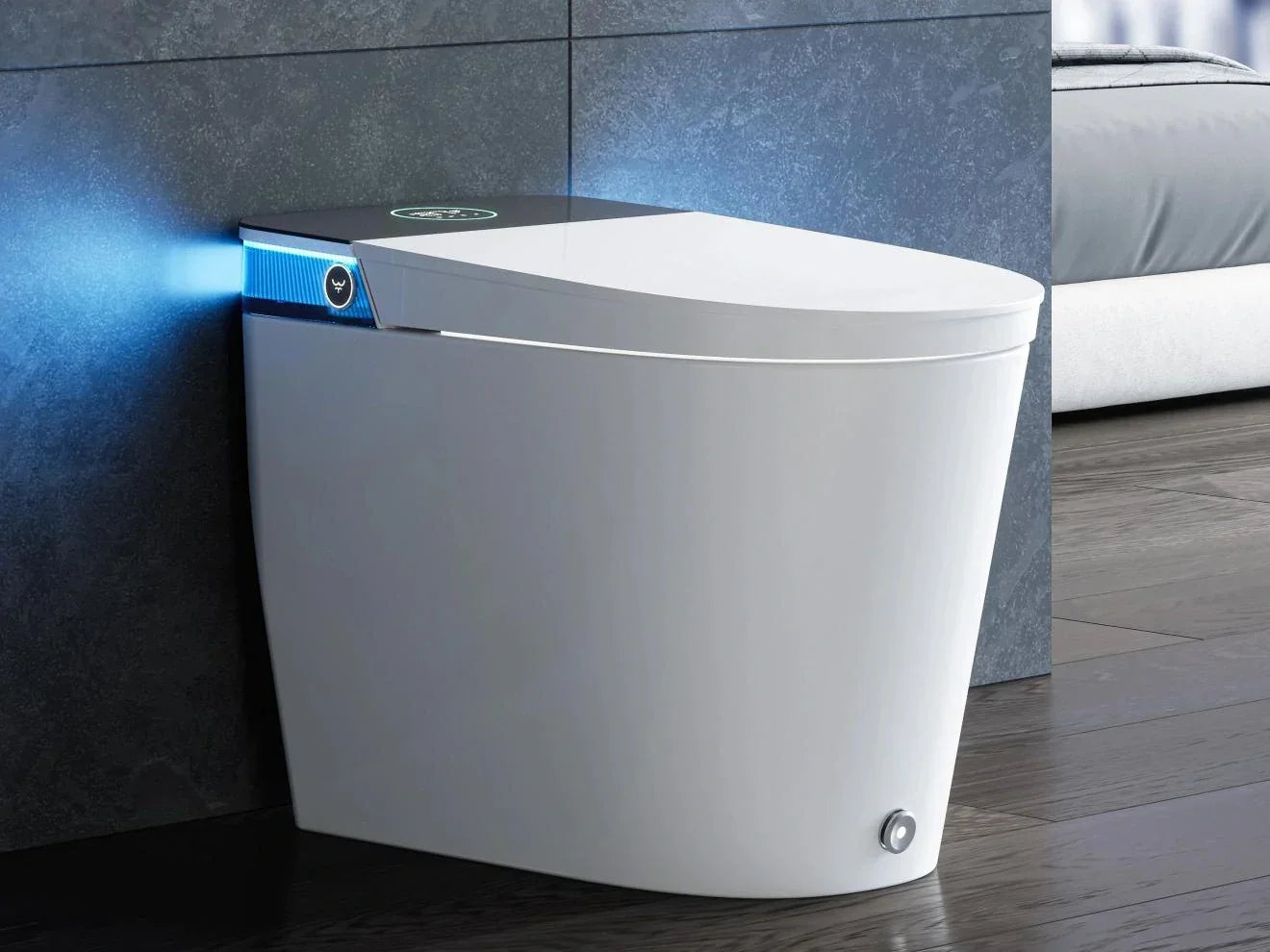
Current evidence does not establish that routine bidet toilet use either causes or prevents urinary tract infections (UTIs). This page provides a concise overview of common bidet toilet hygiene concerns, gentle-use practices, and situations in which medical advice may be appropriate.
For a fuller review of the available studies and their limitations, read our main guide to bidets and UTI risk.

Understanding UTIs
A urinary tract infection occurs when bacteria enter and multiply in the urinary tract. The urinary tract includes the kidneys, ureters, bladder, and urethra. Bladder infections are the most common type, while kidney infections are less common but may be more serious.[1][2]
Recognized risk factors include a previous UTI, recent sexual activity, pregnancy, changes in vaginal flora, urinary catheter use, urinary obstruction, diabetes, and structural urinary problems. Because UTIs have multiple possible causes, symptoms should not be attributed to a bidet toilet without an appropriate medical evaluation.[1][2]

Types of UTIs
UTIs may affect different parts of the urinary tract. A bidet toilet cannot diagnose, prevent, or treat any of these conditions.
Cystitis (Bladder Infection)
Cystitis affects the bladder and is commonly caused by bacteria. Symptoms may include pain or burning during urination, frequent urination, and lower abdominal discomfort.
Urethritis (Urethra Inflammation or Infection)
Urethritis affects the urethra and may have bacterial, viral, or noninfectious causes. Pain during urination, irritation, or unusual discharge should be evaluated by a healthcare professional.
Pyelonephritis (Kidney Infection)
A kidney infection may develop when an infection spreads upward from the lower urinary tract. Fever, chills, nausea, vomiting, or pain in the back or side may require prompt medical care.[1]

Common Symptoms of UTIs
UTI symptoms vary by person and by the part of the urinary tract affected. Common symptoms may include the following:
A Strong, Persistent Urge to Urinate
A person with a bladder infection may feel an urgent need to urinate, even when only a small amount of urine is passed.
A Burning Sensation During Urination
Pain or burning during urination is a common UTI symptom and should be assessed if it persists.
Cloudy, Bloody, or Strong-Smelling Urine
Changes in urine appearance or odor may occur with a UTI, but these changes can have other causes and do not confirm an infection by themselves.
Pelvic or Lower Abdominal Discomfort
A bladder infection may cause pressure, cramping, or discomfort in the lower abdomen. Fever or pain in the back or side may indicate a more serious infection.[1][2]

Treatment and General UTI Guidance
A healthcare professional may use a medical history, examination, and laboratory testing to diagnose a UTI. Treatment depends on the type and severity of the infection.
Antibiotics
Antibiotics are commonly used to treat bacterial UTIs. The appropriate medication and treatment period should be determined by a healthcare professional.
Hydration
Drinking an appropriate amount of water supports normal urinary function, but hydration should not be used as a substitute for medical treatment when symptoms are present.
Hygiene Practices
Routine external hygiene may support personal comfort, but no hygiene fixture or washing method can guarantee that a UTI will be prevented.
Cranberry Products
Cranberry products should not replace diagnosis or treatment. People considering cranberry products for recurrent UTIs should discuss their individual situation with a healthcare professional.
What Does Research Say About Bidet Toilets and UTIs?
Research examining bidet toilet use and urinary or genital infections remains limited. Available studies do not establish bidet toilets as a method for preventing UTIs, and they do not show that routine use directly causes UTIs in the general population.
A one-year follow-up survey did not find a significant increase in the incidence of urological infections among bidet users. However, some findings involving bacterial vaginitis remained uncertain, and the study could not establish simple cause-and-effect relationships.[3]
Self-Cleaning Nozzle
A nozzle-rinsing function may assist with routine device maintenance. It should not be described as making the nozzle sterile or as a proven method for preventing UTIs. Manual cleaning according to the manufacturer’s instructions remains important.

UV-Related Cleaning Features
UV-related functions vary by product and should be evaluated using the manufacturer’s verified specifications. The presence of a UV-related feature does not establish that a bidet toilet prevents urinary tract infections.

Warm Water and Warm Air Drying Functions
Warm water and air-drying functions may affect comfort and reduce the need for repeated wiping. They should not be presented as medically proven UTI-prevention features.

Reduced Toilet Paper Usage
Some users may find water cleansing more comfortable than repeated dry wiping. This is a personal hygiene consideration and does not prove that bidet toilet use lowers UTI risk.
Practical Bidet Toilet Use Considerations
The following points concern comfort, irritation, and routine device hygiene. They have not been proven to prevent UTIs.
Spray Direction
Keep the spray external and avoid directing residue from the anal area toward the urethral or vaginal area. Do not use a bidet toilet for internal washing.
Water Pressure and Sensitivity
Begin with gentle water pressure. Excessive pressure may cause discomfort or irritate sensitive skin and tissue.
Moisture and Drying
Pat the external area dry gently when needed, particularly if moisture causes discomfort or skin irritation. Avoid rubbing already irritated skin.
Nozzle Maintenance
Clean the nozzle and surrounding surfaces according to the manufacturer’s instructions. A self-cleaning cycle may support routine maintenance, but it does not eliminate the need for manual cleaning.
Best Practices for Gentle Bidet Toilet Use
Using a bidet toilet gently and maintaining the device may help reduce irritation and routine hygiene concerns.
Adjusting Water Temperatured Pressure
Start with low water pressure and a comfortable temperature. Avoid settings that cause pain, burning, or skin irritation.
Proper Positioning and Spray Angle
Follow the manufacturer’s operating instructions and keep the spray external. Reposition or stop the spray if it causes discomfort.
Drying After Use
Pat the external area dry gently with clean toilet paper or a clean personal towel when needed. Do not reuse a damp shared towel.
Self-Cleaning Nozzles
A self-cleaning function may rinse the nozzle as part of normal operation. It should not be treated as proof that the nozzle is sterile or that the product prevents infection.
For general guidance on nozzle care, cleaning, water pressure, and everyday use, read our bidet hygiene guide.
FAQ
1. Do bidet toilets cause UTIs?
Current research does not establish that routine bidet toilet use directly causes UTIs. Evidence remains limited, and individual symptoms should be evaluated by a healthcare professional rather than attributed to a bathroom fixture without a diagnosis.
2. Can a bidet toilet prevent a UTI?
No medical evidence establishes bidet toilets as a proven UTI-prevention method. A bidet may support external cleansing, but it cannot replace recognized medical guidance, evaluation, or treatment.
3. How should a bidet toilet nozzle be maintained?
Follow the manufacturer’s cleaning instructions and clean exposed surfaces regularly. A self-cleaning function may support routine maintenance, but it should not be treated as proof that the nozzle is sterile or that the product prevents infection.
4. When should someone stop using a bidet toilet?
Stop using the device if it causes pain, bleeding, unusual discharge, or persistent irritation. People with an active or recurrent UTI, recent urinary procedures, pregnancy-related concerns, or a weakened immune system should ask a healthcare professional for individualized guidance.
For the complete evidence review and research limitations, read our main article on whether bidets can cause UTIs.
Sources and Further Reading
[1] Centers for Disease Control and Prevention. “Urinary Tract Infection Basics.” January 22, 2024.
[2] National Institute of Diabetes and Digestive and Kidney Diseases. “Bladder Infection (Urinary Tract Infection—UTI) in Adults.” Last reviewed April 2024.
[3] Kiuchi T, Asakura K, Nakano M, Omae K. “Bidet Toilet Use and Incidence of Hemorrhoids or Urogenital Infections: A One-Year Follow-Up Web Survey.” Preventive Medicine Reports. 2017;6:121–125.
[4] Iyo T, Iwahori K. “The Effectiveness of Neutral Electrolyzed Water for Decontaminating the Spray Nozzles of Electric Tankless and Tank-Type Warm-Water Bidet Toilet Seats.” Biocontrol Science. 2022;27(4):199–207.



Leave a comment
This site is protected by hCaptcha and the hCaptcha Privacy Policy and Terms of Service apply.