
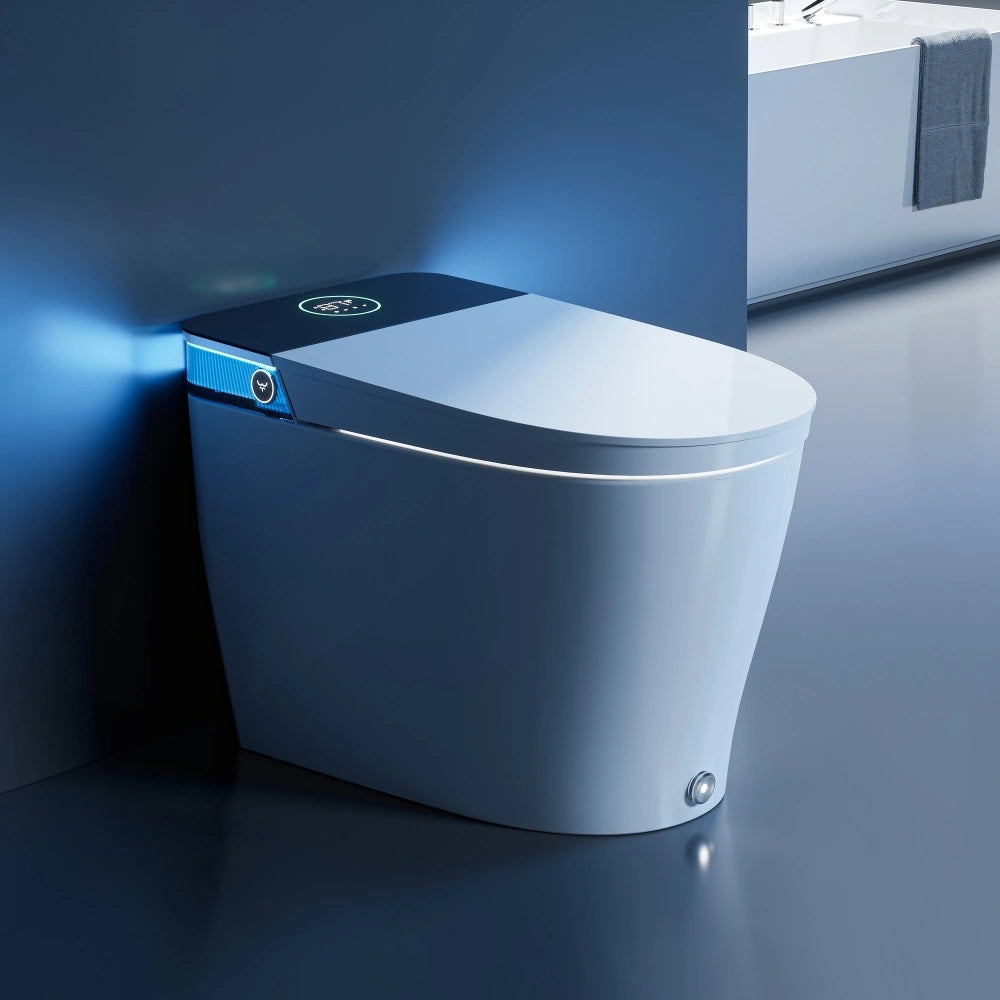
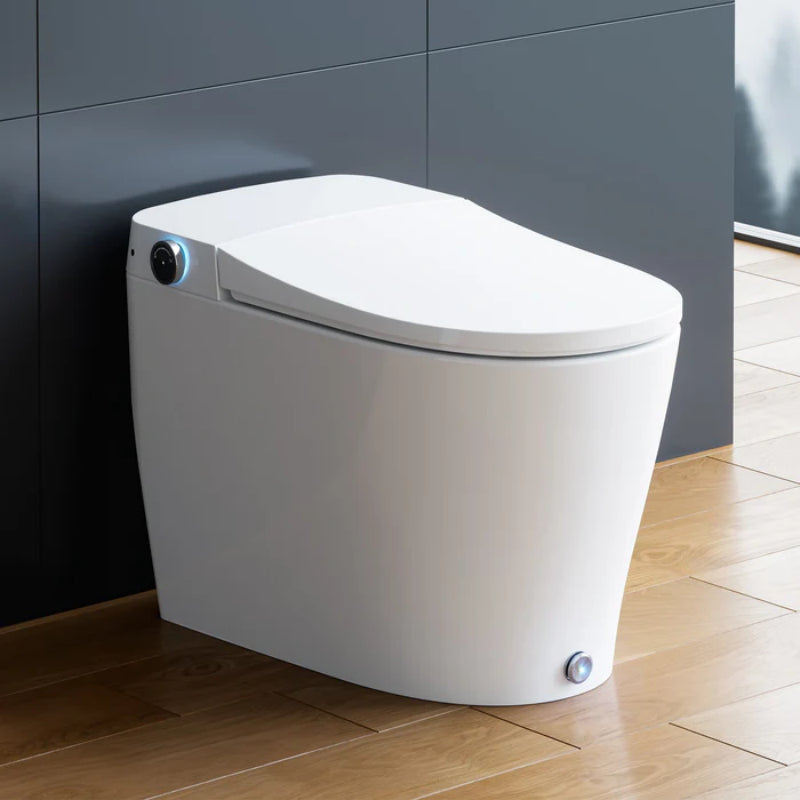
Smart toilets can feel especially nice in winter. A heated seat on a cold morning is easy to appreciate. Warm water washing and drying can also make the bathroom feel more comfortable when the room is chilly. The overall bathroom experience improves significantly when these features work reliably through the colder months.
But winter maintenance is where some owners get surprised. The comfort features are real. So are the extra checks, power needs, cleaning limits, and freezing risks. Here’s where this works well in real homes — and where it often doesn’t.
This guide distinguishes between routine winter maintenance for occupied, heated homes and full winterization for vacant or freeze-risk properties, as the approach differs significantly.
Decision Snapshot
The value of winter maintenance depends entirely on your climate, home occupancy, and power reliability.
Maintenance priorities for cold-climate homes
Winter maintenance for smart toilets is usually worth it if you live in a place with regular freezes, keep the home occupied most of the season, and rely on the toilet’s heated water, seat, and wash features daily. In that setup, a simple checklist helps maintain optimal performance through the coldest months. In that setup, a simple smart toilet winter maintenance checklist can prevent frozen lines, small leaks, sensor issues, and cold-weather performance problems.
Light-touch approach for mild winters
If your winters are short or mild, winter care may be very light. You may only need basic cleaning, a quick leak check, and occasional moisture control. In many homes, “winter maintenance” sounds bigger than it really is.
Power-dependent features to consider
If your area gets winter outages and you do not have a reliable backup plan, smart toilet winter comfort can disappoint fast. Heated seats, warm water, dryers, sensors, and some automatic functions depend on electricity. If stable power is a weak point in your home, winter ownership can be more annoying than comforting.
Hidden Winter Trade-offs
The three areas below—power dependency, cleaning demands, and sensor behavior—are where homeowners most often find that winter maintenance requires more awareness than they initially assumed.
Comfort depends on electricity
This is the first thing many people wish they had weighed more seriously. A smart toilet can feel like a major winter upgrade — until the power drops. In cold weather, that matters more because the features you notice most are the powered ones: heated seat, warm wash water, dryer, deodorizer, lid automation, and sometimes flushing assistance.
During a winter power outage, the following typically remain usable: manual flushing (if the model includes a mechanical override or gravity flush), and the physical bowl and seat structure. The following comfort features typically stop working: heated seat, warm water washing, air dryer, deodorizer, automatic lid opening, and sensor-based functions. Some units still allow basic flushing during an outage, but not every comfort feature remains operational.
So if you are asking how to save energy with a smart toilet during winter, the honest answer is that the comfort you enjoy most is tied to steady power use.
That does not mean winter maintenance is a bad idea. It means you should see it as part of owning a powered bathroom fixture, not a simple set-it-and-forget-it toilet—consistent care helps keep your smart toilet functioning reliably through winter.
Self-cleaning still needs scrubbing
A common regret is expecting winter care to be almost automatic. Self-rinsing nozzles help. UV or sterilizing features may help. But owners quickly learn how to clean areas the automated features miss, especially around the underside of the seat and hinge areas. But grime still collects in places owners do not expect, especially around the underside of the seat, hinge areas, and splash-prone edges, where residue can accumulate quickly during winter months. Left unattended, this buildup can lead to stain formation that becomes harder to remove over time.
In winter, bathrooms often stay closed up longer, hold more humidity, and get less airflow. That can make residue, condensation, and odor more noticeable, allowing grime to accumulate dirt more quickly than in well-ventilated spaces. So how to clean a smart toilet safely during winter maintenance becomes important.
The key point is simple: winter care still means hands-on cleaning. Regular cleaning around electronics, seams, and coated surfaces is part of ownership. If you dislike that level of detail, this may feel like more work than advertised.
Cold rooms can confuse sensors
How cold weather affects smart toilet performance is not always dramatic, but it can be annoying. In very cold bathrooms, room-based sensors may misread conditions. Seat temperature auto-adjustment may not feel as smart as expected. Lid opening, user detection, and drying cycles can seem inconsistent when the room is much colder than normal.
This does not mean the toilet is broken. It may just mean your bathroom is colder than the product expects. Owners often read this as a defect when it is really a room-condition issue.

Setup Reality in Cold Weather
Before diving into specific cold-weather considerations, it helps to separate two distinct scenarios: homes that stay heated and occupied through winter, and properties that go vacant or face freezing risks. The proper maintenance approach—and the level of effort required—differs substantially between them.
Freeze protection needs planning
If you are wondering how to winterize a smart toilet in cold weather, the answer depends less on the toilet itself and more on the room, plumbing path, and how often the home sits empty.
Occupied heated home winter checks:
-
keep indoor temperatures safely above freezing at all times
-
check exposed supply lines for signs of wear or minor leaks
-
confirm the shutoff valve and supply hose are not sweating or dripping
-
watch for drafts near exterior walls that can chill plumbing
-
inspect bidet connections after sharp temperature drops
Vacant or seasonal home winterization steps:
-
shut off the water supply to the toilet
-
disconnect the supply line and allow water to drain completely
-
follow the manufacturer’s draining procedure for internal water paths
-
flush the unit to clear residual water from valves and lines if the manual permits
-
leave the seat and lid open to prevent condensation and seal odors
-
consider unplugging the unit if the home will remain unpowered or below freezing
This is where homeowners asking how to prevent bidet pipes from freezing in winter need to be careful: a heated bathroom seat does not protect every water path inside the system.
Installation may be harder than expected
Cold-weather use can expose setup problems that seemed minor at first. Smart toilets come with specific electrical and plumbing requirements, so to avoid winter surprises, treat the following as pre-winter readiness checks:
-
outlet distance: confirm the toilet’s power cord reaches a grounded GFCI outlet without requiring an extension cord
-
electrical capacity: verify the circuit can handle the toilet’s peak power demand, especially if the bathroom shares a circuit with space heaters or other high-draw devices
-
exterior-wall placement: toilets mounted on exterior walls are more vulnerable to cold; assess whether pipe insulation or wall insulation is adequate
-
room insulation: if the bathroom is prone to drafts or poor heat retention, address those issues before cold weather settles in
Some homeowners also underestimate the physical side of setup. These units can be heavy and awkward, and mishandling during installation can damage the surface or internal components. If you need to reposition plumbing, improve insulation, or add a proper outlet, winter care starts looking less like “maintenance” and more like a home readiness issue—in some cases, it may be simpler to replace the unit rather than retrofit an unsuitable bathroom. Quality units are built with winter conditions in mind, meaning they can handle temperature swings when properly installed.
So before you focus on heated seat smart toilet tips for cold climates, make sure the room itself is suitable.
Is winterizing actually necessary?
Sometimes yes, sometimes not. If the bathroom is inside a heated home in a moderate climate, “winterizing” may just mean seasonal inspection and a few setting changes. If the room gets very cold, the house sits empty, or pipes run through unheated spaces, winterizing matters a lot more.
In short: winter maintenance is necessary when freezing risk, vacancy, or moisture risk is real. It is not automatically a major task in every home.

Winter problems users overlook
The issues that surface during colder months often go unnoticed until they become costly. Small leaks, hidden moisture, and unexpected power outages each affect a smart toilet differently in winter.
Leaks often start small
What to check if a smart toilet leaks in winter? Start with the simple places:
-
supply hose connections
-
shutoff valve area
-
bidet hose fittings
-
condensation around cold surfaces
-
water near the base after temperature swings
Winter leaks can start as tiny drips. Owners often miss them because the toilet still works fine. Then moisture collects under trim, behind the toilet bowl, or near the outlet.
This is one of the clearest signs your smart toilet needs winter maintenance: unexplained dampness, recurring condensation, or a faint musty smell. Small winter leaks are easy to ignore and expensive to leave alone.
Moisture can threaten electronics
How to protect smart toilet electronic components from winter moisture is less about spraying products and more about controlling the room. Cold bathrooms can create condensation. Warm water use followed by cold surfaces can add more. If the room has weak ventilation, moisture hangs around the seat housing and control areas longer.
That can raise the risk of corrosion or sensor trouble over time. It can also make cleaning trickier because not every cleaner is safe for electronic housings or coated surfaces.
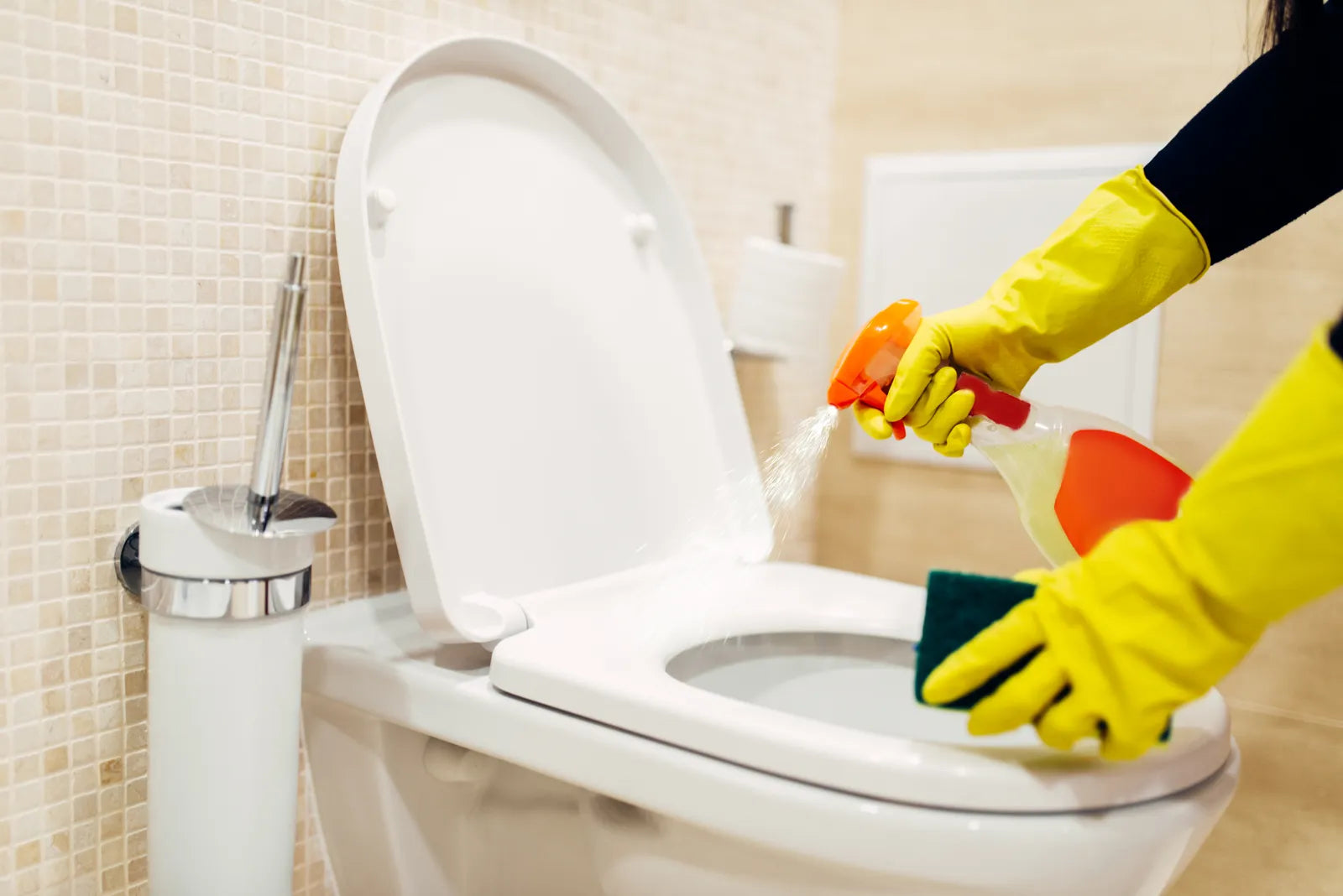
If you are asking what cleaner is safe for smart toilet winter cleaning, the safest rule is to use a soft cloth, mild soap if allowed by the maker, and avoid abrasive pads, harsh chemicals, bleach-heavy products, or overspray near controls and seams.
Many smart toilets carry an IPX4 water resistance rating, which protects against splashes but does not mean the unit is waterproof. Even units with a strong waterproof rating can be damaged by overspray into seams and control panels. To clean the toilet bowl itself, use only products explicitly approved for the unit to avoid damaging seals and internal components. Standard household detergent is often too aggressive for coated surfaces and electronic components.
For tight areas around nozzles, a soft toothbrush can help without scratching sensitive surfaces. Strong acidic or alkaline cleaners can damage seals, nozzles, and electronic components over time. Not every standard toilet cleaner is suitable for electronic components. A gentle cleaning routine with neutral products protects both surfaces and electronics. Winter is not the time to get aggressive with cleaners.
What happens during outages?
This is where expectations matter. During a winter outage, your toilet may lose warm water, seat heat, drying, and automated functions. Even if flushing still works in some form, the experience changes fast.
If you bought it mainly for winter comfort, outages hit harder than they would in summer. If your bathroom also gets cold quickly, the unit may feel like a premium fixture that offers very little when you need comfort most.
That does not mean you should avoid one. It means winter maintenance for smart toilets makes more sense when your home systems are stable: heat, power, and indoor humidity.

When winter care feels overkill
Not every home requires the same level of winter attention.
Seasonal homes need different routines
Should you turn off a smart toilet when away in winter? In a primary home, short trips usually do not require full shutdown if heat stays on and the bathroom remains above freezing. In a seasonal home or a house left empty for long stretches, the answer changes.
If the property may get cold enough to freeze, leaving the toilet powered but connected to water is risky. In that case, proper draining and shutdown are usually smarter than hoping built-in protections are enough.
This is one area where smart toilet vs bidet seat winter maintenance differences can matter. Smart toilets require proper maintenance tailored to their complexity, and a system with more built-in functions and internal water paths may need more careful draining than a simpler attachment. More features can mean more winter points of failure.
Mild climates may need little
Many people in mild areas do not need a heavy winter routine at all. If your bathroom never gets near freezing, your version of winter maintenance may just be:
-
a leak check after cold snaps
-
safe cleaning of the seat and nozzle area
-
watching humidity
That is why some owners later say winter advice online felt too dramatic for their home.
Should you turn it off away?
If you are away for a weekend in a heated home, shutting it off is usually unnecessary unless the maker says otherwise. If you are leaving for weeks, ask two questions:
-
Will the home stay warm enough the whole time?
-
Will anyone notice a leak or outage?
If the answer to either is no, turning it off and winterizing may be safer. The problem is not just energy use. It is a mix of water, electronics, and an empty house.
Practical winter settings and care
A few winter habits do make sense if you decide the feature set is worth keeping active.
For the best water temperature settings for smart toilets in winter, many people do well with moderate warmth, not maximum heat. The convenience of smart toilets is most valuable when settings are optimized for both comfort and practical energy use. Very high settings can use more energy without feeling much better after the first minute. The same goes for heated seats. A middle setting is often enough in a heated home.
For winter care tips for smart toilet nozzles and heated seats, always turn off the power before cleaning, then focus on consistency: wipe surfaces gently, inspect the nozzle area regularly, and do not assume self-cleaning means buildup cannot happen. Keeping the unit in top condition through the colder months requires this kind of regular attention. Knowing how to clean and maintain your smart toilet properly before winter arrives prevents most cold-weather performance issues.
When you do use water for cleaning, avoid spraying directly into control panels or electronic housings. A few minutes of regular attention helps prevent buildup that can affect performance. If hygienic performance is your concern, how to maintain smart toilet hygiene in winter comes down to ventilation, routine wiping, and using only approved cleaners—a consistently hygienic bathroom environment starts with these basics. Taking time to clean the nozzle with manufacturer-approved methods is also essential. The CDC provides additional guidance on maintaining hygiene in residential water fixtures.
The key point is this: winter maintenance is worthwhile when it prevents a real risk or keeps a feature you truly use. A small investment in care now helps protect the unit for years to come. It is not worthwhile when you are doing extra tasks for a bathroom that never gets cold enough to create problems.

Before You Choose
-
Does your bathroom or supply line area ever get close to freezing?
-
Will the home stay heated and powered during winter absences?
-
Are you okay with manual cleaning even if the toilet has self-cleaning features?
-
Do you have a safe outlet setup and room ventilation?
-
Would a winter outage make the comfort features feel unreliable to you?
FAQs
1. How do I protect my smart toilet from freezing?
Freeze protection starts with understanding your home's winter conditions. In an occupied, heated home, winter maintenance for smart toilets focuses on keeping indoor temperatures above freezing, checking exposed supply lines for drafts, and inspecting connections after cold snaps. For seasonal or vacant homes, preventing bidet pipes from freezing requires shutting off the water supply, disconnecting the inlet hose, and fully draining the unit according to manufacturer instructions.
2. Should I unplug my bidet in a cold winter?
In a heated, occupied home, unplugging is generally unnecessary as part of regular winter maintenance for smart toilets. However, for seasonal homes or extended vacancies where temperatures may drop below freezing, unplugging alongside full water draining is a prudent precaution. The concern is not electrical safety but rather preventing bidet pipes from freezing while water remains trapped in internal valves and pathways. When in doubt, a complete winterization—water off, lines drained, unit unplugged—eliminates both freeze risk and any power-related concerns during unoccupied periods.
3. Does a heated toilet seat use more power in winter?
Yes, because it cycles more frequently to maintain warmth against colder room temperatures. For energy saving bidet tips for winter, the most effective adjustment is using a moderate temperature setting rather than maximum heat—the comfort difference is minimal after the first minute, but the energy savings add up over the season. Heated seat comfort in cold climates remains achievable without high energy costs when combined with reasonable settings and a well-insulated bathroom.
4. Can bidet water lines burst in the cold?
Burst lines are a real risk when water inside supply lines or internal components freezes and expands. This is why preventing bidet pipes from freezing is a central focus of winter maintenance for smart toilets, especially for units on exterior walls, in uninsulated cavities, or in homes left unheated during absences. Damage often occurs at plastic valves, internal connectors, or water paths that retain standing water after the supply is turned off. Complete winterization—shutting off water, draining all lines, and following manufacturer draining procedures—is the only reliable prevention method, as no built-in feature guarantees freeze protection.
5. What is the ideal water temp for winter bidet use?
For most users, a moderate warm setting offers the best balance of comfort and energy efficiency when adjusting water temp for winter wash. Maximum heat settings consume more electricity and can feel uncomfortably intense against cold skin, whereas a mid-range temperature provides consistent comfort without excessive power draw. This approach aligns with broader energy saving bidet tips for winter while ensuring heated seat comfort in cold climates remains enjoyable.
References


Leave a comment
This site is protected by hCaptcha and the hCaptcha Privacy Policy and Terms of Service apply.