



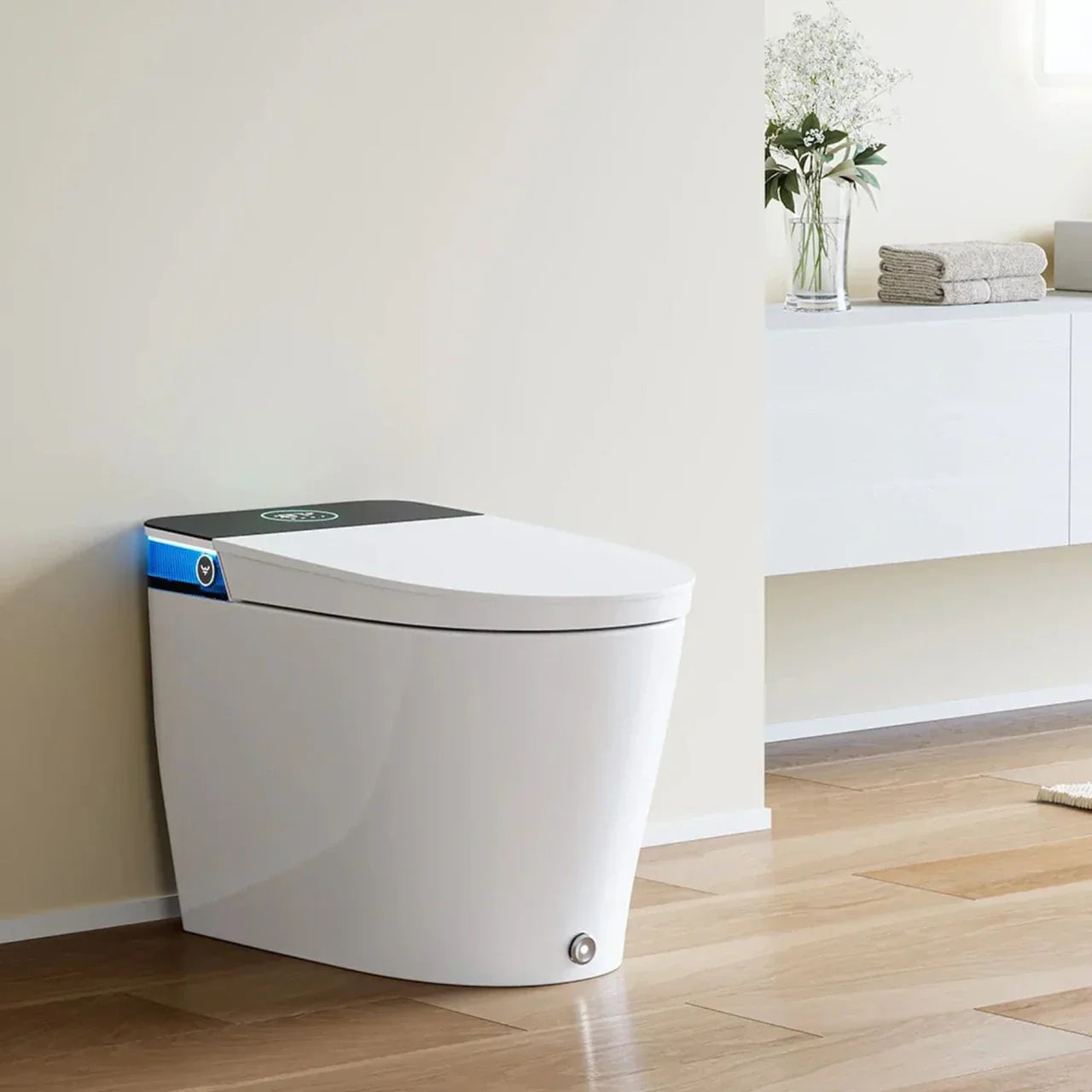
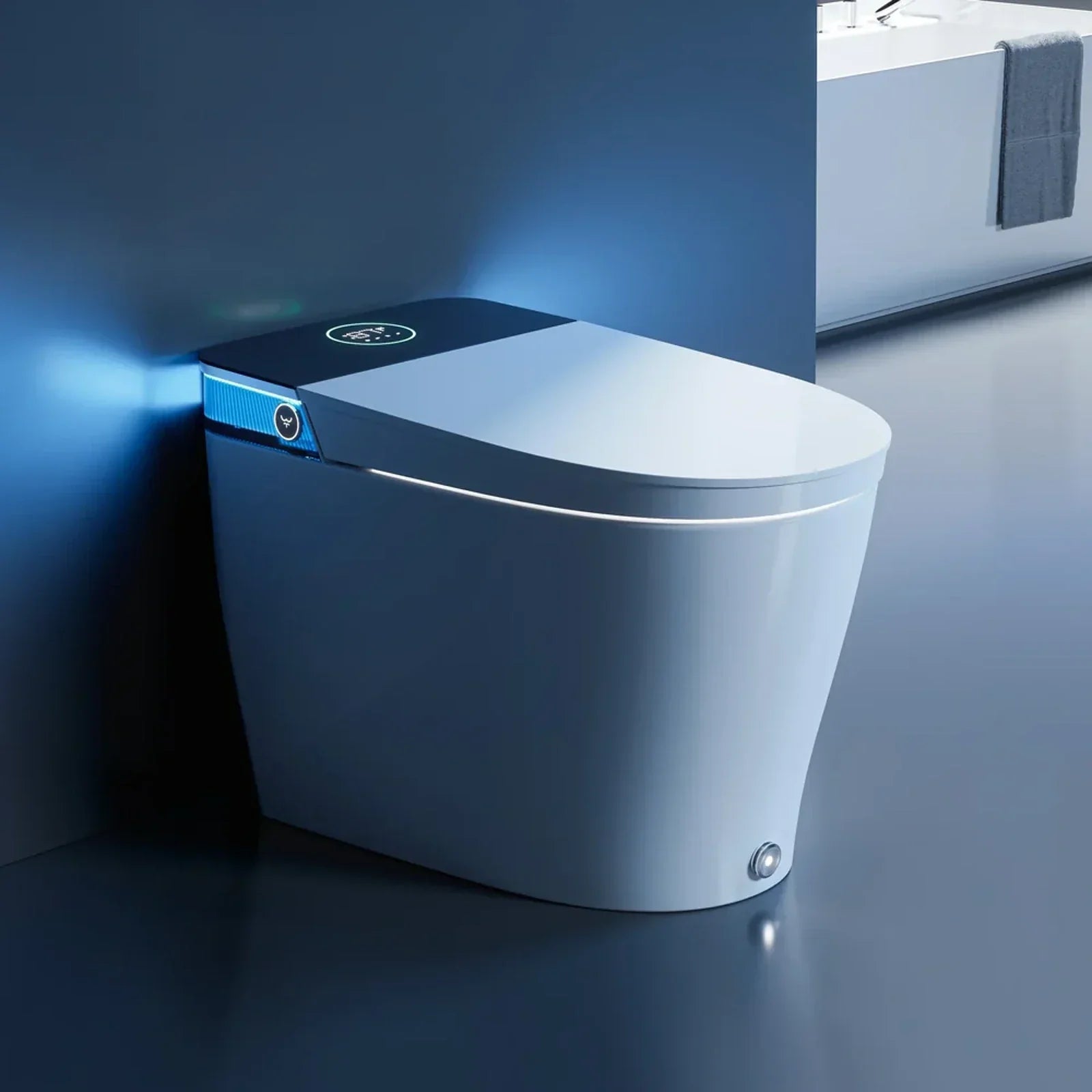
A UV Sterilization Smart Toilet combines modern, hands-free features with a bidet to deliver a hygienic, user-friendly experience for every household. Using UV-C light, it helps cleanse high-touch areas like the nozzle, while features such as heated seats, adjustable settings, and built-in convenience enhance functionality and comfort. Although UV sterilization uses are targeted and don’t replace regular cleaning, choosing the right smart toilet features allows a tailored, efficient, and thorough solution for families, seniors, or individuals seeking a sustainable, hygienic, and modern upgrade to their bathroom routine. By understanding its capabilities and limitations, you can make an informed choice and enjoy a clean, comfortable experience every time.
Decision Snapshot (rule of thumb)
A UV Sterilization Smart Toilet is usually a good fit if you want a bidet you’ll use every day, you like “hands-free” features, and you’re realistic about what UV can and can’t do (it helps reduce germs on specific parts, but it won’t make the whole toilet magically clean).
You should probably skip it if you hate troubleshooting, you’ve had clog/flush issues in your house before, or you’re buying mainly because “self-sanitizing” sounds like it will eliminate manual cleaning. In many homes, the biggest regret is paying for advanced hygiene technology and then getting annoyed by sensors, remotes, noise, or maintenance limits.
60-second fit checklist (fast reality check)
| Check | Why it matters |
| Outlet within cord reach + GFCI protected | Many smart toilets have short power cords; “almost reaches” often turns into electrical work. |
| Rough-in matches (commonly 12-inch) | If the rough-in is wrong, the toilet may not sit right or may need returns. |
| Clearance at the bowl and tank area | One-piece smart designs are bulky; tight spaces make install and service harder. |
| Water shutoff location is accessible | You may need access for filters, service, or shutting off during error codes. |
| Your household tolerates noise and lights | Auto flush, deodorization fans, and toe-sensor lights can be disruptive at night. |

Do you need UV sterilization—or just the feeling of it?
UV sterilization sounds like a clear win: shine UV‑C light and reduce microbes on exposed surfaces, but the real‑world effectiveness depends on proper exposure and application. According to the CDC, ultraviolet germicidal irradiation (UVGI) inactivates viruses and bacteria when designed and installed correctly, but it is typically a supplemental method rather than a total disinfection solution.
What UV sterilization usually covers
In most UV sterilization smart toilet designs, UV is aimed at a limited target—commonly the bidet nozzle (sometimes the nozzle area or wand housing). That can be useful because the nozzle is a high-touch hygiene component that people worry about.
But “UV sterilization smart toilet” does not automatically mean:
-
the bowl is sterilized
-
the seat is sterilized
-
odor is solved
-
you can stop scrubbing
UV works best on surfaces that are directly exposed to the light for the needed time. If a surface is shaded, dirty, wet with residue, or coated with mineral scale, UV is less effective. So if your goal is “no more cleaning,” UV often disappoints.

When UV is worth it for hygiene
UV sterilization can make sense when your home has higher hygiene pressure, for example:
-
A household with a higher risk tolerance concern (someone recovering from illness, frequent stomach bugs in the home, or caregivers helping with toileting).
-
A shared bathroom where you want extra reassurance about the bidet nozzle being cleaner between users.
-
Homes where people will actually use the antibacterial bidet toilet features consistently (bidet washing, warm water, drying), not just once in a while.
The key point is that UV is most valuable when it supports a routine you already plan to use.
When UV becomes mostly a “comfort feature”
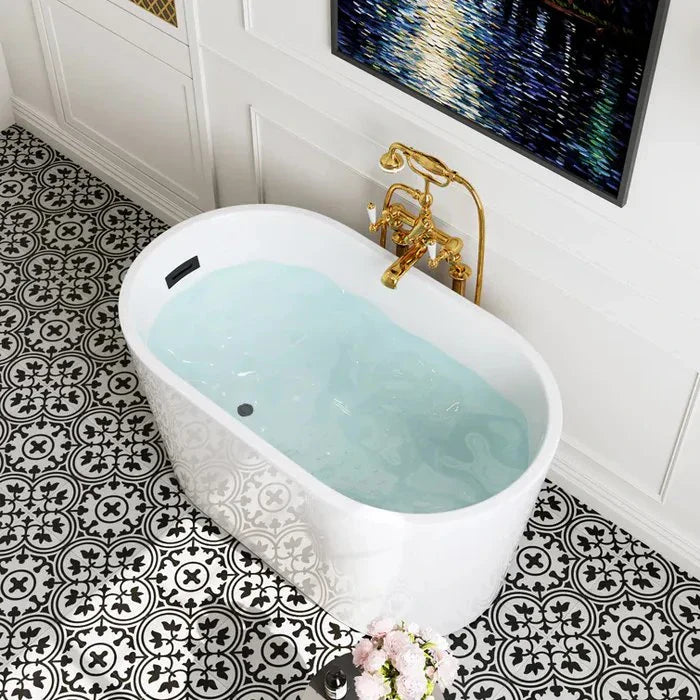
If you already clean your toilet regularly and you mainly want bidet comfort—adjustable water pressure, temperature settings, warm air drying, a heated seat—UV may not change your health outcomes much. It may still improve peace of mind. For example, after a relaxing soak in the bathtub, stepping up to a smart toilet with these features can offer an extra hygienic and soothing experience. That’s not nothing, but it’s also not the same as “medical-grade sterilization.”
If you’re paying a lot extra mainly for UV, ask yourself: Will I notice this feature after the first month? Many people don’t—until something breaks or becomes annoying.
“Self-sanitizing” expectations that break later
A self-sanitizing smart toilet often combines UV, rinse cycles, and sometimes deodorization. Here’s where homeowners get frustrated:
-
Deodorization has limits. Fans and filters can reduce smells, but they don’t erase them in every situation. Strong odors, poor bathroom ventilation, or heavy use can overwhelm the system.
-
Auto-clean cycles don’t remove buildup. They can rinse and reduce residue, but they don’t replace periodic scrubbing—especially under rims, around hinges, and in hard-to-reach seams.
-
“Foam” or pre-rinse features can feel pointless. In some designs, automatic pre-flush or pre-wash can run at times that don’t match your routine, which can waste water or wash away what you thought was “protecting” the bowl.
Will installation and layout fight you?
Smart toilets add two things that standard toilets don’t: power and electronics. That changes the install experience.

Outlet distance is a bigger deal than it sounds
A common regret is discovering the power cord is shorter than expected. If the nearest outlet is just out of reach, you may end up with:
-
an exposed extension cord (not great around a wet bathroom)
-
a need to add a closer outlet
-
opening the wall to route power cleanly
In many homes, the “smart” part begins with basic electrical reality: you need safe, code-appropriate power in the right spot.
Rough-in, clearance, and weight surprises
Even when the rough-in is correct (often 12-inch), installation can still be harder because:
-
One-piece smart toilets are heavy and awkward. A two-person install is common.
-
Tight bathrooms make it hard to reach mounting bolts and water connections.
-
Some designs sit close to walls, making it hard to service filters, valves, or connectors later.
If your bathroom is small or the toilet is in a tight alcove, the install challenge is not just getting it in place—it’s whether you can access parts when something goes wrong.
Fixed spray direction can be a dealbreaker
Many people assume a bidet nozzle always “adjusts to you.” In reality, some models have limited adjustability because of how the nozzle and water outlet are built in.
If the wand aiming or spray position doesn’t fit your body well, you can end up with a bidet you don’t like using—no matter how advanced the UV sterilization nozzle bidet sounds on the box.
Can you live with the daily “smart” behaviors?
The biggest long-term question isn’t UV. It’s whether you enjoy living with automation.
Remote control learning curve is real
A remote can be great when it’s simple and responsive. The problems show up when:
-
buttons have secondary functions you only access by long-pressing
-
settings are buried (rear wash, front wash, oscillation, temperature, pressure)
-
commands lag or don’t “queue,” so quick button presses don’t behave the way you expect
If multiple people use the bathroom, confusion goes up fast. Guests may avoid using features entirely, which can make the “smart” investment feel wasted.
Touchless features can annoy in normal life
Hands-free sounds perfect until it isn’t. Common friction points include:
-
Auto open/close triggering when you walk past the toilet
-
Foot or toe sensors that activate lights or lid movement when you didn’t want it
-
Night lighting that’s brighter than expected, or cannot be fully disabled
-
Auto flush timing that doesn’t match real use (especially with kids)
If you’re sensitive to noise, light, or “stuff happening on its own,” keep expectations low.
Nighttime comfort has trade-offs
Many people buy for comfort: heated seat, gentle illumination, warm water washing, warm air drying. Those can be great. But some households regret:
-
a louder flush than a standard toilet (especially disruptive at night)
-
fan noise from deodorization
-
seat heating that feels inconsistent or fails over time
In short, “comfort tech” can also be “more things to notice.”
Reliability and long-term regrets
Smart toilets combine plumbing and electronics. When they work, they feel effortless. When they don’t, they can feel like a project.
Clogs and flush performance matter more than UV
If your home has a history of clogs, slow drains, or older plumbing, prioritize that reality. Some owners report frequent clogging or weak flush performance even in newer homes. The result is not a small annoyance—clogs turn a daily essential into a recurring disruption.
A powerful flush on paper doesn’t guarantee real-world performance in your specific drain line.
Common failure points
Over time, the features that tend to create regret are the ones you can’t ignore:
-
Heated seat failures (stops heating, error codes)
-
Sensor glitches (lid behavior becomes inconsistent)
-
Electronics failures that take the whole toilet out of service
-
Remote control issues (pairing, responsiveness)
Even if parts are covered under warranty, the inconvenience is real: you may be without your main toilet or dealing with service logistics.
Maintenance is still maintenance
Auto-cleaning toilet features reduce some mess, but they don’t eliminate routine care. Also, many smart toilet manuals restrict harsh cleaners because they can damage seals, plastics, and coatings. That can surprise homeowners who like strong disinfectants.
Real-life upkeep often includes:
-
Regular gentle cleaning of the bowl and seat
-
Periodic nozzle area checks (even with UV)
-
Descaling if you have hard water (especially for warm water features)
-
Filter changes if the unit uses filtration
UV sterilization does not remove mineral scale, and scale can interfere with spray patterns and cleanliness.
Before You Choose (quick checklist)
-
Can you place a GFCI outlet within easy reach without using an extension cord?
-
Are you comfortable doing occasional troubleshooting (sensors, remotes, error codes)?
-
Are you buying UV to support a bidet routine you’ll use daily—not to avoid cleaning?
-
Is your bathroom quiet at night, and would a louder flush or bright light bother your household?
-
Do you have hard water, and are you willing to descale and follow cleaner restrictions?
FAQs
1. Does UV light really kill toilet bacteria?
A UV sterilization smart toilet can definitely help reduce bacteria, but it’s important to understand its limits. The UV-C light toilet bidet usually targets high-touch areas like the nozzle, rather than the whole bowl. It’s a great option to ensure a more hygienic experience for every use, but it doesn’t replace regular cleaning. What it offers is a customizable way to maintain cleanliness in between manual scrubbing. When combined with proper maintenance, it can provide a safer, more eco-friendly, and efficient bathroom routine, making everyday hygiene easier and giving users peace of mind.
2. How long does the UV cycle last?
Most UV sterilization smart toilets run their UV-C light toilet bidet cycle for a few minutes, usually just long enough to ensure the nozzle and nearby surfaces are sanitized. The cycle is designed to offer maximum germ reduction while remaining energy-efficient. It’s innovative because it works automatically, so users don’t have to remember to run it. Some toilets let you customize the timing or frequency, giving a tailored experience for your family. Overall, it’s a convenient, eco-friendly option that helps save time, reduce manual effort, and soothe hygiene concerns for every use.
3. Can UV light damage the toilet plastic?
When designed properly, a UV sterilization smart toilet won’t harm the plastic or other materials. The UV-C light toilet bidet is usually enclosed and only runs when it’s safe, so the exposure is controlled. This setup ensures the toilet remains durable while providing a hygienic experience. Many models equip features like automatic shut-off to save energy and protect components. While some wear is inevitable over years of use, the materials are innovative and eco-friendly, offering maximum efficiency without damage. Overall, UV is a gentle way to sanitize, giving a tailored experience for every use.
4. Is a UV toilet better than chemical cleaners?
A UV sterilization smart toilet is not meant to completely replace chemical cleaners, but it’s a smart option to reduce germs in between regular scrubbing. The UV-C light toilet bidet can ensure high-touch areas stay sanitized, making maintenance easier and offering a more eco-friendly solution. It provides a customizable, innovative way to maintain a hygienic experience without harsh chemicals, saving time and effort. When used alongside periodic cleaning, it offers maximum effectiveness, giving users a tailored experience that is safe, efficient, and comfortable for every use, while also helping to soothe hygiene worries.
References


Leave a comment
This site is protected by hCaptcha and the hCaptcha Privacy Policy and Terms of Service apply.