


If you are installing or replacing a toilet, fixing a leak, or staring at an old flange that looks half-rotted into the floor, the first question is usually simple: which type of toilet flange should I buy?
There are different types of toilet flanges, but most homeowners do not need a long catalog. What they need is a clear first decision.
In real homes, the right choice usually comes down to three things:
-
what kind of drain pipe you already have
-
whether your problem is material, height, or position
-
how much risk you want during toilet installation
A toilet flange, also called a closet flange, is the fitting that connects the bottom of the toilet to the drain pipe and anchors the toilet to the bathroom floor. It is the connection between the toilet and the drain, and it also holds the closet bolts that secure the toilet bowl. So when people ask, “what is a toilet flange?” The short answer is this: it ties the toilet to the drainpipe and the floor at the same time.
That sounds simple. But flange mistakes are one of the most common reasons a toilet rocks, leaks, smells, or needs to be reset.
Decision snapshot: flange or another fix?
When tackling a toilet flange repair or replacement, making the right decision up front can save you time and money, and help you navigate the world of toilet flanges to choose the best one for your setup, ensuring your toilet functions properly.
Buying Filters: Choose Your Style Before Material
-
Rotating vs Fixed Ring: Choose a rotating ring for easier bolt alignment (DIY-friendly). Avoid a fixed ring if you’re installing it yourself.
-
Solvent-weld vs Compression/No-Caulk/Mechanical: Choose solvent-weld for a permanent fit (if you are sure about the alignment and height). Choose compression/no-caulk for more flexibility during installation.
Solvent-weld vs compression
A solvent-weld PVC flange bonds to the pipe. Once it is glued in place, that position is final.
That is good because it creates a strong permanent connection. It is bad because if you clock it wrong, set the height wrong, or miss the bolt alignment, you may be cutting it back out.
Compression or no-caulk styles are more adjustable. These are often used in cast iron repair work or in situations where you want a more serviceable install.
So which is better?
-
solvent-weld is better when you know your fit, height, and alignment are correct
-
compression is better when you need some forgiveness, especially in repairs
For many DIY installs, the risk is not the glue itself. The risk is gluing too soon before confirming final position.
Rotating ring vs fixed ring
This sounds like a small feature. It is not.
A rotating ring lets you line up the closet bolts after the flange body is set. A fixed ring locks you into whatever position the flange body lands in.
That difference can be the line between a smooth install and one of those jobs where the toilet almost fits, the bolts are slightly off, and now you are forcing everything.
If you are doing your own toilet installation, a flange with a rotating or adjustable ring is often worth choosing even if it costs a bit more. It gives you a margin for real-life floors and real-life framing that are rarely perfect.
Choose PVC or ABS on modern plastic pipe
Choose a PVC closet flange or ABS flange if your home has a modern 3" or 4" plastic drain pipe and you want the most DIY-friendly option, as toilet flanges are the most common in modern plumbing systems.
This is the most common choice for newer homes, basement baths, and remodels. Plastic flanges are lightweight, easy to cut and fit, and usually the least expensive. If your pipe is plastic and the flange location is normal, this is where most people should start.
Avoid this route if the bathroom gets heavy daily use, the floor stays damp, or you are tying into old cast iron pipe and hoping a cheap plastic part will solve everything.
Choose cast iron, brass, or stainless steel if durability matters
Choose cast iron flange for toilet, brass toilet flange, or stainless steel toilet flange options if your setup is older, damp, or takes a lot of abuse.
That usually means:
-
older homes with cast iron drain lines
-
busy family bathrooms
-
guest baths that see rough use
-
places where moisture is a long-term issue
Metal costs more, but in the right setting it can be the lower lifetime-cost choice.
Avoid this route if you are on simple plastic pipe, on a tight budget, and want the easiest install.
Choose a repair part or extender if material is not the problem
If your flange is the wrong height or only the ring is damaged, a full replacement may not be the smartest first move.
Use an extender, spacer, or repair flange when:
-
the flange sits too low below the finished floor
-
the ring is broken but the pipe connection is still sound
-
you are replacing flooring and the toilet flange height is now off
Move the drain or use an offset flange only when position is the real issue.
The key point is this: do not buy a new flange type until you know whether your real problem is pipe material, flange height, or toilet location.

Which flange matches your pipe?
Choosing the right flange starts with understanding the type of pipe you have, whether it’s PVC, ABS, or cast iron. Properly matching the flange to the pipe ensures a secure connection and reduces the risk of leaks. The material of the flange should match the pipe material to ensure a secure and lasting connection.
PVC vs cast iron
A pvc closet flange is the common answer for newer plumbing. It is made to connect to PVC drain pipe, and similar versions exist for ABS systems. Plastic flanges are widely used because they are easy to install, light to handle, and cheap enough that many DIY owners are comfortable replacing one.
In a typical remodel with a 3" or 4" plastic drain line, a plastic flange is often the right flange.
A cast iron toilet flange is different. It is usually part of an older plumbing system, or it is chosen because metal feels more stable and lasts longer under stress. Cast iron flanges are extremely solid, but they are heavier, less forgiving, and less pleasant to work with if you are not used to old plumbing.
Here is the real trade-off:
-
PVC means easier install, lower cost, more DIY-friendly
-
cast iron means stronger feel, better long-term stability, less flex
What I have seen in practice is that many flange problems are not because PVC is “bad.” They happen because a cheap plastic flange was installed poorly, sat below the floor, or had no rotating ring to help with bolt alignment. On the other hand, old cast iron setups often last a very long time, but once they rust, crack, or lose support, replacement gets more complex fast.
If your home already has cast iron pipe, do not assume a random PVC flange can be used without the right adapter or repair method. What toilet flange to use with cast iron pipe? Usually a flange made for cast iron or a compatible compression or repair style is safer than forcing a standard plastic flange where it does not belong.
ABS vs PVC
ABS and PVC flanges do the same basic job, but they are not the same plastic and are not always installed the same way.
Choose ABS when:
-
The pipe system is ABS and you need impact resistance.
-
You’re working in a system where ABS is more readily available.
Choose PVC when:
-
The pipe system is PVC and easier to find in your area.
-
You need flexibility and lower costs.
Default recommendation: Choose PVC if you’re unsure, as it’s the more common material for modern plumbing systems.
The important part is not which one wins on paper. It is that the flange is compatible with your drain pipe and installed correctly.
Brass vs stainless steel
If you want a metal flange but do not want cast iron, you will usually be comparing brass flanges and stainless steel flanges.
A brass toilet flange has long been used in older work and repair situations. Brass is durable, workable, and a good fit in some restoration jobs. It can be a smart choice when you need something strong but still somewhat forgiving.
Stainless steel toilet flange options are often the better long-term choice where corrosion is a concern. In damp bathrooms, basement baths, or homes where small leaks may go unnoticed for too long, stainless steel tends to be the “buy once” option.
If you are choosing between them for a regular homeowner bathroom, stainless usually makes more sense when moisture is a concern. Brass makes more sense when you are matching older materials or working on a repair that needs that style.
If unsure, choose stainless steel in most homeowner moisture-prone cases.
Choose brass only when:
-
You are matching older materials in restorations.
-
You need a stronger material for a more forgiving fit.
When specialty flanges are the better choice
Not every toilet flange issue requires a stronger material. In some cases, the problem lies in the layout rather than the material itself. Specialty flanges offer solutions when the issue is more about positioning, fitting, or the need for a specific type of installation.
Offset flange vs standard
An offset flange shifts the toilet position slightly, often by about 1 to 2 inches. This can save a remodel when the drain pipe is just a little too close to a wall, cabinet, tub, or framing obstacle.
This is why offset flange products exist: they help when you cannot easily move the drain line but need the toilet to sit in a different spot.
An offset flange is worth considering if:
-
the rough-in is slightly wrong
-
the toilet sits too close to the wall
-
a remodel changed clearances
-
moving the pipe would be much more expensive than shifting the toilet a little
But here is the warning: offset does not mean free correction. It can reduce flow efficiency because the waste path is no longer direct. If the toilet already has weak drain performance, or if the shift is not truly needed, a standard flange is usually the better answer.
A lot of homeowners buy offset because it sounds flexible. Then they realized the real problem was flange height, not position.
Offset flanges should be avoided when:
-
You’re only correcting a cosmetic issue (like a slightly off-center toilet).
-
You suspect weak drain performance or high traffic that may cause clogs.
If your toilet is only a bit off-center visually in a small bathroom, ask yourself if that cosmetic issue is really worth changing the drain path. In many cases, it is better to choose the right toilet rough-in or live with slight visual offset than force a plumbing compromise.
Inside-fit vs outside-fit
A 3 inside toilet flange fits inside the drain pipe rather than over the outside of it. This matters most when you cannot access the outer diameter of the pipe, or when the pipe is cut in a way that makes outside-fit installation difficult.
Outside-fit is the first choice when possible. Avoid inside-fit when:
-
You are in a high-traffic or clog-prone area.
-
You want to minimize the risk of reduced flow efficiency.
But you give up something when you go inside the pipe: you reduce the effective opening slightly. On a 3" line, that matters more than many homeowners realize. Less opening can mean less forgiving waste flow.
So when should you use a 3 inside toilet flange?
Use it when:
-
outside-fit installation is not practical
-
you need a repair without opening more floor
-
the pipe condition and size still allow proper flow
Skip it when:
-
you can install a standard outside-fit flange instead
-
you are already worried about clogs
-
the toilet is in a high-use bath where every restriction matters
In short, inside-fit can be useful, but it is usually a compromise, not the first choice.
Deep seal vs extenders
Some flanges are made to deal with a pipe that sits too low or below the finished floor. You may also hear about deep seal flanges for these cases.
But if your flange is sound and the real issue is height, a flange extender or spacer is often easier and smarter than cutting out the whole flange.
Use an extender when:
-
the flange is below floor level after new tile or flooring
-
the flange body is still solid
-
the toilet used to seal well before the floor changed
Choose a deeper replacement flange when:
-
the old flange is damaged anyway
-
the pipe connection is poor
-
you are already opening the area for a more complete repair
This is one of the most common buying mistakes: people replace your toilet flange when a height correction would have done the job.

What you are really trading
Understanding toilet flanges is crucial for making the right choice. When choosing a toilet flange, it’s easy to get caught up in material comparisons, but what truly matters is how easy or difficult the installation will be. Whether you’re a DIYer or working with a plumber, understanding the installability of the flange type is just as crucial as the material itself.
Is offset worth it in a small bath?
Sometimes homeowners ask this after noticing the toilet looks slightly off-center in a small bathroom.
My view is simple: if the toilet fits code clearances, works well, and does not interfere with walls or cabinets, an offset flange is usually not worth adding just for appearance.
Use offset when it solves a real fit problem. Do not use it just because your eye wants the bowl centered to the room.
Cost and value
Before making your decision, it's important to consider the long-term cost and value of the flange you choose. While the upfront price of a flange might seem like the deciding factor, the true cost is influenced by the material, installation type, and the environment in which it will be used.
Plastic vs metal price
A basic plastic flange may cost around $5 to $15, while metal versions often run $20 to $50 or more depending on style and material.
That price gap is real. So is the difference in expected service life in certain conditions.
Plastic is usually the better value when:
-
the pipe is plastic
-
the bathroom is low to normal use
-
the floor is stable
-
moisture is not a constant issue
-
the installation is straightforward
Metal is often the better value when:
-
the bathroom is heavily used
-
the subfloor has had past moisture issues
-
the drain system is older
-
you are trying not to revisit the repair soon
If you are replacing a toilet in a hall bath used by kids and guests, the extra money for a stronger flange or ring can be cheaper than repairing movement and leaks later.
DIY or plumber?
Some toilet flange types are much less forgiving than others.
DIY tends to go well when:
-
the pipe is PVC
-
the flange is exposed and accessible
-
you have a normal-height floor
-
you are not changing location
-
you are not dealing with cast iron
A plumber is often worth it when:
-
the pipe is cast iron
-
the flange is broken below floor level
-
you suspect subfloor rot
-
the toilet location is wrong
-
the old flange is fused, rusted, or part of a larger plumbing repair
A lot of “simple” toilet flange replacement jobs become floor repair or drain restoration jobs once the toilet is up. That is why some homeowners do fine replacing a plastic flange on a modern pipe, but get into trouble trying to replace a cast iron toilet flange in an old house.
Repair ring or full replacement?
A repair flange or replacement ring is smart when the mounting ring is the only failed part.
For example, if the toilet was rocking and the bolt slots broke, but the flange body still seals well to the pipe and sits at the right height, a repair ring can be the right fix.
It is wasted money when:
-
the flange body is cracked
-
the flange is loose in the floor
-
the flange sits too low
-
the pipe connection is compromised
-
there is water damage below
Patch only what is actually broken. Do not patch a failing system.
Fit and measurement reality
When replacing or repairing a toilet flange, understanding the fit and measurement details is crucial. Many homeowners make costly mistakes by not considering the pipe size or flange height. Ensuring the correct fit not only prevents future leaks but also saves you time and money on unnecessary replacements.
3-inch vs 4-inch pipe
Toilet flange size starts with pipe size. In most homes, you are dealing with a 3" or 4" drain pipe.
A 4" flange can often fit over 4" pipe or inside some 4" setups depending on design. A 3" flange is usually matched to 3" pipe.
Do not guess. Measure the pipe or confirm the home’s plumbing size before you buy anything.
If you are dealing with an inside-fit design, remember that the installed opening can be tighter than an outside-fit version. That is one reason many pros prefer outside-fit on 3" pipe when possible.
Flange height matters
The flange should usually sit on top of the finished floor or very close to it. That is the correct toilet flange height in most modern installations.
If the flange is below the bathroom floor, the wax ring has to bridge too much distance. That is when you get poor seals, rocking, repeat leaks, and toilets that seem fine for a few weeks and then start showing water at the base.
If your flange is low, your choices are usually:
-
flange extender or spacer
-
reset with the correct flange height
-
floor repair if the area has sunk or rotted
If the flange is too high, the toilet may rock or fail to sit flat.
This is why many toilet leaks are not really wax-ring problems. They are flange-height problems.
Cast iron replacement on old pipe
Do you need to replace a cast iron toilet flange?
Maybe. But do not assume the answer is yes just because it looks old.
Replace it if:
-
it is cracked
-
heavily rusted through
-
loose from the floor
-
no longer holding bolts
-
not sealing the toilet and the drain
Keep or repair it if:
-
the body is still sound
-
only the ring is damaged
-
height is correct
-
the pipe below is healthy
On old cast iron pipe, adapters and repair flanges can work well, but only if the pipe itself is still solid. If the hub, vertical pipe, or surrounding area is badly deteriorated, then the flange is only part of the problem.

Long-term ownership
When selecting a toilet flange, it’s important to think beyond the initial installation and consider how the flange will perform over time, especially in high-traffic or moisture-prone areas. The wrong choice can lead to frequent maintenance and expensive repairs.
Best choice for shared baths
What fails first in high-traffic, moisture-prone areas:
-
Ring slots: They crack under stress.
-
Bolt hold: It loosens over time.
-
Floor anchoring: Floors may weaken, causing instability.
-
Seal fatigue: Poor seals lead to leaks.
This is where metal reinforcement or full metal options often make sense.
PVC in a damp basement
What happens if you choose PVC in a moist basement or semi-flood-prone area?
PVC itself does not rust, which is good. But that does not mean a basic plastic flange is always the best choice there. If the toilet shifts, the floor gets damp, or the anchoring screws loosen in marginal flooring, a lighter flange setup may not age as well as a stronger metal-reinforced solution.
So PVC is not automatically wrong in the basement. It should not be chosen only because it is cheap.
Signs of a broken flange
Inspect the flange before it becomes a subfloor repair.
Warning signs include:
-
toilet rocking side to side
-
repeated leaks at the base
-
new sewer smell after replacing the wax ring
-
closet bolts that will not stay tight
-
visible rusted or broken ring slots
-
water staining around the toilet
-
soft floor near the base
A broken toilet flange often hides under a toilet that “just feels a little loose.” That small movement is what slowly damages wax seals and flooring. Proper installation and maintenance guidelines can be found on trusted platforms such as the EPA.
When the toilet choice drives the flange choice
Before you dive into selecting a flange, it’s important to consider the type of toilet you plan to install. The choice of toilet can sometimes determine the best toilet flange to use, as specific toilet models—such as smart or skirted toilets—require more precision in alignment, making understanding the different types of flanges essential.
Smart toilets and skirted toilets
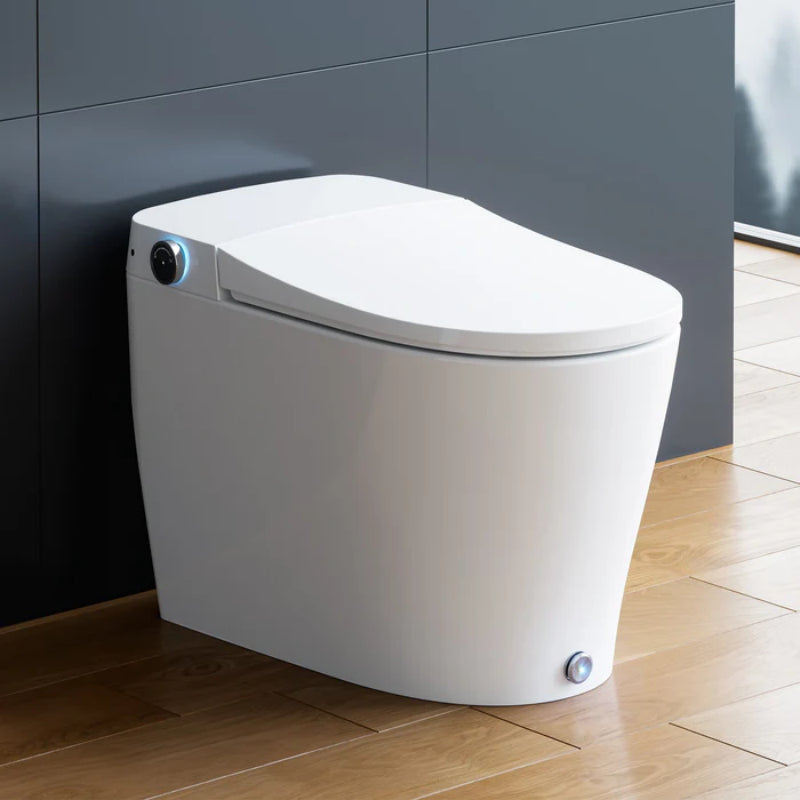
A smart toilet or skirted toilet often leaves less room for error than a basic two-piece toilet.
These models may have tighter outlet geometry, less visible bolt access, or a base shape that makes perfect alignment more important. If the installed flange is slightly off-center, too low, or rotated poorly, a standard toilet might still go on with some effort. A smart toilet may not.
If you are installing a smart toilet, flange alignment is not the place to “make it work.”
That means:
-
correct rough-in
-
correct flange height
-
secure floor anchoring
-
accurate bolt alignment
Rough-in vs offset
If your toilet does not fit the wall spacing you expected, choosing the right toilet rough-in is often better than forcing an offset flange.
A toilet with the proper rough-in keeps the drain path straighter and avoids extra compromise.
Use an offset flange when the structure forces your hand. Do not use it as a shortcut when a better-fitting toilet solves the problem more cleanly.
When shifting the toilet is the real fix
Sometimes the right answer is not a different flange at all. It is changing the toilet location or opening the floor and moving the drain pipe.
That sounds like more work, because it is. But if you are doing a major remodel and the toilet clearly belongs elsewhere, shifting the toilet properly can be better than building the whole room around a compromised flange position.
This is especially true if:
-
clearances are tight
-
the toilet is noticeably crowded
-
the offset needed is more than minor
-
you are already rebuilding the floor
So which type should most homeowners buy?
If you want the short answer:
-
Modern plastic pipe, normal layout, DIY install: choose a PVC or ABS closet flange, ideally with an adjustable ring.
-
Old cast iron pipe or heavy-use bathroom: choose a cast iron, brass, stainless steel, or compatible repair style made for that pipe and condition.
-
Flange too low but still sound: choose an extender or spacer, not a full replacement.
-
Broken ring but sound flange body: choose a repair ring.
-
Drain position slightly wrong: use an offset flange only if the shift solves a real fit problem.
-
No access to outside of pipe: a 3 inside toilet flange can work, but only when you accept the flow trade-off.
If you are asking what is the best material for a toilet flange, the honest answer is: the best material is the one that matches your pipe, your bathroom conditions, and your tolerance for doing this job twice.
Before you buy
Use this quick checklist before you order anything:
-
Confirm whether your drain pipe is PVC, ABS, or cast iron
-
Measure pipe size: 3" or 4"
-
Check if the flange is actually broken, or just too low
-
Inspect the ring, bolt slots, and floor anchoring
-
Measure flange height relative to the finished floor
-
Decide if you need a standard, inside-fit, or offset flange
-
If the home is older, inspect for rust, rot, or soft subfloor before buying a patch part
-
If installing a smart toilet or skirted toilet, confirm rough-in and bolt alignment requirements
FAQs
1. How to pick a toilet flange?
When selecting the right toilet flange, it's crucial to first consider the type of pipe in your home. If you have modern plastic piping, PVC closet flange or ABS flanges are popular options due to their affordability and ease of installation, especially for DIYers. For older homes or bathrooms with higher moisture levels, a cast iron flange for toilet or brass might be a better choice as they offer durability and long-term stability. Be sure to choose the right toilet flange size to match your existing pipes and check if the flange needs to address height or position issues. If you're unsure, it's always a good idea to consult a professional before making a final decision.
2. What does a flange do for a toilet?
A toilet flange serves as the essential connector between your toilet and the drain pipe, securing the toilet to the floor. It also ensures a proper seal between the toilet and the drain, preventing leaks. The flange holds the closet bolts that anchor the toilet to the floor, giving it stability and preventing rocking or shifting. Without a well-installed toilet flange, your toilet may leak, move, or fail to stay securely in place, causing potential water damage and unpleasant odors. Understanding what a toilet flange is and its role is crucial for a successful installation.
3. What is a PVC closet flange?
A PVC closet flange is a plastic flange designed to connect to PVC drain pipes, commonly found in newer homes and bathroom remodels. It's lightweight, easy to install, and cost-effective, making it ideal for DIY installations. PVC closet flanges are typically used for modern plastic pipes, and they help create a secure and long-lasting connection between the toilet and the drain. However, in moisture-prone areas, or if you need more durability, a cast iron flange for toilet may be a better choice.
4. Do I need to replace a cast iron toilet flange?
If you're dealing with a cast iron flange for toilet, you may need to replace it only if it’s cracked, rusted, or loose. If the flange is still secure and the connection to the pipe is intact, you may not need a full replacement. In cases where only the flange ring is damaged, a repair part or replacement ring can be a cost-effective solution. However, if the 3 inside toilet flange has failed or if the flange is installed too low or improperly, it’s a sign that you need to replace it to avoid future leaks.
5. What toilet flange to use with cast iron pipe?
When working with a cast iron flange for toilet, it’s essential to use a flange designed specifically for cast iron pipes or compatible with them. While PVC closet flanges are commonly used for modern plastic systems, they may not work well with cast iron without proper adapters. Using a cast iron flange ensures a secure fit and lasting durability in older plumbing systems. If you're dealing with an older setup, make sure to select the correct toilet flange size and consider whether a repair style flange or compression flange is needed for the best fit.
References


Leave a comment
This site is protected by hCaptcha and the hCaptcha Privacy Policy and Terms of Service apply.