
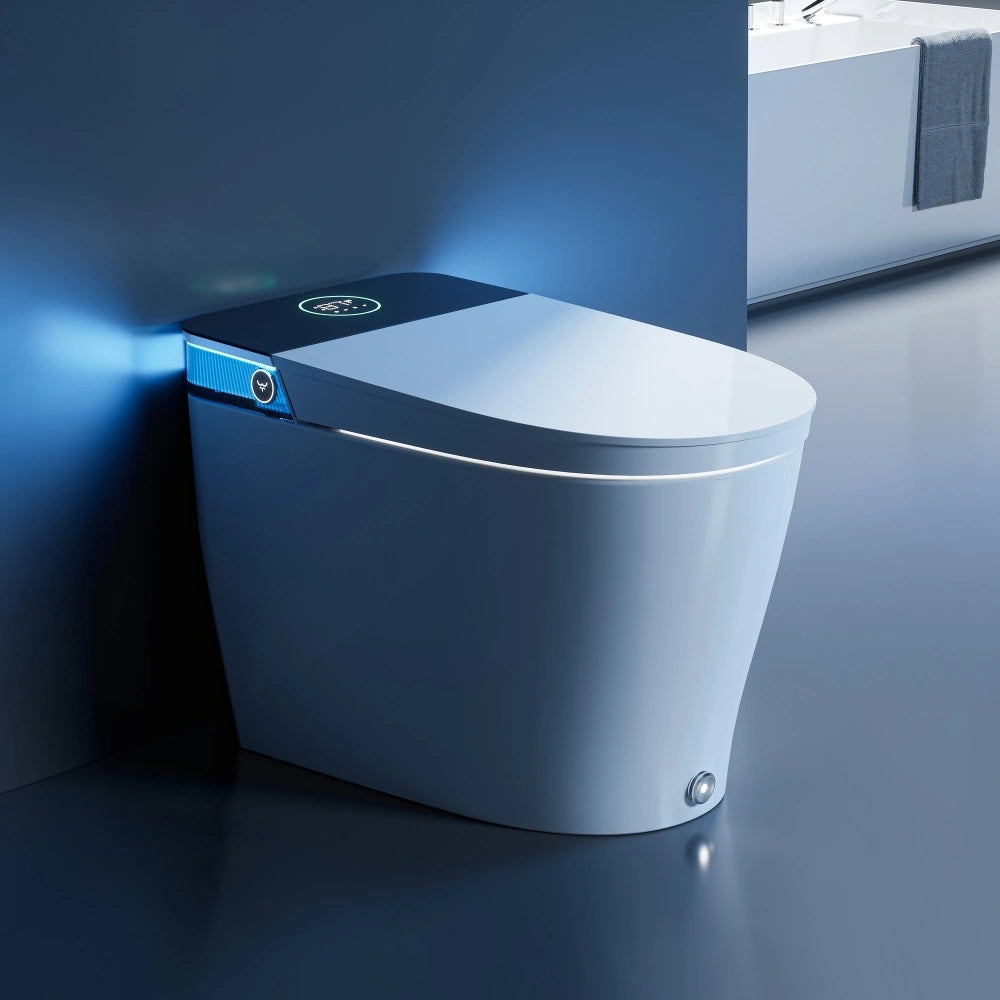
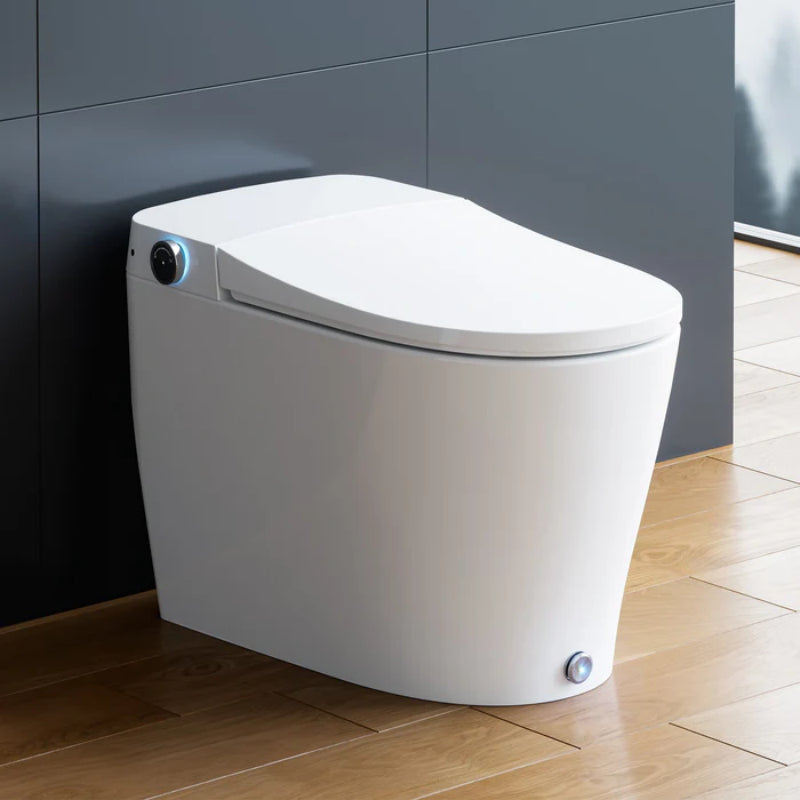
A premium high performance smart toilet with self-cleaning tornado bidet features can feel like a “solved problem” bathroom upgrade: effective flush toilet action, less brushing, and a bidet that people actually use, thanks to its advanced mechanism in this Tornado Flush Smart Toilet design. For optimal water efficiency, consider models that comply with EPA WaterSense guidelines, ensuring high-efficiency performance without wasting resources. But it can also turn into a picky appliance that depends on your plumbing and your patience with sensors, settings, and cleaning routines you didn’t expect.
Decision Snapshot: Is a Tornado Flush Smart Toilet a Fit for You
Choose it if:
-
You want a high-efficiency flush toilet that’s quieter than you’d expect, especially for night use.
-
Your home can deliver steady water flow (many tornado-flush smart toilets need around 17 L/min to perform consistently).
-
You’ll use the smart features (warm water wash, warm air dry, night light, auto open/close) often enough to justify the complexity.
Skip it if:
-
Your plumbing is older, your pressure/flow is inconsistent, or you’re on the edge of what your supply can deliver.
-
You dislike “device behavior” in the bathroom: remote control learning curve, sensor surprises, longer cycles, and occasional resets.
-
You want truly hands-off “self-cleaning.” In practice, it’s less cleaning, not no cleaning.
Will Your Bathroom Plumbing Support Full Tornado Flush Performance
Tornado Flush Smart Toilet systems rely on a strong, fast water delivery mechanism to feed powerful nozzles in the self-cleaning tornado bidet, creating a centrifugal rinse around the white bowl and allowing optional extension features for enhanced cleaning coverage, including UV-treated rinse cycles and high-efficiency flush toilet performance. When the supply is right, you get a clean bowl with fewer repeat flushes. When it’s not, owners tend to report the same set of frustrations: weaker flush, incomplete rinse, and more “why is it doing that?” moments.
Low Pressure Versus Low Flow The Part People Miss
Most homeowners think in terms of water pressure (psi). These toilets often care more about flow rate (how much water can move through your valve and pipe in a short time). To meet safety and performance standards, ensure your plumbing aligns with ICC plumbing codes, which detail proper pipe sizing and fixture requirements. You can have “okay” pressure and still get weak performance if:
-
The shutoff valve is partially restricted
-
The supply line is narrow or kinked
-
Old pipes have buildup
-
A pressure-reducing valve or filter limits flow
-
Several fixtures run at the same time (showers, sprinklers, laundry)
If the toilet calls for about 17 L/min and your bathroom supply can’t hold that reliably, you may see:
-
A flush that sounds normal but leaves residue
-
Autoflush that works sometimes, then fails or acts inconsistent
-
Longer refill behavior and more sensitivity to peak-use times
What Happens When Flow Is Borderline
In real homes, the “borderline” case is the regret zone. The toilet may work fine during the day, then act up at night when a water softener regenerates, someone runs a shower, or seasonal pressure changes hit.
You might notice:
-
Intermittent underperformance (hardest to troubleshoot)
-
More manual intervention (extra flushes, cleaning, turning features off)
-
A feeling that you paid for “high performance” but got “high maintenance”
Two-Minute Plumbing Compatibility Checklist
Use this as a quick screen before you fall in love with the idea.
Following national safety guidance from the CPSC for home plumbing and electrical safety can help prevent accidents while installing or testing your Tornado Flush Smart Toilet.
| Check | What you want to see | Why it matters |
| Supply valve condition | Fully opens, not corroded | Restricted valves choke flow |
| Supply line size/shape | Not kinked; sized to spec | Smart toilets are less forgiving |
| Flow test | Steady strong flow into a bucket | Reveals real-world flow limits |
| Shared demand | Shower/laundry doesn’t change flow much | Prevents peak-time weak flush |
| Space and access | Enough room to service connections | You will need access later |
If you can’t confirm your flow is strong and steady, plan for a plumber to verify it. It’s cheaper than guessing.

What Does Daily Use Feel Like And What People Don’t Expect
The flush toilet action is only part of living with this kind of high performance smart toilet. Daily use is shaped by noise, controls, sensor behavior, and small comfort details like wall-mounted remote control panels.

Is Quiet Tornado Flush Technology Actually Quiet at Night
Many people buy this for “quiet flush.” In practice, it depends on the bathroom.
What stays quiet:
-
The water action in the bowl can be less harsh than you’d expect for a powerful flush.
-
The rinse can sound smoother than a sharp blast.
What still makes noise:
-
Seat and lid movement (soft-close helps, but auto open/close can still be heard)
-
Echo in small bathrooms (tile and glass amplify everything)
-
Vibration through the floor if the toilet isn’t perfectly leveled
-
The fan or warm air dry sound (not loud, but noticeable at 2 a.m.)
If your main goal is “no one wakes up,” think beyond the flush. A quiet flush can still be paired with a lid motor, a beep, and a fan hum.
Remote Control Reality And Tips for Easy Use
A remote control sounds simple until you live with it. Common friction points:
-
Buttons that are easy to hit by accident
-
Controls that feel backward (some key settings aren’t on the front)
-
Guests who don’t know what anything does
-
Too many modes that you end up ignoring
Most households solve this by using “set-and-forget” habits:
-
Pick one or two wash modes you actually like
-
Set pressure and temperature once
-
Keep the remote in a consistent spot so it doesn’t become clutter
If you enjoy tweaking settings, this is fine. If you hate fiddling, it can become annoying fast.
Fit And Comfort Surprises You Should Know
A few things often surprise first-time smart toilet owners:
-
Some seats feel more compact than expected, especially round or space-saving models.
-
Warm seat is nice, but you may spend a week adjusting the temperature to avoid “too warm.”
-
Rinse pressure can feel strong at first. Many people need a lower setting than they expected.
-
Night lights help, but they can also reflect off tile and feel brighter than you want.
None of these are deal-breakers, but they can be “why didn’t anyone mention this?” moments.
How Self-Cleaning Is the Bowl And Nozzle in Real Life
Marketing tends to imply you won’t clean anymore. The honest version: self-cleaning helps most with buildup control, not with every mess or every water condition.
What Self-Cleaning Usually Does Well
In daily use, the helpful parts are:
-
UV-treated bowl rinse patterns that reduce residue after typical use in the self-cleaning tornado bidet.
-
Nozzle rinse cycles that reduce “ick factor”
-
Cleaner surfaces that slow staining
If you have hard water or heavy use, you still clean. You just clean less often and with less scrubbing.
Dual Nozzle Cyclone Flush Coverage Isn’t Magic
Dual nozzle cyclone high-efficiency flush toilet systems do a good job of moving water around the white bowl, but you can still see:
-
A line of residue where water coverage is weaker
-
Staining where water sits or evaporates (depends on bowl shape and your water)
-
Occasional “one flush wasn’t enough” events, especially with low flow
The key point is: a powerful flush can remove waste well while still leaving small marks that only brushing fixes.
Hygiene Maintenance You Still End Up Doing
Expect some ongoing tasks even with self-cleaning features:
-
Wipe around the nozzle area and underside surfaces (dust and splash happen)
-
Descale if you have mineral-heavy water (spray jets and valves can clog over time)
-
Clean sensors if they start misreading (dust, humidity, cleaning overspray)
-
Deodorizer filters or air pathways may need attention depending on the system
If you already keep a tidy bathroom, this won’t feel hard. If you want zero maintenance, this type of toilet may frustrate you.

What Problems Can Show Up Over Time
Smart toilets tend to be “fine until they aren’t.” The most common long-run issues are not dramatic failures. They are repeating annoyances that chip away at the upgrade feeling.
Water Flow Changes Can Break the Experience
Flow can vary across the year. When it dips, you may see:
-
Inconsistent powerful flush performance
-
Longer refill cycles
-
More sensitivity to someone using water elsewhere
If you live in an area with frequent pressure swings or you’re at the end of a supply line, this matters more than people expect.
Installation Details Can Cause Ongoing Irritation
Small installation imperfections can show up as:
-
Slight tank or body wobble (often leveling or mounting related)
-
Lid or seat alignment that feels “off”
-
Minor leaks at connections if fittings are stressed
-
Flush vibration against the floor
These aren’t always “defects.” They are often “this needed a more careful install than a basic toilet.” If your floor is not level or your shutoff is awkwardly placed, plan extra time and possibly professional help.
Smart Features Can Misfire
The most common smart-toilet complaints are about behavior, not raw performance:
-
Autoflush triggers when you didn’t want it, or doesn’t trigger when you did
-
Sensor-based lid opening feels unpredictable
-
A cleaning cycle starts at an inconvenient time
-
After a power outage, settings may need a check
If you’re okay treating it like a small appliance (with occasional resets and quirks), you’ll be fine. If you want “it just works forever,” be cautious.
Before You Choose checklist
-
Can your bathroom supply deliver steady high flow (often around 17 L/min) at the toilet?
-
Are you comfortable with remote controls, sensors, and occasional misfires?
-
Do you have hard water, and if so, are you willing to descale and maintain spray paths?
-
Is your floor level and your space adequate for stable mounting and future service?
-
Will your household actually use bidet wash and dry features enough to justify the added complexity?

FAQs
1. Do tornado flush smart toilets work with low water pressure?
Tornado Flush Smart Toilets can work with lower water pressure in some cases, but their performance relies more on the flow rate than just the pressure reading on your gauge. If your plumbing cannot consistently deliver the required flow, you may experience weak flushes, incomplete rinses, or other inconsistent behavior. For optimal performance, a steady and sufficient water supply is essential.
2. Will a tornado flush smart toilet reduce cleaning?
A Tornado Flush Smart Toilet can significantly reduce the frequency of cleaning, especially in terms of bowl residue and buildup. However, it does not completely eliminate maintenance. You will still need to wipe surfaces, manage hard-water scale, and occasionally clean around the nozzle and spray areas. Over time, this regular upkeep ensures the toilet remains hygienic and fully functional.
3. Are they really quiet for night use?
While the bowl flush of a Tornado Flush Smart Toilet can be quieter than standard toilets, real-world noise also comes from seat and lid movements, the fan or warm-air dryer, beeps, and bathroom acoustics. Small bathrooms with tiles and hard surfaces can amplify sounds, so “quiet flush” may still be accompanied by other audible activity.
4. What’s the most common regret?
The most common regret among owners is purchasing a Tornado Flush Smart Toilet before confirming that their plumbing flow can support it. When the water supply is borderline, users often face inconsistent flush performance, longer refill cycles, and the need for troubleshooting more than expected. Verifying flow beforehand can prevent these frustrations.
References



Leave a comment
This site is protected by hCaptcha and the hCaptcha Privacy Policy and Terms of Service apply.