
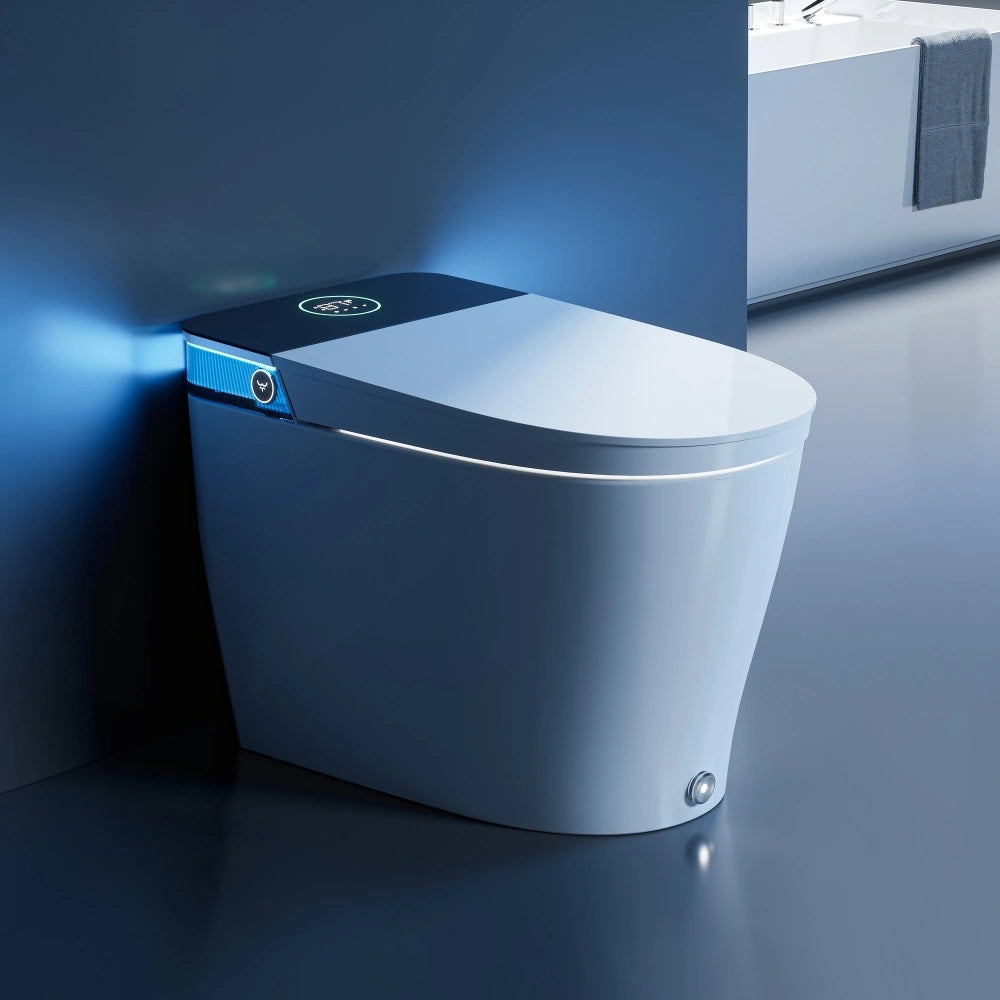
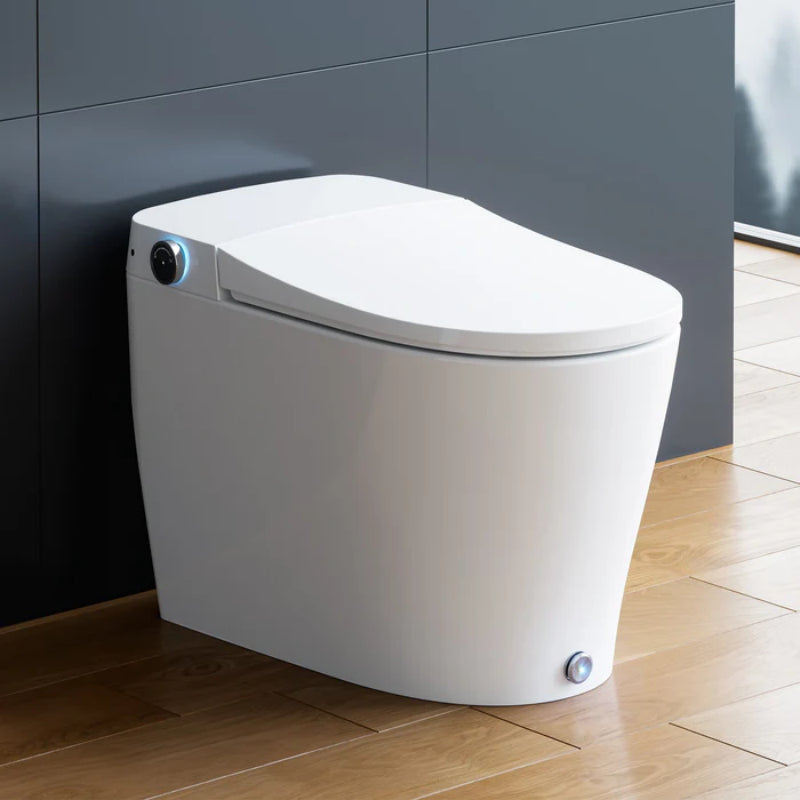
Toilet bowl pre-mist technology, also called bowl pre-wetting, sprays a light film of water across the inner ceramic surface immediately before use. The wet surface may make fresh residue less likely to stick and easier to rinse away. Pre-mist does not disinfect the toilet, remove mineral scale, or clean the seat, hinges, rim, or exterior.
Its practical value depends on how often the toilet is used, how frequently residue sticks to the bowl, the condition of the ceramic surface, and whether you are comfortable continuing normal cleaning. Activation methods, settings, and maintenance requirements vary by model.
Decision Snapshot: Is Toilet Bowl Pre-Mist Technology a Good Fit?
Pre-mist may be a useful feature if you:
-
Frequently deal with fresh residue or visible marks inside the bowl.
-
Have a frequently used bathroom where bowl buildup appears quickly.
-
Want to make routine bowl brushing easier while continuing normal cleaning.
It may offer limited value if you:
-
Plan to use it in a low-use bathroom that already stays relatively clean.
-
Already brush the bowl regularly and do not mind your current routine.
-
Expect the feature to eliminate bowl cleaning or clean the rest of the toilet.

What Pre-Mist Can Keep Cleaner—and What It Cannot
Pre-mist is a bowl-preparation feature. It wets the inner ceramic before use, but its effect is limited to the areas reached by the water film.
What Pre-Mist Does
Pre-mist is not a disinfecting cycle or a deep-cleaning function. It works by creating a temporary wet layer across the bowl surface before fresh residue reaches the ceramic.
In daily use, it may:
-
Reduce how firmly fresh residue sticks to a smooth glazed surface.
-
Make some marks easier to rinse away during flushing.
-
Reduce the amount of bowl brushing needed between regular cleanings.
The benefit is usually most noticeable when fresh waste adhesion is the main cleaning problem. Results vary with the bowl surface, flush pattern, use frequency, and condition of the ceramic.
What Pre-Mist Does Not Clean
Pre-mist targets the inside of the bowl. It does not clean:
-
The underside of the seat
-
Seat hinges and surrounding seams
-
The rim and concealed channels
-
The exterior, base, or surrounding floor
These areas still require normal wiping with products and materials suitable for the toilet’s surfaces. Follow the cleaning instructions for the exact model to avoid damaging ceramic, plastic, sensors, or electronic components.

Why Existing Scale and Surface Damage Matter
Pre-mist is intended to work on a relatively smooth ceramic surface. Its benefit may be less noticeable when the bowl already has:
-
Hard-water scale or a mineral ring
-
A rough or etched ceramic surface
-
Cleaner residue or another coating on the bowl
A thin water film cannot remove existing deposits or repair a damaged surface. Residue may continue to collect around rough areas even when the pre-mist function operates correctly.
Clean existing buildup using methods approved for the toilet before judging the feature’s performance. Pre-mist helps manage new adhesion; it does not restore the ceramic.
What to Confirm About Controls and Maintenance
Pre-mist operation is not identical across all smart toilets and bidet seats. Before buying, review the exact product specifications and operating manual.
Activation and Settings Vary by Model
Depending on the product, the bowl mist may be linked to a seat sensor, presence sensor, remote control, side control, or another automatic sequence.
-
Confirm what action triggers the mist.
-
Check whether timing or other settings can be adjusted.
-
Confirm whether the feature can be turned off when it is not needed.
-
Review any instructions that apply after cleaning, maintenance, or a power interruption.
Do not assume that controls described for one smart toilet also apply to another. Use the product manual for the exact model.

Routine Care Still Matters
Pre-mist does not make a toilet maintenance-free. Continue cleaning the bowl, rim, seat, hinges, exterior, and nearby surfaces according to the manufacturer’s instructions.
-
Keep the mist outlet and nearby areas free of visible buildup.
-
Manage mineral deposits using cleaning methods approved for the product.
-
Avoid abrasive materials that could damage the ceramic glaze.
-
Do not use unsupported cleaners around sensors or electronic components.
When Pre-Mist May Be Useful—and When It May Be Unnecessary
The feature is most useful when it addresses a recurring problem. It may offer less value when the bathroom is rarely used or the existing cleaning routine already keeps the bowl free of fresh residue.
Pre-Mist May Offer Limited Value When:
-
The toilet is in a low-use guest bathroom.
-
The bowl is already brushed frequently.
-
Fresh waste adhesion is not a recurring problem.
-
Mineral scale or old stains are the main cleaning concern.
In these situations, pre-mist may make only a small difference because it is designed to reduce fresh sticking rather than solve every type of bowl buildup.
Pre-Mist Does Not Replace Appropriate Cleaning Products
A pre-wet surface may reduce some scrubbing, but it does not determine which cleaning products the toilet requires.
-
Use cleaners that are compatible with the bowl and glaze.
-
Continue wiping the seat, hinges, exterior, and surrounding surfaces.
-
Manage mineral scale separately because pre-mist does not prevent mineral deposits.
A useful way to think about the feature is that it may reduce fresh sticking. It does not prevent minerals, dust, or normal bathroom residue from forming.
A Practical Way to Decide
Start with the cleaning problem you are trying to solve. Pre-mist is more relevant for fresh bowl residue than for old stains, exterior cleaning, or mineral scale.
| If your main problem is... | How pre-mist may help | What still requires attention |
|---|---|---|
| Fresh marks or stuck-on waste | The wet film may reduce adhesion to a smooth bowl surface. | Routine bowl cleaning is still required. |
| Frequent use in a busy bathroom | It may make some residue easier to flush away between cleanings. | The seat, hinges, rim, and exterior still need wiping. |
| Hard-water rings or old stains | Pre-mist offers limited help because it does not remove deposits. | Scale and stains require separate cleaning. |
| A low-use bathroom | The practical benefit may be small. | Consider whether the additional feature is necessary. |
| A completely hands-off cleaning routine | Pre-mist does not provide this. | Manual cleaning remains necessary. |

What to Know Before Choosing Pre-Mist
-
It is bowl-focused. The seat, hinges, rim, exterior, and base still require normal cleaning.
-
It works on fresh adhesion rather than existing scale, stains, or ceramic damage.
-
Mineral buildup can reduce the benefit of a smooth, evenly wetted bowl surface.
-
Activation methods, settings, and maintenance requirements vary by product.
-
It is a less-scrubbing feature, not a no-cleaning feature.
Before You Choose: Checklist
-
Is fresh residue sticking to the bowl a recurring problem?
-
Will the toilet be used frequently enough for the feature to matter?
-
Does the bowl already have scale, stains, or surface damage that should be addressed first?
-
Have you confirmed how the exact model activates, adjusts, and maintains the feature?
-
Are you expecting less bowl scrubbing rather than no manual cleaning?
FAQs
1. What Does a Toilet Pre-Mist Do?
A toilet pre-mist sprays a light film of water across the inner ceramic before use. The wet surface may make fresh residue less likely to stick and easier to rinse away. It prepares the bowl surface but does not disinfect the toilet or clean areas outside the bowl.
2. Does Pre-Mist Replace Bowl Cleaning?
No. Pre-mist may reduce some fresh sticking, but the bowl still requires routine cleaning. It also does not clean the seat, hinges, rim, exterior, or base.
3. Does Pre-Mist Remove Hard-Water Rings or Old Stains?
No. Pre-mist does not remove mineral scale, old stains, cleaner residue, or damage to the ceramic surface. Existing buildup should be cleaned using methods approved for the toilet.
4. What Should I Confirm on the Exact Toilet?
Confirm whether the model includes pre-mist, what triggers it, whether it can be adjusted or turned off, and how the spray outlet should be maintained. Also review the product’s installation, electrical, cleaning, and troubleshooting instructions before purchase.


Leave a comment
This site is protected by hCaptcha and the hCaptcha Privacy Policy and Terms of Service apply.