
If you’re replacing a toilet, the height decision matters more than many people expect. A toilet can flush well, fit the rough-in, and still feel wrong every single day if the seat height doesn’t suit the people using it.
In real homes, this choice usually comes down to one simple trade-off: is it more important to make sitting down and standing up easier, or to keep feet flat on the floor for a steadier seated position?
That’s the real difference between a standard height vs chair height toilet. Chair height feels easier for many adults. Standard height often works better for kids and shorter users. The wrong pick tends to annoy people for years.
Decision Snapshot: standard vs chair height toilet
If you’re deciding between a standard height vs chair height toilet, start with who uses the bathroom most and which bathroom it is in the house. When choosing the right toilet height, it helps to think about how different people actually use the space.
A simple placement rule works well in most layouts:
-
Primary adult bathroom: chair height toilet
-
Kids’ or hall bathroom: standard height toilet
-
One-bathroom homes: standard height toilet + optional footstool
This approach makes choosing the right toilet easier and helps you find the right height toilet for your home without forcing one height to work for everyone.
Choose chair height if…
Pick a chair height toilet if most users are adults about 5'4" and up, taller people, older adults, or anyone with mild knee or hip strain. Many comfort height models measure about 17 to 19 inches tall from the floor to the top of the toilet seat, which is close to a standard chair.
This height model often feels easier because users don’t have to lower themselves as far or push up as hard to stand. For households planning long-term accessibility, selecting a taller toilet bowl height can help ensure the toilet remains comfortable to use over time.
If you’re planning to age in place, this is often the safer long-term type of toilet for everyday use.
Choose standard height if…
Pick a standard height toilet if children use the bathroom often, or if the main users are petite adults who need stable, flat-foot sitting. A standard toilet bowl height is usually about 14 to 16 inches tall from the floor to the seat.
That lower position helps shorter users feel planted instead of having their feet dangle. In homes with children, choosing the right toilet height matters more than many people expect because it affects balance, independence, and everyday usability.
Choose an alternative if the household has mixed needs
If your household has mixed needs, don’t force a height choice that only works for half the people.
A better answer may be:
-
a toilet riser
-
a raised toilet seat
-
a wall-hung toilet with adjustable install height
-
a standard toilet with a footstool
That setup often solves more problems than simply choosing between a standard and comfort height toilet.
Standard toilet + footstool
A standard height toilet keeps the seat low enough for kids and shorter adults to sit with feet flat. Adults who want a higher posture can simply use a small footstool.
Other alternatives include:
-
raised toilet seat
-
temporary toilet riser
-
wall-hung toilet with adjustable height
But in everyday family bathrooms, a standard toilet with a footstool usually creates the fewest compromises while still supporting healthy modern bathroom ergonomics.
Standard height vs chair height toilet: the real trade-off
The difference between a standard height vs chair height toilet is simple in specifications but important in daily use.
-
Standard height toilet: about 14–16 inches from floor to seat
-
Chair height toilet: about 17–19 inches, similar to a dining chair
Most height toilets come in these two ranges, so the real challenge is choosing the right toilet height for the people using the bathroom.
The real decision is not style or price.
It is which strain your household wants to reduce:
-
Standing strain → chair height toilet
-
Seated support and flat feet → standard height toilet
A comfort height toilet reduces knee bend when sitting down or standing up. That is why it often feels easier for taller adults or people with joint stiffness.
But a taller seat also raises the user’s legs. For shorter users, this can lead to dangling feet and reduced stability.

Knee pain and toilet height
For many adults, especially after age 50, a taller toilet feels easier right away. That’s because less knee bend is needed to sit down and stand up. If someone in your home has mild arthritis, stiffness, or old knee injuries, chair height often makes daily use less tiring.
This is where the comfort height toilet pros and cons become very real.
The pro: easier transfers and less pressure on knees and hips.
The con: if the user is short, that same extra height can make them feel perched rather than supported. Feet may not rest flat on the floor, and that can feel unstable.
So if your question is about knee pain and toilet height, the answer is often yes, a taller toilet can help. But only if the user is tall enough for it.
Tall people vs kids
The best toilet height for tall people is often chair height. If someone is 5'9", 6 feet, or more, using a standard model can feel like sitting on a very low stool several times a day. Many tall homeowners don’t notice how much they dislike it until they switch to a taller toilet and realize standing up takes less effort.
On the other hand, the standard toilet dimensions for kids usually work better because children can sit with more control. They can climb on and off more safely. They are less likely to lean, scoot, or need a step stool just to use the toilet on their own.
That is why a powder room used mostly by adults may do well with a taller toilet, while a family bathroom near children’s bedrooms often does better with a lower one.
Accessibility vs body position
A lot of people think “higher must be better.” That’s not always true.
A taller toilet improves comfort and accessibility for many adults. But a lower toilet can support a more natural body position, especially when paired with a footstool. Some people find that a standard height toilet with a footstool feels better for bowel movements than a taller toilet alone.
So when people ask, “What’s the difference between standard and chair height?” the honest answer is this:
-
Chair height favors easier standing and sitting
-
Standard height favors better foot contact and a lower seated posture
That trade-off matters more than the label.
Decision takeaway
If your priority is easier standing and sitting, choose chair height.
If your priority is stable sitting with feet flat on the floor, choose standard height.
That trade-off is the most important factor in a standard height vs chair height toilet decision.
When does each height become the wrong choice?
Understanding toilet heights becomes important once people begin using the fixture every day. Problems with the height of the toilet usually appear after a few months of regular use, not immediately after installation.
The wrong toilet height options often lead to workarounds like stools, risers, or eventually replacing the toilet entirely.
When standard becomes a mistake
If a bathroom is used mostly by a tall adult, an older parent, or someone with hip or knee stiffness, a low toilet often becomes a daily irritation. At first it may seem fine. Then over time, people start bracing against the vanity, pushing off their thighs, or talking about adding a riser.
In many homes, replacing an old toilet with another standard height model happens automatically. Homeowners often buy the same toilet for your bathroom that was installed before, without reconsidering the height for your household today.
When chair height becomes a mistake
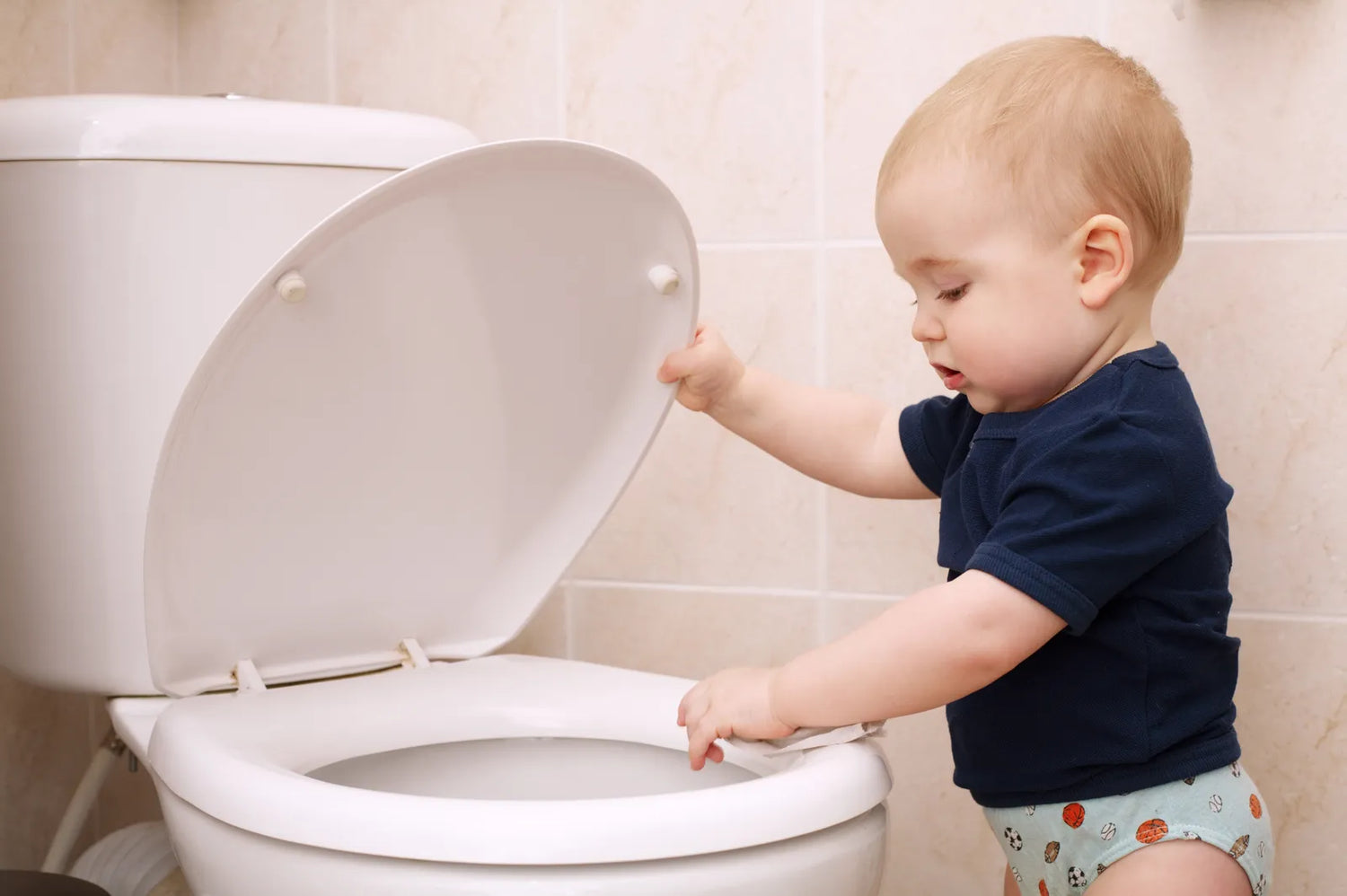
A chair-height toilet may sound like the grown-up choice, but it can be wrong in a kid-heavy home. In many family bathrooms, adults choose a chair-height model expecting it to feel more modern or comfortable. Later they discover that children need a stool and still sit with feet swinging.
Kids often need a stool because their feet cannot reach the floor on toilets with a height of 17 to 19 inches. In fact, comfort height toilets measure 17 inches or more, which is similar to the height as a standard chair.
That creates two problems:
First, independence gets harder. Kids can’t use the toilet as easily on their own.
Second, posture gets worse. Dangling feet can make children feel less steady, and sometimes they shift around to compensate.
If the bathroom is mainly for children, guest use, or shorter adults, standard options work better more often than people expect.
Is chair height too tall for short people?
Sometimes, yes.
If someone is under about 5'4", 17 to 19 inches high can feel too tall, especially with a thicker seat. The issue is not just comfort. It’s leverage and balance. If feet barely touch, pressure builds behind the thighs and the user may feel less secure.
Can a footrest fix it? Sometimes. In fact, for a shorter adult in an otherwise adult-focused bathroom, a small footrest can make a chair height toilet workable.
But be honest about whether people will use it every time. A footrest that is always in the way, or always pushed aside, is not a real solution. If the person most affected strongly dislikes a taller toilet, don’t assume a stool will solve everything.
Cost and value
Many buyers assume toilet height is only a comfort issue. It also affects what you spend now and what you may spend later.
When evaluating comfort height and standard height toilets, it helps to consider both current needs and future adjustments.
The price parity myth
A lot of standard and comfort height toilets are close in price. But not always.
Some homeowners assume that all toilet height options cost roughly the same. That is not always true.
Many comfort height models are bundled with larger bowls, upgraded styling, or additional features. Because of that, the price difference may come from the overall design rather than the height of the toilet itself.
When comparing toilets, look beyond labels like “standard” or “comfort.” Evaluate the full configuration to ensure the toilet functions properly in your space and budget.
Paying later
If you buy standard toilet height for a bathroom used by someone with mobility concerns, there’s a decent chance you’ll end up adding:
-
a raised toilet seat
-
a clamp-on riser
-
grab bars
-
or replacing the toilet again sooner than expected
That can erase the savings.
On the other hand, if you install chair height in a bathroom used by small children, you may wind up buying step stools or changing the setup later when the bathroom becomes frustrating to use.
The key point is simple: the cheapest toilet is not the cheapest setup if it creates add-ons right away.
Resale and long-term value
For a primary bathroom, chair height often has better long-term value because more adults find this height easier as they age. If you expect to stay in the home 10 to 20 years, that matters.
For a hall bath serving kids, standard height may still be the smarter investment because it matches the users now and avoids daily struggle.
In short:
-
primary bath for adults: chair height often wins
-
kids’ bath: standard usually wins
-
mixed-use bath: think harder, or use an alternative setup
Fit, space, and usage realities
Toilet height is not the only dimension, but it changes how the bathroom feels.
Measuring your ideal toilet height
If you want to stop guessing, do a quick check at home.
For measuring your ideal toilet height, sit on a dining chair or firm stool and test how different heights feel. A standard dining room chair is often close to the feel people want from a chair-height toilet.
Then measure from the floor to the top of the seat. Compare that with toilet ranges:
-
standard height toilets measure about 14 to 16 inches from the floor
-
height toilets measure 17 to 19 inches to the top of the toilet seat
A simple way to judge the right toilet height:
-
Sit with feet flat.
-
Check whether knees feel sharply bent or comfortable.
-
Stand up without pushing hard from your legs or nearby surfaces.
-
Notice whether your feet feel planted or if you feel perched.
That gives you a better answer than reading a spec sheet.
Small bathroom concerns
If you have a small bathroom, the seat height itself usually does not create rough-in problems. But the taller toilets people choose are often paired with elongated bowls, and that does affect space.
So if you’re asking whether standard height vs chair height toilet matters in a tight bathroom, the answer is: height alone usually isn’t the issue, but the full toilet dimensions might be.
In a very small bath, a standard height, round-front toilet may fit better and feel less bulky. This matters in powder rooms, narrow baths, and older homes where every inch counts.
Household habits matter
I’ve seen households make the wrong call because they only thought about body size, not bathroom habits.
A few examples:
If someone uses the bathroom often at night, a taller toilet can feel easier when joints are stiff first thing in the morning or half-asleep late at night.
If one person tends to sit longer, seat stability and leg comfort matter more. For a shorter person, a tall toilet may become annoying over time because of pressure under the thighs.
If several people share one bathroom on a tight schedule, kids needing a stool can slow things down and create clutter.
These are small things, but they shape whether the toilet feels like a good fit.
Alternatives that beat “picking a height”
Sometimes the smartest move is not choosing one side at all.

Toilet riser or raised seat
A seat or a toilet riser makes sense when mobility needs may change soon, but you are not ready to replace the toilet. This is common after surgery, during rehab, or when an older parent is staying for part of the year.
The upside is flexibility and lower upfront cost.
The downside is that a riser or an elevated toilet seat often looks medical, can shift slightly, and adds cleaning hassle around hinges and clamps.
It’s good as a temporary or transitional fix. It is not always ideal as a permanent everyday setup.
Wall-hung toilets
If you are remodeling and want true flexibility, wall-hung toilets deserve a look. They can often be installed at a chosen height, which makes them one of the few real height options beyond standard and chair height.
That can be useful in homes where you want a specific number, not just “low” or “tall.”
The trade-off is cost and wall work. Installation is more complex, and not every bathroom is a good candidate. If your wall structure or budget is tight, this may not be practical.
Standard toilet with footstool
This is one of the most useful mixed-household setups.
A standard toilet works for kids and shorter adults. Add a toilet with a footstool and many adults can still improve body position when needed. It’s a simple way to preserve child access while helping adults who prefer more support for elimination posture.
This setup is especially good in family bathrooms where one toilet has to serve everyone.
Long-term ownership
Toilet height affects daily comfort for many years, so small inconveniences can accumulate.
Common long-term annoyances include:
-
stools constantly being moved around the toilet
-
accessories that complicate cleaning
-
shorter users feeling unstable on taller seats
When comparing standard height and comfort height, think about who will still use this bathroom 10–20 years from now, not just who uses it today.
Cleaning and access
The actual cleaning difference between heights is small, but accessories matter a lot.
A plain toilet at either height is easier to clean than a toilet with a riser, padded add-on, or stool constantly sitting around it. If you need a mobility add-on later, cleaning gets more annoying, not less.
Also think about side space. In a cramped bathroom, a bigger, taller toilet can make reaching around the bowl less comfortable for some users.

Daily annoyance risks
Here are the little issues that tend to wear people down:
-
Wobbling stools or risers
-
feet dangling on a taller toilet
-
short users sliding forward to plant their feet
-
kids struggling with independence
-
guests being unsure whether the stool is needed
-
circulation discomfort from a higher toilet seat if the user is too short
These aren’t deal-breakers by themselves. But if your bathroom already has limited space or many users, they add up.
Buying for 10 to 20 years
If the main users are adults, a height or comfort height toilet often becomes the better long-term choice as mobility needs change.
If the bathroom mainly serves children, the classic standard toilet height may remain the most practical option.
In mixed households, solving the problem for the person with the greatest mobility need—while adjusting with stools or supports for others—often creates the best balance.
Which type should you choose?
If you just want the direct answer, here it is.
Choose a chair height toilet if:
-
the bathroom is mainly for adults
-
users are average height to tall
-
anyone has knee, hip, or mild mobility strain
-
you want better aging-in-place value
-
you want a toilet height close to a chair, about 17 to 19 inches high
Choose a standard height toilet if:
-
children use it daily
-
main users are shorter or petite
-
flat-foot support matters more than easier standing
-
this is a kid or guest bathroom
-
you want the lower feel of about 16 inches from the floor or less to the seat top
Choose an alternative if:
-
your household has mixed heights and needs
-
mobility needs may change
-
you can’t replace the toilet yet
-
you want adjustability more than a fixed height choice
Do smart toilets come in both heights?
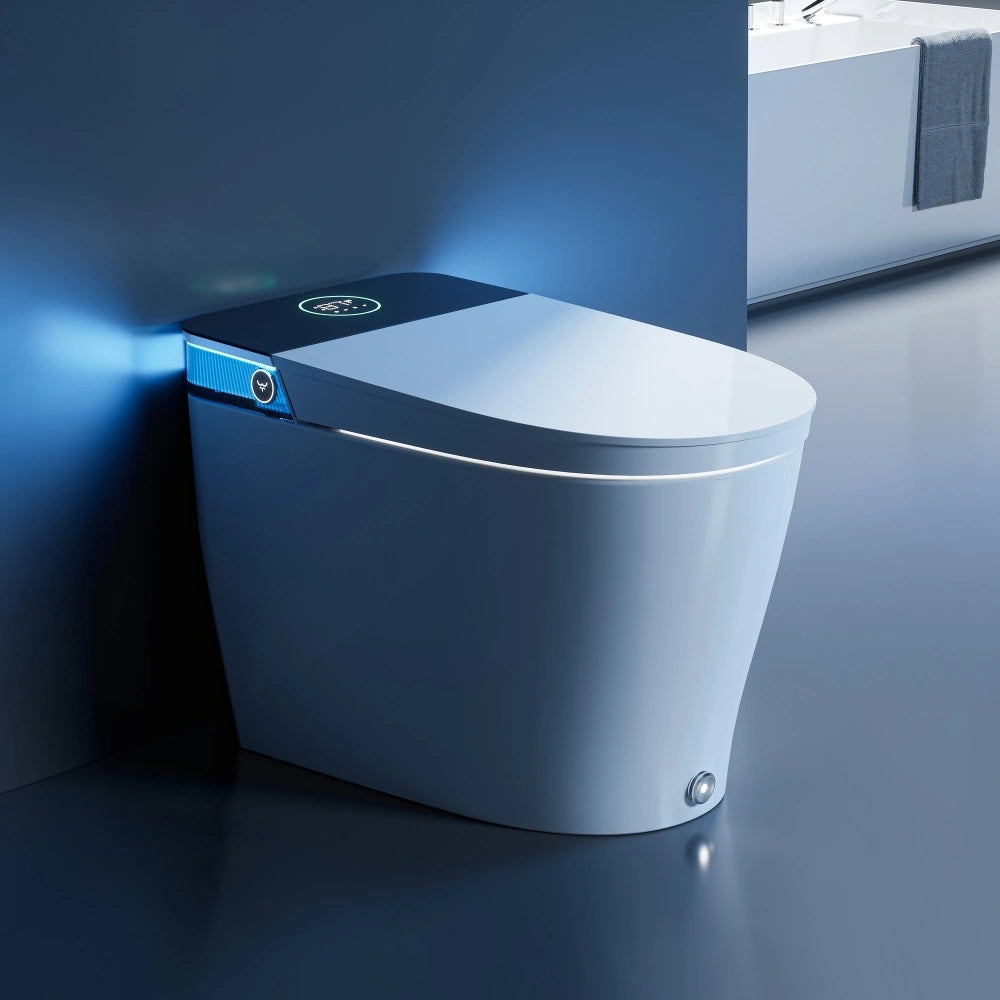
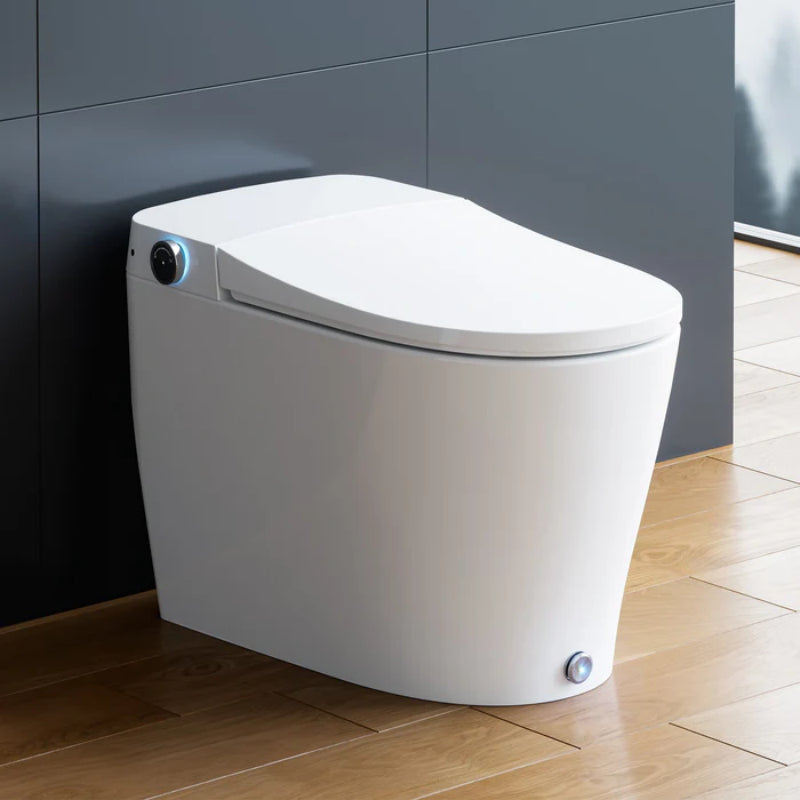
Yes, many do. But when people shop for a smart toilet, they often get distracted by features and forget to check the basic body fit.
If you’re buying a new toilet with wash features, heated seat, or automatic functions, make sure you still check the seat height from the floor to the top of the toilet seat. Some smart models sit higher because of the seat design itself, even when the bowl height sounds familiar.
So yes, smart toilets come in both height categories, but the same rule applies: match the height to the users first, then look at features.
My practical rule of thumb
Simple placement rule for most homes
Primary adult bath → chair height toilet
Kids’ or hall bath → standard height toilet
One bathroom for everyone → standard toilet + footstool
Aging-in-place remodel → chair height, often with grab bars nearby
Temporary recovery → add a raised seat instead of replacing the toilet
This layout usually resolves the most common standard height vs chair height toilet conflicts in real households.
Before You Buy
Use this quick checklist before you order:
-
Measure from the floor to the top of your current toilet seat.
-
Identify who uses this bathroom most: adults, kids, guests, or one person with mobility issues.
-
Check whether shorter users can sit with feet flat on the floor.
-
If buying chair height, confirm the full seat height is still comfortable for the shortest regular user.
-
In a small bathroom, check bowl length and clearance, not just toilet height.
-
Decide if a stool, riser, or raised seat is a real long-term solution or just a patch.
-
If this is a primary bath, think about needs 10 years from now, not just today.

FAQs
1. Is a chair-height toilet better for seniors?
In many cases, yes. A chair height toilet (often called a comfort height model) can make sitting down and standing up easier because the taller toilet height reduces how far the body needs to bend. For seniors with mild knee or hip pain, this small change can make daily use more comfortable. That’s why many people say height toilets are better for aging households.
However, when comparing comfort height toilet vs standard toilet, stability still matters. If the seat is too tall and feet don’t rest flat on the floor, balance may feel less secure. Some people who aren’t simply replacing an old toilet may instead use a toilet riser or an elevated seat temporarily.
2. Is 17 inches too high for a toilet?
For many adults, 17 inches is not too high. In fact, this height is common for many comfort height toilets and often falls within ADA-style ranges. When comparing toilet vs comfort height options, many average-height users find this taller toilet height easier for standing up.
However, for shorter adults or children, height models may feel uncomfortable if their feet cannot rest flat on the floor. That can create pressure behind the legs and make sitting feel less stable. When comparing comfort height toilet vs standard height, the real test is how the toilet seat or a toilet feels in daily use, not just the number.
3. Which height is better for a guest bathroom?
The best toilet height for a guest bathroom depends on who typically uses it. If most visitors are adults, many homeowners prefer a comfort height toilet because the taller toilet height often feels more familiar—similar to sitting in a chair. This is one reason some people feel height toilets are better for shared bathrooms.
However, when comparing comfort height toilet vs standard height, families with children may prefer a standard height toilet since it allows shorter users to keep their feet flat on the floor. If you’re simply replacing an old toilet, consider who uses the bathroom most often before deciding.
4. What is the difference between standard and chair height toilets?
The main difference is the toilet height from the floor to the seat. A standard height toilet is usually about 14–16 inches tall, while chair height toilets measure around 17–19 inches. When comparing comfort height toilet vs standard height, the taller design makes it easier for many adults to sit down and stand up.
However, standard height and comfort height models serve different users. Standard height often works better for children or shorter adults because their feet stay flat on the floor. Choosing the right toilet height usually depends on household needs rather than assuming one option is always better.
5. Do smart toilets come in both heights?
Yes, many smart toilets are available in both standard height and comfort height toilet designs. Manufacturers understand that choosing the right toilet height matters, so they offer options similar to traditional models.
However, some smart height models may feel slightly taller because the built-in seat and electronics add thickness. That means the final toilet seat or a toilet height might be a bit higher than expected. If the toilet ends up feeling too low or too high, some households may temporarily need a toilet riser instead of replacing the entire fixture again.
References



Leave a comment
This site is protected by hCaptcha and the hCaptcha Privacy Policy and Terms of Service apply.