
A soft close toilet seat replacement is usually worth it in busy homes where seat slamming happens often, especially with kids, guests, or night bathroom use. It is often not worth the extra cost or fuss if your current seat works fine, slamming is not a problem, or you want the simplest hardware with the fewest future issues.
Decision Snapshot
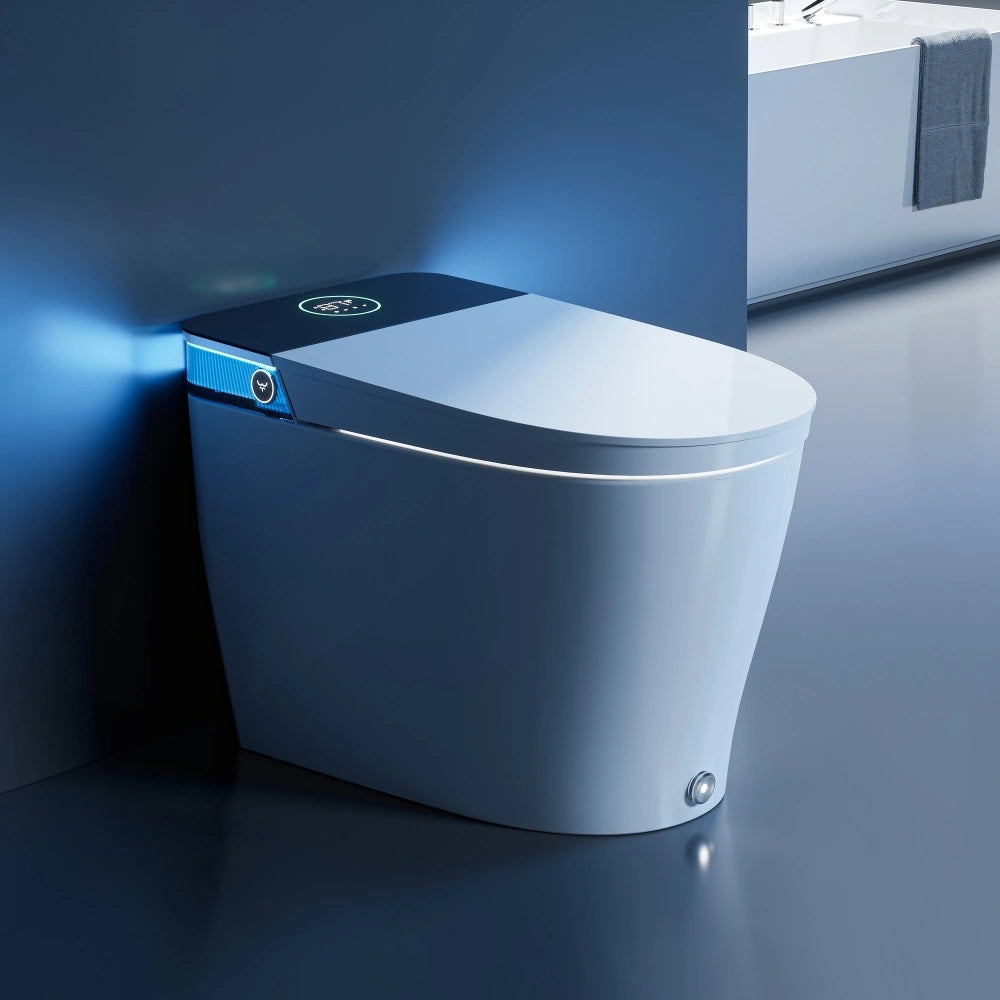
Choosing a round toilet seat or slow-close lid? Check dimensions to ensure your new seat fits your toilet for easy installation.
Best for shared bathrooms
This makes sense if more than one person uses the bathroom and not everyone closes the seat gently. In real homes, that is where soft clothes matter most. It cuts down on noise, reduces accidental slams, and feels a little more controlled in households with children, light sleepers, or frequent guests.
This usually becomes useful when the bathroom is near bedrooms, a nursery, or a home office. The quieter close is not life-changing, but it can remove one small daily annoyance.
Skip if you want simplest hardware
A soft close seat has more parts than a basic seat. That does not always mean trouble, but it does mean more can loosen, wear out, or stop working as intended. If you prefer simple things that are easy to tighten, clean, and replace without thinking about hinge systems, this may not feel like an upgrade.
Skip if seat slamming never bothered you
If nobody in your home drops the seat, or if the bathroom gets light use, this is often unnecessary. In many homes, this ends up being ignored if people already handle the seat carefully and there is no real noise issue to solve.
Fit and setup realities
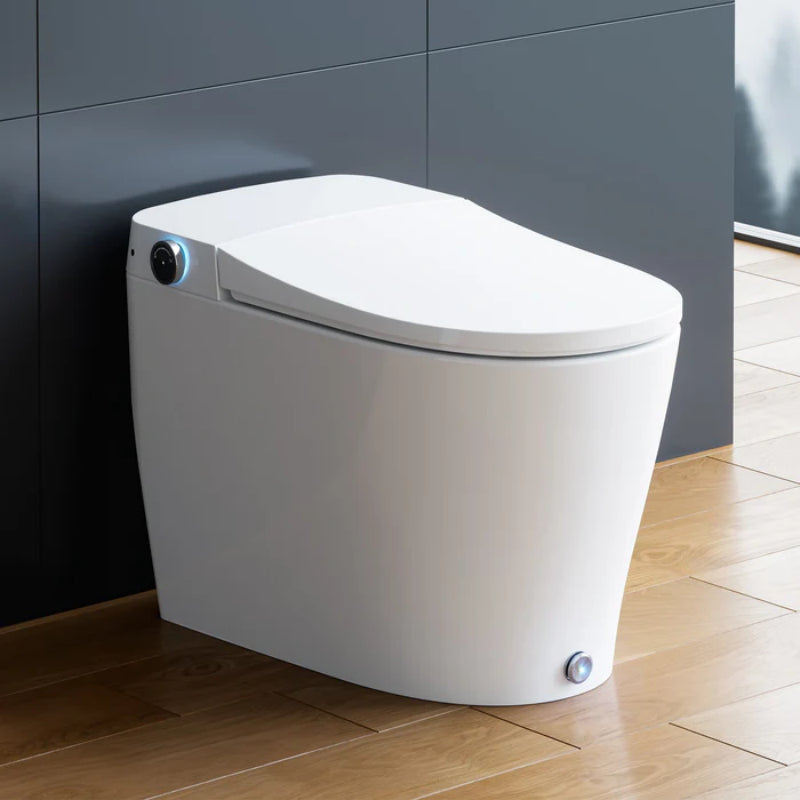
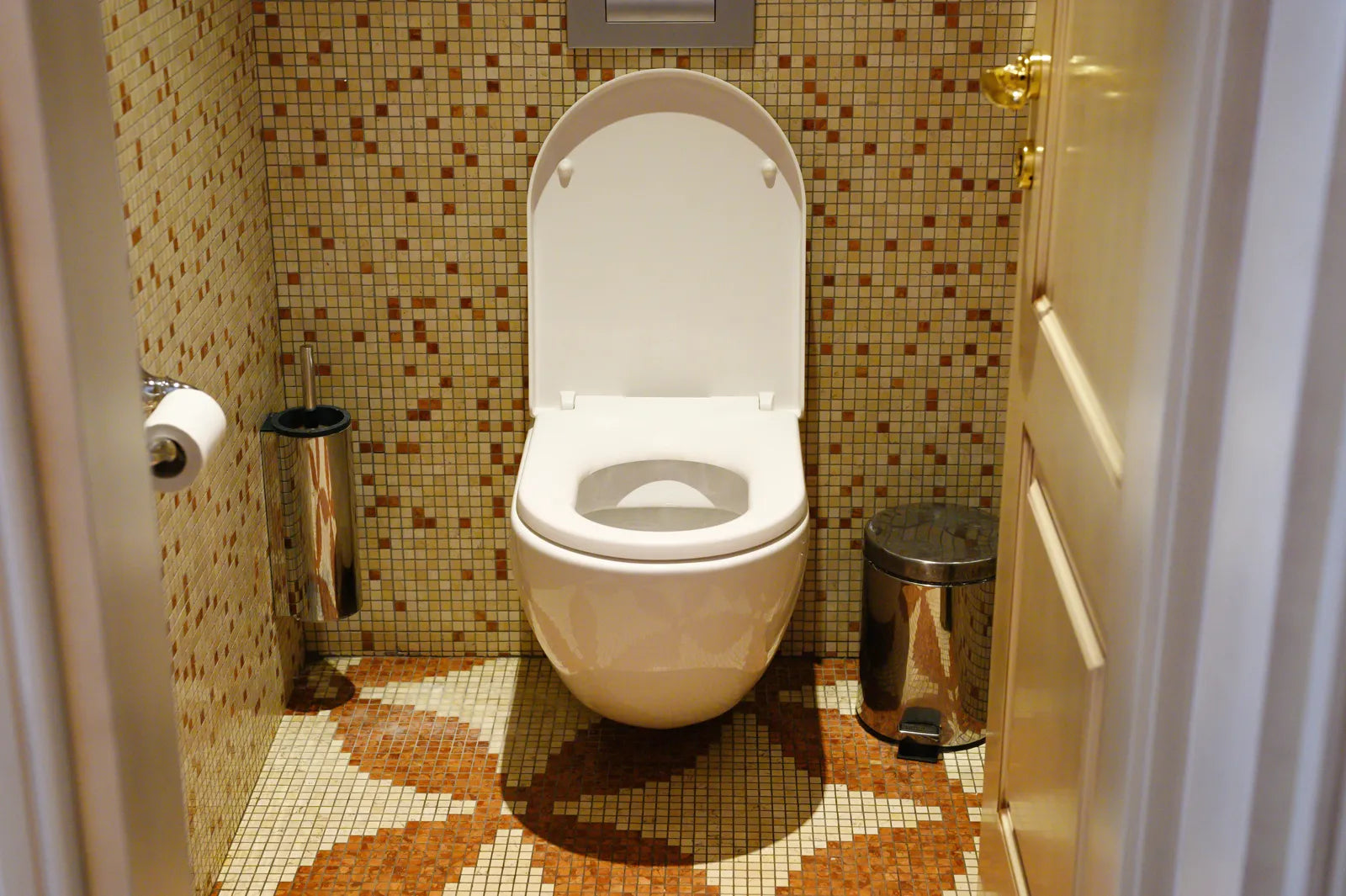
A toilet seat is a simple upgrade; check dimensions so your round toilet seat and slow-close lid fits your toilet for easy installation on plastic toilet models.
Measure shape before buying
The most common regret is not about the soft close feature itself. It is buying the wrong shape.
If you are wondering how to measure for a soft close toilet seat replacement, start with bowl shape first, not hinge style. Most toilets use either round or elongated seats, but many people guess and get it wrong. That leads to overhang at the front, gaps at the back, or a seat that technically installs but looks off.
If you are comparing soft close toilet seat replacement round vs elongated, do not assume “standard toilet” tells you enough. A soft close toilet seat replacement for standard toilets still has to match the actual bowl shape and mounting hole spacing.
Standard bowls still vary
This is where homeowners get caught off guard. Even when toilets are called standard, there can still be small differences in bowl contour, seat width, and hinge position. A seat may fit the bolt holes but still shift too much or sit unevenly.
So when thinking about what to consider before buying a replacement soft close toilet seat, the real question is not just “Will it mount?” It is “Will it sit securely, line up with the bowl, and feel stable after a few weeks of use?”
A seat that wiggles slightly on day one often becomes more annoying later.
Will adjustable hinges solve misfit?
Some seats come as a replacement soft close toilet seat with adjustable hinges. That can help when the bowl and bolt spacing are close but not perfect. Adjustable hinges can improve alignment and reduce that crooked look some replacement seats have.
But adjustable does not fix everything. It helps with positioning, not true shape mismatch. If the front profile or width is wrong, hinge movement will not solve it.
If you want an easy to install soft close toilet seat replacement, the easiest install usually comes from getting the right bowl shape and hole spacing before you buy, not from hoping adjustability will rescue a bad fit.

Daily-use trade-offs
Toilet seats are designed to close gently; swap the old seat with a new quick-release slow-close lid for your plastic toilet setup.
Quiet closing can feel too slow
The feature sounds simple: you lower the seat, and it closes slowly. But in everyday use, some people find it slightly irritating. Not because it fails, but because it changes the rhythm of a very basic task.
This can be annoying when you want to close the lid quickly while cleaning, when rushing, or when teaching kids bathroom habits. Some people also try to push the seat down faster out of habit, which can strain the soft close hinge over time.
If you are comparing quiet close vs slow close toilet seat replacement, the practical takeaway is that both are trying to do the same thing: prevent slamming. The difference matters less than whether you actually like the slower motion in daily use.
Quick release helps cleaning
One place soft close seats often make more sense is cleaning. A quick release soft close toilet seat replacement for easy cleaning lets you remove the seat more easily, clean around the mounting area, and snap it back on.
That matters because the hinge area is where grime builds up. In homes where cleaning around toilet seat hardware is always awkward, how to replace a soft close toilet seat with quick release hinges becomes less about installation and more about whether you will keep the toilet cleaner long term.
This usually becomes useful when the bathroom gets heavy family use. In low-use bathrooms, it may not matter enough to justify extra hinge complexity.
Is it worth it for guests?
Sometimes yes, sometimes no. In a guest bath, a soft close seat can reduce the chance that someone unfamiliar with your bathroom drops the lid hard. That is the strongest argument for it.
But if the guest bathroom is used only a few times a month, this is often more of a nice extra than a needed upgrade. In many homes, the main bathroom benefits more because that is where the repeated daily noise happens.
Reliability and maintenance risks
Check the dimensions first, as toilet seats come in diverse styles to perfectly match your current toilet seat for smooth replacement.
Hinges wear before the seat
A common real-world issue is that the seat itself still looks fine when the soft close function starts weakening. The plastic or wood may hold up, but the hinge action is what often ages first.
This matters more than many buyers expect. When people search for the best soft close toilet seat replacement for durability, they are often really asking whether the hinges will still work well after constant use. That is the weak point to pay attention to.
This can be more noticeable in homes with kids who lean on the lid, twist the seat, or force it downward.
What happens when it starts slamming?
At some point, some soft close seats stop closing softly. If you are searching how to fix a soft close toilet seat that slams, the answer depends on the hinge design. Sometimes it is just loose hardware. Sometimes the soft close mechanism inside the hinge is worn out and not very repairable.
That is one of the biggest “wish I knew” points: soft close does not always fail gradually in a neat, repairable way. It may simply start acting like a normal seat again, or close unevenly, or slam on one side first.
Once that happens, homeowners often realize they bought a feature with a limited service life.
Repairs are sometimes parts-limited
Another frustration is parts support. Replacing toilet seat hinges on a soft close toilet seat is not always as simple as replacing a standard hinge. Some systems are easy to remove but hard to source parts for later.
This is especially important if you expect to keep the seat for many years. A simple seat can often be tightened, cleaned, and replaced without much thought. A soft close seat may leave you deciding whether to hunt for a specific hinge part or replace the whole seat.
That does not make soft close a bad choice. It just means the long-term maintenance is not always as simple as buyers expect.

When a Soft Close Toilet Seat Replacement Is Unnecessary
Soft close toilet seat replacement balances comfort and practicality for low-use bathrooms and rental spaces alike.
Low-use bathrooms need it less
A powder room or basement bathroom usually does not get enough daily use for soft close to matter much. If slamming is rare, the benefit stays theoretical.
In many homes, this ends up being ignored if the bathroom is used only by adults who are already careful.
Simple seats fail less often
A plain toilet seat has fewer moving parts and fewer things to loosen. That matters if your main goal is reliability, not comfort or quiet. If you hate little household failures, simple hardware often causes fewer surprises over time.
This is one reason some homeowners decide against soft close toilet seat replacement plastic vs wood questions altogether. The bigger issue is often not seat material, but whether they want a slow-close mechanism at all.
Is soft close overkill for rentals?
Often, yes.
For rentals, guest units, or homes where fixtures get rough treatment, soft close can be hit or miss. On the one hand, it helps reduce noisy drops. On the other hand, extra hinge mechanisms can be one more thing that loosens, gets forced, or stops working.
If the bathroom is used by many different people who may not treat fixtures gently, a simpler seat may be easier to live with.
What people often wish they knew
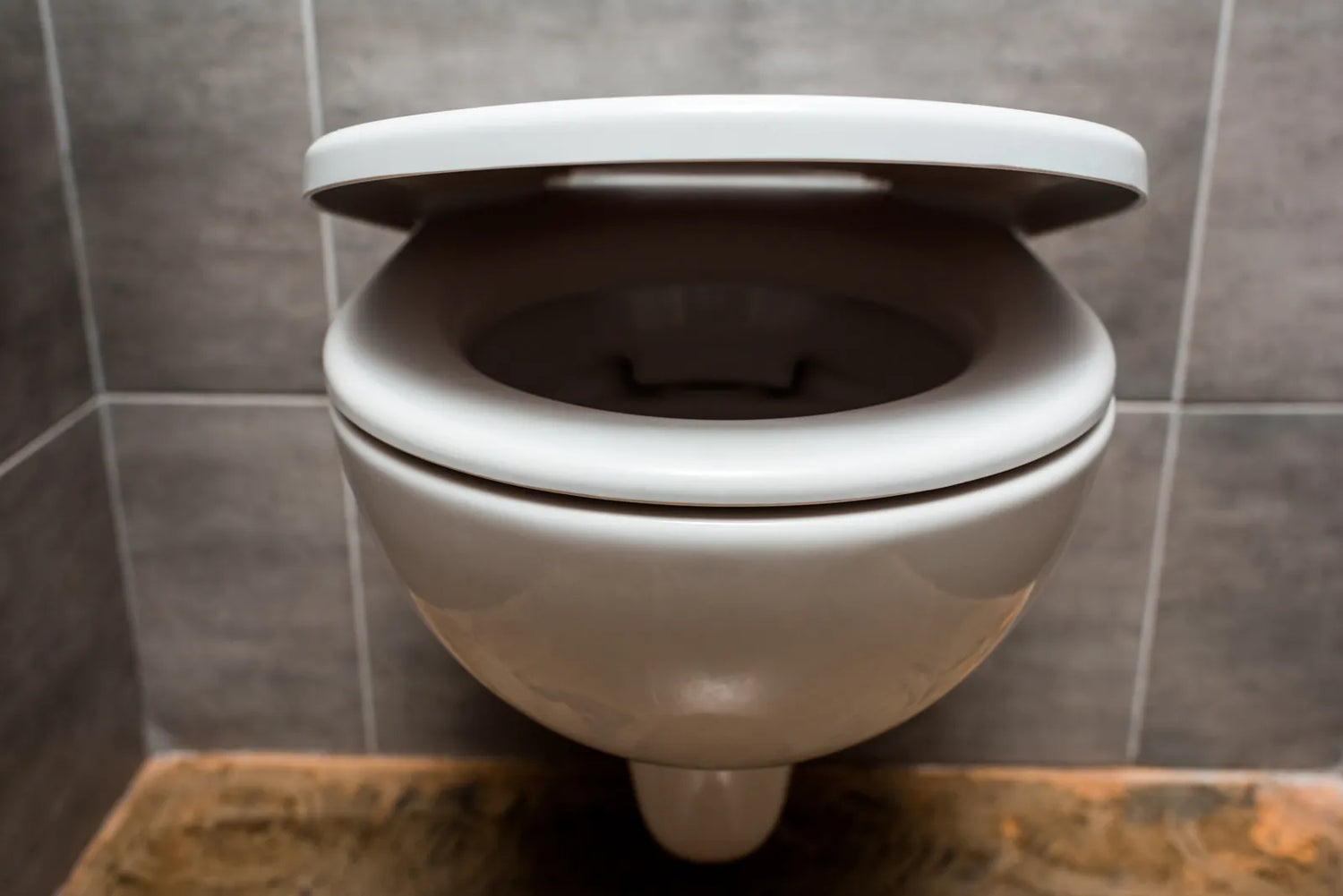
Remove the old toilet seat easily; modern riser and soft close toilet seat replacement offer great practical bathroom benefits.
A soft close seat is not a major upgrade. It is a small quality-of-life feature. That is important to remember.
People are usually happiest with it when they bought it to solve a specific annoyance: loud lid drops, sleeping kids nearby, or a bathroom that gets constant shared use. They are less happy when they buy it just because it sounds more premium.
They also often wish they knew three things earlier:
First, fit matters more than the slow-close feature. If you do not know how to choose the right fit for a replacement toilet seat, the seat can feel cheap no matter how smooth the hinge action is.
Second, “easy install” does not always mean “stays tight.” Even an easy to install soft close toilet seat replacement may need retightening after some use, especially if the bowl or hinge fit is slightly off.
Third, cleaning and replacement depend heavily on hinge design. A soft close toilet seat replacement compatibility guide matters because not every seat works equally well with every toilet shape or mounting setup, even if the listing sounds universal.
Before You Choose
-
Measure the bowl first: round or elongated, and check bolt-hole spacing.
-
Ask whether seat slamming is a real problem in your home or just a minor idea.
-
Soft-close seats reduce noise and extend hinge lifespan.
-
Standard seats may wear faster in high-traffic bathrooms.
-
-
Decide if you want quick release hinges for cleaning or the fewest moving parts.
-
Expect the hinge mechanism to wear before the seat surface does.
-
Check whether the seat can be tightened or serviced if it loosens later.
-
Think about bathroom use: busy family bathroom, guest bath, rental, or low-use room.

FAQs
1. How do I know what size toilet seat I need?
Learning how to measure for new toilet seat is essential to match your toilet bowl shape, choosing between round vs elongated toilet seats to pick one that fits perfectly. Proper dimension checking ensures your new toilet seat aligns well with standard toilets and avoids awkward gaps or overhang in your bathroom.
2. Can you fix a soft close toilet seat?
You can follow diy toilet seat repair and replacement tips to fix minor loose hardware on your unit, though a worn soft close mechanism often cannot be fully restored and may need swapping the old seat for a durable new one. Simple tools like a screwdriver are enough for basic unscrew and adjustment work during maintenance.
3. Are all soft close seats universal fit?
Not all soft close toilet seats feature universal compatibility, even for standard toilets you must verify hole spacing and toilet bowl contour before installation. Adjustable hinge designs help with minor alignment but cannot fix a complete shape mismatch for your replacement toilet seat.
4. Best way to clean toilet seat hinges?
Leveraging quick release toilet seat benefits lets you easily detach the seat for removal for cleaning, keeping hinge areas hygienic by clearing grime with warm water without complex disassembly. This simple method boosts bathroom experience and maintains the functionality of soft-close features long-term.
5. Why does my soft close seat stop working?
Most soft close seats fail over daily use as internal hinge parts wear out, losing their designed to close gently performance and compromising comfort and safety in your bathroom. Investing in best slow close toilet seats 2026 ensures better durability and stable long-term functionality for regular household use.
6. Does Horow sell replacement seats for their toilets?
Yes, you can find dedicated Horow toilet seat replacements that match original design, offering secure installation and ergonomic support to upgrade your existing toilet with a reliable soft-close lid. These dedicated seats complement bathroom decor while delivering quieter and safer use for all family members.
7. How to troubleshoot a slamming "soft-close" seat?
If you need to fix a soft close seat that slams, first check and retighten loose hinges; if the soft-close system is worn, replace it with a slow-close toilet seat to restore smooth operation and peace of mind. Upgrading also helps improve user experience with quiet-close features and prevents repeated slamming noise in daily use.
References


Leave a comment
This site is protected by hCaptcha and the hCaptcha Privacy Policy and Terms of Service apply.