
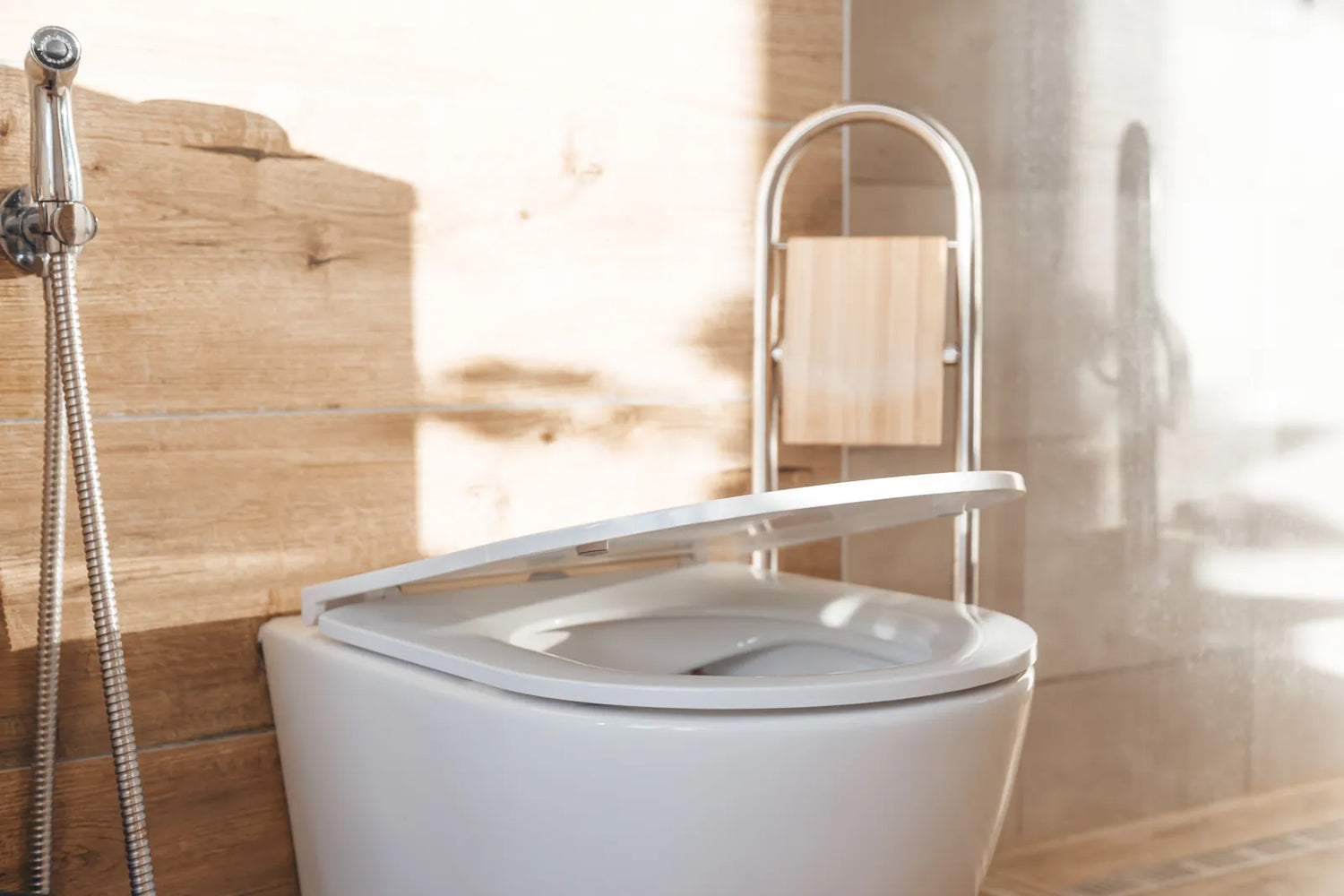
Soft close toilet lid technology elevates the functionality, aesthetics, and overall bathroom experience of any toilet design. In daily life, it can be a real quality-of-life fix—or a slow, fussy lid that doesn’t match how your household uses the bathroom.
The key is to treat it like a habit change plus a mechanism that helps prevent accidents, not just a quieter hinge.
Is soft close toilet lid technology right for your household?
This quick breakdown helps you decide if soft close toilet lid technology matches your household’s daily habits, noise concerns, and willingness to do basic upkeep.
Decision Snapshot (rule of thumb): who benefits, who should skip it
Usually a good fit if:
-
You have light sleepers and one bathroom near bedrooms, so slamming is a real problem.
-
Kids (or guests) often drop the seat and lid, and you want fewer bangs and fewer cracked seats.
-
You’re tired of seats that shift and loosen and you’re willing to do a proper install (tight bolts, re-check later).
Probably skip it if:
-
You hate anything that feels “slow” or interferes with quick routines.
-
Your household often props the lid/seat up and down all day (busy half-bath), and you don’t want any resistance.
-
You expect “slam-proof forever” with zero adjustment or maintenance.
-
You have an integrated bidet seat/lid and replacing parts is likely to be a hassle.
Is soft close toilet lid technology worth it if you’re trying to stop slamming at night?
If your main issue is the loud slamming noise, soft-close is one of the few changes you’ll notice immediately. In a quiet house, that dull, controlled close can be the difference between someone sleeping through the night and someone waking up annoyed.
That said, it works best when people remember to gently lower the seat and let it close on its own. If someone still pushes it down hard out of habit, you may get less benefit than you expected.
Who may regret it: people who hate “slow” lids, share bathrooms, or expect zero adjustment
Some people find the slow close feature weirdly irritating. You nudge the lid down, then you wait. If you share a bathroom and people have different preferences, it can turn into a daily micro-annoyance.
Another common regret is expecting it to feel the same forever. Many soft close toilet seats change over time due to durability and wear: they may start closing faster, unevenly, or less quietly. It’s not always “broken,” but it may stop feeling premium.
What trade-offs do people not expect with a “quiet close” lid?
While soft close toilet lid technology delivers real convenience for preventing toilet seat slamming, it comes with a few underappreciated downsides many homeowners overlook. From inconsistent performance to differences in design and long-term value, these trade-offs can shape how satisfied you are with your quiet-close toilet seat over time.
Preventing toilet seat slamming isn’t always slam-proof
Soft-close toilet seats are designed to prevent that hard impact at the end of the drop. But close speed can vary more than people expect.
What changes the feeling:
-
Bolt tightness and hinge alignment. If the seat is slightly twisted or loose, the lid can “catch,” then drop faster.
-
Side-to-side pressure. If someone pushes on one corner, it can close unevenly and feel jerky.
-
Wear over time. Many dampers lose some control after years of use.
In practice, “soft close” often means “quiet if you lower it normally,” not “impossible to slam.”
Hydraulic vs mechanical soft close: what changes day to day
Soft close hinges usually use a damper. The two common approaches feel different in real bathrooms:
Hydraulic (fluid damper)
-
Feel: smooth and controlled when new.
-
Noise: usually quieter, with less clicking.
-
Common complaints: can slow unevenly, can weaken over time, and can feel different in cold rooms (fluid can thicken).
Mechanical (spring/friction style)
-
Feel: can be slightly more “springy” or resistant.
-
Noise: sometimes a faint click or more plastic-on-plastic sound.
-
Common complaints: can wear into a looser feel, or the action becomes inconsistent.
The key point is failure mode. A standard seat tends to be “fine until it’s not.” A soft-close mechanism can become “kind of working” for a while, which some homeowners find more annoying than a simple problem.
Higher price vs real-world value: what you’re really paying for
Soft-close seats usually cost more than standard seats. The value is real in a few areas:
-
Noise reduction (especially at night)
-
Fewer impact cracks from dropped lids
-
A calmer feel in a small bathroom
But it’s less valuable if your bathroom is already quiet, rarely used, or you’re the only person using it carefully.
A simple way to think about it: you’re paying for a nicer motion and fewer mistakes. If your household doesn’t make those mistakes, you may not care.

Will it fit and feel right in your toilet (and your habits)?
Before you install any soft-close toilet seat, getting the right fit and secure mounting is just as important as the soft close toilet lid technology itself. Even the best quiet-close hinges won’t perform well if your seat is poorly sized or loosely attached.
Round vs elongated toilet bowl fit
This is the mistake that causes the fastest regret: mixing up round vs elongated toilet bowl fit.
If the seat is too short, it can feel cramped and look off. If it’s too long, it may overhang and feel awkward, and the lid may not sit right.
A quick check that avoids problems:
-
Measure from the bolt holes to the front edge of the bowl.
-
Confirm whether your toilet takes a round or elongated seat before you buy it.
Hinge and bolt realities
Minimum tools required: wrench/socket (for under the bowl) + screwdriver
Note: Top-only tightening of hardware almost always fails and can cause stripping or loose fit
“Easy installation” is often true, but not always easy in the way people think.
What often happens in real homes:
-
You can start with a screwdriver, but getting a snug, no-wobble fit often needs a wrench or socket underneath.
-
If you try to do everything from the top with a Phillips screwdriver, you can strip the hardware or fail to tighten enough.
-
Some toilets have tight clearances that make it awkward to reach the nuts under the bowl.
If you want the seat to stay aligned, plan on using basic tools and taking a few extra minutes.
Misalignment and daily-use quirks
A soft-close lid can highlight small install issues you might ignore with a standard seat.
Common daily annoyances when alignment is off:
-
The lid closes slightly sideways and taps the bowl.
-
The seat shifts and you feel it moves when you sit down.
-
There’s a visible gap at one side that makes the bathroom look “unfinished.”
None of these are disasters, but they’re the kinds of small irritations that make people say, “Why did I bother?”

How much upkeep and reliability risk comes with the soft close mechanism?
Like any mechanical bathroom feature, soft close toilet lid technology does require basic awareness of wear and care. Understanding how these mechanisms hold up over time helps you maintain consistent performance for preventing toilet seat slamming and avoid unexpected frustration.
Longevity of quiet close hinges: what wears out first
Soft-close seats add parts that you can wear:
-
Damper action (the slow-close feature): may weaken, speed up, or become uneven over time.
-
Hinge pins and housings: can develop play, which makes the seat feel loose even if bolts are tight.
-
Mounting hardware: may loosen from normal use and cleaning.
Many homeowners get years of good use, but the slow-close feature is often the first thing to feel “not like new.”
Kids, drops, and leaning on the lid
Soft close helps with accidental drops, but it’s not magic protection.
Situations that shorten lifespan:
-
Kids dropping the seat repeatedly from a high angle (even if it doesn’t slam).
-
People lean on the closed lid to reach a shelf.
-
Standing on the lid (it happens in real homes).
Soft-close hinges can also teach bad habits. Because it closes gently, people may start letting it fall from higher up. That can still stress the hinges and bolts.
Periodically check the hinges
If you want a soft-close seat to stay quiet and centered, expect small check-ins:
-
Tighten hardware if you notice wobble.
-
Re-align if the lid starts drifting off center.
-
Be careful with over-tightening, which can crack some materials or distort the hinge base.
One practical note: Phillips screws alone often don’t give enough grip for a truly solid hold. A wrench or socket on the underside is what keeps many seats from loosening.

When is the close feature unnecessary or creates new hassle?
While soft close toilet lid technology excels at preventing toilet seat slamming and adding convenience to daily use, it isn’t ideal for every space or situation. In some bathrooms, the feature can become unnecessary, add small extra steps to your routine, or even create unexpected frustrations with maintenance and replacement.
When soft-close is just overkill
Soft-close can be unnecessary when:
-
It’s a guest bath that’s used rarely.
-
The bathroom is far from bedrooms and noise isn’t an issue.
-
Everyone already closes the lid gently.
In those cases, you’re adding a mechanism you may not benefit from, and you might still end up tightening hardware once in a while.
Cleaning and hygiene: quick-release helps, but adds a step
Most soft-close toilet seats with quick-release feature spring-loaded latches on either side of the hinges: squeeze the latches simultaneously to lift the seat straight up and off the mounting base for full cleaning access, especially around the hinge area where grime builds up. To reattach, align the seat’s mounting brackets with the base and press down firmly until you hear a click on both sides. Verify re-lock by gently wiggling the seat side to side and front to back—there should be no movement.
Common mistake: Partial engagement of the quick-release latches, which causes the seat to wobble, shift, or rattle during use
Also, more hinge parts can mean more small surfaces to wipe, and proper sanitization of these hard-to-reach areas aligns with bathroom hygiene guidelines from the CDC and EPA’s recommended disinfecting practices for household surfaces. It’s not “hard,” just a little more detailed to ensure full cleanliness.
Replacing a soft close bidet lid can turn into a project
If you have a bidet seat or a toilet seat with integrated features, soft-close replacement is not always a simple swap.
Common headaches:
-
The lid and seat may be part of one assembly.
-
The hinge spacing or mounting plate may be specific to that unit.
-
A failing soft-close mechanism might mean replacing a larger portion than you expected.
If you’re already using an integrated seat, treat “soft close” as part of the system, not a generic add-on.

Before You Choose checklist
-
Confirm round vs elongated with a quick measurement.
-
Decide if you’re okay with a lid that closes slowly every time.
-
Plan to use basic tools (often a wrench/socket) for a snug install.
-
Expect to re-tighten hardware at least once after settling in.
-
If you have an integrated bidet seat, check how replacement parts work first.
FAQs
1. Can you still slam a soft-close toilet lid?
Understanding how soft close toilet lid technology works is key to preventing toilet seat slamming in your home. This system is built to control gentle, quiet closing when you release the lid naturally, but it cannot block intentional force. If you push or slam the lid down hard, you will override the damper and still create noise. For the best performance, always let the lid close on its own to fully use your soft close toilet lid technology. This simple habit goes a long way in preventing toilet seat slamming and protecting both the lid and toilet bowl. Even high-quality soft-close mechanisms rely on gentle use to stay quiet and functional over time.
2. Why did my soft-close lid start closing faster?
Many users notice faster closing as part of normal longevity of quiet close hinges in soft close toilet lid technology. Start by checking and retightening all mounting hardware to keep the seat stable and aligned. Make sure the seat is centered properly, as misalignment often disrupts the slow-close action designed for preventing toilet seat slamming. Test the lid again by letting it lower naturally to see if speed or balance has changed. If it still closes too quickly or unevenly, the internal damper has likely worn with use, which is common for longevity of quiet close hinges. In this case, you may need hinge repair or look into replacing a soft close bidet lid if you have an integrated unit.
3. Are hydraulic hinges better than mechanical ones?
When comparing hydraulic vs mechanical soft close systems in soft close toilet lid technology, each design offers different benefits for preventing toilet seat slamming. Hydraulic dampers often provide smoother, quieter action when new, but they can weaken with age or temperature changes. Mechanical soft-close hinges use spring and friction, so they perform more consistently across different conditions. Understanding hydraulic vs mechanical soft close helps you choose based on your household’s use and expected longevity of quiet close hinges. Both styles support soft close toilet lid technology but fail differently over years of daily bathroom use.
4. Do soft-close toilet seats need maintenance?
Basic maintenance greatly improves the longevity of quiet close hinges and preserves your soft close toilet lid technology. Regular checks keep your seat effective at preventing toilet seat slamming without unnecessary repairs. Tighten mounting bolts and realign the seat if you notice wobble or uneven closing. Homes with frequent use or children will need more frequent small adjustments. For those with integrated units, proper care can delay replacing a soft close bidet lid for as long as possible. With simple, occasional upkeep, your soft close toilet lid technology will stay quiet, smooth, and reliable for years.
References



Leave a comment
This site is protected by hCaptcha and the hCaptcha Privacy Policy and Terms of Service apply.