
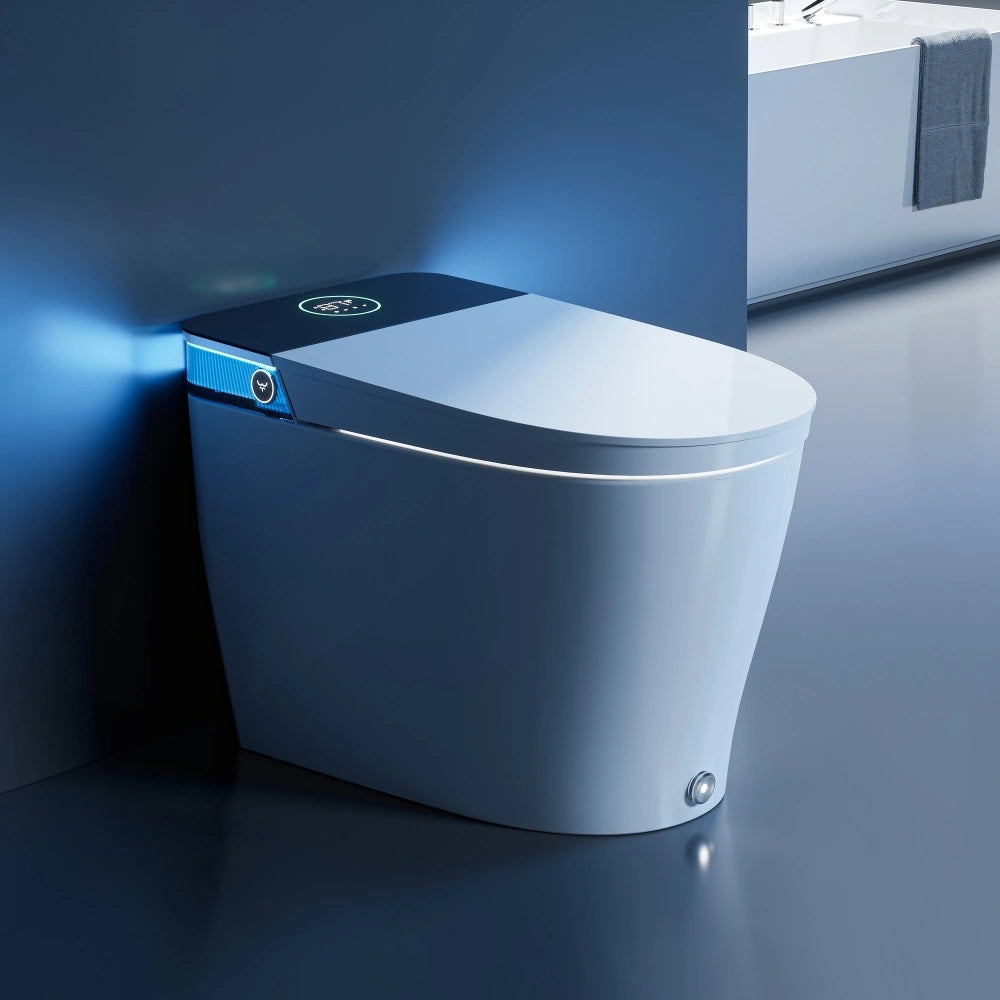
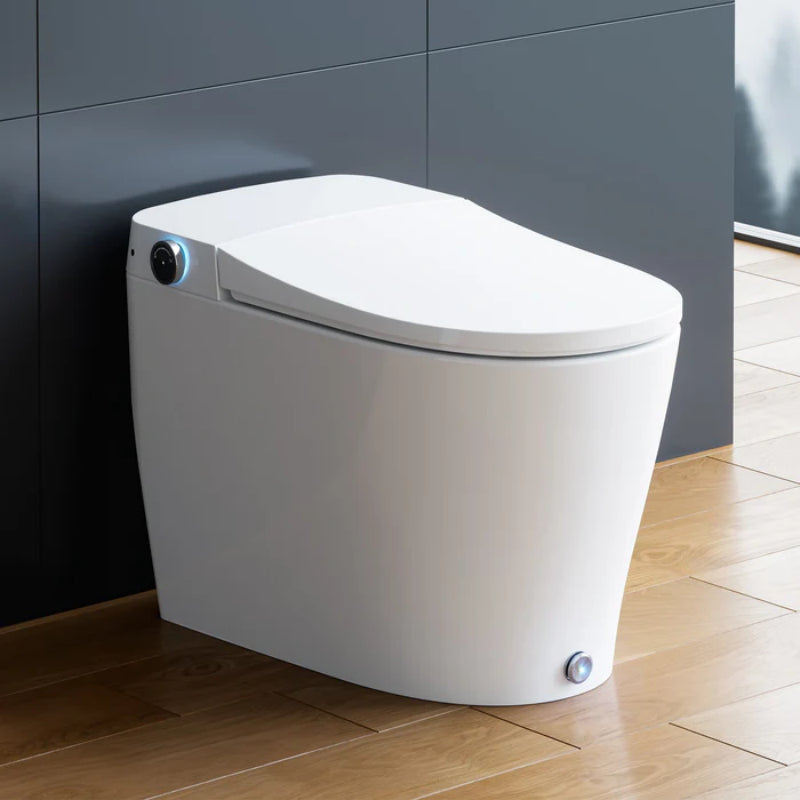

Do i need a surge protector for my bidet? A smart toilet or bidet seat has more electronics than many people expect. It may run a heated seat, warm water, dryer, sensors, auto flush, and a control board. That means it can be affected by bad power in ways a basic toilet never is.
So, do you need a surge protector for a smart toilet? In some homes, yes. In others, it adds cost and hassle without much real benefit.
This is where many homeowners get stuck: the idea sounds simple, but if you’re unsure, the real decision is less about the toilet and more about your wiring, outlet location, and how stable your power is.
Decision Snapshot: smart toilet power surge protection
Good fit: smart toilet power surge protection makes the most sense in homes with frequent outages, voltage spikes, storm-related power issues, or older utility service that tends to flicker. It also fits better when the bathroom already has a proper GFCI outlet and enough circuit capacity.
Probably skip for now: if your bathroom needs electrical upgrades, your outlet setup is wrong, or the smart toilet would share a busy circuit with hair tools and heaters, surge protection should not be your first step. Fix the electrical basics first.
Important limit: surge protection helps reduce damage from spikes. It does not keep all smart toilet features running during an outage. In most cases, heat, wash, and comfort features still stop when power is off.
Understanding Safety Features
When planning a smart toilet or bidet installation, it helps to know that not all electrical safety features do the same thing. A GFCI outlet protects you from electric shock by cutting power during a ground fault. Surge protection guards against voltage spikes from lightning or unstable power, preventing electronic damage. A battery or outage backup provides limited operation—usually just enough to flush the toilet during a power cut, but it doesn’t power heated seats, warm water, or dryers. Each serves a different purpose, and one cannot fully replace the other. Based on the U.S. Consumer Product Safety Commission guidance, installing GFCIs in bathroom receptacles has significantly reduced shock hazards and is widely recommended for all wet locations.
Backup Features Have Limits
Keep in mind that any backup feature is typically limited to flushing only. Comfort features such as heated seats, warm water, or air dryers will not function during a power outage. This distinction helps set realistic expectations and avoids unnecessary frustration.
Who actually benefits
Before diving into specific protection options, it helps to understand who truly benefits from adding surge protection. Not every household needs it, and the value depends on power stability, bathroom wiring, and past experiences with electrical spikes. Recognizing these factors first can guide whether investing in protection makes sense or is mostly precautionary.
Unstable power helps justify it
If your lights flicker during storms, or you have short outages several times a year, surge protection is easier to justify.
That is because a smart toilet bidet is not just a seat with water. It has a control board, sensors, valves, heating parts, and sometimes a remote receiver. Those parts can be more sensitive to electrical spikes than people think.
In practice, the homeowners who feel best about adding protection are usually the ones who have already lost a TV, modem, garage door opener, or appliance after a power event. If your house has that kind of history, asking how to protect a smart toilet from power surges is reasonable.
On the other hand, if your power is stable and outages are rare, the value is less obvious. You may never see a problem.
GFCI-ready bathrooms fit easier
A lot of the frustration starts with the outlet, not the toilet.
Many smart toilets and bidet seats need a nearby GFCI-protected outlet. If your bathroom already has one in the right spot, surge protection is much easier to add as part of a clean installation plan.
If you do not already have that outlet, the project can get more complicated fast. You may need a new receptacle, a circuit check, permit work, or an electrician to confirm the bathroom wiring can support the load.
This is why some people ask for the best surge protector for smart toilet installation when the bigger issue is whether the bathroom is ready at all.
Outlet Location Comes First
The very first requirement for installing a smart toilet or bidet is a nearby GFCI-protected outlet within cord reach. Without this, installation will be difficult or unsafe, regardless of surge protection or other features. Surge protection comes secondary—it’s only effective if the outlet and circuit are ready. Planning around outlet location saves headaches and potential extra costs.

Shared circuits create problems
This is a common regret.
Smart toilets can draw far more power than people expect, often around 600 to 1400 watts, or roughly 10 to 15 amps depending on use. That is in the same general range as some bathroom appliances. If the toilet shares a circuit with a hair dryer, curling iron, or space heater, nuisance trips become more likely.
So when people ask, “Does a smart toilet need a dedicated circuit and surge protection?” the real answer is often: maybe not always dedicated, but shared circuits can be a bad idea if the load is already tight.
If your bathroom circuit is heavily used, surge protection will not solve the root problem. It may even create false confidence while overload issues stay in place.
Setup friction before installation
Installation involves more than just plugging in a smart toilet. The state of your electrical system, including outlet placement, circuit capacity, and local permit rules, can create hurdles that affect both safety and surge protection. Understanding these setup factors helps avoid surprises and ensures a smooth, reliable installation.
Is a dedicated circuit needed?
Not every install requires a dedicated circuit, but many work better with one.
What matters is the actual load on that line. If the smart toilet is going onto a circuit that already serves multiple bathroom devices, you need to know what else runs there. A homeowner may think, “It’s just a toilet,” then learn the seat heater and water heater can pull a meaningful load.
If an electrician tells you the circuit should be dedicated or upgraded, that is not upselling by default. It often means the home’s current setup is marginal.
This is one of the biggest expectation gaps around smart toilet electrical requirements for surge protection. People focus on the protector itself when circuit capacity is the bigger issue.
No extension cords allowed
This catches people off guard.
If the outlet is too far from the toilet, an extension cord is not a good workaround. In a bathroom, with moisture and a higher-power appliance, that setup creates both safety and code concerns. Most manufacturers and electricians want a direct connection to a proper outlet.
So if you are planning a smart toilet with surge protection, first check where the outlet is, how close it is, and whether the cord can reach without strain or odd routing.
If not, the install may involve opening a wall or moving the outlet.
Extension Cords Are Not an Option
Smart toilets and bidets cannot be powered through extension cords. Always verify that your outlet is within the unit’s cord reach before purchase or installation. Failing to do so may require rewiring or relocation, adding unnecessary cost and delay. Treat this as a hard installation constraint to avoid surprises.

Permits can slow things down
This part gets skipped in many simple online explanations.
If your bathroom needs a new circuit, outlet relocation, or panel work, local permit rules may apply. This often requires professional installation, which can add time, inspection steps, and labor cost—but ensures safety and proper surge protection for your smart toilet. None of this means the project is a bad idea. It just means smart toilet surge protector requirements are often tied to house wiring rules, not just the accessory you plug in.
If you want the toilet installed next week, but the electrical work needs approval first, the timeline may not match your expectations.
Trade-offs users miss
Smart toilets offer luxury features, but their high power needs and setup demands often surprise owners. Understanding the real energy draw, potential electrician costs, and what surge protection actually does helps set realistic expectations and prevents common regrets.
High watt draw surprises owners
One of the most common “I wish I knew that earlier” moments is the power draw.
Many people do not expect a toilet to use power like a small heater. But heated water and seat warming take real energy. That matters for outlet choice, circuit load, and breaker behavior.
This is also why a smart toilet GFCI outlet and surge protection plan should be looked at together. If the electrical path is weak or overloaded, adding a surge device does not fix the bigger risk.
Surge protection adds electrician cost
If you already have the right outlet and circuit, adding protection may be simple.
If you do not, the cost can rise from a small accessory purchase to an electrical project. That may include:
| Situation | What it may add |
| Proper outlet already nearby | Minimal added cost |
| No nearby GFCI outlet | New outlet and labor |
| Shared or weak circuit | Circuit evaluation or upgrade |
| Panel protection added | Electrician visit and panel work |
| Permit required | Time and permit fees |
The key point is that surge protection is often cheap by itself but not cheap as part of making the whole setup correct.
Outages still disable comfort features
This is another major misunderstanding.
Some homeowners assume that because they are protecting the toilet, it will keep working normally during power problems. That is not how it works. Surge protection helps against spikes. It does not provide power when the power is gone.
Even if a smart toilet has some type of backup for flushing, that usually does not mean warm water, heated seat, dryer, and spray features stay active. In fact, after a power outage, many comfort features are simply unavailable until power returns.
So if your main concern is how to prevent smart toilet damage during a power outage, protection can help with the unstable return of power, but it will not make the toilet behave like a generator-backed appliance.
After surges and outages
Power surges and outages can affect smart toilets in unexpected ways. Damage may be partial or delayed, and repairs are often more complicated than a simple reset. Knowing what can happen after a spike highlights why surge protection and careful setup matter.
Can a surge damage electronics?
Yes, a power surge can damage a smart toilet bidet.
The problem may be obvious, like a dead unit that will not power on. Or it may be partial: the seat still heats, but the wash feature fails; the remote stops responding; the auto lid or flush acts strangely; settings reset; an error code appears.
That is what makes these events frustrating. Damage is not always total, but it can still leave the unit unreliable.
What happens after a spike?
After a spike or rough outage, a smart toilet may:
-
fail to turn on
-
trip protection and need a reset
-
lose stored settings
-
show error codes
-
stop heating water or the seat
-
have sensor or spray functions act erratically
So if you are wondering what happens to a bidet after a power surge, the answer is often “anything from nothing to expensive board damage.”
Some units recover after power is fully shut off and restored. Others need service. And some failures do not show up right away.

Repairs may not be simple
How to repair a bidet after a power surge is not always a DIY job.
Simple steps like checking the breaker, testing the outlet, and resetting the unit may help. But if an internal board, heater, or electronic module was damaged, repair can be slow or costly. In some cases, parts access is limited and labor outweighs the value of repair.
This is one of the stronger arguments for prevention in outage-prone homes. It is not that every surge destroys the unit. It is that when damage does happen, the fix may be more annoying than people expect.
When protection feels unnecessary
In homes with stable power, surge protection may feel unnecessary, but the decision depends on real-world risk, outlet placement, and existing panel safeguards. Understanding when protection adds value—and when it’s likely overkill—helps homeowners make a practical choice for their smart toilet setup.
Stable homes may need less
If your neighborhood has stable service, your home wiring is modern, and you rarely see flickers or outage events, plug-in surge protection for a smart toilet may not feel necessary.
That does not mean it has zero value. It means your real-world risk may be low enough that the added cost and setup effort bring little peace of mind.
For many homes like this, the smarter move is simply confirming the circuit is safe and the outlet is correct.
Whole-house may cover enough
A whole-house surge protector vs plug-in protection for smart toilets is really a question of how you want to manage risk.
If your electrical panel already has good surge protection, that may provide enough coverage for many homeowners. In that case, adding another layer just for the toilet may feel excessive, especially if the bathroom setup is already hard to work with.
On the other hand, if your area gets sharp storm activity or utility fluctuations, some owners prefer both panel-level and point-of-use protection.
The key point is that a plug-in device is not always the starting point. Panel protection may make more sense if you are thinking about the whole home, not just one bathroom fixture.

Is plug-in protection overkill?
Sometimes, yes.
If the outlet is awkwardly placed, the protector creates a bulky fit, or the installation looks messy in a visible bathroom, some owners end up regretting the setup more than they value the added protection.
This is especially true when there is no history of surge damage and the house already has solid electrical protection. In those homes, smart toilet breaker panel protection for voltage spikes may be the cleaner answer, or no extra toilet-specific protection at all.
Before you choose
-
Check whether your bathroom has a nearby GFCI-protected outlet in the right location.
-
Ask what else is on that circuit, especially hair dryers, heaters, or other high-draw devices.
-
Be honest about your power history: frequent flickers and storm outages make protection easier to justify.
-
Decide whether you want surge protection for spike damage, or if you are actually hoping for outage backup. Those are not the same thing.
-
If wiring upgrades are needed, fix those first before worrying about add-on protection.
FAQs
1. Does a smart toilet need a surge protector?
Yes, using a surge protector is one of the smartest ways to keep your smart toilet safe. These toilets have sensitive electronics—heated seats, automatic flush sensors, and even remote controls—that can be damaged by sudden spikes in electricity. Plugging your bidet into a surge protector is essential for smart toilet power surge protection. It won’t stop every electrical issue, but it dramatically reduces the risk of fried circuit boards and costly repairs.
2. Can a power surge ruin my bidet toilet?
Absolutely. Even a small surge can damage your bidet’s electronics over time. Things like malfunctioning nozzles, sensors that stop working, or heated seats failing are all common signs of surge damage. Using a surge protector is key for protecting bidet from electrical spikes, keeping your smart toilet fully operational without unexpected breakdowns.
3. What happens if lightning strikes near my bidet?
Lightning may not strike your toilet directly, but the voltage spike from nearby strikes can travel through your home wiring and reach your bidet. This can fry circuit boards, sensors, or control modules. For complete smart toilet power surge protection, unplugging the unit during storms or using a high-quality surge protector is the safest bet to avoid expensive repairs.
4. Is my smart toilet warranty covered for surges?
Most smart toilet warranties don’t cover damage from power surges. Manufacturers usually treat this as an external electrical hazard. That means if lightning or a voltage spike fries your unit, you may be stuck repairing bidet after a power surge on your own. Using proper surge protection not only prevents damage but also helps keep your warranty intact by showing proper electrical precautions were in place.
5. How do I protect my bidet's circuit board?
Protecting the bidet’s electronics comes down to preventing voltage spikes from reaching the circuit board. A surge protector with a high joule rating is essential. Some homeowners also use whole-home surge protection for extra safety. And unplugging the smart toilet during storms is a simple, effective strategy. These steps are all part of protecting bidet from electrical spikes to extend the life of your smart toilet.
6. Do I need a special outlet for a smart toilet?
Most smart toilets work fine on a standard grounded outlet, but check for smart toilet GFCI outlet requirements if your model recommends it. A dedicated circuit is ideal, and combining it with a surge protector gives your bidet maximum safety. Following these guidelines ensures both water and electricity hazards are minimized.
Reference


Leave a comment
This site is protected by hCaptcha and the hCaptcha Privacy Policy and Terms of Service apply.