
Pregnancy changes bathroom routines in ways most people do not think about until they are in it. In early pregnancy, it may just mean more trips to pee. By the third trimester, it can mean sore hips, a heavy belly, trouble twisting to wipe, more swelling, and less balance at night. That is when many people start asking whether a smart toilet for pregnancy comfort is actually useful or just an expensive upgrade.
The short answer: yes, it can help, but not every pregnant person needs a fully smart toilet. In many homes, a quality bidet seat gives most of the comfort for much less money and less hassle.
If you are trying to decide, the key is not “What has the most features?” It is “Which setup will make daily bathroom use easier, safer, and less irritating right now?”
Decision Snapshot: Good Fit or Skip?
If you want a quick answer, here it is.
Before considering any features, check these practical constraints first. They can disqualify a full smart toilet before you even start comparing models.
-
Space: Measure your bathroom footprint. Integrated smart toilets can feel bulky in small spaces.
-
Seat height: Verify actual seat-height measurements. Do not assume all integrated models are comfort height.
-
Nearby outlet: Electric bidet seats and full smart toilets require a grounded outlet within reach. Adding one costs time and money.
-
Total installed cost: Factor in electrical work, plumbing changes, old toilet removal, and ongoing electricity use, not just the product price.
If these constraints are manageable, use the guide below to decide between a full smart toilet, an electric bidet seat, or skipping for now.
Best choice by situation
-
Late pregnancy with mobility limits, and space/outlet/cost constraints are resolved → Full smart toilet
-
Core pregnancy comfort features are needed, but budget, space, or rental status makes a full replacement impractical → Electric bidet seat
-
Early pregnancy with no physical strain, very tight budget, or no electrical outlet → Skip for now
Best fit for late-pregnancy mobility limits
A smart toilet makes the most sense if you are in late pregnancy and dealing with one or more of these:
-
wiping feels hard because of belly size or back pain
-
you go to the bathroom very often
-
bending, twisting, or reaching causes discomfort
-
you want less strain on sore hips, knees, or pelvic area
-
nighttime bathroom trips feel awkward or unsafe
-
you also want something that will still help after birth
In those cases, gentle warm water cleansing, a heated seat, easier seat height, and hands-free use in the third trimester can feel less like a bathroom luxury and more like practical help.
Skip if budget or space is tight
A fully smart toilet is often the wrong buy if:
-
your bathroom is small
-
your current toilet works fine
-
your budget is limited
-
you rent
-
you are early in pregnancy and not having much bathroom discomfort
-
you do not want to deal with electrical outlets, fit checks, or installation
That is because a full replacement often costs much more than buyers expect, and the day-to-day benefit may not be big enough unless symptoms are already affecting bathroom comfort.
Better pick: bidet seat before full replacement
For most households, the smarter first move is a bidet seat rather than a full smart toilet. You still get the features that matter most during pregnancy:
-
warm water wash
-
adjustable water pressure
-
heated seat
-
air dry on some models
-
remote control or side control
-
feminine wash mode
You avoid the biggest downsides of integrated smart toilets: higher price, bulkier shape, harder replacement, and more fit problems.
Rule of thumb: if your goal is pregnancy comfort, start by comparing a bidet seat to a full toilet. In many homes, the seat wins.

Who Benefits Most During Pregnancy?
The benefits of a smart toilet or bidet seat during pregnancy are not one-size-fits-all. How much you gain depends entirely on which stage of pregnancy you are in and what specific challenges you are facing.
Best for wiping strain and soreness
The biggest reason pregnant buyers look at bidets and smart toilets is simple: wiping gets harder.
As the belly grows, twisting from the waist becomes less comfortable. If you also have pelvic pain, round ligament pain, low back pain, or hemorrhoids, even basic cleanup can feel like work. A smart toilet or bidet seat reduces the need to reach behind or wipe repeatedly. For many people, that is the main value.
This is also why people ask, can a smart toilet help with pregnancy discomfort? In practical terms, yes, especially if the discomfort shows up during bathroom use itself. It does not solve pregnancy pain, but it can remove one daily friction point.
Helpful for swelling and frequent bathroom trips
Late pregnancy often means more bathroom visits, more pressure in the pelvis, and more fatigue. If you are getting up six, eight, or ten times a day, little comfort features start to matter more.
A heated seat can feel good when your body feels tense or stiff. A lid that opens automatically, a flush that happens on its own, or a simple remote can save a bit of effort. None of these sounds huge on paper. In real use, they help because pregnancy turns routine tasks into repeated physical work.
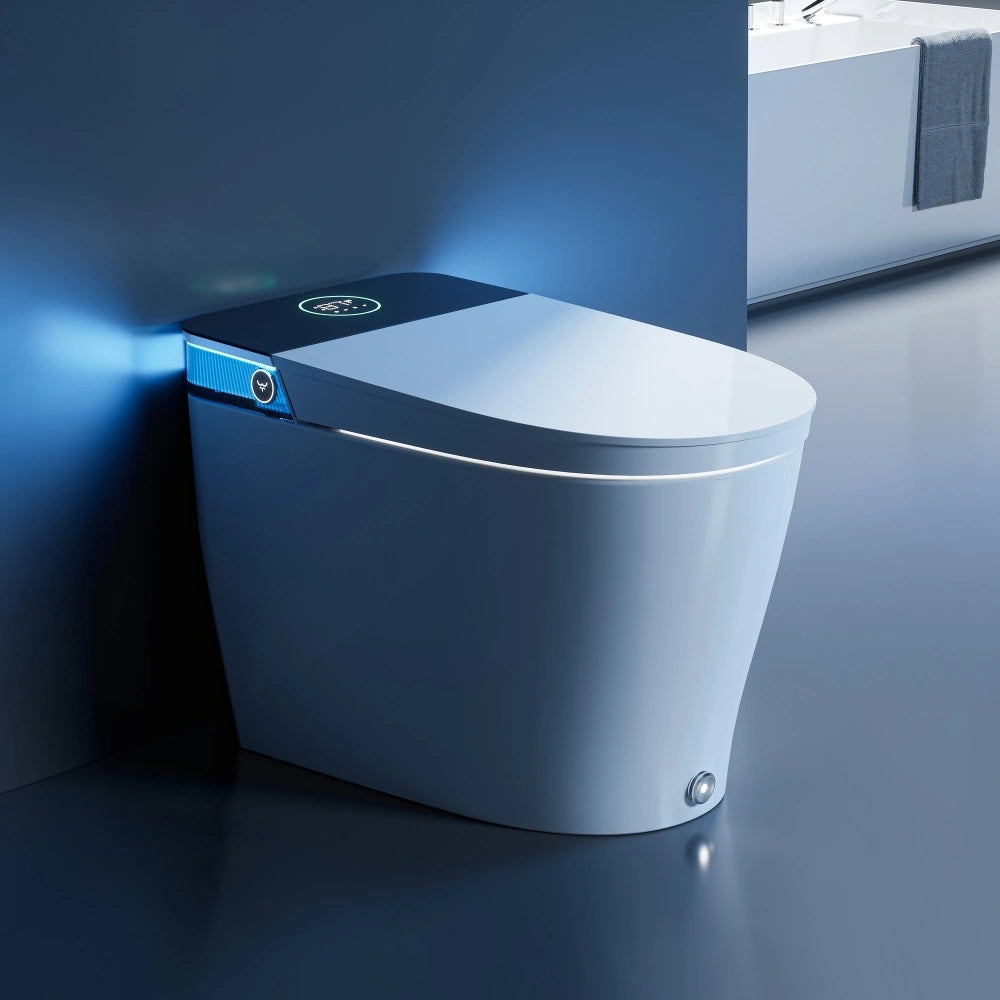
This is also where night light smart toilet features for pregnancy bathroom safety become useful. If you are doing middle-of-the-night bathroom trips with poor balance and sleepy eyes, a soft built-in light is more helpful than you might expect.
Less useful in early pregnancy
In the first trimester, many people do not need a fully smart toilet. If your main symptoms are nausea and tiredness, a high-end toilet will probably not change much. You may still enjoy the heated seat or wash function, but the purchase is harder to justify if the problem is not yet physical strain.
That is why I usually see better satisfaction when buyers wait until they know what kind of discomfort they are actually dealing with. Buying too early can lead to paying for features that sound helpful but do not end up mattering.
Can a smart bidet toilet help enough to justify cost?
Sometimes yes, often maybe.
If you are asking whether the comfort is worth four figures, the answer depends on two things:
-
how hard bathroom use has become
-
whether you will use it long after pregnancy
If this is mainly for nine months, the cost can be hard to justify. If you expect to use it through postpartum recovery and beyond, math gets easier. That is especially true if your current toilet is old, low, uncomfortable, or due for replacement anyway.
Which Features Matter Most?
When people shop for smart toilets, they often get distracted by flashy extras. During pregnancy, the most useful features are usually the simplest.
Gentle adjustable wash
If you are wondering how a bidet toilet improves hygiene during pregnancy, the answer is not “more power.” It is gentle cleaning with less wiping.
During pregnancy, skin can feel more sensitive. Hemorrhoids can flare. Vaginal discharge may increase. Frequent wiping can irritate already tender skin. Washing with water cleans more effectively than dry paper while being easier on the body.
This is why gentle warm water cleansing for sensitive skin during pregnancy matters more than a powerful spray.
Buy a unit with fine control over water strength so you can set it to the lowest comfortable level. Do not prioritize models that only boast high pressure; that is often the wrong choice for pregnancy comfort.
Heated seat
A heated seat is one of those features people dismiss until they use it in cold weather or during late pregnancy. Then it becomes the feature they mention first.
People often ask, is a heated bidet seat safe during pregnancy? In normal use, a heated seat is generally considered safe when it is used at a comfortable, low-to-moderate setting. Buy a model with adjustable temperature settings. Do not prioritize excessive heat or models that lack temperature control, as overly high settings can feel unpleasant against more sensitive pregnancy skin.
Hands-free controls
Late pregnancy can make simple motion feel clumsy. Standing up, turning, reaching, and flushing can all feel less steady than usual. Buy a model with features like automatic lid open and close, auto flush, and an easy-to-reach remote to reduce awkward movements when your center of gravity has shifted. Do not prioritize hands-free features that are overly complex or require app setup for basic operation, as simplicity is more reliable when balance feels off.
Night light
You do not need a fully automated toilet to appreciate a built-in night light. Buy a model with a soft night light to help you avoid turning on bright overhead lights, lowering the chance of stumbling in a dark bathroom. Do not prioritize decorative lighting or color-changing options; the core function is safe visibility during nighttime bathroom trips.

Smart Toilet vs Bidet Seat
This is the fork in the road for most buyers.
Full toilet adds height and automation
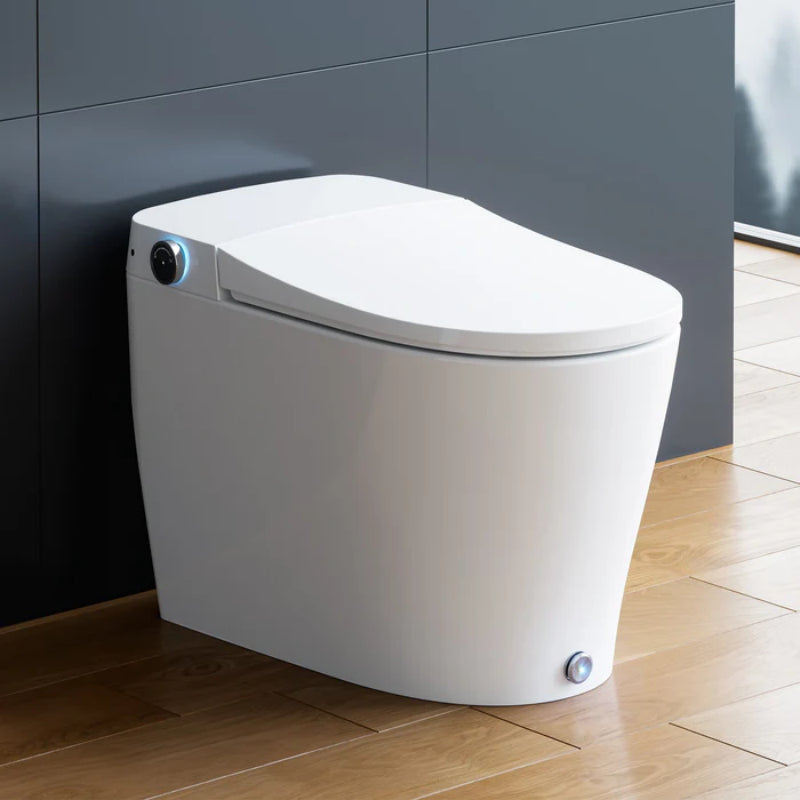
A full smart toilet replaces the whole fixture, transforming your modern bathroom into a more functional and comfortable space. Depending on the model, it may give you:
-
a cleaner one-piece look
-
more built-in automation
-
comfort-height seating on some units
-
integrated wash and dry functions
-
fewer exposed add-on parts
That sounds appealing, but there are trade-offs. Some integrated units are bulkier than expected. Some are not as tall as buyers hoped. Some have shapes that pitch the body forward a bit. During pregnancy, that can feel less comfortable, not more.
If seat height is one of your main reasons for buying, verify actual seat-height measurements. Do not assume all integrated smart toilets are “comfort height.” Standard-height toilets typically have a seat height of 15 to 16 inches from the floor, while comfort-height models are 17 to 19 inches. Before deciding, measure your current toilet and compare it to the exact specifications of the model you are considering.
Bidet seat saves money and install hassle
A bidet seat attaches to your existing toilet, assuming fit is compatible. For many pregnant buyers, this is the sweet spot.
It costs less, usually installs faster, and still gives you the core features that matter most. If your current toilet height already works well, a seat upgrade often gives you 80 to 90 percent of the comfort benefit without replacing the whole fixture.
This is the practical answer to smart toilet vs bidet seat for pregnant women in many homes: choose the bidet seat unless you also need a new toilet.
Is a heated bidet seat safe?
This comes up a lot, and it should. Most heated bidet seats are intended for regular household use and use moderate warmth, not dangerous heat. The issue is comfort and temperature control. During pregnancy, more sensitive skin can make high settings feel unpleasant faster.
So the buying advice is simple:
-
choose adjustable heat settings
-
use the lowest comfortable level
-
avoid prolonged use if it feels too warm
-
if you have a high-risk pregnancy or specific medical concerns, ask your clinician
For most people, the safer choice is not “no heat.” It is controlled by heat.
Which option makes more sense before birth?
If you are buying before birth and trying to stay practical, a bidet seat is usually the better first purchase. It gives you pregnancy relief now and postpartum recovery benefits of a smart toilet and bidet later, especially for soreness, stitches, hemorrhoids, or just avoiding rough wiping.
A fully smart toilet makes more sense if:
-
your old toilet already needs replacement
-
you want a taller toilet
-
you are remodeling anyway
-
your budget is flexible
-
you want integrated hands-free features and cleaner design
What Will It Really Cost?
Understanding the full financial picture means looking beyond the sticker price.
Typical price ranges by product type
Prices vary a lot, but the broad pattern is predictable:
| Product type | Typical range |
| Basic non-electric bidet attachment | $30–$100 |
| Electric bidet seat | $250–$900 |
| Mid-range smart toilet | $1,000–$2,500 |
| Premium smart toilet | $2,500+ |
If you are looking for affordable smart toilet options for pregnancy comfort, what you usually mean is not a true integrated smart toilet. You usually mean a well-equipped bidet seat.
That is where the best value lives for most households.
Ongoing power and water costs
People often focus on purchase price and forget the running costs. Heated seats, warm water, dryers, and always-on features use electricity. Water use per wash is usually modest, but regular use still adds some amount.
The real concern is not that utility bills will explode. It is that buyers assume these features are “basically free” to run. They are not. If you use heated water and seat warming all day, there is a cost.
Pro install may add more than expected
A lot of budget surprises happen here.
A bidet seat may be a manageable DIY project if you already have the right toilet shape, shutoff valve access, and a nearby outlet for electric models. A full smart toilet can bring added costs for:
-
plumbing changes
-
outlet installation
-
old toilet removal
-
fit adjustments
-
floor or supply line issues
This is one reason people regret skipping the planning stage. The toilet itself might fit your budget. The installed total may not.
Is it worth it for nine months of use?
This is the question that cuts through marketing.
If you only want help during pregnancy and money is tight, a full smart toilet is often too much. A bidet seat is easier to justify.
If you expect to use it during pregnancy, postpartum, and long-term family use after that, then the purchase starts to make more sense. The key point is to think in years, not months.

Will It Fit Your Bathroom and Routine?
Before you get into specific features, start with the practical side of whether a smart toilet or bidet seat actually works in your space.
Measure projection and seat height first
Before you compare features, measure your bathroom.
Two dimensions matter most:
-
projection: how far the toilet sticks out from the wall
-
seat height: how high the seat is from the floor
Pregnancy comfort often improves with a seat that is easier to sit on and stand from. But some smart toilets are lower than expected. Others are longer front-to-back and take up more floor space.
Measure first. This alone avoids a lot of buyer regret.
Will this work in a small bathroom?
Sometimes the answer is no.
Integrated smart toilets can feel bulky in small bathrooms, especially if the tank or seat housing extends farther than your current toilet. In a tight powder room or narrow primary bath, that extra protrusion can make the room feel cramped.
This is why people are often happier with bidet seat in smaller spaces. It keeps the footprint closer to what they already have.
Remote controls and presets add friction
On paper, remotes and memory presets sound great. In practice, they can help or annoy.
They help if:
-
more than one person uses the toilet
-
you want one-touch gentle wash settings
-
side controls are hard to reach
They annoy me if:
-
the remote gets misplaced
-
the menu is confusing
-
too many settings slow down simple use
During pregnancy, the best technology is the one you can use without thinking, which is why intuitive design matters more than complex features. If the interface feels complicated, you may not use the features you paid for.
Air drying sounds nice but takes patience
A lot of people ask about air drying vs toilet paper during pregnancy hygiene care. Air drying can help reduce the need for wiping, which is a real plus for tender skin. But buyers should know what to expect: it is slower than most people imagine.
If you are in a hurry, you may still pat dry with a small amount of toilet paper. That does not mean the feature failed. It just means air drying is a comfort add-on, not always a full replacement.

Any Risks or Reasons to Avoid It?
Most pregnancy-related concerns around bidets and smart toilets come down to a few practical questions: Is the water pressure safe? Are there medical reasons to pause? And what about the less obvious annoyances like tech glitches or privacy? Here is what you actually need to consider.
Gentle wash is safer than high pressure
People also ask, is it safe to use a bidet while pregnant? In general, a gentle bidet wash is widely considered fine for normal pregnancy use. The practical caution is pressure.
This is why adjustable water pressure for pregnancy-safe bidet use matters so much. High pressure can feel harsh and may irritate sensitive tissue. You want a unit that can go low and stay gentle.
Start at the lowest setting. Then increase only if needed. During pregnancy, softer is usually better.
When a bidet may not be suitable
There are a few times when you should pause and ask your clinician before using a bidet or smart toilet wash function regularly:
-
if you have been told to avoid vaginal irritation
-
if you have active infection concerns
-
if you have bleeding or unusual pain
-
if high-risk pregnancy instructions limit certain hygiene practices
-
if any wash mode causes discomfort
This is the practical answer to when a bidet toilet may not be suitable during pregnancy: not because bidets are broadly unsafe, but because individual medical situations can change the advice. For general guidance on healthy pregnancy practices, the CDC offers reliable resources on prenatal care and physical changes during pregnancy.
Tech glitches can frustrate daily use
This is one of the least glamorous but most real downsides. Sensors can act up. Auto flush may miss. Remotes can be annoying. Fancy health-tracking features may sound interesting but add delay, app setup, or privacy concerns.
If your goal is a healthy, comfortable routine, simple usually wins. I would not prioritize app-based health extras for pregnancy bathroom use. They add complexity without solving the main discomfort issues.
Privacy concerns with health-tracking models
Some newer smart toilets push wellness tracking. For most pregnant buyers, I would treat that as unnecessary at best and invasive at worst.
If a toilet connects to an app, stores usage data, or shares readings, read the privacy terms carefully. Most buyers looking for comfort do not need that layer at all.
Will You Still Like It Postpartum?
The value of a smart toilet or bidet seat often extends well beyond the third trimester. While pregnancy discomfort is what brings many buyers to consider one, the features that provide relief before birth can be just as essential during postpartum recovery.
Postpartum care may justify the purchase
This is where the value often becomes clearer.
After birth, many people want gentler personal care than toilet paper alone, especially if there is soreness, swelling, stitches, hemorrhoids, or general tenderness. A bidet or smart toilet can make hygiene feel easier, less stressful, and ultimately healthier for sensitive postpartum tissue.
So if you are on the fence during pregnancy, ask yourself not just “Will this help now?” but also “Will I want this in the weeks after birth?” In many cases, the postpartum period is when the purchase feels most worthwhile.
Easier hygiene than toilet paper alone
This is the strongest long-term case for buying. How smart toilets make bathroom use easier in late pregnancy is basically the same way they help postpartum: less twisting, less wiping, less irritation, and cleaner results with less effort.
That matters if you are already sore, tired, and moving carefully.
Maintenance is simpler than buyers expect
Buyers often assume smart toilets are a maintenance headache. In truth, routine care is usually manageable if you choose a straightforward model. You still need regular toilet cleaning. Self-cleaning nozzles help, but they do not remove the need for normal upkeep.
What tends to cause more frustration is not cleaning. It is choosing a model with too many features you do not use.
Best affordable features for long-term comfort
If you want good value, focus on the features that stay useful after pregnancy:
-
adjustable warm wash
-
very gentle low-pressure setting
-
heated seat
-
easy controls
-
self-cleaning nozzle
-
night light
-
comfort height if replacing the full toilet
That is the answer to what to look for in a smart toilet for pregnancy comfort without overspending. Skip gimmicks first. Keep the features that help every day.
So, should you buy one?
If bathroom use has started to feel like a strain, yes, some type of bidet setup can be a very sensible home upgrade during pregnancy.
But for most people, the right first decision is not a high-end integrated smart toilet. It is a good electric bidet seat with gentle warm wash, adjustable pressure, a heated seat, and simple controls.
Choose a full smart toilet only if you also need a new toilet, want comfort height, have the space, and are comfortable with the total installed cost.
In short:
-
Late pregnancy discomfort + frequent bathroom use: good fit
-
Tight budget or small bathroom: choose a bidet seat
-
Need pregnancy help and postpartum help: easier to justify
-
Interested mainly in flashy automation: probably skip
The best bathroom upgrade during pregnancy is the one that makes daily life easier without adding hassle.
Before You Buy
-
Measure your current toilet height and how far it sticks out from the wall.
-
Decide if you need a full toilet replacement or just a bidet seat.
-
Check for a nearby electrical outlet if you want warm water or a heated seat.
-
Make sure the wash pressure can be set very low.
-
Prioritize comfort height over extra tech if standing up is hard.
-
Think about postpartum use, not just pregnancy.
-
Skip app features unless you truly want them.
-
Set a full budget that includes installation, not just product price.
FAQs
1. Can a bidet help with pregnancy discomfort?
Yes, a smart toilet for pregnancy comfort can significantly reduce the physical strain that comes with carrying a baby. As the belly grows, twisting to wipe becomes awkward and can aggravate pelvic pain or hemorrhoids. Bidet benefits for pregnant women include replacing that repeated motion with a gentle stream of water, making cleanup easier without the need to reach or scrub. For many expectant mothers, easing pregnancy discomfort with bidets is one of the most practical and immediately helpful home upgrades they can make.
2. Is it safe to use a bidet while pregnant?
For most pregnancies, using a bidet is considered safe when you prioritize a gentle wash for sensitive skin pregnancy needs. The key is to start with the lowest water pressure setting and increase only if the sensation remains comfortable, avoiding direct spray into sensitive areas. If you have a high-risk pregnancy or specific medical instructions, check with your clinician first. In normal circumstances, a quality bidet with adjustable pressure offers safe, effective hygiene without the strain of repeated wiping.
3. Does a heated seat help with pregnancy back pain?
A Horow heated seat for maternity comfort does not treat the underlying causes of back pain, but it provides meaningful relief while sitting. The gentle warmth helps relax tense muscles in the hips, lower back, and pelvis during bathroom visits, which is often when discomfort feels most pronounced. In late pregnancy, when sitting can feel stiff or jarring, a warm seat makes the experience noticeably less unpleasant. Think of it as part of easing pregnancy discomfort with bidets—a small comfort feature that removes one daily physical stressor.
4. Can a bidet help with pregnancy-related constipation?
A bidet does not treat constipation directly, but it makes bathroom visits less stressful when you are already uncomfortable. Warm water cleansing soothes irritation from frequent wiping or straining, which is especially valuable as a gentle wash for sensitive skin pregnancy solution. A more comfortable bathroom setup can reduce the anxiety that sometimes builds up around difficult bowel movements. While it does not replace hydration or medical advice, it removes one layer of physical discomfort from the process.
5. Should I buy a full smart toilet or a bidet seat?
For most pregnant homeowners, a bidet seat delivers the core features of a smart toilet for pregnancy comfort at a fraction of the cost. You still get adjustable warm water, a heated seat, and hands-free toilet use for late pregnancy without replacing your entire fixture. Bidet benefits for pregnant women are largely accessible through a quality seat upgrade, giving you most of the comfort benefit with far less installation hassle. Choose a full smart toilet only if your current toilet is due for replacement and you are ready for the higher total installed cost.
References


Leave a comment
This site is protected by hCaptcha and the hCaptcha Privacy Policy and Terms of Service apply.