
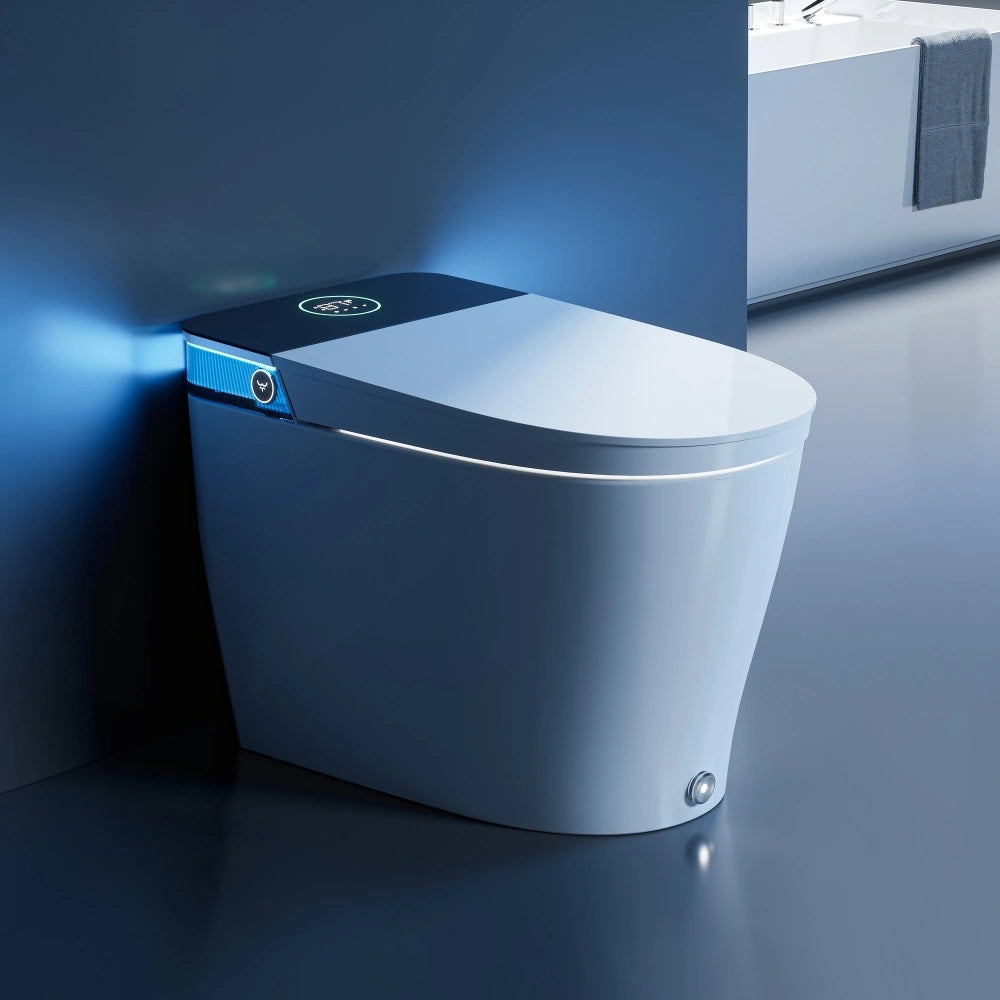
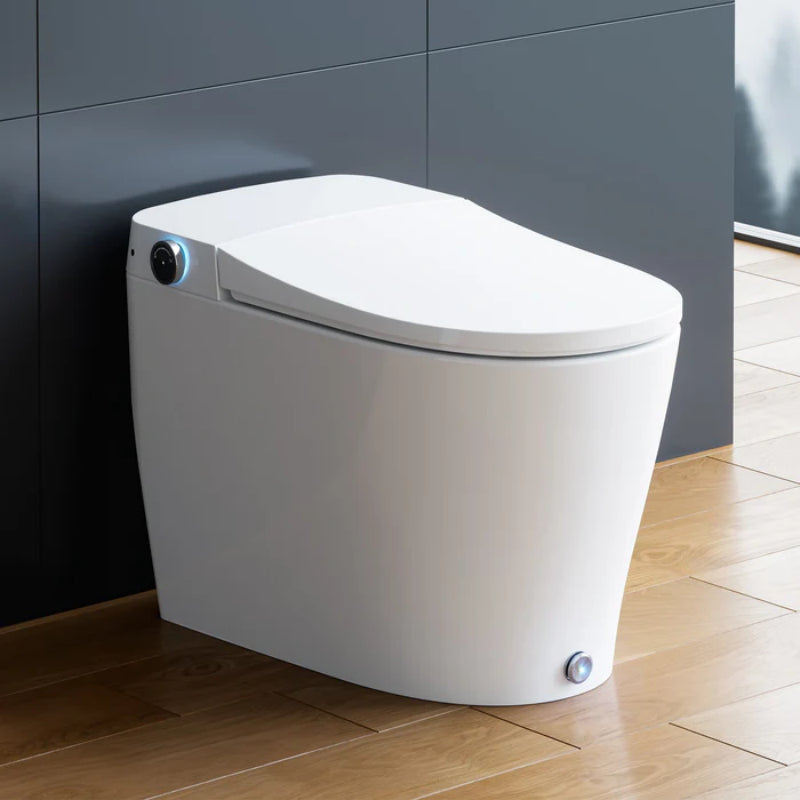
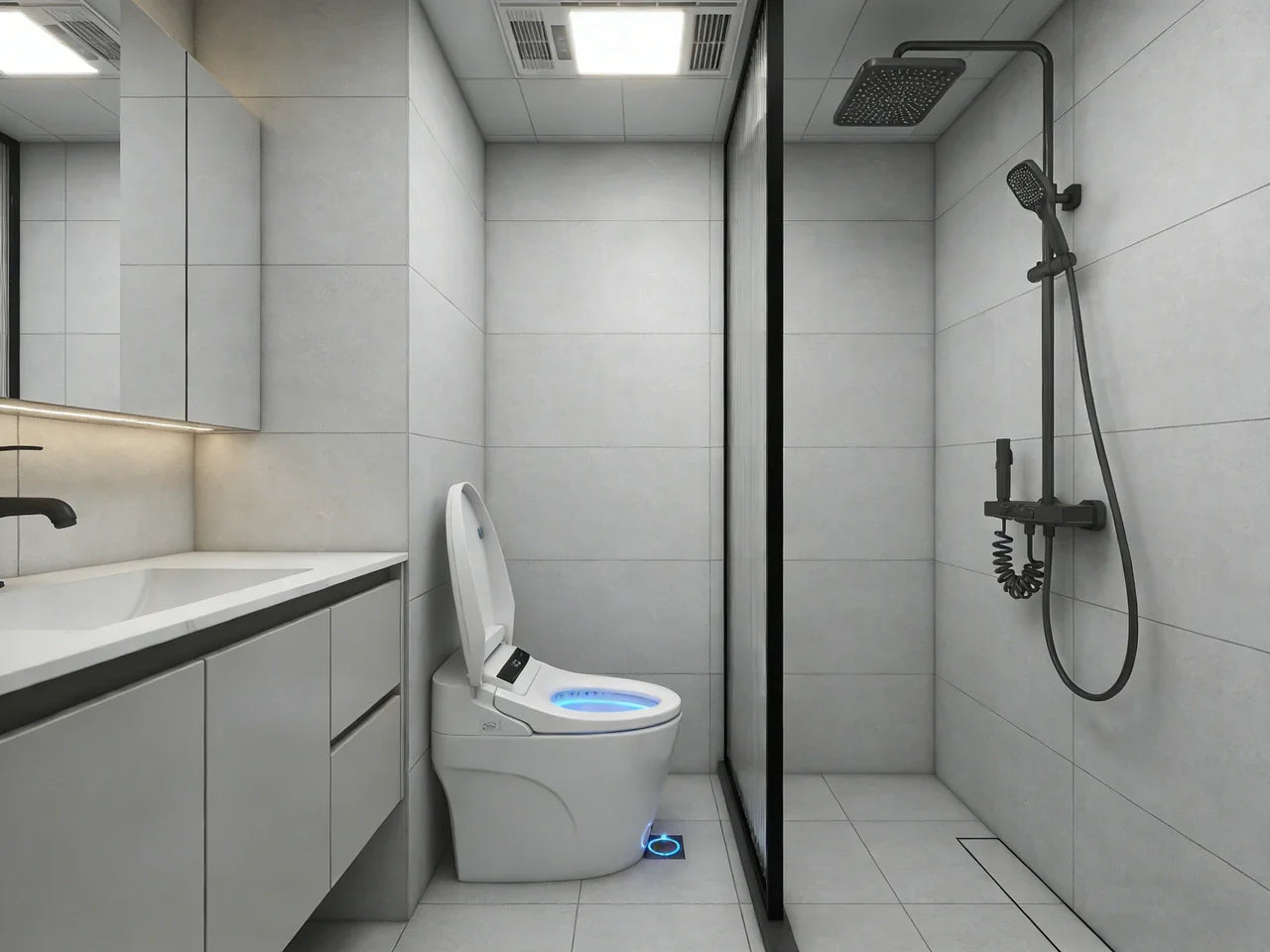
Dealing with low water pressure can turn a normal toilet into a frustrating repeat-flush routine, directly impacting low psi toilet performance and water flow. A smart toilet engineered to handle weak pressure—often equipped with an integrated pump—can feel like a seamless solution—until you live with the noise, power demands, and regular maintenance.
Here’s where this fixture truly shines in real homes—and where it often falls short of expectations.
Should you buy a Smart Toilet for Low Water Pressure? (Decision Snapshot)
Low water pressure refers to insufficient supply at the toilet (low PSI/flow from the water line), while poor flush performance can also stem from drain or vent blockages. Distinguishing supply versus drain issues ensures you select the best toilet for weak pressure that aligns with your actual plumbing limitations.
Rule of thumb: who it’s for—and who should skip it
A smart toilet designed for low water pressure is an excellent choice if your home has consistently weak supply pressure and you prioritize enhanced hygiene, user comfort, and reliable flushing over basic functionality. This fixture seamlessly combines powerful flushing with bidet toilet convenience, making it ideal for those who value a modern bathroom upgrade.
You should skip it if your “low pressure” issue is actually a drain/vent problem, you lack a safe nearby power outlet, or you prefer the simplicity of traditional toilets during power outages. Regret is common among users who dislike ongoing upkeep like descaling, filter checks, or navigating remote controls—tasks that deviate from the minimal maintenance of standard fixtures.
-
Pump operation noise may be noticeable, especially at night or near shared walls.
-
Requires a dedicated power outlet; extension cords are unsafe and not recommended.
-
Regular descaling, filter inspections, or foam refills can become tedious over time.
Is it worth it with occasional low pressure?
If low pressure only strikes intermittently (e.g., during peak neighborhood water use), an air-assisted or pump-assisted smart toilet still delivers consistent flushing. However, it may feel like investing in complexity to solve an intermittent issue—in this case, you’re purchasing reliability and comfort features, not just a stronger flush.
When “consistent performance regardless of water pressure” is real
That promise is most realistic when the toilet has an electric assist (a pump or pressure system) and your issue is truly low incoming PSI/flow at the shutoff valve. It’s less realistic when the bowl clears poorly because of clog-prone drain lines, bad venting, or a partial blockage. A pump can push water, but it can’t fix a slow pipe leaving the house.
Will it actually fix weak flush and low PSI performance?
Quick diagnostic: Confirm low supply before assuming a pump will help. Check (1) water PSI at other fixtures, (2) bowl response during peak usage, (3) no clogging from drains or venting. If these confirm weak supply, a smart toilet with pump assist may improve flush.
What a built-in pump changes (and what it can’t)
Pump assist cannot compensate for undersized or blocked drain lines and may worsen downstream backups.
A built-in pump smart toilet can improve flush consistency because it’s not relying only on gravity and whatever pressure happens to be in your supply line at that moment. In practice, that often means:
-
Better bowl clearing with fewer “double flush” moments
-
Less sensitivity to someone running a shower or washer mid-flush
-
More confidence for homes with known weak supply pressure
What it cannot do:
-
Clear a mainline problem
-
Fix chronic clogs caused by the drain layout
-
Make “flushable” wipes safe (they aren’t)
-
Prevent problems from too much paper in one go
A helpful way to think about it: the pump helps get water into the bowl system with force, but your plumbing still has to carry everything away.

When the real problem is drain/venting
Many homeowners describe the problem as “weak pressure,” but the symptom is “it won’t take waste away.” That can be a different issue.
Clues it may be drain/vent-related instead of supply-pressure-related:
-
Multiple fixtures gurgle (sink/tub) when the toilet flushes
-
Toilet bubbles when another drain runs
-
Flush seems strong, but the bowl empties slowly
-
Backups happen even when supply pressure seems normal elsewhere
Choosing a pump-assisted smart toilet without addressing drain or vent issues may cause more frequent and severe backups.
If those sound familiar, a pump-assisted flush may still move the bowl contents out of the toilet, but it can also push problems downstream and turn a borderline drain into a more urgent one.
Pump-assisted flush and clog expectations
A power flush bidet combo reduces daily clogs for liquid and routine solid waste, but it is not clog-proof. Two key expectation gaps:
-
“Power flush” does not mean “flush anything.” Excess paper, thick paper, or non-paper items still clog trapways and drains.
-
Bidet functionality minimizes the need for toilet paper, aiding some households, but it does not fix restricted drain flow.
What trade-offs do users not expect in daily use?
In addition to maintenance and cleaning, pump noise can impact your comfort and should be part of the decision when choosing a smart toilet.
Will the pump be noisy?
Many people expect a near-silent bathroom experience because it’s “smart.” In real use, a pump-assisted flush often makes a noticeable sound—more like an appliance cycling on than a quiet gravity flush.
This matters most when:
-
The bathroom shares a wall with bedrooms
-
You use it at night
-
You’re sensitive to new mechanical noises
Noise varies by install and room acoustics, but you should assume you will hear it. If silence is a top priority, this can become a daily annoyance. Noise should be a deal-breaker if the bathroom shares walls with bedrooms or if night-time use is frequent. This helps quickly decide if pump-assist fits your home.
Remote control and nozzle learning curve
Even “user-friendly” controls require 1–2 weeks to master:
-
Nozzle position and aiming
-
Ideal water pressure for you and guests
-
Water temperature settings
-
Drying function timing (if included)
A common regret: assuming “self-cleaning” means zero hands-on care. While self-cleaning assists with the cleaning experience, manual inspection and wiping are still necessary for optimal hygiene.
Seat height and comfort surprises
Some smart toilets feature standard heights lower than comfort-height models, a critical limitation for:
-
Tall users
-
Elderly individuals
-
Those with knee, hip, or balance issues
If sitting/standing is a concern, seat height directly impacts safety and daily comfort—comfort is a priority that outweighs many high-tech features.
Can your bathroom and plumbing support it without surprises?
Beyond plumbing, a smart toilet also relies on proper electrical setup to function safely and effectively.
Power and outlet reality
Ensure reachable, bathroom-rated GFCI outlets (no extension cords—unsafe and detrimental to performance). Smart toilets for low pressure need power for the pump, heated seat, warm water, and other cutting-edge features:
-
Properly positioned, GFCI-protected outlet
-
Safe cord routing away from wet areas
-
Acceptance that “hands-free” functionality depends on electricity
During power outages, most models offer limited operation—confirm this works for your household before purchasing.
Clearance and fit are tighter than they look
“Compact design” can be true on paper and still feel tight in a real bathroom. Common pinch points:
-
The lid needs room to open fully
-
The body can sit close to the shutoff valve
-
Rear skirt shapes can make supply connections harder to reach
-
Some need more side clearance for comfortable seated use
If your current toilet barely fits, measure carefully. Smart toilets often have a bulkier rear section than expected.
Installation friction points that cause rework
The most common causes of leaks or callbacks are not “bad toilets.” They’re small install issues:
-
Slight misalignment at the floor flange
-
A shutoff valve that’s hard to access or worn out
-
Tight supply connections that tempt over-tightening
-
Not enough room behind the unit to make clean connections
A smart toilet is less forgiving of “close enough” alignment. If your bathroom has older plumbing or cramped access, budget time (and patience) for a careful install.
What maintenance and long-term annoyances cause regret?
Maintaining optimal hygiene goes beyond self-cleaning—temperature fluctuations and mineral buildup can still impact daily use.

“Self-cleaning” still needs real cleaning
Self-cleaning features can rinse the nozzle and reduce residue. They don’t remove:
-
Mineral scale from hard water
-
Dust and splashes around hinges and seams
-
Build up under rim areas, if your model has them
-
Film that forms in warm, damp environments
If your home has hard water, descaling becomes routine. Warm water parts tend to show scale faster than a plain ceramic bowl.
Water temperature stability can vary
Warm water wash is one of the main reasons people go smart. But it may not feel the same every time if:
-
Someone else uses hot water at the same time
-
The unit is set to energy-saving mode
-
Incoming water is very cold in winter
This isn’t always a deal-breaker, but it can frustrate people who expect a perfectly steady temperature on demand.
Foam or “health guard” reservoirs can be fussy
Some smart toilets add a foaming or dosing function to reduce odors and keep the bowl cleaner. When it works, it’s nice. The annoyance is the refill process on certain designs:
-
Slow draining while you refill
-
Easy to spill if you pour too fast
-
Extra waiting time to top it off properly
If you like “set it and forget it,” this kind of add-on can become the feature you stop using.
Energy-saving modes vs real-life habits
Energy-saving modes help, but the day-to-day reality is simple:
-
Heated seats use more power than a non-heated seat
-
Keeping water warm (or ready to heat quickly) has a cost
-
Motion sensors can misread a small bathroom and wake the unit more often than you expect
If you prioritize comfort, you’ll likely keep comfort features enabled—don’t assume you’ll always use the most energy-efficient mode. This fixture still aligns with sustainable living and is eco-friendly compared to excessive toilet paper use, but practical comfort use impacts energy use.
A simple decision table: what you gain vs what you take on
| You’re hoping for… | Likely benefit | Common trade-off |
| Stronger, more reliable flush | Better consistency with weak supply | Pump sound, more parts |
| Less toilet paper | Bidet reduces paper for many users | Learning curve, cleaning nozzle area |
| Cleaner bowl with less effort | Some features reduce residue | Descaling and manual wipe-down still needed |
| Easy “upgrade” | Modern features in one unit | Outlet, fit, install precision |
Before You Choose (checklist)
-
Do you have consistently low PSI at the toilet, not just a slow drain problem?
-
Do you have a safe, correctly placed bathroom outlet and a plan for cord routing?
-
Are you okay with audible pump noise, especially at night?
-
Does the seat height work for your household’s mobility needs?
-
Are you willing to do descaling and occasional hands-on cleaning, even with self-cleaning features?
-
If power goes out, will the reduced functionality be acceptable?
Confirm what functions still work during a power outage to ensure reduced operation is acceptable.

FAQs
1. Can you use a smart toilet with low water pressure?
Yes, you can absolutely use a smart toilet with low water pressure, especially models designed with built-in pumps or air-assisted flushing. Many innovative options like Horow smart toilets are made to handle weak supply without relying on high PSI, so you still get a reliable flush and fully functional bidet. These units don’t depend just on your home’s water flow, meaning you won’t struggle with repeated flushes. Most also keep gentle, adjustable spray and hygienic cleaning features working normally. As long as you have basic water supply, a pressure-assisted smart toilet will perform consistently, making it a practical upgrade even with low psi toilet performance limitations.
2. Does a tankless toilet need high PSI?
Tankless toilets don’t automatically require high PSI, but they do rely more on steady incoming water pressure than traditional gravity models. Without enough pressure, flushing can be weak and fail to clear liquid waste thoroughly. However, many modern tankless designs include built-in pumps or air-assisted technology to compensate for low pressure, so they work well in homes with weaker supply. If you have consistent low pressure, look for tankless smart toilets labeled as high-torque or pump-assisted. These maintain strong flushes while keeping the sleek design and space-saving benefits of a tankless style, without demanding extreme plumbing pressure.
3. How do I increase bidet water pressure?
To increase bidet water pressure, start by checking the shutoff valve near the toilet to make sure it’s fully open—partially closed valves are a common cause. You can also clean the bidet nozzle and filter, as mineral buildup often restricts flow. Many smart bidets let you adjust the temperature and water pressure directly on the control panel or remote, so you can select a stronger spray level. If your home has overall low pressure, a pump-assisted smart toilet or add-on booster pump will provide stable, stronger flow. This lets you enjoy a thorough, hygienic clean without weak spray, while still keeping settings that fit your individual preferences.
4. Will low pressure affect bidet spray?
Low water pressure will definitely affect bidet spray, making it weaker, slower, and less effective at cleaning. The spray may feel too gentle or inconsistent, failing to reach properly or clean thoroughly. In severe cases, low pressure can even prevent some automatic bidet functions from activating correctly. However, smart toilets with built-in pumps or air-assisted systems fix this by boosting water flow internally. They maintain steady, adjustable spray pressure regardless of your home’s supply, so you still get a comfortable, hygienic experience. You won’t have to deal with weak, ineffective sprays, even if your household has naturally low psi toilet
5. How does a built-in pump help flushing?
A built-in pump actively boosts water flow and force, so the toilet doesn’t rely only on gravity or your home’s water pressure. It pushes water into the bowl with consistent power, quickly and fully clearing both solids and liquid waste, even with low incoming PSI. This greatly reduces double-flushing and clogs, making daily use far more reliable. The pump also supports better bowl rinse and cleaner performance, pairing well with bidet functions for better hygiene. Many models with this feature are quiet, durable, and energy-efficient, representing a real step forward in bathroom technology that redefines performance in homes with weak water supply.
References


Leave a comment
This site is protected by hCaptcha and the hCaptcha Privacy Policy and Terms of Service apply.