
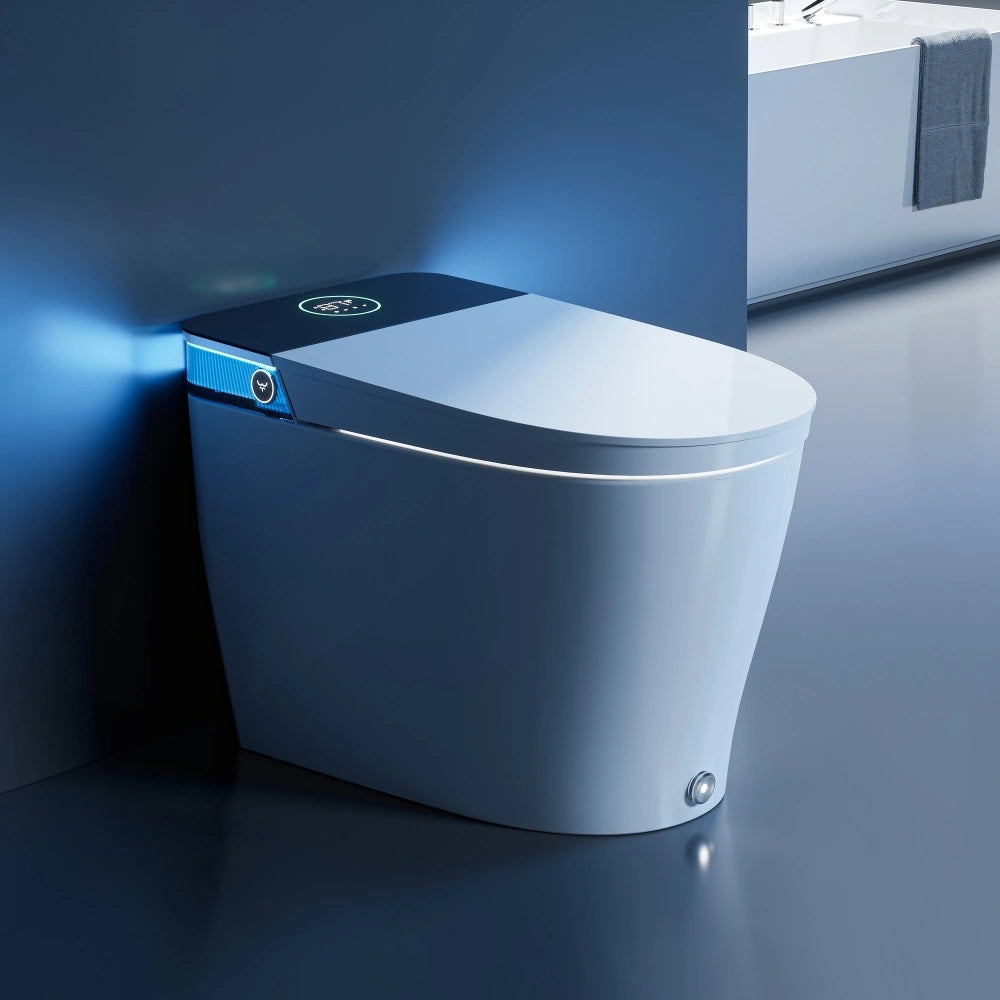
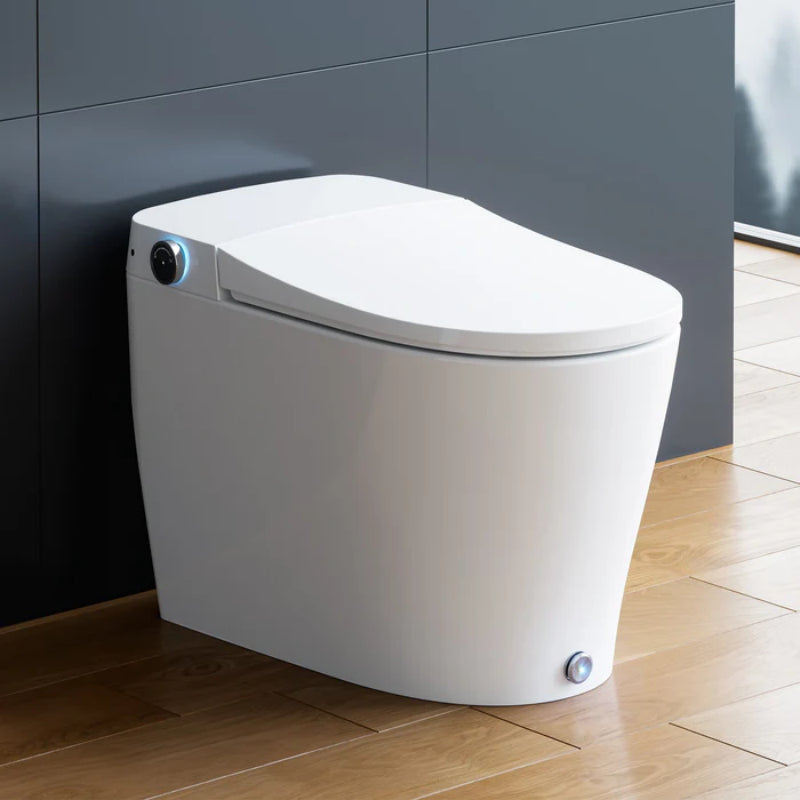
A smart toilet for high rise condo living can work very well, but only when the bathroom supports it. Discover how smart toilet innovation integrates seamlessly into condo bathrooms to enhance comfort and hygiene. This is where many buyers get caught. They assume it installs like a standard toilet, then find out the floor is not level, the rough-in is off, the outlet is too far away, the water pressure is weak at peak hours, or the HOA wants paperwork before any plumbing change.
In a detached house, you may have more freedom to move plumbing, add power, or open walls. In a condo, every one of those changes can become slower, louder, more expensive, and harder to approve. That does not mean a smart toilet is a bad idea. It means the unit itself is often the easy part. The bathroom conditions are what decide whether this becomes a clean upgrade or an annoying callback project.
If you are trying to figure out the best smart toilet for high rise condo use, the answer is rarely about features first. It is about fit, pressure, power, service access, and condo rules. If those are wrong, even a high-end unit can flush poorly, rock on the floor, leak at the flange, or become difficult to repair later.
Smart Toilet for High Rise Condo: Decision Snapshot
A smart toilet makes sense in a condo bathroom when the floor is level, the rough-in is correct, the flange is sound, the water pressure is stable, and there is a nearby GFCI outlet that can be used safely without extension cords. It works best in a planned remodel or in a bathroom where the existing toilet footprint and service conditions have already been checked.
Works best with stable power and pressure
This upgrade works best when your building has steady water pressure throughout the day and your bathroom already has, or can easily add, a properly placed GFCI outlet. A tankless smart toilet for high rise condo living depends more on those two things than most buyers expect. If pressure drops when neighbors are using water, you may see weak flushes or repeated flushing.
Avoid if rough-in, floor, or flange are off
Here is where people usually run into trouble. The rough-in is not exactly what the toilet needs. The floor has a slight slope from an old tile job. The flange sits too low after new flooring went in. A basic toilet may tolerate some of that. A smart toilet often will not. Once the base does not sit flat, you get rocking, stressed seals, odor complaints, and sometimes hidden subfloor moisture.

Reconsider for tight layouts and strict HOA rules
In small condo bathrooms, the unit may physically fit but still be annoying to use. Lids need swing space. Side clearances affect cleaning. Cord routing matters. Access to shutoff valves matters. On top of that, some buildings treat electrical additions, plumbing alterations, and bathroom fixture changes as approval items. HOA rules for installing a smart toilet in a condo can slow the project more than the install itself.
Who Should Skip This Upgrade?
Not every condo bathroom should get a smart toilet. In some cases, a bidet seat on a standard toilet is the lower-risk choice. In others, the full smart toilet is only worth doing when the whole bathroom is already being rebuilt.
Better fit for full remodels
A smart toilet for condo bathroom remodel work makes more sense than a quick swap in an old bathroom. During a remodel, the contractor can correct floor level, verify flange height, move the outlet, replace the shutoff valve, and confirm rough-in distance before the new toilet arrives. Proper planning also maximizes sustainability and long-term benefit, ensuring the toilet uses water efficiently and reduces energy consumption. This allows full integration of the smart toilet with your bathroom’s layout, plumbing, and electrical system, minimizing future issues. Those steps are what prevent most regrets.
If you are trying to add one into a finished bathroom with old tile, old shutoffs, and no nearby outlet, the hidden work can erase the convenience you expected.
Poor fit for hidden plumbing layouts
Some condo bathrooms have plumbing chases, boxed-in supply lines, unusual shutoff locations, or little room behind the toilet. This becomes a problem when the smart toilet base needs more exact alignment and the supply connection has to meet the fitting style the unit expects. If the plumbing is hard to access, even a minor leak becomes harder to catch and fix.
Overkill if a bidet seat solves it
This is a common regret. A homeowner wants washing, a heated seat, and maybe a dryer, so they jump to a full integrated toilet. But if the existing toilet flushes well, fits the room, and the building has no pressure issues, a bidet seat may do most of the job with less risk and lower install cost.
When comparing smart toilet vs bidet seat for condo bathrooms, the full toilet usually asks more from the room: better floor conditions, exact rough-in, more expensive replacement parts, and more complicated service. If your main goal is comfort and hygiene, not a full fixture replacement, a bidet seat is often the simpler answer.
Risky in older condos with uneven floors
Older high-rise units often have floors that look level but are not. Years of tile layers, patching, and settling can leave the toilet area slightly twisted. A heavy smart toilet can seem stable on day one, then begin to rock after regular use. That rocking slowly breaks the seal. Once that happens, odors start, bolts loosen, and water can reach the subfloor.
What Trade-Offs Come With This Choice?
A smart toilet can save space, add comfort, and reduce cleaning work. But condo buyers should think in terms of trade-offs, not features. Every added function creates another dependency or another point of service.
More features mean more failure points
The self-cleaning smart toilet for low-maintenance condo living sounds appealing, and sometimes it is. But self-cleaning nozzles, sensors, seat heaters, dryers, auto lids, remotes, and deodorizers all add parts that can fail. Most of these are not homeowner-friendly repairs. In practice, the failure is often not dramatic. It is a seat sensor that becomes unreliable, an auto flush that misses, a dryer that weakens, or a lid that starts opening at the wrong time.
A basic toilet mostly fails at flappers, fill valves, and wax seals. A smart toilet adds electronics and internal assemblies that often require model-specific parts.
Power loss disables key daily functions
People do not always think about this until the first outage. With many units, power loss means losing heated seat, wash functions, warm air, remote operation, and sometimes automatic flushing. Some toilets still allow manual flushing in a limited way, but convenience drops fast.
This matters more in condo buildings with shared electrical quirks, bathroom circuits tied to other loads, or occasional nuisance trips.
Heavier units complicate delivery and install
A compact smart toilet for city apartment and condo bathrooms is still often heavier and more awkward than a standard toilet. Delivery through elevators, hallways, and tight condo doors becomes part of the project. Installers may need more time just to position it safely without damaging walls or tile.
That sounds minor until you are paying by the hour, working within building move-in rules, or scheduling freight elevator access.
Verify Delivery Path Early High-tech smart toilets often weigh significantly more than standard models. To avoid delivery headaches:
-
Measure unit and carton dimensions – Compare to doors, hallways, and bathroom entry.
-
Confirm elevator/freight access – Verify size limits and reservation rules with your condo management.
-
Check delivery path obstacles – Stairs, tight turns, and thresholds can block installation.
-
Decision point – If any measurements or elevator limits fail, do not order until resolved; delivery issues can cause delays and extra fees.
Quiet flush claims may not stop pipe noise
A quiet flush smart toilet for condos with noise concerns can reduce bowl and valve noise at the fixture itself, but that does not solve building pipe noise. In high-rises, much of the sound travels through shared drain stacks, wall cavities, and hard surfaces. So the toilet may sound refined in the room, yet neighbors may still hear water movement in the stack, and you may still hear pipe noise after late-night flushes.
The key point is that fixture noise and building plumbing noise are not the same thing.
What Extra Work and Cost Can Appear?
The most expensive part of a smart toilet install is often the work you did not plan for. In condos, hidden conditions add cost quickly because access is limited and every small correction may require a licensed trade.
Outlet relocation can trigger electrical work
Many smart toilets need a nearby GFCI outlet, and the cord reach is often short. If the outlet is more than about 0.8 meters away, the cord may not reach safely. Extension cords should not be part of a bathroom fixture install.
That means electrical work may be needed. In a condo, that can involve opening tile or drywall, using approved contractors, scheduling inspections, and proving the circuit is properly protected. What looked like a plumbing upgrade becomes a plumbing-and-electrical job.

Low pressure may require a booster pump
Can a smart toilet work with low water pressure in a condo? Sometimes, yes. But only if the pressure still meets the toilet’s minimum requirement consistently. In many high-rises, pressure is acceptable most of the day and drops during busy periods. That is when weak bowl clearing shows up.
For the best smart toilet for high rise condo with low water pressure, buyers usually need to focus less on luxury features and more on minimum operating pressure and flush performance under real conditions. If pressure is below spec, a booster pump may be discussed. In practice, that fix can be hard in condos because there may be no room, no approval, or no easy way to service it later.
Flange repairs add hidden plumbing cost
A low, cracked, offset, or damaged flange is one of the most common hidden problems. Standard toilets can sometimes hide flange imperfections better than smart toilet bases can. Smart toilet installation requirements for high rise condos are less forgiving because the base needs to sit flat and align correctly.
If the flange needs a repair ring, height correction, or replacement, labor can climb fast, especially if tile must be cut or the drain connection is stubborn.
Inspect Flange Condition Flange condition is crucial for a clean install:
-
Acceptable – Flange is level with finished floor, no cracks, bolts secure, and no signs of rot. Install can proceed.
-
Correctable during install – Slightly warped flange or minor corrosion can be shimmed or replaced with repair kits. Budget extra 30–60 minutes and minor materials.
-
Do not order – Flange cracked, too low/high, or water-damaged subfloor. Installing before repair can cause leaks or void warranties. Fix first before ordering the smart toilet.
Be Ready for Hidden Issues Even before you touch the new toilet, hidden issues may appear once the old unit is removed:
-
Stuck bolts requiring extraction tools
-
Damaged subfloor or rot around flange
-
Prior leaks hidden under wax ring or tiles
Plan for Contingencies Treat these as scheduling/contingency risks. Allow extra time and budget in your project plan; discovery after the fact can delay installation by hours or even days.
HOA approval can delay bathroom upgrades
HOA rules for installing a smart toilet in a condo vary, but these are the usual sticking points: licensed plumber requirement, electrical permit requirement, shutoff scheduling, work-hour limits, waterproofing rules, elevator reservations, and proof that no common plumbing is being altered beyond allowed scope.
Even if replacing a toilet seems simple, your building may still want notice or approval because water damage claims in multi-unit buildings are expensive. Delays are common when owners order the toilet first and ask questions later.
Will It Fit the Bathroom Correctly?
Fit is not just about whether the toilet can sit where the old one sat. It is about whether it can sit flat, clear nearby surfaces, allow cleaning, and connect safely.

What happens with a nonstandard rough-in?
This is a major failure point. If the rough-in is not exactly what the toilet requires, the unit may sit too far from the wall, hit the wall, fail to align with the flange, or force a stressed connection. Do not assume “about 12 inches” is close enough. Measure from the finished wall to the center of the flange bolts.
What to consider before installing a smart toilet in a high rise condo starts here. If your rough-in is nonstandard, your options narrow quickly. Adapters may not solve it. Some units have almost no tolerance.
Check Your Rough-In First Not all condo bathrooms have the standard 12-inch rough-in from finished wall to flange bolt center. Here’s a practical guide:
-
Matches – If your measurement is exactly the toilet spec (e.g., 12 in ± 1/8 in), the unit should fit without modification.
-
Borderline – Measurements within ±1/4 in require extra caution. Double-check your unit’s spec sheet and verify that the base fits without obstructing walls or vanity cabinets. Stop and confirm before ordering if you’re in this zone.
-
No-go without plumbing changes – Any measurement outside ±1/4 in (e.g., 10” or 14”) will likely require moving the flange or other plumbing modifications. In condos, this can be costly or even blocked by HOA rules.
How to Measure Properly Always measure from the finished wall (not baseboard) to the center of the flange bolts. Use a rigid tape to avoid bending errors.
Tight side clearance limits cleaning and access
A space-saving smart toilet for small high rise condo bathrooms can still be a poor fit if side clearances are tight. If there is less than about 30 cm around the sides or rear, cleaning becomes awkward, the remote has no good home, and access to the shutoff or power connection becomes difficult.
This matters more over time than buyers expect. The toilet may look sleek, but if you cannot reach behind it without scraping your hand or moving a trash can every time, daily use gets old.
Small bathrooms may block lids and doors
Check the lid swing, not just the footprint. Some compact bathrooms allow the base to fit but cause the lid to hit a vanity, a shelf, or the door path. This becomes especially important with touchless flushing smart toilet for luxury condo living models that have automatic lids or sensor zones. If the lid opens into a tight walkway, the room can feel more cramped than before.
Uneven floors cause rocking and seal failure
A slightly uneven tile floor can be enough to cause movement. Installers can shim a toilet, but shimming is not a cure for every bad floor. If the floor is sloped, cracked, or hollow under the tile, the toilet may move under daily weight. Once movement starts, seals and bolts are under stress.
This is why smart toilet installation requirements for high rise condos should always include checking floor flatness before ordering.
Will Plumbing and Power Support It?
A smart toilet is only as good as the supply conditions feeding it. If those are marginal, the unit may work just well enough to pass day-one testing, then annoy you later.
Is low water pressure a dealbreaker?
Not always, but it is one of the biggest reasons buyers regret the purchase. Tankless smart toilet for high rise condo living depends on consistent incoming pressure. If your building pressure drops in the mornings or evenings, the toilet may need double flushes, leave paper behind, or clear the bowl inconsistently.
The safest approach is to test pressure at the bathroom, at different times of day, before you buy. Not at the kitchen sink. Not from memory. At the toilet supply point.
Test Your Pressure Accurately Smart toilets need enough water pressure to function correctly. To avoid surprises:
-
Step 1: Measure at the supply line – Use a pressure gauge at the toilet shutoff.
-
Step 2: Test at different times – Check during peak usage (morning/evening) and off-peak hours to see pressure fluctuations.
-
Step 3: Compare to unit minimum – Consult the toilet manual for minimum PSI requirements.
Pressure Outcome Guide
-
Pass – Measured pressure meets or exceeds the stated minimum consistently.
-
Borderline – Slightly below spec during off-peak hours; may require a booster valve or consultation. Confirm with the manufacturer before ordering.
-
Fail – Consistently below spec; consider alternative models or plumbing upgrades.
Outlet distance can exceed cord limits
This causes a surprising number of failed installs. The outlet exists, but it is on the wrong wall, behind a vanity, or just far enough away that the cord cannot reach without crossing a walkway. Stretching the cord, pinching it behind the toilet, or using an extension cord creates electrical and safety problems, which may violate basic consumer electrical safety guidance according to the U.S. Consumer Product Safety Commission.
For a smart toilet with heated seat for modern condo bathrooms, proper power access is not optional. It is part of the fixture’s core function.
Old shutoff valves may not match fittings
Older condo bathrooms often have shutoff valves that are stiff, corroded, or fitted for older supply lines. If the valve type does not match the smart toilet connection, installers may need adapters or a valve replacement. This becomes a problem when there is little room to work or the pipe is old copper that should not be stressed.
Small drips often begin here. The connection looks dry at first, then a few drops appear after pressure cycles or seat use causes slight movement.
Downstream drain issues can mimic toilet failure
Some flush problems are not the toilet’s fault. If the building branch line, local drain, or venting is partly blocked, a new smart toilet may show symptoms faster than the old toilet did. Stronger siphon action or different flush timing can reveal a drain issue that had been hiding.
Owners often think the toilet is defective when the real issue is downstream.
What Fails After Installation?
The first 24 hours are not enough to judge the install. A smart toilet can seem fine at handoff, then show problems after repeated use, pressure changes, or temperature changes.
Weak flush shows up after repeated use
One test flush is not enough. Flush it several times in a row. Use normal toilet paper. Check whether the bowl clears fully and refills consistently. In condos with borderline pressure, the first flush may look fine while later flushes expose supply weakness.
This is especially relevant for a water-efficient smart toilet for eco-conscious condo owners. Water-saving performance is good only if the system still clears the bowl reliably in your building.
Slow drips start at stressed supply fittings
This is a classic callback item. The fitting was tightened enough to stop immediate leaking, but the washer is slightly deformed or the supply line is under side stress. A few days later, there is moisture at the valve or connector. In a condo, even a slow drip matters because damage can spread to units below.
After install, place dry tissue around each connection and recheck after 20 to 30 minutes and again later that day.
Poor seals cause odors and subfloor damage
Seal failure is often subtle at first. You may notice a faint odor, a slight wobble, or occasional moisture around the base. That can come from a bad flange height, floor movement, or a base that never sat fully flat. If ignored, this can lead to hidden floor damage.
This is one of the most expensive mistakes because the toilet itself may be fine. The support conditions were wrong.
Shared circuits can trip under heated features
A smart toilet with heated seat for modern condo bathrooms draws more power than a standard toilet because a standard toilet draws none. If the bathroom outlet is on a shared circuit with grooming tools, heaters, or other loads, nuisance tripping can happen. Owners then blame the toilet when the real issue is circuit capacity or bathroom wiring layout.
What Ownership Problems Show Up Later?
Living with the toilet is different from admiring it on install day. Condo owners should think about service access, cleaning, outages, and repair support before buying.
What fails first over time?
In real use, the first issues are often not the porcelain body or the flush path. They are sensors, remote controls, seat functions, deodorizers, lid motors, or fittings under slight stress. Hard water can also affect wash nozzles and internal valves over time.
The self-cleaning smart toilet for low-maintenance condo living still needs routine maintenance and occasional inspection. Some models even include UV sterilization for the nozzle and bowl, adding an extra layer of hygiene in modern bathrooms. “Self-cleaning” usually reduces some manual cleaning. It does not make the toilet maintenance-free.
Internal repairs are rarely DIY-friendly
A standard toilet repair is often a hardware-store trip. A smart toilet repair can involve proprietary parts, model-specific disassembly, and diagnosing whether the issue is plumbing, electrical, sensor-related, or internal control-related.
If your building requires licensed plumbers or limits owner work, every service issue becomes more expensive and slower than with a basic toilet.
Cleaning access stays awkward in compact condos
A compact smart toilet for city apartment and condo bathrooms can save front-to-back space, but side and rear access often remain awkward. This is where design and real life part ways. If the toilet hugs the wall and vanity too tightly, wiping around the base, managing the cord, and checking the shutoff valve become more annoying than expected.
Testing after install prevents delayed regret
The best thing owners can do is treat the first day as a commissioning process, not a reveal. Flush multiple times. Test wash functions. Check all fittings. Sit on it and confirm no movement. Verify the lid opens freely. Confirm the outlet does not trip. Check for odors after several hours.
Many condo buyers regret skipping this because early small problems become larger once the installer is gone and the building schedule moves on.

Before You Buy
Use this checklist before ordering a smart toilet for high rise condo use:
-
Measure the rough-in from finished wall to flange center, and confirm it matches the toilet exactly.
-
Check floor level at the toilet location, not just the room in general.
-
Inspect the flange height and condition before assuming it can be reused.
-
Confirm a nearby GFCI outlet is within safe cord reach without an extension cord.
-
Test bathroom water pressure at different times of day, especially peak use hours.
-
Verify side, rear, lid, and door clearances, not only the footprint.
-
Ask the HOA or building manager about plumbing, electrical, work-hour, and contractor rules before delivery.
-
Decide honestly whether a bidet seat would solve your main need with less risk and cost.
FAQs
1. What is the best smart toilet for a condo?
For a high-rise condo, the best smart toilet is one that fits your space without sacrificing comfort. Look for models from the HOROW compact condo collection, which are designed for urban bathrooms and smaller layouts. Features like self-cleaning technology, hands-free flushing, and easy installation make them perfect for city living. A smart toilet for high rise condo not only adds modern convenience but also helps maintain hygiene with minimal effort, making it ideal for a luxury condo remodel in 2026.
2. How to deal with low water pressure in a high-rise?
Low water pressure in luxury condos is a common issue, especially on higher floors. You can address it by checking the building’s valves or installing pressure-boosting systems if allowed. Choosing toilets or bidets designed for low water pressure in luxury condos ensures you still get reliable flushing and bidet performance without frustration. Some smart toilets for high rise condo even have adjustable flush settings or pressure-assist features, making them practical for high-rise apartment living.
3. Are smart toilets too loud for apartments?
Noise can be a concern in shared walls or compact condos, but modern models are surprisingly quiet. Units marketed as noise reduction bidet for condos or smart toilets with soft-close lids and low-decibel flush options let you enjoy features like heated seats and automated cleaning without disturbing neighbors. Investing in a quiet model is a small change that makes a big difference for comfort in high-rise living, especially in an urban bathroom remodel 2026 setup.
4. Can I install a bidet in a NYC apartment?
Yes, installing a bidet in a city apartment is usually feasible, especially if you choose a space-saving bidet for city apartments or seat-mounted design. These options don’t require major plumbing changes and work well in compact bathrooms. Always check local building codes and HOA rules for smart toilet install before proceeding. This way, you can upgrade your bathroom with modern hygiene features while staying fully compliant with condo guidelines.
5. Does a tankless toilet save space in a condo?
Absolutely, tankless toilet for apartment living is a smart choice for small or luxury condos. Without a bulky tank, these toilets free up valuable floor space and give the bathroom a sleek, modern look. Many tankless models also include hands-free flushing and self-cleaning features, making them practical for daily use in tight urban layouts. For high-rise condos, this is one of the easiest ways to make a bathroom feel larger and more contemporary.
6. What are the HOA requirements for bidet install?
HOA requirements vary, but most focus on plumbing safety, aesthetics, and water usage. Before installing, review hoa rules for smart toilet install to avoid any surprises. Seat-mounted bidets or compact smart toilets usually meet HOA standards because they don’t involve major plumbing changes and can be removed if needed. Communicating your plans with your HOA ensures a smooth installation while keeping your bathroom modern, functional, and compliant.
Reference


Leave a comment
This site is protected by hCaptcha and the hCaptcha Privacy Policy and Terms of Service apply.