
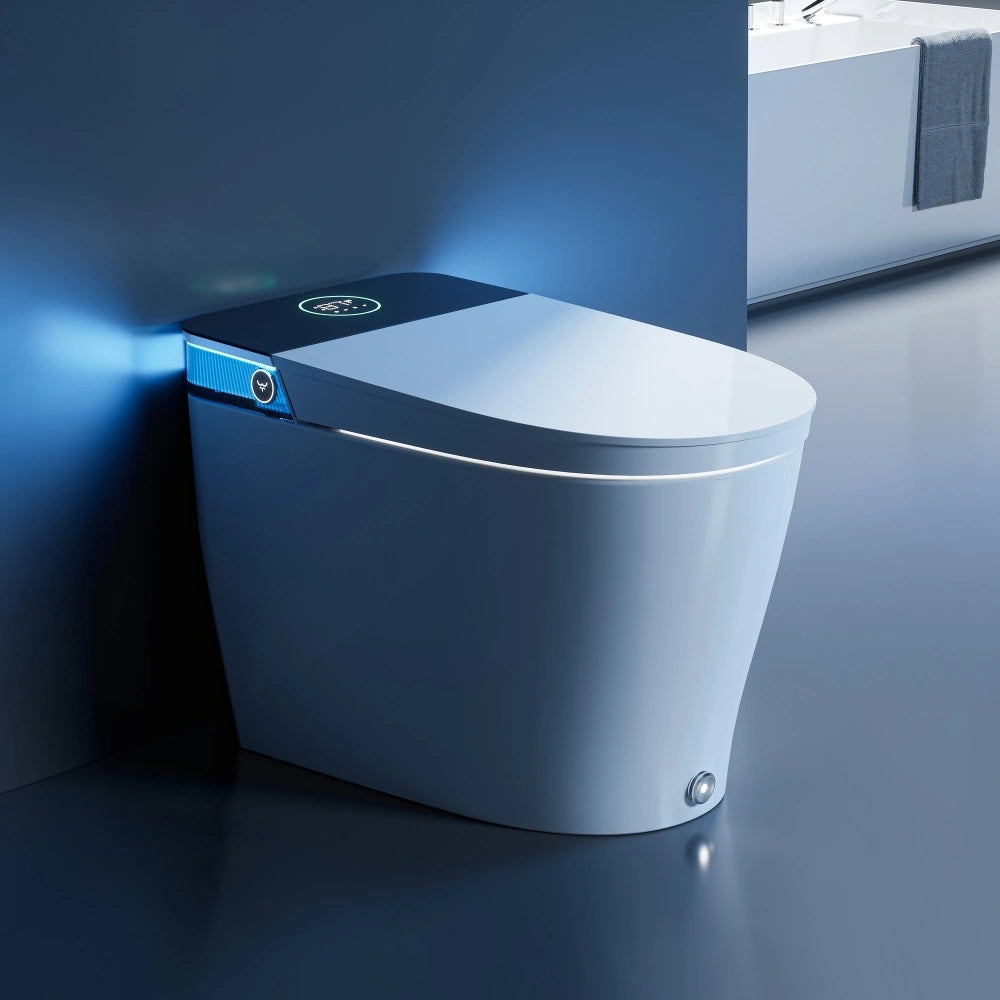
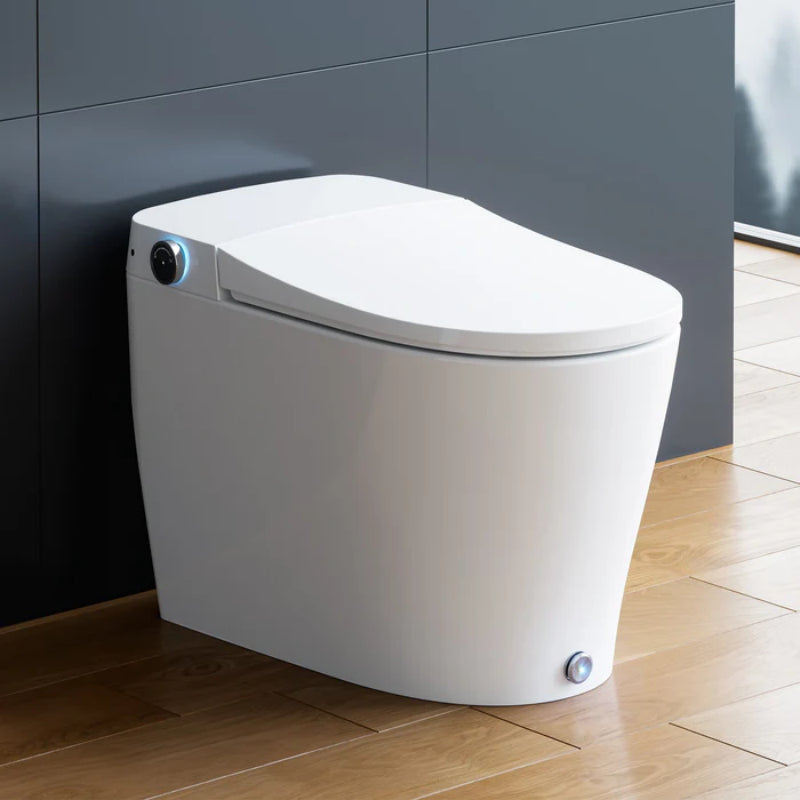
A smart toilet for aging in place can be a real help for seniors aiming to age gracefully, but only when the features match the person using it.
I’ve seen this go both ways in real homes. In the right bathroom, for the right senior, a smart toilet or smart bidet can reduce bending, wiping, and strain. It can make night bathroom trips easier. It can support better hygiene for older adults with arthritis, weak grip, poor balance, or limited shoulder motion.
But I’ve also seen families buy too much technology when a simpler setup would have worked better: a comfort height toilet, a good bidet seat, solid grab bars, and better lighting. That kind of safety-first intelligent bathroom often does more for daily comfort and fall prevention than extra sensors ever will.
So this guide is not about chasing the fanciest toilet. It’s about making a first decision you won’t regret.
Decision Snapshot: when a smart toilet for aging in place is the right move
If you only read one section, read this.
Buy it if the goal is less bending
A smart toilet for aging in place is usually a good fit when the main problem is toileting effort.
That means things like:
-
trouble twisting to wipe
-
pain when reaching behind
-
weak grip or poor dexterity
-
balance problems during cleanup
-
trouble seeing controls at night
-
frequent nighttime bathroom use
-
caregiver help is needed for hygiene
In these cases, senior-friendly bidet features can make bathroom use easier. Adjustable water, warm air, auto-open lid, touchless flush, heated seats, and a night light can reduce physical effort. For many seniors, the biggest gain is simple: better hygiene without needing to bend or wipe as much.
Skip it if tech stress is likely
A smart toilet is often the wrong choice if:
-
the senior dislikes being monitored
-
privacy concerns are high
-
nobody in the home can troubleshoot settings
-
remote controls would be confusing
-
the bathroom lacks a nearby electrical outlet
-
safe installation would be awkward or expensive
-
the user already does well with a basic comfort-height toilet and grab bars
The key point is this: independence only improves if the person will actually use the features.
Best middle path if you’re unsure
If you are on the fence, the safest starting point is usually this:
-
comfort height toilet
-
quality bidet seat
-
grab bars
-
bright night lighting
-
easy-to-reach flush and paper placement
That setup handles most real-life aging-in-place needs at a lower cost and with less complexity. You can always upgrade later to a full smart toilet fixture if needed.
Upfront Warnings / Constraints: Before deciding on a smart toilet for aging in place, consider these practical limits:
-
Nearby GFCI requirement: Must have a properly grounded outlet within reach to safely power features.
-
No extension cords: Avoid using temporary cords—smart toilets need stable, direct power.
-
Power-outage limits: Know which features (heated seat, bidet, auto flush) stop if the power goes out.
-
Remote/tech tolerance: Users or caregivers must be comfortable managing app or remote-controlled functions.
-
Local service availability: Ensure technicians or authorized service providers are accessible for repairs.
Best Choice by Situation Decision Box:
| Option | Best For | Not For |
| Full Smart Toilet | Seniors seeking maximum comfort, auto-cleaning, self-flushing, and bidet functions | Users who dislike tech, have frequent power outages, or lack local service support |
| Electric Bidet Seat on Comfort-Height Toilet | Seniors wanting hygiene improvements without a fully integrated toilet; easier replacement or upgrade | Bathrooms with limited outlets or no GFCI; users uncomfortable with electronic controls |
| Basic Comfort-Height Toilet + Safety Upgrades | Users prioritizing core accessibility: grab bars, non-slip flooring, and comfort-height seating | Those expecting luxury features like auto-flush or heated seats |
Who benefits most from smart toilet for aging in place
The best smart toilet for aging in place is not the one with the most features. It’s the one that solves the hardest part of bathroom use for that person.
Mobility and balance
For seniors with mobility issues, the most useful features are the ones that reduce movement during toileting.
That usually means:
-
comfort height seating
-
automatic flush
-
auto-open and close for seniors who struggle with bending
-
bidet wash that eliminates the need for wiping
-
easy-to-use controls
-
night lights
-
hands-free lid and flush
If a person has knee pain, hip pain, Parkinsonian stiffness, poor balance, or uses a walker, even small motions matter. Reaching for the lid, twisting to wipe, or turning in a tight bathroom can increase strain.
Are smart toilets good for the elderly? Yes, they can be, especially for seniors facing mobility challenges. But the safety win often comes from a few practical features, not from every advanced option on the spec sheet.
Skin sensitivity and cleanliness
A bidet can help older adults a lot, especially when skin is fragile.
Toilet paper can be rough on aging skin. It can also be hard to use well when shoulder motion or hand strength is limited. A senior-friendly bidet with adjustable water pressure and water temperature can improve personal hygiene while reducing irritation.
This matters even more for:
-
hemorrhoids
-
chronic constipation
-
diarrhea
-
urinary leakage
-
limited reach
-
post-surgery recovery
In these cases, a wash-and-dry routine may feel cleaner and more comfortable than repeated wiping. Bidet toilets offer a more hygienic option and can eliminate much of the physical effort tied to cleanup.
Caregiver help
Some smart models include remotes, presets, motion sensors, and health-related monitoring. In assisted living or home care settings, those tools may help caregivers support hygiene without being in the room for every step.
That sounds helpful, and sometimes it is. But there’s a trade-off. If app features, remotes, or monitoring create embarrassment or confusion, the toilet becomes a source of friction instead of comfort.
For many families, the better choice is simple controls with one or two presets. Ease of use matters more than feature count and can significantly enhance the overall bathroom experience for seniors.

The trade-offs that decide satisfaction
Most regrets come from buying a smart toilet for the wrong reason.
Independence vs complexity
A smart toilet can increase independence. It can also add a layer of complexity that some older adults do not want.
This is where families often get stuck. They assume more automation means more help. In real life, the opposite can happen if the user has to remember too many steps, decode icons on a remote, or deal with settings that change by mistake.
The better question is not “How smart is it?” It’s “How few actions does the user need to take?”
That is why simple one-touch wash functions, a physical side control, or a wall-mounted remote with large buttons often works better than app-heavy systems.
Monitoring vs dignity
Some intelligent toilets now track urine or stool data. In theory, that can support early health detection and reduce some clinical visits. Research has shown many older adults and caregivers see value in this, especially when the toilet can collect health data without extra effort. There is also limited evidence from one monitored-care setting that toilet-based tracking may help reduce falls.
But not everyone wants this in the bathroom.
For some seniors, health tracking feels reassuring. For others, it feels intrusive. The bathroom is one of the most private spaces in the home. If the idea of excreta tracking causes anxiety, shame, or fear about who sees the data, it may do more harm than good.
This is one of the clearest reasons people decide against a smart toilet for elderly care. If dignity is likely to be the bigger issue, skip monitoring features.
Hands-free vs reliability
How does auto-flush help seniors? Mostly by removing one more reach, twist, or forgotten step.
Touchless flushing, motion sensors, and auto-open lids can be very useful for users with limited mobility or poor balance. They reduce contact points and help with cleanliness. For a senior who should not be bending, auto-open and close for seniors can be genuinely helpful.
On the other hand, sensors can misread movement. Lids may open when nobody wants them to. Some touchless flush systems are less satisfying than a simple manual lever because they can be less predictable.
So if reliability is your top priority, look for a model with an easy manual override and straightforward controls.
Luxury vs real accessibility
Heated seats, warm air drying, deodorizer, ambient light, and other advanced features sound impressive. Some are useful, but many seniors benefit most from simple, reliable functions.
Here’s what actually changes daily bathroom use for most seniors:
-
seat height
-
stability getting on and off
-
less need to wipe
-
easier flush access
-
better nighttime visibility
-
easier cleaning
A heated seat may improve comfort in cold climates. A deodorizer can help in small living spaces. Warm air drying is pleasant, but many users still need a little blotting. So don’t let those features distract from the basics.
Smart toilet vs simpler options
Aging in place is a process, not one purchase. What makes sense now may not be what’s needed later.
Start with basics first
If the current bathroom has a low toilet, poor lighting, and no grab bars, start there.
An ADA compliant or comfort height toilet with well-placed grab bars often gives a bigger safety improvement than a high-end smart fixture alone. The same is true for a non-slip floor and a clear path for a walker.
Do smart toilets really reduce falls for seniors? They may help a little by reducing strain and improving bathroom routines, but in most homes, lighting and grab bars do more. Those are the first upgrades I would prioritize.
Direct Rule: Before adding any smart toilet features, ensure the bathroom has these essential safety upgrades: grab bars, adequate lighting, non-slip flooring, and clear walker or wheelchair space. Without these in place, even the smartest toilet won’t prevent accidents or improve daily usability.
Bidet seat or full smart toilet
This is the biggest buying choice.
A bidet seat retrofit attaches to an existing toilet. A full smart toilet replaces the whole fixture.
A bidet seat is usually the better first step when:
-
the current toilet is already the right height
-
budget matters
-
you want upgrade flexibility
-
repair simplicity matters
-
you’re unsure whether the senior will use the bidet
A full smart toilet makes more sense when:
-
the old toilet needs replacement anyway
-
you want a cleaner integrated look
-
the bathroom is being remodeled
-
you need a fully matched set of features
-
the bowl shape and seat height of a new fixture solve transfer problems
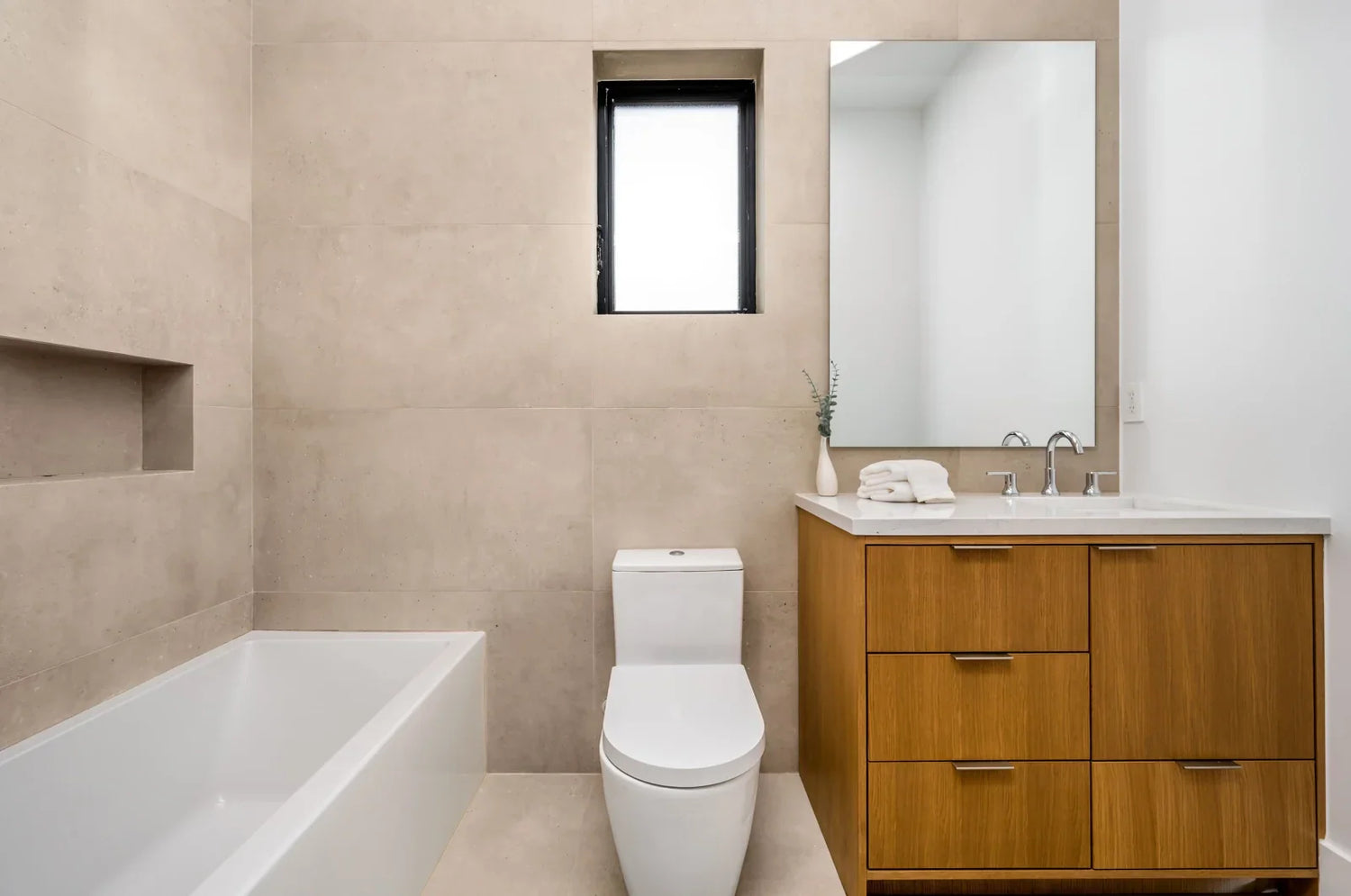
In many homes, a comfort height senior bidet setup is the sweet spot: new comfort-height toilet plus an electric bidet seat.
If the remote won’t be used
Is the remote control easy for seniors to use? Sometimes yes, sometimes no.
It depends less on age and more on vision, memory, hand control, and patience. Large-button remotes mounted on the wall tend to work better than loose handheld remotes that get dropped, lost, or turned the wrong way. Side-arm controls can be even easier for some users.
If the person will not use the remote, do not pay extra for lots of programmable features. Choose a simple bidet seat or smart toilet with one-touch presets and clear icons.

Cost and practical limits
Price is where many families get surprised, not because the toilet itself is always extreme, but because the install details add up.
Typical upfront costs
These are broad real-world ranges for common setups:
| Setup | Product | Install | Typical total |
| Non-electric bidet attachment + comfort-height toilet | $250–$700 | $250–$600 | $500–$1,300 |
| Electric bidet seat + existing or new comfort-height toilet | $400–$1,800 seat; $250–$600 toilet if needed | $150–$800 | $550–$3,200 |
| Full smart toilet fixture | $1,500–$6,000+ | $400–$1,500+ | $1,900–$7,500+ |
These numbers vary by bathroom layout, local plumber rates, and whether electrical work is needed.
Add-ons people forget
The most common hidden cost is power.
Most electric smart toilet and bidet seat models need a nearby GFCI electrical outlet. If there isn’t one, you may need an electrician. Safe cord routing matters. In a bathroom, this is not a place for extension cords.
Other add-ons can include:
-
shutoff valve replacement
-
supply line changes
-
toilet flange repair
-
upgraded water connection
-
minor flooring or base trim work
-
old toilet removal
-
electrician cost for outlet placement
Also check water pressure. Many models work fine on standard home pressure, but weak pressure can affect wash performance.
Yearly ownership costs
Most owners focus on purchase price and forget upkeep.
A smart toilet or bidet seat may add small electricity costs for heated seats, warm water, and warm air. Some models need filters or periodic descaling if you have hard water. Self-cleaning nozzles help, but they do not eliminate manual cleaning.
The good news is that many homes use less toilet paper after switching to a bidet. Cleaning products and effort may drop too.
Here’s a simple cost view:
| Setup | Product + install | Yearly upkeep |
| Basic comfort-height toilet + non-electric bidet | $500–$1,300 | Low |
| Electric bidet seat setup | $550–$3,200 | Low to moderate |
| Full smart toilet | $1,900–$7,500+ | Moderate |
If long-term service matters, check parts availability before buying. Some smart fixtures are harder to repair than a standard toilet and may need model-specific parts.
Fit and accessibility
This is the point where many “good” products fail in real bathrooms.
Seat height and transfer space
An ADA smart toilet for elderly care should not just sound accessible. It should fit the person’s body and transfer needs.
Check:
-
seat height from floor
-
elongated vs round bowl
-
distance from side wall
-
front clearance
-
room for walker approach
-
space for wheelchair transfer if needed
Comfort height works well for many older adults because it reduces the effort to sit and stand. But not all bodies are the same. A seat that is too high can make some shorter users feel unstable because their feet do not rest well on the floor.
That’s why I always suggest testing seated posture first if possible.
Small bathrooms
Will this work in a small bathroom? Maybe, but measure first.
Some smart toilet models are bulkier in the rear or have built-in tanks that change how close the user can stand before turning to sit. Some bidet seats also add length or height. In a tight bathroom, that can affect how someone with mobility issues approaches the toilet.
Watch for:
-
door swing hitting knees or walker
-
reduced side transfer space
-
remote placement that is blocked by the door
-
tank depth changing posture
-
cords or hoses where feet or mobility aids travel
A toilet can make bathroom use easier, but not if it creates a tighter path.
Controls seniors actually use
The best controls are the ones a senior can understand the first week and still use six months later.
Good signs:
-
wall-mounted remote
-
large labels
-
one-touch wash and stop
-
strong contrast
-
memory presets
-
clear night-light placement
-
simple manual flush backup
Weak signs:
-
tiny icons
-
slippery handheld remotes
-
app-only setup
-
buried menus
-
too many choices
If vision impairment or cognitive decline is part of the picture, simpler is better.

Daily-use realities
A smart toilet can look great on paper and still frustrate people in daily life.
What if power goes out
This matters more than people think.
Many smart toilet features depend on power: heated seats, warm water, warm air, auto-open lid, some touchless functions, and advanced controls. During a power outage, those may stop working.
Can you still flush? Often yes, but not always in the same way. Some models allow manual flushing or have a backup procedure. Others are much less convenient without power.
Before buying, ask one direct question: What exactly still works when the power is off?
For aging in place, fail-safe use matters more than fancy operation.
Power-Outage Verification Checklist: Before purchasing or installing a smart toilet, confirm:
-
Manual flush method: Can the toilet still be flushed without power?
-
Feature dependency: Identify which bidet, heated seat, or auto functions stop during an outage.
-
Usability during repair downtime: Ensure the toilet remains functional if service is needed or electronics fail.
Multi-user homes
In homes with two adults, guests, or caregivers, personalization can be useful. Some systems can distinguish users through sensors or stored profiles. That may matter for comfort settings or health data.
But this is only helpful if the system gets it right. If user detection is inaccurate, the wrong settings may activate, or health tracking may lose value.
In practice, most homes do fine with two or three simple presets and a guest mode. You do not need perfect biometric magic. You need predictable use.
A gentle transition plan
Can a bidet help people with mobility issues? Yes, but there is still a learning curve.
The easiest transition is gradual:
-
Start with low water pressure.
-
Set mild water temperature.
-
Use one wash setting only.
-
Add warm air later if wanted.
-
Keep toilet paper nearby for backup.
-
Practice daytime use before relying on it at night.
For many seniors, the first few uses feel strange. That is normal. Most adaptation problems come from using too much pressure too soon or trying to learn every feature on day one.
Here is a simple setup checklist for caregivers or family:
| Step | What to set |
| Preset 1 | Low pressure, warm water, short wash |
| Preset 2 | Medium pressure, standard wash |
| Safety | Night light on, lid auto-open only if helpful |
| Privacy | Guest mode or monitoring off if preferred |
| Backup | Manual flush steps posted nearby |
| Comfort | Heated seat at low setting |
| Training | Practice seated position and stop button |
Maintenance and long-term ownership
This is where realistic expectations matter.
Self-cleaning is not no-cleaning
Many smart toilets and bidet seats have self-cleaning nozzles, antimicrobial coating, rimless designs, or deodorizer systems. These help with hygiene, and they can reduce how much scrubbing is needed.
But they do not remove the need for regular cleaning.
You still need to clean:
-
exterior surfaces
-
seat hinges
-
undersides
-
splash areas
-
any wand housing area
-
filters or screens if required
If your home has hard water, descaling matters. Mineral buildup can affect spray quality over time. Read the care instructions before buying, because not all cleaning products are safe for every finish or internal system.

Downtime and repairs
Standard toilets are simple. Smart toilets are less simple.
That does not mean they fail constantly. It does mean that when a sensor, heating unit, control panel, or motorized lid has a problem, repair can take longer. In some areas, service support is limited. Some plumbers handle the plumbing side but not the electronics.
So before you buy, check:
-
who services it locally
-
how parts are ordered
-
whether manual use remains possible during repair
-
warranty length
-
return policy if controls are a bad fit
This is especially important for older adults who cannot easily switch to another bathroom.
Privacy and dignity
If a model includes health tracking, app use, or data sharing, pause here.
Ask:
-
What data is collected?
-
Where is it stored?
-
Who can view it?
-
Can monitoring be turned off?
-
Is there a guest mode?
-
Can alerts be limited?
For some families, this kind of health support feels helpful and proactive. For others, it feels like surveillance in the most private room in the house.
There is no universal right answer. The right choice is the one the senior can live with comfortably.
Falls and safety
A safety-first intelligent bathroom is about more than a toilet.
Do smart toilets help reduce falls? They can help by reducing rushing, straining, twisting, and nighttime fumbling. Built-in night lights and hands-free features may also lower risk a bit.
But in real homes, the bigger wins are still:
-
grab bars
-
good lighting
-
no loose rugs
-
enough transfer space
-
proper seat height
-
easy path from bed to bathroom
A smart toilet should support those basics, not replace them.
Does one brand have ADA-certified smart toilets?
Homeowners often ask whether a specific manufacturer offers ADA-certified smart toilets. The safer way to shop is not by assuming a brand has a compliant model. Check the actual product specs for:
-
ADA compliant height or accessibility claims
-
seat height measurement
-
rough-in requirement
-
electrical needs
-
flush method during outage
-
manual controls
-
transfer clearance
Some brands may offer ADA compliant or comfort-height models in certain lines, and others may not. Because model details change, verify the current specification sheet rather than relying on marketing summaries.
So, what should most homeowners do?
If you are making a first decision for aging in place, here’s the pattern that works best in most homes:
If the senior mainly needs easier hygiene, start with an electric bidet seat on a comfort-height toilet, plus grab bars and better lighting.
If the old toilet already needs replacement and the user will benefit from built-in automation, a full smart toilet can make sense.
If the person dislikes technology, is anxious about monitoring, or has very simple needs, choose a comfort-height toilet with basic bidet support and strong safety upgrades.
That is the most honest answer. Not every older adult needs a fully smart fixture. But the right setup can protect comfort and independence in a very real way.
Before You Buy
-
Measure seat height, front clearance, and side transfer space.
-
Check for a nearby GFCI electrical outlet.
-
Confirm safe cord routing with no extension cord.
-
Decide if the user wants a remote, side control, or no electronics.
-
Test whether auto-open, auto-flush, and warm air are helpful or just extra.
-
Add grab bars and night lighting before or with the toilet upgrade.
-
Ask what still works during a power outage.
-
Check local service and parts support before purchase.
FAQs
1. Are smart toilets good for the elderly?
Absolutely! Smart toilets for aging in place can be a real game-changer for elderly users. They often come with safety-first intelligent bathroom features like heated seats, night lights, and gentle water sprays, making bathroom visits more comfortable and safer. For seniors who have difficulty bending or standing, models with auto-open and close for seniors reduce the need to reach or touch surfaces. Families find that these features improve comfort and help prevent slips and falls, supporting independence at home.
2. How does auto-flush help seniors?
Auto-flush is more than just a convenience—it’s especially useful in a senior-friendly bidet or smart toilet. Seniors don’t need to twist or stretch to press a lever, which can be hard for people with arthritis or limited mobility. Auto-flush also keeps things hygienic by reducing contact with germs. For elderly users at night, they can simply use the bathroom without fumbling, thanks to this comfort-first feature.
3. Can a bidet help people with mobility issues?
Yes! A senior-friendly bidet can make a huge difference for people with mobility challenges. Instead of reaching or twisting, a gentle stream of water cleans effectively, and features like adjustable water pressure and direction offer personalized comfort. Seniors or those recovering from surgery can maintain hygiene safely and independently, making it a key part of a comfort height senior bidet setup.
4. Is the remote control easy for seniors to use?
Most modern smart toilets come with intuitive remotes designed for elderly users. Large buttons, clear symbols, and sometimes voice prompts make them easy to operate, even for those who aren’t tech-savvy. Some remotes are wall-mounted or within arm’s reach, adding to safety and convenience in a safety-first intelligent bathroom. This ensures seniors can access features like bidet sprays, heated seats, and auto-flush without struggle.
5. Does HOROW have ADA-certified smart toilets?
Yes, HOROW offers ADA smart toilets for elderly care, designed with accessibility in mind. These models often feature the right height, comfort height senior bidet functions, automatic lids, and user-friendly controls. For seniors or people with disabilities, an ADA-certified smart toilet ensures safety, comfort, and compliance with accessibility guidelines, making it an excellent choice for aging in place.
References



Leave a comment
This site is protected by hCaptcha and the hCaptcha Privacy Policy and Terms of Service apply.