
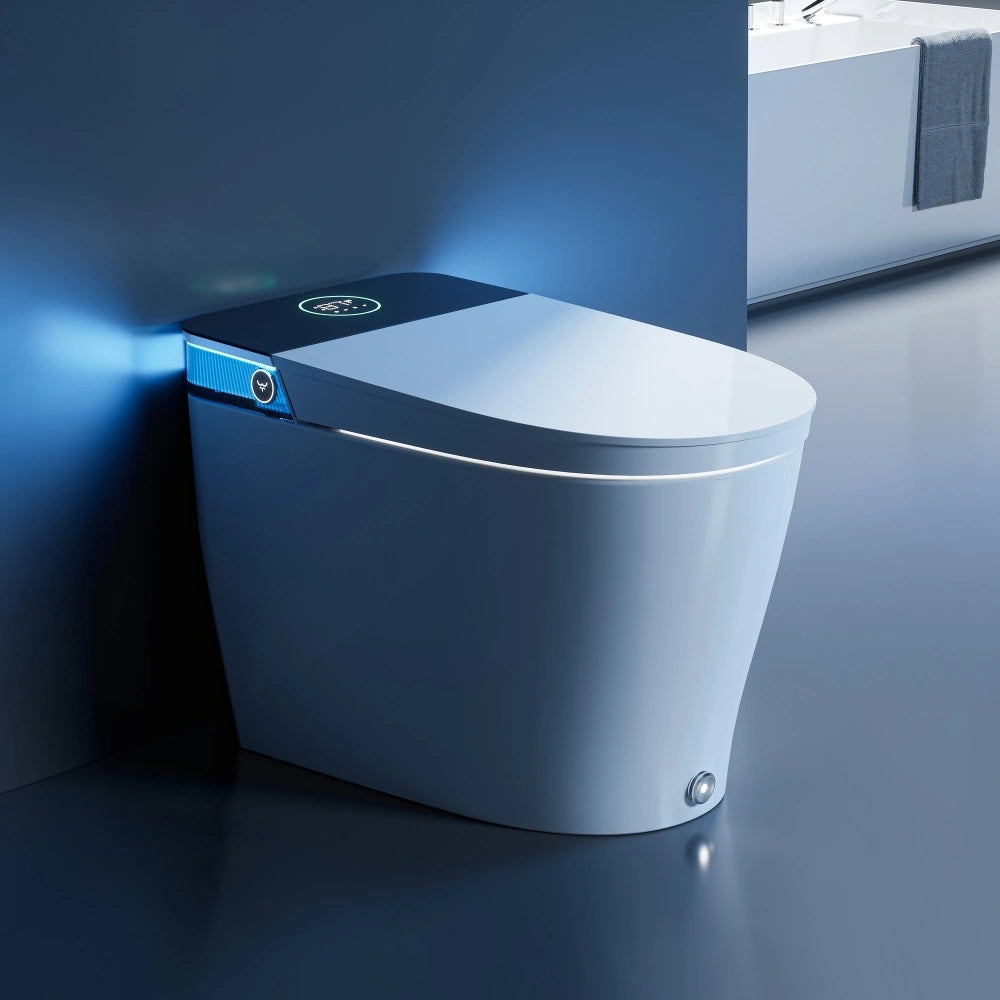
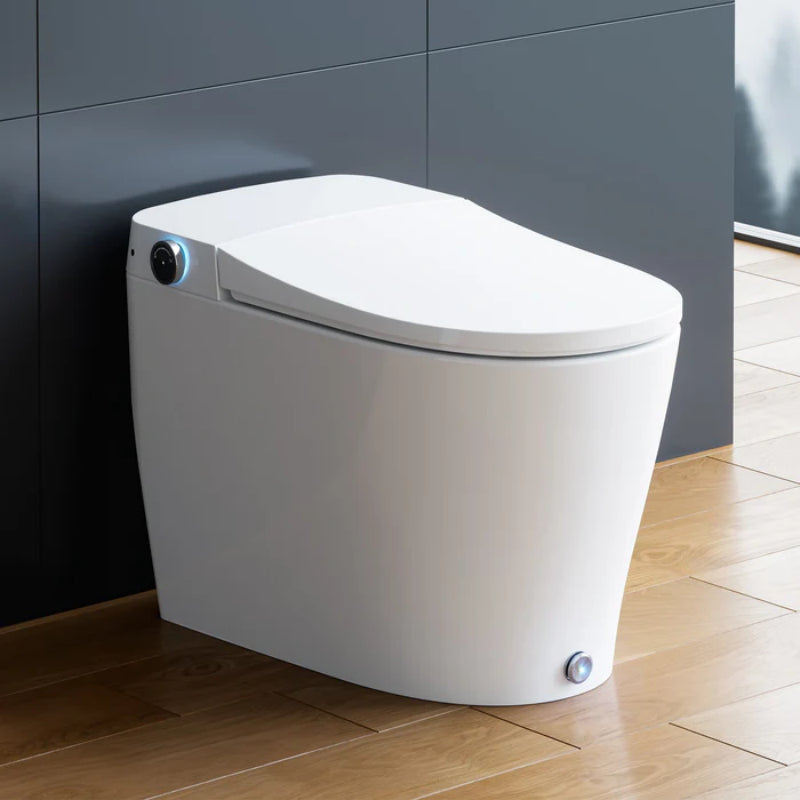
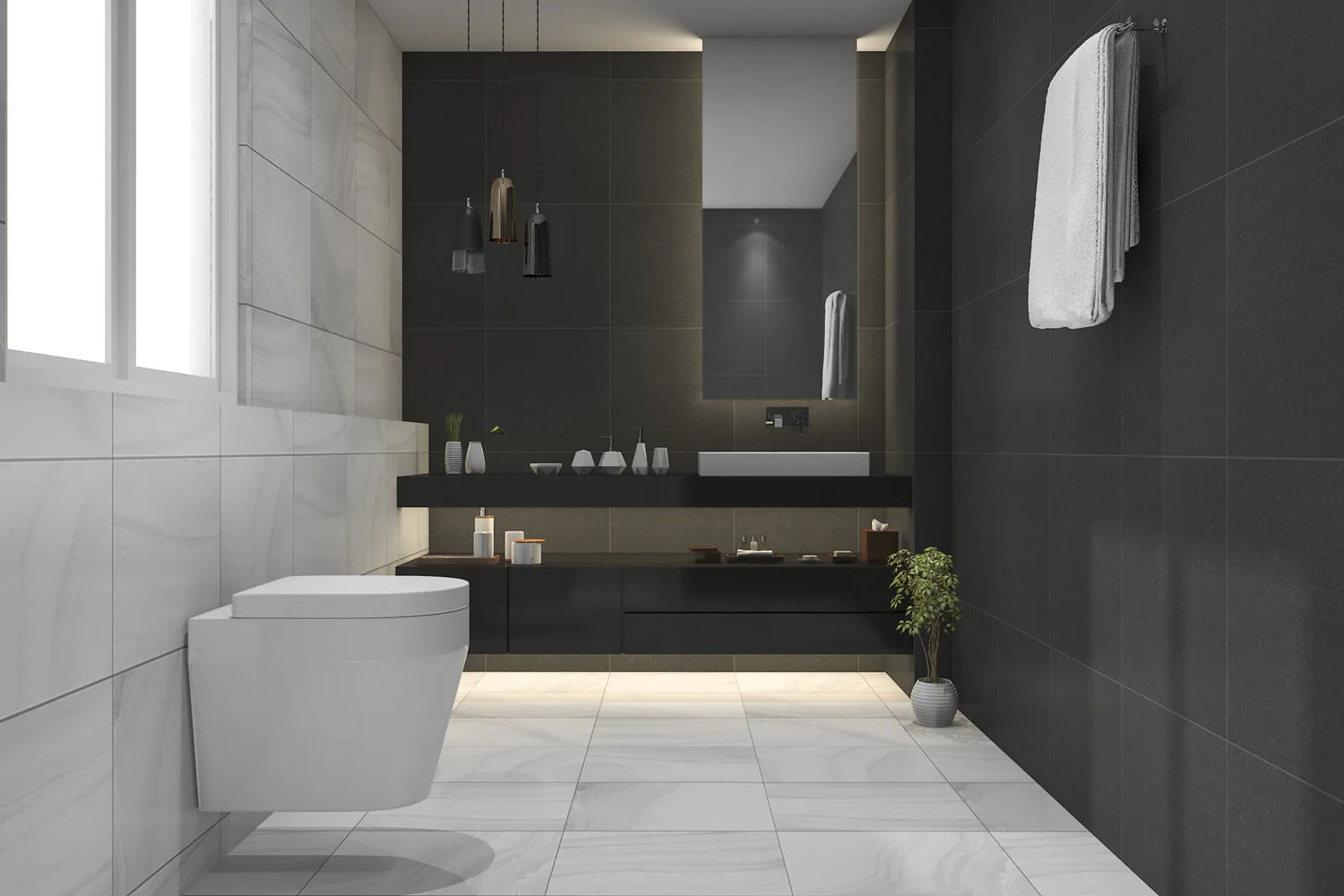
Smart toilets require electricity to operate, integrating advanced features like heated seats, warm water, and bidets. Understanding smart toilet energy consumption and the wattage of an intelligent toilet helps homeowners evaluate whether the comfort and hygiene provided by these energy-efficient smart functions justifies the additional electricity use and potential increases in utility costs.
Decision Snapshot: When Smart Toilet Energy Use Makes Sense
You frequently use heated seats and warm water for comfort and hygiene.
Your bathroom has a nearby GFCI outlet to ensure safe operation.
You accept minor standby electricity use so that the smart toilet remains ready for active use.
You should probably skip it if:
-
You want a toilet that works the same during power outages.
-
You dislike the idea of anything in the bathroom using power 24/7 on standby.
-
You mainly want basic washing and you’ll keep the extra features turned off.
Smart Toilet Electricity Use Makes Sense When Comfort and Hygiene Are Daily Priorities
If you value heated seats, warm water, and hands-free nozzle functions every day, the smart toilet balances comfort and hygiene efficiently, and the electricity use can feel justified compared to standard toilets. Smart toilet energy consumption is generally justified when heated seats, warm water, and hands-free nozzle functions are used regularly.
Skip a Smart Toilet If You Want a Toilet That Works Without Power
A traditional toilet doesn’t care if the power is out. A smart toilet may still flush (some do, some don’t), but features like heated seats, warm water, dryers, sensors, and deodorizer fans can stop working. If outages happen often where you live, this becomes less of a “feature” issue and more of a daily-life reliability issue.
Is a Smart Toilet Worth It If You Only Want Basic Bidet Functions
If your goal is simple washing with as little electricity as possible, pay attention to what “basic” really means. Many owners end up paying for (and powering) features they don’t use because defaults are set to “ready” mode: seat warming, water pre-heating, night lights, auto-open lids, and sensor wake-ups. If you’re disciplined about eco modes and turning off extras, energy use can stay modest. If you’re not, it can quietly creep up.
Where Smart Toilet Electricity Actually Goes
Smart toilet energy use is usually split into two buckets: standby power and active-use power. Your bill depends on which bucket dominates in your home.

Do Smart Toilets Use Standby Power
Yes. Even when the toilet isn’t constantly in use, many smart models contribute to smart toilet energy consumption through active and standby functions, including motion sensors, control boards, heated seats, instant water heaters, night lights, and deodorizer fans.
The key point is that standby becomes your “always-on subscription” if features are set to stay warm or stay awake.
Standby power allows the toilet to remain “ready” throughout the day. This contributes to smart toilet energy consumption even when the bathroom is used infrequently.
Heated Seat Power Usage With Always-On Heating vs Timed Heat
Many energy-efficient smart toilets integrate an instant tankless water heater, which reduces unnecessary energy use by heating water only during active use, helping minimize energy consumption and water consumption simultaneously.
If the seat is set to “always warm,” it may run far more than you expect—especially in a cold bathroom. If you use timers or an eco mode (warm only mornings/evenings), the comfort stays high while power use drops a lot.
If the seat is set to “always warm,” energy use will be higher. Using timers or eco modes (warm only mornings/evenings) reduces electricity consumption while maintaining comfort.
Warm Water and Dryer Energy Use and Why Power Spikes Happen
Warm-water washing and warm-air drying can pull much higher wattage than sensors or lights, but for shorter bursts.
-
Water heating can draw a lot of power while it’s actively heating. For guidance on water-efficient devices and standards, refer to the U.S. Environmental Protection Agency (EPA) WaterSense program.
-
Dryers can also be a noticeable draw while running.
In practice, these spikes usually don’t matter much to the electric bill unless:
-
Several people use the toilet many times per day, every day
-
Drying cycles are long
-
The unit pre-heats water often, not just during use
If you want the lowest energy footprint, the dryer is often the first feature to limit or skip because paper drying is already “paid for” and a dryer cycle can become a habit.

Turning Smart Toilet Wattage Into Real Electricity Cost
You don’t need perfect data. You need a method that avoids guessing.
How to Convert Smart Toilet Wattage Into Monthly kWh
To estimate electricity cost to run a bidet (or full smart toilet), look for standby and active watts, then multiply by your local electricity rate. For official guidance on electricity prices and factors affecting them, see the U.S. Energy Information Administration (EIA).
Use these simple formulas:
-
Standby kWh per month = (Standby W ÷ 1000) × 24 × 30
-
Active kWh per month = (Active W ÷ 1000) × (minutes used per day ÷ 60) × 30
-
Monthly cost = (Total kWh per month) × (your $/kWh)
Here’s a quick worksheet-style table you can fill in from the spec sheet:
| Item | What to find | Your number |
| Standby draw | W on standby | ___ W |
| Heater draw | W while heating | ___ W |
| Dryer draw | W while drying | ___ W |
| Daily heat time | minutes/day heating | ___ min |
| Daily dry time | minutes/day drying | ___ min |
| Electric rate | $/kWh | ___ |
What people wish they knew: standby watts matter more than you think because they run 720 hours/month.
Instant Water Heater Efficiency and When Tankless Heating Helps
Many smart toilets use an instant (tankless) heater, which affects smart toilet energy consumption because it draws high power during active water heating even though it only heats water when needed.
But tankless doesn’t automatically mean “low energy,” because:
-
It may draw high power while heating.
-
Incoming winter water can be very cold, so the heater works harder.
-
Some units still do pre-heating or “ready” behavior that adds standby use.
So tankless can help if your settings avoid pre-heating and your usage is spread out. It helps less if you keep comfort settings maxed all day.
Will a Smart Toilet Raise Your Winter Electricity Bill
It can—mostly from:
-
A heated seat maintaining temperature in a cold room
-
Larger temperature lift for warm water when supply water is colder
If you’re cost-sensitive, treat winter as your worst case. A bathroom that drops to 55–60°F will demand more energy to keep surfaces and water feeling “warm.”
Practical Smart Toilet Fit in a Real Bathroom
Energy use isn’t the only electricity issue. The real-world friction is often power access, circuit limits, and what happens when the power is off.
Outlet Reality Check With GFCI Placement and Power Cord Reach
Most smart toilets require a nearby GFCI-protected outlet for safety. For official U.S. electrical standards and guidance on outlet placement, see the Occupational Safety and Health Administration (OSHA) electrical standards .
Before installation, confirm:
-
A GFCI-protected outlet is within reach of the toilet’s power cord.
-
The circuit is not controlled by a wall switch that might turn off the toilet.
-
The outlet and plug location minimize exposure to water.
A simple pre-check: measure from the outlet to where the plug will be, and confirm the outlet is GFCI-protected.

Bathroom Circuit Load and Nuisance Breaker Trips
A toilet with a heater and dryer may share a bathroom circuit with hair dryers, curling irons, space heaters, or exhaust fans. Bathrooms are often on 15A or 20A circuits, and high-draw appliances can trip them.
Smart toilets with heaters or dryers may share a bathroom circuit with other high-draw devices. Overloaded circuits can trip breakers, temporarily interrupting toilet functions. Ensure your bathroom circuit can handle additional load before installation.
If your panel is already near capacity or your bathroom circuit is busy, this matters more than the pennies-per-day energy math.
What Happens to a Smart Toilet During a Power Outage
Ask this before you buy or install:
-
Will it still flush without power?
-
Is there a manual flush?
-
Does it need a reset after power returns?
During a power outage, some smart toilets may still flush manually, while features such as heated seats, warm water, and bidet spraying will not operate. This sets expectations for electricity-dependent functions.
Hidden Smart Toilet Energy Problems That Appear Later
The energy story can change after installation because settings drift, sensors misbehave, and maintenance affects efficiency.
Energy Saving Modes That Backfire on Smart Toilets
Eco modes are only helpful if they match your routines.
Common backfires:
-
Motion sensors trigger “wake” every time someone walks by the bathroom door.
-
Nighttime bathroom visits trigger seat warming for hours afterward.
-
Auto-open lids and “approach” features cause extra cycles you didn’t intend.
If you choose a smart toilet, plan to spend time tuning settings. If you hate adjusting gadgets, you may end up with default behavior that wastes power.
Water and Energy Efficiency That Drifts Over Time
Hard water and mineral scale can affect water-saving and energy efficiency standards. When that happens, the intelligent toilet may use more electricity to maintain heated seats and warm water, which can slightly increase electricity bills over time.
-
Need descaling or cleaning you didn’t plan for
This is one of the most common “I didn’t think about that” issues in real bathrooms: energy use stays fine on day one, then creeps as performance drops.
Leak Detection and Unexpected Water Usage
Some energy-efficient smart toilets use extra water by design for functions like bowl rinses, pre-mist, or nozzle cleaning cycles. Leak detection also helps conserve water and prevents unexpected water and energy costs, though some homeowners may need to manage false alerts or maintenance reminders.
This isn’t always a deal-breaker, but it’s part of the “smart home tax”: you may trade a simple fixture for a device that needs attention.

Before You Choose checklist
-
Do you have a GFCI outlet within safe cord reach of the toilet location?
-
Are you comfortable with standby electricity use for always-ready features?
-
Will you actually use heated seat/warm water most days?
-
Can your bathroom circuit handle added load without nuisance trips?
-
Are you willing to do periodic cleaning/descaling if you have hard water?
FAQs
1. Do Smart Toilets Use Electricity All the Time?
Many smart toilets draw some standby power continuously, even when no one is using them. Features like heated seats, motion sensors, night lights, and keep-warm settings all contribute to smart toilet energy consumption, and homeowners should understand this to avoid surprises on their electric bill. Understanding smart toilet energy consumption helps homeowners anticipate these always-on costs and avoid surprises on the electric bill.
2. How Much Does It Cost to Run a Bidet or Smart Toilet?
The cost depends on standby watts, heater or dryer wattage, and daily usage, combined with your local electricity rate ($/kWh). To estimate accurately, use the kWh formulas from the unit’s specification sheet. Monitoring smart toilet energy consumption over time allows you to see which features use the most power, helping you make adjustments for efficiency and cost savings.
3. Will a Smart Toilet Work During a Power Outage?
Most comfort and washing features will stop during an outage. Some toilets may still flush manually, but others require electricity even for basic operation. Knowing your model’s capabilities is important, especially if you rely on heated seats or water preheating, which can significantly affect smart toilet energy consumption.
4. Are Heated Seats the Main Energy User?
Heated seats can run for hours in the background, making them one of the top contributors to electricity usage. Water heating and air drying also use significant power, though typically in short bursts. By understanding these patterns, you can manage usage and maximize energy efficiency in your bathroom.
References


Leave a comment
This site is protected by hCaptcha and the hCaptcha Privacy Policy and Terms of Service apply.