
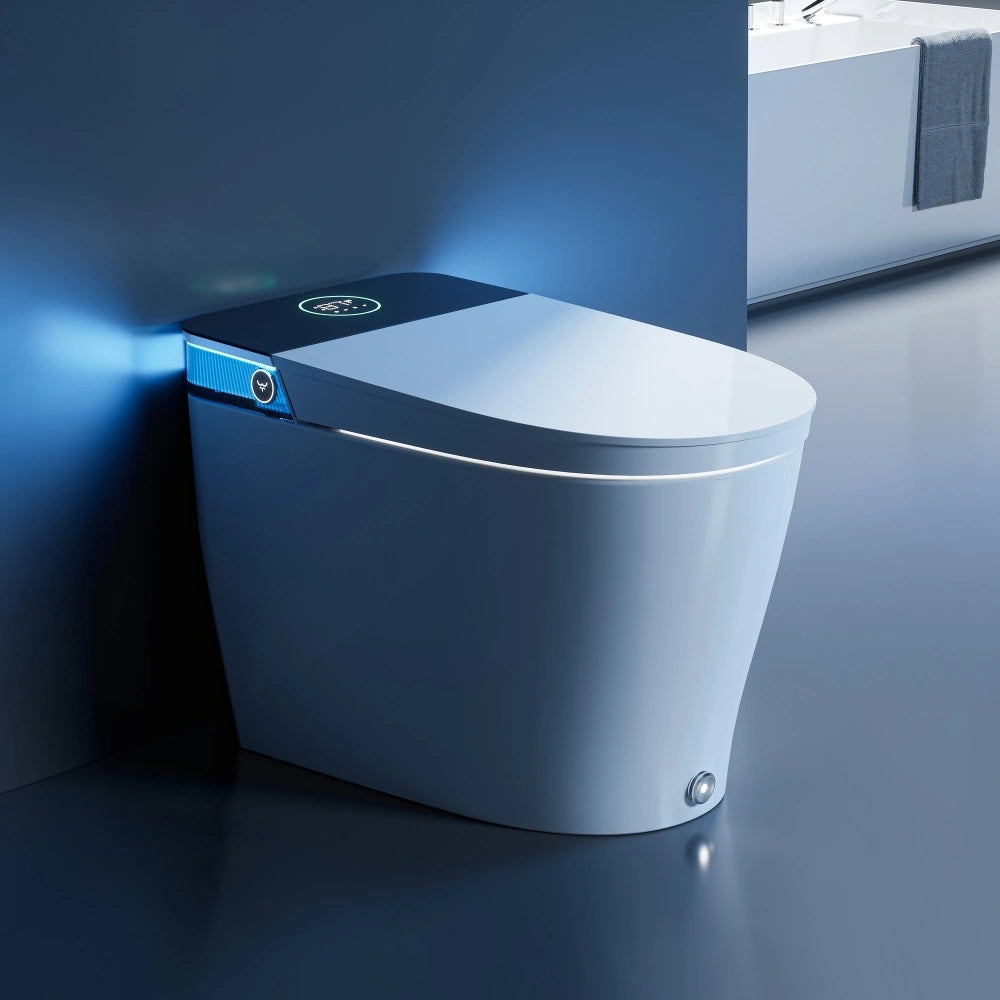
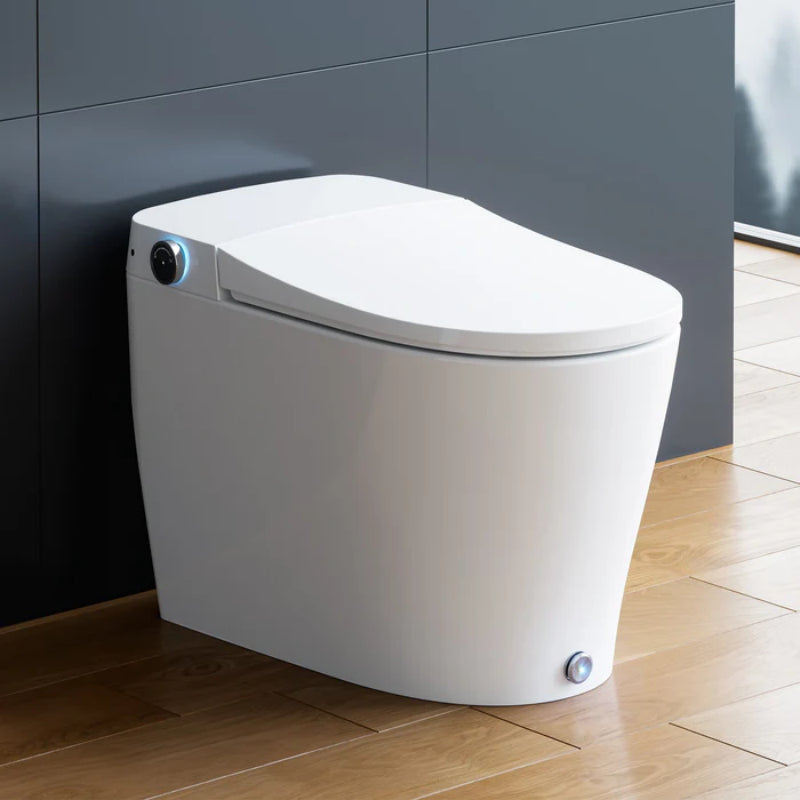
A smart toilet deodorization system sounds simple: you sit down, it controls odor automatically, and in a modern bathroom, it integrates seamlessly with other advanced features to keep the space comfortable and clean. In real life, the “deodorizing” effect is often subtle—especially if the toilet does a pre-flush when you sit, or if your bathroom already has decent ventilation. That can make it hard to tell whether the system is truly cleaning the air or just adding another refill and filter to your routine.
Decision snapshot for smart toilet deodorization system
A smart toilet deodorization system is usually worth it if you have a small bathroom, odor-sensitive household members, frequent guests, or you share one bathroom and want fewer awkward moments, or want the added comfort and functionality of a smart toilet bidet or bidet seat.
You should probably skip it if you hate refills, expect dramatic odor removal every use, already have a strong exhaust fan you actually use, or you want a toilet that maximizes simplicity and level of convenience without extra maintenance.
Who benefits most from built-in deodorization
Not every bathroom or household will get the same benefit from a built-in deodorization system. How effective it feels depends on your space, routines, and who’s using the toilet. Understanding where it shines—and where it may fall short—can help you decide if it’s a feature that’s truly worth investing in.
When a built-in exhaust helps in real homes
The most effective setups tend to be the ones that work like a small built-in exhaust for bidet/toilet air, especially if you have a bidet seat or smart toilet bidet: they pull air from near the bowl area and pass it through some kind of filter (often charcoal). This can help because unpleasant odors are captured close to the source, not after they have spread through the room.
This tends to feel “worth it” in homes like these:
-
Powder rooms near kitchens or living rooms where smells travel fast.
-
Bathrooms without windows, or where the fan is weak or noisy so people avoid using it.
-
One-bathroom households where someone may need to go in right after someone else.
-
Homes with teenagers, frequent visitors, or gatherings, where you care about quick recovery.
The key point is that deodorization often improves the social experience more than the owner’s experience. The person using the toilet may not feel a dramatic difference, but the next person might.
When your household habits work against it
These systems can disappoint in high-traffic situations because odor control is not just about technology—it’s about timing.
Common conflicts:
-
Quick sits + fast exits: If the system takes time to ramp up, it may start working right as you leave.
-
Frequent flushing: Odor can be reduced near the bowl, but repeated lid opening/closing and flushing can stir up air.
-
Kids and guests: People may not sit still long enough for “automatic bathroom air freshening” to feel noticeable, and they may not understand the settings.
If your household uses the toilet like a revolving door, deodorization can still help, but features like automatic bathroom air freshenin may feel less noticeable than expected.
Is it worth it with good ventilation and cleaning?
If your bathroom already has:
-
a quiet exhaust fan that you run during and after use,
-
decent airflow under the door,
-
and a regular routine to clean the toilet bowl,
…then a smart toilet deodorization system may feel redundant. You might still like it for comfort, but it’s less likely to feel like a must-have.
Also, if you don’t keep the toilet bowl clean, even a smart cleaning system can’t cover that up for long. Odor from a dirty bowl, mineral buildup, or a neglected rim area tends to be persistent, and “deodorizing” features are not a substitute for cleaning.
Deodorization ≠ sanitation It’s important to be clear: built-in deodorization—whether it’s foam, scent, or local air treatment—does not equal meaningful sanitation or bacteria control, and it won’t magically make your bathroom hygienic overall. Many owners overestimate what these features actually deliver, so treat deodorization as a comfort and convenience add-on, not a hygiene solution.

The trade-offs most owners don’t expect
Smart toilet deodorization often sounds more impressive in ads than in real life. The actual effect depends on how the system interacts with your bathroom, other automated features, and even the toilet’s shape. Before expecting “magic no-smell” results, it helps to understand the trade-offs most owners notice only after daily use.
Why odor reduction can feel weaker than promised
Many smart toilets often come with different approaches: a foam shield, a filter-based air path, or “air purification” terms that sound medical. In practice, here’s what can happen:
-
Foam-based deodorizing can wash away quickly. If the toilet pre-flushes when you sit, the foam may be partially diluted before it can do much.
-
Filter systems help most when the seat is closed or the airflow path is tight. If the lid is open and the bathroom air is moving around, odors still spread.
-
Scent systems are not the same as odor control. Aromatherapy can make the bathroom smell “covered,” not clean and odor-free.
So, if you’re buying because you want a dramatic “no smell at all” result every time, you may end up disappointed.
Foam may underperform on multiple fronts Users often expect the foam to do more than it realistically can. Disappointment can show up in several ways:
-
Odor reduction may feel inconsistent, especially if pre-flush water washes some foam away.
-
The bowl may not look or feel “cleaner or fresher” despite foam application.
-
Splash-related expectations—some users assume foam will prevent backsplash or lingering smells entirely—are often unmet. In short, foam helps, but it’s not a magic fix. Framing it as a gentle odor enhancer rather than a complete cleaning solution sets a more realistic expectation.
Automation can interrupt deodorization
Smart toilets bundle advanced features: automatic flushing, warm air drying, seat heating, automatic lid opening, built-in night light, and more, all designed to enhance the user experience while keeping the toilet hygienic. The problem is that automation features can work against odor control.
A few examples homeowners notice:
-
Pre-flush on sitting: nice for perceived hygiene, but it can reduce the effect of foam or bowl-surface treatments.
-
Warm air drying: comfortable, but it can move air around the room. If the deodorizer is subtle, the airflow can feel like it spreads odor faster.
-
Auto flushing timing: if it triggers sooner than you expect, it can stir up the bowl air again right when you’re trying to finish.
None of this means deodorization is “bad.” It means the system is part of a chain of events, and the chain may not match how your home uses the toilet.
Ergonomics can matter more than the deodorizer
A surprising regret is not about odor at all—it’s about how the toilet feels.
Some integrated smart toilet designs (especially high-end, tank-integrated shapes) can feel:
-
bulkier than a traditional toilet
-
like the seat pitches you forward at first
-
harder to “quick clean” around because the shape is complex
If you end up disliking the sitting position or the daily-use feel, deodorization won’t save the purchase.

Practical fit: space, sensors, and daily friction
Even the smartest deodorization system can be affected by the space and daily habits in your bathroom. How sensors, lid movements, and layout interact often matters more than the tech itself, so it’s worth considering practical fit before expecting flawless performance.
Clearance and layout checks
Before you commit, think like an installer and like a tired person using the bathroom at night.
Deodorization hardware can add bulk under the seat or in the rear housing, which may matter if:
-
your bathroom is narrow,
-
the toilet is close to a vanity or wall,
-
or the door swing is tight.
If the unit forces you to sit slightly forward, you may not notice in a showroom, but you will at home.
Sensor timing and controls
Deodorizer controls are often tied to sensors and a remote control. The common friction points are small but annoying:
-
The remote may not clearly show which deodorization mode is active.
-
Some settings feel laggy, so you press twice, then it changes again.
-
Guests may trigger features by accident, then you hear the fan run when no one needs it.
If you want “set it and forget it,” check whether the deodorization can be left on a simple automatic mode without frequent tweaking.
Automatic lids, night lights, and awkward moments
Automatic lid opening/closing sounds harmless until it isn’t. In real homes, it can:
-
trigger when pets walk by,
-
turn on a night light that wakes a partner,
-
or open the lid when guests are standing nearby and feel weird about it.
This matters for deodorization because the more the lid opens, the more the bathroom air mixes. If odor control is one of your main goals, constant lid movement can reduce the benefit.
Maintenance and long-term annoyance risks
Even “automatic” deodorization comes with chores. From refilling cartridges to replacing charcoal filters and keeping vents clear, these systems need regular attention—otherwise their performance can fade, and what seemed like a hands-off feature can become a small but persistent annoyance.
“Automatic” still means supplies
If the deodorization uses foam, deodorant, or aromatherapy, it can become another household consumable—like soap, but easier to forget.
What people often dislike:
-
running out at the worst time (guests over),
-
messy refills,
-
dosing that feels imprecise (too much scent, or not enough effect).
If you already dislike replacing water filters, refilling soap, or tracking supplies, this can become a slow-burn regret.
Filters: charcoal helps, but it’s not free
Many systems rely on charcoal filter toilet odor control. That can work, but filters saturate over time.
Here’s a practical way to think about upkeep (typical ranges vary by usage):
| Deodorization part | What you do | Typical homeowner friction |
| Charcoal/carbon filter | Replace on a schedule | Easy to forget; performance drops gradually |
| Foam/deodorant cartridge | Refill/replace | Runs out suddenly; scent strength can annoy |
| Intake vents/grilles | Wipe dust and lint | Clogs reduce airflow, so odor control fades |
If you’re trying to reduce chores, remember that “self-cleaning” usually refers to the bidet nozzles, not the deodorization air path.
Self-cleaning nozzles don’t clean the deodorizer
Many smart toilets come with self-cleaning bidet nozzles, UV sanitization, or rinse cycles. That’s about the bidet function and overall hygiene, but the deodorization system still requires separate care.
You may still need to:
-
wipe around the seat seams and hinges,
-
clean the toilet bowl as usual,
-
and keep the deodorizer intake area free of dust.
If you expected a fully hands-off “clean and odor-free” experience, this is where reality can feel different.
Refill friction is a hidden annoyance
Even fully automated deodorization or foaming systems require regular attention, and the friction can be surprisingly high:
-
Refill hassles: cartridges or bottles can be awkward to open, install, or align.
-
Imprecise dosing: some systems under- or over-deliver foam or scent, leaving users adjusting manually.
-
Monitoring frequency: you’ll need to check levels more often than you might expect, especially in high-use bathrooms.
-
Compatibility limits: only specific refills work, meaning generic or cheaper options aren’t viable. These points turn “another consumable” into a concrete daily or weekly consideration for anyone evaluating long-term satisfaction.

When deodorization is overkill (or adds risk)
Not every bathroom needs high-tech deodorization. If your focus is bidet comfort or simple hygiene, extra air-cleaning features can feel more like a complexity than a benefit—adding upkeep, potential risks, and expectations that may not match real-world use.
If you’re buying mainly for bidet comfort
If your main goal is personal hygiene—heated seats, water temperature control, warm air drying, and reducing the need for toilet paper—then deodorization may be a nice add-on, but not the reason to buy.
In those homes, deodorization is often used once, then ignored, because the daily value comes from the bidet, not the odor tech.
If “plasma cluster” or “diatom pure air” sounds like proof
Some systems use terms like “plasma cluster bidet technology” or “diatom pure air cleaning bidet.” The wording can sound like it sanitizes the bathroom air.
Be careful with that expectation:
-
Air cleaning claims vary widely.
-
Some air-cleaning methods can create byproducts (like ozone) depending on design. According to the EPA, which warns that ozone generators sold as air cleaners can be ineffective and potentially harmful
-
Even strong air cleaning does not remove the need to clean surfaces and the toilet bowl.
If you have asthma, chemical sensitivities, or you’re cautious about indoor air quality, it’s reasonable to be skeptical of vague “purification” language.
If you want fewer failure points
More parts means more things that can act up: fans, sensors, seals, remotes, and control boards. Deodorization is not usually the first thing to break, but it’s often the first “extra” feature people stop maintaining when life gets busy.
If you value simplicity, deodorization can feel like tech you pay for twice: once at purchase, then again in attention and supplies.
Before You Choose: quick checklist
-
Is your bathroom small, windowless, or used right next to shared living space?
-
Will you actually replace filters/refills on schedule, or will it become dead weight?
-
Are you expecting “no odor,” or just “less odor and faster recovery”?
-
Do you have guests often enough that this matters to you?
-
Are you okay with sensors, remotes, and automatic behaviors doing things you didn’t ask for?

FAQs
1. How does a smart toilet remove odors?
2. Do I need to replace the charcoal filter?
Yes. The charcoal filter toilet odor control element in a smart toilet or senior-friendly bidet feature needs periodic replacement. Most manufacturers recommend checking or swapping it every 6–12 months, depending on usage. If odors aren’t being removed as effectively, that’s a clear sign it’s time to replace the filter. Fortunately, most modern models are designed for easy, tool-free access—perfect for seniors who want low-maintenance solutions.
3. Does it actually work or just mask smells?
It really works, not just masking odors. Unlike basic sprays or air fresheners, a smart toilet deodorization system actively pulls air through the charcoal filter and other odor-controlling technologies like built-in exhaust for bidet systems. This removes odor molecules at the source instead of just covering them up. For seniors, this ensures a fresher, more hygienic bathroom experience without extra effort.
4. Is the deodorizer loud when running?
Most modern systems, including automatic bathroom air freshening features, are surprisingly quiet. You might hear a gentle hum as the air passes through the filter or fan, but it’s usually soft enough that it doesn’t disrupt conversation or a calm morning routine. Some models even adjust fan speed automatically, providing odor control with minimal noise—a big plus for seniors who value a peaceful bathroom environment.
5. How long does the deodorizing cycle last?
Cycle times vary by model, but most smart toilet deodorization systems run for 5–15 minutes per use. Some toilets have sensors that keep the system running as long as someone is seated, then taper off gradually afterward. This ensures odors are managed efficiently without wasting energy or running the fan unnecessarily. Seniors benefit from this automatic feature since it keeps the bathroom consistently fresh without any extra steps.
6. Can I turn off the deodorizer feature?
Yes. Most smart toilets let you turn off the deodorizer entirely if needed, whether to save energy, reduce fan noise, or just because it’s not required at the moment. Many models also allow intensity adjustments, giving you full control over plasma cluster bidet technology or built-in exhaust for bidet airflow. This flexibility is especially valuable for seniors or those with sensory sensitivities, offering a comfortable, personalized bathroom experience.
References


Leave a comment
This site is protected by hCaptcha and the hCaptcha Privacy Policy and Terms of Service apply.