



Choosing between a siphon jet and a washdown toilet is less about which type of toilet flush is "better" in general and more about which one fits how your bathroom is actually used. These two flushing designs—the siphonic and washdown toilet systems—are built around different priorities: one focuses on a smoother, quieter, and cleaner-looking experience, while the other emphasizes direct waste removal, clog resistance, and practical reliability. Understanding how each flushing mechanism handles waste, water, noise, and space will help you avoid common buying mistakes and choose a toilet that performs well not just on paper, but in everyday life.
Decision snapshot: quick answer
When choosing between siphonic and washdown, the core question is simple: if you want a quieter toilet with better odor control and a cleaner-looking bowl, choose a siphon jet toilet. If you want stronger clog resistance, a more compact toilet, and simpler upkeep, choose a washdown toilet. For most homes, the siphon jet vs washdown toilet decision depends on your priorities—not marketing claims—and more on how the bathroom is used every day.
A siphon jet toilet is usually better for private bathrooms near bedrooms. A washdown toilet is usually better for busy shared bathrooms, rentals, and smaller spaces.
How does a siphon jet toilet work?
To understand the real difference, it helps to know what each flush system is trying to do.
The flushing technology of a siphon jet toilet centers on a dedicated jet port that directs water into the trapway to create suction and start a siphon. This flush uses that pulling action to move waste through a longer, narrower path—this is how the siphon jet system works, producing the smooth, quiet flush many people in the US are used to.
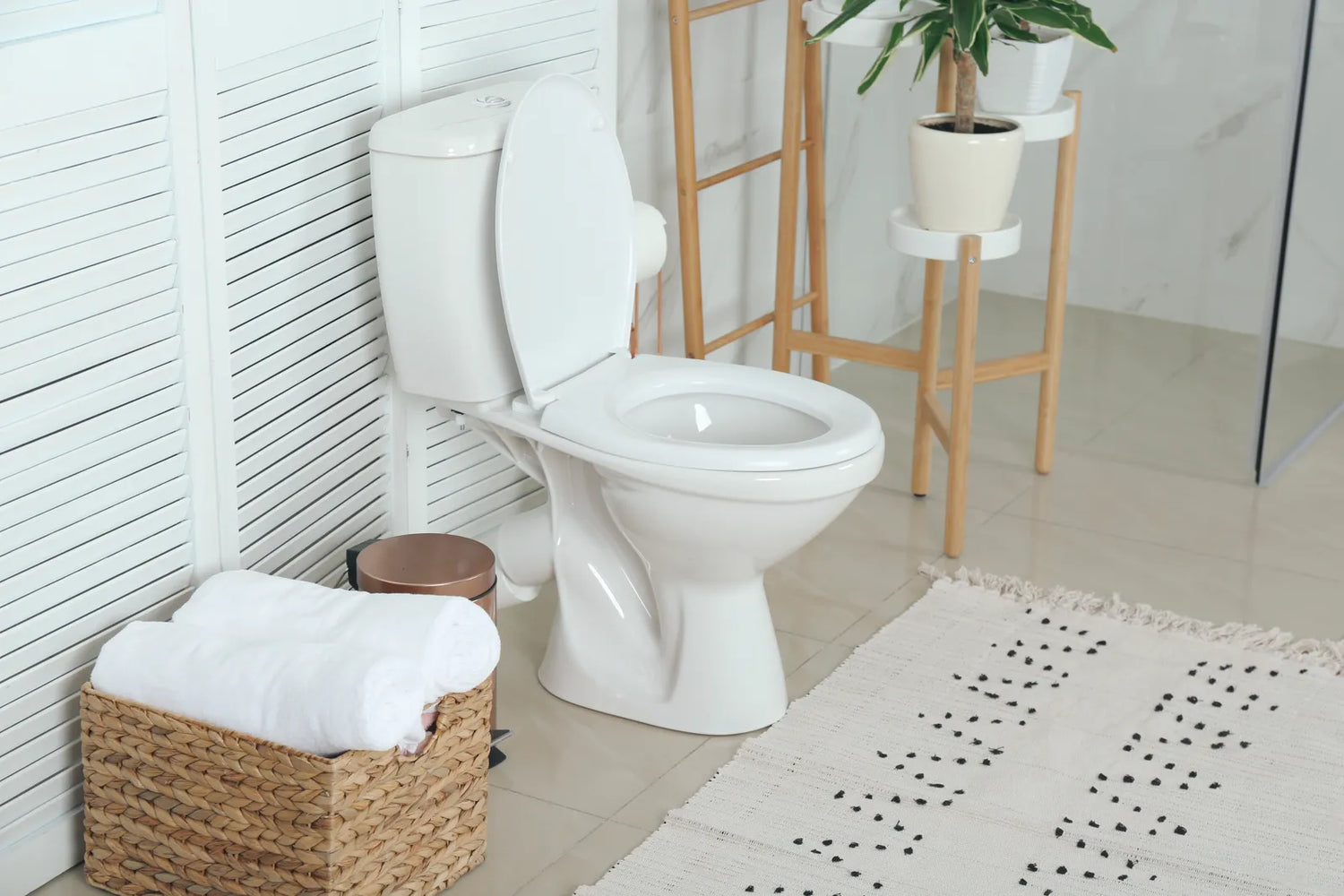
A washdown toilet works more like a direct push. Water from the tank drops waste through a shorter, wider trapway. The flush is more abrupt and usually louder, but the wider path is a big reason washdown toilets are often less likely to clog.
So when people ask, “which is better, siphon jet or washdown toilet?” the honest answer is this: siphon jet feels nicer; washdown is usually more practical.
Best for master or guest baths
Choose siphon jet if the bathroom is used by one or two people, especially in a master bath or guest bath. Avoid siphon jet if your current toilet clogs often or your household uses a lot of toilet paper, as the narrower trapway can become a recurring frustration. It’s a better fit when quiet flushing matters, smells bother you, and you want the bowl to stay cleaner between deep cleanings.
Best for shared or rental bathrooms
Choose washdown if the toilet gets heavy daily use. Avoid washdown if night noise or odor sensitivity is a top concern, as the louder flush and smaller water spot can become noticeable annoyances. In family bathrooms, kids’ bathrooms, rentals, and utility baths, washdown usually means fewer clog headaches and easier maintenance.
Choose washdown if space is tight
If your bathroom is small, a washdown toilet often fits better. Avoid forcing a siphon jet into tight spaces, as the longer footprint can create layout compromises and awkward clearances. because the bowl and trapway design can be more compact. That matters in powder rooms, apartments, and tight remodels where every inch counts.
Choose siphon jet if odor matters
If you are sensitive to bathroom smells, siphon jet usually wins. Avoid washdown in this case unless clog resistance is your top priority, as the smaller water surface may expose more odor between flushes. The larger water surface in the bowl covers waste better and helps reduce odor between flushes.
A simple way to decide:
-
Private, quiet, comfort-focused bathroom: siphon jet
-
Busy, practical, clog-resistant bathroom: washdown
-
Washdown systems are often preferred for high-frequency household use.
-
Their simpler flushing structure can make maintenance easier over time.
-
-
Very small bathroom: washdown
-
Bedroom next to bathroom: siphon jet
Siphon jet vs washdown toilet differences
The biggest differences come down to five things: how they flush, how often they clog, how noisy they are, how clean the bowl looks, and how much space they need.

Siphon Jet vs Washdown Toilet: Advantages and Disadvantages
| Factor | Siphon Jet Toilet | Washdown Toilet | Who Usually Wins |
| Flush action | Uses a jet to start siphon pull | Pushes waste directly down | Depends on preference |
| Clog resistance | Fair to moderate; narrower trapway can clog more easily | Strong; wider, shorter trapway resists clogs better | Washdown |
| Noise level | Quieter, smoother flush | Louder, more abrupt flush | Siphon jet |
| Bowl cleanliness | Larger water spot helps reduce skid marks | Smaller water spot can leave more streaks | Siphon jet |
| Odor control | Better because more waste stays submerged | Weaker because bowl water area is smaller | Siphon jet |
| Space needed | Often longer bowl base | Often more compact | Washdown |
| Maintenance | More internal complexity in many models | Simpler path and fewer issues with blockages | Washdown |
| Upfront cost | Often a bit higher | Often a bit lower | Washdown |
| Repair cost over time | Can be higher depending on parts | Usually simpler and cheaper | Washdown |
| Comfort / feel | More familiar in many US homes | More functional than refined | Depends on use |
| Best for | Quiet, private bathrooms | Shared, high-use bathrooms | Depends on use |
This is the core of the siphon jet vs washdown toilet differences—or put another way, the siphonic vs washdown toilet trade-off. One is built to feel smooth and clean. The other is built to move waste with fewer interruptions.
Siphon jet vs dual-flush washdown
This is where many buyers get stuck in the siphonic vs dual-flush washdown comparison. They compare a standard siphon jet toilet—or similar siphonic models—to a dual-flush washdown and assume the dual-flush model wins at everything. It doesn't.
A dual-flush washdown toilet can be excellent for water efficiency, especially if your household actually uses the reduced flush for liquid waste. In homes where people use the buttons correctly, it can lower water use.
But dual-flush does not erase the normal washdown trade-offs. It may still be louder. It may still have a smaller water spot. It may still leave more visible marks in the bowl.
So if your top concern is lower water use, a dual-flush washdown often makes more sense than a standard siphon jet. If your top concern is quiet, odor control, and a cleaner bowl, siphon jet still has a strong case.
Which feels better day to day
This matters more than spec sheets.
Siphon jet toilets often earn their place in private bathrooms for four reasons:
-
the flush sounds softer
-
the bowl usually looks cleaner after use
-
odors are better controlled
-
the water level feels more generous
The benefits of washdown flushing are most apparent in daily use:
-
solids pass through more directly
-
plungers are needed less often
-
the toilet may be easier to fit and service
-
heavy-use bathrooms stay more dependable
For families with recurring blockage problems, washdown can solve the issue more reliably than changing toilet paper brands. If you are choosing for your own bath, feel matters. If you are choosing for a family bath, dependability often matters more.
Which costs less over time
In many homes, washdown costs less over time. Here’s why:
-
it often costs less upfront
-
it tends to have fewer clog-related service calls
-
the simpler path can mean fewer headaches
-
compact models can make remodel planning easier
But there is another side. A siphon jet toilet may reduce how often you scrub bowl marks and may offer a more comfortable experience for years. For some homeowners, that daily comfort is worth paying for.
The key point is this: don’t focus only on purchase price. Think about plunging, cleaning, repairs, and annoyance.
Solving common US household flushing problems: what actually changes the decision
A lot of articles compare flushing systems like it's a lab test. Real homes are messier than that. Here’s what usually matters in real homes.

Avoiding clogs with siphon technology vs washdown reliability
This is the biggest trade-off.
If your household tends to produce heavier solid waste, uses a lot of toilet paper, or has kids who push limits, washdown is usually the safer choice. Its shorter, wider trapway gives waste a more direct exit.
That answers a common question: are washdown toilets less likely to clog than siphon jet toilets? In most cases, yes.
On the other hand, if you care a lot about visible bowl marks, siphon jet usually does better. The larger water spot helps keep the bowl cleaner, covering more surface area so waste is more likely to stay submerged. That keeps the bowl visibly cleaner and reduces skid-mark frustration.
This also explains why some toilets leave streaks. It’s often not bad glaze or bad luck. It’s the small water surface area common in washdown designs.
Quiet flush vs loud push
Is washdown louder than siphon jet? Usually yes.
A siphon jet flush tends to start with a pull and a swirl. Washdown toilets produce a louder, more forceful dump of water. You hear that difference, especially at night. Some older single-flush washdown models are noisier and use more water than modern dual-flush alternatives, though newer designs have narrowed the gap.
If your bathroom shares a wall with a bedroom, nursery, or office, the need to flush quietly at night makes siphon jet worth the trade-off. Siphon jet is among the quietest toilet options in standard residential use. This is one reason siphon toilets are so popular in many US homes—people are used to that softer, more sealed feel.
If noise does not matter much, washdown’s louder flush is not a deal-breaker. In a busy family bath during daytime use, it may not matter at all.
Compact fit vs longer base
Space changes the decision more than many people expect.
How does a siphon jet toilet work compared to washdown in terms of size? Because siphon jet systems rely on a longer trapway shape to create siphon action, the toilet often needs a longer footprint. Washdown designs can be shorter and more compact because they use a more direct drop through a wider opening, unlike the smaller diameter trapway path common in siphon jet models.
This makes washdown a better choice for tight bathrooms. In a small powder room, condo bath, or narrow remodel, a few inches can affect door swing, knee room, and how easy it is to clean around the toilet.
Simple parts vs complex repairs
Not every homeowner wants the same ownership experience.
A washdown toilet is often the better pick if you want something straightforward. The flush system is less about creating a perfect siphon and more about direct performance.
Siphonic toilets require more careful internal calibration to maintain flush performance over time. A siphon jet toilet can have a more refined flush, but some models use more complex internal parts and tuning. If something feels weak later, diagnosis may be less obvious than with a simpler washdown setup.
If you hate maintenance surprises, lean toward washdown.
What this means in real ownership:
-
washdown toilets are less likely to require service calls related to clogs
-
flush issues are usually easier to diagnose because the system is more direct
-
replacement parts and repairs tend to be simpler and faster
-
siphon jet toilets may require more investigation if the flush weakens over time
-
internal tuning or partial blockages can be harder to identify
-
some models may involve more complex parts depending on design
When siphon jet is the better choice
When the siphon jet vs washdown toilet choice points toward comfort, it usually comes down to room type and household habits. Siphon jet toilets are not better for everyone. But in the right room, they are easy to live with.
Bedrooms are close to the bathroom
If anyone will flush during the night, siphon jet is often worth it just for the noise difference. In a master suite or hallway bath near sleeping kids, a softer flush is easier on everyone.
For homeowners seeking the quietest toilet flushing systems, this preference holds even when washdown offers practical advantages.
You hate smells and skid marks
Some people are much more bothered by odor and visible residue than by the small risk of an occasional clog. If that sounds like you, siphon jet is likely the better choice.
The larger water spot helps in two ways:
-
it keeps more waste submerged before flushing
-
it leaves fewer exposed marks on the bowl
So if your top concern is siphon jet vs washdown toilet bowl cleanliness, siphon jet usually wins.
Use is light and mostly private
A toilet used by one or two adults is a very different case than a toilet used by a family of five. In light-use bathrooms, the higher clog risk of a narrower trapway is much less of a practical issue.
That means a private bathroom can enjoy the comfort benefits of siphon jet without paying much penalty.
You want a more premium feel
This is harder to measure, but it matters. Siphon jet toilets often feel more polished in daily use. The flush sounds smoother. The bowl holds more water. The whole experience feels less abrupt.
If you are remodeling a primary bath and want a toilet that feels a bit more refined, siphon jet is often the better fit.
When washdown is the better choice
When the siphon jet vs washdown toilet comparison tips toward practicality, washdown is often the smarter buy—it excels when performance and simplicity matter more than polish.
Solid waste volume is higher
If you are asking, which toilet flush is more powerful? The answer depends on what you mean by powerful. the answer depends on what you mean by powerful.
If you mean strong direct removal of solid waste, washdown often wins because it pushes waste through a wider, shorter trapway. That direct route is why many homeowners find washdown better for heavy use.
When searching for the best toilets for waste removal, washdown deserves serious consideration.
You need fewer clog headaches
Is a siphon jet toilet better for preventing clogs? Usually no.
The narrower trapway that helps create siphon action can also make siphon jet models more clog-prone than washdown models. If your current toilet clogs too often, moving to washdown can be a smart correction.
This is especially true in homes with:
-
children
-
older plumbing habits
-
lots of toilet paper use
-
multiple users sharing one bathroom
The bathroom footprint is small
When is a washdown toilet a better choice than a siphonic toilet? One clear case is a tight floor plan.
Washdown models are often easier to fit in:
-
powder rooms
-
basement baths
-
narrow apartment bathrooms
-
small guest baths
-
utility bathrooms
When selecting a toilet or other sanitary ware for a tight space, a compact washdown is not a luxury—it changes how usable the whole room feels.
Cleaning speed matters more than silence
Washdown toilets can leave more streaks, yes. But they are also practical in another way: if they clog less, they often cause fewer messy emergencies.
In a rental or shared bathroom, many homeowners prefer a toilet that is easier to keep functioning, even if it needs more frequent brushing.
That is the real washdown vs siphonic toilet pros and cons debate. One type asks you to accept more noise and some bowl marks. The other asks you to accept more sensitivity to clogs and fit.
Water use and real efficiency
This is where buyers often get confused because product claims vary.
Which uses less water
If you are asking, “which uses less water, siphon jet or washdown toilet?” there is no single answer based only on flush type.
Both systems can be made to meet modern low-flow standards. According to the United States Environmental Protection Agency, WaterSense-labeled toilets must meet strict performance criteria for both flush volume and waste removal efficiency, meaning water savings depend on real flushing effectiveness, not just design type. In practice:
-
many siphon jet toilets use around 4.8 to 6 liters per flush
-
many washdown toilets, especially dual-flush models, can be very efficient for liquid waste
So for siphon jet vs washdown toilet for water efficiency, the flush system alone is not enough. You need to look at the actual rated flush volume and whether the toilet is single-flush or dual-flush.
Why “water-saving” claims can mislead
A toilet is not water-efficient just because the number on the box is low. If it needs repeat flushing, real water use goes up fast.
That is why some homeowners do better with a washdown toilet that clears solids in one flush, even if the rated number is similar to a siphon jet.
On the other hand, if your home mostly uses the toilet for liquid waste and the bowl stays clean, a dual-flush washdown can save real water over time.
So if your goal is maximum savings, don’t choose only between siphon jet and washdown. Choose by tested flush performance plus rated water use.
Why siphon toilets are common in the US
Many US homeowners ask this because washdown sounds more practical on paper.
The reason is simple: American buyers have long preferred toilets that feel quieter, cleaner, and better sealed against odor. Siphonic systems match those expectations well. They also tend to have the deeper water spot many people associate with a “better” toilet.
That does not mean washdown is inferior. It means each market has built habits around different priorities. In many homes today, especially smaller homes and practical remodels, washdown makes strong sense.
Trapway differences matter more than ads
Based on the National Institute of Standards and Technology, plumbing performance is best evaluated through standardized testing of flow behavior, geometry, and material design rather than marketing claims. One of the most useful ways to compare these toilets is by the trapway.

Siphon jet trapway
A siphon jet toilet usually has a longer, narrower trapway. The jet helps start the siphon, and the waste gets pulled through that path. This supports a quieter and more complete-feeling flush, but it is also why clog risk can be higher.
Washdown trapway
A washdown toilet usually has a shorter, wider trapway. Waste is pushed more directly through the opening. This is the reason washdown toilets are often more resistant to clogs.
So for siphon jet vs washdown toilet trapway differences, the rule is simple:
-
narrower and longer = smoother but more clog-prone
-
wider and shorter = more direct and more clog-resistant
For many buyers, this single difference decides the purchase.
Final Verdict
Most homes should choose based on usage, not flush theory. Choose a siphon jet toilet for a private bathroom where quiet flushing, better odor control, and a cleaner-looking bowl matter most. Choose a washdown toilet for a shared, smaller, or high-use bathroom where clog resistance, compact fit, and simpler upkeep matter more. If your top goal is strict water savings, look closely at high-performing low-flow or dual-flush models, because flush type alone does not guarantee lower real-world water use.
Before you buy: what to consider before choosing
-
Measure the bathroom carefully, not just the rough-in
-
Think about who uses this toilet every day
-
Decide whether noise or clog resistance matters more
-
Check the rated flush volume, not just the flush type
-
Look at bowl shape and projection in small rooms
-
Ask how easy replacement parts are to find
-
Consider how much bowl brushing you are willing to do
-
Be honest about your current clog problems

FAQs
1. Which flushing system is better for water saving?
Neither siphon jet nor washdown is automatically more water-saving. Real efficiency depends on the toilet’s rated flush volume and how effectively it clears waste in one flush. Dual-flush washdown models can save more water in daily use if people consistently use the reduced flush. However, a poorly performing low-flow toilet that needs repeat flushing can waste more water overall.
2. Is washdown louder than siphon jet?
Yes, in most cases. Washdown toilets release water more abruptly, creating a louder, more forceful sound. Siphon jet toilets use a smoother siphoning action, which results in a quieter, more gradual flush. This difference is especially noticeable at night or in bathrooms located near bedrooms.
3. Why do some toilets leave streaks?
Streaks are usually caused by a smaller water surface area in the bowl, which is common in washdown designs. With less water covering the bowl, waste is more likely to make direct contact with the surface, leaving marks. It’s not necessarily a quality issue—It's not a quality issue—it's a design trade-off tied to water spot size and flushing style, which directly affects cleaning of the bowl.
4. How does Horow optimize flush power and noise?
Horow dual-flush system tech focuses on balancing trapway design, flush pressure, and water flow efficiency. By refining the shape and glazing of the trapway and optimizing water distribution during the flush, their toilets aim to deliver strong waste removal while reducing turbulence and noise. The goal is to achieve reliable clearing performance without the harsh sound typical of basic washdown systems.
5. Which flushing system is best for preventing clogs?
Washdown toilets are generally better for preventing clogs. Their shorter, wider trapway allows waste to pass through more directly, reducing the chance of blockages. Siphon jet toilets, with their longer and narrower trapway, are more prone to clogging under heavy use or with excessive toilet paper, although they offer other comfort advantages.
References


Leave a comment
This site is protected by hCaptcha and the hCaptcha Privacy Policy and Terms of Service apply.