
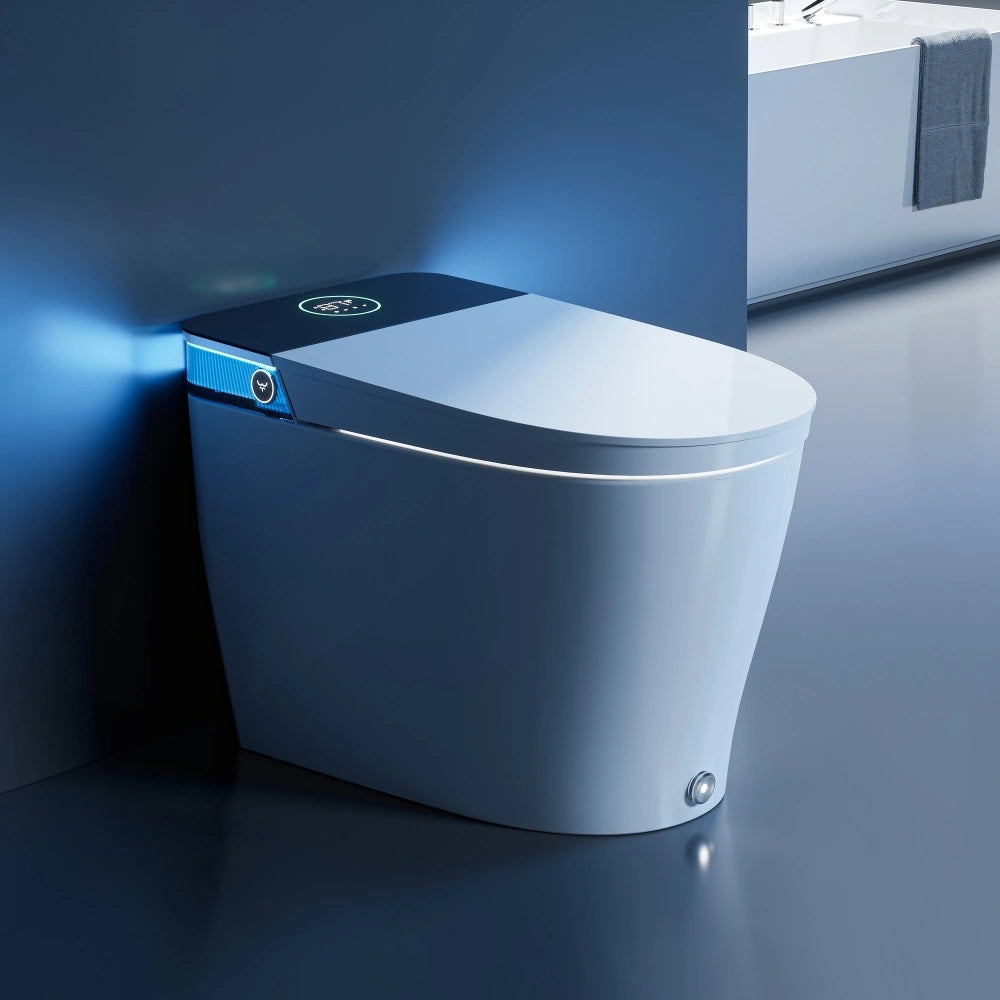
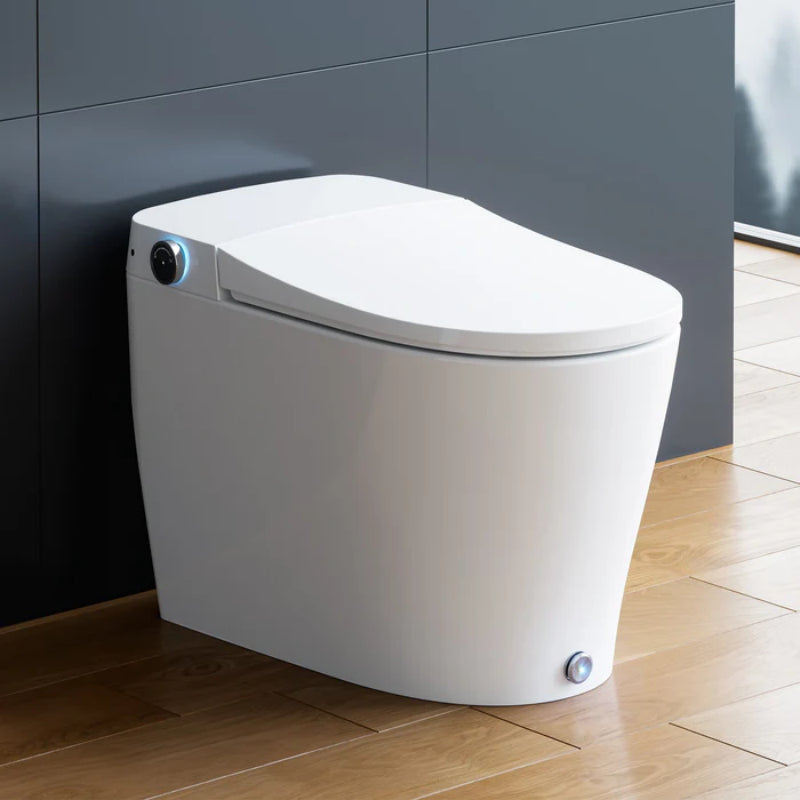

Most homeowners aren’t really shopping for a “flush system.” You’re shopping for fewer clogs, a cleaner bowl, less noise at night, and a toilet your guests won’t complain about.
The hard part is deciding between siphon jet vs tornado flush, each has clear trade-offs. One leans toward maximum waste removal reliability, while the other emphasizes bowl rinse coverage, water efficiency, and quieter operation.
Below is a decision-first guide to help you pick the right type of toilet flush system for your home (or rental), plus the mistakes that waste money.
Decision Snapshot: choose siphon jet, tornado flush, or an alternative?
When selecting a toilet, understanding common toilet flush systems often determines daily convenience, maintenance, and water efficiency. Understanding the trade-offs between siphon jet, tornado (cyclone), or alternative systems helps match performance to your household or commercial needs. The following snapshot breaks down key considerations so you can quickly see which option fits your priorities.
Choose siphon jet if…
You want maximum evacuation reliability and good value, especially in:
-
Busy households with frequent use (kids, guests, multi-bath homes)
-
Rentals where you want fewer “my toilet won’t flush” calls
-
Light commercial spaces where simple parts and predictable performance matter
A siphon flush system is a proven setup: it uses water from the tank, a rim wash, and a siphon effect (vacuum pull through the trapway) to move waste out.
Avoid siphon jet if… You have a very narrow drain, live in a household prone to heavy paper usage, or want minimal splashing noise. Siphon jets can struggle with clogged lines and may require more maintenance in high-use homes.
Choose tornado / cyclone / dual cyclone (double vortex) flush if…
You care most about:
-
Bowl cleanliness and hygiene (less skid mark risk, less brushing)
-
Quiet flushing (bedroom-adjacent baths, nighttime use)
-
Water efficiency without compromising everyday performance (often 1.28 GPF models)
A tornado flush system uses sideways-positioned jets around the top of the bowl (often two nozzles or jets) that spray water into the bowl and spin it like a tornado to scrub more of the surface.
Avoid tornado/cyclone if… You are extremely noise-sensitive or live in a home with very low water pressure. While tornado flushes excel at clearing waste, the swirling action can be louder and less effective under low-pressure conditions.
Choose an alternative if your situation breaks the assumptions
Pick a different flushing mechanism when you have:
-
Clog-prone drain lines or a long, picky plumbing run (pressure-assist can help)
-
Ultra-low water targets or special building requirements (vacuum/assisted)
-
True high-traffic commercial restrooms needing a flush valve (direct flush)
Visual decision chart: power vs cleanliness vs noise vs water use
| What you care about most | Usually the better pick | Why |
| “Gets it out” reliability under frequent use | Siphon jet | Strong siphonic pull through trapway; simple, proven mechanics |
| Cleaner bowl with less brushing | Tornado / cyclone / dual cyclone | Vortex rinse hits more bowl surface; better rim-area coverage |
| Quietest toilet flush mechanics | Tornado / cyclone | Often less “gulp” and less tank-to-bowl roar in normal installs |
| Lowest upfront cost | Siphon jet | Common design; wide price range |
| Lowest water use without habits changing | Tornado / cyclone | Many are designed around 1.28 GPF efficiency and good bowl rinse |
| Hard water / scale-prone home | Alternative / Pressure-assist | Siphon jets and tornado/cyclone are prone to scale buildup; pressure-assist or specialized coatings reduce maintenance |
| Heavy paper / heavy-load flushes | Tornado / cyclone | Strong swirling action handles dense loads efficiently; fewer double-flushes needed |
| Your drain line is the real problem | Alternative | No flush type fixes bad slope, roots, or undersized/aging lines |
If you’re stuck between the two, the fastest tie-breaker is this: If you hate brushing the bowl, lean tornado. If you fear clogs and want the simplest “just works” choice, lean siphon jet.

Siphon jet vs tornado flush: which trade-off actually decides it in real homes?
Choosing between a siphon jet and a tornado flush toilet isn’t just about specs on paper—it’s about how the system performs in your actual bathroom. The main trade-offs revolve around two factors most homeowners notice daily: how reliably the toilet removes waste, and how thoroughly it rinses the bowl. Understanding these differences up front helps you match a flush type to your household priorities, from quiet bedrooms to high-use family bathrooms.
Waste removal strength vs bowl-scrubbing coverage
When comparing siphon jet vs tornado flush, this is the core difference—waste removal strength versus bowl-scrubbing coverage—which explains the main real-world pros and cons.
Siphon jet (siphonic toilet):
-
The flush system uses water from the tank in two main paths:
-
Water is discharged from the rim (or around the rim) to rinse the bowl.
-
A jet pushes water into the bowl toward the trapway entrance to start the siphon.
-
-
Once the siphon effect starts, the bowl empties quickly because the vacuum seal is broken in a controlled way and the siphon “pulls” waste through.
-
In plain terms: it’s designed to move waste out very reliably.
You will notice this drawback more with siphon jet: bowl coverage may leave streaks in larger or deeper bowls.
Tornado / cyclone / vortex (including dual cyclone flushing system):
-
Instead of relying on lots of rim holes, the system uses one or two powerful jets positioned near the top of the bowl.
-
Those jets spray water into the bowl sideways, creating a cyclone or vortex that scrubs the bowl walls.
-
In plain terms: it’s designed to rinse the bowl better with less water, while still moving waste out.
You will notice this drawback more with tornado/cyclone: some light debris may swirl unevenly near the edges.
What I’ve seen in practice: If a household complains about “the bowl looks dirty even when it flushes,” tornado-style rinse usually addresses that. If they complain about “it flushes but doesn’t always take everything,” the fix is often a stronger siphon action, better trapway geometry, or sometimes an alternative like pressure-assist (because the drain line and usage patterns matter).

Quietest toilet flush mechanics vs “you’ll hear it” power
Noise is not just comfort. It’s also about when and where you flush.
-
In real homes, siphon jet vs tornado flush also differs in noise: siphon jet can be fairly quiet, but the “gulp” sound is noticeable compared to the smoother vortex of tornado flushes. You may hear a stronger draw at the end of the flush.
-
Tornado flush is often perceived as quieter because the water motion is more controlled, and many models reduce the chaotic rim spraying sound.
If you have:
-
A bathroom sharing a wall with a bedroom
-
A baby’s room nearby
-
A main-floor powder room near the living area
…then quieter flushing can become a top priority, and tornado/cyclone designs often feel more “polite” at night.
Pick for noise-sensitive homes: Siphon jet wins for quiet operation.
Water efficiency without compromising vs “just give me a strong flushing toilet”
A lot of people say they want a powerful flush, but what they mean is: “I don’t want double flushes.”
Double flushing kills both performance confidence and water-saving goals.
-
Considering siphon jet vs tornado flush, tornado toilets often outperform siphon jets in water efficiency while maintaining effective bowl cleaning at 1.28 GPF, which aligns with recommended efficiency standards for residential toilets, according to the EPA WaterSense program. That’s a common “high efficiency toilet” target.
-
Many siphonic toilets also come in efficient versions, but bowl rinse coverage can vary more because some rely heavily on rim flow patterns.
Reality check: Water savings are real, but they don’t always transform your bill. Toilets can be a big indoor water user, yet payback depends on your local rates and how many people live in the home. The better reason to value water efficiency is often this: modern efficient designs can flush well without needing extra water, which usually means better engineering, not just less volume.
Pick for households frustrated by double-flushing: Tornado flush is preferred for strong, complete waste removal.
Is tornado flush worth it if you hate brushing the bowl?
Often, yes.
If your main frustration is:
-
streaks after a flush
-
residue above the waterline
-
dirty rim zones
-
“why do I have to brush this so often?”
…a tornado flush system is known for better bowl rinse coverage because the vortex motion hits more surface area.
That said, bowl cleanliness isn’t only the flush type. It also depends on:
-
bowl coating (varies by model)
-
water hardness and mineral scale
-
how well the rim jets stay clear over time
-
how often the toilet sits unused (guest baths can grow rings faster)
So tornado helps, but it isn’t magic. It just shifts the odds in your favor.
When should you pick an alternative flush type instead of either?
Sometimes “siphon jet vs tornado flush” is the wrong question. If your toilet problems come from the building, not the bowl, choose a system that matches the situation.
Choose an alternative if…
-
Your home is extremely prone to hard water or scaling
-
You need ultra-quiet flushing for bedroom-adjacent bathrooms
-
You require high-pressure or specialized flush for heavy paper/loads
Washdown vs siphon jet
Washdown toilets push water into the bowl to force waste out without relying as much on a siphon vacuum. They’re common in some regions and in certain installations.
Choose washdown when:
-
you want a simple, fast clear
-
you prefer fewer internal siphon dynamics
-
you’re okay with the bowl showing streaks more often (because washdown can leave more visible marks depending on bowl shape and water spot)
Choose siphon jet when:
-
you want that extra siphonic pull to reduce “did it really go?” moments
-
your household generates larger loads and you want a strong, familiar flush type
High pressure flushing toilet (pressure-assist)
A pressure-assist system stores water under pressure in a sealed tank (inside the tank), then releases it fast. Think: more force, more noise, more “mechanical feel.”
Choose pressure-assist when:
-
clogs are unacceptable (busy household, frequent guests, light commercial)
-
you’ve already addressed basics (good wax seal, correct venting, no partial clogs in the line) and still need more push
-
you can tolerate the sound (it’s usually not the quietest)
Avoid pressure-assist when:
-
the bathroom is next to bedrooms
-
you want the simplest, cheapest long-term parts
-
you hate loud flushing
Default recommendation: Pressure-assist toilets are usually the go-to choice when you want both powerful waste removal and minimal maintenance, outperforming both siphon jet and tornado in challenging homes.
Vacuum / assisted flush
Vacuum or assisted systems use air/vacuum help to move waste with very low water. They can be impressive, but the trade-off is complexity.
Choose vacuum/assisted when:
-
water use is a hard requirement
-
you’re comfortable with more specialized parts and service needs
Avoid when:
-
you want easy DIY repairs anywhere, anytime
-
you’re in an area with limited service options
Direct flush / flush-valve
A flush-valve (direct flush) setup is common in true commercial spaces. It uses supply pressure, not a tank.
Choose direct flush when:
-
your restroom is high-traffic and designed for commercial maintenance
-
you need compatibility with commercial plumbing standards
Avoid in typical homes because:
-
it changes supply requirements
-
it can be loud
-
it’s not the standard maintenance model for residential bathrooms
Cost & value: where the money goes (and when it pays back)
When it comes to toilets, the price tag is only part of the story. True value comes from how the system performs over years of daily use—how much cleaning it saves, how reliably it flushes, and how efficiently it uses water. Comparing siphon jet and tornado/cyclone designs through this lens helps you see where your money actually goes and which features pay off in real homes.
Upfront price vs long-term value
In many stores and showrooms, you’ll see:
-
Siphon jet toilets with a wider range of low-to-mid pricing.
-
Tornado/cyclone toilets often priced a bit higher because the bowl and rim-jet design is more specialized.
But value isn’t just purchase price. It’s also:
-
how often you clean
-
how often you plunge
-
whether guests complain
-
whether the toilet still performs after years of mineral buildup
A practical way to think about it:
-
If your household is rough on toilets (kids, constant use), siphon jet often wins on “simple value for money.”
-
If you want a bathroom that stays looking clean with less effort, tornado often wins on “less cleaning + good water-saving features.”
Utility bills and water-saving math
If you’re deciding based on water use, keep it simple:
-
A typical modern target is 1.28 GPF.
-
Older toilets can be much higher (especially pre-1990s models).
Water savings matter more when:
-
you have a large household
-
you have one main bathroom that gets hammered all day
-
your local water/sewer rates are high
Water savings matter less when:
-
it’s a guest bath used occasionally
-
your water rates are low
-
your household is small
Also, be honest about behavior: if a system leads to frequent double flushes, your real-world water use goes up.
“Best flushing system for smart toilets” cost stacking
If you’re shopping smart toilets, the budget can get away from you because you’re stacking costs:
-
the toilet flushing mechanism (siphon, cyclone, pressure, etc.)
-
the bidet functions (wash, dry, deodorize)
-
the seat electronics (heater, sensors, night light)
-
installation needs (outlet location, shutoff access)
A common mistake: paying extra for extreme flush power and paying extra for advanced cleaning capabilities you don’t need.
If you’re getting a bidet, remember:
-
A bidet reduces how much paper goes into the trapway.
-
Less paper often means fewer clogs.
-
That can shift your “best” choice toward bowl-cleaning and quiet flushing, not maximum force.
Powerful siphon jet bidet: where to spend
If your plan is a powerful siphon jet bidet setup (a siphonic toilet paired with bidet features), decide what problem you’re actually solving:
Spend on flush power if:
-
your household produces heavy loads
-
plunging is a recurring issue
-
the toilet is used constantly and you need consistent evacuation
Spend on bowl rinse / tornado-style cleaning if:
-
the bowl looks dirty often
-
you hate brushing
-
you care about hygiene and appearance (especially in a main bathroom)
In short: don’t buy “more power” if your true annoyance is “why does this bowl look gross.”
Fit, space, and usage realities that push you one way or the other
Bathroom layout and real-world usage often dictate which flush system works best. Compact spaces, high-traffic routines, and drain line quirks can all influence whether a siphon jet, tornado/cyclone, or alternative design delivers the performance you actually need. Considering these practical factors first helps avoid surprises and ensures your choice fits both your space and lifestyle.
Small bathroom constraints
In compact bathrooms, people focus on rough-in and bowl projection (how far it sticks out). But flush design can matter too:
-
Tornado/cyclone jets are often side jets near the top of the bowl. In a tight space, you care less about the jets themselves and more about whether the bowl shape and water motion cause splash in your real use.
-
Siphonic bowls vary widely. Some have a larger water spot (helpful for reducing streaks), but that can mean different splash behavior.
If splash is a concern:
-
prioritize a bowl design that controls water movement
-
don’t assume “more powerful” means “more splash,” but don’t ignore it either
-
if possible, test-flush in a showroom (even without “real use,” you can see the water pattern)
High-traffic vs occasional use
Frequent use changes everything. Toilets experience performance issues differently when they’re used 30 times a day vs 3 times a day.
For high-traffic:
-
Siphon jet is a safe pick because it’s predictable and tolerant of user habits.
-
Pressure-assist becomes attractive when clogs are truly unacceptable.
-
Tornado/cyclone is also fine, but long-term depends on keeping the jets and rim zone clear of scale.
For occasional use (guest bath):
-
Tornado/cyclone can keep the bowl looking better with fewer cleanings.
-
Any system can develop rings if the water sits, especially with hard water.
Drain line and clog risk signals
This is where many homeowners get burned: they buy a “powerful flush” toilet, and it still clogs—because the toilet was never the main problem.
Signals your drain line may be the issue:
-
gurgling in nearby fixtures
-
slow drains elsewhere in the house
-
history of backups
-
a very old home with older pipe materials
-
long horizontal runs, multiple turns, or questionable slope
Also pay attention to the toilet design details that affect clogs:
-
trapway size and shape
-
glazed trapway (can help waste slide)
-
flush valve design and how fast it delivers water
A good flush system helps, but it can’t fix a partially blocked line.
What if I choose tornado flush with heavy-load flushes?
You can still be happy with tornado/cyclone if:
-
the toilet is well-designed for bulk removal, not just bowl rinse
-
you don’t rely on half-flush habits
-
your household doesn’t overload the bowl with extra paper
If your household regularly creates “heavy-load” flushes, you should:
-
avoid ultra-weak eco modes that force double flushing
-
look for a design known for strong flushing, not only swirling action
-
consider whether siphonic pull (or even pressure-assist) is the safer match
A tornado-style rinse is great, but your home still needs reliable evacuation through the trapway and into the drain.
Smart-toilet and control preferences: what changes once buttons, sensors, and bidets enter
Adding smart features, sensors, or bidets changes how you interact with a toilet—and what actually matters in daily use. Consistent flush performance, hygiene, noise levels, and water-saving modes become more visible once buttons, auto-flush, or advanced controls enter the picture. Understanding these real-world effects helps you choose a system that performs reliably for every household member.
Flush button vs auto-flush behavior
Smart toilets often replace a classic lever with a flush button, remote, or sensor.
What can go wrong in real homes:
-
Guests tap the button too lightly.
-
Kids walk away mid-cycle.
-
Someone assumes it auto-flushes when it doesn’t (or vice versa).
A forgiving system is one that:
-
delivers enough water quickly to start the siphon (for siphonic designs), or
-
maintains a consistent vortex rinse pattern and evacuation (for tornado designs)
If your household is full of “uncertain flushers,” prioritize a system with consistent performance on a normal full flush, not one that needs perfect timing.
Hygiene priorities with bidets
If you use a bidet, your toilet bowl may stay cleaner in one way (less paper), but you may care more about cleanliness in another way (overall hygiene expectations go up).
-
Tornado/cyclone helps keep the bowl surface cleaner with each flush.
-
Siphon jet can still be very clean, but depending on rim design, you may see more streak risk and brush a bit more often, which aligns with hygiene recommendations for maintaining low microbial exposure in bathrooms, according to the CDC.
If hygiene is your top priority, also think about:
-
how easily you can clean under the rim
-
whether the design reduces hidden splash zones
-
how hard-water scale will affect rim jets over time
Noise at night plus heated seats
If this is a primary bathroom used at night, the quietest toilet flush mechanics matter more than people expect.
A quieter flush system reduces:
-
waking a partner
-
feeling like the whole house heard it
-
the temptation to “hold it” (which no one wants)
Tornado/cyclone often has an edge here, while pressure-assist is usually the loudest. Siphon jet sits in the middle, depending on design and installation.
Dual-flush and eco modes
Dual flush can be helpful, but only if your household uses it correctly.
Common pattern:
-
People hit the small flush.
-
It doesn’t clear fully.
-
They hit the flush again.
-
You used more water than one correct full flush, plus you’re annoyed.
If you want water-saving, pick a toilet where the normal full flush works reliably and the reduced flush is still useful—not a “marketing flush” that forces a second try.
Maintenance, annoyance risks, and long-term ownership differences
Long-term, siphon jet vs tornado flush maintenance differs: siphon jets may require occasional siphon port descaling, while tornado systems need rim jets and nozzles kept clear for consistent bowl-scrubbing. Understanding where each design is prone to grime, which components need upkeep, and how easily issues can be fixed helps you plan for long-term performance. This perspective clarifies whether a siphon jet, tornado/cyclone, or alternative system will fit your household with the least hassle.

Rim jet and nozzle upkeep vs siphon pathway grime
Every flush type has a “where does it get gross over time?” area.
Tornado / dual cyclone:
-
Fewer rim holes, but it depends on nozzles/jets staying clear.
-
In hard-water areas, mineral scale can change the spray pattern.
-
If the jets clog, you lose that signature bowl-scrubbing coverage.
Siphon jet:
-
Rim holes and internal pathways can collect scale too.
-
If rim flow gets uneven, bowl rinse suffers (even if waste removal stays decent).
-
The siphon pathway and jet port can build up deposits over years, especially with hard water and certain cleaners.
If you have hard water:
-
plan on periodic descaling (follow the cleaner guidance for your toilet materials)
-
avoid harsh chemicals that can damage seals and parts
-
consider a whole-home water approach if scale affects many fixtures, not just the toilet
Parts and serviceability
For long-term performance, what matters is how quickly a plumber (or you) can fix common wear items:
-
fill valve
-
flapper or flush valve seal
-
flush valve assembly
-
button/sensor actuator on smart units
In general:
-
Traditional tank parts are widely understood.
-
More specialized smart toilet parts can be model-specific.
If you want the lowest “surprise repair” risk, favor systems with standard tank components and easy tank access.
Long-term performance expectations
Here’s a realistic way to set expectations:
-
Siphon jet: tends to keep doing the “main job” (evacuation) well. Bowl cleanliness depends more on rim performance and bowl design.
-
Tornado/cyclone: tends to keep the bowl looking better, but you should pay attention to jet performance over time, especially with hard water.
Neither is “maintenance-free.” The goal is fewer annoyances:
-
fewer clogs
-
fewer double flushes
-
fewer brush sessions
Which is easier to live with long term?
If your priority is low-maintenance hygiene, tornado/cyclone usually feels easier day-to-day because the bowl stays cleaner.
If your priority is low-drama reliability with frequent use and mixed user habits, siphon jet is often the safest bet.
And if your priority is “this must not clog,” especially in tricky plumbing, consider pressure-assist or another alternative—because sometimes the building dictates the choice.
Before You Buy checklist
-
Confirm your rough-in size and bathroom clearance (measure twice).
-
Think about who uses this toilet: kids, guests, tenants, or just you.
-
If clogs happen now, rule out drain-line issues before blaming the toilet.
-
When measuring siphon jet vs tornado flush performance, decide what matters more: bowl cleanliness (tornado/cyclone) or evacuation reliability (siphon jet).
-
If the bathroom is near bedrooms, put noise high on the list.
-
If you have hard water, plan for rim jet/nozzle cleaning over time.
-
If buying a smart toilet, confirm power outlet location and service access.
-
Avoid a dual-flush that causes frequent “double flush” habits.

FAQs
1. What is the difference between siphon jet and tornado flush?
The main difference is how they move water to clear the bowl. A siphon jet uses a single, strong stream of water that enters a small hole near the bottom, creating suction to pull waste down the trap. On the other hand, a tornado flush uses multiple angled jets around the bowl to create a swirling or vortex effect, which scrubs the bowl more evenly. So basically, siphon jet is more straightforward, while tornado flush is like giving your toilet a mini spin cycle every time you flush. Many people find the vortex action cleaner and more visually satisfying.
2. Which flush system is less likely to clog?
Generally, the tornado flush is less likely to clog. Because it uses multiple jets of water swirling around the bowl, it moves waste more efficiently and reduces the chance of anything getting stuck. Siphon jet works fine for normal use, but if you have heavier loads or softer paper, it can sometimes need a second flush. So if you’re worried about clogs, tornado flush is usually the safer bet.
3. Is tornado flush quieter than siphon jet?
Yes, usually tornado flush is quieter. The swirling jets are designed to be smooth and efficient, which cuts down on splash noise. A siphon jet can be a bit louder because it’s essentially shooting a concentrated stream at high speed, creating that classic “whoosh” sound. So if quiet bathroom moments are important, tornado flush might make your mornings a little more peaceful.
4. Do smart toilets use siphon or tornado flush?
Most smart toilets today use tornado flush systems, especially mid- to high-end models. The reason is simple: the vortex action cleans more efficiently and pairs well with other smart features like automatic bowl cleaning or water-saving modes. That said, some older or basic smart toilets may still use siphon jets, but tornado flush has become the standard in modern designs.
5. How much water does a tornado flush use?
A tornado flush is designed to be water-efficient. Most models use between 1.28 to 1.6 gallons (4.8–6 liters) per flush, depending on the toilet’s design and whether it’s a dual-flush model. Even with less water than older siphon jet toilets, the swirling jets make sure the bowl still gets a thorough clean, so you don’t sacrifice performance for efficiency.
References


Leave a comment
This site is protected by hCaptcha and the hCaptcha Privacy Policy and Terms of Service apply.