



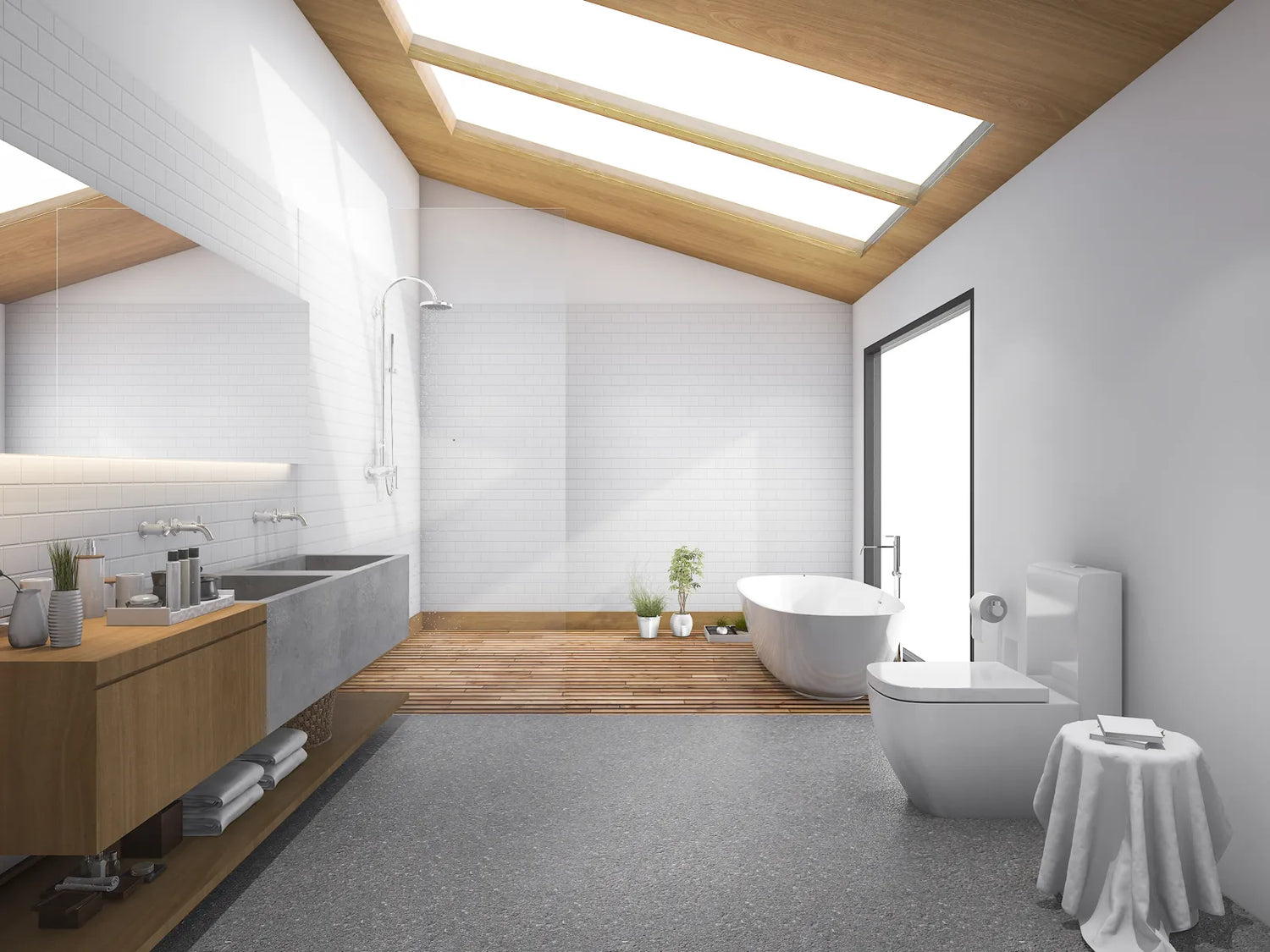
A self-cleaning smart toilet sounds simple on paper: a toilet that helps keep itself cleaner while adding bidet washing, hands-free use, and comfort features. In real homes, though, the buying decision is less about “smart” and more about fit, maintenance, and value.
Some buyers love them because they cut down on touch points, improve personal hygiene, and make shared bathrooms feel cleaner. Others regret the purchase because they underestimated the installation needs, long-term repairs, or how much manual cleaning still remains.
If you are trying to decide whether a self-cleaning smart toilet is right for your home, the key is to separate the features that matter every day from the ones that mostly look good on a spec sheet.
Self-Cleaning Smart Toilet: Decision Snapshot
3-Path Buyer Chooser
| Full Self-Cleaning Smart Toilet | Simpler Smart Toilet | Smart Bidet Seat | |
| Best for | Hygiene-focused households, shared bathrooms, buyers wanting fully integrated hands-free comfort, and those willing to invest in premium features. | Buyers wanting built-in bidet and comfort features without full automation, those seeking a middle ground on cost and complexity. | Budget-focused shoppers, those with existing toilets in good condition, low installation tolerance, and anyone wanting easy future replacement. |
| Skip if | You have a tight budget, low repair tolerance, or want minimal installation complexity. | You want the lowest possible spend, prefer ultra-simple repairs, or have very limited installation flexibility. | You want a fully integrated design, premium bowl self-cleaning, or a seamless built-in look. |
If you want the short version, here it is.
Best for hygiene-first households
A self-cleaning smart toilet makes the most sense for households that care a lot about hygiene, especially if several people use the same bathroom. A model with electrolyzed water cleaning, UV bidet nozzle sterilization, and a pre-mist bowl system can reduce the “ick factor” in daily use and cut down on how often the toilet looks dirty between cleanings.
It is also a strong fit if you already know you want bidet washing and hands-free use. In that case, paying more for self-cleaning features can make sense.
Not ideal for tight budgets
If price is your biggest concern, this is usually not the right category. The toilet itself is expensive, and the true cost often includes an outlet, a shutoff upgrade, installation labor, and possible service calls later.
For many homes, a simpler bidet seat gives you most of the hygiene and comfort benefits for much less money.
Better if you want hands-free comfort
If you care about an auto flush and hands-free lid, heated seat, warm water wash, deodorizer, and night light, a self-cleaning smart toilet is often worth considering. These features are not just luxury extras for some buyers. In a shared bathroom, they reduce touch points. For older adults, they can make daily use easier. For nighttime use, they are just more pleasant.
Rule of thumb: buy one if hygiene, comfort, and hands-free use matter more than low upfront cost and easy repairs. Skip it if you want the cheapest path or the simplest toilet to maintain.
Who Should Buy One
Understanding who benefits most from a self-cleaning smart toilet helps narrow down whether this upgrade aligns with your household’s daily needs and priorities.
Best for shared bathrooms
This is where a self-cleaning smart toilet often makes the most sense.
In a shared bathroom, people notice the small things: splash marks, odors, fingerprints on the lid, and the general sense that the toilet never feels fully clean for long. A self-cleaning smart toilet helps in a few ways:
-
nozzle rinsing before and after use
-
bowl pre-mist to reduce sticking
-
automatic flush after use
-
deodorizer during operation
-
less contact with lid and flush surfaces
That does not mean the toilet stays spotless by itself. It means it tends to stay cleaner between manual cleanings, which is the real benefit.
If your household includes kids, guests, or multiple adults using the same bathroom every day, that difference is noticeable.
Good fit for older adults
A self-cleaning smart toilet with heated seat and warm water wash can be very helpful for older adults or anyone with limited mobility. The biggest advantage is not really the “self-cleaning” label. It is the combination of:
-
less twisting and reaching
-
less dependence on toilet paper
-
easier nighttime use with a lighted bowl or night light
-
less need to touch the lid or flush handle
-
more comfort in cold weather
Discover how a self-cleaning smart toilet's including rear wash and feminine wash also gives households more flexibility because different users can adjust the wash type, water pressure, and temperature to what feels comfortable.
Useful for germ-conscious buyers
If you care a lot about reducing bathroom germs, this category is appealing for a reason. A self-cleaning smart toilet helps reduce bathroom germs mainly by lowering contact points and cleaning the wash system more often than most owners would do by hand.
This is where people ask: is a self-cleaning smart toilet worth it for hygiene? For many buyers, yes, but with realistic expectations. It improves hygiene. It does not create a sterile bathroom.
The most useful hygiene features are usually:
-
self-rinsing bidet nozzles
-
optional UV nozzle sterilization
-
electrolyzed water cleaning
-
bowl pre-mist
-
auto flush
-
antimicrobial seat materials

When to Skip It
Not every household or living situation is well-suited for a self-cleaning smart toilet.
Skip if price is the dealbreaker
This is the clearest reason to walk away.
A self-cleaning smart toilet is rarely a value buy if your main goal is just to replace an old toilet. You are paying for integrated electronics, sensors, washing systems, comfort features, and often a more specialized design.
If your budget is tight, it is usually smarter to choose either:
-
a good standard toilet plus a bidet attachment or seat, or
-
a smart bidet seat on a compatible existing toilet
That gets us to an important question: self-cleaning smart toilet vs smart bidet toilet differences. A full smart toilet is an integrated unit with built-in functions and usually a cleaner look. A smart bidet seat adds similar washing comfort to a regular toilet at lower cost, but it may not include the same bowl-cleaning, auto lid, or integrated design.
Avoid if you want simple repairs
Here’s what people often miss: the more features a toilet has, the more things there are to diagnose later.
Sensors, remote controls, lids, nozzles, heaters, and deodorizers can all need service. If your idea of a good toilet is “it should work for years with very little thought,” then a self-cleaning smart toilet may not fit your comfort level.
This is one of the most common problems to avoid when choosing a self-cleaning smart toilet: buying a high-tech model when what you really value is simplicity.
Not ideal for rental bathrooms
If this is a rental, temporary home, or bathroom you may remodel again soon, think twice.
These toilets usually make the most sense when:
-
you own the home
-
the bathroom layout is staying put
-
you are comfortable investing in electrical and plumbing updates
-
you expect to use the toilet long enough to justify the cost
For a rental situation, a removable bidet seat is often the safer choice.
Which Features Actually Matter
This is where many buyers get lost. Product pages throw a lot of terms at you, but only a few features really change daily ownership.
Bowl cleaning vs nozzle cleaning
A self-cleaning smart toilet can clean different parts of itself, and that matters.
Nozzle cleaning is the most common and arguably the most important. The bidet wand rinses itself before and after use, sometimes with treated water. This helps keep the part that contacts wash water cleaner over time.
Bowl cleaning usually means one or more of these:
-
pre-mist of the bowl before use
-
electrolyzed water spraying the bowl
-
special glazing or smoother ceramic finish
-
automatic flush patterns designed to rinse better
If you are deciding between the two, nozzle cleaning matters more for personal hygiene, while bowl-cleaning features matter more for appearance and reducing scrubbing.
Do UV and electrolyzed water matter?
In many homes, yes, but not equally.
A self-cleaning smart toilet with UV bidet nozzle sterilization uses ultraviolet light to help reduce bacteria on the nozzle area after use. It is mostly about the wash system, not the whole toilet. UV cleaning can be useful, but it is usually a secondary feature. It works best as an added layer, not as the main reason to buy a toilet.
A self-cleaning smart toilet with electrolyzed water cleaning tends to matter more in daily use. Electrolyzed water is water treated into a mild cleaning solution by the toilet itself. It can be used to rinse the bowl or nozzle and help reduce buildup and bacteria.
Buyers often ask, is electrolyzed water safe for toilets? In properly designed systems, yes. It is widely used as a mild cleaning approach and is not the same as pouring harsh chemicals into the toilet. The main point is that it helps the toilet clean with treated water rather than relying only on plain rinsing.
So what is the difference between UV and chemical cleaning? UV uses light to reduce microbes on exposed surfaces like the nozzle. Electrolyzed water uses treated water to wash surfaces. One is a light-based sanitation step. The other is an active rinse and cleaning step. If I had to choose one, I would put more value on electrolyzed water than UV for most households.
Heated seat or washed first?
If your budget forces trade-offs, prioritize the warm water wash before the heated seat.
A heated seat feels nice, especially in winter, but the wash function changes daily use more. A self-cleaning smart toilet with adjustable water pressure and temperature lets different users find a setting that actually feels comfortable. That matters more than many first-time buyers expect.
The best baseline setup for most homes is:
-
warm water wash
-
adjustable pressure
-
adjustable temperature
-
rear wash and feminine wash modes
A self-cleaning smart toilet with rear wash and feminine wash is usually worth it in a shared home because it serves different users better.
Auto lid and flush are worth it?
A self-cleaning smart toilet with auto flush and hands-free lid is useful, but it is not essential for every buyer.
It becomes worth it if you care about reducing touch points, if someone in the home has mobility issues, or if you simply want the bathroom to feel more automatic and less “handled.” In a powder room or guest bath, it can also help the room stay neater.
The downside is reliability. Sensors can misread movement. Some owners report premature flushing or lids opening at odd times. That does not happen with every model, but it is common enough that I would not buy a toilet only for those features.
A self-cleaning smart toilet with foot sensor and remote control can be a good middle ground. The foot sensor offers hands-free operation without relying only on motion sensing, and the remote gives better control than an app for most people.

What Will It Really Cost
Understanding the full financial commitment is essential before choosing a self-cleaning smart toilet.
Total price beyond the toilet
This category gets expensive fast.
-
Unit Price: Full self-cleaning smart toilets range from $800–$3,000; simpler smart toilets $400–$1,200; smart bidet seats $150–$800.
-
Installation Cost: Professional installation typically runs $200–$800, with total installed cost for a full unit landing between $1,000–$3,800 depending on electrical and plumbing upgrades.
-
Ongoing Upkeep: Annual electricity use costs $25–$75; typical repair or service calls range from $150–$400 per visit; regular maintenance includes filter replacements and parts upkeep.
The toilet itself is only part of the number. In many homes, you may also need:
-
a nearby electrical outlet
-
a dedicated or upgraded circuit in some cases
-
a plumber for supply line and shutoff work
-
possible flooring or wall repair after installation
-
professional setup for wall-hung units
So when buyers ask what to consider before buying a self-cleaning smart toilet, total installed cost should be near the top.
In real homes, the gap between “toilet price” and “ready to use” can be large.
Is it worth it for hygiene?
This depends on what you compare it to.
Compared with a standard toilet and toilet paper only, yes, many people feel it is worth it for hygiene because the bidet wash is cleaner, the self-cleaning nozzle system adds reassurance, and hands-free functions reduce contact.
Compared with a good smart bidet seat on an existing toilet, the answer is less obvious. The integrated smart toilet often looks better and adds better bowl-cleaning features, but the hygiene difference may not feel dramatic enough for every budget.
If hygiene is your main goal and money matters, start by asking yourself: would a quality bidet seat get me 80% of the benefit for much less?
Ongoing power and upkeep costs
These toilets do use electricity, especially if they have a water heater, seat heater, fan, sensors, and night light. In most homes, the energy cost is not huge, but it is not zero.
Upkeep is usually more important than power costs.
You may need to replace or maintain:
-
remote batteries
-
deodorizer filters
-
inlet filters
-
seat or nozzle parts over time
-
software or app settings on connected models
The key point is that self-cleaning does not mean maintenance-free.

Will It Fit Your Bathroom
Before diving into the details of bathroom layout and sizing, it’s critical to run through these non-negotiable fit checks to avoid installation headaches and ensure your smart toilet works seamlessly in your space.
Verify these exact constraints before buying:
-
Standard rough-in distance compatibility
-
Electrical outlet reach and location
-
Required side clearance for full operation
-
Adequate front clearance for use and cleaning
-
Bulky unit footprint risk in small bathrooms
Will this work in small bathrooms?
Sometimes yes, but this is one of the easiest ways to make a costly mistake.
Many self-cleaning smart toilets are bulkier than buyers expect. The body may be longer, taller, or wider than a standard toilet, and the lid often needs room to open fully. If your bathroom is narrow, or the vanity sits close to the toilet, the fit can get awkward fast.
This is especially true if you want the side clearance to feel comfortable and still have space to clean around the base.
If your bathroom is small, measure carefully before you shop. Do not assume “modern” means compact.
Check rough-in and outlet location
Before buying, confirm:
-
rough-in distance
-
water supply position
-
outlet location
-
side clearance
-
front clearance
The outlet matters more than many buyers think. If the cord must stretch awkwardly or cross an exposed area, the final install can look messy.
This is also where some full smart toilets become less appealing than bidet seats. A bidet seat can be more forgiving in existing bathrooms. A one-piece smart toilet often demands a more exact fit.
One-piece vs wall-hung trade-offs
A one-piece floor-mounted unit is usually easier for most homes. It gives you a clean look and simpler installation than a wall-hung system.
A wall-hung toilet can save floor space and make mopping easier. But the installation is much more involved, and service access can be less simple later depending on the setup.
For most homeowners, one-piece is the safer choice unless the bathroom is being fully rebuilt and you already planned for in-wall support and plumbing changes.

Installation and Daily Use Realities
Understanding how your smart toilet fits into daily life goes beyond features—it also means knowing what to expect during setup, power interruptions, and regular operation.
Professional install or DIY?
Some homeowners can handle basic toilet replacement. A self-cleaning smart toilet is often different.
If electricity is already in place and the plumbing lines match, an experienced DIYer may be able to install some models. But many buyers are better off with professional installation because these units combine plumbing, electrical needs, sealing, setup, and function testing.
This is one area where I have seen people get frustrated fast. The toilet may technically be installed, but the remote is not paired right, the auto flush does not trigger correctly, or the water settings are not dialed in. That turns a premium purchase into an annoying one.
What happens during power outages?
This is a smart question, and more buyers should ask it.
During a power outage, many smart functions stop working. Depending on the model, that may include:
-
heated seat
-
warm water wash
-
auto flush
-
lid automation
-
deodorizer
-
night light
Some toilets still allow basic manual flushing. Others have a manual backup flush option. Before you buy, check exactly what remains usable without power.
If your area loses power often, this matters more than people expect.
Remote, foot sensor, or app control?
For daily use, most households prefer a remote control over an app. It is faster, clearer, and easier for guests.
A foot sensor is useful if you want touch-free lid operation but do not want motion sensors guessing your intent. It can be one of the more practical upgrades.
Apps sound appealing, but in everyday use they can add friction. If you have to open your phone to perform basic toilet actions, that usually gets old fast.
Ownership Risks and Common Regrets
Understanding these key regrets upfront will help you set realistic expectations and avoid costly missteps with your smart toilet purchase.
Decision Filter: Top Common Regrets
-
Higher-than-expected total installed cost
-
Larger-than-expected physical size
-
Self-cleaning functions still requiring manual scrubbing
-
Sensor and repair frustrations
Problems buyers wish they knew
The most common regrets are predictable:
-
They spent more than expected after installation
-
The toilet was larger than expected
-
Self-cleaning reduced chores but did not replace cleaning
-
The sensor behavior was sometimes annoying
-
Repairs felt more specialized than a normal toilet
This is why the decision should start with your home and your tolerance for complexity, not with feature lists.
What still needs manual cleaning?
A lot, actually.
People often ask, do self-cleaning toilets really work? Yes, but only within limits.
They can rinse the nozzle, treat the bowl, reduce residue, and lower touch points. But you still need to manually clean:
-
the seat surface
-
lid exterior
-
bowl rim area
-
outer body
-
base and floor around the toilet
-
sensor areas if they collect dust
Another common question is, do I still need to scrub a self-cleaning toilet? Yes. Usually less often, and often with less effort, but yes.
Think of self-cleaning as “slower to get dirty” rather than “never needs cleaning.”
How reliable are sensors long term?
Usually decent, but not perfect.
Motion sensors, seat sensors, foot sensors, and auto flush systems can drift, misread movement, or become finicky over time. Dust, moisture, mineral buildup, and simple wear can all affect performance.
This does not mean you should avoid sensor features. It just means you should treat them as convenience features, not as the foundation of your buying decision.
Smart toilet vs bidet seat differences
This is one of the biggest fork-in-the-road decisions.
A full self-cleaning smart toilet gives you an all-in-one design, often better bowl-cleaning systems, a cleaner look, and more integrated hands-free features.
A smart bidet seat gives you many of the same personal-wash and comfort functions at lower cost, with easier replacement if something fails.
If your current toilet is in good shape and you mainly want warm wash, adjustable pressure, a heated seat, and nozzle self-rinse, a bidet seat often makes more financial sense.
If you want the full package — bowl pre-mist, integrated flush, hidden connections, deodorizer, night light, and a cleaner one-piece appearance — the full smart toilet is the better fit.
How the self-cleaning works in real life
People often want to know: how does a self-cleaning smart toilet stay clean? It usually relies on several small systems working together rather than one dramatic feature.
A typical routine may look like this:
Before use, the bowl gets lightly misted. If you have wondered how pre-mist bowl cleaning works on a self-cleaning smart toilet, the idea is simple: the water coats the bowl surface first, so waste is less likely to stick. That can reduce streaking and make the flush more effective.
During and after use, the bidet nozzle may rinse itself. Some models add UV treatment after use. Others use electrolyzed water to clean the nozzle or bowl with a treated rinse.
Then the auto flush clears the bowl, and a built-in fan may run as a deodorizer. If there is a night light, it also helps reduce fumbling for switches and touching surfaces at night.
None of these features alone make the toilet “self-maintaining.” Together, they do make the toilet easier to live with.
A self-cleaning smart toilet with antimicrobial toilet seat adds one more small advantage. Antimicrobial materials may help reduce bacterial growth on the seat surface, but they are not a replacement for cleaning. Think of that feature as a nice extra, not a reason to choose one model over another.
A self-cleaning smart toilet with built-in deodorizer and night light is often more useful than buyers expect, especially in primary bathrooms. The deodorizer helps the room feel fresher right away, and the night light becomes one of those features people start relying on after a week.
A self-cleaning smart toilet with dual flush water-saving feature can also be worth prioritizing for better efficiency, aligning with water conservation standards from EPA WaterSense. Some smart toilets use more water intelligently to keep the bowl cleaner, but a dual flush system can still help reduce waste when used properly.
So, which type should you choose?
For most homeowners, the decision comes down to three paths.
Choose a fully self-cleaning smart toilet if you want:
-
integrated design
-
strong hygiene features
-
hands-free lid and flush
-
warm wash, heated seat, deodorizer, night light
-
the cleanest overall look
Choose a simpler smart toilet if you want:
-
built-in wash and comfort features
-
fewer automation extras
-
lower cost and fewer sensors
Choose a smart bidet seat instead if you want:
-
the best value
-
easier installation
-
easier replacement later
-
most of the wash and comfort benefits without replacing the whole toilet
In short, the best buyer for a self-cleaning smart toilet is someone who wants less touching, better wash hygiene, and a more automated bathroom experience, and is willing to accept higher cost and a bit more complexity.
Before You Buy
Use this quick checklist before ordering:
-
Measure rough-in, side clearance, front clearance, and outlet location
-
Confirm whether your bathroom has the right electrical access
-
Decide if you want a fully smart toilet or a bidet seat
-
Prioritize wash quality before “wow” features
-
Check what self-cleaning actually covers: bowl, nozzle, or both
-
Ask what still works during a power outage
-
Budget for installation, filters, and future service
-
Make sure the size fits your bathroom, not just your wish list
FAQs
1. Do self-cleaning smart toilets really clean themselves?
A self-cleaning smart toilet automates key cleaning tasks such as pre-mist toilet bowl cleaning and electrolyzed water toilet cleaning to reduce buildup and staining. Many models, including those with Horow self-cleaning features, also rinse the bidet nozzle to maintain better hygiene between uses. While these functions cut down on manual work, they do not fully replace wiping the seat, lid, rim, and base of the fixture. Even with advanced systems, regular light cleaning remains necessary to keep the entire self-cleaning smart toilet looking and performing its best.
2. How does UV cleaning work on bidets?
UV sterilization bidet nozzle technology uses targeted light to reduce bacteria after each use on a self-cleaning smart toilet. This function supports the hygiene benefits of UV bidet sterilization by adding an extra layer of sanitation to the most critical washing component. It works alongside regular nozzle rinsing and does not replace other cleaning steps for the bowl or exterior surfaces. On many premium models, including those with Horow self-cleaning features, it enhances overall cleanliness without affecting daily operation.
3. Is electrolyzed water safe for toilets?
Electrolyzed water toilet cleaning is a safe, gentle cleaning method used in high-quality self-cleaning smart toilet designs. It breaks down residue and bacteria without harsh chemicals, protecting both the bowl and internal components from damage. This system works especially well when paired with pre-mist toilet bowl cleaning to prevent waste from sticking to ceramic surfaces. Unlike abrasive cleaners, it supports long-term durability and is compatible with antimicrobial toilet seats found in many modern smart toilets.
4. What is the main difference between a smart toilet and a bidet seat?
A self-cleaning smart toilet is a fully integrated unit that includes electrolyzed water toilet cleaning, pre-mist toilet bowl cleaning, and UV sterilization bidet nozzle in one streamlined design. A bidet seat attaches to a standard toilet and offers similar hygiene benefits but lacks the full built-in cleaning and design integration of a complete unit. Models with Horow self-cleaning features often provide more consistent bowl care and a more polished aesthetic than aftermarket bidet seats. For homeowners prioritizing complete hygiene and convenience, the full self-cleaning smart toilet remains the superior choice.
5. Best self-cleaning smart toilet brands?
Top brands for a reliable self-cleaning smart toilet include those known for advanced electrolyzed water toilet cleaning and durable UV sterilization bidet nozzle systems. Horow self-cleaning features stand out for combining pre-mist toilet bowl cleaning, antimicrobial toilet seats, and consistent hygiene performance in one package. Leading manufacturers also back their products with strong warranties for sensors, nozzles, and automated cleaning components. Choosing a reputable brand ensures long-term performance and access to support for your self-cleaning smart toilet.
6. How to keep a smart toilet clean longer?
Maintain your self-cleaning smart toilet by supporting built-in functions like pre-mist toilet bowl cleaning and electrolyzed water toilet cleaning with regular light wiping. Wipe down antimicrobial toilet seats, sensor areas, and the bidet nozzle to preserve the hygiene benefits of UV bidet sterilization over time. Avoid harsh cleaners that can damage ceramic glaze or interfere with UV sterilization bidet nozzle performance. Following simple care habits will maximize the effectiveness of Horow self-cleaning features and reduce deep cleaning frequency.
7. Do I still need to scrub a self-cleaning toilet?
Yes, you will still need to occasionally scrub a self-cleaning smart toilet, even with advanced electrolyzed water toilet cleaning and pre-mist toilet bowl cleaning. These automated systems slow staining and reduce grime but cannot fully clean the rim, base, or exterior of the unit. Antimicrobial toilet seats help minimize germs, but manual wiping remains necessary for a fully polished appearance. Scrubbing is far less frequent than with traditional toilets, thanks to the hygiene benefits of UV bidet sterilization and automatic cleaning cycles.
8. How does a self-cleaning smart toilet stay clean?
A self-cleaning smart toilet uses pre-mist toilet bowl cleaning to stop waste from sticking and electrolyzed water toilet cleaning to break down residue automatically. The UV sterilization bidet nozzle activates after each use, delivering the hygiene benefits of UV bidet sterilization for improved cleanliness. Many models, including those with Horow self-cleaning features, also include antimicrobial toilet seats to further reduce bacterial growth. Combined, these systems work continuously to keep the fixture cleaner longer with minimal manual effort.
References


Leave a comment
This site is protected by hCaptcha and the hCaptcha Privacy Policy and Terms of Service apply.