
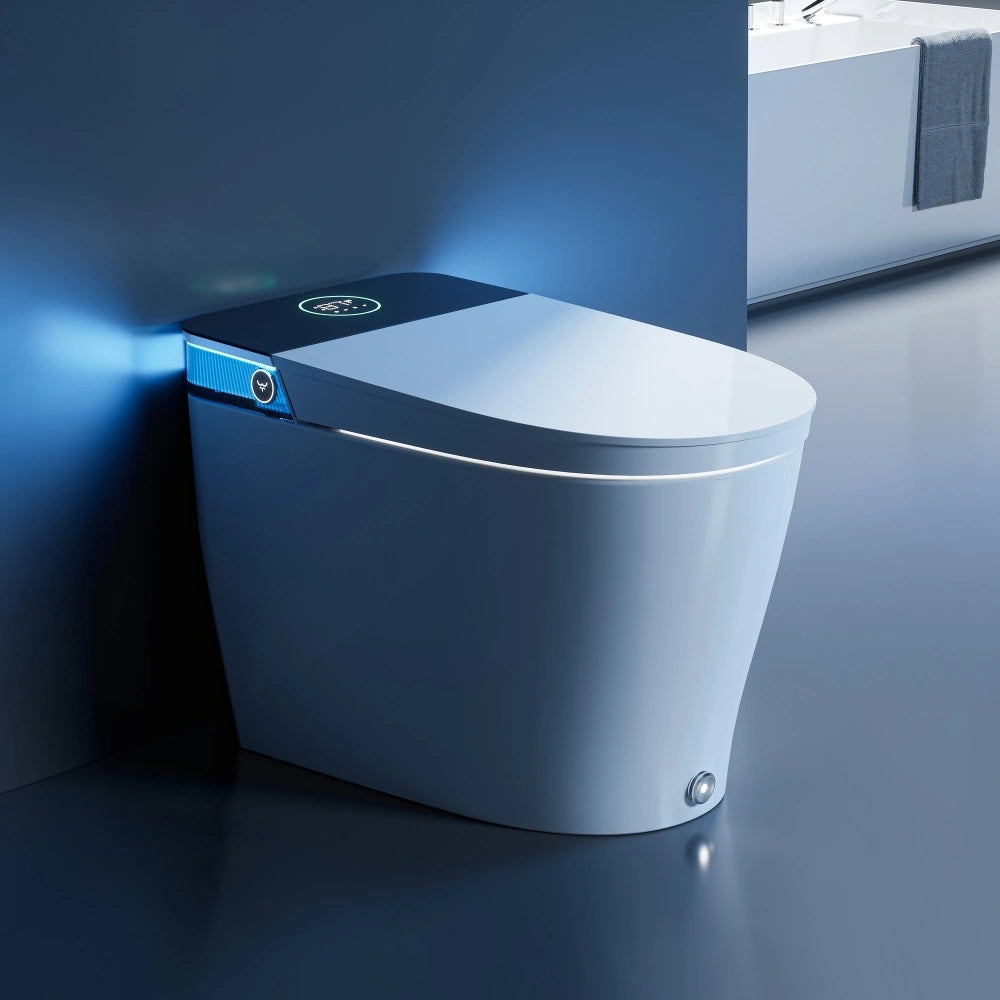
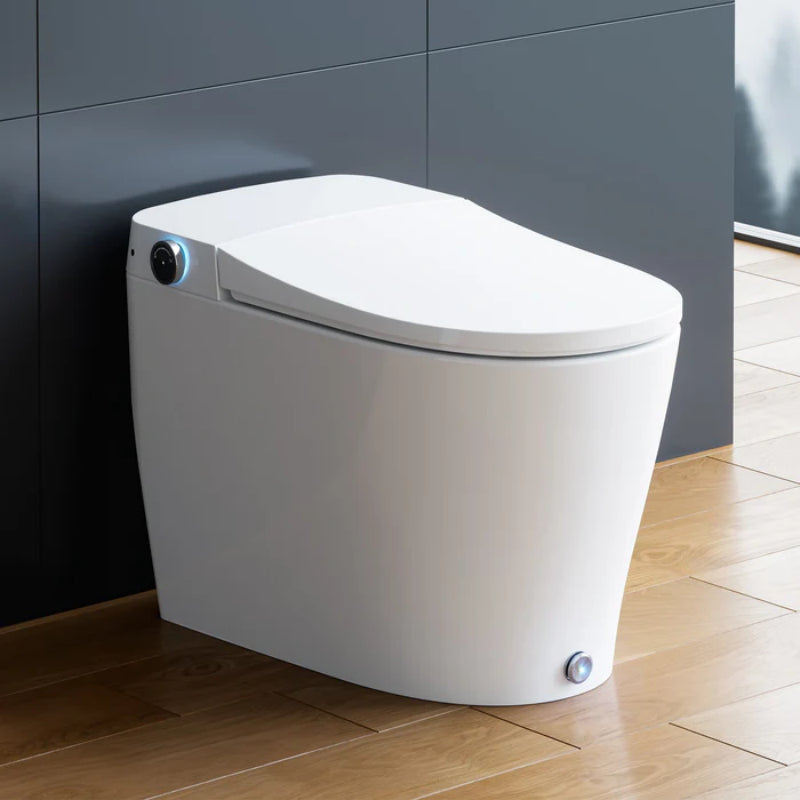

A “self-cleaning bidet toilet” sounds like the end of scrubbing your bathroom. In real homes, bidets are easy to use and make bathroom cleaning much simpler, giving a noticeable boost in hygiene and comfort—but only if you pick the right model for your space, plumbing, and household habits.
This guide is decision-first. You’ll leave knowing:
-
whether a self-cleaning bidet toilet is a good fit for you
-
which type to buy (attachment, bidet toilet seat, or integrated smart toilet)
-
which “self-cleaning” features matter, and which ones don’t
-
the common mistakes that lead to returns, leaks, and “we never use it” regret
Decision Snapshot: when a auto-clean bidet wins
Choosing the right bidet can feel tricky with so many options on the market. The following snapshot helps you quickly weigh the pros and cons of an auto-clean bidet, so you can see when it genuinely improves hygiene and comfort without adding extra hassle.
Buy if you want “cleaner than toilet paper” hygiene with minimal daily scrubbing
If your goal is to feel clean after every use without adding extra work, a bidet with automatic nozzle rinsing and easy-to-wipe surfaces is a real quality-of-life upgrade. According to clinical observations and hygiene experts, water-based cleaning can reduce residual fecal material and improve anal and genital hygiene compared with wiping alone. It won’t clean your whole bathroom, but it can reduce the gross parts: residue on the nozzle area, splashback grime under the seat, and “stuff that sticks” in the bowl (with the right bowl features).
Skip if your bathroom is tight on space or you can’t add a nearby outlet
Most electric bidet toilet seats and integrated smart toilets need power for the heated seat, warm water, dryer, deodorizer, and sensors. If your outlet situation is tricky (or you rent and can’t add one), you may be happier with a simple non-electric attachment.
Best for households that want heated seat + warm water comfort (especially in winter)
People underestimate how much warm water and a heated seat changes daily comfort until winter hits. If you’re buying electric anyway, those two features usually affect satisfaction more than extra wash modes.
Rule of thumb: try a bidet toilet seat first if you’re unsure you’ll use it daily
If you’re curious but not fully committed, the lowest-risk path is:
-
start with a basic attachment (cheapest) or
-
jump to an electric bidet toilet seat (best balance for most homes) …and only go to an integrated smart toilet once you know your household truly uses it.
That one rule prevents the most common regret: spending “smart toilet money” before you know it fits your habits and your bathroom.
How does the self-cleaning nozzle work?
The self-cleaning bidet nozzle is one of the key innovations that set smart toilets apart. This nozzle feature keeps itself clean before and after each use, lowering the risk of bacteria and unpleasant odors.
Mechanism of Operation
Most smart toilets use a combination of water pressure, specially designed nozzle shapes, and advanced materials to maintain cleanliness. Based on microbiological research, regular cleaning of surfaces that contact human waste and innovations that reduce biofilm or contamination can significantly improve sanitation outcomes. Before a user sits, the nozzle often performs a brief rinse with warm water, flushing away dust or debris that may have settled. After use, the nozzle sprays water for cleaning, often adjustable in pressure, angle, and temperature for a comfortable experience. Immediately after the cleansing cycle, the nozzle retracts and cleans itself again, often with an additional antimicrobial rinse or UV light exposure in higher-end models.
Material and Design Considerations
Nozzles are usually made from smooth, antimicrobial materials like coated stainless steel or high-grade plastic. The design often includes a retractable feature, so the nozzle is not exposed when idle, which prevents contamination. Some models feature dual nozzles for posterior and feminine cleaning, each with independent self-cleaning mechanisms.
Advanced Features
Modern self-cleaning nozzles may integrate extra technology such as:
-
UV sterilisation: Using ultraviolet light to kill germs on the nozzle surface.
-
Electrolysed water cleaning: Produces a gentle, disinfecting solution for enhanced hygiene.
-
Smart sensors: Detect usage and automatically adjust the nozzle’s cleaning cycle, water temperature, and spray intensity.
Benefits
This system not only keeps the nozzle hygienic but also improves the overall bathroom experience. Users benefit from a consistently clean nozzle without manual intervention, which reduces maintenance effort and helps maintain a sanitary environment, particularly in households with multiple users.
Practical Tip
Even with a self-cleaning nozzle, it’s a good idea to clean it manually every now and then. Using the wrong cleaner or method could damage the nozzle, so follow the instructions closely.

Is a self cleaning bidet toilet right for you?
A self-cleaning bidet isn’t just a luxury. It’s a practical upgrade for anyone who wants better hygiene, gentler cleaning, and a fresher feeling after every use. The sections below help you decide whether the benefits outweigh the extra care it still requires.
You’ll love it if you prioritize hygiene, irritation reduction, and a “fresh” feeling after every use
In practice, bidets shine for people who:
-
don’t feel fully clean with toilet paper alone
-
get irritation from heavy wiping (sensitive skin, hemorrhoids, postpartum recovery)
-
want better day-to-day bathroom hygiene for the household
-
simply like the “fresh” feeling and consistency of a rinse
A bidet doesn’t have to be intense. The best setups let you dial in pressure and aim so it feels gentle, not aggressive.
You’ll regret it if you expect maintenance-free ownership (self-cleaning ≠ no wiping)
This is the most important mindset shift:
“Self-cleaning” usually means the nozzle rinses itself. It does not mean the toilet never needs manual cleaning.
You will still:
-
clean the bowl like any toilet (though some features reduce how often you need to scrub)
-
wipe the underside of the seat and hinges (this area can collect splash and dust)
-
occasionally wipe the nozzle area, depending on design and your water quality
If you want zero maintenance, nothing in the toilet world truly delivers that.
Is it worth it if you still use toilet paper to pat dry?
Yes—most people still use some toilet paper (or a small towel) to pat dry. That’s normal.
What changes is how you use paper:
-
less wiping, more patting
-
often less paper overall
-
less irritation because you’re not grinding paper against skin
If your goal is to eliminate toilet paper completely, you’ll need a dryer you actually like—and most built-in dryers are more “good enough” than “salon blowout.”
Who benefits most: seniors, postpartum users, mobility-limited users, and “bathroom upgrade” homeowners
A bidet can be more than comfort. For seniors or anyone with limited mobility, reducing twisting and wiping can make bathroom use easier and more dignified. Postpartum households often appreciate gentler cleaning. And for homeowners planning a long-term bathroom upgrade, an integrated system can be a daily-use feature that feels worth it.

Key factors for choosing a bidet: hygiene, comfort, and practicality
Choosing a bidet is about balancing hygiene, comfort, and ease of use. The points below break down which features truly affect satisfaction—and which can feel impressive in theory but add complexity without much payoff.
Cleaning performance first: water pressure/angle matters more than extra modes
The single biggest difference between “we love it” and “we never use it” is whether it cleans well for your body at your preferred settings.
Look for:
-
adjustable water pressure (with a low setting that’s truly gentle)
-
adjustable nozzle position (so you can aim, not just blast)
-
a spray that feels consistent, not spitty or uneven
-
a nozzle that stays steady (less wobble = better aim)
Extra wash modes (pulse, oscillation, “massage”) are fine, but they don’t fix poor aim or weak rinse.
Comfort upgrades: heated seat, warm water (tanked vs tankless), and air-dry realities
If you’re going electric, comfort features are often the point.
Heated seat:
-
Makes a bigger difference than people expect, especially at night or in winter.
-
Also helps kids and guests stick with the bidet because the experience feels “normal,” not chilly.
Warm water:
-
Tank-style heating: stores warm water in a small internal tank. It can run cool if someone uses it for a long time. Usually cheaper.
-
Tankless (instant) heating: heats as it goes. More consistent for longer rinses, often costs more and can require more electrical power.
Air dryer:
-
Useful, but usually slower than people want.
-
Many households still pat dry, which is fine. Consider the dryer a bonus, not the reason you buy.
Convenience vs annoyance: motion sensors, auto lid/flush, and small-space misfires
Touchless features sound great until you put them in a tight bathroom.
Common real-world issues:
-
the lid opens when you walk past the door
-
the lid bumps a wall or vanity if clearance is tight
-
auto-flush triggers at the wrong time (or not at all)
-
guests get confused by too many automatic behaviors
If your bathroom is compact, prioritize a simple, reliable wash over lots of sensor-based automation. Convenience features are only convenient when they behave.
Do self-cleaning nozzles really stay sanitary, or do you still have to wipe the nozzle?
Most “self-cleaning” systems do some version of this:
-
rinse the nozzle with clean water before use
-
rinse again after use
-
sometimes retract behind a shield when not in use
That helps. But it doesn’t mean the nozzle area is magically sterile forever.
In a shared household, you should assume:
-
you’ll still wipe accessible surfaces periodically (with the right cleaner—more on that later)
-
you’ll want a nozzle that’s easy to access for occasional manual cleaning
-
hard water can cause mineral buildup that water-rinsing alone won’t remove
So yes, self-cleaning nozzles improve hygiene and reduce “ick.” They just don’t remove the need for basic maintenance.

What hygienic toilet really costs
The price difference between an attachment and a full integrated smart toilet can be massive. What surprises many homeowners is that the purchase price is only part of the story—filters, power use, and small replacement parts add up.
Price tiers: attachment vs bidet toilet seat vs integrated smart toilet
Typical ranges (broad, because features vary a lot):
-
Non-electric attachment (manual controls): lowest cost
-
Electric bidet toilet seat: mid-range
-
Integrated smart toilet (whole toilet + bidet): highest cost
If you’re unsure, spending less upfront reduces regret risk. If you already know you want heated seat + warm water, an electric seat is usually the value sweet spot.
Running costs: electricity for heating, water use, and what “savings on TP” looks like in practice
-
Water use for a bidet wash is usually small compared to a toilet flush.
-
Electricity use depends heavily on whether you keep the seat heated all day, use instant water heating, and run a dryer or deodorizer often.
-
Toilet paper savings are real for many households, but most still use some paper.
The honest expectation: you may reduce toilet paper a lot, but you probably won’t drop it to zero.
Replacements & consumables: filters, deodorizer cartridges, remote batteries, and wear items
Depending on model type, you may deal with:
-
water filters (if included/required)
-
deodorizer cartridges (if used)
-
remote batteries
-
bumpers, seals, or hoses over time
Integrated smart toilets can also mean higher-cost proprietary parts. Seats and attachments often have simpler replacement needs.
Visual: 3-year cost calculator table (low/mid/luxury) with assumptions
Below is a simple way to think about 3-year ownership. These are example ranges, not promises.
Assumptions (edit for your home):
-
Household: 2–4 people
-
Electric rate: average residential rate in your area
-
Bidet used daily
-
Some toilet paper savings (not zero TP)
-
Filters/cartridges only if your model uses them
| Tier | Typical Type | Upfront Cost | 3-Year Consumables/Parts | 3-Year Electricity | Likely TP Savings | 3-Year Total (net) |
| Low | Manual attachment | $30–$120 | $0–$30 | $0 | -$50 to -$200 | -$20 to $200 |
| Mid | Electric bidet toilet seat | $250–$800 | $0–$200 | $30–$150 | -$100 to -$300 | $180 to $850 |
| High | Integrated smart toilet | $1,500–$6,000+ | $50–$500 | $50–$250 | -$100 to -$300 | $1,500 to $6,450+ |
How to use this table:
-
If budget is tight or you rent: start low.
-
If comfort matters and you want “set it and forget it” daily use: mid is often the best balance.
-
If you’re remodeling and want seamless design + touchless features: high can make sense, but measure carefully and plan for service/parts.
Will it fit your bathroom and your toilet
Most returns happen because of fit, not because the bidet “doesn’t work.”
Will this work in a small bathroom?
Here’s what I’ve seen in small bathrooms: a unit can technically fit the bowl, but the lid hits the wall, the user feels cramped, or the sensor triggers constantly.
Common space conflicts:
-
toilet is close to the tub or vanity
-
door swings too close to the front of the toilet
-
the tank is tight to the wall, limiting seat mounting
-
a bidet seat adds length and changes how you sit
If your bathroom is tight, prioritize:
-
a seat with a compact profile
-
manual controls (less sensor drama)
-
a lid that can open without hitting the wall

Toilet compatibility: round vs elongated, bolt spacing, skirted toilets, and seat mounting quirks
Before you buy, confirm these:
-
Bowl shape: round vs elongated
-
Bolt spacing: most are standard, but measure to avoid surprises
-
Skirted toilets: some seats and attachments don’t mount well on fully skirted designs
-
Seat mounting area: some toilets have unusual curves that interfere with brackets
-
Lid/seat behavior: some smart seats don’t allow sitting on the lid (a common household habit)
If you’re unsure, measure and compare to the model’s spec sheet. “It fits most toilets” is not the same as “it fits yours.”
Power and plumbing reality check: outlet distance, GFCI needs, shutoff valve access, hose routing
For electric bidets and smart toilets:
-
Outlet distance: many cords are short. If the outlet is across the room, you may need an electrician.
-
GFCI protection: bathrooms typically require GFCI protection. If your outlet isn’t protected, fix that first.
-
Shutoff valve access: you need to reach it easily in case of leaks or maintenance.
-
Hose routing: the hose must run without kinks or being crushed by the toilet.
If you’re not comfortable with plumbing connections, paying a plumber for a clean install is often cheaper than dealing with leaks and floor damage later.
Measurement checklist + “minimum clearance” list
Quick measurement checklist (bring a tape measure):
-
Bowl shape: round or elongated
-
Bolt spacing (center-to-center)
-
Distance from bolt holes to front of bowl
-
Clearance from toilet tank to wall (and any shelf behind it)
-
Side clearance to vanity/tub (both sides if tight)
-
Front clearance (knee room and door swing)
-
Outlet location and distance to the toilet (and cord path)
-
Shutoff valve location (reachable without removing the toilet?)
A simple top-down clearance idea can be visualised like this:
-
Wall: check the swing of the lid to ensure it doesn’t hit the wall.
-
Toilet Tank: sits behind the bowl; note that the bidet seat may extend slightly over the tank area.
-
Seat Area: the bidet seat adds extra bulk at the back, which can affect lid movement and comfort.
-
Front Clearance: measure the space to the door or vanity to make sure there’s enough room to open the seat and move comfortably.
-
Side Clearance: ensure there is adequate space on both sides for access and operation.
Minimum clearances vary, but the point is this: a bidet seat often adds bulk at the back and changes how the lid moves. Measure for movement, not just “does it sit on the bowl.”
What to choose: integrated smart toilet vs bidet toilet seat vs attachment
This is the core decision. Don’t start with features. Start with commitment level, power availability, and how much you want to change your bathroom.
Lowest-risk trial: attachment for first-timers who want simple DIY and low commitment
Choose an attachment if:
-
you want the lowest cost entry
-
you’re okay with room-temperature water
-
you don’t want electrical work
-
you want something you can remove easily (renters often do this)
Trade-offs:
-
no heated seat
-
no warm water unless you choose a hot-water hookup (which adds plumbing complexity)
-
less refined aiming and comfort compared to better seats
Attachments are often the best “proof it” step: you learn whether your household will actually use a bidet daily.
Sweet spot for most buyers: electric bidet toilet seat with heated seat + adjustable spray
For many homeowners, this is the best balance of:
-
daily comfort (heated seat, warm wash)
-
real cleaning performance (pressure + aim controls)
-
cost (far less than a full smart toilet)
-
simpler installation than replacing the entire toilet
If you want self-cleaning features, this category usually gives you:
-
automatic nozzle rinse before/after
-
self-cleaning nozzle cycles
-
sometimes UV light for nozzle or bowl area (varies by model)
This is also the category where you want to be picky about fit and cleaning access, because you’ll be living with it every day.
Full upgrade: integrated smart toilet for seamless design, pre-mist bowl, and touchless features
Choose an integrated smart toilet if:
-
you’re remodeling or replacing the toilet anyway
-
you want the cleanest look (no add-on seat appearance)
-
you want touchless lid/flush or advanced bowl features
-
you’re okay paying more for a more complex product
Real trade-offs:
-
harder installation (often professional)
-
repairs can be more involved than swapping a seat
-
fit matters more (bigger footprint is common)
If you go this route, prioritize a design that reduces grime traps and makes routine wipe-down easy.
What happens if the power goes out—can you still flush and use basic functions?
Ask this before you buy.
-
Attachments: no power needed.
-
Electric bidet seats: you can still flush your toilet normally, but bidet functions usually stop. Some seats keep a basic manual release or mechanical seat movement; many don’t.
-
Integrated smart toilets: flushing may or may not work without power, depending on design. This is a “read the manual before purchase” item.
If outages happen where you live, avoid relying on automation as your only flush method.
Which “self-cleaning” features actually matter (and what’s mostly marketing)
“Self-cleaning” can mean several different things. Some are useful. Some sound impressive but don’t change day-to-day ownership.
Self-cleaning nozzle vs manual cleaning: what each system does before/after use
Most systems fall into three buckets:
-
Rinse-only self-cleaning nozzle
-
Nozzle rinses itself with water before and/or after use.
-
Helps reduce residue.
-
Still benefits from occasional manual wipe-down.
-
Retracting nozzle + rinse
-
Nozzle stays behind a shield when not in use.
-
Often feels more hygienic because it’s not exposed all the time.
-
Dedicated nozzle-clean cycle
-
Runs a longer wash cycle (sometimes started by a button).
-
Good for shared households or periodic maintenance.
What this does not mean: it doesn’t scrub the nozzle like a human hand can, and it won’t remove mineral scale if you have hard water buildup.
UV sterilization toilet features: when UV light helps and when it won’t replace cleaning
Some models include UV light (often described as UV sterilization). Here’s the practical view:
-
UV can reduce microbes on surfaces the light actually reaches and for the right exposure time.
-
UV does not remove physical grime, mineral deposits, or “gunk.”
-
UV effectiveness depends on design—shadowed areas don’t get treated well.
So, is UV a nice extra? It can be. But it should not be your main hygiene plan.
If you like the idea of UV, treat it as a layer of protection—not permission to stop cleaning.

Pre-mist bowl and smooth designs: the anti-buildup features that reduce scrubbing
If your goal is a more hygienic toilet with less scrubbing, some of the best features are not flashy:
-
Pre-mist / pre-wet bowl: sprays water into the bowl before use so waste is less likely to stick.
-
Smooth, easy-wipe shapes: fewer seams and crevices around hinges and mounting points.
-
Quick-release seat (on some setups): makes deep cleaning easier.
These features don’t “clean the toilet for you,” but they do reduce buildup. Over months, that’s what changes how much you scrub.
Is UV sterilization worth it if you already clean regularly with soap and water?
Often, the better value is:
-
a nozzle that rinses before/after use
-
a design that’s easy to wipe
-
a bowl feature that reduces sticking
If you already do routine cleaning, UV may not change your life. But if your household shares one toilet, or you want extra peace of mind around nozzle hygiene, it can be a reasonable add-on—just don’t overpay for it at the expense of basics like fit and wash performance.
Maintenance, risks, and long-term ownership (keep it hygienic without damage)
A self-cleaning bidet toilet can make hygiene easier, but only if you maintain it in a way that doesn’t damage the nozzle, seat, or seals.
Your realistic cleaning routine: underside wipes, bowl cleaning, and preventing grime traps
Here’s a routine that works in real homes without becoming a hobby:
-
Weekly (or as needed):
-
wipe the seat top and underside with a damp cloth and mild cleaner
-
wipe the hinge area (this is where grime hides)
-
clean the bowl like normal
-
-
Monthly (or as needed):
-
run any longer nozzle cleaning cycle your unit offers
-
inspect around hose connections for moisture
-
check the nozzle area for mineral buildup
-
-
Seasonally:
-
deep clean around mounting brackets
-
if you have hard water, check for scale and address early
-
The key point is consistency. Ten quick wipes prevent the “why is this so gross?” deep-clean marathon.
Chemical do’s/don’ts: bleach, harsh chemicals, solvents, and what could damage the nozzle/seat
This is where people accidentally ruin expensive parts.
General safety rules (always follow your manual first):
-
Don't use harsh chemicals on plastic and rubber parts (nozzle tips, seals, seat surfaces). Some products can cause cracking, clouding, or premature seal failure.
-
Don’t use abrasive pads that scratch surfaces. Scratches become grime magnets.
-
If you use a disinfectant, use it the way the label says (including contact time), and keep it off parts the manufacturer warns about.
A safe default approach for many seats:
-
soap and water on a damp cloth for routine wipe-down
-
targeted disinfectant use only where appropriate and allowed by the product instructions
If you’re tempted to use bleach often: stop and check the manual. Bleach is useful in bathrooms, but it can also damage certain plastics and finishes, and it’s easy to overuse.
Hygiene risk management: shared households, guests, and how to keep your bidet sanitary
People worry about sharing a bidet more than they need to.
Practical ways to keep it hygienic:
-
pick a unit with pre/post nozzle rinse
-
use the longer nozzle-clean cycle occasionally
-
wipe the seat and hinge area regularly (this matters more than obsessing over the nozzle)
-
keep a small spray bottle of mild cleaner and a cloth nearby so it’s easy
For guests, the biggest “risk” is confusion, not germs. A simple label card inside the vanity—“Press Wash, adjust pressure, pat dry”—can prevent panic pressing.
Return-proofing checklist: warranty length, parts availability, brand support, and common dealbreakers to test early
You can avoid most regret by testing a few things during the return window:
-
Does the spray reach the right spot without awkward shifting?
-
Is the lowest pressure still too strong?
-
Does the seat feel stable, or does it wobble?
-
Is cleaning the underside annoyingly hard?
-
Do sensors misfire in your bathroom layout?
-
Is the cord long enough without creating a tripping path?
-
Any slow leaks at the valve or T-connection?
Also, don’t ignore support basics:
-
reasonable warranty terms
-
clear access to replacement parts (hoses, remotes, filters if used)
-
readable manual and safety guidance
These are not exciting features, but they matter more after month six than almost anything else.

Before You Buy: quick checklist
-
Measure bowl shape (round vs elongated) and bolt spacing.
-
Confirm you have a nearby GFCI-protected outlet (or a plan to add one).
-
Check clearance for lid swing and knee room—especially in small bathrooms.
-
Decide your “must-haves”: aim/pressure adjustability, heated seat, warm water.
-
Read the cleaning instructions: make sure you’re okay with the routine and chemical limits.
-
Check shutoff valve access and plan hose routing (no kinks, no pinches).
-
During the return window, test for: comfort at lowest pressure, stable mounting, and any leaks.
FAQs
1. How does a self-cleaning bidet toilet actually work?
A self cleaning bidet toilet works by automatically rinsing the nozzle before and/or after each use, keeping it hygienic without any extra effort. Some models, often called an auto-clean bidet, also run a longer cleaning cycle periodically to ensure thorough sanitation. High-end versions may feature a UV sterilization toilet function, which uses ultraviolet light to kill bacteria and further enhance hygiene. Even with these features, it’s still a good idea to wipe the seat and bowl occasionally to maintain a truly hygienic toilet environment.
2. Does it use chemicals or UV light?
Most self cleaning bidet toilets rely on water alone for nozzle cleaning, so you don’t need daily chemicals. Certain models incorporate UV sterilization, adding an extra layer of safety without harsh cleaners. Manual chemical cleaning is only recommended for deep cleans or stubborn limescale, and you should always follow the manufacturer’s instructions carefully to avoid damaging your auto-clean bidet.
3. How often should the self-clean cycle run?
If your auto-clean bidet rinses before and after every use, this happens automatically. Longer cleaning cycles, if your model offers them, are usually run weekly or monthly, especially in busy households, or whenever you notice buildup. The user manual usually provides the safest schedule to keep your self cleaning bidet toilet operating efficiently.
4. Does it clean the bowl or just the nozzle?
Most self-cleaning features focus on the nozzle, not the toilet bowl. Some UV sterilization toilets offer bowl-related functions, like pre-misting the surface to reduce sticking, which helps make regular scrubbing easier. However, it doesn’t replace manual cleaning completely—you still need to brush the bowl occasionally to maintain a fully hygienic toilet.
5. Is a self-cleaning bidet toilet really maintenance-free?
Not entirely. While a self cleaning bidet toilet makes cleaning easier and more convenient, it’s not completely hands-off. You’ll still need to wipe down the seat, hinges, and bowl periodically. Think of it as “lower maintenance” rather than “no maintenance”—these features mainly help you keep a more hygienic toilet with less effort.
References


Leave a comment
This site is protected by hCaptcha and the hCaptcha Privacy Policy and Terms of Service apply.