
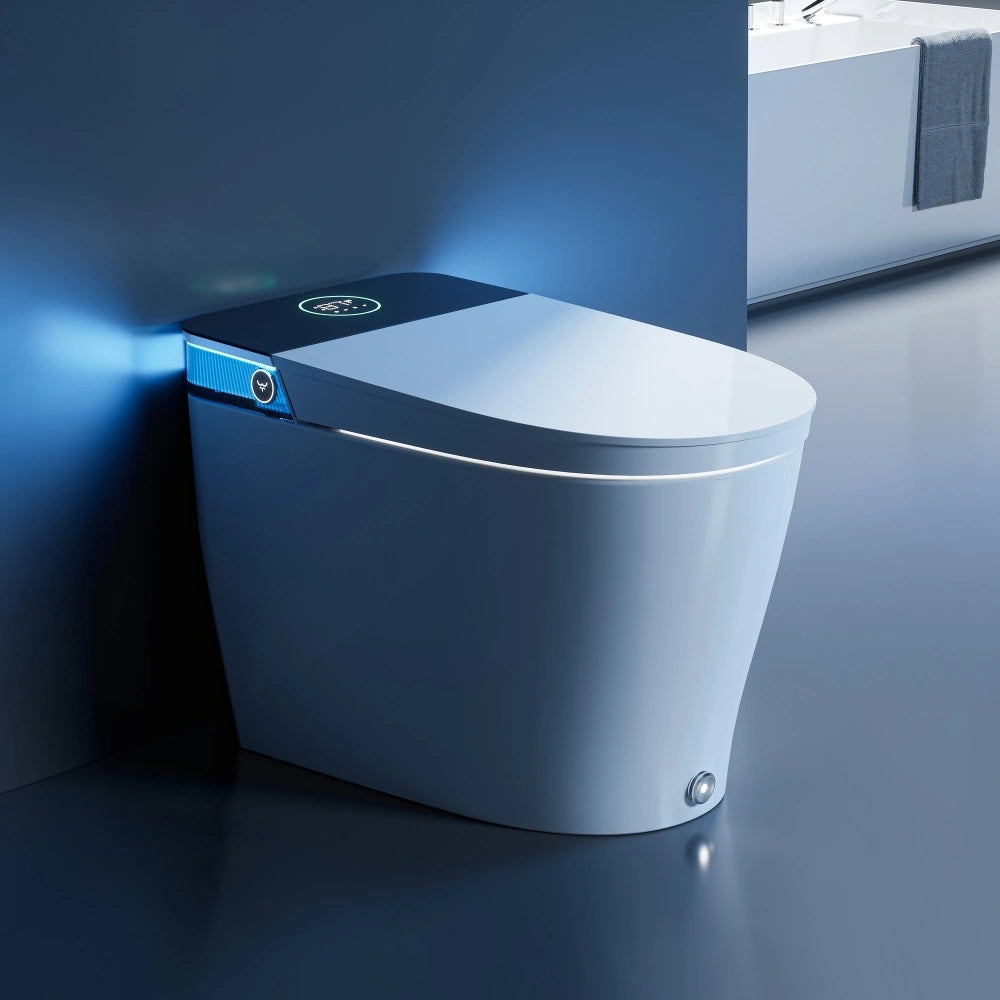
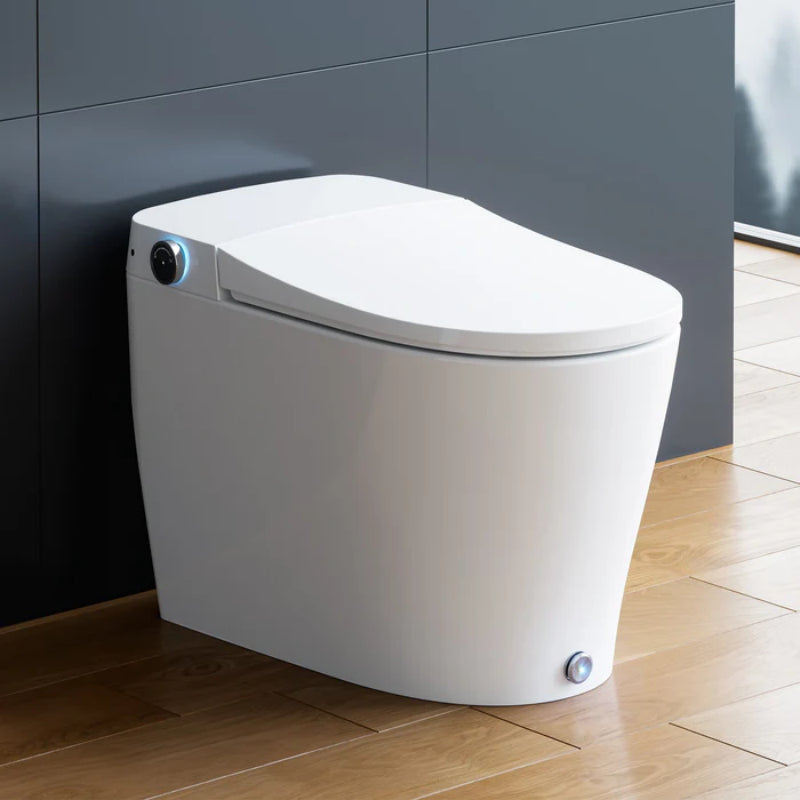

Sanitizing a smart toilet water system sounds like an easy “yes” for any smart toilet that sprays water. However, many smart toilets require proper maintenance to keep the toilet fresh and hygienic. In real homes, maintaining smart toilet hygiene and following a step-by-step guide to clean a smart toilet properly is only worth it when it addresses specific worries about bacterial growth in bidet systems, accumulated dirt in the internal tank, or excess moisture around the nozzle. Otherwise, it can become another feature you pay for, forget to use, and still need to use water to clean the toilet bowl, seat and lid, and nozzle housing with a soft cloth.
Decision Snapshot For When Sanitizing A Smart Toilet Water System And Maintaining Smart Toilet Hygiene Is Worth It
Important note: Even with sanitizing a smart toilet water system, you still need gentle cleaning around the nozzle, toilet bowl, and seat and lid surfaces. Regular cleaning is required to keep the smart toilet clean and hygienic, prevent buildup, and avoid grime accumulation in hard-to-reach areas.
Usually worth it if:
-
Someone in the home is more infection-prone (for example, immunocompromised, recurrent UTIs, recent surgery, catheter use).
-
The bidet gets heavy daily use (multiple users, frequent washes).
-
The bathroom runs warm and humid most of the year.
-
Your unit has an internal warm-water tank (more “sitting water” time).
Usually not worth it if:
-
It’s a low-use guest bath.
-
You already dislike regular cleaning tasks and won’t run flush/sanitize routines.
-
You expect “UV” or “self-cleaning” to replace wiping the seat area and nozzle.
60-second self-check
-
Do you have an internal water tank, or is it tankless?
-
Does the bidet get used every day, by more than one person?
-
Will anyone actually run the cleaning cycle on schedule?
-
Are you willing to do gentle manual cleaning around the nozzle area?
-
Are you using well water or water with frequent quality issues?
What Sanitizing Actually Targets And What It Does Not
Sanitizing types – what each targets: Water-system sanitizing – reduces microbial buildup in internal tanks, hoses, and valves.

Nozzle rinse / self-cleaning cycles – rinse the nozzle; helps prevent buildup but doesn’t dry or fully disinfect the surrounding pocket. UV sterilization – light-based surface microbial reduction where the light reaches; does not remove residue or splash film. In practice, “sanitize” can refer to any of these, but the effectiveness depends on which system you use. Throughout this section, we’ll use these labels consistently.
Common Areas Where Bacterial Growth Can Develop
In Smart Toilets, The Critical Spots Include:
Cleaning The Internal Bidet Tank: Warm Water Sitting In The Tank Between Uses Can Encourage Bacterial Growth In Bidet Systems, Especially In Frequent-Use Smart Toilets.
Sterilizing The Bidet Water Path: Hoses, Valves, And Internal Passages Remain Damp Without Proper Sanitizing.
Bidet Nozzle And Nozzle Housing: Even When The Self-Cleaning Function Runs, The Nozzle Pocket Can Accumulate Grime And Requires Gentle Cleaning With A Soft Cloth.
Splash Zones Under The Toilet Seat: Spray And Splash Can Deposit Stains, Urine Film, And Residue Around Hinges, Seat And Lid Seams, And Plastic Contours.
Sanitizing features target the first two (tank and water path) more than the last two (nozzle pocket and underside grime).
Effects Of Water Sitting In A Tank On Smart Toilet Hygiene
When Maintaining Smart Toilet Hygiene, Cleaning The Internal Bidet Tank And Flushing A Tankless Smart Toilet Regularly Helps Prevent Buildup. If The System Warms And Stores Water, It Creates A Mini-Water-Heater Effect: Warmth + Time Can Lead To Bacterial Growth In Bidet Systems, Accumulated Grime, And Biofilm Formation On The Nozzle, Hoses, And Internal Components. This Can Cause More Odor, Frequent Slimy Buildup, And Increase The Need For Gentle Cleaning And Manual Maintenance.
If the toilet is used many times per day, the tank refills and turns over more. If it’s used once every few days, water sits longer, which can work against you.
Comparing Sanitizing The Water Path Versus Cleaning The Toilet
A sanitized water path does not clean:
-
the toilet bowl
-
the seat and lid surfaces
-
hinge crevices
-
the underside splash film
So the question becomes: are you trying to reduce risk from water inside the unit, or are you trying to reduce visible mess and smell? Sanitizing helps the first problem more than the second.
UV Sterilization Versus Manual Clean And Smart Toilet Maintenance Expectation Gap
Many Users Assume That UV Sterilization Alone Will Keep The Smart Toilet Clean. However, To Maintain Smart Toilet Hygiene, You Still Need Gentle Cleaning Around The Nozzle, Seat And Lid, And Toilet Bowl. Combining UV Sterilization Vs Manual Clean With Periodic Sanitizing A Smart Toilet Water System Ensures The Water Path And Electronic Components Remain Hygienic And Free Of Buildup.

Will UV Replace Wiping?
UV sterilization (when included) can reduce microbes on surfaces the light actually reaches. But UV does not remove:
-
skin oils
-
mineral scale
-
urine film
-
dried splash residue
Those are the things that make a toilet feel “gross.” And once there’s a film, UV becomes less effective because the light is blocked from contacting the surface.
So even with UV, you still end up doing gentle wiping. In fact, some people wipe more, because they notice new nooks and seams around the bidet hardware.
How Self-Cleaning And Nozzle Rinse Functions Work In Real Life
Most self-cleaning/nozzle cleaning functions are a rinse cycle. They help, but common real-home gaps include:
-
The nozzle rinses, but the nozzle door and pocket stay damp.
-
The rinse uses the same water path you’re worried about, so if you never do deeper maintenance, you can still get buildup.
-
People assume it runs automatically, then later realize it needs a button press or a setting they never turned on.
The key point is that “self-cleaning” is usually maintenance support, not maintenance replacement.
Extra Complexity And Maintenance You May Experience
Sanitizing features add routines and settings. That can be fine if you enjoy “set it and forget it.” But if you’re not that person, it can feel like:
-
more menus
-
more cycles to remember
-
more “Is this working?” doubt when the bidet smells off or the spray seems weaker
If you’re already the type to postpone replacing a bathroom fan or changing a filter, sanitizing features can become mental clutter.
Daily Use Realities That Affect Hygiene Outcomes
A lot of hygiene outcomes have less to do with the technology and more to do with how the bathroom is used.

How Splash And Spray Mess Increases Cleaning Time
The first thing you notice: spray and splash leave visible residue under the seat, around hinges, and in nozzle pockets. Toilet & Bidet Seats often have more contours than a standard toilet, so moisture and grime can collect in these spots, requiring frequent wiping.
Other hygiene outcomes are influenced by usage patterns, tank design, and routine maintenance.
People are often surprised that the bowl may stay cleaner (due to misting/coat features), while the seat hardware area needs more frequent wiping.
Cleaning An Internal Tank Before Problems Arise
Maintaining an internal tank If your system has a tank, recommended flush/descale/sanitize routines exist, but they are often skipped. Common failure modes include:
-
Forgetting to run the cycle regularly
-
Long gaps in low-use bathrooms
-
Inconsistent cleaning after heavy or infrequent use
When these gaps occur, you may notice odor, inconsistent spray, and more frequent nozzle cleaning needs.
And because tank access is not as easy as wiping a rim, the job tends to get delayed again.
Tankless Systems Are Not Maintenance Free
Tankless designs avoid stored warm water, which helps. But you can still get buildup in the water path, especially if:
-
The bathroom sits unused for long stretches
-
The home has hard water
-
The nozzle area stays wet and warm
In low-use bathrooms, it can help to run a brief flush/rinse cycle after long non-use, but only if you’ll remember to do it.
Potential Problems From Sanitizing Features
Sanitizing features can reduce one type of worry while introducing new ones: maintenance mistakes, material damage, and avoidable safety issues.

Risks Of Cleaner Damage To Materials
Harsh products can shorten the life of seals and plastics. Common regret: using a strong toilet bowl cleaner or descaler in places it shouldn’t go.
Avoid (unless your manual explicitly allows it):
-
strong acidic or alkaline cleaners on plastics and rubber seals
-
abrasive pads or powders on glossy surfaces
-
soaking hinges and seam areas with chemical sprays
A safer pattern for most owners is neutral cleaner + soft cloth, plus targeted, manual wiping around the nozzle housing.
Electronics And Moisture Considerations For Smart Toilets
Many smart toilets and bidet seats are built to handle splashes, not power-washing. People get into trouble when they:
-
spray water directly under the seat
-
flood the hinge area
-
let cleaner drip into seams
Also, “water-resistant” is not the same as “waterproof everywhere.” Many smart toilets have an IPX4 waterproof rating, meaning they can handle splashes but are not fully submersible (International Electrotechnical Commission, IEC ). If you need to do a deeper clean, always turn off the power at the outlet first, then use a damp cloth rather than direct spraying. Following IEC recommendations helps protect electronic components while keeping your smart toilet hygienic.
When Sanitizing A Smart Toilet Water System May Be Overkill
Sanitizing a smart toilet water system can be more than you need when:
-
You have reliable municipal water
-
The bidet is used lightly
-
You already do regular wipe-downs and occasional nozzle cleaning
-
you don’t use warm water often (less warmth, less growth pressure)
In these homes, the feature can become a “checkbox” you rarely use, while the real hygiene work still happens with a cloth.
Weekly Time And Effort Expectations
| Home situation | Sanitizing feature value | What you’ll still do |
| Daily multi-user bathroom | Often high | Wipe seat/underside often; run cycles on schedule |
| Single user, daily use | Medium | Wipe splash zones weekly; occasional nozzle clean |
| Guest bath, low use | Often low | Wipe before/after guests; run a rinse after long gaps |
| Hard water area | Medium (but different problem) | Descale buildup; sanitize doesn’t remove mineral scale |
Key Things People Wish They Knew Before Choosing A Smart Toilet
-
Sanitizing doesn’t stop visible grime. The part you notice day-to-day is usually underside splash film and seam buildup.
-
If you won’t run the routine, you won’t get the benefit. The feature only helps when used. Missed cycles are common in busy households.
-
Harsh cleaning can backfire. Many owners damage finishes or seals by using the wrong toilet cleaner in the wrong place.
-
A “clean” water path doesn’t mean a clean seat area. You still need gentle manual cleaning around the nozzle housing and hinges.
Smart Toilet Checklist Before You Choose
-
Do you have an internal warm-water tank that holds water between uses?
-
Will someone reliably run flush/sanitize cycles (and read the manual once)?
-
Are you willing to wipe underside splash zones at least weekly?
-
Can you commit to gentle products (neutral cleaners, soft cloth) to avoid damage?
-
Is this toilet for a higher-risk user where extra hygiene steps matter?
FAQs
1. Do I Need To Sanitize If I Have Municipal Water?
Not Always. Many Homes With Treated City Water Do Fine With Regular Wipe-Downs And Nozzle Cleaning. However, Sanitizing A Smart Toilet Water System Becomes More Useful In Homes With Heavy Use, Warm Bathrooms, Or An Internal Tank That Stores Warm Water. Performing Periodic Sanitizing Can Help Reduce Microbial Buildup In Hidden Parts Of The Toilet That Are Hard To Reach With Manual Cleaning Alone.
2. Does UV Sterilization Mean I Can Skip Manual Cleaning?
No. UV Can Help Reduce Microbes Where The Light Reaches, But It Does Not Remove Film, Mineral Scale, Or Grime. You’ll Still Need To Wipe The Seat Area And Clean Around The Nozzle Housing. For Best Results, Combine UV Sterilization With Routine Maintenance, Including Occasional Sanitizing A Smart Toilet Water System, To Ensure The Water Path And Internal Components Remain Hygienic.
3. How Often Do I Need To Flush Or Purge The System?
It Depends On Your Usage And Whether Water Sits In A Tank. If The Bathroom Is Unused For A Long Stretch, A Brief Rinse/Flush Cycle Before Use Can Help. Following The Manufacturer’s Recommended Schedule And Including Periodic Sanitizing A Smart Toilet Water System Can Prevent Odor, Inconsistent Spray, And Microbial Buildup Over Time.
4. What Cleaners Are Safest Around Bidet Nozzles And Seats?
Usually Mild, Neutral Cleaners And A Soft Cloth Are Best. Avoid Abrasive Scrubbers And Strong Acidic Or Alkaline Cleaners Unless The Manufacturer Explicitly Allows Them For That Surface. According To The U.S. Environmental Protection Agency (EPA), using safe quality water is essential for minimizing bacterial growth in plumbing systems. Targeted Cleaning Around The Nozzle Housing, Hinges, And Seams, Combined With Routine Sanitizing A Smart Toilet Water System, Helps Keep Your Smart Toilet Clean And Maintains Optimal Performance. Additionally, Following Guidelines From The World Health Organization (WHO) Ensures That Sanitizing Steps Are Effective Against Microbial Contamination In Household Water Systems.
References


Leave a comment
This site is protected by hCaptcha and the hCaptcha Privacy Policy and Terms of Service apply.