
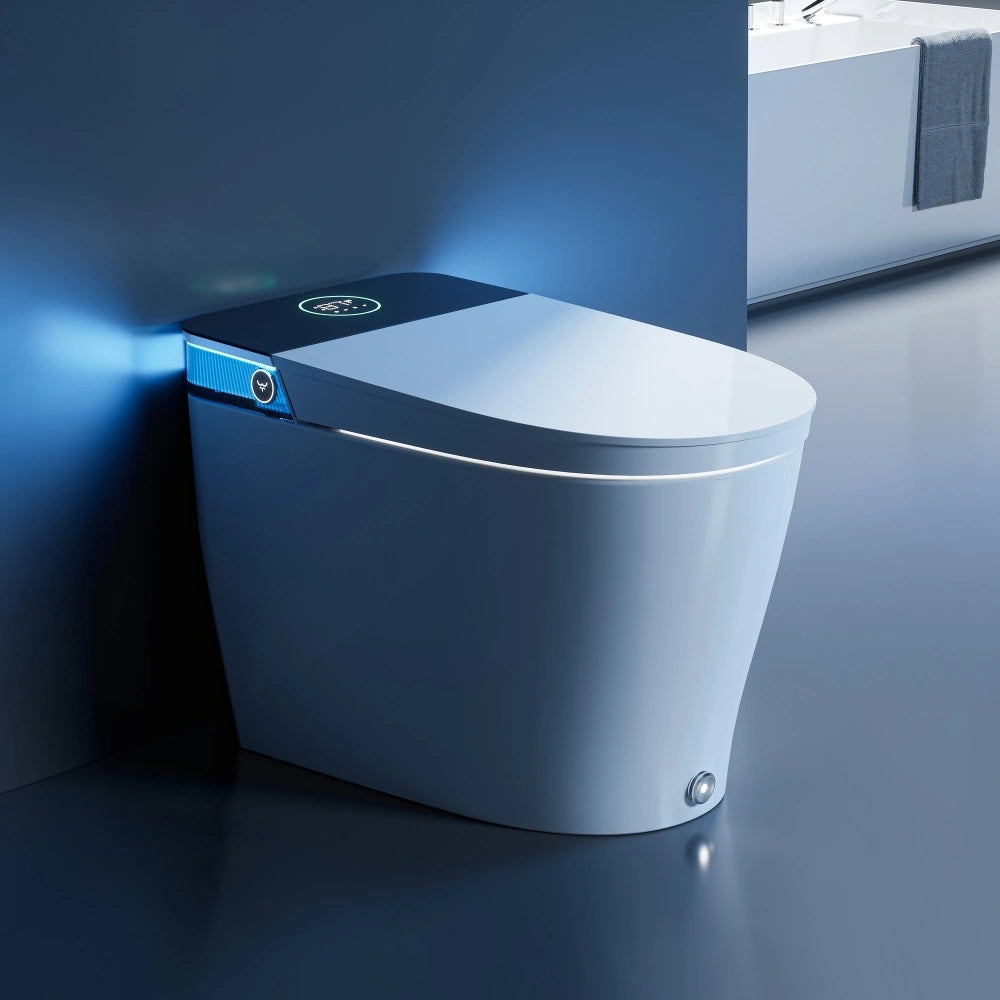
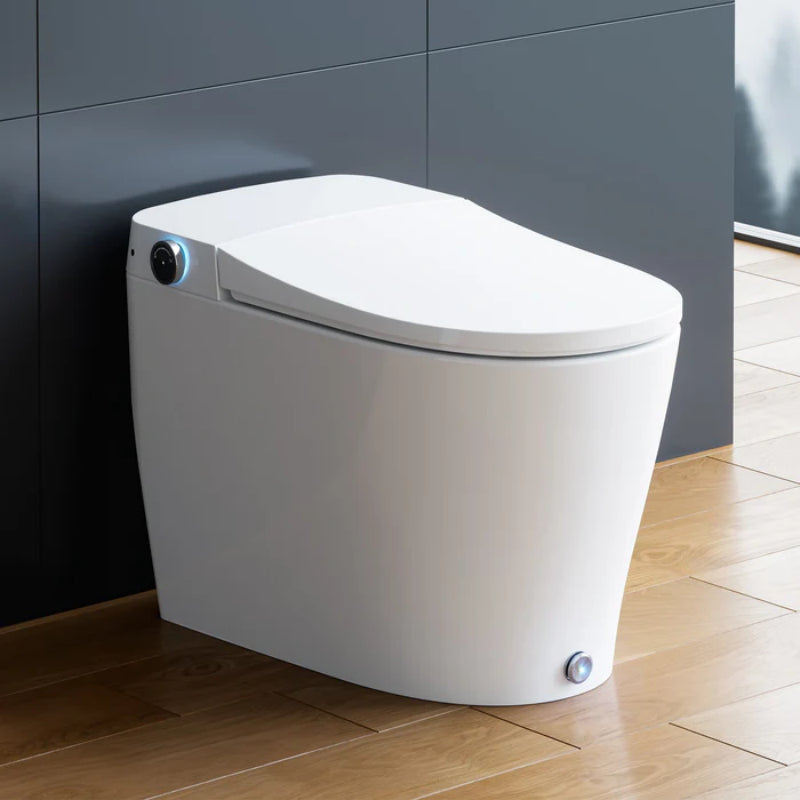

Smart toilets are increasingly popular in modern bathrooms, but they are less forgiving about cleaning. The seat area, lid, nozzle area, sensors, and side controls often use plastic surfaces, coatings, and sealed electronics that can be damaged by harsh chemicals or rough scrubbing.
That is why many homeowners start looking for safe cleaners for smart toilets and discover safe cleaning methods to protect their fixtures. The question is not whether gentle cleaning is possible. It is whether it fits your habits, your water conditions, and your patience.
Decision Snapshot
Safe cleaners are for routine protection, not for removing established rings, scale, or neglected buildup. Safe cleaners designed for direct use on sensitive surfaces are usually worth using if you do light, regular cleaning and want to avoid damaging plastics, coatings, nozzles, or electronic parts. They make the most sense in homes where the toilet gets regular wipe-downs, stains are handled early, and people are willing to use a soft cloth instead of strong bathroom chemicals.
You should probably skip this approach if you want one cleaner to remove old rings, mineral scale, or heavy staining fast. It is also a poor fit if people in your home routinely use bleach sprays, abrasive powders, or strong acid cleaners on everything in the bathroom without thinking much about where overspray lands.
Here’s where this works well in real homes — and where it often doesn’t.

What users misjudge first
Self-cleaning features do not make the toilet maintenance-free and do not reduce the need to use compatible cleaners. The biggest regret is not usually damage. It is disappointment, and there are many things people wish they knew before choosing cleaning products.
Prevents buildup, not old rings
Many people assume a pH neutral cleaner for smart toilets will “deep clean” the same way a heavy-duty bathroom product does. In practice, gentle cleaners are much better at preventing new buildup than removing old buildup.
So if your bowl already has a dark ring, hard water scale, or yellowing that has been sitting for months, a safe daily cleaning routine for smart toilets may feel weak. That does not mean the cleaner is wrong. It means the expectation was wrong.
This matters because people often switch to gentle cleaning after the toilet already looks bad. Then they blame the cleaner for not fixing what it was never meant to fix.
Gentle cleaners may feel underpowered
If you are used to strong chemical smell as a sign that something is “working,” safe cleaning can feel almost too mild. The bowl may not look dramatically different after one use. The nozzle area may still need hand cleaning. Water spots may come back faster than you hoped in a hard-water home.
What I’ve seen in practice is that gentle cleaning works best for people who accept a simple trade-off:
-
less risk to the toilet
-
more frequent light cleaning
-
fewer dramatic results from one session
If you hate maintenance and prefer to attack grime once in a while with the strongest product you have, this approach will feel annoying.
Can I spray cleaner directly?
This is one of the most common mistakes. Many homeowners ask, can you spray cleaner directly on a smart toilet? In most cases, that is not a safe habit.
Even when a unit has an IPX4 waterproof rating, meaning they can handle minor splashes, that does not mean every part should be directly sprayed. IPX4 usually means resistance to splashing water from certain directions, not full soaking, not pooling liquid around seams, and you should avoid direct chemical sprays on control panels, seat joints, or vents.
The safer method is usually simple to prevent odor and moisture damage: spray the cloth first, then wipe the toilet. That small habit prevents overspray into seams, sensor windows, buttons, and electronic housings.
Daily cleaning realities
This is where gentle cleaning either fits your life or becomes one more thing you resent. For daily care, follow this what to use where framework to clean and maintain your smart toilet properly: use mild cleaner and soft cloth for routine exterior wiping, use gentle targeted solution for cleaning around the nozzle, use compatible mild cleaner for regular bowl cleaning, and use manufacturer-approved products only for descaling or stain-removal situations.
Soft cloths matter more than strength
For many smart toilets, the best soft cloth cleaner method for smart toilets matters as much as the cleaner itself. A non abrasive cleaner for smart toilet seats and lids can still cause problems if you use a rough pad, stiff brush, or melamine-type scrubber.
Seats and lids can scratch more easily than people expect. Once scratched, they can start to hold dirt, show dull spots, or yellow unevenly. That is one reason people ask how to prevent yellowing on plastic smart toilet seats. Part of the answer is chemical choice, but part is simply not damaging the surface in the first place.
A soft microfiber cloth, used often, is usually more effective than a harsher cleaner used rarely to properly clean the seat and exterior.
Nozzles need careful spot cleaning
A safe cleaner for bidet nozzles and self cleaning nozzles should be used with more care than bowl cleaner to clean the nozzle thoroughly. Even self-cleaning nozzles still need occasional manual attention. “Self-cleaning” lowers the mess. It does not remove the need for maintenance.
The safe way to clean around a smart toilet nozzle is usually gentle wiping, targeted spot cleaning, and avoiding force to clean a smart toilet safely. You do not want cleaner running back into openings, seals, or moving parts. You also do not want to bend or scrape the nozzle tip.
This is one of those jobs that takes only a minute when done often, but becomes unpleasant if ignored too long.
IPX4 is not full waterproofing
People often see “water resistant” and assume they can use water to clean the whole unit freely. That is risky. If you are wondering how to clean a smart toilet with an IPX4 waterproof rating, learn how to clean it properly by thinking splash resistance, not wash-down cleaning.
That means:
-
no soaking in the seat hinge area
-
no spraying cleaner into side controls
-
no wet cloth dripping into seams
-
no hosing down the exterior
The key point is that safe cleaning is not just about chemistry. It is also about avoiding direct spraying and controlling how much liquid you put where.

Chemical risks users miss
Always check your toilet’s care guidance and the cleaner label for material and component compatibility before routine use, as smart toilets require proper maintenance. A lot of homeowner regret comes from using normal bathroom habits on a not-so-normal toilet. The U.S. Consumer Product Safety Commission warns against improper chemical use on electronic household fixtures, noting that harsh cleaners can cause permanent damage to sealed components and plastic coatings over time.
Bleach can damage parts
A very common question is: can I use bleach on a smart toilet seat or bidet? In many cases, bleach is exactly what causes the worry people were trying to avoid.
Bleach can discolor plastics, dry out seals, affect rubber parts, and create long-term wear on coated surfaces. If fumes or residue reach internal components, moisture can seep in and create serious problems. Even when damage is not immediate, repeated use can shorten the life of parts that are harder and more expensive to replace than on a standard toilet.
If your household uses bleach spray casually on counters, floors, and toilets, that habit may clash with owning a smart toilet.
Avoid abrasive and strong pH cleaners
Homeowners also ask whether strong acidic or alkaline cleaners are safe for smart toilets. In general, this is where caution matters most. Strong acid can help with mineral scale in some bathroom situations, and strong alkaline products can cut grime, but smart toilets often include materials and components that do not tolerate those extremes well.
A pH neutral cleaner for smart toilets is safer for routine use because it is less likely to attack plastics, coatings, nozzle parts, or nearby seals. Cleaning products to avoid on smart toilets usually include:
-
abrasive powders or creams
-
harsh acidic descalers unless the maker clearly allows them
-
strong alkaline degreasers
-
chlorine bleach
-
solvents
This is also why the best natural cleaners for smart toilets are not always the strongest “natural” options for safe toilet cleaners. Some homemade mixes sound harmless but still create pH problems or leave residue.
What happens with overspray?
Overspray is easy to ignore because the toilet may still work fine right away. The problem is cumulative.
A little cleaner reaches the control panel edge. Some lands near the seat hinge. Some gets under the lid joint. Some sit around the nozzle housing. Nothing happened today. Months later, buttons feel sticky, plastic looks dull, or a seam starts holding grime.
That is one reason homeowners looking to clean a smart toilet without damaging electronics should focus on controlled application, not just “safe” ingredients.

Bowl cleaning is where people get frustrated
For many homes, the bowl is where safe cleaning feels least satisfying.
Hard water changes the equation
If you need to know how to descale a smart toilet safely as part of a step-by-step guide, the first question is how severe mineral buildup is. In a soft-water home with frequent cleaning, a gentle cleaner may be enough. In a hard-water home, the problem may only slow down.
This is where frustration builds. You use a gentle cleaner on schedule, but mineral marks still return. The cleaner is not failing. Your water is just winning.
If your home has strong mineral deposits, safe bowl cleaning may require more frequent attention and more precise technique. And even then, older scale may not fully come off without methods the toilet’s materials may not like.
Bowl safety can limit cleaning power
People often ask how to clean a smart toilet bowl without harming electronic components. The issue is not only the bowl surface. It is the nearby electronics, integrated wash features, and connected parts that make aggressive splashy cleaning a bad idea.
That means bowl cleaning can feel slower than with a standard toilet. You may need to apply cleaner carefully, avoid overspray, and wipe surrounding areas by hand to keep your smart toilet fresh and hygienic. If you want a quick “spray everything and walk away” routine, that may be a real annoyance.

When it becomes unnecessary
Not every smart toilet owner needs a special cleaning mindset.
Overkill for light-use bathrooms
In a guest bath that gets used once in a while, special concern about daily-safe cleaners may be more effort than benefit. If the toilet rarely gets dirty, simple mild wiping may be enough, and a highly structured routine may feel excessive.
This is especially true if there is little hard water, low traffic, and no one is using makeup, hair dye, or strong personal care products nearby that could stain the seat.
Built-in cleaning still needs help
Some buyers assume self-cleaning features remove most of the work. They help, yes. But built-in cleaning still needs help. Nozzles still need checks. Seats still collect skin oils and dust. Bowl areas still get water marks. Hinges and seams still trap grime.
So is gentle cleaning worth it? Yes, if you value preserving the toilet and are willing to do small, regular cleaning tasks. No, if you bought the toilet hoping maintenance would nearly disappear.
Is it worth it?
For most homeowners, safe cleaners for smart toilets are worth using only if you think of them as protection, not rescue.
They are a good fit when:
-
you clean lightly and often
-
you want to avoid surface damage
-
your household can follow a “spray the cloth, not the toilet” habit
-
you are realistic about stain removal
They are a poor fit when:
-
you rely on bleach or harsh chemicals
-
your bathroom has heavy mineral buildup
-
you want dramatic results from one cleaning
-
different family members clean carelessly or use whatever is under the sink
In short, gentle cleaning works best as a steady habit. It works worst as a fix for neglect.
Before You Choose
-
Check whether your household can stick to mild cleaners and soft cloths.
-
Be honest about your water. Hard water makes gentle cleaning feel weaker.
-
Do not expect safe cleaners to remove old rings or deep stains quickly.
-
If people in your home spray bleach freely, expect friction and mistakes.
-
Make sure you are comfortable with careful hand-cleaning around nozzles and seams, and always turn off the power at the outlet before deep cleaning.
FAQs
1. What cleaners are safe for a smart toilet?
Choosing safe cleaners for smart toilets is key to avoiding damage to bidet electronics and preserving delicate components long-term. These cleaners are pH-neutral, non-abrasive, and free of harsh chemicals, making them far gentler than standard bathroom products. Many users also turn to best natural cleaners for smart toilets to avoid chemical residue while keeping plastic surfaces intact. Always cross-check product labels and your toilet manual to ensure compatibility with bidet seats, lids, and electronic sensors. Consistent use of these mild solutions supports regular cleaning and helps properly clean and maintain smart toilet parts without risking discoloration or part failure.
2. Can bleach ruin my bidet's sensors?
Many homeowners ask can I use bleach in a smart bidet?, and the answer is that bleach poses serious risks to both sensors and plastic parts. Bleach corrodes sensitive electrical components, breaks down seals, and directly contributes to avoiding damage to bidet electronics being a critical cleaning rule. Repeated exposure leads to sticky controls, malfunctioning sensors, and permanent discoloration, which is why safe cleaners for smart toilets exclude bleach entirely. This damage often accumulates slowly, so always turn off power when cleaning near electronics to avoid harm. Skipping bleach also supports caring for plastic bidet seats and lids by preventing surface degradation.
3. How do I clean the remote control safely?
When cleaning your smart toilet remote, prioritize safe cleaners for smart toilets and gentle techniques focused on avoiding damage to bidet electronics. Never spray liquid directly onto the remote; instead, apply a small amount of mild cleaner to a soft microfiber cloth and wipe lightly. This method prevents moisture from seeping into battery compartments or button crevices, which can cause short circuits and sensor failure. For those preferring plant-based options, best natural cleaners for smart toilets work equally well without harsh fumes or residue. Proper remote care also complements caring for plastic bidet seats and lids by maintaining consistent, safe cleaning habits.
4. Why is my bidet seat turning yellow?
Preventing yellowing of smart toilet seats starts with understanding that harsh cleaners and abrasive tools damage the protective plastic coating over time. Using bleach or strong chemicals speeds up this process, which is why safe cleaners for smart toilets are formulated to protect rather than degrade plastic surfaces. Caring for plastic bidet seats and lids requires regular, gentle wiping to remove skin oils and dust before they cause discoloration. Hard water minerals and UV exposure can also worsen yellowing, especially when paired with improper cleaning products. Choosing mild or best natural cleaners for smart toilets helps maintain the original finish and reduces the risk of unsightly yellow stains.
5. Best way to descale a smart toilet nozzle?
The safest descaling method relies on safe cleaners for smart toilets and gentle products designed to protect bidet components while avoiding damage to bidet electronics. Avoid harsh acidic descalers, as they can corrode nozzle tips and seep into electronic housings near the bidet system. For eco-friendly users, best natural cleaners for smart toilets offer mild descaling properties without harming plastic or metal parts. Always apply cleaner to a cloth rather than spraying directly, and perform light, regular maintenance instead of heavy scrubbing. This approach also supports caring for plastic bidet seats and lids by keeping the entire cleaning routine consistent and non-damaging.
6. Can I use Clorox wipes on a bidet seat?
Using Clorox wipes is not recommended, as their bleach content conflicts with safe cleaners for smart toiletsand puts avoiding damage to bidet electronics at risk. These wipes break down plastic coatings, contributing to preventing yellowing of smart toilet seats becoming a necessary concern after repeated use. Chemical residue can seep into seams and hinges, affecting nearby sensors and rubber seals over time. Caring for plastic bidet seats and lids means swapping disinfectant wipes for soft cloths and mild, pH-balanced cleaners instead. Even occasional use can lead to dulling, discoloration, poor hygiene, and reduced durability of your smart toilet’s exterior components.
References


Leave a comment
This site is protected by hCaptcha and the hCaptcha Privacy Policy and Terms of Service apply.