
Choose an oval freestanding tub if your top goal is a comfortable, body-hugging soak and you have enough room to let the tub sit away from walls. Choose a rectangular freestanding tub if your top goal is easier layout planning, cleaner wall alignment, and more practical use for shared routines or bathing kids. If your bathroom is truly tight, skip both and choose an alcove tub instead.
A simple rule: if soaking comfort matters most, go oval; if placement and utility matter most, go rectangular.
Freestanding tubs look simple when you shop online. In real bathrooms, the choice is less about looks and more about how the room works after installation. Here’s what usually matters in real homes: comfort, walking space, cleaning access, and whether the tub shape helps or fights your layout.
Decision Snapshot
When weighing oval vs rectangular freestanding tub, many homeowners consider when choosing a bathtub between rectangular or oval bathtub styles. Modern freestanding tubs are currently popular, and picking the right bath tub can make your bathroom functional and stylish long-term.
Best for solo relaxers
Choose oval if you want the most natural soaking position. The curved interior usually feels better on the back, shoulders, and legs. This is why many buyers asking about oval vs rectangular soaking tub comfort differences end up leaning oval.
Best for families and shared routines
Choose rectangular if the tub will do more than look nice. It often works better for bathing kids, sitting products on the rim, and lining up near a wall. If your bathroom has to support real daily use, rectangular often makes more sense.
Choose built-in when space is tight
If your room is small enough that every inch matters, a freestanding tub may be the wrong category. Many people searching which freestanding tub shape is better for small bathrooms really need to ask a harder question: should this be freestanding at all? In many tight rooms, the answer is no.
Skip freestanding if cleaning access matters
If you know you will hate cleaning around and behind a tub, think carefully before buying any freestanding model. Freestanding tubs look open and elegant, but floor cleaning around them is a common pain point after install.
Oval vs rectangular freestanding tub vs alternatives
When deciding on oval vs rectangular freestanding tub, you must consider when choosing a bathtub and select a durable new bathtub for your bathroom. Premium stone resin bathtubs stand the test of time, helping you choose the best perfect tub for daily use.
Comparison table: fit, comfort, cleaning, style
| Factor | Oval freestanding tub | Rectangular freestanding tub | Alcove tub | Drop-in tub |
| Best for | Comfort-first soaking | Layout and utility | Tight bathrooms | Storage and ledge space |
| Comfort | Usually most ergonomic | Depends on interior slope | Good, varies by model | Good, varies by model |
| Small bathrooms | Can work in open compact layouts | Can work if wall alignment helps | Usually best choice | Often needs more framing |
| Wall placement | Less natural near walls | Better visual fit near walls | Made for wall install | Built into deck |
| Cleaning around exterior | Moderate | Moderate | Easier outside footprint | Easy outside, deck needs cleaning |
| Cleaning inside tub | Easier, fewer corners | Corners can collect grime | Varies | Varies |
| Edge utility | Limited rim use | Better flat-edge use | Good with surrounding walls | Best for ledge space |
| Kid bathing practicality | Fair | Better | Better | Better |
| Focal point style | Softer, sculptural | Crisp, modern | Less dramatic | More built-in look |
| Cost and install | Mid to high | Mid to high | Usually more budget-friendly | Often higher labor cost |
| Plumbing flexibility | Needs floor planning | Needs floor planning | Simplest in many remodels | More construction work |
The key point is simple: if your room is small or highly practical, the best answer may not be oval or rectangular. It may be alcove.
Oval vs rectangular in small bathrooms
People often assume an oval tub saves more space because it looks smaller. That is only partly true.
Curves soften the visual bulk. So an oval tub can make a small bathroom feel less crowded. But in an actual rectangular vs oval bathtub space-saving comparison, the oval shape does not always save floor area. Some oval tubs have a wide center and need almost the same footprint as rectangular tubs of similar soaking size.
Where oval helps is sightlines and traffic feel, not always measurable square footage.
Where rectangular helps is placement efficiency. If the tub can sit closer to one wall while still looking intentional, you may preserve better walking lanes in front of it. This is why buyers asking do rectangular freestanding tubs fit better against walls than oval tubs are often noticing a real-world layout advantage.
Freestanding vs alcove near walls
This is one of the most important parts of the decision.
A freestanding tub usually needs breathing room around it to look right and to give some cleaning access. If you push it too close to walls, it can look awkward and become hard to maintain. An alcove tub is made for that condition. It uses the room more efficiently, often gives you easier shower pairing, and wastes less floor area.
So if your tub must sit tightly between walls, an alcove often beats both freestanding shapes.
Freestanding vs drop-in for usable deck space
If you like having a place for soap, candles, a book, a towel, or a child’s bath items, freestanding tubs can disappoint. They often have little or no practical ledge. Rectangular freestanding tubs may offer a bit more edge utility, but not much compared with a drop-in.
Choose drop-in if you want a built-in surface area. Choose freestanding if you care more about the object itself than storage around it.

Key differences that actually matter
Navigating oval vs rectangular freestanding tub helps you choose the best perfect tub, as modern rectangular or oval bathtub designs and durable stone resin bathtubs work best to elevate your daily bath tub experience.
Curves save sightlines, not always floor space
An oval tub often feels gentler in the room. In a compact bathroom, that matters. Sharp corners can interrupt walking paths visually, while curves help the room feel more open.
But that is not the same as saving room. A 66-inch oval tub can still dominate a small bath. The question is not “Does oval look smaller?” The better question is “Can I walk around it, dry off, open drawers, and reach towels without squeezing?”
When buyers ask best freestanding tub shape for bathroom layout and traffic flow, that’s the real issue. Measure the walkway, not just the tub. According to the U.S. Access Board, reserved walkway clearance directly decides long-term bathroom comfort and daily accessibility.
A good planning rule is to protect your main walking path first. If the tub shape forces awkward side-stepping near the vanity or toilet, the bathroom will feel wrong every day.
Soaking posture changes the whole experience
If you care about soaking, shape matters a lot.
Oval tubs usually win on comfort because the inside follows the body more naturally. The rounded back supports reclining. You are less likely to bump a shoulder into a hard corner. This is why many shoppers ask are oval freestanding tubs more ergonomic than rectangular tubs. In many cases, yes.
Rectangular tubs vary more. Some are very comfortable if they have a well-shaped sloped back and a deep interior. Others look sleek but feel upright or boxy. The outside shape alone does not tell the full story. You need to check the interior basin shape, back slope, water depth, and usable length at shoulder and hip level.
For two people, this gets even more important. Many people assume rectangular is better for two because it looks wider. Sometimes that is true. But if the inside has sharp sides or poor back support, two adults may not stay comfortable long. For long soaks, a larger oval or double-ended oval often feels better. For practical short use, a rectangular model with a flatter base can feel more stable.
So, which is more comfortable: oval or rectangular tubs? In most cases, oval is more comfortable for relaxing, while rectangular can be more practical for mixed uses.
Cleaning frustration shows up after install
This issue gets ignored until the tub is in the house.
Inside the tub,the oval usually wins. There are fewer corners where residue can sit. So when people ask which tub shape is easier to clean oval or rectangular, the answer is usually oval, at least for the interior.
Outside the tub, both can be annoying if there is not enough room around the base. Dust, hair, and splashed water collect on the floor around freestanding tubs. If your tub is tucked close to a wall but not close enough to seal like a built-in, cleaning becomes awkward fast.
Rectangular tubs can also have sharper exterior lines that show dust and water spotting a little more clearly, depending on finish and lighting.
If you already know floor-level cleaning is not your strength, be honest with yourself. A built-in tub may make you happier than either shape.
Wall clearance affects traffic and towels
This is where rectangular often pulls ahead.
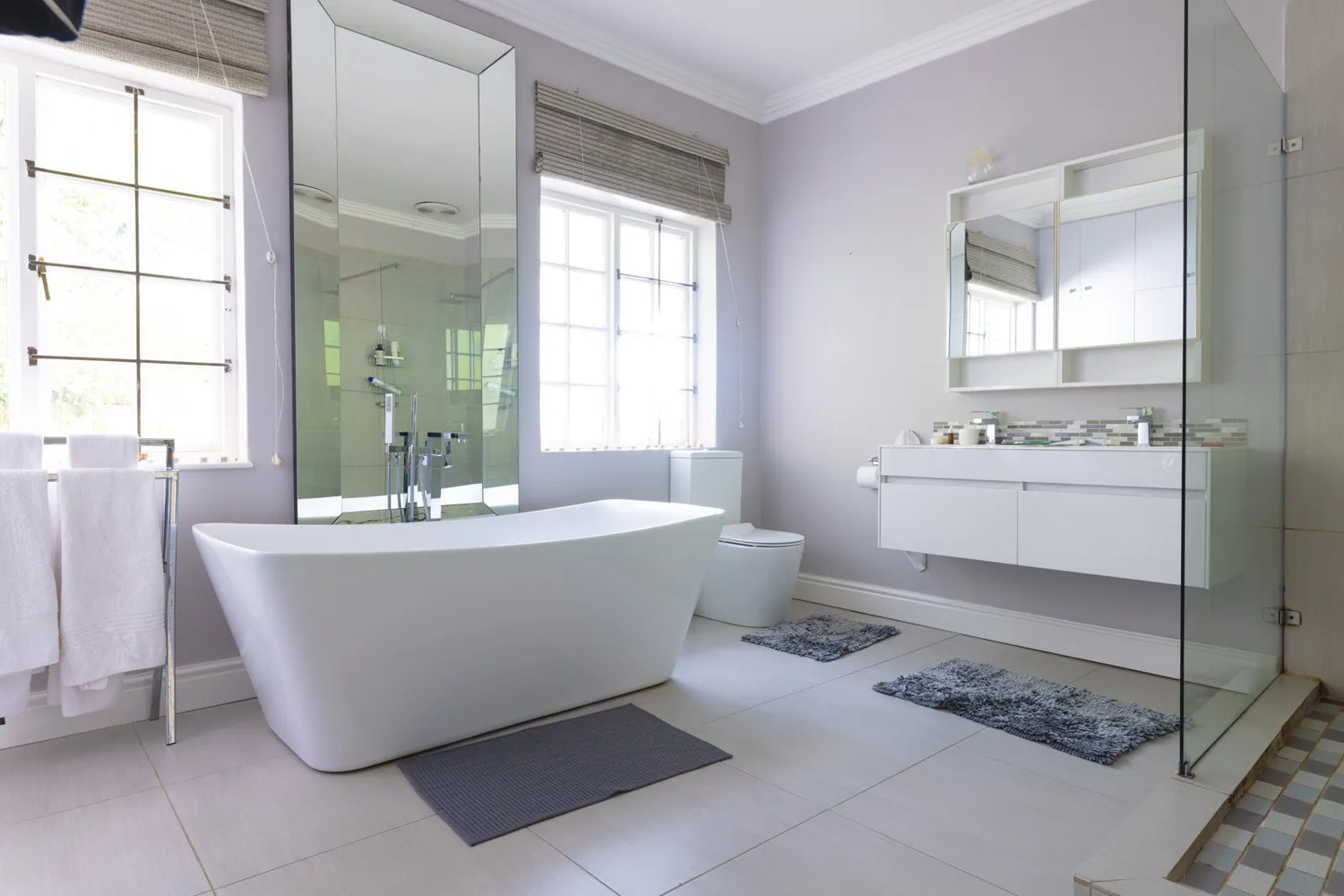
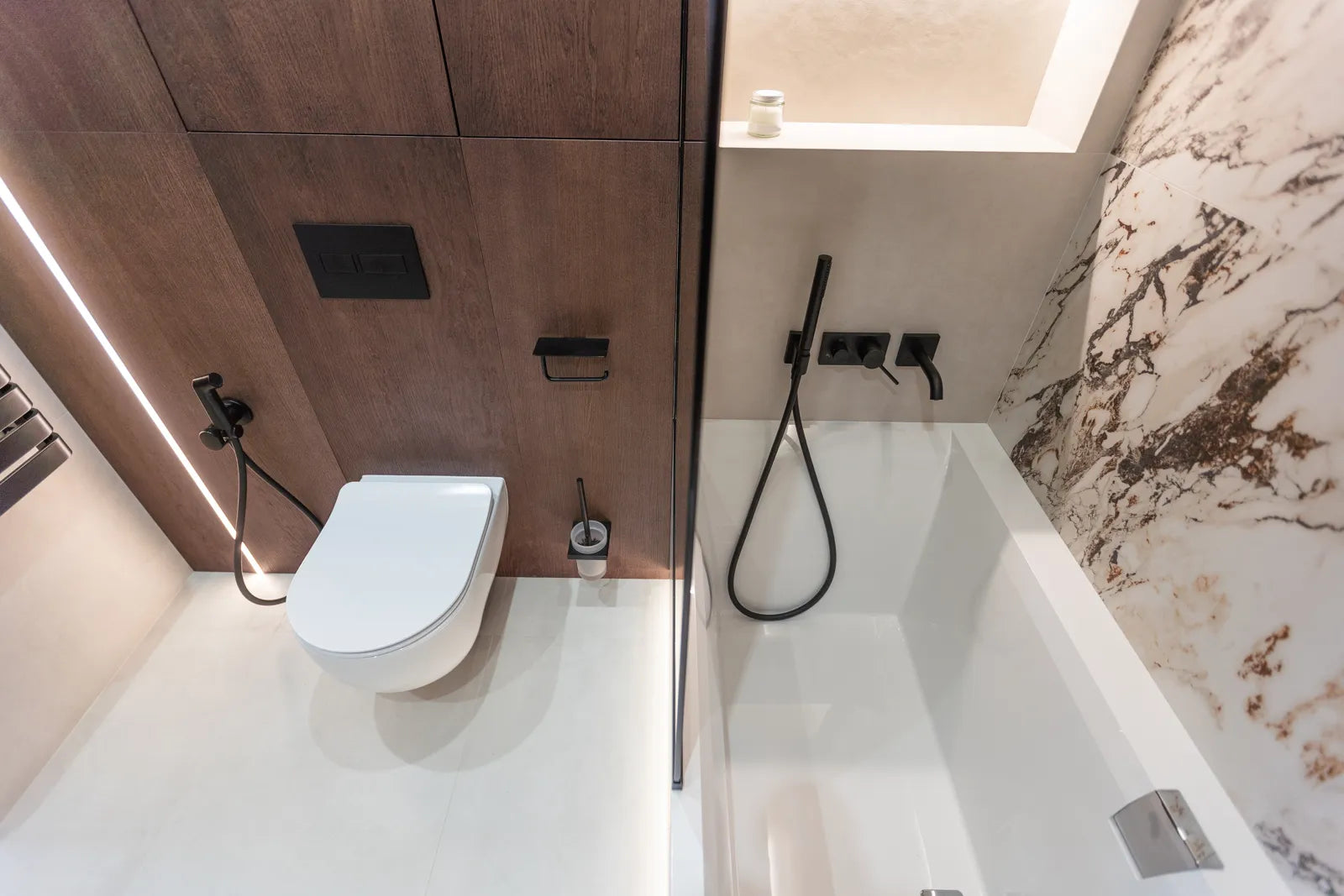
A rectangular freestanding tub tends to align more naturally with walls, vanities, and tile lines. In many bathrooms, that creates a calmer layout. It can also make towel reach easier if the tub sits parallel to a wall with a nearby hook or stand.
An oval tub in the center of the room can be beautiful, but it asks the room to revolve around it. If that tub interrupts your best route from shower to vanity, the room loses function.
For buyers asking do rectangular freestanding tubs fit better against walls than oval tubs, yes, they often do from a visual and planning standpoint. That does not mean they should be jammed against walls. It means they usually tolerate near-wall placement better.
Material changes weight, heat, and budget
Shape is only part of the story. Material changes the experience too.
If you are comparing oval vs rectangular freestanding tub material options acrylic vs cast iron, here’s the practical view:
-
Acrylic is lighter, easier to install, and often more affordable. It is common for upper-floor bathrooms because weight is easier to manage.
-
Cast iron holds heat well and feels solid, but it is very heavy and can raise floor support and install concerns.
-
Other solid-surface materials can feel premium and retain heat well, but they are often heavier and more expensive.
The shape you like may be available in several materials, and that can change the decision. A large rectangular cast-iron tub can be a major structural and labor commitment. A similar acrylic model may be much easier to live with from a project standpoint.
If your floor structure, remodel budget, or delivery access is tight, material can overrule shape. Based on EPA WaterSense guidelines, choosing water-efficient freestanding tubs and fixtures supports long-term home energy and water conservation.
When oval is the better choice
Exploring oval vs rectangular freestanding tub reveals distinct tub types, as freestanding tubs offer unique perks that bathtub can make daily soaking more enjoyable, and perfect oval styles deliver unmatched daily relaxation.
You want the most ergonomic soak
If your main reason for buying a freestanding tub is to soak and unwind, oval usually wins. The body tends to settle more naturally into rounded walls. There is less pressure at the shoulders and elbows. For many people, the shape feels more forgiving.
This is the strongest argument in the whole oval vs rectangular freestanding tub pros and cons debate. If the tub is your place to relax alone, comfort should carry more weight than edge utility.
You need a softer focal point
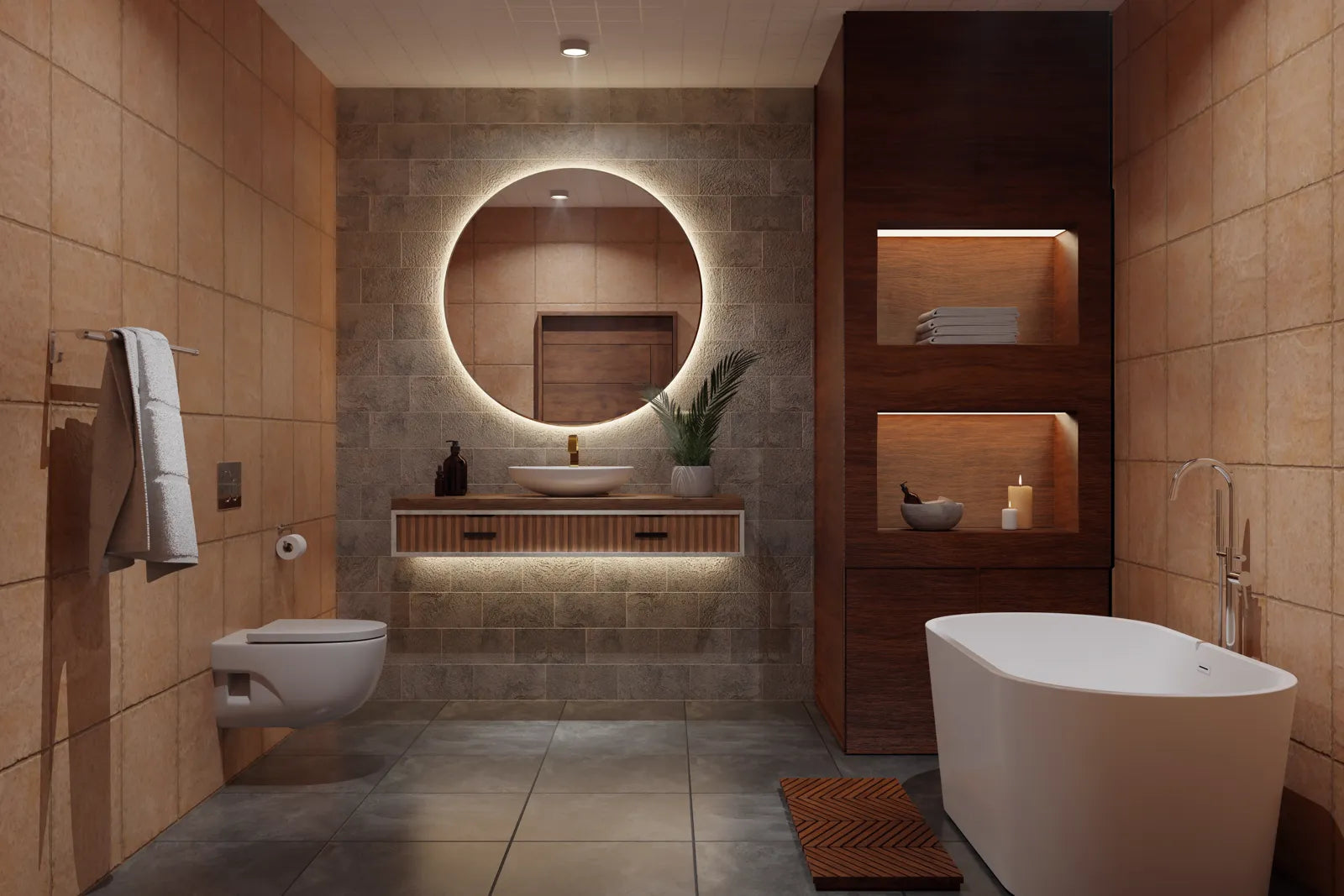
Many bathrooms have hard lines already: square vanities, mirrors, tile, windows, and shower glass. An oval tub softens that. It works especially well when you want the tub to be the room’s main visual feature without making the room feel rigid.
This is why buyers often ask are oval freestanding tubs better as a bathroom focal point. In many modern and transitional bathrooms, yes. They read as sculptural and calm.
You hate scrubbing tight corners
Oval interiors are easier to wipe down. That does not remove the need to clean around the outside base, but it does make routine tub cleaning simpler.
If your last tub had corners that held grime, this small difference can matter more than you think.
You have a compact but open layout
This sounds contradictory, but it is common. Some bathrooms are not large, yet they have a fairly open central area. In that kind of room, an oval tub can work better than a rectangular one because it softens circulation and keeps the room from feeling boxed in.
This is one place where which freestanding tub shape is better for small bathrooms gets a nuanced answer: if the room is small but visually open, oval may feel better. If it is small and wall-bound, rectangular or alcove usually works better.
When oval is not the right choice
There are clear cases where you should avoid it.
Tight wall-dependent layouts
If your plumbing wall, towel storage, and traffic path all depend on pushing the tub toward one side, oval may fight the room.
Shared practical use
If kids use the tub, or if you want to set items on a broad edge, oval can feel less convenient.
Very modern linear designs
Oval can still look modern, but if your room is built around crisp symmetry and straight lines, a rectangular tub may fit the architecture better.
So if you are asking when an oval freestanding tub is not the right choice, the answer is: when the room needs wall efficiency more than softness.
When rectangular is the better choice
Comparing oval vs rectangular freestanding tub highlights key tub types, as freestanding tubs offer functional benefits that bathtub can make everyday bathing far more practical.Rectangular tubs are often dismissed as less comfortable. That is too simple. In the right home, they are the smarter choice.
You want cleaner lines and edge utility
Rectangular tubs fit modern bathrooms naturally. If the room has strong geometry, a rectangular tub usually feels intentional rather than inserted.
They also tend to offer better practical edge use. You may get a slightly flatter rim for a bath tray or small items, though this varies by design.
For buyers comparing oval vs rectangular freestanding tub for modern bathroom design, rectangular usually wins in crisp, contemporary spaces.
You need better wall alignment
This is one of the biggest practical advantages. A rectangular freestanding tub often sits more comfortably near a long wall, under a window, or parallel to a vanity. The room feels organized.
If your plan depends on using one side of the room efficiently, rectangular can make the whole layout easier. This matters in bathrooms where clearances are tight but not so tight that you must switch to alcove.
You share the tub or bathe kids
Rectangular tubs often make more sense for practical household use. The flatter floor and straighter sides can feel easier for child bathing and getting in and out. If two adults plan to use the tub, a rectangular model can also work well if the interior length and back slope are generous.
This is where “better” depends on your habits. If bathing is functional, rectangular often wins. If bathing is about long, deep relaxation, oval often wins.
You prefer modern symmetry over softness
Some people simply like order. Straight lines, centered fixtures, and matching wall geometry make the room feel calm. If that is your taste, a rectangular freestanding tub may look more integrated.
This also answers part of oval vs rectangular bathtub aesthetics for contemporary bathrooms: oval gives contrast and softness, rectangular gives continuity and symmetry.
When rectangular is not the right choice
Rectangular is not the safe answer for everyone.
You care most about lounging comfort
A boxier interior can feel less natural, especially for longer soaks. Some rectangular tubs look better than they feel.
You want the easiest interior cleaning
Corners and transitions can mean more wiping.
The room needs visual softness
In a small bathroom with many hard edges, a rectangular tub can make the space feel more crowded than it is.
So if you are asking when a rectangular freestanding tub is not the right choice, the answer is: when comfort and softness matter more than alignment and utility.

When the alternative is the better choice
Beyond oval vs rectangular freestanding tub, diverse tub types exist, and bathtubs often deliver unique perks that elevate how you use the bathtub daily.
Choose alcoves for truly small bathrooms
If your room is narrow, if you need a shower-tub combo, or if the tub must live tight to walls, alcove is usually the smarter move. It is more space-efficient, easier to clean around, and often more practical for daily use.
If your heart is set on freestanding, ask yourself this: will the room still work well when someone is carrying laundry, helping a child, or cleaning the floor? If the answer is no, choose alcove.
Choose drop-in for ledge and storage
Drop-in tubs are often overlooked, but they solve a real problem: where do all the little bath things go? If you like having a deck for soap, candles, a drink, or bath supplies, drop-in gives that naturally.
It also creates a more stable “zone” around the tub, which some homeowners prefer over the floating-object look of freestanding models.
Choose corner tubs for awkward layouts
Corner tubs are not right for every style, but they can help in bathrooms with unusual geometry. If your room has awkward angles or dead corners, a corner solution may use space better than forcing a freestanding tub into the center.
Choose no tub for shower-first homes
This is easy to avoid because tubs are emotionally appealing. But in a home where nobody takes baths and the bathroom is under pressure for storage and shower space, skipping the tub may be the better decision.
That is not anti-tub. It is simply honest planning.
Final Verdict
Choose an oval freestanding tub if you want the best soaking comfort, a softer focal point, and an easier-to-clean interior. It is the better fit for comfort-led buyers with enough open floor space to let the tub breathe.
Choose a rectangular freestanding tub if you want better wall alignment, more practical daily use, and a shape that fits modern linear bathrooms more naturally. It is the better fit for practical planners, families, and anyone whose layout needs order more than softness.
If your bathroom is tight, wall-bound, or hard to clean, an alcove tub is often the smarter choice than either freestanding shape.

Before You Buy
Use this quick checklist before you commit:
-
Measure the tub footprint and the walking space around it
-
Check the interior soaking length, not just exterior length
-
Confirm where towels, bath items, and a bath tray will go
-
Think about who will use the tub: solo soaks, kids, or shared use
-
Review floor strength and total tub weight, especially upstairs
-
Decide how close the tub will sit to walls and how you will clean there
-
Compare actual soaking depth, not just overall tub height
FAQs
1. Which is more comfortable: oval or rectangular tubs?
Oval tubs lead in ergonomic bathtub shapes, with curved interiors ideal for soothing soaks. Rectangular soaking tubs work as a comfortable bathtub choice, just check inner slope when picking the right bathtub for your home.
2. Does an oval tub save more space?
An oval tub does not always offer space-saving bathtub shapes advantages in actual floor area. Its modern oval bathtub aesthetics ease visual crowding, key for finding the best tub shape for small bathrooms.
3. Best tub shape for two people?
Oval and rectangular bathtubs both suit dual use, with freestanding oval styles for laid-back shared soaks. Freestanding rectangular tubs provide stable support, perfect for safe and comfortable movement in modern bathrooms.
4. Are rectangular tubs harder to clean?
Rectangular bathtubs have sharp corners, making them less easy to clean than rounded oval designs. Freestanding tubs require extra surrounding clearance, while acrylic bathtub and cast iron bathtubs also affect daily upkeep.
5. Fitting a rectangular tub in a corner?
A freestanding rectangular tub can fit corner spaces but may require careful layout adjustment. This freestanding design fits angular decor, while built-in tub options perform better for bathrooms where the tub needs tight placement.
6. How to choose the right tub shape for your layout?
Choosing the perfect bathtub means comparing the shape of your bathtub and different types of bathtubs on the market. Consider material of the bathtub, modern freestanding trends and bathroom design to make an informed decision between oval or rectangular bathtub styles.
References


Leave a comment
This site is protected by hCaptcha and the hCaptcha Privacy Policy and Terms of Service apply.