
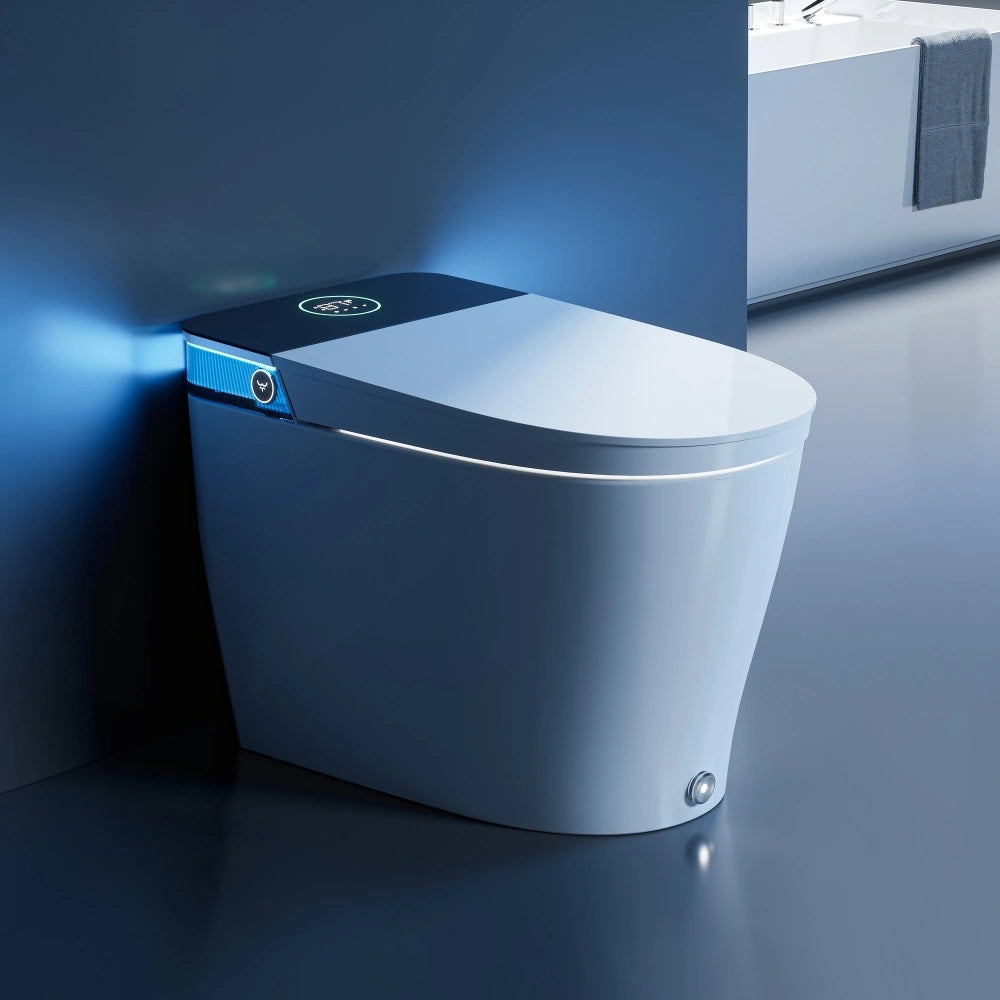
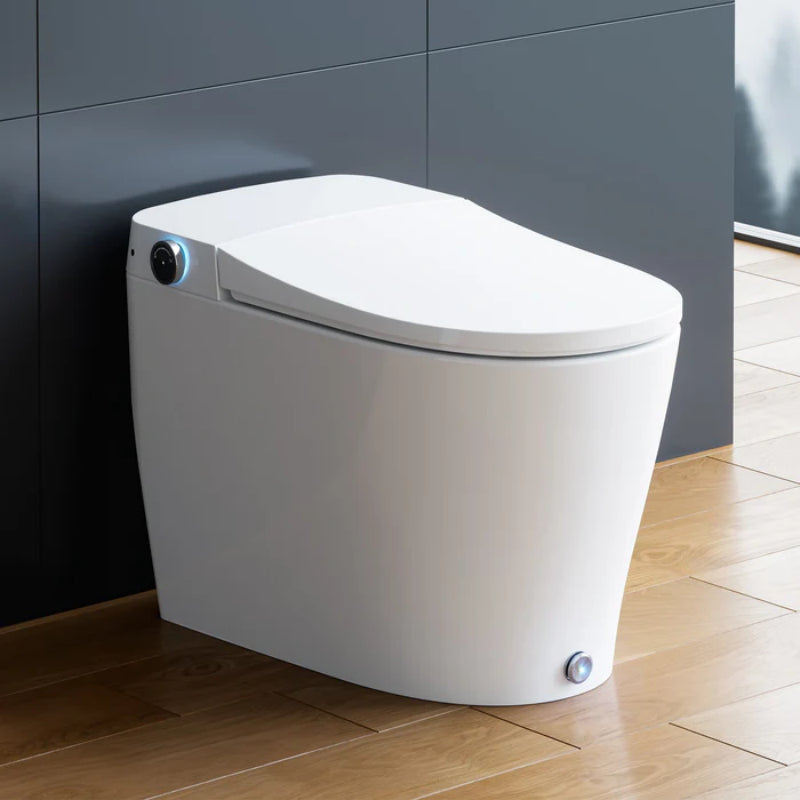

If you are choosing between a one-piece and two-piece toilet, the cleaning question matters more than many buyers expect. On paper, both do the same job. In real homes, they do not feel the same to own.
The main difference is simple: a one-piece toilet has the bowl and tank fused together, while a two-piece toilet has a separate tank and bowl joined at a seam. That seam is where much of the one piece vs two piece toilet cleaning difference starts.
If you hate scrubbing around grime lines, dust-catching corners, or that dark line where the tank meets the bowl, this choice matters. If your main concern is cost, easier carrying, and simpler repairs, that matters too.
Here’s how to think about it without getting lost in small details.
Which toilet type is right for your bathroom: one piece vs two piece toilet cleaning vs an alternative?
Choosing between a one-piece and a two-piece toilet is often framed as a cleaning question, but in real homes the decision usually comes down to a few practical factors: bathroom space, installation access, cleaning style, and budget. The key is to focus on the real-life trade-offs that affect daily use, cleaning convenience, and installation practicality.
Decision snapshot
Before making a one piece vs two piece toilet cleaning comparison, one thing is worth saying directly: the exterior shape of a toilet — whether it has a skirted base, an exposed trapway, or a wall-hung design — typically has more impact on cleaning ease than whether the toilet is one-piece or two-piece. If your top priority is the least crevices to scrub, look at shape first, then construction.
|
Type
|
When to Choose
|
|
Skirted / Wall-Hung Toilet
|
• You want the easiest exterior cleaning overall
|
|
• Your bathroom design supports concealed plumbing or wall mounting
|
|
|
• You prioritize minimal exterior corners and surfaces that collect dust
|
|
|
One-Piece Toilet
|
• You want fewer exposed joints where grime can accumulate
|
|
• You prefer a sleek, modern appearance
|
|
|
• You want slightly easier wipe-down cleaning once installed
|
|
|
Two-Piece Toilet
|
• You need easier installation in tight stairways or narrow bathrooms
|
|
• You want a more budget-friendly option
|
|
|
• You may need easier future tank replacement or repairs
|
Important: For cleaning convenience, the exterior shape of the toilet (skirted sides, exposed trapway, wall-hung design) usually matters more than whether the toilet is one-piece or two-piece.
A quick rule of thumb:
-
Pick one-piece for shared bathrooms, kids’ bathrooms, guest baths, and anyone who wipes the toilet down often and wants it done fast.
-
Pick two-piece for basement baths, budget remodels, DIY installs, and homes where access, stairs, or narrow doors make heavy lifting the real issue.
-
Avoid standard two-piece if you already know that visible seams and grime lines will bother you.
-
Avoid one-piece if the higher price and heavier weight will force a stressful install or make replacement harder later.
That is the big decision in plain terms.
High-traffic bathrooms
In a busy bathroom, hygiene usually beats upfront savings.
When thinking about one piece vs two piece toilet cleaning in a busy household, one-piece toilets are often worth the extra money. Why? Because a one-piece toilet is easier to clean in the spots that get ignored during a quick wipe-down. There are fewer crevices, fewer joints, and often a cleaner outer shape. In a home with kids, guests, or multiple adults using the same toilet, that matters more than it does in a quiet guest bath used twice a week.
What I’ve seen in practice is this: people rarely deep-clean every inch of a toilet as often as they plan to. They do fast wipe-downs. A toilet design that forgives that habit tends to stay cleaner.
Tight delivery path or solo install
A two-piece toilet is a reliable choice when maneuvering the toilet is the hard part.
One-piece toilets are heavier because the entire toilet comes as a single piece. That can be a problem if you have tight stairs, narrow hallways, a sharp turn into the bathroom, or if you are doing the work alone. Two-piece toilets are lighter because the bowl and tank arrive as two separate pieces. That makes them easier to carry, easier to set, and often easier to install for a DIY homeowner.
If your existing toilet is upstairs and you already know moving a heavy fixture will be miserable, this is a strong reason to choose a two-piece model.

Is one-piece worth it if you hate seams?
Yes, often.
If the thing you dislike most is cleaning that tank-to-bowl seam, then a one-piece toilet may be worth the premium. That seam on a two-piece toilet is the area most likely to collect dust, splash residue, hard water staining, and in damp rooms, mold.
If that line will annoy you every week, the one-piece and two-piece decision is not really about style. It is about whether you want to keep paying in time and effort instead of dollars.
What trade-off actually separates these options in real homes?
What's the real difference when you actually live with these toilets day to day? It comes down to a few specific trade-offs.
Where grime actually builds up
For most buyers, the true one-piece vs two-piece toilet cleaning issue comes down to this:
-
Understanding one piece vs two piece toilet cleaning starts with where grime actually hides. A one-piece toilet has a seamless body, so there is no tank-to-bowl seam to trap debris.
-
A two-piece toilet has a joint between the tank and the bowl and often more exposed edges around the bowl and tank.
That is where dirt hides on a two-piece toilet. Dust settles there. Tiny splash droplets dry there. Cleaning spray residue can collect there. In humid bathrooms, that area can darken over time and start to look permanently dirty, even when it is sanitary.
This is also why one piece toilets stay cleaner. It is not magic. They simply give grime fewer places to sit.

Cleaning style matters
Some homeowners do a quick wipe every few days. Others wait until the weekend and do a deeper clean.
That habit changes which toilet type feels easier to live with.
If you are a quick wipe-down person, one-piece toilets are easier to clean because the cloth or sponge glides over more of the exterior without stopping at joints and corners. If you are the kind of person who pulls out a detail brush and gets into every seam anyway, the advantage of a one-piece is smaller.
Here’s why this matters: many buyers pay extra for a one-piece toilet but then clean so thoroughly that the time savings are minor. On the other hand, people who clean in a hurry often feel a real difference — and for them, one piece vs two piece toilet cleaning is a choice that shows up every single week.
When the one-piece advantage is wasted
A one-piece toilet may not be worth it if:
-
the bathroom is lightly used
-
you already deep-clean often
-
your real problem is hard water inside the toilet bowl, not dust outside
-
your budget is tight enough that the price gap creates stress
In those cases, the easier-to-clean exterior is nice, but not always worth stretching for.
Alternatives with even fewer crevices
If you are shopping mainly for easy cleaning, do not stop at one-piece and two-piece toilets. There are designs that can beat both.
A skirted toilet hides the trapway and gives you smoother sides. That means less exterior scrubbing around the curves and channels found on many traditional toilets. Some skirted two-piece toilets are easier to clean than a non-skirted one-piece.
A wall-hung toilet can also reduce floor-level cleaning because the bowl is off the floor. But that type of toilet is usually a bigger remodel decision, not a simple swap.
So if your real goal is “least crevices,” look at shape as much as construction.

Cost and value: what you pay now vs what you keep paying for
Now let's talk dollars and cents. The price difference between one-piece and two-piece toilets is real, but does it justify the choice? There are actually two money questions to consider: what you pay upfront, and what you might spend on repairs down the line.
Upfront price gap
When evaluating one piece vs two piece toilet cleaning alongside budget, two-piece toilets are usually more affordable than one-piece models. That is one reason they remain common. For many households, the budget win is the right call.
A two-piece toilet often starts at a lower price point, while one-piece toilets are generally more expensive. If you are replacing more than one toilet in a house, that gap adds up quickly.
So when is the cheaper two-piece the smart choice?
It is the smart choice when:
-
you need a functional new toilet without overspending
-
the bathroom is low traffic
-
cleaning seams does not bother you much
-
you want more selection of toilets at lower price points
When is that lower price false economy?
When you know the seam will become a constant annoyance, and the family bathroom gets dirty fast. In that case, saving money once can mean more work for years.
Installation costs
One-piece toilets are heavier. Two-piece toilets are easier to handle.
That affects labor and DIY difficulty more than many buyers expect. If you are hiring out the toilet installation, the labor difference may be modest, but in awkward homes it can still matter. If you are doing it yourself, a one-piece can be much harder to set correctly on the first try because all the weight has to be managed at once.
A two-piece system can be brought in as separate pieces, which is much easier in older homes, upstairs baths, and homes with tight corners.
So if your buying decision is close, ask yourself this: is cleaning the bigger issue, or is getting the toilet into place the bigger issue?
Water use and flush performance vary by model, not by construction type
One-piece and two-piece toilets are not meaningfully different in how much water they use or how well they flush. According to the EPA WaterSense program, toilet efficiency depends on the specific model and its flush design rather than whether it is one-piece or two-piece. Those figures depend on the specific model, flush mechanism, and trap design — not on whether the tank is fused to the bowl or bolted on separately.
What this means practically:
-
A high-efficiency one-piece toilet may use 1.28 gpf (gallons per flush); so may a two-piece model at the same price point
-
A poorly rated one-piece can clog just as easily as a budget two-piece
-
WaterSense certification applies to individual models, not to the category
Before you buy: Check the flush performance rating and water use spec for the exact model you are considering. Independent reviews from consumer testing sites or plumbing trade sources are more reliable here than manufacturer descriptions. Do not assume a one-piece toilet flushes better simply because it costs more or looks more modern.
Repair economics
Beyond the daily scrubbing side of one piece vs two piece toilet cleaning, repair economics is where two-piece toilets have a practical edge.
With a two-piece toilet, the separate tank and bowl create more possible leak points, but they also can make some repairs more flexible. Tank bolts, gaskets, and seals can often be replaced without replacing the entire toilet. A leak at the tank-to-bowl connection is annoying, but it is usually a fixable maintenance issue.
With a one-piece toilet, there are fewer joints, so there is less chance of seepage at that specific seam. But if a major structural problem happens, there is less modularity. You are dealing with one single piece.
For most homeowners, that means:
-
One-piece: fewer exterior joints to clean, fewer seam-related leak concerns
-
Two-piece: more serviceable parts, more common hardware fixes
Does one-piece pay back in maintenance?
In some homes, yes. In others, no.
There is research and industry discussion suggesting one-piece toilets may need less annual maintenance because they have fewer joints and fewer grime traps. In a busy household, I can see that being true in practice. Less seam cleaning, less detail work, less cosmetic frustration.
But I would not treat one-piece savings like a guaranteed financial return. The real payoff is usually time, ease, and cleaner appearance, not large dollar savings.
If you hate cleaning around seams, that benefit is real. If you do not care, the payback is much smaller.
Fit, space, and usage realities that push buyers one way
Small bathrooms create two separate problems, and it helps to address them in order.
Small bathrooms
Getting the toilet into the room is a physical challenge. One-piece toilets are heavier and arrive as a single piece. If your bathroom is upstairs, behind a narrow door, or around a tight landing, moving a one-piece toilet may be difficult or require two people. A two-piece toilet, delivered as separate bowl and tank, is simply easier to carry through a tight space and set in place.
Cleaning around the toilet once it's installed is a daily or weekly problem. In a small bathroom, the space beside and behind the toilet is already cramped. The fewer crevices and seams the exterior has, the easier it is to reach. A one-piece toilet generally wins here.
The decision rule for one piece vs two piece toilet cleaning in small bathrooms: resolve the delivery question first. If getting the toilet into the room is genuinely difficult — stairs, narrow hallway, solo install — choose a two-piece regardless of your cleaning preference. If access is not an issue, a one-piece is the better fit for a small bathroom because tight quarters make every cleaning shortcut count.
If you want both easy installation and easy cleaning, a skirted two-piece is worth checking before you decide.
Tight paths and stairs
Here is where two-piece toilets are often the better choice even if you prefer the look of a one-piece.
If the toilet has to go up stairs, around a landing, through a narrow door, or into an old house with uneven access, two separate pieces are simply easier to move. A two-piece toilet may save your back, your walls, and your patience.
This is one of the most common “I should have thought of that” moments with one-piece toilets are heavier than buyers expect.
Kids, guests, and mobility limits
In homes with kids, shared bathrooms, or anyone with limited bending and reaching comfort, ease of cleaning is not just a nice feature.
A one-piece toilet is easier when wiping around the tank and the bowl because there is less need to work into a seam. If the person doing the maintenance has arthritis, back pain, or just low tolerance for fussy cleaning, this can be the deciding factor.
In busy homes, grime builds up faster around the toilet base, the toilet bowl exterior, and any exposed seam. The easier the path of the cleaning cloth, the more likely the toilet stays actually clean.
Style and resale
Toilet style rarely drives resale value in a meaningful way. What matters to buyers is whether the toilet looks clean, fits the space proportionally, and functions reliably. One-piece toilets have a more streamlined profile that some buyers associate with a modern bathroom; two-piece toilets look familiar and traditional.
If style is a factor in your decision, make sure it doesn't override practical fit. A sleek one-piece that crowds a small bathroom or a tall two-piece in a compact powder room will look worse over time than a correctly sized toilet of either type.
Comfort and accessibility (height and bowl shape) comes first
Before choosing between one-piece and two-piece for cleaning reasons, check whether the toilet physically fits the people who will use it.
Seat height matters most for older adults, taller people, and anyone with limited knee mobility. Standard toilets seat at roughly 15 inches; comfort-height or ADA-compliant models sit closer to 17–19 inches. That range is not always tied to one-piece or two-piece construction — it varies by model. If a comfort height is required, filter your shortlist by height first, then compare construction type within those results.
Bowl shape — round or elongated — affects both comfort and how much floor space the toilet occupies. An elongated bowl is more comfortable for most adults but adds 2–3 inches of depth. In a very small bathroom, that inch count matters.
The practical rule: If you or a household member has mobility, arthritis, or back constraints, those needs should define your shortlist before cleaning style enters the decision. A toilet that is difficult to sit on or stand from is a daily problem that no seam-free exterior can fix.
Maintenance, annoyance risks, and long-term ownership differences
What kinds of headaches might you face over time? Let's walk through the real-world maintenance issues that show up with each type.
Avoiding mold in toilet seams
Avoiding mold in toilet seams is one of the strongest reasons people choose one-piece over two-piece.
On a two-piece toilet, the seam between the tank and the bowl can stay damp in humid bathrooms. Dust sticks to moisture and residue builds up over time. According to the U.S. Environmental Protection Agency (EPA), moisture and poor ventilation can create conditions that allow mold and microbial growth on indoor surfaces, especially in humid rooms like bathrooms. That does not always mean harmful mold, but it can become a dark line that looks bad and needs more attention.
What helps on a two-piece joint:
-
regular wiping so residue does not sit
-
keeping the bathroom ventilated
-
drying the seam after deep cleaning
-
checking for slow condensation or seepage
Proper bathroom ventilation helps remove excess humidity and moisture that can accumulate on fixtures and surfaces, based on guidance from the U.S. Department of Energy’s Energy Saver program.
What does not help much:
-
ignoring the seam for months and hoping stronger cleaner will fix the look later
If the seam keeps discoloring, the issue may be design, humidity, or a minor leak rather than poor cleaning alone.
Maintenance of two piece toilets
For anyone still weighing one piece vs two piece toilet cleaning, the maintenance of two-piece toilets is not difficult, but it is more involved over time.
The common areas to watch are:
-
tank-to-bowl bolts
-
the gasket between the tank and bowl
-
any wobble or slight shifting
-
seam staining
-
hidden drips after flushing
Do two-piece toilets leak more than one-piece? They can, because they have an extra connection where the separate tank and bowl meet. That does not mean every two-piece toilet leaks. It means there is one more place where a gasket or bolt can age.
A well-installed two-piece toilet can last for years without issue. But if you want the lowest number of joints to monitor, one-piece has the edge.
Leak risk trade-off
One-piece toilets have fewer joints, so there is less risk at the tank-to-bowl area simply because that seam does not exist. That is a real advantage.
Two-piece toilets have the extra seam, which creates a possible seepage point. Usually, when a leak happens there, it is due to worn hardware, a bad gasket, or uneven tightening. The repair is often manageable and cheaper than replacing a full toilet.
So the leak trade-off looks like this:
-
One-piece: fewer seam-related leak risks, but less modular repair
-
Two-piece: slightly more joint-related risk, but easier part replacement
For many homeowners, the right answer depends on whether they fear cleaning hassle more or repair hassle more.
If the seam always looks dirty
This is one of the most frustrating ownership issues with a two-piece toilet.
What happens if you choose a two-piece and the seam keeps looking dirty no matter what? Usually one of three things is going on:
-
The seam shape traps residue and dust.
-
Hard water or cleaning product buildup is discoloring the joint.
-
There is minor moisture from condensation or seepage.
You can clean the gap in a two-piece toilet with a narrow brush, cloth-wrapped flat tool, or detail brush, then dry it well. That helps. But if the design itself creates a shadow line or catches grime, you may never get the “smooth clean” look of a one-piece.
That is why this is often a regret purchase. It is not about whether the toilet functions. It is about whether it always looks like it needs more work.
When each option becomes the wrong choice
Here's the flip side: what happens when you pick the wrong type for your situation? Here comes the most common regret patterns people experience.
One-piece regret
A one-piece toilet becomes the wrong choice when the buyer pays for easy cleaning but does not really value it enough to justify the cost.
Common regret patterns:
-
the unit was much heavier than expected
-
installation was harder than planned
-
delivery path was difficult
-
the bathroom was lightly used, so the cleaning gain felt small
-
repair flexibility mattered more later than expected
One-piece toilets are known for a clean look and easy cleaning, but that does not mean they are right for every bathroom.
Two-piece regret
Two-piece regret is more common in busy homes.
The toilet works fine, but the seam becomes a permanent chore. In homes with young kids, guests, or frequent use, homeowners often end up wishing they had spent more for a one-piece or at least a skirted design.
This is especially true when the buyer asked “what’s the difference?” and assumed it was mostly visual. In real use, the seam is the difference they keep noticing.
Space mismatch regret
A toilet can be technically compatible and still feel wrong in the room.
A one-piece and two-piece toilet choice can go wrong when:
-
a compact one-piece looks too small in a large bathroom
-
a tall, bulky two-piece crowds a tiny powder room
-
the shape makes floor cleaning harder than expected
Always check real dimensions. The type of toilet matters, but so does the exact model.
Which is easier long term?

The long-term answer to one piece vs two piece toilet cleaning is straightforward: if you are not consistent about cleaning, one-piece is easier to live with.
That is the simplest honest answer. A two-piece toilet rewards regular attention. A one-piece is more forgiving when life gets busy. If you know your maintenance habits are average at best, buy the toilet type that hides less grime and takes fewer motions to wipe down.
Final decision tools
Cut through everything and give you the straightforward answer. Here's how to make your choice.
Choose one-piece
Choose a one-piece toilet if your top goal is easiest-to-clean surfaces and fewer crevices to maintain.
It is usually the right toilet for:
-
shared family bathrooms
-
high-traffic bathrooms
-
people who hate cleaning seams
-
small baths where access is tight
-
anyone who wants a cleaner-looking exterior with less effort
Why people prefer one-piece toilets is simple: they stay cleaner with less detailed scrubbing.
Choose two-piece
Choose a two-piece toilet if your top goal is lower upfront cost, easier DIY handling, and repair flexibility.
It is usually the right choice for:
-
budget-conscious replacements
-
upstairs installs with tight turns
-
solo DIY projects
-
bathrooms where the toilet is not used heavily
-
homeowners comfortable doing occasional maintenance
A two-piece toilet is a reliable and practical choice when the seam is not a major concern.
Choose an alternative
Choose a skirted two-piece, concealed trapway model, or wall-hung toilet if you want easy cleaning without all the trade-offs of a standard one-piece.
This can be the better answer when:
-
you want fewer exterior crevices
-
you still want lighter handling than a heavy single piece
-
you care more about wiping time than about one-piece construction itself
Quick decision chart
Here is the short version:
|
If this matters most
|
Choose this
|
|
Fastest wipe-down cleaning
|
One-piece
|
|
Lowest price
|
Two-piece
|
|
Easiest carrying and setup
|
Two-piece
|
|
Fewest grime-catching seams
|
One-piece
|
|
Better repair flexibility
|
Two-piece
|
|
Least exterior scrubbing
|
Skirted or wall-hung
|
And for seam and leak risk:
|
Concern
|
One-piece
|
Two-piece
|
|
Tank-to-bowl seam cleaning
|
Low
|
Higher
|
|
Mold or grime at seam
|
Low
|
Higher
|
|
Tank-to-bowl leak risk
|
Low
|
Higher
|
|
Part-by-part repair ease
|
Lower
|
Higher
|
Before You Buy
-
Measure the bathroom and check the rough-in before choosing any toilet model.
-
Think about who cleans the bathroom and how often they really clean, not how often you hope they will.
-
If the toilet must go up stairs or through tight doors, do not ignore weight and handling.
-
Look closely at the tank-to-bowl seam on a two-piece toilet in person if possible.
-
If you hate grime lines, pay for smoother surfaces now rather than scrubbing later.
-
Check whether a skirted two-piece gives you the cleaning benefit you want at a lower cost.
-
Consider humidity and ventilation if you are worried about mold in toilet seams.
-
If repair flexibility matters to you, a two-piece may fit better long term.
FAQs
1. Is a one-piece toilet easier to clean?
Yes, one-piece toilets are generally easier to clean. Without the tank-to-bowl seam, your cloth glides smoothly across the exterior without stopping at joints or corners. This makes wipe-downs significantly faster and more efficient. Less grime accumulates in hard-to-reach crevices, so you spend less time on detailed scrubbing. This is especially helpful if you prefer quick, routine cleaning over intensive maintenance sessions.
2. Do two-piece toilets leak more than one-piece?
Two-piece toilets can be more prone to leaks due to the extra joint between the tank and bowl. However, if properly installed, many function without issues for years. When leaks do occur, they're often repairable without replacing the entire toilet—you can usually fix the gasket or bolts. One-piece toilets have fewer connection points, so there's less risk at the seam specifically. The repair difference is worth considering for long-term maintenance planning.
3. Why do people prefer one-piece toilets?
People prefer one-piece toilets because they require significantly less maintenance effort. Without an annoying seam to scrub weekly, cleaning is more straightforward. The sleek, modern appearance appeals to many homeowners who want a contemporary bathroom aesthetic. The seamless design also means less dust and grime accumulation over time, keeping the toilet looking cleaner and more hygienic with minimal scrubbing required.
4. Where does dirt hide on a two-piece toilet?
The tank-to-bowl seam is the primary culprit where dirt accumulates. Dust particles, water droplets, and cleaning product residue all settle and collect at this joint. In humid bathrooms, moisture lingers there, creating conditions for mold growth and discoloration. This seam often develops a dark line that can appear permanently dirty, even when the toilet is actually clean. Regular attention to this area is necessary to prevent buildup.
5. How do you clean the gap in a two-piece toilet?
To clean the gap effectively, use a detail brush or a cloth-wrapped flat tool to reach into the seam. Apply appropriate cleaning solution and work carefully through the joint. After scrubbing, dry the area thoroughly to prevent moisture and residue from settling back in. Keep in mind that if the seam design naturally traps grime, you may need to clean it more frequently than you'd prefer to maintain a polished appearance.
References


Leave a comment
This site is protected by hCaptcha and the hCaptcha Privacy Policy and Terms of Service apply.