
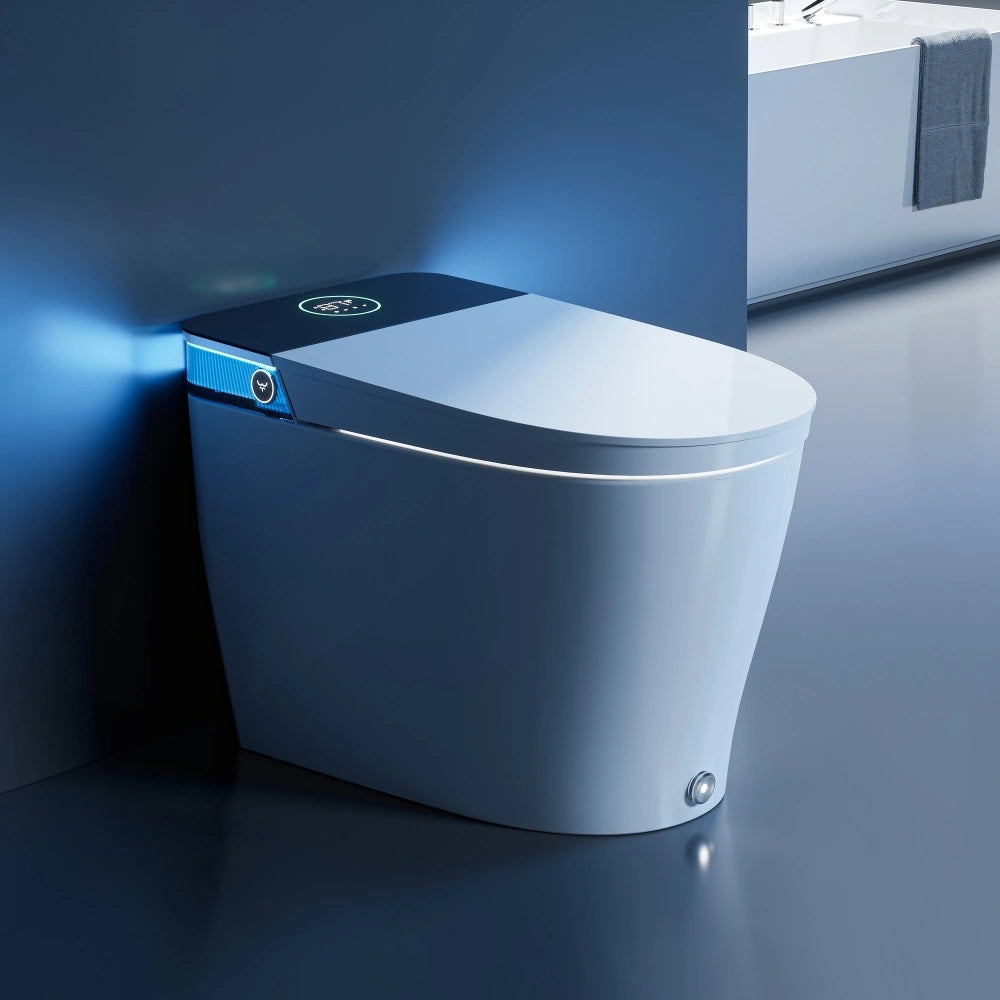
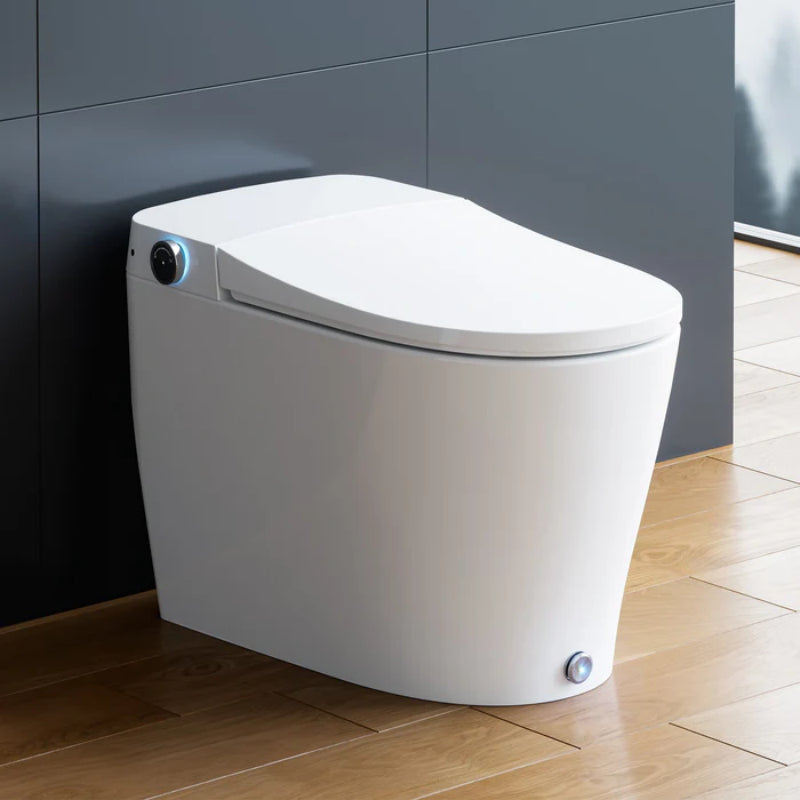

A leaking toilet might seem like a minor inconvenience, especially when it still flushes. However, even a leaking toilet can cause significant water wastage and potential damage over time. What might look like a small problem can quickly spiral into a much larger issue, causing both water waste and potential damage to your home.
Decision snapshot: when you can keep using it
Rule of thumb: If the leak is contained inside the tank or bowl, you can often keep using the toilet briefly while you plan a repair. If you can’t confirm the source of the leak, treat it as urgent. In these cases, follow the “dry paper towel test” in the “Water behind the toilet” section before continuing use. If you are unsure, it’s safer to stop using the toilet and turn off the water supply.
Usually OK for a short time (hours to a couple days):
-
A toilet tank leak that goes into the bowl (common flapper or fill valve issue) with no water on the floor
-
A slow drip at the water supply line connection that you can stop by snugging gently and watching closely
You may need a repair kit if the flapper or fill valve requires replacement to stop the leak.
Stop using it and turn off the water supply now:
-
Toilet leaking at base or water leaking from bottom of toilet
-
Water pooling on the floor around the toilet, even if it dries up
-
Water leaking from bottom of toilet gets worse right after you flush the toilet
-
Any leak near electrical outlets, a heated floor, or a ceiling below
This isn’t about being alarmist. The key point is simple: floor leaks can rot wood and ruin the seal to the floor fast, even when the leak seems small.

Leak source determines action
A “leaky toilet” can mean three very different problems. Use this to sort risk before you decide to keep using it.
| Leak location | What it often is | Risk level | Use it? |
| Inside tank, water runs into bowl | Toilet flapper, fill valve, water level too high | Mostly water waste | Short-term yes |
| Drips between tank and bowl | Tank bolts, tank-to-bowl gasket, flush valve seal | Can crack parts, worsen fast | Limit use, plan repair |
| Around the base / floor | Wax ring failure, loose bolts, cracked bowl/flange | Hidden water damage | No—stop and shut off |
| Behind toilet | Water supply line, shutoff valve, condensation | Ranges from minor to major | Depends—confirm source |
Toilet tank leaking: what clues inside the tank mean
If your toilet is leaking from the tank to the bowl, you may not see water on the floor at all. However, a slow leak can lead to wasted water over time and increased water bills, even if it's not leaking from the tank onto the floor.
Common signs and what they usually point to:
-
Random refills when nobody used the toilet: flapper not sealing or flush valve seat worn
-
Water level climbing to the top of the overflow tube: fill valve issue or float set too high
-
A constant thin trickle from the tank into the bowl: flapper or flush valve leak
This is the kind of problem people live with for weeks because it doesn’t feel urgent. The regret usually shows up as a surprise water bill. A running toilet can waste hundreds of gallons of water far more quickly than most homeowners expect. This can be especially concerning when a leak continues unnoticed for days, adding significantly to your water bill.
A quick reality check that helps: put a few drops of food coloring in the tank and don’t flush for 15–20 minutes. If colored water shows up in the toilet bowl, you have a leak past the flapper/flush valve. It’s not a full diagnosis, but it tells you the leak is real.
Toilet leaking at base: why “just a little water” is a big deal
If you see water pooling on the bathroom floor around the base of the toilet, assume the seal between the tank and the floor is compromised until proven otherwise.
Typical causes:
-
Wax ring failure (the ring that creates a watertight seal between the toilet and the drain)
-
Loose bolts holding the toilet to the floor
-
A cracked toilet base or a damaged flange under the toilet
-
Less common: water from the tank or supply line running down and looking like a base leak
All of which can be the root causes of the leak. Here’s the risk: every flush sends dirty water past a failed wax ring. Even if it’s only a small amount each time, it can soak the subfloor, loosen tiles, and create odor. Many people regret “keeping it in service” because the repair goes from “replace the wax ring” to “replace subfloor” once rot starts.
If the toilet rocks when you sit down, that’s another red flag. Movement can break the wax seal and prevent it from sealing properly, causing the leak to persist, even after an attempt to fix it.
Water behind the toilet: supply line or condensation?
Water behind the toilet often comes from:
-
The water supply line connection
-
The shutoff valve
-
The tank bolts or gasket dripping and running backward
-
Condensation on the tank in humid rooms
Before you decide it’s “safe to use,” dry everything and place paper towels behind the toilet and under the shutoff valve. Flush and watch where the first drops appear. If the shutoff valve or supply line is actively dripping, you can often stop the leak by turning off the water supply and addressing that fitting. If you’re unsure, limit use and keep the water off between flushes. Once you’ve performed a repair, turn on the water supply and observe the tank for any signs of leakage before fully using the toilet.
Real-world problems people don’t expect from “a small leak”
When it comes to a leaking toilet, many homeowners assume it's no big deal—after all, it still flushes. However, even a small leak can lead to bigger, often unexpected problems. Here are a few real-world problems you might not see coming:
Your water bill can jump fast
A commode tank leaking into the bowl can waste a lot of water because it runs quietly and often. People often assume it’s “a little,” like a dripping faucet. In practice, a worn flapper or mis-set fill valve can let water flow for hours a day.
The regret pattern is common:
-
You ignore it because the toilet still works
-
The toilet cycles on and off (or runs constantly)
-
The water bill spikes, sometimes by a lot
-
You fix it, but you don’t get that money back
If you’re on a meter, it matters quickly. If you’re on well water, it can wear out your pump and add unnecessary cycling.
Water pooling around the base keeps coming back
Base leaks often show up like this:
-
The floor looks dry most of the day
-
After a few flushes, water appears around the toilet base
-
You wipe it up, and it returns later
This cycle tricks homeowners into thinking the problem is minor. It’s not just annoying—repeated wet/dry cycles can damage grout, swell trim, and stain flooring. As noted by the U.S. Department of Housing and Urban Development (HUD), such persistent moisture around the toilet base can lead to structural damage, affecting the subfloor and possibly the home’s foundation.
Also, a base leak can smell “musty” before you see obvious damage. That smell is often your first clue that water is sitting where you can’t see it.
Hidden damage: subfloor, odor, and rot
The expensive part of a toilet leak is often not the toilet. It’s what the water reaches.
Common chain reaction when a toilet leaks at the base:
-
Wax ring fails or toilet shifts
-
Water seeps under the flooring
-
Subfloor stays damp
-
Fasteners corrode, wood weakens, and the toilet gets looser
-
The leak gets worse because the toilet won’t sit tight
-
Repairs expand: flooring, subfloor patches, flange repair
If there’s a finished ceiling below the bathroom, the first sign might be a stain downstairs. That’s when many homeowners wish they had turned off the water sooner.

Repair reality check: what’s easy vs what becomes a project
This isn’t a full "how to repair a leaking toilet" guide, but it helps to know what you’re signing up for. Sometimes the best solution is to replace a damaged toilet entirely rather than patching it up repeatedly. A complete toilet replacement ensures you avoid recurring leaks and potential damage to your home. According to the EPA, any leak, regardless of how small it may seem, can end up wasting more water than you might expect, which is why it’s important to address the issue promptly.
Inside-the-tank fixes are often straightforward
Many toilet tank leaking problems come down to parts inside the tank:
-
Toilet flapper replacement
-
Adjusting water level
-
Replacing a fill valve
-
Reseating or replacing a flush valve seal (varies by design)
These repairs are usually accessible by removing the toilet tank lid, turning off the water supply, flushing the toilet to empty most of the tank, and working inside the tank. If you have hard water, mineral deposits may also cause additional wear on parts like the fill valve or flapper, complicating repairs.
Where people get annoyed:
-
Buying the wrong size part
-
Fixing one issue but missing another (for example, replacing the flapper but the fill valve still overfills)
-
Reopening the tank multiple times because the leak changes after adjustment
If you’re comfortable with light DIY and can monitor for a day, these are often worth repairing rather than living with the leak.
Base leaks are rarely “quick DIY” repairs
Fixing a toilet leak at the base often means:
-
Turning off the water supply
-
Disconnecting the water supply line
-
Removing the toilet
-
Replacing the wax ring or gasket
-
Resetting the toilet without rocking carefully
-
Tightening bolts evenly
If the flange is damaged, the job can escalate quickly. That’s why base leaks are where homeowners most often call a plumber—and where “I’ll deal with it later” becomes regret.

Why “it still leaks” happens after a repair
Even careful people run into repeat leaks. Common causes include:
-
Tank and bowl misalignment when reinstalling the tank
-
Uneven tightening on tank bolts, or reusing an old gasket
-
A tank-to-bowl gasket not seated flat
-
The toilet not sitting level on the floor, so it rocks and breaks the seal
-
Confusing a tank leak running down the bowl with a true base leak
If you fix one area but don’t confirm the leak source, you can waste a weekend and still have water on the floor Monday.
When to stop patching and replace
If your toilet continues to leak or the damage keeps getting worse, it might be time to stop patching it up and consider replacing it with a new toilet. Sometimes, repeated leaks or soft floors signal a deeper issue that can’t be solved with a quick fix. Let’s take a look at when it might be smarter to replace the toilet or completely reassess the situation.
Repeated leaks and soft floors are a warning
It may be time to replace the toilet (or at least stop patching) if:
-
The toilet is leaking again soon after you fix the leak
-
The toilet rocks, bolts won’t stay tight, or the floor feels soft
-
Cracks are visible in the tank or bowl
-
Corrosion makes bolts and fittings unreliable
At that point, the bigger goal is protecting the floor and getting a stable, sealed installation—not chasing small parts one at a time.

Smart toilet setups raise the stakes
A smart toilet can add friction because fittings and components may be less standard, and some parts are not as simple to access. Also, smart features don’t prevent water damage if the leak is at the base or a supply connection.
If you have (or plan) a smart toilet, the “worth using while it leaks” answer gets stricter: don’t risk water reaching outlets, cords, or powered components. Shut off the water and address the leak first.
Before you choose checklist
Use this to decide whether continuing to use a leaking toilet is worth it in your home:
-
Can you confirm the leak is not at the base (no water on the floor after flushing)?
-
Are you willing to switch off the water supply between uses until repair?
-
Is the toilet stable (no rocking) and the floor around it solid?
-
Would a bigger water bill or a damaged bathroom floor be a serious hardship?
-
Can you schedule a repair within a day or two, not “sometime later”?
FAQs
1. Why would my toilet be leaking from underneath?
A leak underneath your toilet is often due to a failed wax ring, loose bolts, or a cracked base. It’s also possible the flange (the piece that connects the toilet to the floor) is damaged. If water's pooling around the base, it’s usually not just a small issue—it can lead to bigger damage like rotting wood or a weakened subfloor.
2. What do I do if my toilet is leaking water?
First thing: turn off the water supply to stop more water from leaking. If it's leaking at the base, stop using the toilet entirely and address the problem ASAP. You may need to replace the wax ring or the bolts holding the toilet down. If it's a tank issue, you can try to fix it yourself by replacing parts like the flapper or fill valve, but base leaks usually call for a pro.
3. How much does a plumber charge to fix a toilet leak?
The cost of a plumber can vary, but generally, you might expect to pay anywhere from $100 to $300 for a basic toilet leak fix. If the repair involves replacing the flange, subfloor, or other major components, it can cost more. Always ask for an estimate upfront!
4. How do you fix a toilet that is leaking at the base?
Fixing a base leak usually involves removing the toilet, which is heavier than it looks, replacing the wax ring, and reseating the toilet. You’ll also need to tighten the bolts that hold it down, but don’t over-tighten, as that can crack the porcelain. If the flange is damaged, you may need a professional to help with that.
5. What is the most common cause of a leaking toilet?
The most common culprit is a wax ring failure at the base of the toilet. But leaks can also happen due to issues with the tank’s flapper or fill valve, or because of loose bolts. If you notice water pooling around the toilet, it’s usually something with the base seal that needs fixing.
6. Can you fix a leaking toilet yourself?
Yes! If the leak is coming from inside the tank (like a worn flapper or fill valve), it’s usually something you can fix yourself with basic tools. Base leaks, however, are more complicated and often require lifting the toilet or fixing the flange—something that might be best left to a plumber.
7. How to get a toilet tank to stop leaking?
To stop a tank leak, you’ll want to figure out what’s causing it. It could be the flapper, fill valve, or even the flush valve seal. Check for worn parts and replace them. Also, ensure the water level isn’t too high—if it’s overflowing into the overflow tube, adjust the float or replace the fill valve.
8. Can flex seal fix a leaking toilet tank?
Flex Seal can temporarily cover small leaks, but it’s not a long-term solution. It might stop the leak for a bit, but it won’t fix the underlying problem (like a worn-out flapper or cracked tank). For a proper fix, you’ll need to replace the damaged parts inside the tank.
References


Leave a comment
This site is protected by hCaptcha and the hCaptcha Privacy Policy and Terms of Service apply.