



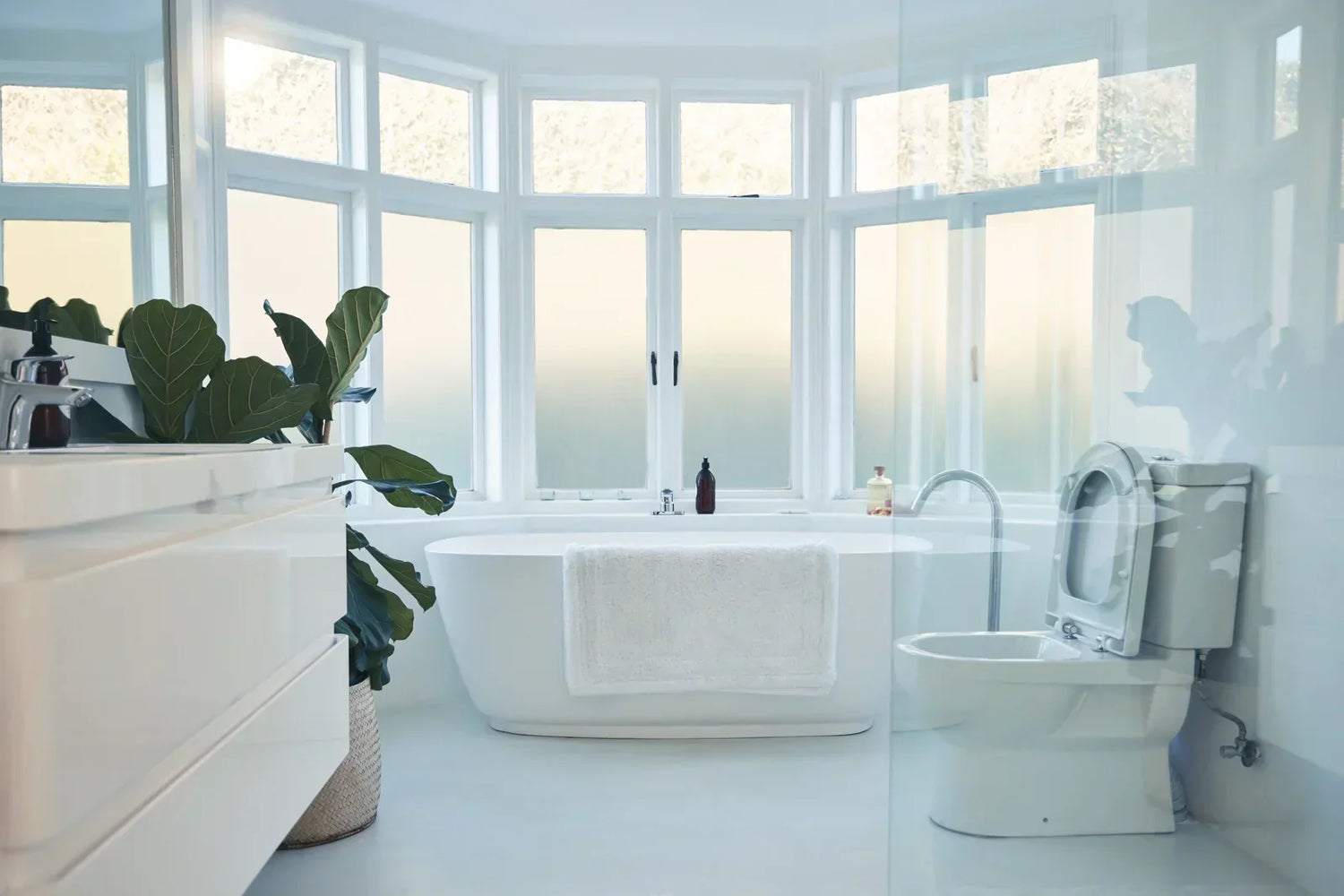
A smart toilet can feel simple in a showroom: sit down, wash, dry, flush. Compared to a regular toilet, this type of toilet offers advanced features like bidet function, automatic lid opening, deodorizing, and self-cleaning nozzles, along with adjustable water temperature and warm air dry—making it a sleek, high-tech way to renovate your bathroom and enhance hygiene. In real life, it’s still a toilet with power, sensors, and settings—so it can add comfort and add friction. This guide will also show you exactly how to use a smart toilet in everyday routines.
Smart toilets are no longer a futuristic luxury—they’re an everyday bathroom upgrade for hygiene and comfort. On first glance, using one looks simple: sit, wash, dry, flush. In practice, these devices combine sensors, power, and customizable settings that can transform your routine—sometimes for the better, sometimes with unexpected quirks. This guide walks through what daily use really feels like, what features you’ll actually use, and what to expect before installing a smart toilet in your home.
Decision Snapshot: who smart toilet use fits (and who should skip)
Rule of thumb: it’s worth it when hygiene + comfort matter more than simplicity.
Usually a good fit if you:
-
Want reliable bidet cleansing (rear wash and front wash) and use it daily
-
Like comfort features such as a heated seat, warm water, night light, or air-dry, helping reduce using toilet paper and promoting a more hygienic experience for better hygiene.
-
Need easier bathroom routines (mobility limits, pregnancy, post-surgery, arthritis)
-
Want to cut down on toilet paper without changing your habits too much
Probably skip (or delay) if you:
-
Don’t have a safe nearby GFCI outlet and can’t add one easily
-
Have a tight bathroom where a bulkier seat or longer bowl will feel cramped
-
Get annoyed by remotes, settings, and “figuring it out”
-
Have pets/kids who trigger sensors, or guests who won’t use it correctly
Who Will Find Daily Use Easiest—or Hardest
-
Space and layout: Compact bathrooms or tight toilet alcoves may make lid and seat operation tricky.
-
Power access: Requires a grounded outlet nearby; extension cords are not recommended.
-
Tolerance for settings: If you prefer simple, push-button operation, multiple bidet settings or seat temperature controls may feel overwhelming.
-
Household considerations: Kids, pets, or guests may unintentionally trigger sensors or adjust controls; a learning period may be needed.
Can you live with the daily-use learning curve? How to use a smart toilet?
Most regrets aren’t about the wash itself. They’re about all the small moments: “Why did it spray like that?” “Why did it flush early?” “Why is the seat warm all the time?”
Smart toilet remote control: what you’ll adjust daily
In practice, you’ll use a few functions over and over:
-
Wash start/stop (rear or front) – activate the spray nozzle using the smart toilet remote control guide
-
Adjusting water pressure on bidet (low/medium/high) via remote control
-
Nozzle position (forward/back) – adjust in small increments for precision
-
Water temperature (off/low/medium/high)
-
Using heated seat functions (off/low/medium/high)
-
Dry (warm air) and sometimes dryer temperature
-
Flush (manual button, auto-flush, or both)
The key point is: if the remote feels like “one more thing,” it can turn a simple bathroom break into a routine you have to manage. Some people love the control. Others feel like they’re constantly fine-tuning.
Real-home tip: many smart toilets share similar default settings, and many households end up with one “default profile” that works for most people, making it easier to learn how the smart toilet works without trial-and-error. If your model makes it hard to get back to a simple default, it may annoy you long-term.
Bidet spray settings: rear vs front wash
Most smart toilets have at least two wash modes:
-
Rear wash: aimed for general cleaning after using the toilet, sometimes with a gentle massage effect thanks to the bidet function.
-
Front wash (often called Feminine wash mode): aimed more forward for delicate cleansing. This function also highlights the health benefits of a bidet and reduces dependence on toilet paper, promoting sustainability in daily bathroom routines.
If you’re new to bidets, the biggest learning curve is aim + pressure. Expect a few days of small adjustments:
-
Start with low pressure and cooler water until you learn the aim.
-
Move the nozzle position in small steps.
-
Increase pressure only after you’re sure it’s hitting the right area.
Common surprise: high pressure doesn’t always mean “cleaner.” It can cause splashback, discomfort, and more water where you don’t want it.
If you don’t want to “tinker,” will it still feel worth it?
Ask yourself: do you want a toilet that behaves the same every time, or are you fine with a device that has preferences?
A smart toilet tends to work best when:
-
The main users are willing to learn two or three buttons
-
The household is stable (not a steady stream of guests or renters)
-
You can tolerate occasional odd behavior (sensor timing, dryer noise, re-seating the remote)
If you want zero learning curve, you may end up using it like a normal toilet and ignoring most of the features—then wondering why you paid for them.

Will it fit and install cleanly in your bathroom?
Many disappointments happen before the first use: cords, valves, and clearance.
Power and plumbing reality check
A smart toilet or smart toilet seat usually needs power. That means:
-
A GFCI-protected outlet close enough that the cord reaches without an extension cord
-
A route for the cord that doesn’t cross walking paths or get pinched
On the plumbing side, you may run into:
-
Tight clearance around the shutoff valve (angle stop)
-
A supply hose that doesn’t line up the way you expect
-
Mounting that doesn’t match older floor flanges or uneven floors
Regret pattern: people assume installation is “swap and go,” then discover they need an outlet added, the shutoff moved, or the flange repaired. That turns a simple upgrade into a small project.
Pre-installation checklist:
-
GFCI outlet required within ~3 ft of the toilet; no extension cords.
-
Ensure outlet placement allows cord routing without kinking or obstruction.
-
Water supply line must support bidet seat flow; check for existing valves compatibility.
-
Common surprise: flange mismatch – Smart toilet may require flange adapters if replacing older models.

Space and ergonomics: bulk, pitch, and comfort
Smart seats can be thicker than a standard toilet seat. That changes how you sit:
-
Some feel like they’re pitched slightly forward at first
-
The bowl opening can feel smaller
-
The lid may be heavier or sit higher
Also check:
-
Tank-to-bowl clearance (some setups crowd the seat hinges)
-
Wall clearance in small bathrooms
-
Lid clearance if there’s a shelf or cabinet above
If anyone in the home needs a taller “comfort height” feel, pay attention to seat height. Some smart toilets sit at a standard height, which can be harder on knees and hips.

What if there’s no outlet near the toilet?
This is a decision point, not a minor detail. If power can’t be added easily and safely, a smart toilet can become a constant annoyance (cord routing, tripped breakers, or features you can’t use reliably).
If you’re not ready to add an outlet, it’s usually better to pause than to force an unsafe setup.
Are the “smart” features helpful—or do they create annoyances?
The features sound small, but they change how the toilet behaves in a shared home.
Auto-flush expectations: when it feels unreliable
Smart toilets offer automatic flushing as a convenience feature, and understanding this is essential for anyone learning how to use a smart toilet properly. Auto-flush can be too sensitive or not sensitive enough depending on the sensor. Understanding how this works is key to seeing how a high-tech smart toilet seat enhances hygiene compared to a basic fixture. In real bathrooms, it can be:
-
Too sensitive (flushes when you shift, stand up slightly, or reach for paper)
-
Not sensitive enough (doesn’t flush if it didn’t “see” you)
-
Confusing for guests (“Did it flush? Do I press something?”)
Households most likely to hate auto-flush:
-
Homes with curious pets that trigger sensors
-
Homes with young kids who move a lot on the seat
-
Anyone who values quiet at night (auto-flush can be loud)
A lot of owners end up using manual flush anyway, then feeling like the “smart” part added complexity without payoff.
Troubleshooting Mini-Sequence:
-
Flushes too early / doesn’t flush:
-
Switch to manual flush to verify water flow.
-
Adjust or disable auto-flush or sensor sensitivity if your model allows.
-
Check if pets, kids, or seat shifting are triggering the sensor unintentionally.
-
-
Routine check: Keep sensor lenses clean; dust or residue can interfere with detection.
-
Power interruption: Auto-flush may reset after power loss—verify settings after restoration.
Water comfort: pressure and temperature without overcorrecting
Adjusting water pressure on the bidet and changing water temperature sounds simple, but new users often swing too far. Learning these adjustments is part of understanding how to use a smart toilet effectively. Most units allow adjustable water pressure and warm water settings, and the warm air dryer can reduce using toilet paper:
-
Pressure too high can sting, splash, or feel messy
-
Water too warm can feel odd (and may increase discomfort for sensitive skin)
-
Water too cold can make the whole feature “off limits” for some family members
Practical approach that avoids regret:
-
Keep pressure low by default
-
Keep water temp moderate (or off at first)
-
Teach one change at a time: aim first, then pressure, then temperature
Sensors and automation: lid open/close and “surprise behaviors”
Automatic lid opening feels great—until it doesn’t. Many models have built-in sensors that automate lid open/close and other advanced features, though sometimes the sensor triggers unexpectedly.
-
It may open when someone walks by in a small bathroom
-
It may close when someone is still nearby (depending on the sensor)
-
It can wake people up at night if the motor is loud
If your bathroom door faces the toilet, or the toilet sits close to the sink path, sensor triggers can get old fast.
Are you okay with maintenance and long-term reality?
Smart toilets add parts: nozzles, filters, fans, sensors, electronics. None are hard by themselves, but they raise the “ownership level” from basic fixture to small appliance.
Self-cleaning nozzle vs real cleaning needs
Many units have a self-cleaning rinse for the spray nozzle. That helps reduce bacteria, but it doesn’t mean “no cleaning.” You still need to wipe the seat and hinges regularly. Some models even include UV sterilization to maintain a more hygienic experience.
You may still need to clean:
-
The underside of the seat and hinge area (common splash zone)
-
Around the nozzle door
-
The bowl area where wash water drips
-
Any seams where dust and moisture collect
What I’ve seen in practice: some smart seats have more nooks than a plain seat, so the weekly wipe-down takes longer, not shorter.
Drying trade-offs: warm air vs toilet paper
Warm air drying is helpful, but it’s rarely instant.
-
Drying can take long enough that people get impatient
-
Many users still do a quick wipe with toilet paper to finish
So the realistic expectation is often: less toilet paper, not zero toilet paper. If you want a perfectly dry finish with no waiting, the dryer may disappoint.
Noise, energy, and repairs
Common “didn’t expect that” issues:
-
Fan noise from deodorizing or drying
-
Motor noise from lid open/close
-
Heated seat energy use if left on 24/7
-
More complicated repairs if something electronic fails
To keep energy use reasonable, many owners use:
-
Eco modes
-
Timers or motion-based heating
-
Lower seat temperature settings
If you dislike anything that hums, blows air, or makes motor sounds, treat that as a serious decision factor.
Simple upkeep checklist (weekly/monthly)
| Task | How often (typical) | Why it matters |
|---|---|---|
| Wipe seat top/underside and hinges | Weekly | Prevents odor and buildup in seams |
| Clean around nozzle area | Weekly | Reduces splash residue and staining |
| Descale if you have hard water | Monthly–quarterly | Keeps spray consistent, avoids clogs |
| Replace/clean deodorizer filter (if present) | As directed | Keeps fan from smelling musty |
Hard water areas tend to need more attention. If you already fight mineral buildup on faucets, plan for extra care here too.

Practical Tips and Quick Reference for Daily Smart Toilet Use
Using a smart toilet can be intuitive, but even experienced users find that a few strategies make daily use smoother and more comfortable. This section will help beginners understand how to use a smart toilet without confusion. This guide to smart toilets brings together key tips for operating controls, adjusting settings, maintaining hygiene, reducing toilet paper use, and troubleshooting common issues—everything you need to make your smart toilet work reliably in real life.
Quick Reference Table: Smart Toilet Controls
| Function | How to Adjust | Suggested Starting Setting | Notes / Tips |
| Rear Wash | Remote or side panel | Low pressure | Avoid splashback; adjust gradually |
| Front Wash / Feminine Wash | Remote or side panel | Low temperature & low pressure | Especially for new users; fine-tune aim slowly |
| Water Temperature | Remote | Medium | Start cooler until comfortable |
| Water Pressure | Remote | Low | High pressure ≠ cleaner; can be uncomfortable |
| Nozzle Position | Remote | Center | Move in small increments for accuracy |
| Heated Seat | Remote | Medium | Can leave on eco/auto mode if available |
| Warm Air Dryer | Remote | Medium | May still need 1–2 wipes; patience required |
| Auto-Flush | Automatic or remote | Default | May trigger early or late; clean sensors if needed |
| Deodorizer | Automatic | On | Reduces odor; clean filter monthly |
User Strategies for Daily Use
New Users / Beginners:
-
Start with preset profiles or default settings to reduce trial-and-error.
-
Adjust one setting at a time: first nozzle position, then water pressure, then temperature.
-
Use “low” for first few uses to get comfortable.
Shared Household:
-
Save 2–3 user profiles if your model allows.
-
Set default auto-flush and dryer preferences to minimize confusion for guests.
-
Teach family members which buttons are essential vs optional.
Sensitive Users / Elderly / Post-Surgery:
-
Keep water temperature and pressure moderate.
-
Heated seat can be used for extra comfort.
-
Avoid high-pressure sprays initially; gradually increase as confidence grows.
Night-Time Use:
-
Enable night-light feature if available.
-
Lower seat and dryer temperatures to reduce noise.
-
Disable auto-flush temporarily if sensor triggers are disruptive.
Safety, Hygiene, and Maintenance
-
Prevent Hot Water Scalds: Keep initial water temperature low until comfortable (CPSC Hot Water Safety).
-
GFCI-Protected Outlet Required: Always plug into a properly grounded GFCI outlet; avoid extension cords. Based on guidance from OSHA and the National Electrical Code (NEC), installing GFCI outlets in bathrooms prevents electrocution risks by quickly shutting off electricity when faults occur.
-
Hard Water & Maintenance: Descale regularly in hard water areas to prevent nozzle clogging.
-
Weekly Cleaning: Wipe seat top/underside, hinges, and nozzle area. Monthly check filters and descale if needed.
Reducing Toilet Paper Use
-
Start with the warm air dryer; use 1–2 sheets of toilet paper to finish if needed.
-
Adjust dryer speed and temperature to maximize drying efficiency.
-
Remember: “less toilet paper, not zero toilet paper” at first.
Troubleshooting Quick Tips
-
Auto-Flush Misfires: Clean sensors, check seat weight sensor, adjust sensitivity if model allows.
-
Nozzle Spray Issues: Adjust nozzle position, pressure, and water temperature gradually.
-
Power Interruptions: Recheck settings after power loss; some models reset to default.
-
Sensor Oddities: Lid opening/closing may be triggered by movement; reposition or disable motion sensor if available.
Before You Choose checklist
-
Do you have a safe GFCI outlet close to the toilet with no cord hacks?
-
Is your bathroom roomy enough for a bulkier seat and lid clearance?
-
Will the main users accept a short learning curve (remote, modes, aim)?
-
Are you okay with some noise (fan, flush, lid motor), especially at night?
-
Can you commit to weekly wipe-downs and occasional descaling in hard water?
FAQs
1. How do you operate a smart toilet?
Operating a smart toilet is actually pretty simple once you get the hang of it. Most models have sensors and a smart toilet remote control guide that help you navigate all the features. You can sit down and let it detect you automatically, or use the remote to control things manually, like bidet washing, drying, and deodorization. After a couple of uses, it feels intuitive, and you can easily explore using heated seat functions or different spray modes without any guesswork.
2. What do the buttons on a smart toilet mean?
The buttons might look intimidating at first, but each one has a purpose. Common ones include bidet spray settings explained, rear wash vs front wash bidet, Feminine wash mode, drying, seat heating, and deodorizing. Some also have eco-flush or pre-mist functions. If your toilet comes with a remote, it’s like having a mini control center—you can adjust water pressure on bidet, temperature, and nozzle position without touching the seat, making everything feel more hygienic and convenient.
3. How does a smart toilet auto-flush work?
The smart toilet auto-flush feature is one of the most convenient. Sensors detect when you’ve stood up or finished using the toilet, and it flushes automatically. Some use weight sensors in the seat or infrared sensors in the bowl. This not only keeps things cleaner, but also reduces the need to touch any surfaces. Advanced models even adjust the flush based on waste amount, which saves water and keeps the bowl fresh.
4. Is it easy to use a smart toilet with a remote?
Absolutely! Using a smart toilet remote control guide makes the experience smooth, even if you’re not tech-savvy. The remote usually has clearly marked buttons or a touchscreen for controlling bidet spray settings, Feminine wash mode, seat heating, water pressure, and deodorization. Some remotes stick to the wall magnetically for easy access. After a few tries, it feels natural, almost like using a TV remote or adjusting a car seat.
5. How do you control smart toilet water temperature?
Controlling the water temperature is easy—you can usually adjust it via the remote or side panel. Many toilets allow you to pick your preferred warmth while using rear wash vs front wash bidet or Feminine wash mode, and some let you save your settings for next time. Pairing this with using heated seat functions makes every visit comfortable year-round. You can also tweak the water pressure on bidet for a gentle or more powerful clean depending on your preference.
References


Leave a comment
This site is protected by hCaptcha and the hCaptcha Privacy Policy and Terms of Service apply.