
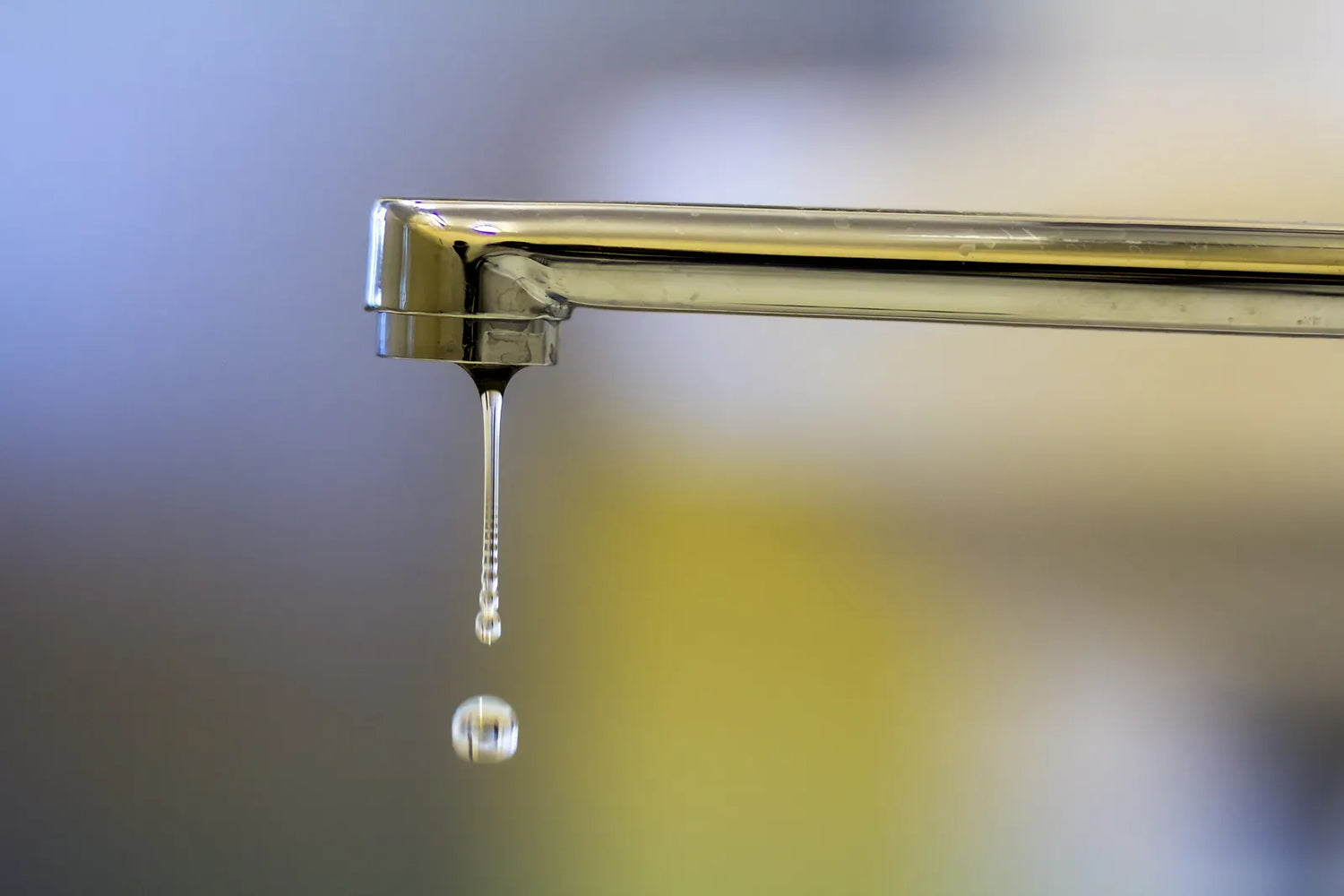
Fixing a leaking kitchen faucet is usually worth trying when the leak is clearly coming from a common wear part like a cartridge, washer, O-ring, or hose connection. It is often not worth it when you cannot tell where the leak starts, the faucet body is cracked or badly corroded, or you cannot shut the water off safely.
Decision Snapshot
Fix a leaky faucet easily with troubleshooting kitchen faucet drips, checking water valve, supply valve and plumbing system for temperature issues, fixing a leak under the kitchen sink and knowing when to replace or repair a faucet.
Good for simple seal failures
This makes sense if the leak is easy to identify and the faucet is otherwise in decent shape. A slow drip from the spout, a leak around a single handle, or a small leak at the base often comes down to a worn cartridge, washer, or O-ring. Those parts are usually cheap, and many homeowners can handle the repair with basic tools and patience.
This usually becomes useful when the faucet is not very old, the shutoff valves work, and you can remove the old part and match it exactly.
Skip it for unclear leak sources
You should probably skip a DIY repair if you are not sure where the water is really coming from. A faucet can seem to leak at the base when the real problem is higher up in the spout. Water under the sink may look like a faucet problem but actually come from supply lines, shutoff valves, a sprayer hose, or a drain issue.
This can be annoying when you spend time replacing the wrong part and the leak is still there.
Skip it for damaged fixtures
DIY repair is often unnecessary or risky if the faucet body is cracked, heavily corroded, loose in the countertop, or leaking from more than one place. In that case, replacing one internal part may not solve much. You may stop one drip and still have another leak a week later.
If the fixture feels worn out overall, repair often stops making sense.
What makes DIY worth it
Master fix a leaky issues via troubleshooting drips, valves, plumbing and sink leak fixes to decide whether to replace or repair it.
Best for cheap, common parts
The main reason people try this job is simple: many faucet leaks come from small wear parts that cost very little. A worn washer or O-ring can be a few dollars. Even a cartridge repair is often far cheaper than paying for a service call.
That is the real value of learning how to fix a leaking kitchen faucet. You are not saving money on every possible problem. You are saving money on the common, boring failures that happen from normal use.
In many homes, this is enough. If the faucet has been dripping for a few days and everything else feels solid, a basic repair can be a sensible first step.
Works when faucet type is known
A lot of regret starts here. People search for one set of repair steps and assume they all apply. They do not. A faucet with a single handle may use a cartridge, ball, or ceramic disk setup. A two-handle faucet may use a compression design with washers and seats. A pull-down faucet adds hose and weight issues.
If you already know the faucet type, the job usually goes better. If you do not, the repair becomes trial and error.
That matters for searches like how to fix a leaking kitchen faucet with a single handle. The leak may still be simple, but the internal part is not always obvious until you take it apart.
Is it worth trying first?
Usually yes, if all of these are true:
-
the leak source is visible
-
the water can be shut off under the sink
-
Shutting off water quickly prevents further damage.
-
Always verify valve condition before repairs.
-
-
the faucet is not cracked or badly worn
-
you can bring the old part to match it
If one of those is missing, the job becomes less predictable. The repair may still be possible, but it is no longer the “five-minute cheap fix” many people expect.

Friction users miss early
Fix a leaky faucet via plumbing system, adjust temperature, valves, troubleshoot drips and fix under sink leaks wisely.
Parts rarely match exactly
This is one of the biggest real-world problems. Even when the part looks simple, sizes vary. O-rings, washers, clips, and cartridges are not universal. Many people take the faucet apart, realize they do not have the right replacement, and then the sink is half-disabled until they make a parts run.
This is especially common with kitchen faucet repair steps for a worn washer or o-ring. The work itself may be easy. Finding the exact match is what slows it down.
What people often wish they knew: remove the old part first, take it with you, and match it by size and shape rather than guessing.
Tools may not be optional
Many guides make faucet repair sound like a screwdriver-only task. Sometimes it is. Often it is not.
For what tools do I need to repair a leaking kitchen faucet, the answer depends on the faucet, but homeowners often end up needing more than expected: an Allen key, adjustable wrench, channel-lock pliers, a seat wrench, plumber’s grease, towels, a flashlight, and sometimes vinegar for mineral buildup.
This can be annoying when the repair stalls because one retaining clip or set screw will not move.
What happens without shutoff?
Before any repair, you need to know how to shut off the water before fixing a kitchen faucet leak. If the under-sink shutoff valves do not work, a simple repair can turn into a much bigger mess.
That is not just about water on the floor. Drips inside the cabinet can warp wood, damage stored items, and leave moisture where you do not notice it right away. If the faucet is disassembled without a reliable shutoff, you lose control of the job.
In many homes, this is the point where DIY stops being worth it.
Leak location changes the job
Locate leak spots to fix a leaky faucet and handle sink drips across different plumbing areas.
Spout leaks point upstairs
If you are asking why my kitchen faucet is leaking from the spout or how to stop a kitchen faucet from dripping after turning it off, the problem is usually in the valve or cartridge area inside the faucet, not under the sink.
That is often a good sign for DIY. A spout drip usually means a worn internal sealing part rather than a plumbing leak behind the wall or in the cabinet. If the faucet body is sound, replacing the cartridge or washer may solve it.
Still, do not expect every drip to end instantly. If mineral buildup remains inside, or the replacement part is slightly wrong, the faucet may still seep.
Base leaks need seal care
For how to fix a leaking kitchen faucet at the base, the common cause is a worn O-ring or seal where the spout swivels. This is often one of the most repairable leaks, but it creates false confidence because it seems so minor.
The catch is reassembled. If the seal is dry, twisted, nicked, or installed without proper lubricant, the leak may return quickly. Using plumber’s grease matters more than many people expect.
This usually becomes useful when the leak is small and clearly tied to movement at the base. It becomes frustrating when the water only shows up later and you have to take everything apart again.
Under-sink leaks change urgency
If you are asking why is my kitchen faucet leaking under the sink, the decision changes. Under-sink leaks can come from supply lines, valve connections, mounting hardware, the sprayer hose, or the faucet body itself. Some are easy to tighten. Others are easy to misdiagnose.
This is also where damage spreads fastest. Cabinet floors absorb drips, and leaks hidden behind stored items often go unnoticed.
How to fix a leaking pull-down kitchen faucet hose repair may be straightforward if the hose or connection point is clearly dripping. But if the water appears only while spraying, or only while switching modes, finding the true source can take time.
Under-sink leaks are less forgiving than simple spout drips because the cost of being wrong is higher.

Repair can create new problems
Avoid new issues when you fix a leaky faucet with proper valve use and plumbing system checks.
Reassembly errors cause repeat leaks
A lot of faucet repairs technically work, but only for a day or two. A clip is not seated fully. A cartridge is installed backward. A handle screw feels tight but is not. A seal gets pinched.
This is why searches like how to tighten a loose kitchen faucet handle that leaks can be misleading. Tightening the handle may stop movement, but it may not fix the worn internal part that caused the leak in the first place.
If the faucet works only briefly after repair, reassembly is often the reason.
Fast pressure can damage parts
After reassembly, many people turn the water back on too quickly. That sudden pressure can stress internal parts, especially in faucets with ceramic components. Slow testing is safer.
It also helps you catch small leaks before they become cabinet leaks. Open the shutoff valves gradually, test hot and cold, and watch every connection point with a dry paper towel.
This is one of those small habits that prevents a lot of regret.
Will it still drip after?
Sometimes yes, even after replacing the suspected part. That does not always mean the repair failed. There may be debris inside, mineral scale on sealing surfaces, air in the line, or a second worn part that was not obvious at first.
This is where how to identify the cause of a kitchen faucet leak matters more than the repair steps themselves. If you treat all dripping as the same problem, you can end up replacing parts one by one without solving the real issue.
Cleaning the aerator can also help if flow seems odd after repair. For how to clean a faucet aerator to improve water flow, the point is not the leak itself, but avoiding the false impression that the faucet is still malfunctioning when the issue is debris.
When repair stops making sense
Know when to replace vs repair a leaky faucet and avoid costly plumbing system damage.
Old faucets may keep leaking
For when to repair a leaking kitchen faucet vs replace it, age matters. An older faucet may have more than one worn part. You fix the cartridge, then the base leaks. You fix the base, then the hose starts dripping. At that point, DIY becomes a chain of small repairs instead of one clean fix.
That does not mean old faucets cannot be repaired. It means the repair may not stay solved for long.
Hidden damage raises the risk
If parts are seized, corroded, or brittle, basic disassembly can create new problems. Handles strip. Retaining nuts crack. Old hoses twist. If you force anything, the repair can get more expensive quickly.
This is often where homeowners wish they had stopped earlier instead of pushing through a stubborn teardown.
Do you need a plumber?
For do I need a plumber to fix a leaking kitchen faucet, the practical answer is: not always, but sometimes sooner than people think.
You probably do if:
-
the shutoff valves do not close fully
-
the leak source is still unclear after inspection
-
the faucet is leaking under the sink and inside the cabinet
-
the fixture is damaged, corroded, or loose
-
you replaced the likely part and the leak remains
Here’s where DIY works well in real homes — and where it often doesn’t. It works well when the leak is simple, visible, and tied to one worn part. It works poorly when the repair starts with guessing.
Before You Choose
-
Confirm exactly where the water starts, not just where it shows up.
-
Make sure both shutoff valves work before taking anything apart.
-
Identify the faucet type before buying parts or following steps.
-
Remove the old part and match it exactly instead of estimating size.
-
Protect the cabinet floor with towels and check for hidden drips after testing.
-
Stop if you find cracks, heavy corrosion, or more than one leak source.

FAQs
1. How do I fix a leak at the base of my faucet?
Start by turning off the shut-off valve, then inspect and replace worn seals and old O-rings around the faucet base. Proper installation and light lubrication can stop seepage and prevent future base leaks effectively.
2. Can I replace a faucet cartridge myself?
Yes, you can follow a replacing faucet cartridge guide to complete this DIY task at home. Just match the old cartridge size and type exactly to avoid ongoing kitchen faucet drips after replacement.
3. What tools do I need for DIY faucet repair?
You need essential tools and materials such as an adjustable wrench, pliers and plumber’s grease for tools for kitchen faucet repair. Preparing these supplies ahead makes step-by-step repair work much smoother.
4. What are common causes of kitchen faucet leaks?
Most leaks come from worn washers, damaged valve seats, loose handles and degraded internal parts of the leaking faucet. Unaddressed issues waste water and may harm your kitchen sink cabinet over time.
5. How to identify which part of the faucet is leaking?
Dry all surrounding surfaces first, then run hot and cold water to locate the exact leak source on spout, base or under the sink. This simple check speeds up troubleshooting and avoids replacing unnecessary parts.
6. Why is my pull-down faucet leaking?
Pull-down faucet leaks usually stem from worn sprayer hoses, loose connections or aging internal seals. Regular inspection is key to maintaining normal function of this common kitchen fixture.
7. When should I replace vs repair a faucet?
Repair works well for minor seal and cartridge wear, while full replacement is better for heavily corroded, cracked fixtures with repeated damage. Professional advice can help you make the most cost-effective choice.
8. How to extend the life of your kitchen faucet with maintenance?
Follow professional tips for faucet maintenance and routine maintenance tips to clean aerators and tighten loose kitchen faucet handles regularly. Small upkeep helps avoid frequent plumbing issues down the line.
References


Leave a comment
This site is protected by hCaptcha and the hCaptcha Privacy Policy and Terms of Service apply.