
How to drain water from toilet sounds simple until you’re standing over a half-empty bowl, the shut-off valve won’t close, and you realize the “last little bit” of water is about to run down your gloves, across the tile, and under the base.
In most homes, draining your toilet bowl works fine. The problems show up when the toilet is already leaking, the valve is stuck, the supply line is old, or the toilet type (smart toilet, pressure-assist, skirted base) changes the steps and the risks. For example, WaterSense, a program by the U.S. Environmental Protection Agency, promotes water efficiency in toilets, which can help prevent some common issues. This guide is here to help you decide if draining is worth doing, which method will actually work in your bathroom, and what tends to break or become expensive when it doesn’t.
How to drain toilet bowl: Decision Snapshot (rule of thumb)
Works best when:
-
You can fully shut off water at the valve behind your toilet without forcing it.
-
The toilet isn’t clogged and drains normally.
-
You’re prepping for repair, disassembly/removal, moving, winterizing, or a deep clean that needs a dry bowl.
Avoid or reconsider when:
-
The shut-off valve won’t close, spins, leaks, or looks corroded.
-
There’s water at the base, a soft floor, or the toilet rocks (wax ring/flange risk).
-
You have an active clog and flushing could overflow.
Home conditions that trigger problems:
-
A seized, hidden, or painted-over shut-off valve.
-
A brittle or kinked supply line that starts leaking once you touch it.
-
Any sign the flange/wax ring is already failing (staining, odor, movement).
-
Smart toilet or pressure-assist systems that need special shutdown steps.
If you’re in the “avoid” group, the safest move is often to fix the valve or the leak first, or stop and call a plumber before you create a bigger mess.
Who draining the bowl is for (and NOT for) in real homes
Draining the toilet bowl is not always necessary, but knowing when to do it can save you time and prevent further complications. Whether you're preparing for a major repair, cleaning, or replacing the toilet, there are specific scenarios where draining the bowl makes sense. However, it’s important to understand when it's unnecessary or even counterproductive, especially when dealing with minor repairs or clogs.
You should drain your toilet if you’re removing it, replacing your toilet, changing internal parts, or need a dry bowl for a long deep cleaning
Draining the toilet bowl makes sense when water gets sloshed around or tipped out. Real examples:
-
You’re removing the toilet to replace flooring, fix a flange, or replace the toilet.
-
You’re winterizing a bathroom that won’t be heated.
-
You’re doing a deep clean where you want the bowl empty so cleaner can sit on the porcelain “dry” line (for example, heavy mineral rings).
-
You’re opening the tank and changing parts like the flush valve or tank-to-bowl gasket on a two-piece toilet, and you don’t want water spilling during disassembly.
If the toilet is being moved at all, draining is less about “perfectly empty” and more about controlling where the remaining water goes.
You usually don’t need to empty the toilet bowl for normal cleaning, minor tank repairs, or routine maintenance that doesn’t involve tipping/moving the toilet
A lot of people drain because it sounds like the “proper” step, then they create leaks by touching old parts. In most homes you do not need to drain the toilet bowl for:
-
Normal weekly cleaning.
-
Replacing a flapper, adjusting the fill valve, or fixing a running toilet (you can shut off water and flush once, but you don’t need to chase every last ounce out of the bowl).
-
Tightening a loose seat.
If you aren’t removing the toilet and you aren’t pouring anything aggressive into the bowl, draining the bowl completely is often overkill.
Do I need to drain a toilet for a clogged toilet, or will that make it worse?
If the toilet is clogged or slow, how to get water out of toilet bowl without flushing is crucial. Draining by flushing can make things worse fast. A clog changes the whole risk profile:
-
The bowl may already be at a high level.
-
A flush might not move water down the drain line, so the bowl can rise and overflow.
-
Even if it doesn’t overflow, repeated flushes can push dirty water out around a failed wax ring, and you may not see it until the floor starts smelling or softening.
If your toilet is clogged, your first goal is to stop overflow risk. That often means do not flush again until you know the drain is moving water normally. If you need to remove water from a clogged bowl (for example, to work on the trapway or to prevent overflow), you usually remove water by hand methods or a wet/dry vac, not by flushing.
Trade-offs: what you gain (and what you risk) by emptying the bowl
While draining can reduce spills, it also changes the dynamics of the removal process. From managing residual water in the trapway to controlling exposure to dirty water during disassembly, there are several factors to consider. Additionally, draining can sometimes lead to sewer-gas odors and backflow issues if the drain line is compromised.
“Bowl completely empty” is rarely possible—plan for remaining water in the toilet and where it will go when you tilt the bowl
In practice, most toilets keep a small amount of water at the bottom of the bowl and inside the trapway. Even after you drain water from the toilet tank and flush, there’s usually:
-
A shallow pool in the bowl bottom.
-
Water held in the trap (the built-in “S” path that blocks sewer gas).
That remaining water matters because when you lift or tilt the toilet during removal, it tends to pour out of the outlet horn (bottom opening) or slosh out of the bowl. If you plan for “bone dry” and skip floor protection, you’re the one who ends up cleaning black water out of grout lines.
A realistic goal is: remove most of the water, then control the last spill with towels, a tray, and careful lifting.
Draining changes spill dynamics: less slosh, but more exposure to dirty liquid during disassembly and higher odds of floor contamination without a plan
When you drain a toilet bowl, you trade one kind of mess for another:
-
Less slosh while carrying the toilet.
-
More direct contact with contaminated water during sponging, pumping, or vacuuming.
Where people get annoyed is not the draining itself—it’s realizing they don’t have:
-
A bucket that fits behind the toilet.
-
Enough towels.
-
A place to set the toilet down that won’t stain (cardboard soaks through; a plastic tray is better).
If you are draining because you plan to disassemble the toilet, think about your “set-down zone” before you start.
Sewer-gas and splash risk: when draining the bowl or tank creates odor/backflow issues if the drain line is compromised
Water in the bowl is a gas seal. If you remove the toilet or leave a drained bowl sitting for a long time, you can get sewer odor. Two common cases:
-
You remove the toilet and leave the drain open. That can bring odor, and in some homes, insects.
-
You drain for winterizing and leave the bowl/trap dry. Odor can show up later.
If you remove the toilet, you usually plug the drain opening (a test plug or a tightly fitted rag in a bag) while you work. If you’re winterizing, you typically protect the trap seal as part of that process. The key point is: draining can change airflow in your plumbing, and you might notice smells that were masked before.
Pre-checks before you drain water from toilet (access + failure prevention)
Before you start draining the toilet, it's essential to perform a few preliminary checks to ensure smooth operation and prevent any unforeseen issues. Proper access to the shut-off valve, an inspection of the supply line, and a quick check for any potential clogs are all crucial steps to avoid mishaps.
Can you reach and operate the water supply valve behind your toilet without forcing it (stuck valves and weak stems are a flood risk)
Before you do anything, locate the shut-off:
-
Valve access: Ensure the valve is accessible without any obstructions, especially behind skirted bases.
-
Space for tools: Confirm there’s space to place a bucket, pump, or vac without stressing the supply line.
-
Usually low on the wall behind the toilet, or coming out of the floor near the bowl.
-
Turn it clockwise to shut off (most types).
Now the important part: do not force it.
What tends to happen in older bathrooms is the shut-off valve hasn’t been touched in years. You go to turn it, and:
-
The handle spins but doesn’t shut off (internal failure).
-
The stem packing starts to leak.
-
The valve won’t budge and you twist the supply line with it.
If it won’t close with gentle pressure, you need a different plan. That might mean shutting off the home’s main water and replacing the toilet shut-off first. It’s a small part, but it’s the difference between “controlled job” and “water everywhere with no easy shut-off.”
Supply line reality check: loose connections, corroded nuts, or mismatched fittings that leak when you touch them (no easy shut-off = no safe drain)
Look closely at the flexible supply line from the shut-off valve to the toilet tank:
-
Any green/white crust on metal parts?
-
Any kinks or bulges in the line?
-
Any signs of past dripping (stains, warped baseboard)?
Old lines often start leaking right after you move them. Even if the job is just “drain the toilet bowl,” you may end up bumping or twisting the line while you sponge or vacuum.
If you suspect the supply line is fragile, plan to replace it during reassembly. It’s usually inexpensive, but it becomes expensive if it fails when you’re not home.
Is the toilet clogged or slow-draining? Don’t flush the toilet to remove water until you’ve ruled out a blockage that could cause an overflow
A normal drain lets the bowl empty quickly after a flush and refills to its normal level. Warning signs:
-
Water rises high before it slowly drains.
-
Gurgling from nearby fixtures.
-
The bowl “almost” clears, then refills too high.
If you see those signs, don’t use repeated flushes to drain your toilet. Use a removal method that doesn’t add more water to the bowl (sponge, pump, wet/dry vac).
Visual checklist: valve behind your toilet, tank-to-bowl area, and around the toilet base for early signs the seal/flange may already be failing
Before draining, look for evidence you’re about to uncover a bigger issue:
-
Water at the base of the toilet, even occasionally.
-
Toilet rocks when you press on the bowl rim.
-
Staining around the base, soft flooring, or persistent odor.
-
Moisture under the tank or at tank bolts (two-piece toilets).
If you have base leaks or rocking, draining is not the risky part—moving the toilet is. A disturbed wax ring or cracked flange can turn a “simple drain and clean” into subfloor repair. In that case, plan the job as a removal and reset with new sealing parts, not a quick drain.

Choosing a draining method that will actually work in your bathroom
When it comes to draining a toilet bowl, selecting the right method depends on your bathroom setup, the amount of water remaining, and the level of mess you're willing to manage. Below, we outline several methods, each with its own advantages and considerations.
Standard method: first turn off the water supply, then flush the toilet to remove most of the water from the tank and bowl (and why it sometimes leaves too much)
This is the most common method, and it’s enough for many repairs.
Steps
-
Turn off the water supply at the shut-off valve behind your toilet.
-
Remove the tank lid and set it somewhere safe (it chips easily).
-
Flush the toilet and hold the handle down for a few seconds to push as much water out as possible.
-
If the tank refills, the valve didn’t shut off fully (stop and address that first).
-
Use a sponge or small cup to remove remaining water from the tank bottom.
Why it sometimes fails
-
If the shut-off doesn’t fully close, the tank will keep refilling, so you never “finish” draining.
-
Some fill valves seep slowly even when “off,” especially if the valve is worn.
-
Many bowls still hold a noticeable pool even after a flush. That’s normal, but it surprises people expecting an empty bowl.
Where this method fits
-
Tank part replacement.
-
Light disassembly where the toilet stays on the floor.
-
Getting the water level low enough to sponge the last bit.
Low-mess removal: sponge/hand pump for small amount of water left in the bottom of the bowl and tank (how to avoid drips around the toilet)
If your goal is to empty the toilet bowl as much as practical, hand removal is the most controlled. It’s slower, but it avoids spraying and reduces the “surprise spill” when you lift the toilet.
Sponge method (simple, cheap, slow)
-
Use a dedicated sponge you will throw away.
-
Start with the tank (cleaner water), then the bowl.
-
Wring into a bucket. Don’t overfill the bucket; you’ll bump it.
-
For the bowl, push water toward the drain hole area and soak.
Hand pump method (faster, still controlled)
-
A small hand-transfer pump or siphon pump can move water into a bucket faster than a sponge.
-
Keep the outlet hose secured in the bucket so it doesn’t whip out.
-
This is useful when you need to drain water from toilet bowl without flushing (like with a clog risk).
How to avoid drips
-
Put an old towel or absorbent pad around the base before you start.
-
Keep a second towel in hand just for catching drips from the sponge/pump.
-
Use a shallow tray or pan near the toilet to set wet tools.
This is the method that tends to create the least regret in tight bathrooms because you’re not rushing and you’re not relying on the drain to behave perfectly.
Fastest full removal: wet/dry vac to get water out of toilet bowl and water from the tank (when it’s worth it vs overkill)
A wet/dry vac is the fastest way to get water out of a toilet bowl and tank. It’s also the method most likely to spread contamination if you do it carelessly.
When it’s worth it
-
You’re removing the toilet and want the bowl as empty as possible.
-
The toilet is clogged/slow and you don’t want to risk flushing.
-
You’re working alone and want to reduce lifting spills.
What annoys people
-
The hose drips when you move it away.
-
The canister smells if you don’t rinse it right away.
-
If the vac isn’t truly set up for wet pickup, you can ruin it.
How to do it cleanly
-
Shut off water supply first.
-
Vacuum the tank water first.
-
Vacuum the bowl in short pulls to avoid splashing.
-
When done, vacuum a little clean water through the hose (from a bucket) to rinse, then empty the canister.
-
Disinfect the hose end and canister.
If you’re only doing a minor tank repair, a wet/dry vac can be overkill. But if you’re trying to drain your toilet for removal and you care about not dripping across the floor, it can be the easiest path.
Can I drain the toilet without turning off the water, and what fails if I try?
You can remove some water without turning off the supply, but it’s rarely the smart move.
What tends to fail:
-
The tank refills while you’re trying to empty it, so you chase the water level.
-
If you’re sponging the bowl and someone uses a sink/shower, a pressure change can trigger refilling or an unexpected flow change.
-
If you bump the float or fill mechanism, the tank can start running and you may not notice right away.
If the shut-off valve won’t close and you can’t shut off the home’s main water, treat this as a “stop and fix the valve first” situation. Draining without a working shut-off is how small jobs turn into emergency calls.
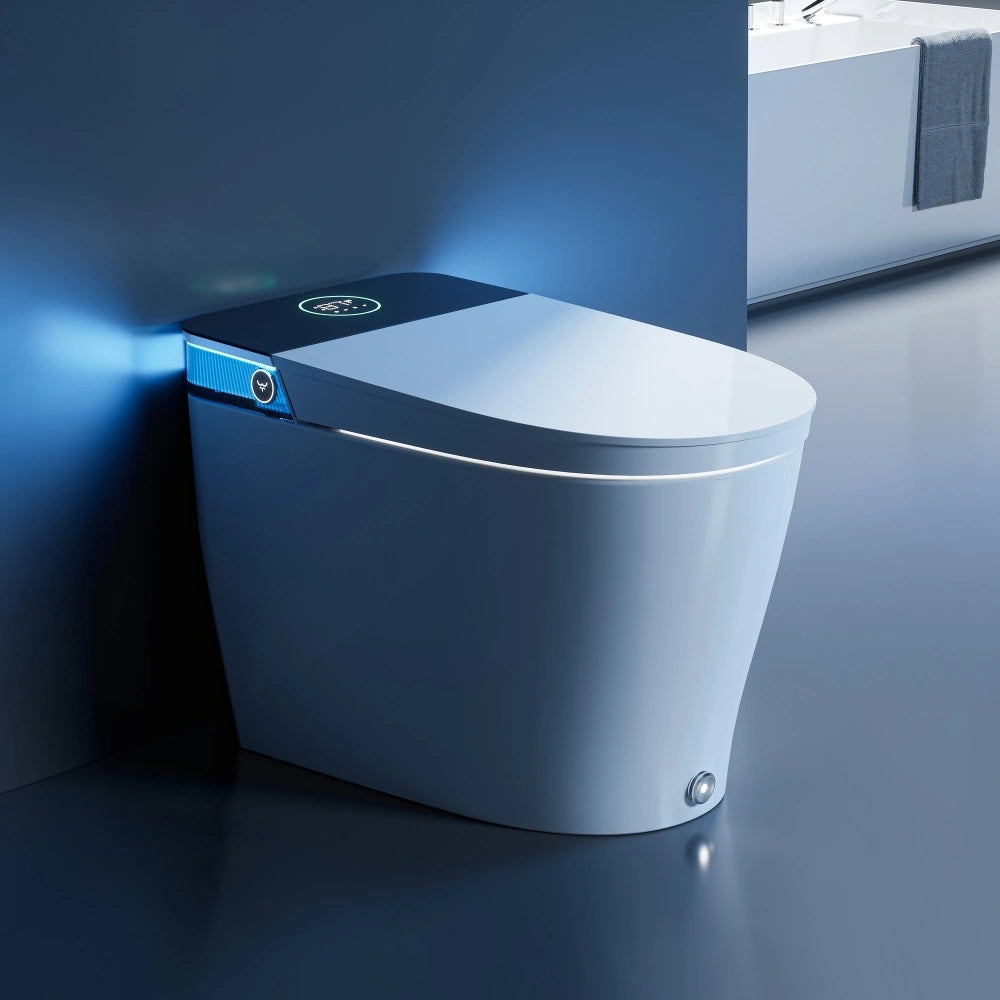
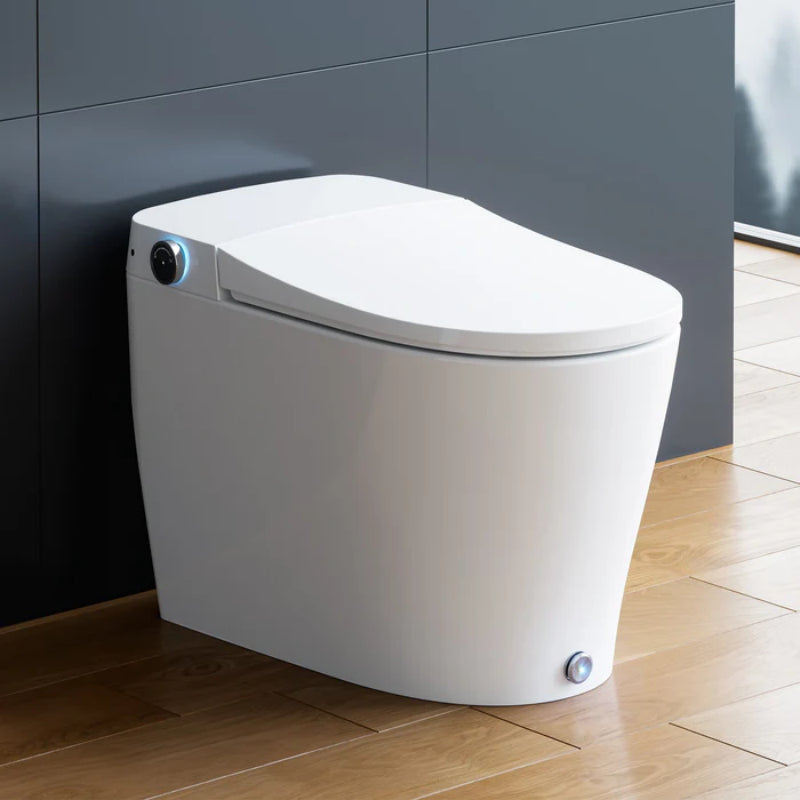
Smart toilets and pressure-assist toilets add another issue: they may have powered features or different internal hardware. If you can’t shut off water, you also can’t safely service those components.

If draining is part of removal: how to disassemble toilet without creating hidden damage
Whether you're working with a standard two-piece toilet, a one-piece model, or a smart toilet, each type has its unique considerations and risks. In this section, we will guide you through the process of controlled disassembly, managing remaining water, and addressing potential issues.
How to disassemble toilet after draining: disconnect supply, remove tank and bowl in a controlled way, and manage remaining water from both the tank and bowl
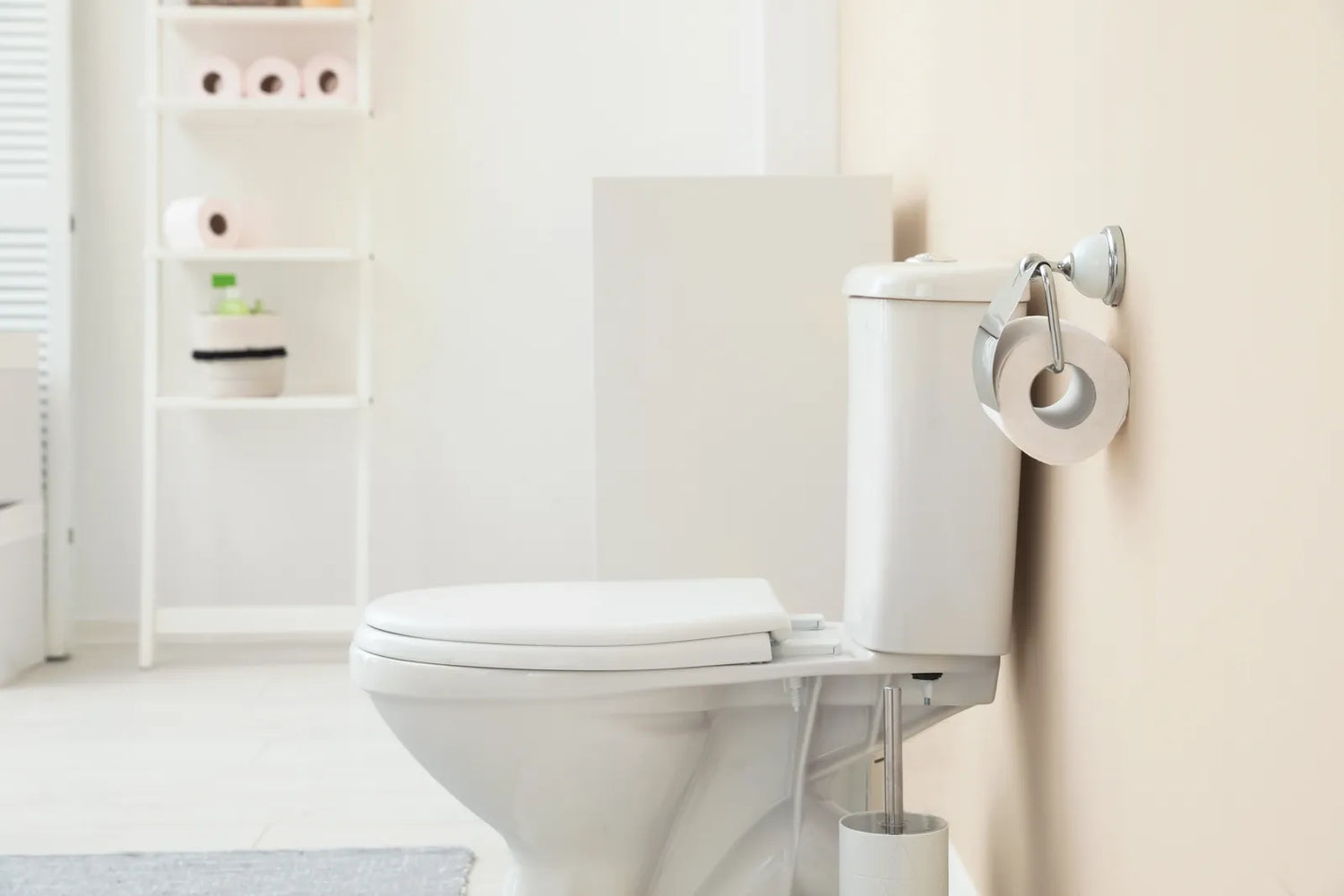
If you’re removing a standard two-piece toilet, it’s often easier (and lighter) to separate tank and bowl. If it’s a one-piece or a smart toilet, you may not have that option.
Controlled disassembly basics
-
Identify connector type before lifting: Check if you have a flexible pan connector or a non-standard connector before attempting removal. This is essential as flexible connectors can slip, split, or fail if not properly seated.
-
Shut off water and drain the tank and bowl as much as possible.
-
Disconnect the supply line at the tank connection. Have a towel ready; a small amount of water often remains in the line.
-
For two-piece toilets: remove the tank bolts (inside tank) and lift the tank straight up. Set it on a towel in a safe spot.
-
Pop bolt caps at the base, remove nuts, and cut caulk if it’s caulked.
-
Rock the bowl gently to break the seal, then lift straight up.
Managing remaining water Even when you “empty the toilet bowl,” there’s usually water in the trapway. When you lift:
-
Keep the bowl level.
-
Move it onto a tray or thick towels.
-
Tip it only once you’re over a safe area (like outside, over a drain, or over a disposable catch pan).
What tends to happen in practice is people lift, rotate toward the door, then the last water dumps right at the threshold. Plan your path before you lift.
Smart toilet notes Smart toilets can have:
-
Power cords.
-
Washlet/bidet hoses or integrated connections.
-
Heavier, more fragile bodies.
Before disassembly, unplug power and disconnect any additional hoses per the unit’s instructions. If you force it, you can crack plastic fittings that are not sold separately, turning a drain/removal into a replacement.
Flange/wax-ring risk zone: if the flange is not sealed tightly (or gets disturbed), dirty liquid can leak under the base and rot the floor before you notice
The wax ring (or gasket) seals the toilet to the flange. When it fails, leaks can be slow and hidden. The worst cases are not dramatic floods—they’re quiet damage:
-
Water seeps under tile.
-
The subfloor swells or rots.
-
The toilet starts rocking months later.
If you see any sign the wax ring might already be compromised (odor, staining, movement), assume you’ll replace the seal when reinstalling. Reusing an old wax ring is one of the most common “it looked fine” mistakes that turns into a callback.
Also, if you plunge a toilet and water comes out around the base, that’s often a sign the seal is already failing. Draining and removing won’t fix that by itself—the seal area needs attention.
Fit and retrofit reality if you’re replacing after draining: rough-in (10/12/14), side/front clearances, uneven floors/tile thickness, and when offset fixes create performance headaches
Many people drain the toilet bowl because they plan to replace the toilet. Replacement is where “simple” jobs get complicated.
Key fit checks before you buy a new toilet:
-
Rough-in measurement: Measure 12 inches from the finished wall to the center of closet bolts/flange (standard rough-in). If you have a non-standard distance like 10" or 14", it may require a different toilet model. Note: Baseboards/trim can affect the measurement if not measured from the wall plane.
-
Clearances: • Side clearance to vanity/tub. • Front clearance to door swing. • Ensure there's enough room for a bucket/pump/vac to work without stressing the supply line.
-
Floor height changes: New flooring, such as tile, can raise the floor level and affect how the flange meets the toilet.
-
Drain compatibility: Ensure the drain is compatible with common 3" vs **4" drain conditions. This is crucial for both performance and ease of replacement.
-
Effective rough-in: When new flooring or wall finishes are added, the rough-in will effectively change, so always measure from finished surfaces (not the subfloor/studs) before purchasing or reinstalling.
Offset solutions (like shifting the outlet) can help in tight spaces, but they can also create performance issues if the flow path is restricted or if the connection is more prone to leaks. If you’re considering an offset approach, treat it as a real plumbing change, not a simple swap.
What happens if I loosen the base and the toilet rocks, or I overtighten and crack the bowl?
Two common failures show up right here:
-
Loosened base that rocks: If the toilet rocks after reinstall, the seal can’t stay stable. The rocking works the wax ring, and leaks follow. Sometimes people try to “fix” rocking by cranking down the bolts, which leads to the second failure.
-
Overtightened bolts that crack porcelain: Porcelain can crack from bolt stress. Hairline cracks may not leak immediately, but they can grow. Once cracked, replacement is usually the only real fix.
If your floor is uneven, the right fix is usually shimming and proper sealing — not brute force tightening. This is one of those spots where patience saves you from buying another toilet.

What fails over time after you drain, repair, or reinstall (and how to test)
When draining, repairing, or reinstalling a toilet, it's easy to focus on getting the job done without considering potential issues that can arise over time. These issues often go unnoticed until the damage is extensive, leading to mold, floor rot, and increased costs. To ensure the job is done right and prevent future problems, thorough testing and inspection are crucial.
Hidden base leaks: gaps at the flange connection, rocking toilets, and why “no puddle today” can still mean mold/floor rot later
A base leak doesn’t always show up as a puddle. It can show up as:
-
A faint odor that comes and goes.
-
Discolored grout near the base.
-
A slightly soft feel around the toilet months later.
Why it gets missed: the leak can run under the toilet and spread under flooring. By the time you see it, the damage is already done.
After reinstall, the goal is not just “no water right now.” It’s a stable toilet that doesn’t move and a seal that stays sealed.
Water-supply leaks: shut-off valve and supply line drips that quietly inflate water bills or become uncontrollable overflows
The supply side is where small drips become expensive annoyances:
-
A slow drip at the shut-off valve or supply nut can stain the wall and ruin trim.
-
A fill valve that doesn’t fully seat can run silently and spike your water bill.
-
A compromised supply line can fail suddenly, and if the shut-off valve doesn’t work, you’re stuck shutting off the home’s main water.
After you drain your toilet and reconnect everything, supply-side leaks are the first thing to check because they are common and easy to miss.
Connection failures: flexible pan connector slip/split and wrong lubrication/seat issues that cause intermittent leaks requiring full disassembly
Not every toilet connects the same way in every home. Some installs use flexible connectors between the toilet outlet and the drain. These can fail in ways that are frustrating:
-
They can split, slip, or deform.
-
They can leak only during certain flushes.
-
They can be installed in a way that feels “tight,” but isn’t seated correctly.
If your setup includes a non-standard connector, treat it as a potential failure point and test more than once. Intermittent leaks are the ones that rot floors.
Post-work test sequence: refill, multiple flush cycles, check around the toilet base, tank fittings, and valve behind your toilet before you consider the job done
This testing step is where most DIY jobs either succeed long-term or become problems.
A simple test sequence that catches real failures
-
Turn water back on slowly at the shut-off valve. Watch the valve stem and connections while you turn.
-
Let the tank fill. Do not walk away. Listen for continuous running.
-
Dry-wipe each connection (valve, supply nut, tank connection) with a paper towel. A tissue finds drips your eye won’t.
-
Flush 5–10 times over a few minutes.
-
Check:
-
Around the base (front and back).
-
Tank-to-bowl area (two-piece toilets).
-
Under the shut-off valve.
-
-
If possible, check again after an hour and again the next day. Some leaks show only after small movements and temperature changes.
If anything is damp, don’t ignore it. Small leaks are how subfloors get ruined.
Before You Buy checklist
Use this before you buy tools, parts, or a replacement toilet—and before you start draining.
-
Confirm the shut-off valve behind your toilet turns smoothly and actually stops the tank from refilling.
-
Inspect the supply line for corrosion, kinks, or stiffness; plan to replace it if it looks old.
-
If the toilet is slow or clogged, choose a method that removes water without flushing.
-
Check for rocking, base stains, or odor; if present, plan for a new seal and possible flange/floor work.
-
Decide where the toilet/tank will be set down (tray/towels) so remaining water doesn’t hit finished flooring.
-
If replacing the toilet, measure rough-in and clearances before draining and removing anything.
-
If you have a smart toilet or powered features, confirm how to disconnect power and any extra hoses safely.

FAQs
1. How do you empty all the water out of a toilet bowl?
When wondering how to drain toilet bowl completely, the first step is to shut off the water supply at the shut-off valve behind the toilet. Then, flush the toilet to remove most of the water. To get water out of toilet bowl effectively, you can use a sponge, a small hand pump, or a wet/dry vac. These methods work best for draining the last bit of water, especially since a completely dry bowl is almost impossible due to water that remains in the trapway (the "S" bend in the pipe). If you're aiming for a drier bowl, focus on removing the majority of the water and prepare for any remaining water during disassembly.
2. Is it safe to empty a toilet bowl myself?
Yes, it is safe to drain toilet bowl yourself, but only if a few key conditions are met. Ensure the shut-off valve works properly to stop the water flow and prevent any leaks. If you're not dealing with a clog, it's safe to proceed with how to empty toilet bowl. Just be mindful of potential risks like a stuck valve, old supply lines, or a toilet with a failing seal, which can cause bigger problems when you move the toilet. To avoid mess, use towels, a bucket, or a tray to catch any water during the process. It’s always best to control spills when draining water from toilet to avoid making the task harder.
3. How to get water out of a toilet bowl without flushing?
You can use a sponge, hand pump, or a wet/dry vac. These methods are ideal when you want to empty toilet bowl without causing overflow or additional mess. The sponge method works well for small amounts of water, while the hand pump or wet/dry vac can be more efficient if you’re dealing with larger amounts. These tools allow you to safely remove the water without relying on the toilet's flushing system, making it perfect when dealing with clogs or smart toilet systems that require special steps.
4. How to take apart a 2-piece toilet?
Begin by turning off the water supply and draining toilet bowl as much as possible. You can use a sponge or wet/dry vac to get the remaining water out of the toilet. Afterward, disconnect the water supply line from the tank, and remove the bolts that secure the tank to the toilet bowl. Once you’ve lifted the tank off, you can start unscrewing the base bolts to remove the toilet. Be prepared for some residual water in the trapway when lifting the toilet. If you're working with a smart toilet, make sure to disconnect any power or additional hoses carefully before disassembly to prevent damage.
5. How to dismantle a flush tank?
First, ensure the water supply is turned off and flush the tank to drain it. Disconnect the water supply line from the tank and remove any bolts securing the tank to the toilet bowl. Once the tank is off, inspect the flush valve, fill valve, or tank-to-bowl gasket. It’s always a good idea to carefully follow the steps for disassembling a smart toilet if it has powered features or more complex internal components. When handling the flush tank, be sure to avoid any unnecessary force to prevent damaging delicate parts.
References


Leave a comment
This site is protected by hCaptcha and the hCaptcha Privacy Policy and Terms of Service apply.