
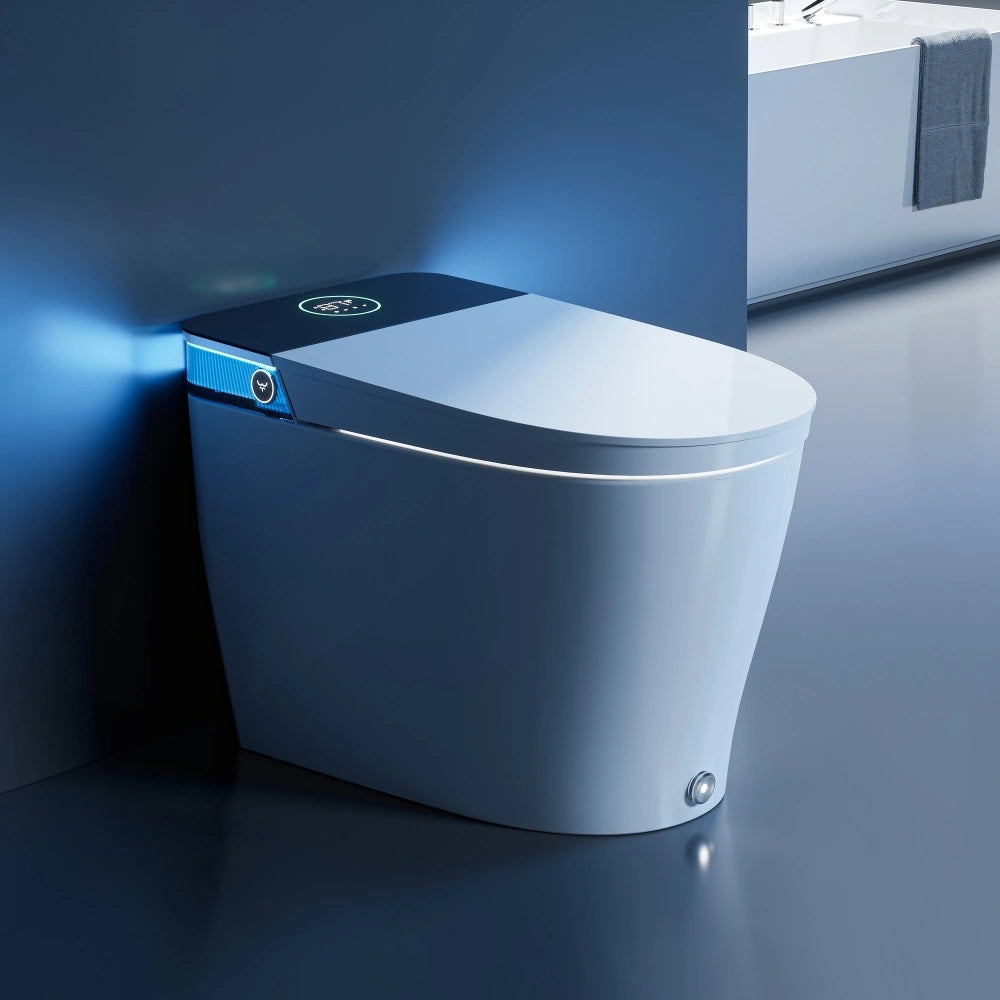
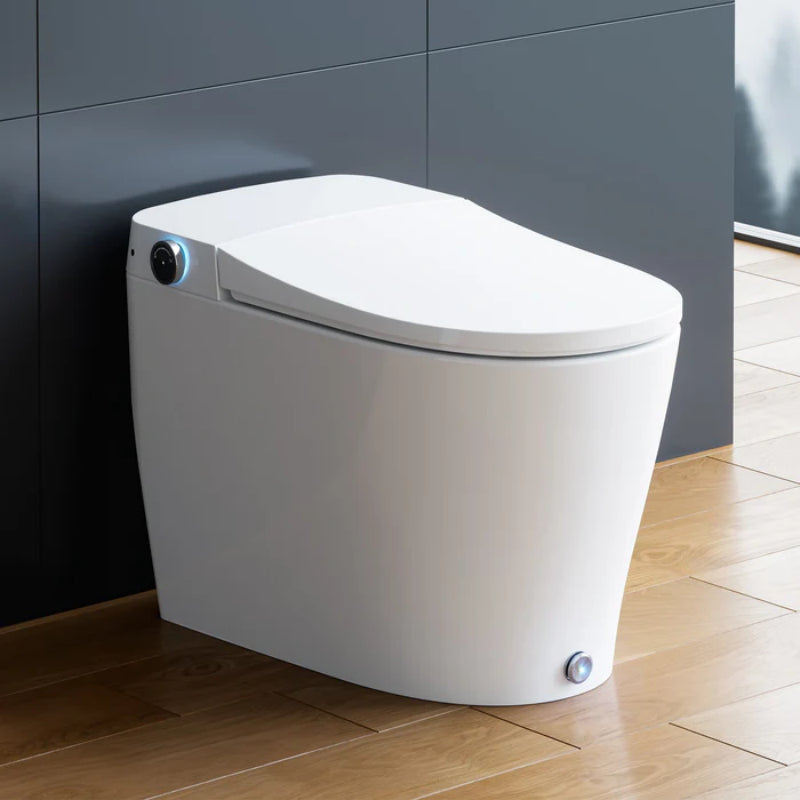

Smart toilets are increasingly popular for their convenience, and many smart toilets come with automatic functions that make them feel low maintenance. But cleaning the toilet and knowing how to properly clean and maintain your smart toilet is not the same as cleaning a basic bowl and seat. You’re dealing with finishes that scratch easily, tight gaps around a bidet housing, and electronics that do not like moisture or harsh chemicals.
The key point is to learn how to clean and keep your smart toilet properly. It’s whether the cleaning routine fits your home, water, and habits without creating new hassles.
Smart toilet cleaning & maintenance requirements (Decision Snapshot)
Understanding the cleaning and maintenance requirements upfront helps you set realistic expectations for long-term care. Use this quick checklist to assess whether your household habits and cleaning routine align with the needs of a smart toilet.
Decision Snapshot: who it’s for vs who should skip it
To effectively maintain a smart toilet, you should:
-
Don’t mind light, frequent wipe-downs (instead of rare deep cleans)
-
Have average-to-soft water (or you already manage hard-water scale)
-
Prefer gentle cleaners and microfiber cloths over strong chemicals
-
Can handle basic “device-like” upkeep (power off, careful drying, checking seams)
Able to commit to:
-
Want truly hands-off cleaning and hate “little routines”
-
Have hard water and don’t want to descale nozzles or rinse deposits
-
Rely on abrasive scrub pads, powder cleaners, or strong acids/alkalis
-
Have kids/guests who tend to spray cleaner everywhere or hose things down
Is how to clean a smart toilet worth it if you want a “hands-off” bathroom?
If “hands-off” means you want to spray a cleaner, scrub fast, and rinse a lot with water, a smart toilet can be a poor match. Many models have seams, sensors, and a bidet area that should not be flooded. Cleaning becomes more like wiping down a bathroom appliance.
If “hands-off” means you want fewer stains and less bowl scrubbing day to day, it can feel worth it. Features like pre-mist and rinse cycles can reduce how often the bowl looks dirty. But you still have to clean the seat, lid, hinges, and the underside area more carefully than most people expect.
Will this still feel worth it if you’re sensitive to chemicals, smells, or extra steps?
Often, yes—if you switch your mindset from “strong bathroom chemicals” to “neutral cleaner + soft cloth.” Smart toilets typically do better with mild products used more often. If you hate extra steps like turning off power first, avoiding certain sprays, and drying seams, it may feel like too much effort for a toilet.
What “easy to clean” really means on a smart toilet (trade-offs people don’t expect)
Many smart toilets advertise “easy cleaning” or “self‑maintaining” functions, but these features come with real‑world limitations and hidden work. Below we break down exactly what these functions do, where dirt still builds up, and how they change your daily cleaning routine.
Self-cleaning nozzle features: what they handle vs what they don’t
Self-cleaning nozzle features usually rinse the nozzle with clean water before or after use. That helps with freshness and reduces some residue.
What it does not solve:
-
Mineral scale from hard water (it can still crust up)
-
Soap scum and grime in the housing around the nozzle
-
Splash or mist that settles under the seat area
-
The need to occasionally wipe and inspect
In practice, self-cleaning is more like “keeps it from getting gross fast,” not “never touch it.”
Where grime actually builds up: under the seat/lid, hinges, and bidet housing gaps
Most regrets come from the hidden zones:
-
The hinge area where the seat meets the body
-
The underside of the seat and lid, especially near bumpers
-
The bidet nozzle door and the tight gap around the nozzle bay
-
The rear “shelf” area where dust, hair, and spray can collect
Dirt and grime can easily accumulate here, so thorough cleaning is needed.
Does the warm-air dryer and pre-mist reduce cleaning—or just change where mess collects?
Pre-mist can reduce sticking in the bowl, so you may scrub the bowl less. Warm-air dryers can reduce toilet paper use, but they also change the moisture pattern around the seat area. Some homes notice more dampness lingering under the seat or near the nozzle bay, which can mean more frequent wipe-downs to prevent odor and film.
So yes, some cleaning gets easier—but you may end up doing more small cleaning in the “mechanism zone.”

Can you clean it without damaging it? (finish + electronic risk)
For any deeper cleaning of your smart toilet, always turn off the power and unplug the unit first; avoid direct spraying of liquids and never clean the unit directly with water, as this can risk electric shock and cause malfunctions.
Avoiding damage to smart toilet finish: what “abrasive” looks like in real life
“Abrasive” is not just sandpaper. Common damage comes from:
-
Scrub sponges with a rough green pad
-
Powder cleansers that feel gritty
-
Magic-eraser style pads (they can dull glossy surfaces)
-
Stiff toilet brushes used on areas not meant for brushing (seat, lid, body)
If the finish dulls or scratches, it can hold onto grime more easily. That turns a cleaning annoyance into a long-term problem.
A simple rule: if it would scratch a non-stick pan, don’t use it on the seat/lid/body.
Safe cleaners for bidet toilets: neutral detergents, what to avoid using
Most smart toilets do best with a mild, neutral cleaner and a soft cloth. For example, a small amount of gentle dish detergent diluted in water often works for the exterior and seat.
What to avoid using (common regret items):
-
Strong acidic cleaners (can etch finishes and attack metal parts)
-
Strong alkaline cleaners (can haze plastics and coatings)
-
Solvents (can damage plastics and printed icons)
-
Mixing bleach with other cleaners (dangerous fumes)
-
Heavy “cling” toilet chemicals that run into seams and sit there
For the bowl, you can still use gentle toilet cleaners, but take care to avoid direct splashes onto the seat, lid, nozzle door, and sensor windows. Many owners end up applying bowl cleaner more precisely to reduce overspray.
What happens if water reaches electronic components and why IPX4 isn’t “waterproof”
Many smart toilets list a waterproof rating, with most featuring IPX4 waterproof protection for key components. That usually means they can handle minor splashes, not direct spraying, soaking, or water running into seams.
If water gets into the wrong place, you can see:
-
Random sensor behavior (auto-flush issues, lid opening)
-
Remote control glitches if it gets damp inside
-
Corrosion over time
-
In worst cases, electric shock and serious electrical fault risk
This is why “wipe with a damp cloth” is safer than spraying cleaner directly onto the toilet. It also explains why many instructions say to turn off power at the outlet before deeper cleaning.

The nozzle + water problem: hard-water deposits and hygiene friction
Hard water buildup and proper hygiene are two of the most common concerns with smart toilet bidet nozzles. Knowing how to safely clean these delicate components without causing damage is essential for long-term performance and peace of mind.
Cleaning smart toilet nozzle deposits without scratching or misaligning
Nozzles are easy to damage because they’re small, sometimes motorized, and often made of coated plastic or metal.
What tends to work well in real homes:
-
Activate a nozzle-cleaning or nozzle-out mode (if available)
-
Use a soft cloth, cotton swab, or very soft toothbrush
-
Wipe gently—don’t pry, twist, or force the nozzle
Removing hard water from bidet: when scale causes weak spray
Hard water leaves mineral deposits (scale). Over time, scale can:
-
Reduce spray strength
-
Make the spray uneven or angled
-
Cause the nozzle to stick or retract slowly
-
Create odor-holding rough spots
If you have hard water, you may need periodic descaling. The safest approach is to follow the unit’s manual. If the manual allows it, mild descaling methods may be used carefully on the nozzle area (not sprayed into seams, and not left too long). If you ignore scale, cleaning becomes harder because you’re scraping instead of wiping.
Is it still hygienic if you can’t fully reach the nozzle area?
This is a real friction point. Many smart toilets are hygienic in day-to-day use, but some owners feel uneasy because they can’t fully see or reach the underside splash zone without getting on the floor and using a flashlight.
If that sounds like you, ask yourself now: are you okay with a routine where you periodically inspect hidden areas? If not, the “out of sight” design may bother you even if it’s technically clean. Following core hygiene guidelines from the CDC is key to maintaining a sanitary smart toilet, as regular surface cleaning and disinfection reduces the risk of germ buildup in hard-to-reach areas.

The real maintenance routine: time, habits, and long-term annoyance
Maintaining a smart toilet doesn’t call for heavy scrubbing, but it does rely on consistent, gentle habits. Below is a realistic breakdown of what ongoing care actually involves.
Regular cleaning checklist that matches real use
The routine that seems to work for most households is short and frequent:
-
Seat and lid: wipe with a soft damp cloth + mild cleaner; dry after
-
Underside and hinges: quick wipe to prevent film buildup
-
Toilet bowl: normal bowl cleaning, but avoid splashing the upper body
-
Nozzle area: light wipe/inspection when you notice spray changes
This isn’t hard, but it does require a “few minutes often” mindset. If you prefer one big scrub session every couple of weeks, you may find the grime in gaps gets ahead of you.
Periodic tasks people don’t expect
Depending on features, you may also have to deal with:
-
Refilling foam or cleaning-solution reservoirs (often slow and spill-prone)
-
Checking or rinsing filters (if your unit has them)
-
Checking for slow leaks around hoses and connections
-
Letting cleaners “sit for a few minutes,” then wiping and drying carefully
These tasks aren’t constant, but they are the kind of thing that makes some owners say, “I didn’t want my toilet to be a project.”
Will you actually maintain your smart toilet for years to come?
Smart toilets reward consistent gentle care. Neglect tends to show up as:
-
Scale that won’t wipe off easily
-
Odor trapped in film under the seat
-
Sticky buttons, cloudy sensor windows, or unreliable automations
-
Shorter lifespan from moisture in seams and corrosion risks
If your household already struggles to keep up with basic bathroom cleaning, adding a device-like routine may not improve things. It may just move the mess into harder-to-reach places and ruin your overall bathroom experience.
Before You Choose checklist
-
Do you have hard water, and are you willing to descale the nozzle area sometimes?
-
Are you willing to avoid abrasive pads and strong acidic/alkaline cleaners?
-
Can you commit to quick wipe-downs under the seat and around hinges?
-
Is there a safe power setup, and will you actually turn power off for deeper cleaning?
-
Will kids/guests spray cleaners or water directly onto the unit?

FAQs
1. What cleaner is safe for a smart toilet and bidet nozzle?
The best and safest cleaner for a smart toilet and bidet nozzle is a mild, neutral detergent or gentle dish soap mixed with water, applied with a soft microfiber cloth—this won’t scratch the finish or harm electronic parts. You want to stay away from anything too harsh or rough, like abrasive scrub pads, powder cleansers, strong acid or alkaline cleaners, and solvent-based products that can ruin the finish or plastic parts. Also, don’t spray cleaner directly into seams, buttons, sensor areas, or the nozzle bay unless your owner’s manual specifically says it’s okay—you don’t want moisture getting inside the electronic components.
2. How do I remove hard water buildup on a bidet nozzle?
To remove hard water buildup on a bidet nozzle, start by using the built-in nozzle cleaning or extend mode if your toilet has one, so you can reach it safely—this step also helps with cleaning smart toilet nozzle deposits gently. Then use a soft cloth, cotton swab, or very soft toothbrush to wipe away light buildup gently. For heavier mineral scale, follow the exact descaling instructions from your manufacturer—don’t use strong vinegar or chemicals unless the manual approves them. Never scrape, twist, or force the nozzle out, because you can easily damage the internal mechanism, make it get stuck, or stop retracting properly.
3. Can I spray water or rinse the outside like a normal toilet?
Usually, no. Most smart toilets only have splash resistance rather than full waterproofing, and their IPX4 waterproof rating is not designed for direct washing. If you spray water directly or flood the outside, moisture can seep inside and cause sensors to act weird, lead to corrosion over time, or even create electrical risks. The much safer way, which aligns with best practices for how to clean a smart toilet, is to wipe everything down with a damp cloth instead of rinsing or hosing it down—this also helps prevent damage to the finish and keeps the bidet components in good shape.
4. Should I turn off or unplug my smart toilet before cleaning it?
A crucial step in how to clean a smart toilet safely is knowing when to turn off power, especially when cleaning smart toilet nozzle deposits or working near electronic parts. For quick, light cleaning—like just wiping down the seat, lid, and outer surface—you don’t have to turn off or unplug your smart toilet. But if you’re doing any deeper cleaning, such as cleaning around the nozzle bay (which is essential for cleaning smart toilet nozzle deposits), wiping under the seat, checking hinges, or cleaning near seams and electronic parts, you should always turn the power off and unplug it first.
5. Do self-cleaning nozzles mean I never have to clean the nozzle?
No. The self-cleaning function usually just rinses the nozzle with water before or after each use, which helps keep it from getting gross quickly and cuts down on light residue. But self-cleaning nozzle features won’t remove hard water mineral scale (which requires removing hard water from bidet nozzles), soap scum, or grime that builds up in the housing gaps around the nozzle—these are all part of cleaning smart toilet nozzle deposits. You still need to check it every so often and give it a gentle wipe to keep it working smoothly and hygienic, which is a key part of how to clean a smart toilet effectively.
References


Leave a comment
This site is protected by hCaptcha and the hCaptcha Privacy Policy and Terms of Service apply.