



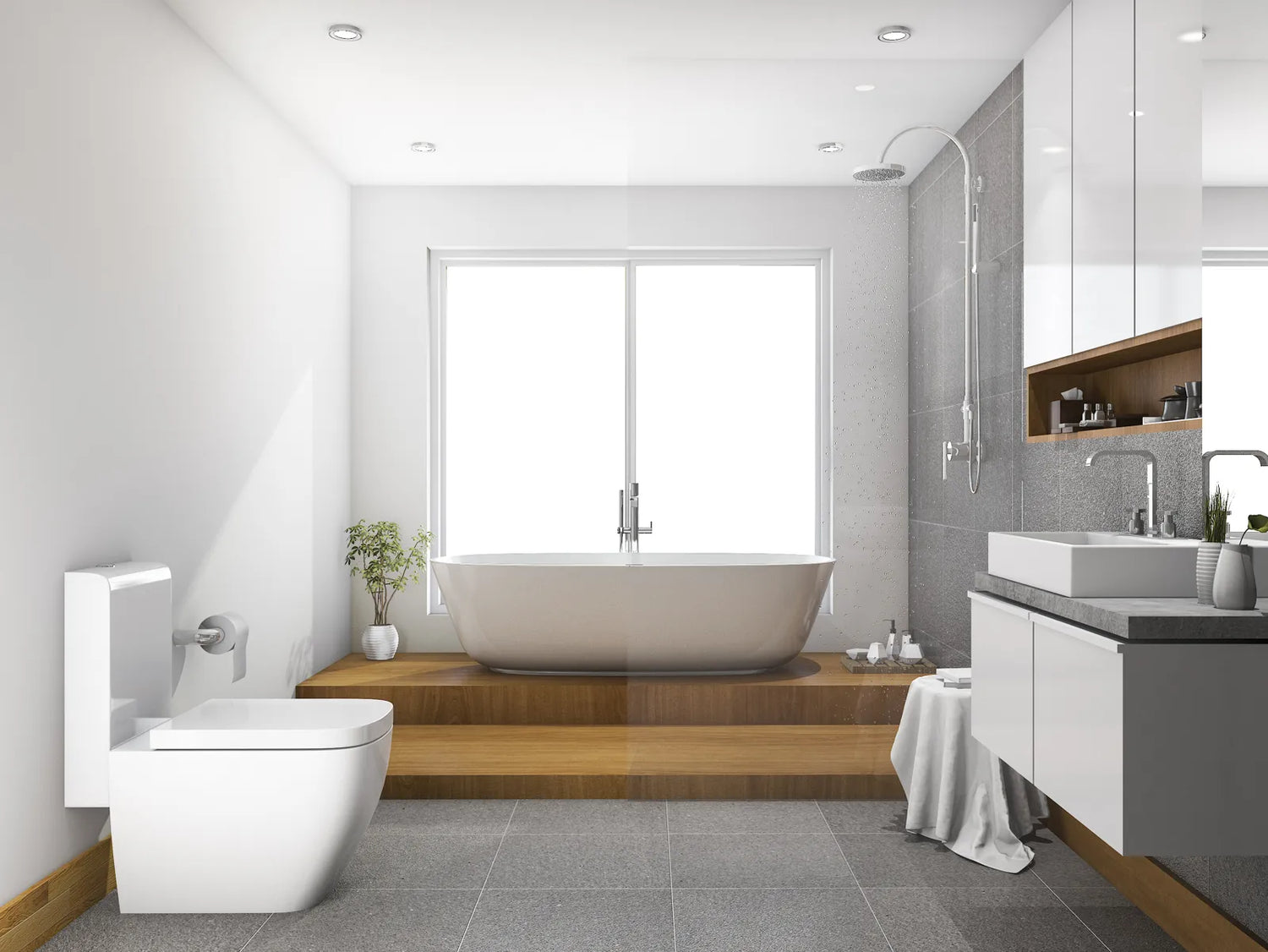
Choosing between a freestanding and a built-in bathtub isn’t just about style—it’s about how your bathroom actually works day to day. From space constraints and cleaning effort to installation costs and daily habits, each option fits a different kind of home and lifestyle. Before diving into detailed comparisons, it helps to start with a quick filter: a few practical questions that can immediately point you toward the right type for your needs.
30-Second quick decision: freestanding vs built-in bathtub filters
If you only want a fast, practical answer when choosing a bathtub, start here:
-
Need a shower-tub combo → Choose alcove built-in
-
Bathroom is tight or has limited clearance → Choose built-in (alcove or compact drop-in)
-
Low tolerance for cleaning around or under fixtures → Choose built-in
-
Need storage or ledge space for daily items → Choose built-in (alcove or drop-in)
-
Mobility concerns or easier step-in needed → Choose built-in (lower step-over, wall support)
If none of these filters apply, then a freestanding tub becomes a stronger option. The freestanding vs built-in bathtub debate is really about choosing the right bathtub for your bathroom. It's fundamentally about how you'll live with the fixture daily.
Freestanding Bathtub: ideal use cases & scenarios
Choose freestanding if:
-
you want the tub to be a visual centerpiece
-
you mostly take baths, not daily showers
-
your bathroom has enough open space around the tub
-
you accept higher install cost and harder floor cleaning
Avoid freestanding if:
-
the room is tight
-
you need lots of ledge space
-
you want the easiest option for kids, pets, or older adults
-
you are trying to keep remodel costs controlled
The pros and cons of freestanding tubs are most apparent in adult-focused spaces: they provide unmatched visual appeal and deep soaking comfort but demand more space and cleaning diligence.
Built-in suits shared family bathrooms
Choose built-in if:
-
the tub will get daily use
-
more than one person in the home uses the bathroom
-
you want easy access to walls, corners, and cleaning surfaces
-
you want a lower-cost tub and simpler plumbing
Avoid built-in only if:
-
you strongly want a statement look
-
your remodel is design-first and you have room for a custom layout
Alcove wins in tight remodels
Choose an alcove tub if:
-
you need a bath-shower combo
-
your bathroom is small
-
you want the easiest replacement during a remodel
-
you do not want to move plumbing much
For many homeowners, a modern alcove tub vs freestanding comparison ends here: if the room is small and you need a shower, alcove is usually the smart answer.
Undermount built-in tub vs freestanding tub: custom luxury fit
Choose an undermount tub if:
-
you are building a custom deck or surround
-
you want a cleaner built-in look than a standard alcove
-
you care about a tailored finish and hidden tub edges
Avoid it if:
-
you want the lowest install cost
-
you want a fast swap-in remodel
freestanding vs built-in bathtub vs alternatives
The biggest mistake people make is comparing only two tubs when there are really four common paths:
-
Freestanding tub
-
Built-in alcove tub
-
Built-in drop-in or undermount tub
-
Clawfoot tub, which is a style of freestanding tub
These are not equal options among the main types of bathtubs. Each asks something different from your space, budget, and plumbing.

Freestanding vs built-in bathtub: cost, space & upkeep full comparison
Here’s the decision table that matters most in any real comparison. A detailed bathtub installation cost comparison reveals that the final invoice is rarely about the tub itself, but the labor required to make it functional.
If you only want the simplest answer: alcove built-in tubs usually give the best value, while freestanding tubs are often more expensive than built-in options due to added labor and plumbing complexity.
Freestanding vs alcove trade-offs
This is the most common real-world comparison. On the other hand, an alcove tub uses space more efficiently, is easier to pair with a shower, and usually needs less plumbing work. The freestanding vs built-in bathtub trade-offs extend beyond plumbing to how you clean, move, and store items in the room.
A freestanding tub gives you a more open, sculptural look. It can make a primary bathroom feel special. On the other hand, an alcove tub uses space more efficiently, is easier to pair with a shower, and usually needs less plumbing work.
So which bathtub type is easier to install, freestanding or built-in? In most remodels, alcove built-in is easier, because the tub fits between three walls and often uses existing water supply and drain locations.
Built-in vs clawfoot trade-offs
A classic clawfoot tub is still a freestanding tub, but it has its own issues. It is often harder to clean under, can feel less stable for some users, and can look out of place in a modern bath unless the whole room supports that style.
If you’re choosing between clawfoot tub vs built-in bathtub comparison points, the built-in tub wins for:
-
easier entry for many users
-
easier splash control
-
lower cleaning effort
-
better shower compatibility
Choose clawfoot only if you truly want that specific look and are okay with the upkeep.
Undermount vs freestanding decision
Undermount tub vs freestanding tub vs alcove tub comes down to whether your remodel is custom or practical.
An undermount tub can look refined and clean because the tub edge is hidden under a stone or tile deck. It gives you a polished built-in feel. But it needs custom work, and that raises labor cost.
Freestanding often looks high-end too, but the “luxury” part is visible from day one and easier to understand. You don’t need a custom deck, though you may need floor-mounted plumbing or drain work.
If your budget is tight, both undermount and freestanding can disappoint once labor costs show up. That is where alcove built-ins often pull ahead.
Critical Factors to Choose Between Freestanding and Built-in Bathtubs
Many comparison articles talk about style first, but the real differences between freestanding and built-in show up in daily use. In real homes, style matters, but these four issues usually decide the outcome.
Bathroom size changes everything
Freestanding vs built-in bathtub for small bathrooms is not a close contest in most cases.
A freestanding tub needs breathing room around it. Not always on all sides, but enough for the shape to read well and for people to move around it. If the tub is squeezed in, a freestanding tub might look smaller than expected, and the room feels awkward.
A built-in tub uses wall space more efficiently, especially among common built-in options. That is why a small bathroom remodel usually favors:
-
alcove built-in
-
compact drop-in
-
smaller soaking built-in
If your bathroom is under pressure for space, a freestanding tub can become a design choice that hurts daily use. The key point is simple: the tighter the room, the more a built-in tub makes sense.

Shower use changes the winner
Freestanding vs built-in bathtub for a bath shower combo is one of the easiest calls in this guide.
If you need one fixture to handle:
-
quick morning showers
-
bathing children
-
washing pets
-
occasional soaking baths
Then a built-in alcove tub is usually better for a bath and shower combination. According to the U.S. Environmental Protection Agency (EPA), efficient water use in daily routines like showering and bathing can significantly reduce household water consumption, making practical tub-shower combinations more resource-conscious choices.
Can you add a shower to a freestanding tub? Yes, but daily use exposes real constraints:
-
Curtain or shower ring must fully wrap the tub, or water escapes easily
-
Splash control is weaker, increasing wet-floor risk around the tub
-
Standing room inside the tub is often narrower or curved
-
Floor outside the tub gets wet more often, increasing cleaning and slip risk
-
No wall surfaces for mounting shelves, soap, or grab bars
It can look appealing in design photos, but these trade-offs show up quickly in everyday use.
If you take daily showers, bathe kids, or want a low-maintenance routine, don’t choose a freestanding tub with a shower setup.
Ease of cleaning: freestanding vs built-in
Ease of cleaning: freestanding vs built-in bathtub is one of the most overlooked issues, and overall ease often determines long-term satisfaction.
Freestanding tubs often look easier, but the cons of freestanding bathtubs appear during cleaning. In practice, the hard part is the floor around it and the tight gaps near the wall if it is placed close to one. Dust, hair, and moisture can collect where cleaning tools barely fit.
Built-in tubs are generally easier because a built-in bath reduces exposed surfaces and cleaning zones:
-
fewer exposed floor edges to clean around a built-in bath
-
no under-tub cleaning
-
surrounding walls help control splash
-
shower setups are easier to wipe down in one zone
Freestanding tubs can make less deck space for soap, shampoo, and bath items too. So people add caddies, stools, or shelves. Those extras bring more surfaces to wipe. In a freestanding vs built-in bathtub matchup, the perceived simplicity of a freestanding unit often masks the hidden complexity of maintaining the area around it.
If you already dislike cleaning around toilets, pedestals, or furniture legs, you may not enjoy a freestanding tub long term.
Heat retention and soak comfort (by material)
Soaking comfort is not just about tub shape—it also depends heavily on material. According to the U.S. Department of Energy, material thermal properties directly affect heat retention and energy efficiency, which can influence how long a bath stays warm and how much energy is needed to maintain temperature.
Common differences include:
-
Acrylic (common in both freestanding and built-in): retains heat reasonably well, lightweight, warm to the touch
-
Cast iron: excellent heat retention but heavy and slower to warm up
-
Stone resin or solid surface: strong heat retention and premium feel, often used in freestanding tubs
-
Steel or enamel: loses heat faster unless insulated
Freestanding tubs are often marketed for soaking, but built-in tubs made from the right material can match or exceed that comfort.
If long, warm baths matter to you, material choice can matter more than tub type.
Installation costs surprise most buyers
Homeowners often focus on the tub price, but installation costs come from two different areas:
Plumbing and floor work (more common with freestanding):
-
drain relocation or repositioning
-
moving supply lines for floor-mounted fillers
-
opening and patching finished floors
-
possible structural reinforcement in some layouts
Surround or deck construction (applies when installing a built-in):
-
wall framing and waterproofing
-
tile, stone, or panel surround installation
-
deck building for drop-in or undermount tubs
A key nuance: freestanding tubs can be structurally simpler because they don’t require a surround or deck. However, they are often still more expensive overall because plumbing relocation and floor finishing work are harder to hide and more labor-intensive.
| Factor | Freestanding tub | Built-in tub |
| Tub purchase price | Usually higher | Usually lower |
| Plumbing changes | Often more likely | Often less if replacing same type |
| Flooring work | May need more patching/finishing | Usually less visible |
| Shower hardware | Separate or custom if needed | Straightforward in alcove setup |
| Labor complexity | Higher in many remodels | Lower in many remodels |
| Total remodel impact | Can rise fast | Easier to control |
Why are freestanding tubs more expensive than built-in tubs? Because you are often paying for three things at once: the tub itself, the visual placement, and the plumbing work needed to make that placement possible.

Built-in long-term maintenance (caulk, seams, and surrounds)
Built-in tubs must still be maintained properly despite their easier cleaning day-to-day, but understanding the cons of built-in is still important.
Watch for:
-
caulk lines at tub-wall joints that need periodic replacement
-
grout in tiled surrounds that can stain or require sealing
-
panel seams in prefab surrounds that may age over time
-
potential mold buildup in poorly ventilated bathrooms
Freestanding tubs avoid wall seams entirely, but shift the burden to floor cleaning and access.
In simple terms, there is no perfect bathtub: only the right fit for your needs:
-
freestanding → harder floor cleaning
-
built-in → more seam and surface maintenance over time
The choice between a freestanding and built-in tub depends on which upkeep you prefer.
When a freestanding bathtub is the better choice
Freestanding tubs make sense when the advantages of a freestanding tub align with your space.
You want a visual centerpiece
If the tub is meant to anchor the room, freestanding is the clear choice. It creates a focal point that built-in tubs rarely match without custom tile, stone, or millwork.
This matters most in:
-
primary bathrooms
-
adult-only bathrooms
-
remodels where style is a top goal
-
layouts with natural light or open sightlines
Do freestanding tubs go out of style? Not really. Specific shapes may shift over time, but the general idea of a standalone soaking tub has stayed relevant for years. The safer approach is to choose a simple shape, not an extreme trend.
You mainly take long baths
If the tub’s real job is soaking, a freestanding model often feels more special. Many have deeper forms and more sculpted interiors for one or two adult users.
This is where freestanding vs built-in bathtub pros and cons become clearer:
-
freestanding often feels more spa-like
-
built-in often feels more practical and workmanlike
If you take a bath a few times a year, don’t overpay for a soaking-first solution. But if bathing is part of your routine, the experience may justify the cost.
Your layout can spare clearance
A freestanding tub needs room to work visually and physically. In a larger room, that open space can feel calm and intentional. In a smaller room, it can feel like dead space.
As a rule, the more often people need to move around the tub to reach vanities, toilets, or storage, the more careful you need to be. A tub that looks great on the plan can still feel cramped in person.
You accept harder floor cleaning
This is the trade-off many buyers notice too late.
If you’re choosing freestanding, remember freestanding tubs require more floor maintenance:
-
the floor around the tub needs regular attention
-
dropped water can spread farther
-
wall-near placements can create awkward cleaning gaps
-
floor-mounted fittings can add more wipe-down points
When a freestanding bathtub is not the right choice? Often when the buyer loves the look but hates fussy cleaning and clutter control.
When a built-in bathtub is the right pick for your home
Built-in bathtubs offer practical advantages that solve everyday problems.
You need a bath-shower combo
When a built-in bathtub is better than a freestanding tub is easy to see in homes with one main bathroom.
If one tub must serve:
-
adults
-
children
-
guests
-
fast showers
-
daily cleaning routines
then built-in usually wins.
This is why freestanding tub vs built-in tub for bathroom remodel projects often comes down to one simple question: Will this bathroom need to work hard every day? If yes, built-in is usually the safer buy.
You want easier cleaning access
Built-ins are simpler to maintain in most homes. There are fewer exposed sides, less floor edge to scrub, and better splash control.
For seniors, caregivers, and busy families, that matters. Which tub is easier to maintain for seniors? In most homes, a built-in tub with predictable access, nearby walls, and less floor cleaning around it is easier to manage.
Also think about stepping in and out. Some freestanding tubs have taller walls, which can be less friendly for people with balance or mobility concerns.

You are remodeling on a budget
If the budget is real, not flexible, built-in tubs are often the smarter path.
Freestanding vs built-in bathtub installation cost is one of the biggest dividing lines. Built-in tubs typically offer simpler cleaning and maintenance. to fit into existing wall framing and plumbing. That means fewer surprise charges during demolition and rough-in.
If your remodel has many moving parts already, adding a freestanding tub can push the project into “while we’re at it” spending. That is where budgets drift.
You need storage and splash control
Built-in tubs usually give you:
-
wall ledges or deck edges
-
easier shelving nearby
-
cleaner shower curtain or door solutions
-
less water outside the tub area
This matters more than people expect. Soap, shampoo, razors, toys, washcloths, and bath salts all need a home. Freestanding tubs often need a nearby table, niche, or shelf wall. Built-ins usually solve storage more naturally.
What to consider before buying a new bathtub
What to consider before choosing a freestanding and built-in bathtub setup comes down to six practical questions.
Will it look cramped in person?
Many tubs look smaller in a showroom and larger at home. Use painter’s tape on the floor. Mark the full footprint and walking path around it. Then live with it for a day or two.
If the room already feels tight on paper, a freestanding tub may not get better in real life.
Is plumbing relocation worth it?
How much plumbing work for a freestanding tub? Sometimes not much, but often more than buyers expect.
A freestanding tub may require:
-
relocating the drain
-
changing supply line positions
-
opening finished floors
-
reworking venting or trap access in some layouts
If the existing tub is already in an alcove and works well there, changing to freestanding can be expensive without giving better function.
Will resale buyers care?
Freestanding vs built-in bathtub resale value is not a one-size-fits-all answer.
A freestanding tub can help in a high-end primary bathroom where buyers expect a luxury feel. But in a modest home or a family-focused layout, buyers may value a good shower and a practical tub more. The resale value of freestanding tubs is closely tied to the local market's expectations and the overall functionality of the bathroom.
Do freestanding tubs affect home resale value? Yes, but usually only when they fit the house, the neighborhood, and the bathroom layout. They do not create value on their own if the room becomes less useful.
If resale is your top concern, a well-done built-in tub in a functional bathroom is often the safer choice.
Will kids and older adults use it safely?
A tub that looks elegant may be less friendly for real users Based on the Centers for Disease Control and Prevention (CDC), bathroom-related slips and falls are a common source of household injuries, especially among older adults, highlighting the importance of stable entry, support surfaces, and slip-resistant layouts.
Turn safety concerns into purchase filters:
-
Step-over height → higher walls (common in freestanding) increase fall risk
-
Ability to brace or grab → built-ins allow walls for grab bars or support
-
Slip risk → freestanding tubs often leave more exposed wet floor around them
-
Faucet reach → freestanding fillers may be harder to reach quickly when assisting others
-
Standing room beside the tub → tight layouts reduce safe movement, especially for caregivers
Avoid specific tub types if:
-
Avoid freestanding if step-over height feels unstable or there is no nearby support
-
Avoid freestanding if the floor around the tub will frequently get wet and slippery
-
Avoid any tub with limited side clearance if someone needs assistance entering or exiting
-
Avoid deep or narrow tubs if balance or mobility is already a concern
For families with kids or homes with older adults, built-in tubs are usually easier to make safe and predictable.
Is a freestanding tub better?
Not by default.
A freestanding tub is better if your priority is soaking comfort, design impact, and a more luxurious look in a bathroom with enough room. A built-in tub is better if your priority is cost control, easy cleaning, shower use, and daily practicality.
That is the honest answer to “is a freestanding tub better than a built-in?” It is better only for the right kind of bathroom and the right kind of homeowner.
Real remodel patterns
Here’s what usually happens in real homes.
A homeowner with a large primary bath, separate shower, and a strong design budget often ends up happiest with a freestanding soaking tub.
A homeowner updating a hall bath, a family bathroom, or a smaller primary bath often gets better long-term value from a built-in tub, especially an alcove tub.
A homeowner who wants the look of a freestanding tub in a tight room often ends up sacrificing function. That is the regret pattern worth avoiding.
In short:
-
choose freestanding for a destination bath
-
choose built-in for a working bath
Final verdict: choosing the right bathtub depends on space, usage, and budget
Choose a freestanding or built-in tub based on how the bathroom will actually function. Choose a built-in bathtub if you want lower cost, easier installation, easier cleaning, and better daily function. For most households, the bathtub installation cost comparison alone favors the built-in route, especially when major plumbing changes are avoided. If your bathroom is small or you need a shower-tub combo, an alcove built-in tub is usually the best buy. For most households, built-in wins on practicality; freestanding wins when luxury and layout matter more than convenience.
Before you buy: choosing your perfect bathtub
-
Measure the room to ensure the bathtub for your space fits comfortably.
-
Confirm whether you need a shower-tub combo.
-
Ask how much plumbing relocation is required.
-
Check step-over height and ease of entry.
-
Think about who will use the tub most: adults, kids, guests, or seniors.
-
Plan where soap, shampoo, towels, and bath items will go.
-
Ask who will clean around and under the tub area.
-
Compare total installed cost, not just the tub price.
FAQs
1. Is a freestanding tub better than a built-in?
A freestanding tub is not automatically better. It is ideal if you want a luxurious soaking experience and a strong visual centerpiece in a spacious bathroom. A built-in tub is better for most homes because it offers easier cleaning, lower cost, better space efficiency, and more practical daily use. The “better” choice depends on how you use the bathroom, not just how it looks.
2. Why are freestanding tubs more expensive?
Freestanding tubs often cost more because you are paying for more than just the tub. They usually have higher purchase prices, and installation can require moving plumbing, adjusting flooring, or adding floor-mounted fixtures. Labor is often more complex. In contrast, built-in tubs—especially alcove types—typically reuse existing plumbing and wall structures, keeping total costs lower.
3. Do freestanding tubs affect home resale value?
Freestanding tubs can improve resale value in the right setting, such as a large primary bathroom with a separate shower and a design-focused layout. However, they do not guarantee higher value. In many family homes, buyers may prefer a practical built-in tub with a shower. Value increases only when the tub matches the home’s layout and buyer expectations.
4. Which is easier to install: alcove or freestanding?
An alcove tub is usually easier because installing a built-in bathtub is more predictable. It fits between three walls and often connects to existing plumbing, making it a straightforward replacement in many remodels. Freestanding tubs may require relocating drains, modifying supply lines, or updating flooring, which increases installation complexity and cost.
5. Do freestanding tubs go out of style?
Freestanding tubs generally do not go out of style. The concept of a standalone soaking tub has remained popular for years. However, highly decorative or trendy shapes may age faster. Choosing a simple, clean design helps ensure it stays visually relevant over time.
6. How much plumbing work for a freestanding tub?
Plumbing work for a freestanding tub can range from minimal to significant. In some cases, existing connections can be adapted. In others, you may need to relocate the drain, adjust water supply lines, open finished floors, or modify venting. Compared to built-in tubs, freestanding options are more likely to require additional plumbing work.
References


Leave a comment
This site is protected by hCaptcha and the hCaptcha Privacy Policy and Terms of Service apply.