
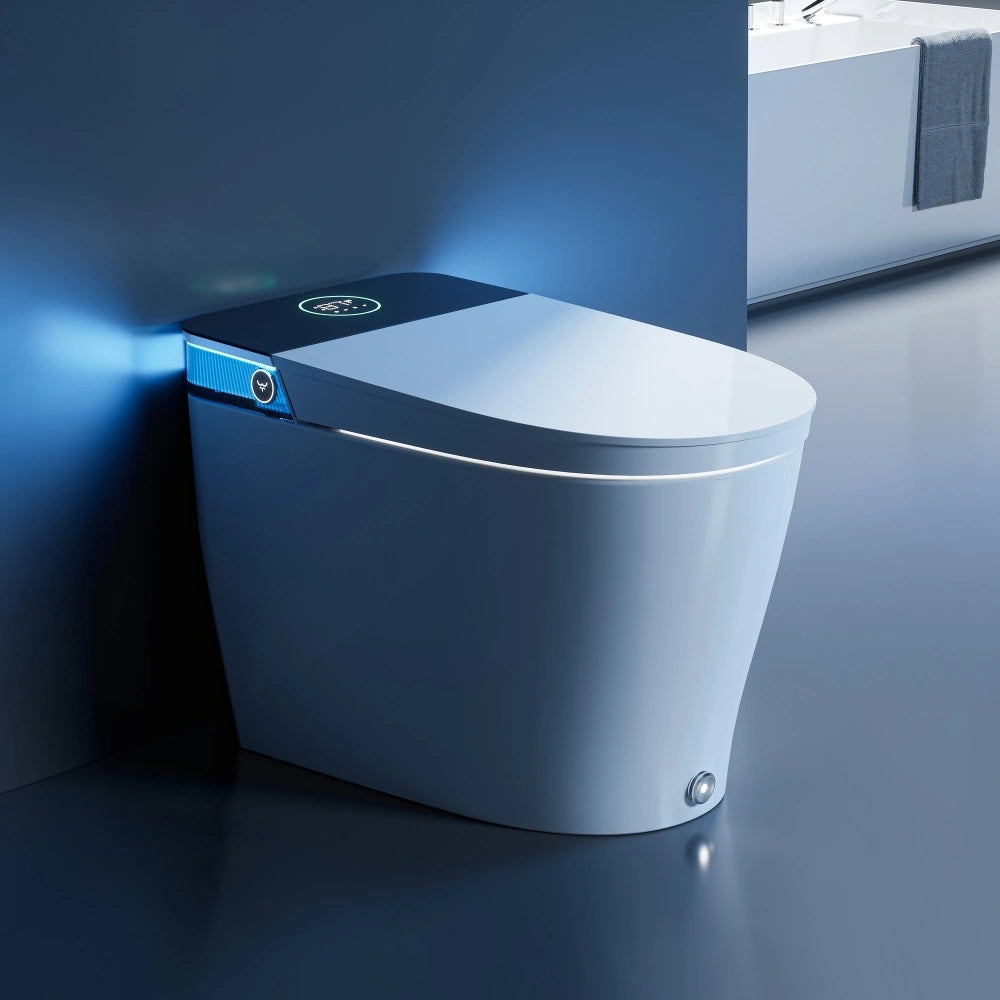
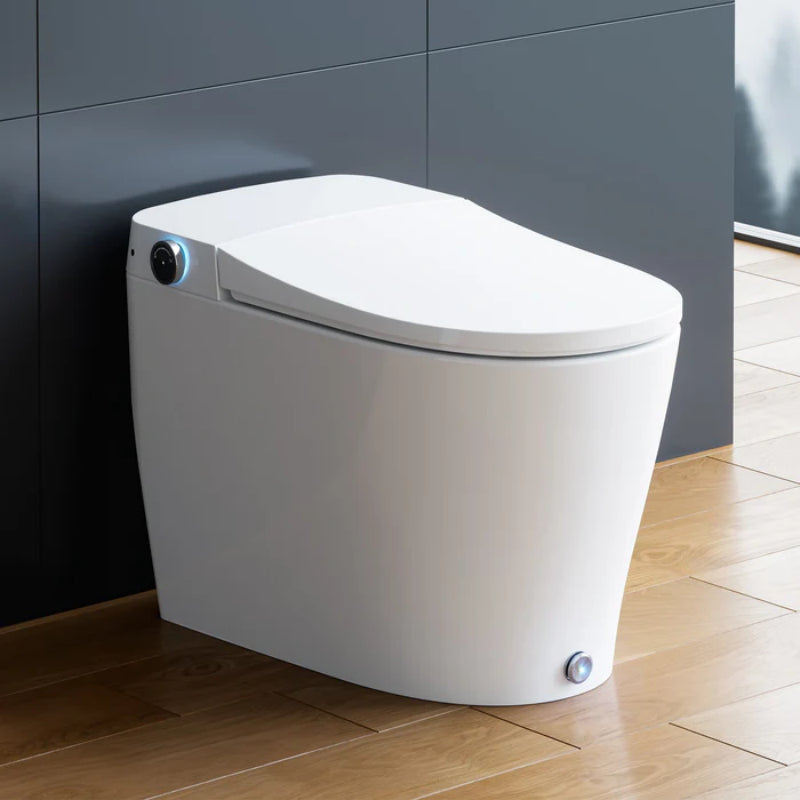
Foam shield smart toilet technology is a feature that lays a thin layer of dense foam on the water surface before you use the toilet. The goal is simple: reduce splash, help block odor, and keep the bowl looking cleaner between cleanings.
That sounds like an easy win. In real homes, it can be great in a few specific situations—and pointless or annoying in others—because it adds consumables, steps, and another system that can misread, beep, or drift out of performance.
Should you even want foam shield smart toilet technology? (Decision Snapshot)
Foam shield smart toilet technology offers a unique solution to common bathroom issues like splashback and odor, but it also comes with specific requirements, such as regular refills and the potential for occasional technical frustrations. In this decision, the solution refills and consumable dependence are key requirements, not secondary trade-offs.
Decision Snapshot: who it’s for vs who should skip it
Usually a good fit if you:
-
Care a lot about splashback control (kids, sensitive skin, or you just hate the “cold splash” risk).
-
Have a bathroom where odor is a constant issue (small powder room, weak ventilation, frequent use).
-
Don’t mind refilling a solution and doing light, regular upkeep.
-
Like tech features and are patient with remotes, sensors, and settings.
Probably skip it if you:
-
Want a toilet that feels simple and silent (no beeps, no extra steps).
-
Hate the idea of buying and storing consumables for a toilet.
-
Have a household where people won’t follow the routine (guests, kids, rental use).
-
Get annoyed when tech works “most of the time,” not “every time.”
How Activation Typically Works: Manual Remote vs Automatic
-
Some foam shield toilets require manual activation using a remote.
-
Others trigger automatically, but manual activation failures can occur due to improper settings or sensor misreads.
-
Forgetting to activate or improper timing is a common usability failure point.
Is foam shield smart toilet technology worth it if splashback is your main pain point?
If splashback is your number-one complaint, foam shield technology can be worth it—because it tackles a very specific problem in a very direct way: it changes what’s on top of the water.
But it’s not magic. If your splash issues come from how the toilet flushes, bowl shape, water level, or user habits, foam may help, yet it won’t “fix” everything. The key point is: it reduces risk and mess, not uncertainty. Sometimes you still get minor splash, just less often.
Who will likely find it annoying: people who hate extra steps, refills, and beeps
A foam shield feature often adds:
-
A refill routine (and remembering to reorder)
-
Another mode to trigger (sometimes not fully automatic)
-
More alerts (beeps, reminders, sensor feedback)
If you want a toilet to disappear into the background, this may feel like a fussy roommate.
What do you actually get in daily use—and what expectations break?
Foam shield smart toilet technology offers several benefits that can improve your daily bathroom experience. However, its effectiveness may vary depending on specific conditions and usage habits. Let's explore what you can realistically expect from its cleaning and odor control features.
Will the hygienic foam barrier toilet eliminate cleaning? (Expectation vs reality)
Expectation: The foam shield keeps the bowl “self-cleaning,” so you stop scrubbing.
Reality: You are still clean. You may clean differently.
In day-to-day use, foam can:
-
Reduce skid marks sticking hard to the bowl
-
Make quick wipe-downs easier
-
Help the bowl look “presentable” longer
But you still have to deal with:
-
Rim and underside grime
-
Mineral scale or hard-water rings
-
Areas the foam never touches
-
Normal bacteria and residue over time
Also, some systems use a foam/cleaning solution that helps with release, but it’s not a replacement for periodic scrubbing and disinfecting. If you buy this to avoid cleaning, regret is common. If you buy it to make cleaning easier and faster, you’ll be happier.
What “odor blocking foam bidet” can and can’t do in real bathrooms
Foam on the water surface can block some odors because it acts like a temporary barrier. In a small bathroom, that can feel meaningful.
What it can do well:
-
Reduce the first “wave” of odor during use
-
Help when the bathroom has weak airflow
-
Add a sense of cleanliness for quick visits
What it won’t do:
-
Fix a bathroom with poor ventilation
-
Stop odor that comes from the room (trash, drains, damp towels)
-
Cover up a dirty bowl long-term
If your goal is “no bathroom smell,” you still need basic hygiene and airflow. Foam helps most when the problem is toilet-bowl odor right at the source.
How the foam layer on the water surface changes the toilet experience (and when it doesn’t)
When it works as intended, the foam layer changes the experience in two ways:
-
Less splash risk
-
Less visible mess on the bowl surface
When it doesn’t feel like much:
-
If your toilet rarely splashes now
-
If your household already keeps the bowl clean daily
-
If people don’t activate the foam at the right time (or at all)
In shared bathrooms, this is a big deal. One person may love the foam shield and use it every time. Another person may ignore it, then complain later that it “doesn’t work.”

What are the hidden trade-offs: supplies, sensors, and small annoyances?
When adopting foam shield smart toilet technology, it’s important to consider the hidden trade-offs that come with it. From the need for regular refills to dealing with sensor quirks, these factors can impact your overall experience.
Ongoing needs: specific foam/solution supply, refill frequency, and storage
Foam shield systems typically rely on a specific solution. That creates three real-life issues:
-
You have to keep it in stock. If it runs out, the feature is gone until you refill.
-
You need a place to store it. In small bathrooms, even one more bottle can be annoying.
-
Refills become a chore. Not hard—just easy to procrastinate.
A simple way to avoid regret is to ask yourself: “Am I the kind of person who keeps spare soap and filters at home?” If not, a foam shield feature may turn into a sometimes-on feature, which makes it feel less worth paying for.
“What happens if you run out of foam solution or the dense foam doesn’t form?”
Two common real-world moments:
-
You run out and don’t notice until you need it.
-
The unit dispenses, but the foam comes out thin, watery, or patchy.
Causes can include:
-
Low solution level
-
Clogged or sticky dispensing path
-
Wrong mix (depending on how the system is designed)
-
Residue buildup over time
-
Water-related issues (like mineral deposits affecting small passages)
The practical impact is not just “no foam.” It’s the frustration of unreliable results from a feature you bought for consistency.
Sensor/remote friction: seat detection, hand positioning, repeated beeps, and low-light use
Many smart toilets bundle foam shield with sensor-driven behavior and remote controls. Even if the foam feature is strong, the daily friction often comes from the control experience:
-
A remote that’s awkward to use while seated
-
Steps that happen after use (so you forget)
-
Seat sensors that misread presence
-
Repeated beeps when the unit wants you to do something differently
-
Buttons that are hard to see at night if they’re not lit
Short troubleshooting list:
-
If foam/sensors misbehave, try repositioning your hand or adjusting remote usage.
-
Re-seat yourself or check the sensor area for proper detection.
-
Confirm the settings and alerts are correctly set for foam activation.
If you’re sensitive to noise, or you use the bathroom during the night and want “zero drama,” this matters more than most feature lists admit.

How well does it fit your bathroom and routine (setup + behavior)?
When considering foam shield smart toilet technology, it's important to evaluate how well it integrates into your bathroom setup and routine. While installation might seem straightforward, the process can involve plumbing, electronics, and tight spaces that require attention to detail. Additionally, the performance of the foam shield depends on various factors, such as water pressure, bowl condition, and flushing habits.
Installation reality: T-valve, filter, water tank connections, and tight-space constraints
Before installation, turn off the water supply and check for leaks after tightening the connections.
Even when installation is marketed as “simple,” it’s still plumbing plus electronics. Common requirements include:
-
Connecting to the water supply with a T-valve
-
Adding a filter or screen (depending on design)
-
Routing hoses without kinks
-
Ensuring the unit is stable and doesn’t shift
Tight spaces can go either way:
-
Sometimes it’s fine because everything is compact
-
Sometimes it’s maddening because you can’t reach shutoff valves, outlets, or mounting points
If you’re not comfortable turning off water, checking for leaks, and re-tightening fittings, plan on professional help. A small drip behind a toilet can become a big repair.
“Will this still work with my water pressure, bowl residue, or flush behavior?”
Foam shield performance can depend on real conditions in your home:
-
Water pressure and flow stability: weak or inconsistent pressure can affect dispensing.
-
Hard water: mineral deposits can slowly reduce performance of small passages and nozzles.
-
Bowl residue: if the bowl is already coated, foam may not spread evenly or may break faster.
-
Flush timing: if someone flushes at odd times (or uses strong flush habits), the foam may not stay in place long enough to matter.
In short, the feature is most impressive in a controlled demo. Your bathroom is not a controlled demo.
Seated control habits: using a remote while seated, timing foam activation, and shared-bathroom dynamics
This is where many “cool feature” regrets come from: your habits don’t match the required sequence.
Ask yourself:
-
Will you remember to activate foam at the right moment?
-
Will other people?
-
Will guests understand it without instructions?
-
Will anyone change settings “just to try,” then leave it confusing?
If this is a main bathroom used by many people, a foam shield can become something only one person uses correctly—so the value drops fast.

Long-term reliability and hygiene: what can become a maintenance problem?
While foam shield smart toilet technology promises convenience and cleanliness, it comes with its own set of long-term maintenance challenges. Over time, even with self-cleaning features and antimicrobial elements, regular upkeep is necessary to ensure consistent performance.
Self-cleaning foam shield tech vs real maintenance: what you still scrub and why
Some systems pair foam with self-cleaning cycles, antimicrobial materials, or UV features. Those can help, but they don’t erase the basics:
You will still scrub because:
-
Soap scum, dust, and hair end up on surfaces
-
Mineral scale builds where water sits and dries
-
Under-rim areas collect grime
-
Moving parts and seams collect residue
For guidelines on maintaining hygiene and minimizing soap scum and dirt buildup, refer to CDC’s Hygiene Guidelines.
Foam shield can reduce the “worst of it,” yet it also adds a new thing to keep clean: the dispensing path and any area where solution can dry out.
Buildup and performance drift: when anti-splash foam toilet bowl results fade over time
A common pattern with systems that dispense liquids:
-
Work great early on
-
Gradually gets less consistent
-
You start troubleshooting more often
Performance drift can show up as:
-
Foam that’s thinner than it used to be
-
Uneven foam coverage
-
More frequent clogs or “partial dispense” behavior
-
Extra cleaning needed to get back to normal
If your home has hard water, plan on more maintenance than you expect. Even if you use the toilet perfectly, water chemistry still wins.
Electric functionality risks: clogs, leaks, sensor misreads, and what you’ll troubleshoot first
Any electric toilet feature adds failure points. The most common homeowner pain points aren’t dramatic—they’re small and recurring:
-
A sensor that misreads and makes the unit act “confused”
-
A connection that slowly weeps water
-
A dispenser that needs cleaning
-
A remote that needs batteries or re-pairing (if applicable)
-
A setting that gets changed accidentally
The key point is: you’re not just maintaining a toilet anymore. You’re maintaining a system. If that idea already sounds tiring, foam shield technology may not suit you.

Before You Choose: quick checklist
-
Am I willing to buy and store the foam solution consistently?
-
Will everyone in the home use the foam feature correctly?
-
Do I have hard water, and am I okay with descaling/cleaning?
-
Will beeps, sensors, or a remote feel annoying—especially at night?
-
If the feature stops working, will I troubleshoot calmly or hate it?
FAQs
1. What is foam shield technology in toilets?
Foam shield smart toilet technology is a modern bathroom innovation that adds a layer of dense foam to the water surface before use. This foam helps reduce splashes, block odors, and keep your toilet bowl cleaner for longer periods. By using anti-splash foam technology, it creates a cleaner, more hygienic environment. While the self-cleaning foam shield tech reduces cleaning time, it still requires regular refills and careful maintenance to maintain optimal performance.
2. Does the foam prevent splashes?
Yes, the foam in foam shield smart toilet technology reduces splashes by covering the water surface. This anti-splash foam toilet bowl feature is especially useful for those who want to avoid the discomfort of splashing or the “cold splash” effect. While it effectively minimizes splashes, it may not solve all splash issues if they stem from the toilet's flush mechanism or water level, but it significantly reduces the mess.
3. How do I refill the foam in a smart toilet?
Refilling the foam in a foam shield smart toilet typically involves adding a specific foam solution designed for the system. Whether you are using odor blocking foam bidet or other specialized cleaning solutions, make sure to follow the manufacturer's instructions for the right product. Most models have a compartment where the solution is added, and in some cases, you may need to replace a cartridge. Always use the recommended solution for optimal performance, as improper solutions can damage the system.
4. Does the foam help with toilet odors?
Yes, the foam helps with toilet odors by acting as a barrier that reduces odor during use. The odor blocking foam bidet can effectively cover up the initial wave of odors in smaller bathrooms or areas with weak ventilation. While it’s effective for toilet-bowl-related odors, it won’t eliminate odors caused by external factors like trash, drains, or damp towels. If you want to maintain a cleaner, more odor-free bathroom, this foam shield technology is a valuable addition.
5. Is the foam safe for septic systems?
The safety of foam shield smart toilet technology for septic systems depends on the specific foam solution used. Some solutions are designed to be septic-safe, but it’s essential to verify this before use. If you have a septic system, choose a foam solution labeled as safe for septic tanks, and always follow the recommended usage guidelines. Using the wrong solution could potentially harm your septic system. When in doubt, consult the manufacturer for recommendations.
6. How long does a foam refill last?
The lifespan of a foam refill for foam shield smart toilet technology depends on the frequency of use. On average, refills last several weeks or months, but this can vary depending on your toilet's use. The self-cleaning foam shield tech can provide consistent cleaning and odor-blocking benefits until the foam level runs low. Most models will alert you when it's time to refill, ensuring your hygienic foam barrier toilet continues working efficiently. Regular maintenance is key to ensuring optimal performance over time.
References


Leave a comment
This site is protected by hCaptcha and the hCaptcha Privacy Policy and Terms of Service apply.