



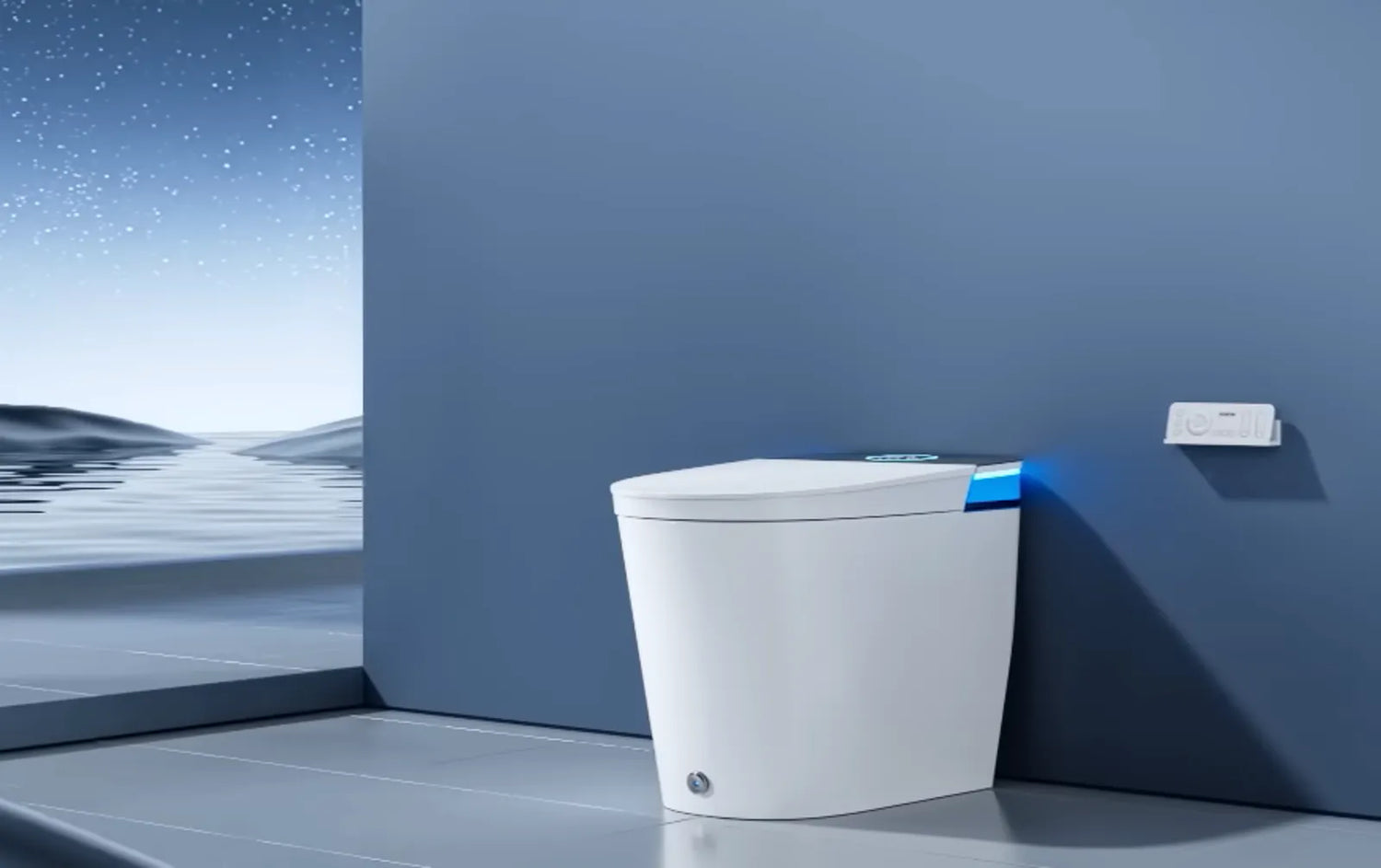
As smart home trends continue to reshape modern living spaces, electric and smart bidet toilets have gradually become mainstream upgrades for household bathrooms. Moving beyond the single basic flushing function of traditional toilets, these advanced bathroom fixtures combine practical hygiene functions, user-friendly comfort designs and convenient intelligent controls to greatly elevate daily restroom experiences.
Whether you are planning a full bathroom renovation or simply looking for a cost-effective toilet replacement, choosing a suitable electric toilet requires full consideration of its core functions, installation requirements, usage limits, long-term maintenance costs and actual household demands.
This comprehensive guide covers all key facts about electric smart toilets, analyzing their practical advantages, existing drawbacks, applicable user groups and usage tips, helping you make a rational and suitable purchasing decision that fits your living environment and budget needs.
Short Answer
Yes—an electric toilet can be worth it if you want hygienic maximum hygiene, more comfort, and hands-free features without always paying top luxury prices. It works best for homeowners who will actually use features like fresh-water cleansing, auto open, and heated-seat-style convenience. This product line is perfectly suited for hygiene-focused users and home remodelers who intend to fully utilize washing functions and hands-free smart controls. It is not a wise pick for budget-focused shoppers seeking only a basic and hassle-free toilet replacement. The biggest limitation is that the upfront cost and easy installation complexity can erase the value fast, especially if you just want a basic reliable toilet.
When It Works Well
Buyers can choose between one-piece smart toilet and standalone electric bidet seat add-ons based on living conditions and renovation plans. Complete full electric toilets integrate all washing, heating and sensor control functions in one unit, requiring formal pipeline and electrical outlet layout during installation. This option is highly recommended for permanent homeowners and overall bathroom remodelers, who can match sleek design to upgrade the whole bathroom experience and enjoy all-round stable smart functions for long-term residence.
Smart bidet seat are retrofitted accessories installed on existing regular toilet, needing no large-scale bathroom renovation and featuring simple installation steps. This type is the ideal pick for renters and users who only need partial functional upgrades, allowing users to obtain basic cleansing and heating functions with low investment and easy disassembly and removal when moving houses.
Both options effectively cut down toilet paper usage and reach comfort and cleanliness daily personal hygiene standards. Sensor-activated hands-free opening and closing functions bring great convenience in daily scenarios, while cost-effective mid-range products satisfy users’ demand for practical smart functions without reaching the high pricing of mainstream high-end luxury toilet brands. The U.S. Environmental Protection Agency (EPA) notes that reducing toilet paper consumption lowers household waste and environmental footprint.
How does an electric toilet work?
In practical terms, it is a toilet with powered features added to normal flushing. Depending on the model, the electricity runs functions like auto-flush, soft close, warm water wash, seat heating, self-cleaning systems, or remote controls. Some are full smart toilet with bidet built, while others are simpler electric bidet-seat setups added to a standard toilet.
For most homeowners, the key point is this: the electricity usually powers the comfort and automation features, not the basic idea of waste removal itself. But some tankless or dual-flush advanced flush systems marked with 1.28 gpf may rely more heavily on power and compatible plumbing, which is why installation details matter more than with a plain toilet.

When It May Not Be Ideal
This is not a great category for everyone.
The primary obstacles lie in extra installation expenses and renovation risks. Most buyers overlook hidden circuit transformation and pipeline adjustment fees in purchase plans, and tankless electric toilets put forward higher requirements for on-site waterway layout, which will sharply increase the overall procurement budget beyond the product marked price.
Power supply instability also brings obvious usage restrictions. Areas prone to frequent power outages cannot guarantee the normal operation of core smart functions of electric toilets, and some advanced models even fail to complete basic automatic flushing work without power support, greatly affecting daily basic use.
Unreasonable non comfort height seat height design is another practical defect. Multiple user feedback shows that many mainstream electric toilet models have low seat positions, which cannot meet the sitting posture needs of tall groups and will cause persistent uncomfortable experience in long-term use.
Many built-in touchless high-tech sensing functions have serious practicality deviation. Induction opening covers and other fancy configurations are easy to cause false triggering in daily use, and most users will stop using these redundant functions in a short time, resulting in wasted functional cost.
This product series is also not suitable for users pursuing ultra-simple long-term household experience. Rich smart configurations correspond to more regular maintenance work such as filter replacement and nozzle deep cleaning, and these easy to clean structures still lack complete post-sales maintenance channels, increasing later household use burdens.
Where does waste go in an electric toilet?
For a standard home electric toilet, the waste goes where it always does: into your home’s normal drain line and then into the sewer or septic system, depending on your house. The “electric” part usually changes the user features, not the basic waste path.
That is important because some buyers seem to assume these toilets work in a totally different way. Usually, they do not. The bigger issue is whether your plumbing setup can support the model you choose, especially tankless designs that may have stricter adjustable water temperature water-pressure or installation needs.

Pros and Cons
Here is the most honest way to look at it.
Pros
-
Realize water-based private cleansing including feminine wash to reduce bacterial residue, matching daily advanced hygiene living demands
-
Sensor-controlled hands-free operation avoids direct contact with toilet surfaces, fitting busy household use scenarios
-
Integrated streamlined elongated modern appearance matches modern minimalist bathroom renovation styling needs
-
Mid-range brands such as HOROW deliver core practical functions, cutting down the budget pressure of choosing luxury high-end products
-
Split selection of integrated bidet toilet and retrofit toilet seats meets the functional demands of different resident groups
Cons
-
Overall procurement plus installation total budget is far higher than traditional ordinary toilets, limiting low-budget replacement demands
-
On-site circuit and pipeline transformation is required for formal installation, which cannot realize rapid replacement and use
-
Fixed low elongated white seat body design fails to satisfy the daily sitting comfort needs of tall user groups
-
Excessively diversified smart sensing functions are low in daily utilization rate, resulting in redundant cost investment
-
Official product promotion ignores later maintenance content, making users unable to accurately assess long-term use costs
-
Tankless electric toilets are incompatible with low water pressure environments and regions with unstable power supply, with strong usage scenario restrictions
A fair summary from the research would be: this works well if you prioritize hygiene and auto-features over height, price simplicity, and low-tech reliability.
Real-World Considerations
For most homeowners, the buying decision comes down less to “Is smart toilet technology cool?” and more to “Will this be easy to live with?”
Installation
This is one of the most overlooked parts of the decision.
Many rankings focus on features and price tags but do not explain what happens when the toilet reaches your house. Some electric toilets may need nearby power, compatible plumbing, or more involved installation than a standard toilet. Research specifically notes that retrofit costs can add hundreds of dollars, especially for tankless setups.
If you are doing a remodel anyway, this may not be a big deal. If you are replacing a broken toilet and want a fast, low-stress swap, it can be a poor fit.

Space constraints
In small bathrooms, model choice matters more than the category itself. Some compact models are recommended for apartments or tighter layouts, while wall-hung designs may save space but require compatibility checks. So the question is not only “Do I want an electric toilet?” It is also “Will this exact shape and install type work in my bathroom?”
Daily usability
In daily use, the best electric toilets are easy and clean, not flashy.
Fresh-water wash and heated water features are one of the most consistently praised benefits. Auto lids and touch-free features can also feel convenient. But daily usability drops if the seat height is wrong, the controls feel overly complicated, or the sensing features become more novelty than help.
That is why some buyers are happiest with “best value” models rather than the most feature-packed ones. A simpler electric toilet you actually enjoy is better than a premium one with extras you ignore.
Maintenance
This is where expectations should stay realistic.
The research points out that many product lists praise self-cleaning nozzles and sanitation features without saying much about upkeep. Even if a model is marketed as low-maintenance, parts still need cleaning, and advanced functions can mean more things that may eventually need service.
If you like gadgets and do not mind some upkeep, that may be fine. If you want a toilet you never think about, a standard toilet or a basic washlet may be the safer path.
Long-term expectations
Do not judge value only by the sticker price.
A cheaper electric model may look attractive, but the long-term picture may include nozzle cleaning, possible replacement parts, service questions, electricity use and built-in night light running cost for heated or always-ready features. The research does not give hard failure-rate numbers, so the safest takeaway is simply that long-term ownership is less predictable than with a basic toilet.
How to flush an electric toilet with no power?
This depends on the model, and that uncertainty is part of the buying decision.
Some electric toilets may still allow a manual flush method, while others—especially more advanced tankless styles—can be more problematic during outages. The research does not provide a universal manual-flush method, but it does note that power outages are a meaningful concern for some tankless designs.
So before buying, check the exact model’s backup-flush instructions. Do not assume every electric toilet works normally without power. If outages are common in your area, this is not a minor detail.
Who Should Buy / Who Should Skip
Before you finalize your purchase decision, clarify your actual household needs and living conditions to confirm whether an electric toilet matches your daily usage habits and practical demands.
You should buy an electric toilet if:
-
You want a real hygiene upgrade including air drying and dryer function and will use the wash features often
-
You like hands-free operation and modern convenience
-
You are already remodeling and can handle installation complexity
-
You want modern design without necessarily paying top-tier luxury pricing
-
You are comparing models carefully for height, space, and plumbing fit
You should skip or rethink it if:
-
You are tall and the seat height on your preferred model is low
-
You want the cheapest, simplest toilet replacement
-
You do not want electrical or plumbing complications
-
You are skeptical of smart features and may see them as gimmicks
-
You live in an area with frequent power outages and need dependable low-tech flushing
-
You care more about long-term simplicity than added comfort features
Electric toilets are good products for the right buyer, but they are not automatic upgrades for every home. The strongest case for them is better hygiene, comfort, and convenience. The weakest case is buying one because it sounds modern, then realizing the cost, fit, or setup was wrong.
If you need better hygiene and like hands-free features → good choice. If you care most about low cost, simple installation, or a taller seat with fewer complications → consider alternatives.

FAQs
How does an electric toilet work?
An electric toilet utilizes household power and stable pre-mist function to drive various practical smart functions without altering core flushing structures, which clearly explains what does a smart toilet do in daily household scenarios. It supports adjustable warm water cleaning, sensor-controlled lid operation and cmfortable heated seats to elevate overall using experience. Complete integrated fixtures pack all electric parts inside, while affordable styles add functional modules to common toilet bodies. Basic drainage functions stay unaffected by power supply to ensure stable daily household use all year round.
Where does waste go in an electric toilet?
Waste discharged from an electric toilet travels through standard home drain pipelines just like regular bathroom fixtures without adopting any unique disposal channels. It will finally flow into municipal sewer systems or private septic tanks following local residential drainage layouts. The smart functional design only optimizes user touching experience instead of changing inherent waste discharge paths. Property owners merely need to match basic plumbing conditions to install and use qualified smart toilet products smoothly at home.
How to flush an electric toilet with no power?
Many users wonder do you need electricity to flush a toilet, and the answer differs based on distinct electric toilet structural designs. Most tank-type electric toilets reserve physical manual flushing tools to complete basic flushing tasks well during unexpected power failures. High-end tankless smart models heavily rely on electric support and struggle to finish normal flushing work once power is cut off. Checking powerless backup functions beforehand helps users pick out suitable electric toilet models matching local power supply situations perfectly.
References


Leave a comment
This site is protected by hCaptcha and the hCaptcha Privacy Policy and Terms of Service apply.